
Water Mitigation & Dryout
Ice Dam Now provides water mitigation & dryout across 38 cold-climate states. Extraction, drying and controlled tear-out to IICRC S500, then the interior repair, so the water that already got in does not become rot and mold by spring. Work follows IICRC standards with daily moisture readings, the interior repair is done in-house by the same company, and everything is scoped in Xactimate line items on one insurance claim.
Taking the ice off stops the leak. It does nothing about the water already sitting in your insulation, your wall cavities and your ceilings.
Get Ice Dam Help Now
Dry does not mean dry
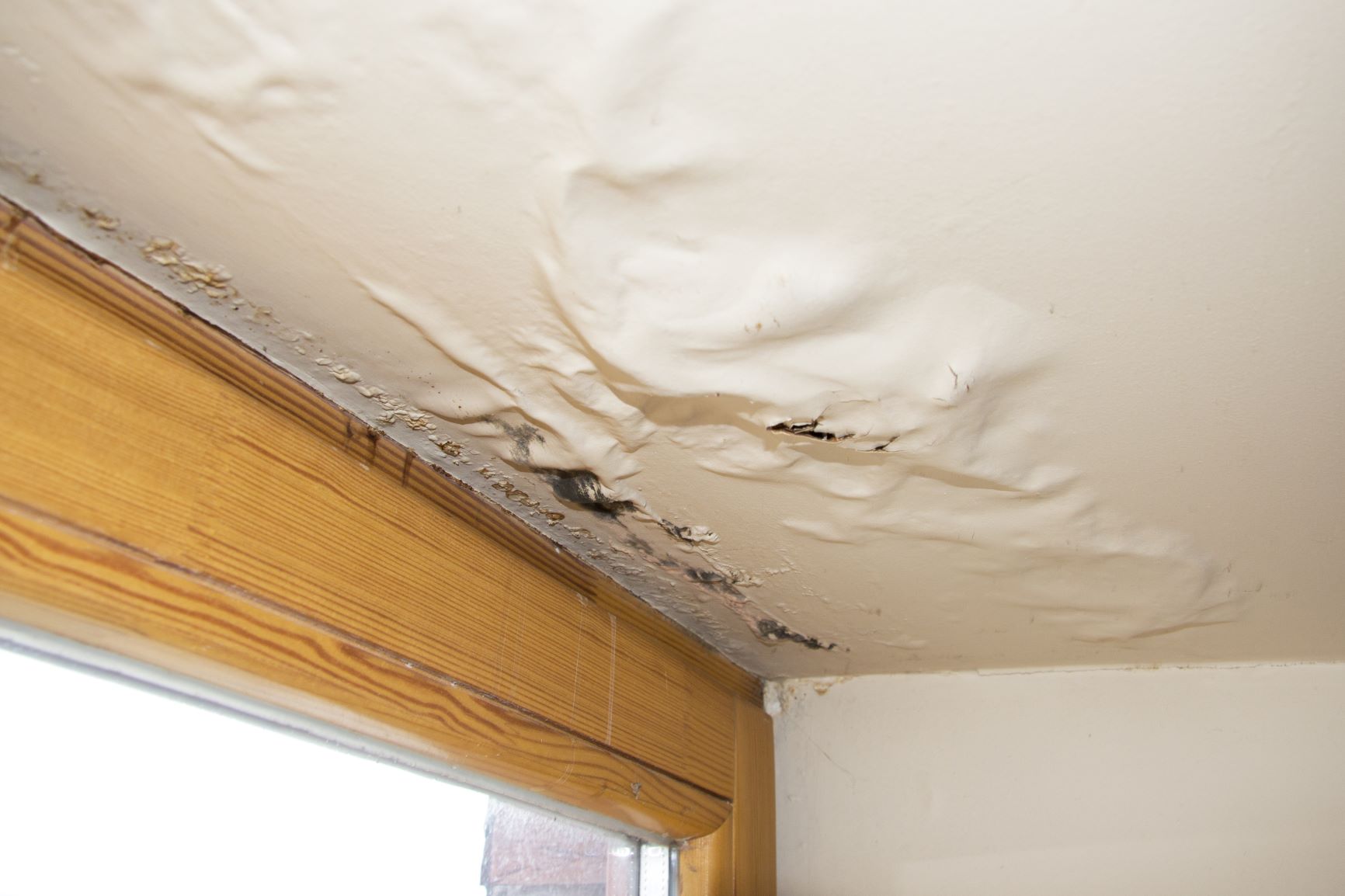
A ceiling stain stops spreading long before the cavity behind it is dry. Wet cellulose and fiberglass hold water against the framing for weeks, and in a cold attic the evaporation that would normally handle it simply does not happen. That is how a January leak becomes a spring mold problem.
Mitigation means getting the structure back to a documented dry standard — not back to looking fine. Moisture meter readings on framing, sheathing and drywall are what close the job, not appearance.
The sequence
Standing water is extracted first. Saturated insulation comes out, because it cannot be dried in place and it is holding moisture against everything it touches. Containment goes up where tear-out is needed, with HEPA scrubbers running inside it. Dehumidifiers and air movers are placed to the room's volume and load rather than scattered around.
Then the readings get taken daily until they hit standard. In a winter, with cold cavities and low ambient humidity outside, that typically takes longer than people expect.
Where the water actually went
Thermal imaging and meters find it, because the visible stain is usually the smallest part. Water tracks along top plates, down stud bays and across ceiling planes, and it collects in places with no stain at all — behind knee walls, above soffits, inside cathedral ceiling cavities with no access.
Where opening up finds mold, the work moves under containment and becomes mold remediation. Either way the same company puts the room back together afterward.

What you get
- Extraction firstStanding water out before anything else starts
- Wet insulation removedIt cannot be dried in place and it holds water against the framing
- Containment and HEPABarriers and air scrubbers wherever tear-out is required
- Documented to standardDaily moisture readings until the structure meets IICRC S500 dry standard
- Hidden water mappedThermal imaging and pin meters find what left no stain
- Electrical made safeCircuits killed where water reached fixtures, before equipment goes in
- Interior repair in-houseDrywall, insulation, texture, trim and paint put back by the same company
Water coming in right now? Call (888) 561-9664. Active interior leaks go to the front of the schedule during a freeze event.
Everything The Ice Dam Caused, On One Claim
Taking the ice off is usually the cheapest part. The water that already got in, the mold it leaves, the ceiling that has to come down and sometimes the roof itself are one loss event, so they go on one insurance claim, handled by one company.
 1
Ice Dam Removal
Low-pressure steam takes the dam off the eave and stops new water coming in.
- 2
Water Mitigation
Extraction, wet insulation out and drying to a measured IICRC S500 standard.
 3
Mold Remediation
Containment, removal and clearance wherever the water has led to growth.
 4
Interior Repair
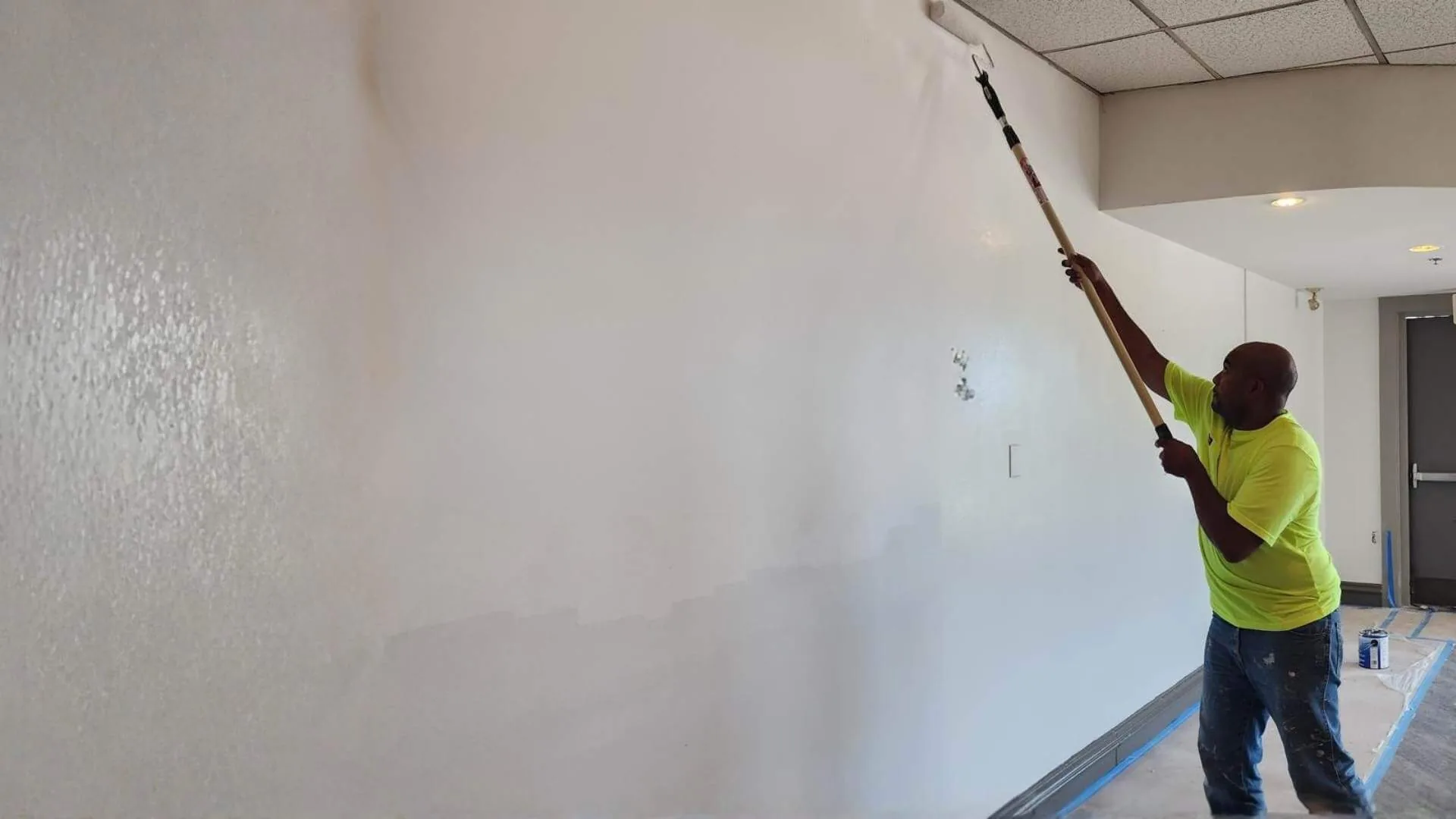
Insulation, drywall, texture, trim and paint, put back by the same crews.
 5
Roof Repair Or Replacement
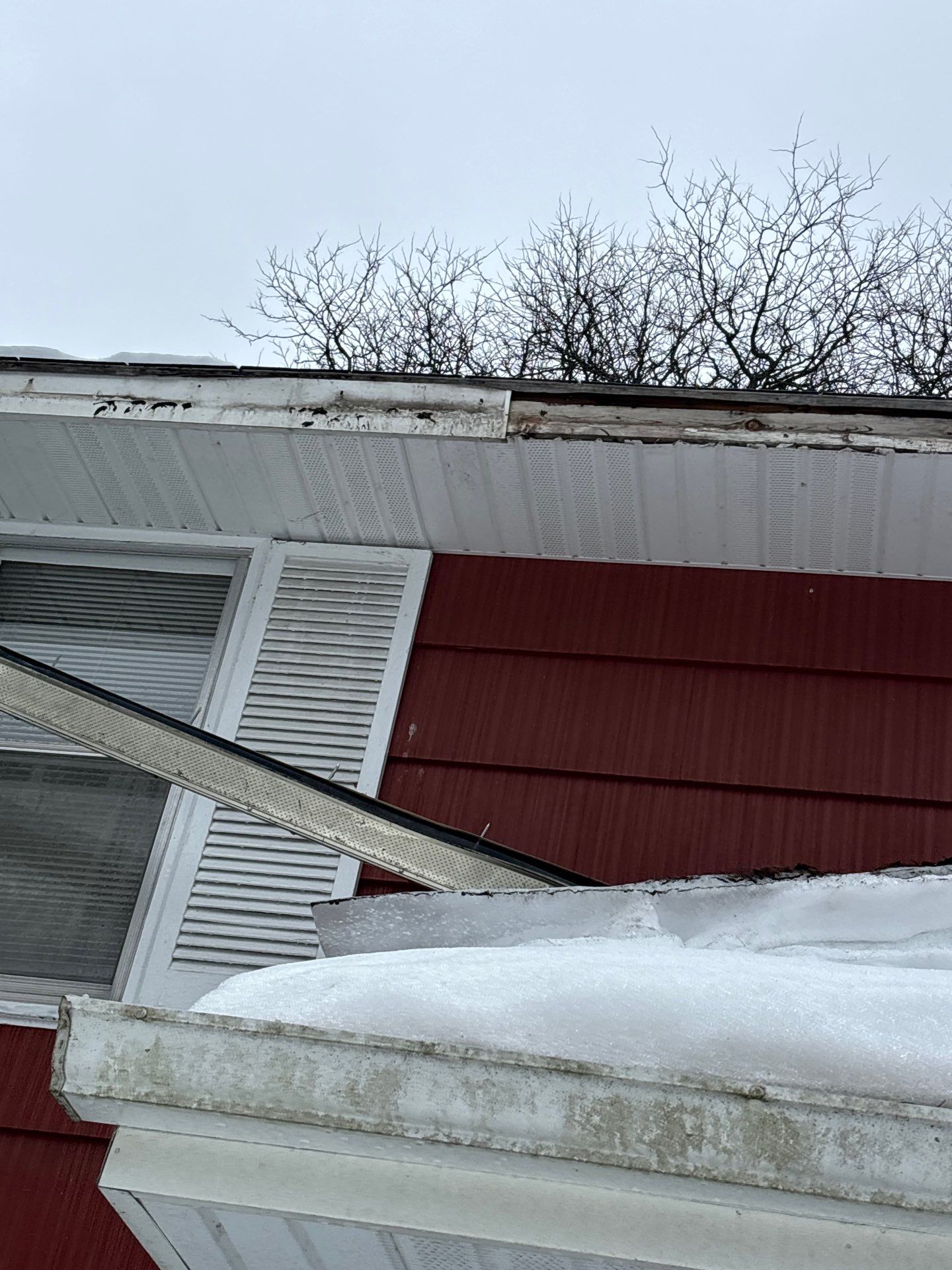
Where the ice dam tore shingles or soaked the decking, the roof goes on the same claim.
How it goes on the claim
- One loss, one claim number. Removal, mitigation, mold, interior repair and roof damage from the same ice dam are reported as one event.
- Broken out by coverage. Mitigation, mold (often under its own sublimit), interior repair and the roof are written as separate Xactimate sections, so a question on one line does not hold up the rest.
- Documented the whole way. Dated photographs and moisture readings run from the ice on the roof to the finished room, from one company, in one file.
- Honest about the limits. Coverage depends on your policy. A roof that was simply old is not storm damage, and you and your carrier make the coverage decision.
Water Mitigation & Dryout Across 38 States
Pick your state to find local dispatch, crews and response times for your city.
Northeast & New England
9 statesRockies & Pacific Snow Corridors
12 statesPlains, Mid-Atlantic & Appalachia
10 statesQuestions We Get About Water Mitigation
Given moisture and an organic surface, growth can begin within a couple of days. Cold slows it but does not stop it, and the spring warm-up finds whatever is still wet. That is why drying starts immediately rather than after the roof is sorted out.
In an open, heated room, sometimes. Inside an attic, a wall cavity or above a ceiling in winter, no — there is no air movement and no evaporation to speak of. Those are exactly the spaces ice dam water gets into.
Interior water damage from an ice dam is covered under many policies, and mitigation is often treated separately from the repair under a duty to protect property clause. Coverage varies by carrier, so check your policy. Readings, photos and a written scope are documented throughout either way.
Rarely. Most dryouts are a few rooms with containment up, and people stay in the house. If tear-out is extensive or the affected area includes the only bathroom or kitchen, that gets discussed before anything starts.
Three to five days is typical for a contained ceiling or wall area. Cold cavities, saturated insulation and a winter with low ambient temperatures all extend it. The job ends on meter readings rather than on a calendar, and the daily log shows you where it is up to.
Air movers and dehumidifiers are noticeable and they do run continuously, because drying stops when they do. Turning them off at night adds days to the job. Placement can be adjusted around bedrooms where the layout allows, and that is worth raising at the start.
Wet insulation comes out, because it cannot be dried in place and it holds water against the framing and sheathing. Dry insulation stays. Which is which gets established with a meter and shown to you before anything is bagged.
Both. Once the readings hit standard, the same company does the interior repair: insulation, drywall, texture, trim, paint and flooring. It goes into the same scope and the same claim, so there is no gap between the dryout and the rebuild. If you would rather use your own builder, the moisture log and photographs are handed over either way.
Water Mitigation & Dryout In Practice
What the work looks like on real roofs. Every job is photographed before and after.


What Usually Goes With It
Ice Dam Removal
Low-pressure steam melts the dam off the eave in sections until the shingle is clear and water is draining again.
Book Ice Dam RemovalMold Remediation
Attic, wall cavity and ceiling mold left behind by ice dam water, removed under containment and cleared before the room is rebuilt.
Book A Mold InspectionIce Dam Insurance Claims
One claim for the whole event: ice dam removal, water mitigation, mold remediation, interior repair and roof replacement where the storm damaged it, documented in Xactimate line items.
Start My Claim DocumentationGet A Crew Out
Tell us the address and what you are seeing. You get the rate on the phone before anyone is dispatched.