
What is usually covered
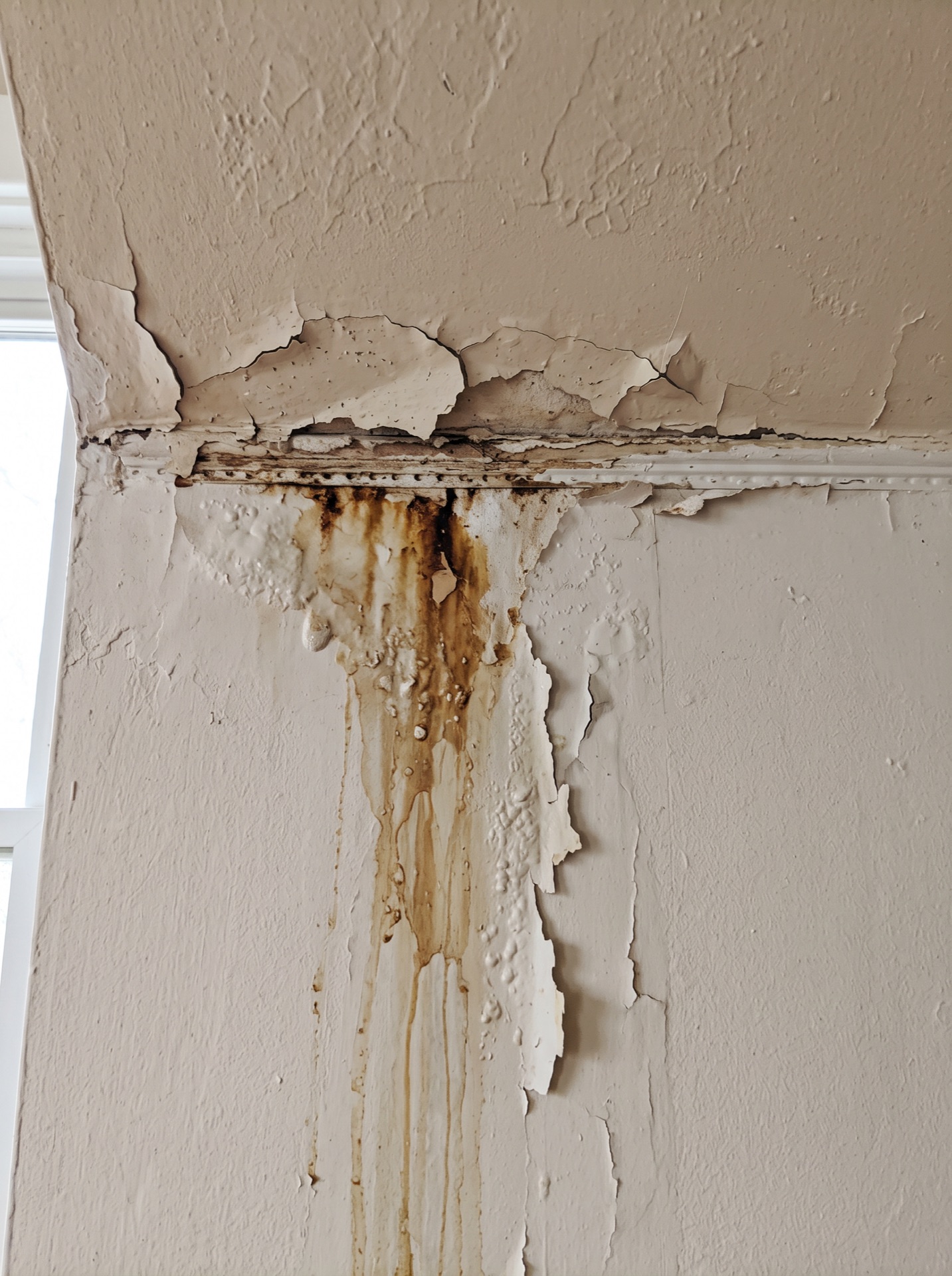
Sudden and accidental water damage to the inside of the house is the core of it: ceilings, walls, flooring, decoration and contents damaged when water came in during a specific event. That is what the cover exists for, and ice dam losses are a routine, well-understood claim in cold states.
Emergency mitigation — extraction, drying equipment, controlled removal of saturated material — is usually included and insurers generally want it done promptly, because drying a house quickly costs them less than letting it rot. Most policies also expect you to take reasonable steps to prevent further damage, so getting the water stopped is not only sensible, it is often something the policy requires of you.
Insulation that was wetted by the event is damaged property and is frequently included on the same basis.
Where it usually gets complicated
Gradual damage. Almost every homeowners policy excludes deterioration that happened slowly, so a leak that has been quietly wetting a wall for three winters is a much harder claim than one that started on a specific date. This is the single biggest reason to document the date water first appeared.
The roof itself. Damage caused by the event may be covered; replacing a roof that was already at the end of its life generally is not, and an adjuster will look closely at its age and condition. Expect depreciation to come up if the roof is old.
Mold. Be realistic about this one. A great many policies cap mold remediation at a modest sum, and some exclude it except where it follows directly from a covered sudden loss. It is the least dependable part of an ice dam claim, and it is also the part that grows while you wait, which is a strong argument for drying the house fast rather than arguing first.
Long-standing maintenance issues. Blocked gutters, missing insulation and known defects are typically treated as maintenance rather than a sudden loss.
What actually decides it
Three things: what your policy says, what the adjuster sees, and what you can show about when it happened. The first two are not in your control. The third entirely is, and it is where most claims are won or lost.
Dated photographs taken on the day, before anyone moves anything, are worth more than any argument made afterwards. Photograph the stain, the bulge, the contents in place, the ice on the roof, and the water in the bucket.
What we do, and what we do not
We document the job properly: dated photographs before, during and after, a written scope of what was done and why, moisture readings where drying is involved, and an invoice that itemises the work. That is the evidence package an adjuster works from, and we provide it on every job whether you ask or not.
We are a contractor, not a public adjuster and not your insurer. We do not negotiate claims, interpret policy wording or tell you what you are entitled to — in many states doing that for a fee requires a license we do not hold. If a claim turns genuinely contentious, a licensed public adjuster or an attorney is who you want, and we will say so rather than wade in.
How to tell which one you have
Stronger claim
A clear event date, dated photographs from the day, a roof in reasonable condition, prompt mitigation, and a written scope from the contractor who attended.
Harder claim
Damage found weeks later, no photographs, an old roof, known blocked gutters, or mold as the main item of loss.
Ask before you assume
Your excess, whether you have a separate wind-and-hail or roof excess, any mold cap, and whether cover is replacement cost or actual cash value. Those four answers change the arithmetic completely.
What to do in the next ten minutes
- Photograph everything before you move anything, with the date visible.
- Report it to your insurer promptly — most policies require prompt notice and late notice is a reason to reduce or decline.
- Take reasonable steps to stop further damage. That is usually expected of you, and failing to do it can be held against the claim.
- Keep receipts for anything you buy or pay for, including a hotel if the house is unliveable.
- Ask your adjuster directly about the mold cap and the roof excess, before work starts rather than after.
- Call us for the water. We will document it properly, and we will tell you what we actually saw rather than what helps a claim.
Questions people ask
It might, and that is a real consideration on a small loss where the repair is close to your excess. On a significant interior water loss the sums are usually not close. It is your call, and anyone who tells you confidently either way does not know your insurer's rating.
Ask your insurer the question before deciding. A question is not a claim. Describing the situation and asking how the policy treats it gets you a straight answer without necessarily opening a file, and it is the single most useful call you can make.
Where the policy allows it and the carrier agrees, we can bill directly and that is common on mitigation work. It is arranged case by case, not promised up front.
No, and be wary of a contractor who will. We can tell you what work the property needs and what we charge for it. What your policy pays is between you, your policy and your adjuster.
Often, as part of mitigation, on the basis that removing the dam prevents further damage. Not always, and not in every policy. Ask the question specifically, because it is a different line from the interior repairs.