
Ice Dam Removal
Ice Dam Now provides ice dam removal across 38 cold-climate states. Low-pressure steam melts the dam off the eave in sections until the shingle is clear and water is draining again. Crews are licensed, insured and harness-certified, dispatch same day for active interior leaks, and bill by the crew hour at a rate quoted before dispatch. Dated photographs are supplied for insurance claims.
An ice dam is a leak on a timer. Every freeze-thaw cycle it gets thicker, and the water behind it keeps looking for a way into your home.
Get Ice Dam Help Now
What steam actually does
A steam unit delivers water at roughly 290°F at a pressure low enough to rest your hand in the plume. It cuts a channel straight through the ice and lifts the dam off in sections, right down to the shingle. The heat does the work, not force, so granules, seal strips and flashing come through untouched.
That is the whole difference between steam and the hot pressure washers often sold as steam. A pressure washer cuts ice fast because of its pressure — and that same pressure strips the granules off asphalt shingles and drives water up under the courses. One method removes ice. The other removes ice and roof.
What the crew does on arrival
Before anything is touched, the crew walks the eaves, valleys and gutter line and photographs every dam and every point where water is tracking inside. You get shown what they found. Then the dam comes off in sections, starting wherever water is actively backing up, so drainage opens early rather than at the end.
Downspouts and gutter troughs get cleared in the same visit where they are frozen, because a dam removed above a solid block of ice in the gutter just reforms in the next cold night.
Why the dam formed in the first place
Ice dams are a heat problem wearing a weather costume. Warm air escaping into the attic melts snow on the upper roof; that meltwater runs to the eave, which hangs past the heated envelope and stays below freezing; it refreezes there, and the ridge of ice grows a layer every cycle. Removal is the emergency fix. Before the crew leaves you will know which part of your attic is feeding it.

What you get
- Steam onlySafe on asphalt, cedar, slate, tile and metal — no chipping, no pressure, no salt
- Same-day dispatchActive interior leaks go to the front of the schedule during a freeze event
- Cleared to the shingleThe dam comes off completely, not just a drainage channel cut through it
- Photographed as we workDated before and after images and a written scope your adjuster will accept
- Gutters cleared tooTrough and downspout steamed through to daylight in the same visit
- Valleys and dormersThe dead spots that hold the deepest ice get worked specifically
- No salt, no chippingNothing corrosive and nothing mechanical touches the covering
Water coming in right now? Call (888) 561-9664. Active interior leaks go to the front of the schedule during a freeze event.
Everything The Ice Dam Caused, On One Claim
Taking the ice off is usually the cheapest part. The water that already got in, the mold it leaves, the ceiling that has to come down and sometimes the roof itself are one loss event, so they go on one insurance claim, handled by one company.
 1
Ice Dam Removal
Low-pressure steam takes the dam off the eave and stops new water coming in.
 2
Water Mitigation
Extraction, wet insulation out and drying to a measured IICRC S500 standard.
 3
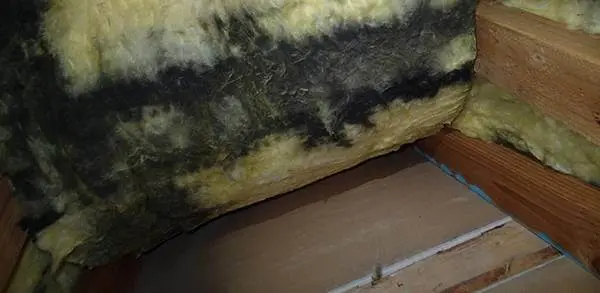
Mold Remediation
Containment, removal and clearance wherever the water has led to growth.
 4
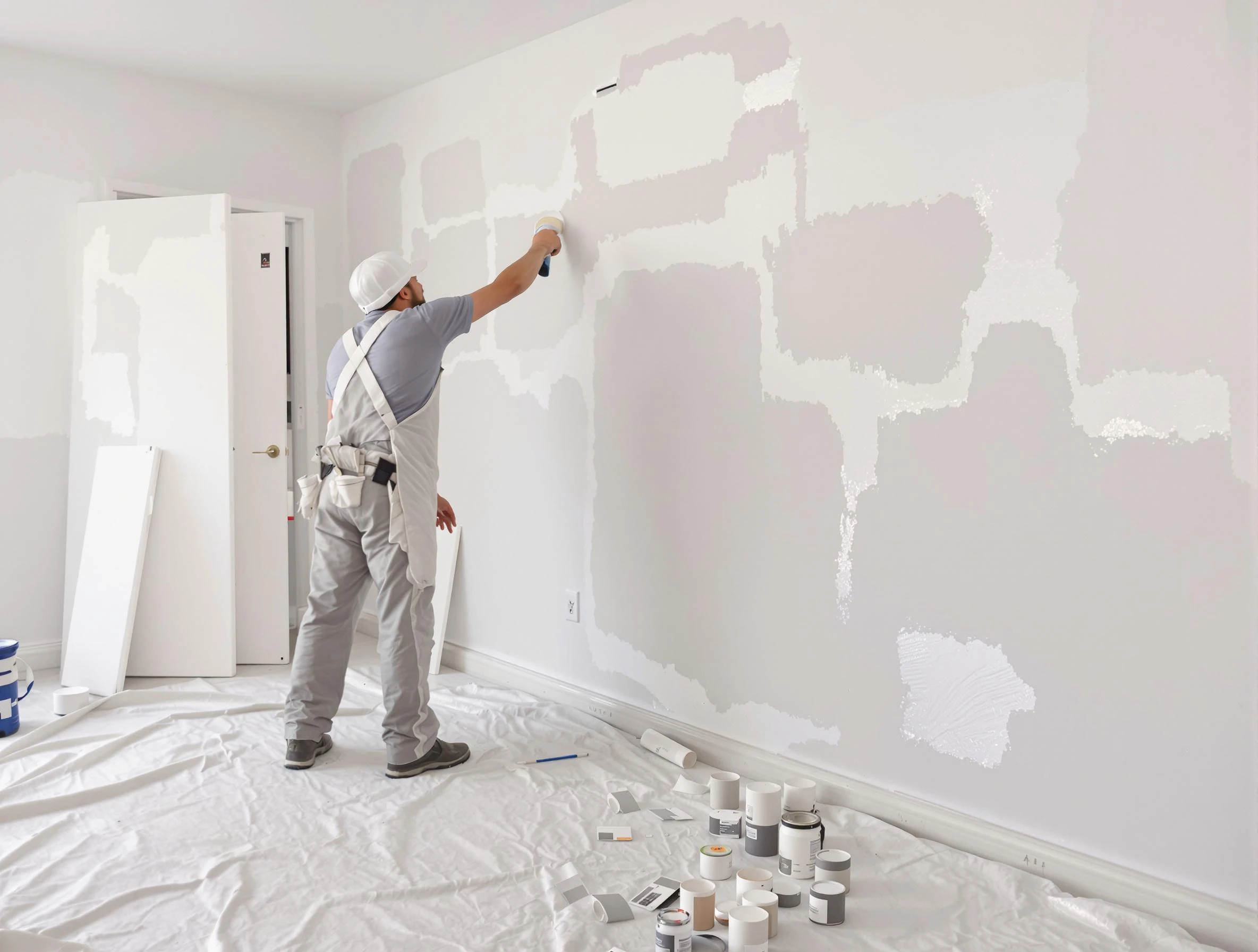
Interior Repair
Insulation, drywall, texture, trim and paint, put back by the same crews.
 5
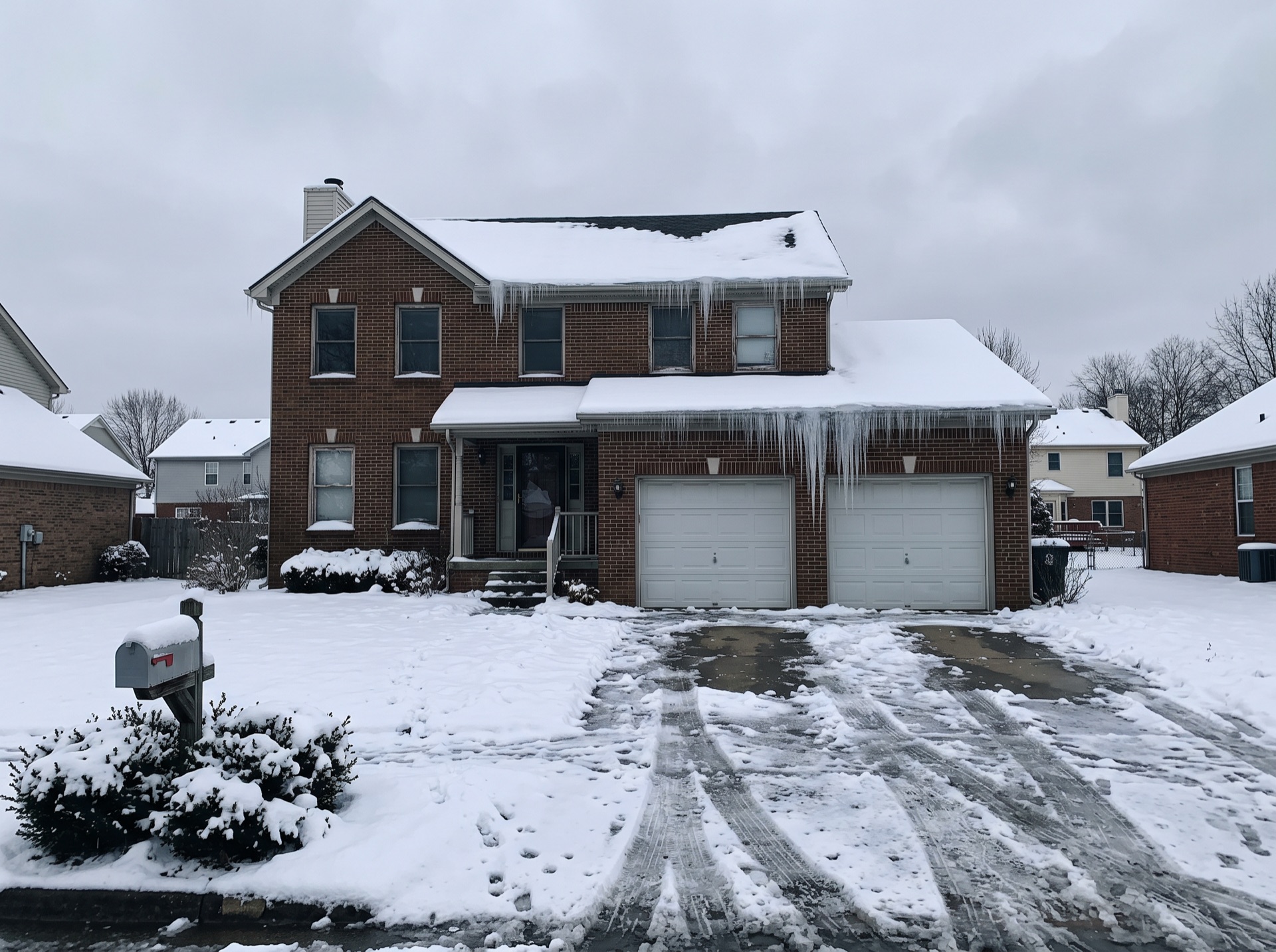
Roof Repair Or Replacement
Where the ice dam tore shingles or soaked the decking, the roof goes on the same claim.
How it goes on the claim
- One loss, one claim number. Removal, mitigation, mold, interior repair and roof damage from the same ice dam are reported as one event.
- Broken out by coverage. Mitigation, mold (often under its own sublimit), interior repair and the roof are written as separate Xactimate sections, so a question on one line does not hold up the rest.
- Documented the whole way. Dated photographs and moisture readings run from the ice on the roof to the finished room, from one company, in one file.
- Honest about the limits. Coverage depends on your policy. A roof that was simply old is not storm damage, and you and your carrier make the coverage decision.
Ice Dam Removal Across 38 States
Pick your state to find local dispatch, crews and response times for your city.
Northeast & New England
9 statesRockies & Pacific Snow Corridors
12 statesPlains, Mid-Atlantic & Appalachia
10 statesQuestions We Get About Ice Dam Removal
No. Steam removes ice with heat rather than force, at a pressure low enough to be safe on asphalt, cedar, slate, tile and metal roofing. That is exactly what separates it from a hot pressure washer, which relies on high pressure and strips the granules off asphalt shingles.
During a freeze event crews run from early morning until dark and prioritize homes with water already coming inside. Most calls are scheduled same day or next morning. If water is actively coming in, call rather than filling in the form — the phone is always faster.
Steaming is billed by the crew hour. The hours depend on how long and thick the dam is, the pitch and height of the roof, and whether the gutters are frozen solid too. The rate and a realistic time estimate are quoted on the phone before a crew is dispatched.
Please do not. Cold shingles are brittle and crack under a chisel or hammer, the deck underneath punctures easily, and every winter people fall off ladders doing this. The DIY removal often costs more to repair than the ice damage would have.
Not to remove the ice - that is all done from outside. A quick look in the attic before the crew leaves is offered anyway, because the dam formed for a reason and that reason is almost always up there. It takes a few minutes and it is what stops the same dam returning next month.
Call rather than fill in a form. In the meantime, put something under it, move what you can out of the way, and if the ceiling is bulging with held water, a small hole at the low point drains it in a controlled way instead of the whole sheet coming down at once. Do not go on the roof.
Yes. The trough and the downspout get steamed through to daylight as part of the same visit. Taking the dam off the eave and leaving a gutter packed with ice underneath it just means the dam rebuilds from the bottom up in the next cold night.
It stops this leak. It does not change the heat loss that caused the dam, so without attic air sealing and insulation work the dam will form again in the next freeze-thaw cycle. Removal is the emergency; the attic is the cure, and you will be told which part of yours is feeding it.
Ice Dam Removal In Practice
What the work looks like on real roofs. Every job is photographed before and after.


What Usually Goes With It
Water Mitigation & Dryout
Extraction, drying and controlled tear-out to IICRC S500, then the interior repair, so the water that already got in does not become rot and mold by spring.
Start Emergency DryoutMold Remediation
Attic, wall cavity and ceiling mold left behind by ice dam water, removed under containment and cleared before the room is rebuilt.
Book A Mold InspectionIce Dam Insurance Claims
One claim for the whole event: ice dam removal, water mitigation, mold remediation, interior repair and roof replacement where the storm damaged it, documented in Xactimate line items.
Start My Claim DocumentationGet A Crew Out
Tell us the address and what you are seeing. You get the rate on the phone before anyone is dispatched.