
Mold Remediation
Ice Dam Now provides mold remediation across 38 cold-climate states. Attic, wall cavity and ceiling mold left behind by ice dam water, removed under containment and cleared before the room is rebuilt. Work follows IICRC standards with daily moisture readings, the interior repair is done in-house by the same company, and everything is scoped in Xactimate line items on one insurance claim.
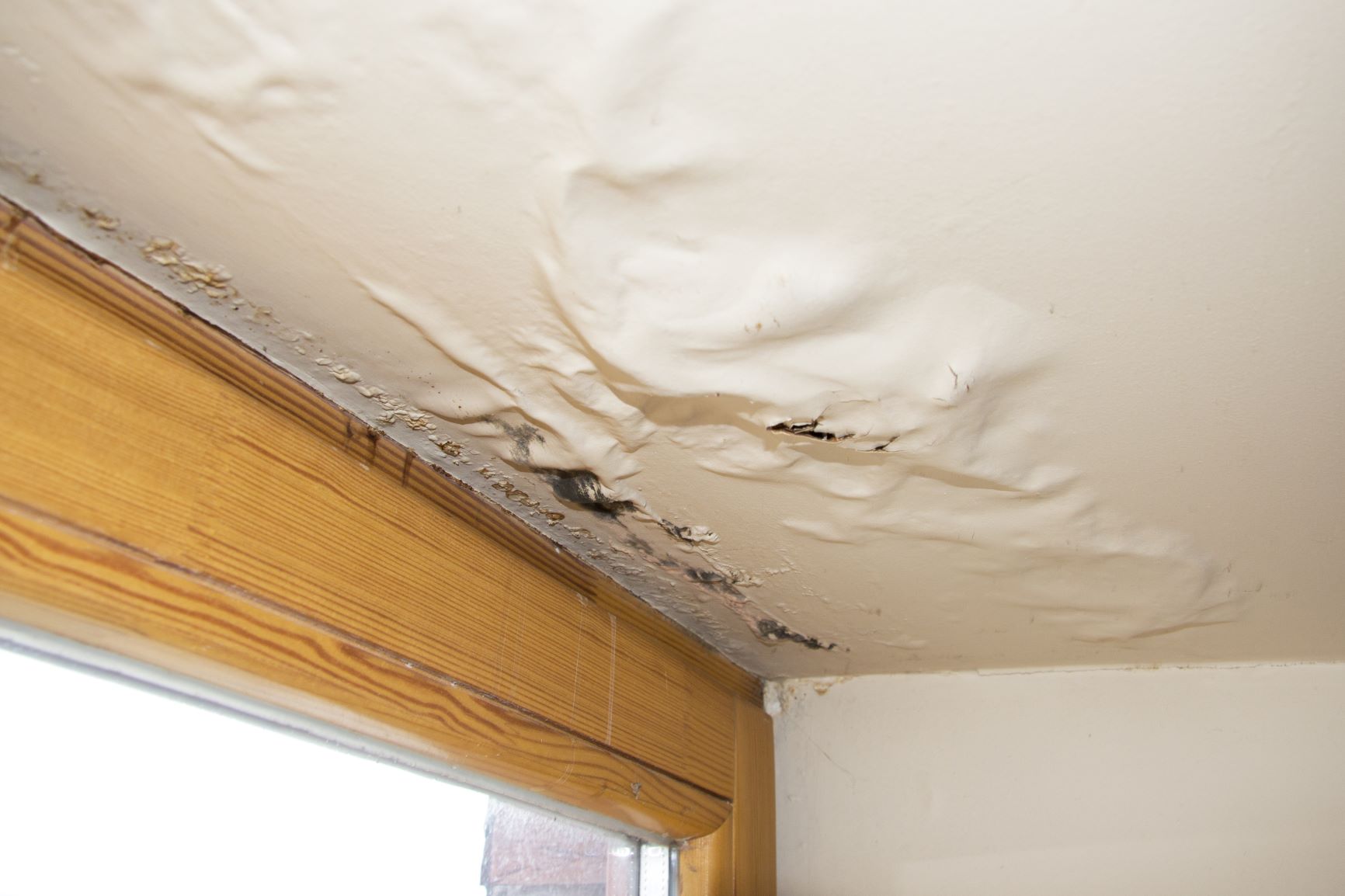
An ice dam leak that stops in January is often a mold problem by March. The water did not go away when the stain stopped spreading. It went into the insulation, the sheathing and the wall cavities, and it is still there.
Get Ice Dam Help Now
Why ice dam water turns into mold
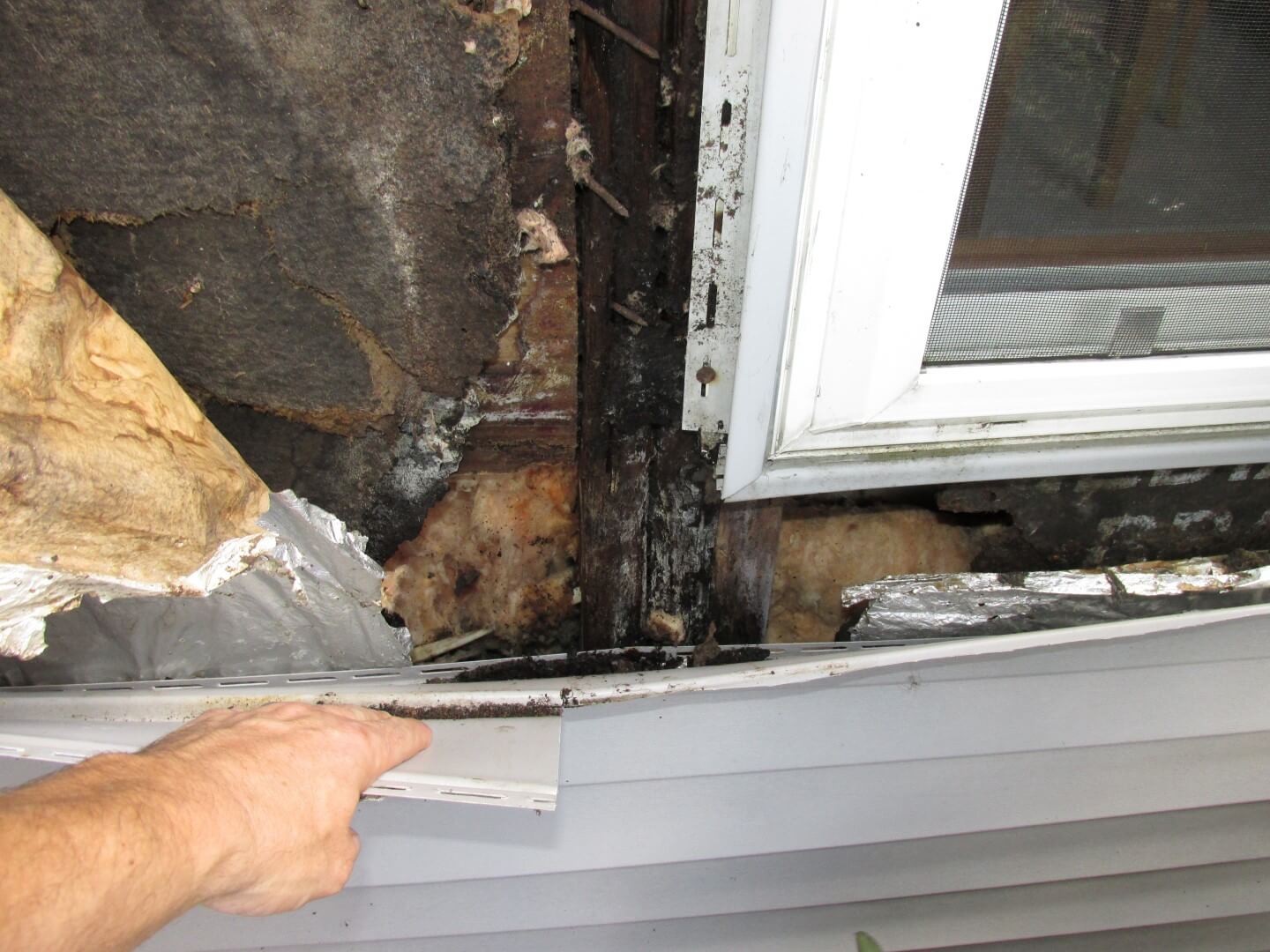
Ice dam water does not arrive like a burst pipe. It seeps in over days or weeks, into places nobody looks: the underside of the roof sheathing, the insulation along the eave, the top of an exterior wall. Those spaces are dark, they are full of wood and paper, and in winter they barely dry at all.
That is the whole recipe. Give mold a damp organic surface and a couple of days and it starts. The cold slows it down, the spring warm-up speeds it up, and by the time there is a musty smell upstairs it has usually been growing for weeks.
Attic mold: the sheathing, the rafters and the insulation
Most ice dam mold is in the attic. Meltwater backs up under the shingles at the eave, wets the roof deck from above, and runs down onto the insulation. Black spotting on the underside of the OSB or plywood along the eave line, darkened rafters and matted, stained insulation are the signs.
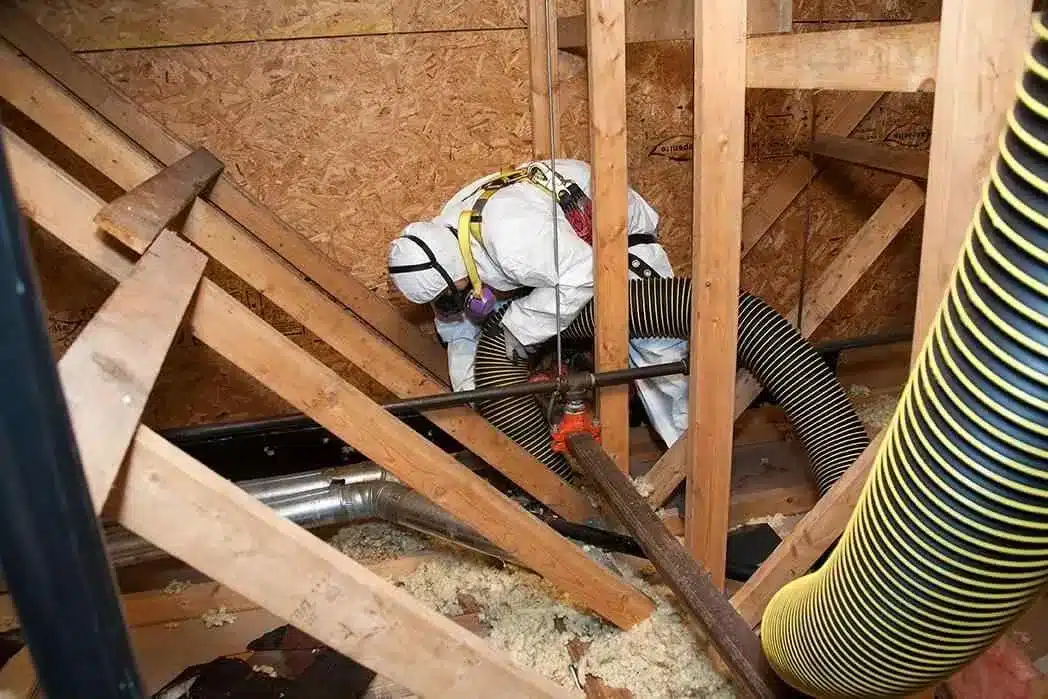
Wet insulation comes out and is bagged inside the containment. Affected sheathing and framing are HEPA vacuumed, cleaned and treated, or cut out and replaced where the wood has lost strength. Then the attic is dried to a measured number before anything goes back in.
Remediation, then the rebuild, from one company
Removing mold is only half a job if you then have to find someone else to hang drywall, re-insulate and paint. Ice Dam Now does the interior repair as well: new insulation, drywall, texture, trim and paint, so the ceiling that came down to get the mold out goes back up under the same scope and the same claim.
That also means one set of photographs and moisture readings runs from the first visit to the finished room, which is what an adjuster wants to see.
What you get
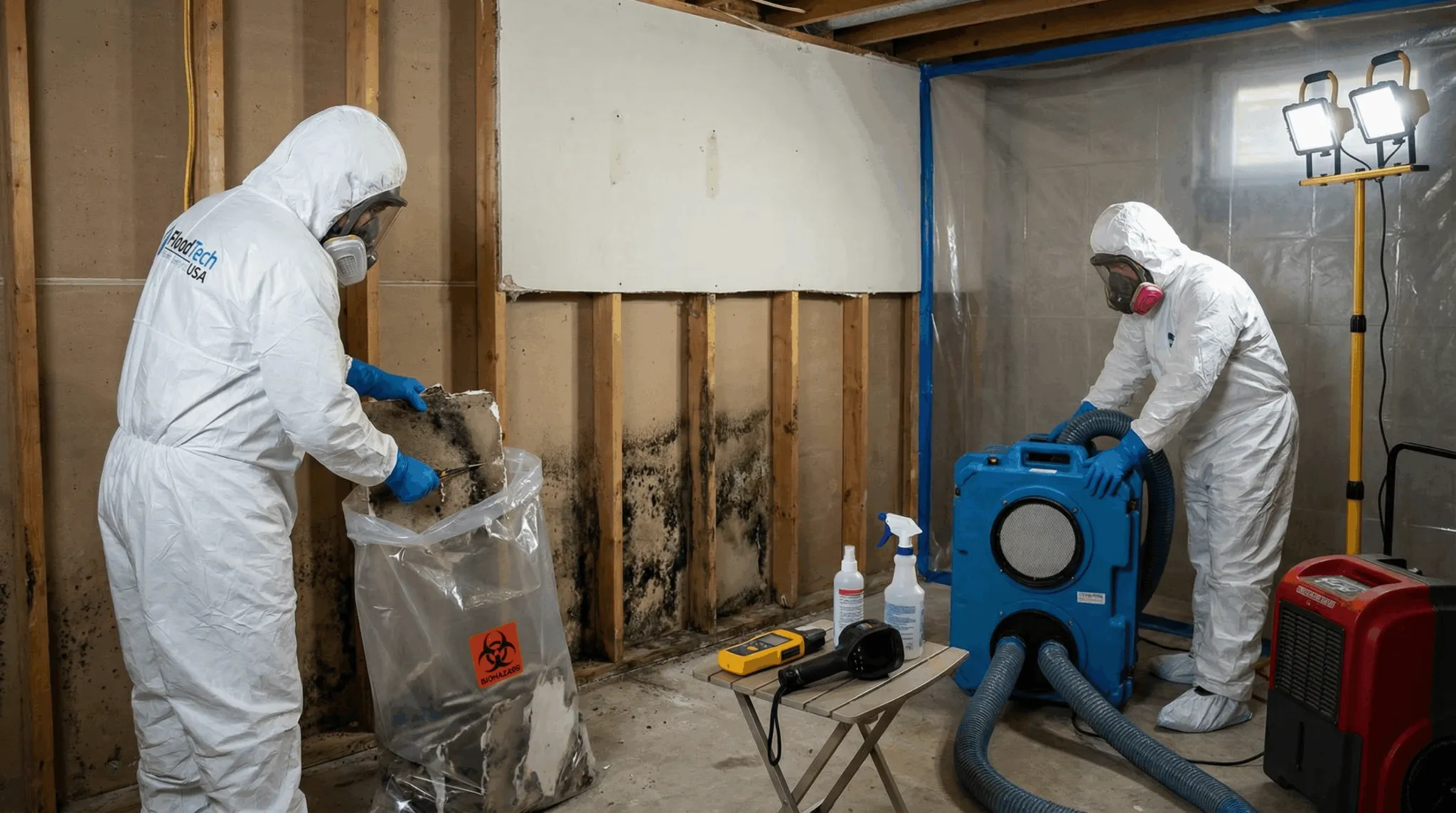
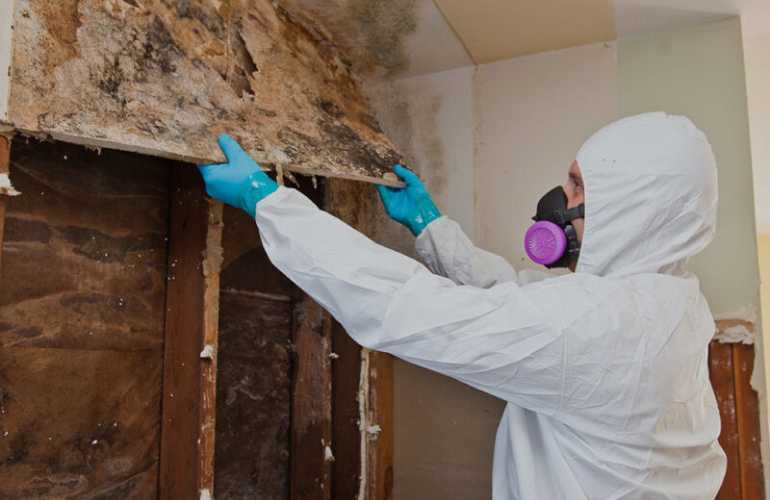
- Containment firstPoly barriers and negative air so spores stay in the work area
- HEPA air scrubbingAir filtration running for the whole job, not just the tear-out
- Moldy material removedWet insulation, drywall and trim that cannot be cleaned are bagged and taken out
- Framing and sheathing cleanedHEPA vacuuming, cleaning and treatment, or replacement where the wood is compromised
- Dried and documentedMoisture readings to a dry standard before any rebuild starts
- Interior repair in-houseInsulation, drywall, texture, trim and paint put back by the same crews
- Claim-ready recordsDated photos and Xactimate line items alongside the water loss
Water coming in right now? Call (888) 561-9664. Active interior leaks go to the front of the schedule during a freeze event.
Everything The Ice Dam Caused, On One Claim
Taking the ice off is usually the cheapest part. The water that already got in, the mold it leaves, the ceiling that has to come down and sometimes the roof itself are one loss event, so they go on one insurance claim, handled by one company.
 1
Ice Dam Removal
Low-pressure steam takes the dam off the eave and stops new water coming in.
 2
Water Mitigation
Extraction, wet insulation out and drying to a measured IICRC S500 standard.
 3
Mold Remediation
Containment, removal and clearance wherever the water has led to growth.
 4
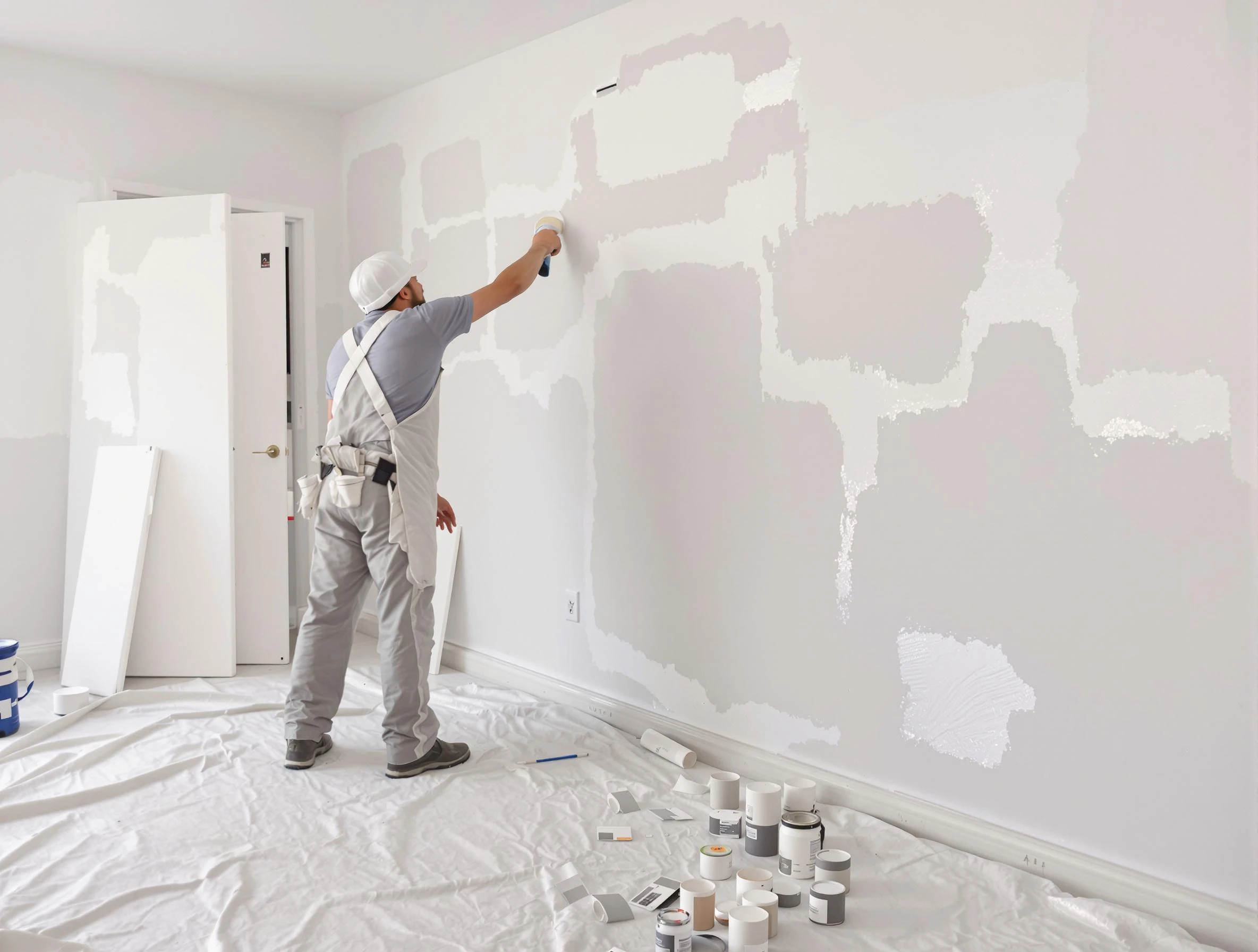
Interior Repair
Insulation, drywall, texture, trim and paint, put back by the same crews.
 5
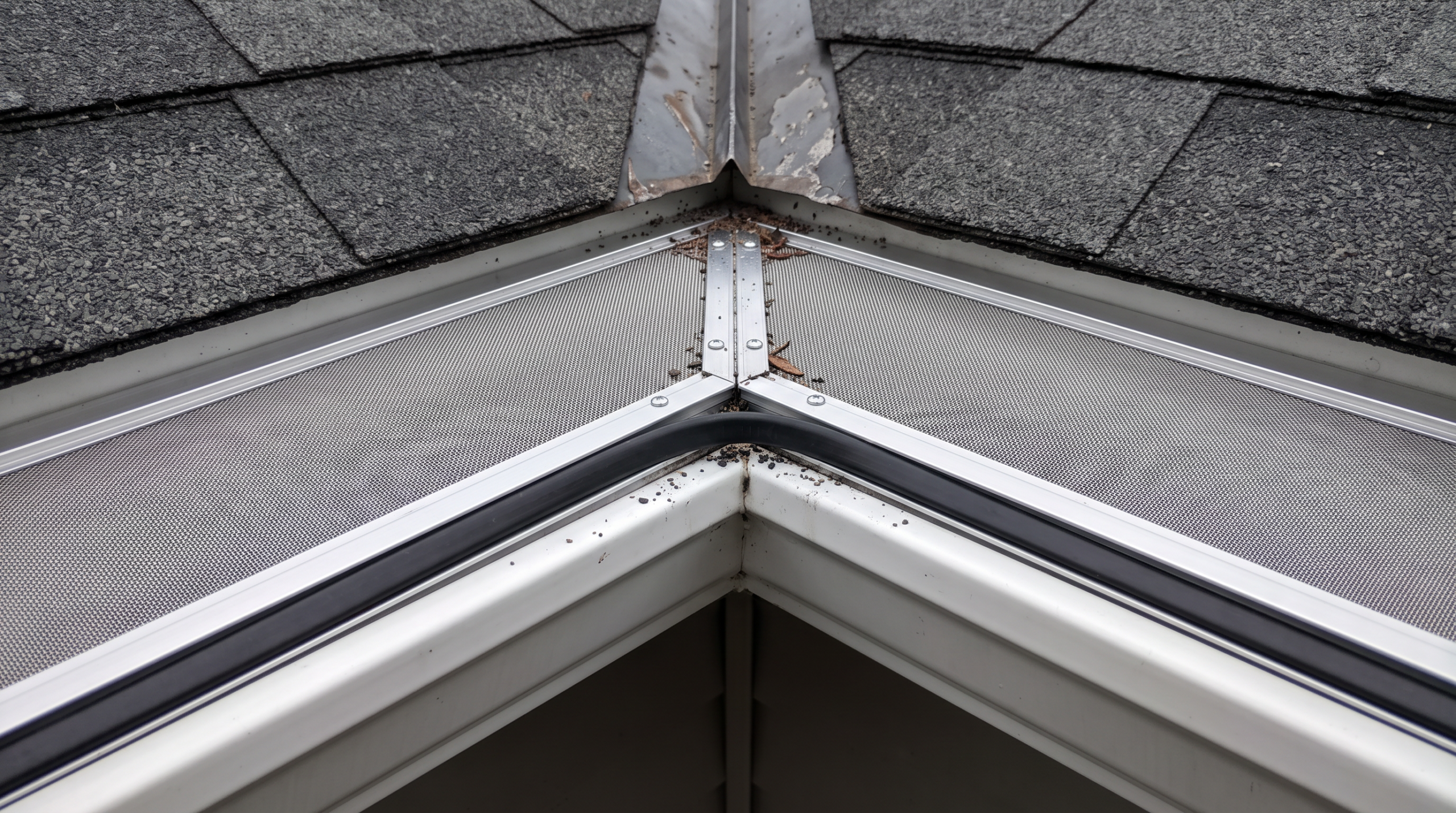
Roof Repair Or Replacement
Where the ice dam tore shingles or soaked the decking, the roof goes on the same claim.
How it goes on the claim
- One loss, one claim number. Removal, mitigation, mold, interior repair and roof damage from the same ice dam are reported as one event.
- Broken out by coverage. Mitigation, mold (often under its own sublimit), interior repair and the roof are written as separate Xactimate sections, so a question on one line does not hold up the rest.
- Documented the whole way. Dated photographs and moisture readings run from the ice on the roof to the finished room, from one company, in one file.
- Honest about the limits. Coverage depends on your policy. A roof that was simply old is not storm damage, and you and your carrier make the coverage decision.
Mold Remediation Across 38 States
Pick your state to find local dispatch, crews and response times for your city.
Northeast & New England
9 statesRockies & Pacific Snow Corridors
12 statesPlains, Mid-Atlantic & Appalachia
10 statesQuestions We Get About Mold Remediation
Yes, and it is one of the most common causes of attic mold in snow country. Meltwater backs up under the shingles, wets the roof deck and the insulation along the eave, and those spaces stay damp all winter. Mold needs moisture and an organic surface, and an ice dam supplies both.
In most cases, yes. The work area is sealed off with containment and kept under negative air pressure, so air flows into the work area rather than out of it. Where the affected area is large, or someone in the home has a respiratory condition, that gets talked through before work starts.
Bleach on wood or drywall mostly whitens the surface while leaving the growth in the material, and the water in it soaks back into the wood. It also does nothing about the moisture that caused the mold. The fix is removing what cannot be cleaned, cleaning what can, and drying the structure so it does not come back.
Often, when the mold resulted from a covered water loss, such as an ice dam leak that was reported and dealt with. Many policies cap mold at a separate sublimit, commonly a few thousand to ten thousand dollars, so read that section of your policy. Mold from a long-term leak nobody reported is the part carriers usually push back on, which is why reporting the water early matters.
Not if the cause is fixed. Mold comes back when the moisture does. That means the ice dam has to be dealt with, the attic has to be dried to a measured number, and the heat loss or ventilation problem that made the dam in the first place has to be addressed. All three get covered before the job is called done.
Where testing adds something, yes: to establish how far it has spread, or to confirm the area is clear after the work. Where growth is plainly visible, testing it just to name the species rarely changes what needs to be done, so you will not be charged for testing that does not change the plan.
Yes. Interior repair is done in-house: insulation, drywall, tape and texture, trim and paint. The rebuild is written into the same scope as the remediation, so there is no gap between the mold coming out and the room going back together.
A contained attic or a single ceiling area typically takes two to four days for removal, cleaning and drying, depending on how much material has to come out and how fast it dries in a winter. The interior repair follows once the readings are at standard.
Mold Remediation In Practice
What the work looks like on real roofs. Every job is photographed before and after.
What Usually Goes With It
Water Mitigation & Dryout
Extraction, drying and controlled tear-out to IICRC S500, then the interior repair, so the water that already got in does not become rot and mold by spring.
Start Emergency DryoutIce Dam Insurance Claims
One claim for the whole event: ice dam removal, water mitigation, mold remediation, interior repair and roof replacement where the storm damaged it, documented in Xactimate line items.
Start My Claim DocumentationIce Dam Removal
Low-pressure steam melts the dam off the eave in sections until the shingle is clear and water is draining again.
Book Ice Dam RemovalGet A Crew Out
Tell us the address and what you are seeing. You get the rate on the phone before anyone is dispatched.