
Heated Roof & Gutter Cables
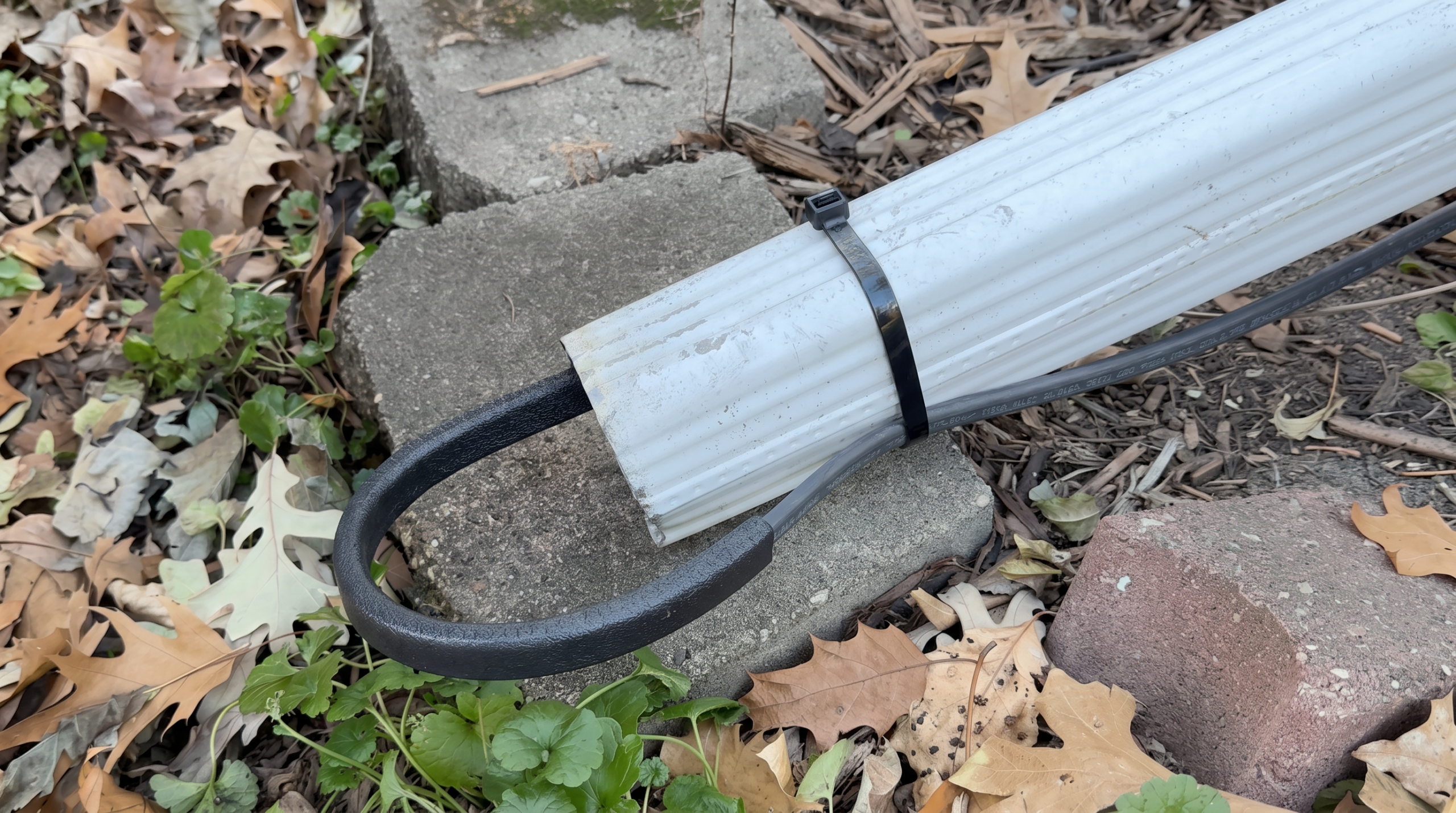
Ice Dam Now provides heated roof & gutter cables across 38 cold-climate states. Self-regulating heat trace on the eaves, valleys, gutters and downspouts, so meltwater keeps a path out all winter. Crews are licensed, insured and harness-certified, dispatch same day for active interior leaks, and bill by the crew hour at a rate quoted before dispatch. Dated photographs are supplied for insurance claims.
Steaming the same eave every January is a subscription. Heat trace is the thing that ends it.
Get Ice Dam Help Now
What heat trace does and does not do
A properly designed system keeps a continuous drainage channel open from the roof surface through the gutter and down the leader to the ground. Meltwater that would have refrozen at the cold eave instead keeps running. It does not melt the snow off your roof, and it will not remove a dam that has already formed — it prevents the dam from establishing in the first place.
That distinction matters when comparing quotes. Anyone selling cable as an emergency fix for an existing dam is selling the wrong product.
Self-regulating versus constant wattage
Self-regulating cable varies its output along its own length with the temperature of what it is touching: colder sections draw more, warmer sections throttle back. It can be cut to length on site, it tolerates being overlapped in a gutter, and it cannot cook itself into failure the way constant-wattage cable can.
Constant wattage is cheaper per foot and that is the whole of its case. On a roof in that sees real freeze-thaw cycling, self-regulating is the one worth installing.
Layout is most of the job
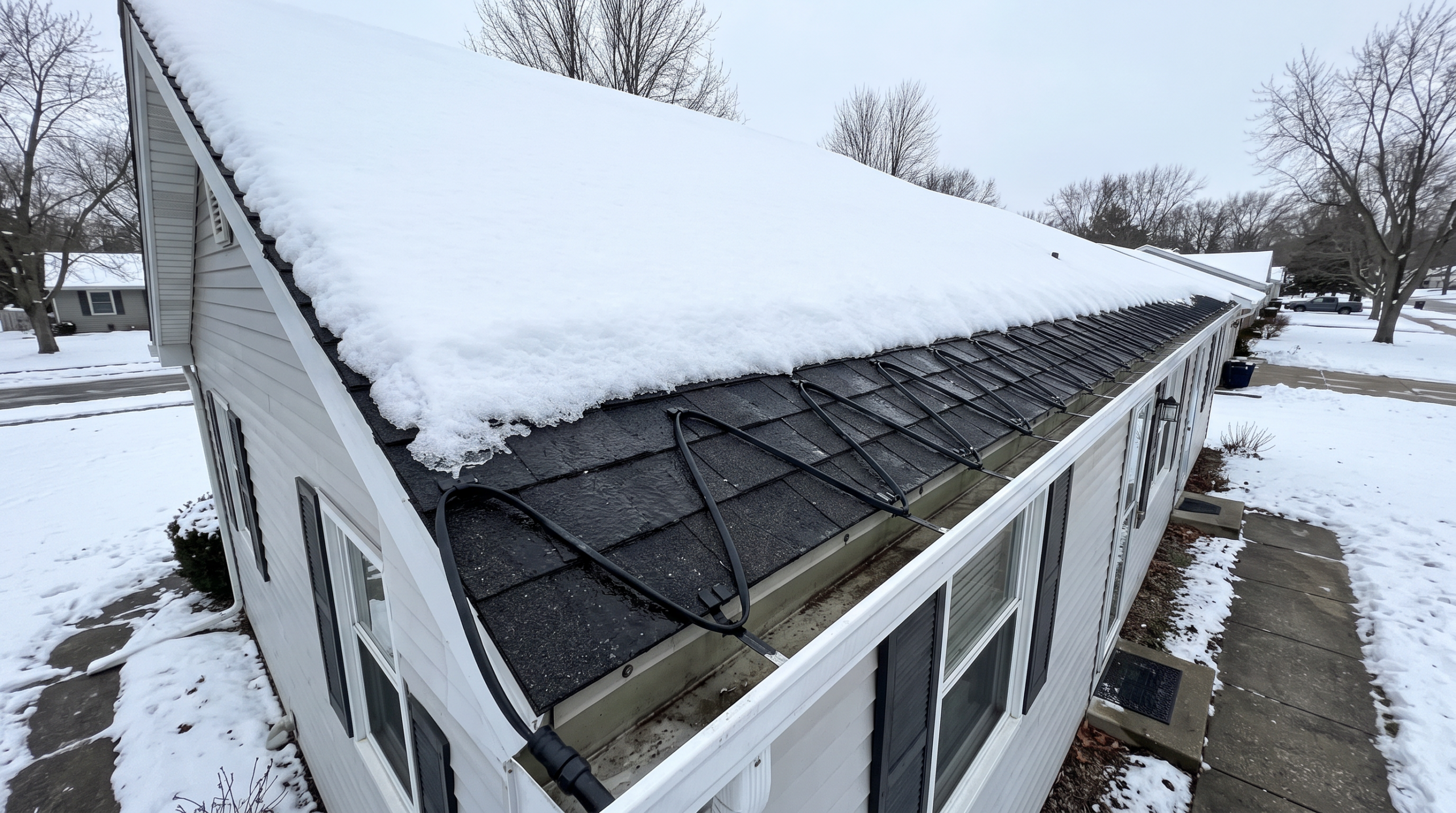
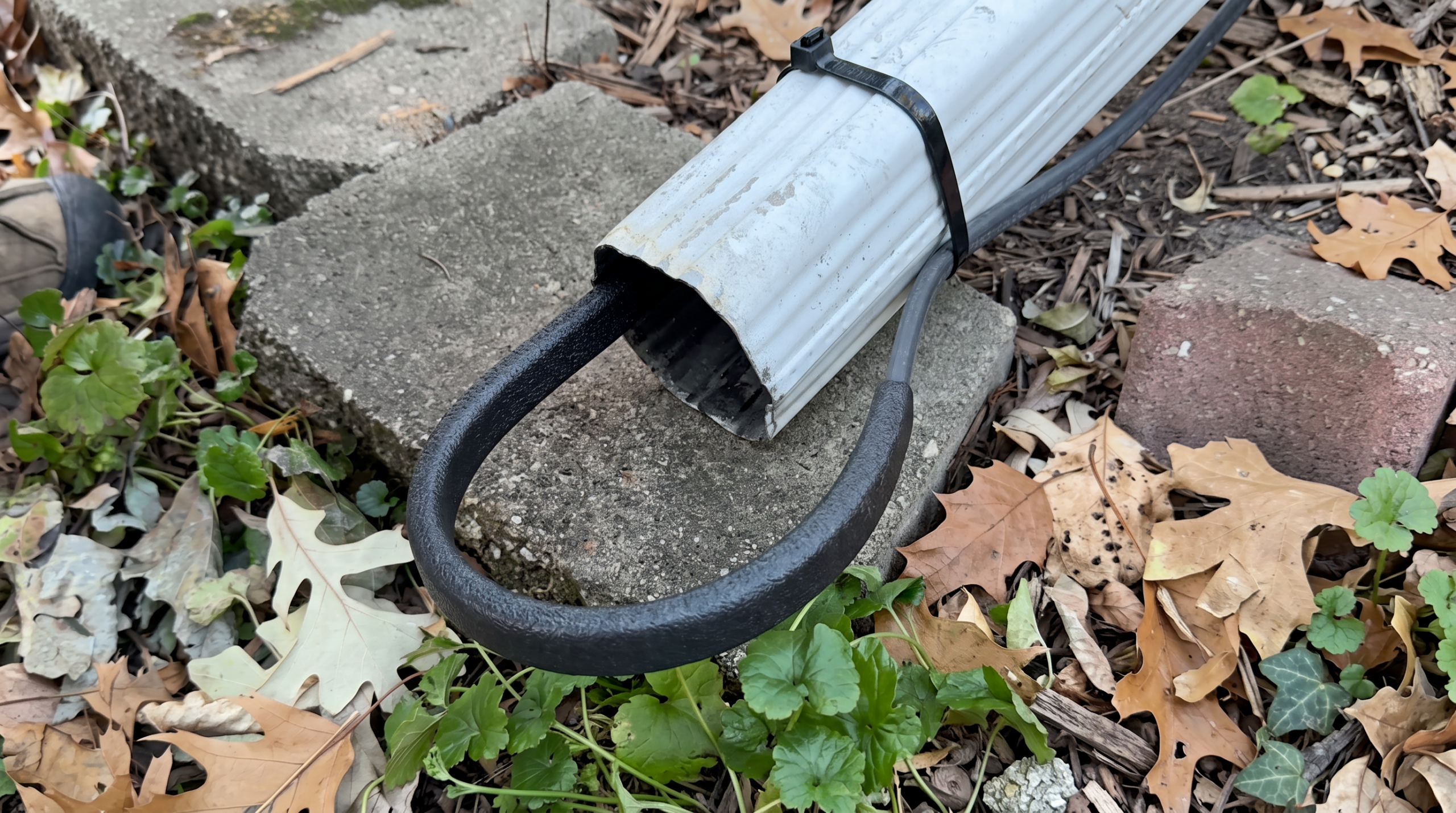
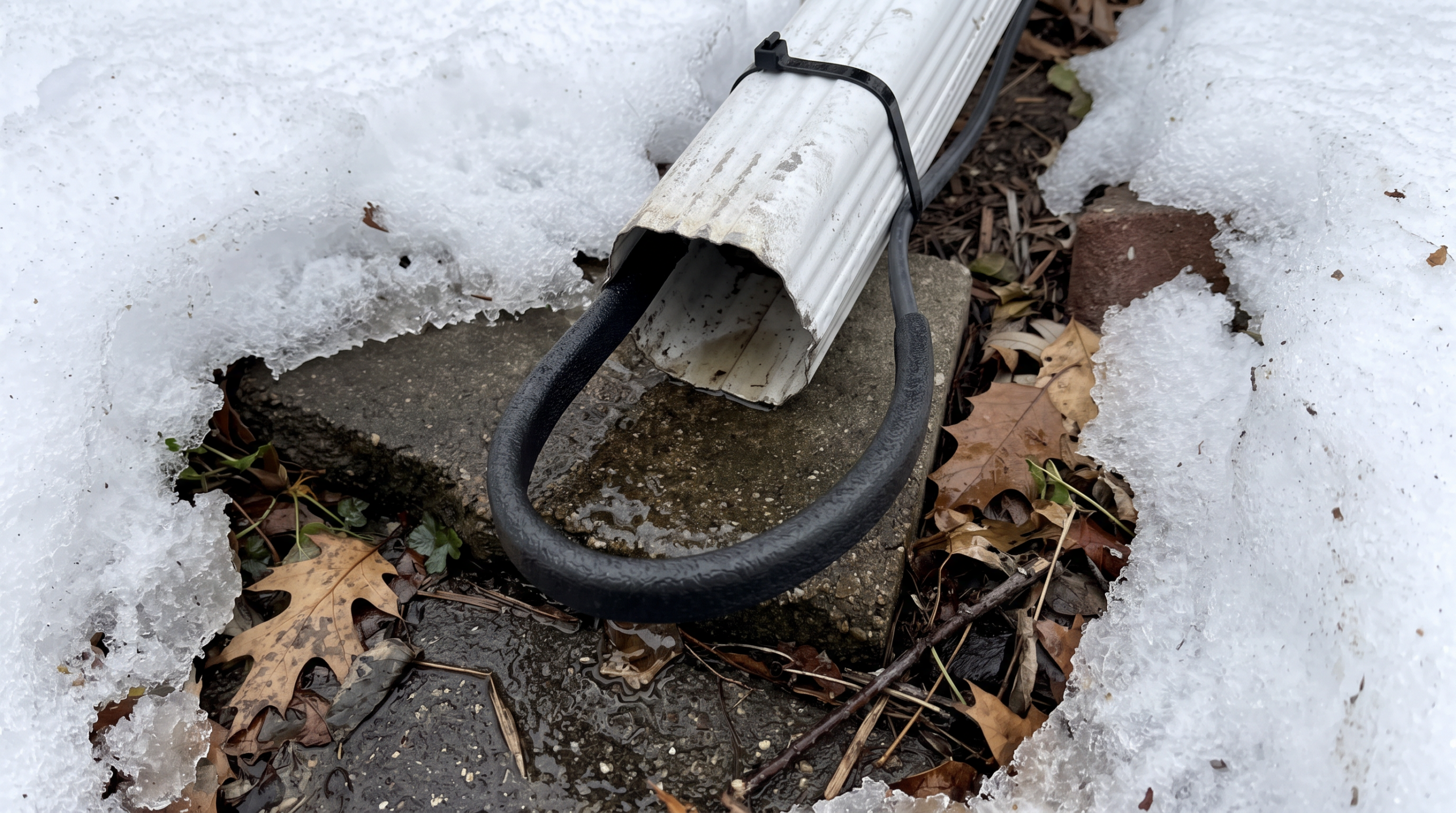
The cable has to trace a complete path: a zig-zag at the eave deep enough to cover the cold overhang, down through the valleys, along the gutter trough and all the way down the downspout to daylight. A zig-zag that stops short of the heated wall line, or a gutter run with no downspout trace, produces a channel that dead-ends into ice.
Systems get a dedicated GFCI-protected circuit, and controls run on a combination thermostat and moisture sensor so the system runs when it matters and not through a dry January cold snap.
What you get
- Self-regulating cableOutput varies along the run; safe to overlap, cut to length on site
- Complete drain pathEave zig-zag, valleys, gutter trough and downspout to daylight
- GFCI-protected circuitDedicated circuit and proper terminations, not an extension cord
- Smart controlsThermostat and moisture sensing so it runs on the conditions that make ice
- Zig-zag sized properlyEave coverage measured against the actual cold overhang
- Downspout traced to daylightThe drain path ends on the ground, not in a block of ice
- No fasteners through the roofClips and standoffs only, nothing driven through the covering
Water coming in right now? Call (888) 561-9664. Active interior leaks go to the front of the schedule during a freeze event.
Heated Roof & Gutter Cables Across 38 States
Pick your state to find local dispatch, crews and response times for your city.
Northeast & New England
9 statesRockies & Pacific Snow Corridors
12 statesPlains, Mid-Atlantic & Appalachia
10 statesQuestions We Get About Heat Cables
A designed system on a complete drain path does. A box-store kit stapled along the first few feet of eave with no gutter or downspout trace mostly does not — it opens a channel that ends in a block of ice. Layout is the difference between the two.
Self-regulating cable only draws real power when it is cold and wet, and with thermostat and moisture control it runs a fraction of the winter. The honest comparison is against one emergency steam visit, which is usually the larger number.
On the gutter and downspout, often yes. Roof-surface work needs the eave accessible and the adhesive and fastening done above freezing, so a mid-winter install is typically staged — the urgent drainage path first, the roof trace finished in spring.
Not when they are installed with proper clips and standoffs. What damages roofs is fastening the cable through the shingle, or leaving a failed constant-wattage run baking in one spot. Neither is how this gets installed.
Not usefully. Clips cannot be fixed through ice, the layout cannot be set out properly, and a cable energised under a dam melts a cavity rather than a drainage path. The ice comes off first, then the system goes in - often in the same week.
No. Heat trace keeps a drainage path open through ice that is still forming; it does not address the attic heat loss causing it, and it uses electricity rather than saving it. The permanent fix is air sealing and insulation. Cable is the backstop for the eaves and valleys that stay cold whatever you do.
It depends on the length of the run, the cable's rating and - more than anything - the controls. A system left switched on all winter costs several times one on a temperature and moisture sensor that only energises when both conditions are met. The estimated running cost gets given with the quote.
Yes, with the right fixing method for each. What changes is how the cable is held on: adhesive and clip systems that do not penetrate the covering, rather than anything that puts a fastener through a slate or a standing seam. Getting that wrong creates the leak the system was meant to prevent.
Heated Roof & Gutter Cables In Practice
What the work looks like on real roofs. Every job is photographed before and after.
What Usually Goes With It
Ice Dam Removal
Low-pressure steam melts the dam off the eave in sections until the shingle is clear and water is draining again.
Book Ice Dam RemovalRoof Snow Removal
No snow on the roof means no meltwater, and no meltwater means no new dam.
Request Snow ClearingWater Mitigation & Dryout
Extraction, drying and controlled tear-out to IICRC S500, then the interior repair, so the water that already got in does not become rot and mold by spring.
Start Emergency DryoutGet A Crew Out
Tell us the address and what you are seeing. You get the rate on the phone before anyone is dispatched.