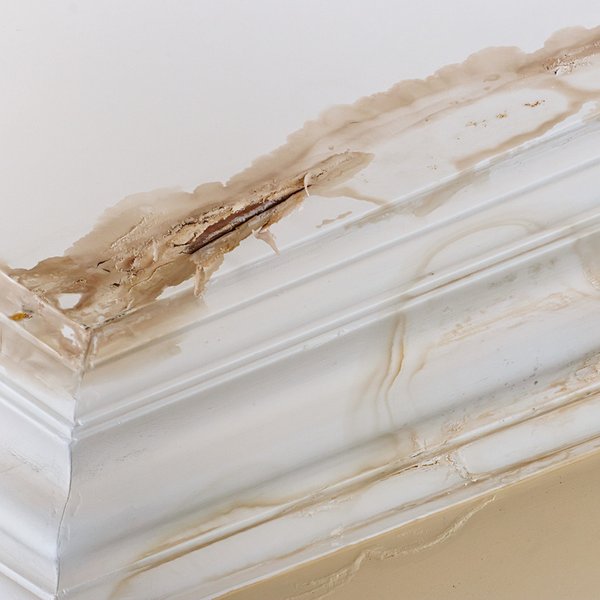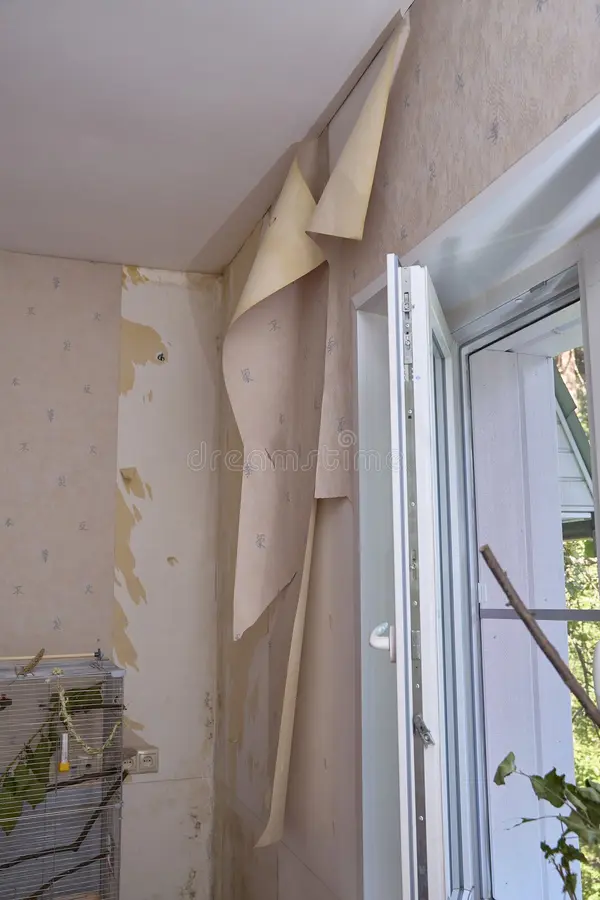
Most St. Johnsbury homeowners find out about an ice dam from the inside — a damp patch on a bedroom ceiling, or water tracking down the inside of a window frame. As part of our complete St. Johnsbury winter roof services, crews handle ice dam insurance claims across Caledonia County.
Long Winters, Layered Ice: The Caledonia County Problem
The defining feature of a Caledonia County winter is persistence. It is not one storm, it is a continuous load sitting on the roof from late fall through to a spring thaw.

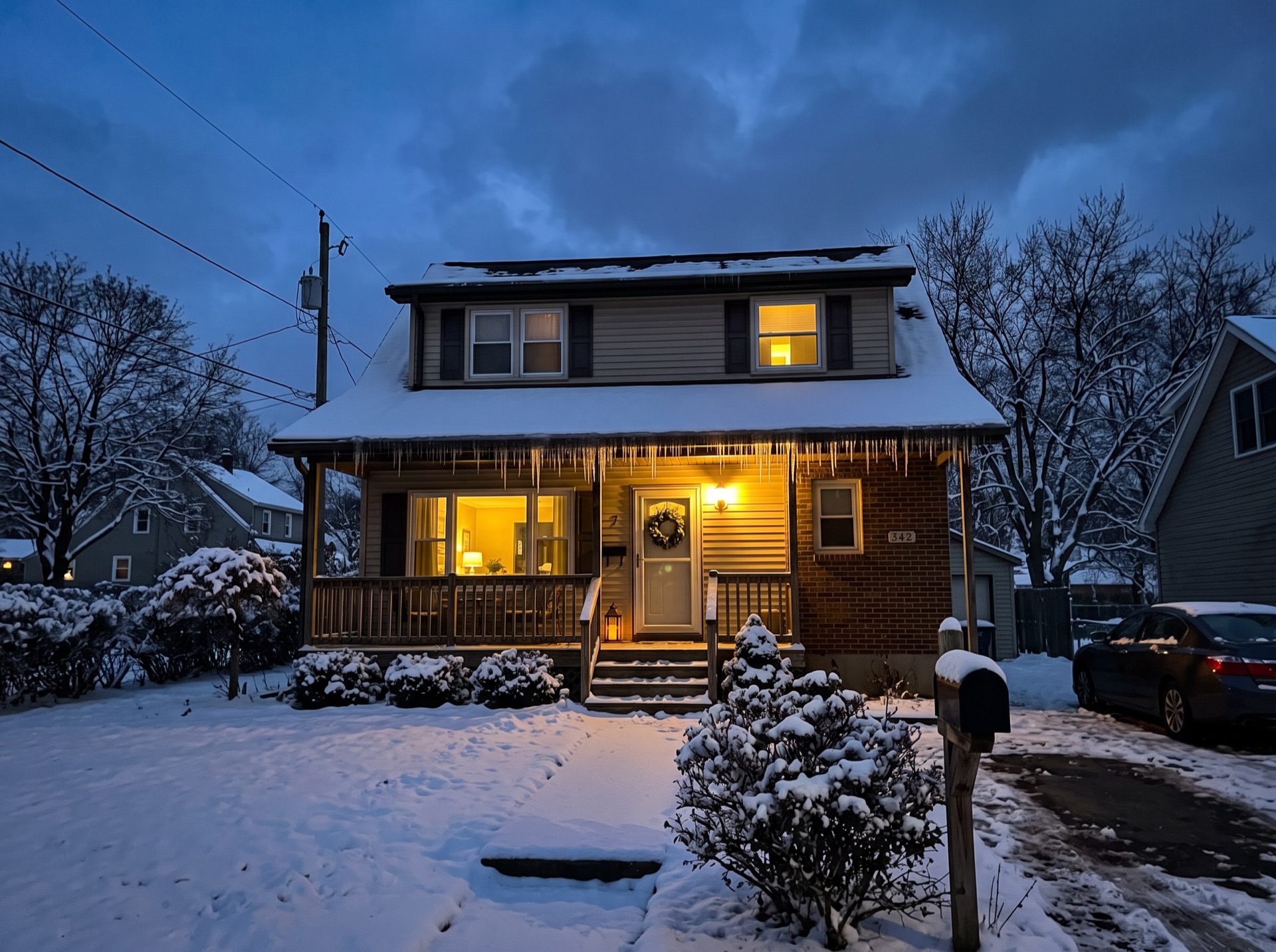
Every mild afternoon through that stretch releases a little meltwater, and every cold night sets it at the overhang. Done fifty times, that is how an eave ends up carrying several hundred pounds of ice by March.
Ice-barrier practice in Caledonia County
In the colder Vermont jurisdictions the membrane requirement extends well up the roof plane rather than stopping at the first course, precisely because the ice here does not stay near the edge.
Ice Dam Insurance Claims in St. Johnsbury: How The Work Runs
One event, one claim, one company
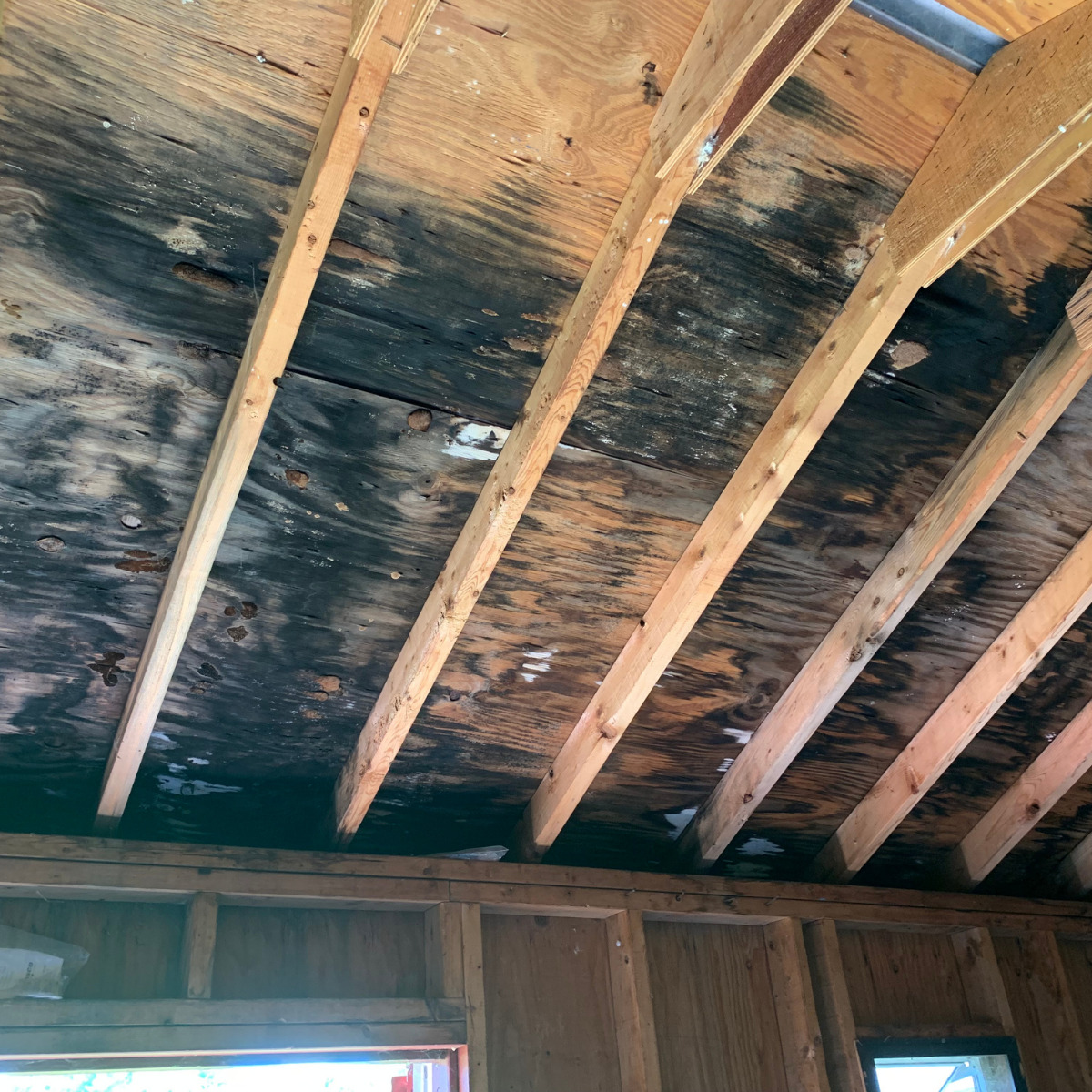
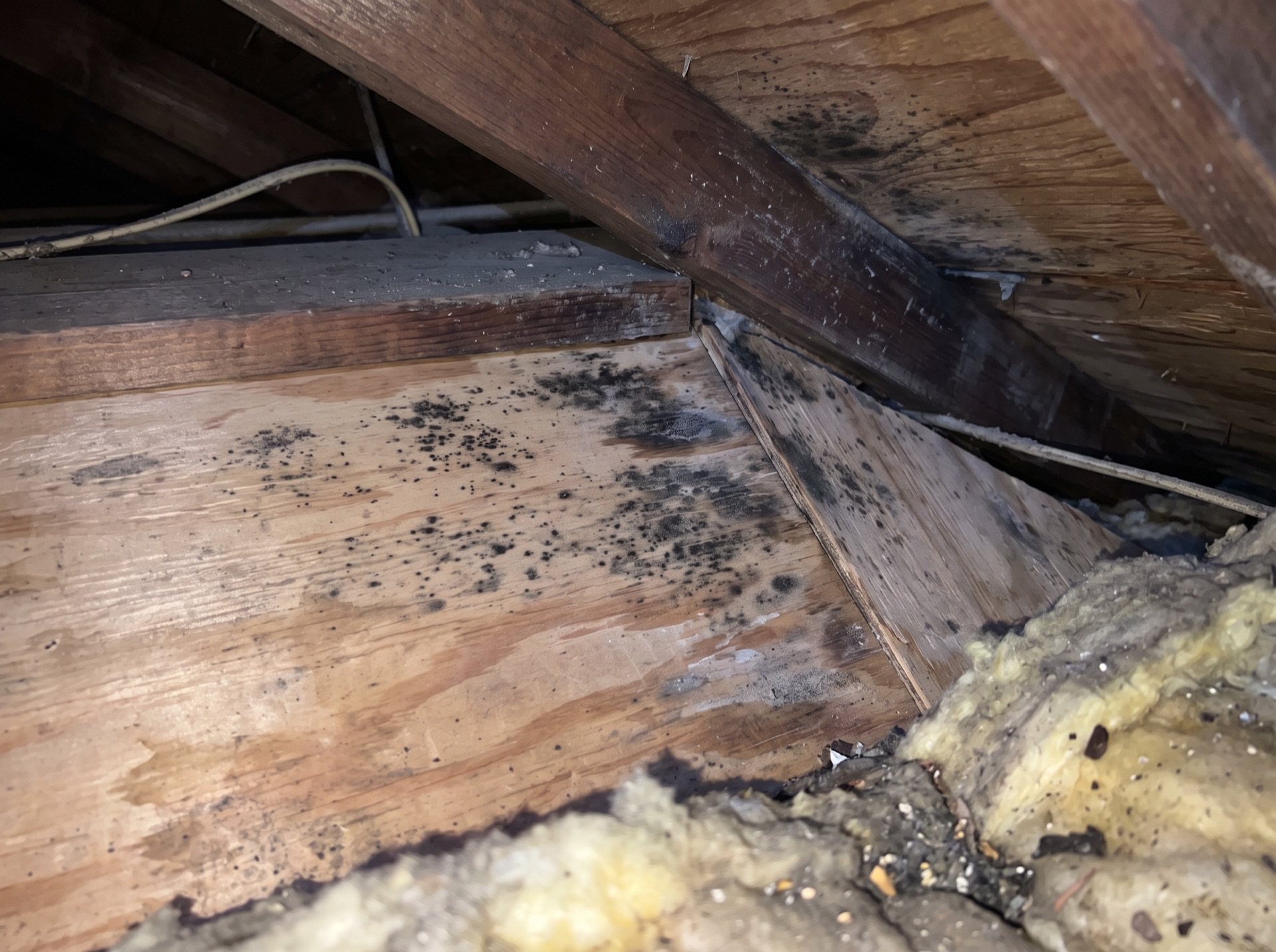
An ice dam is one loss event, and everything it caused belongs on one claim: the emergency removal, the water mitigation, mold remediation where the water led to growth, the interior repair, and the roof itself where the dam damaged it. Splitting that across separate contractors is how line items get missed and dates stop lining up. Does Insurance Pay for Ice Dam Water Damage?.
Ice Dam Now handles all of it, so the photographs, moisture readings and scopes run continuously from the first visit to the finished room, and the adjuster deals with one contractor and one file.
Supplements: when the tear-out finds more
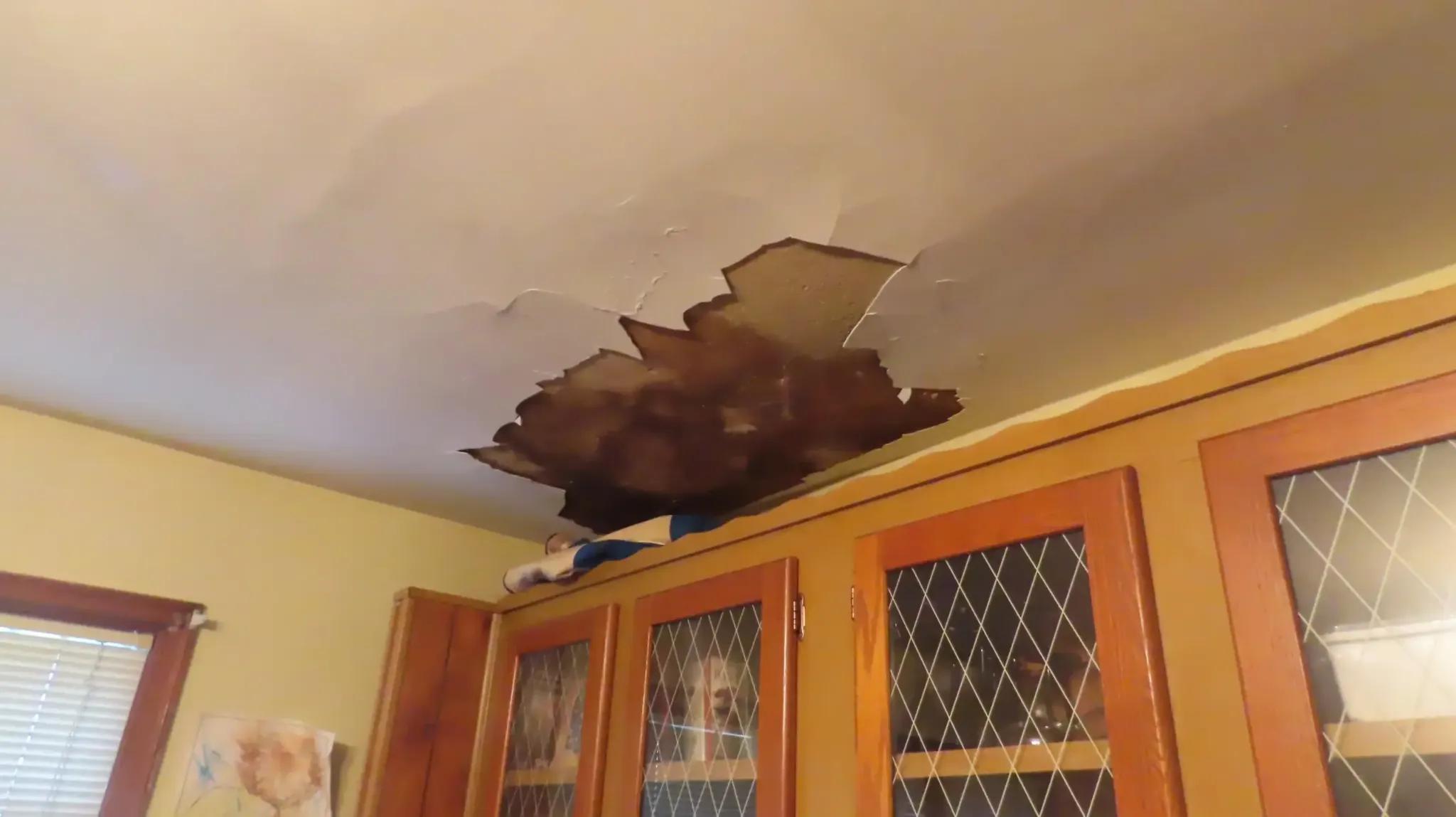
Scopes are written from what can be seen. Open a ceiling and the damage frequently runs further than the stain did, and the original estimate no longer covers the work.
That is a supplement, and it is ordinary. What makes it go smoothly is photographs of the newly exposed damage, a revised line-item scope, and raising it when it is found rather than at the end. Work carried out before the carrier has seen it is the version that tends to go unpaid.
Scopes in the format adjusters use
Scopes get written in Xactimate line items, with the mitigation work priced and described the way a carrier's own estimating software describes it. An adjuster comparing like to like approves faster than one translating a hand-written invoice into their system.
Where the policy allows direct billing, carriers are billed directly, so the out-of-pocket conversation is smaller from the start.
One claim, broken out by coverage
Everything an ice dam caused goes on one claim, but not as one lump number. Emergency removal and dryout are loss mitigation. Mold remediation often sits under its own sublimit. Interior repair and the roof sit under dwelling coverage.
Writing the scope with those lines separated is what lets an adjuster approve each part on its own terms, and it stops a dispute over one line holding up the rest of a St. Johnsbury claim.
What a carrier is actually looking for
A claim turns on proving sudden, accidental water intrusion rather than a maintenance failure the homeowner let develop. In practice that means dated photographs of the dam, the entry points and the interior damage, taken while the event is live — not reconstructed in March from memory.
Crews photograph as they work for exactly this reason. Timestamped images of the ice before removal, the water path, the affected interior and the dried-out result form the spine of a claim that survives review.
What you get in St. Johnsbury
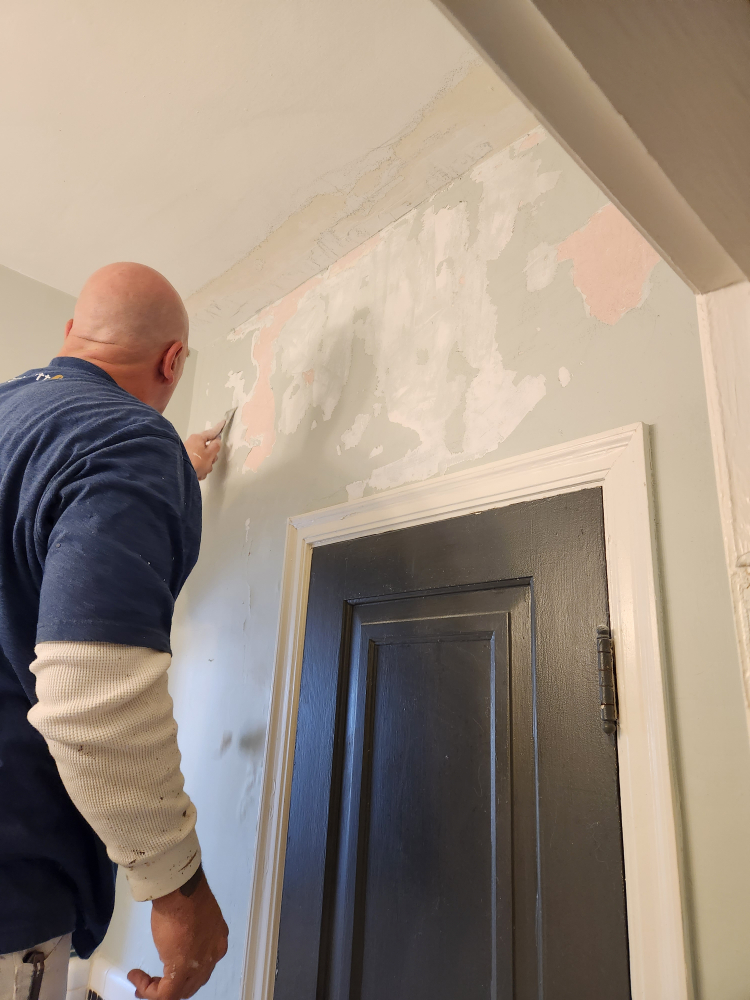
- Interior repair in-houseDrywall, insulation, paint and trim scoped and done by the same company
- One claim for the whole eventRemoval, mitigation, mold, interior repair and roof on a single file
- Dated photo recordThe dam, the entry points and the interior damage, captured while it is happening
| Documentation | Dated before and after photos, written scope in Xactimate line items |
|---|---|
| Interior repair | Insulation, drywall, texture, trim and paint, done in-house after drying |
| Dispatch window | Same day to 24 hours |
| Billing | Xactimate line items on one claim; carrier billed directly where the policy allows |
| Method | Containment, HEPA filtration and drying to a measured IICRC standard |
| Local ice-barrier practice | Eave membrane required on new work |
| Coverage area | St. Johnsbury and Caledonia County |
Where We Dispatch Around St. Johnsbury
Crews working St. Johnsbury cover the adjoining communities on the same route — Saint Johnsbury, Saint Johnsbury Center, East Saint Johnsbury, Passumpsic and Danville — so a storm week usually means one truck handling several addresses in Caledonia County rather than separate trips.
Nearest hub towns with their own insurance claims pages: Barre, Montpelier, Stowe, Williston, Essex, Hartford.
During a cold snap St. Johnsbury gets worked alongside the neighboring Caledonia County towns on the same route, with active interior leaks moved to the front of the list.
Most jobs do not stop at one service. Insurance Claims in St. Johnsbury often runs alongside water mitigation & dryout in St. Johnsbury, and both get written into one scope rather than billed as separate visits.
Active leak right now? Our 24/7 St. Johnsbury steam ice dam removal crews are dispatched first during a freeze event. Call (888) 561-9664.