



Why Stowe Roofs Dam Up: Deep Cold and a Long Snow Season
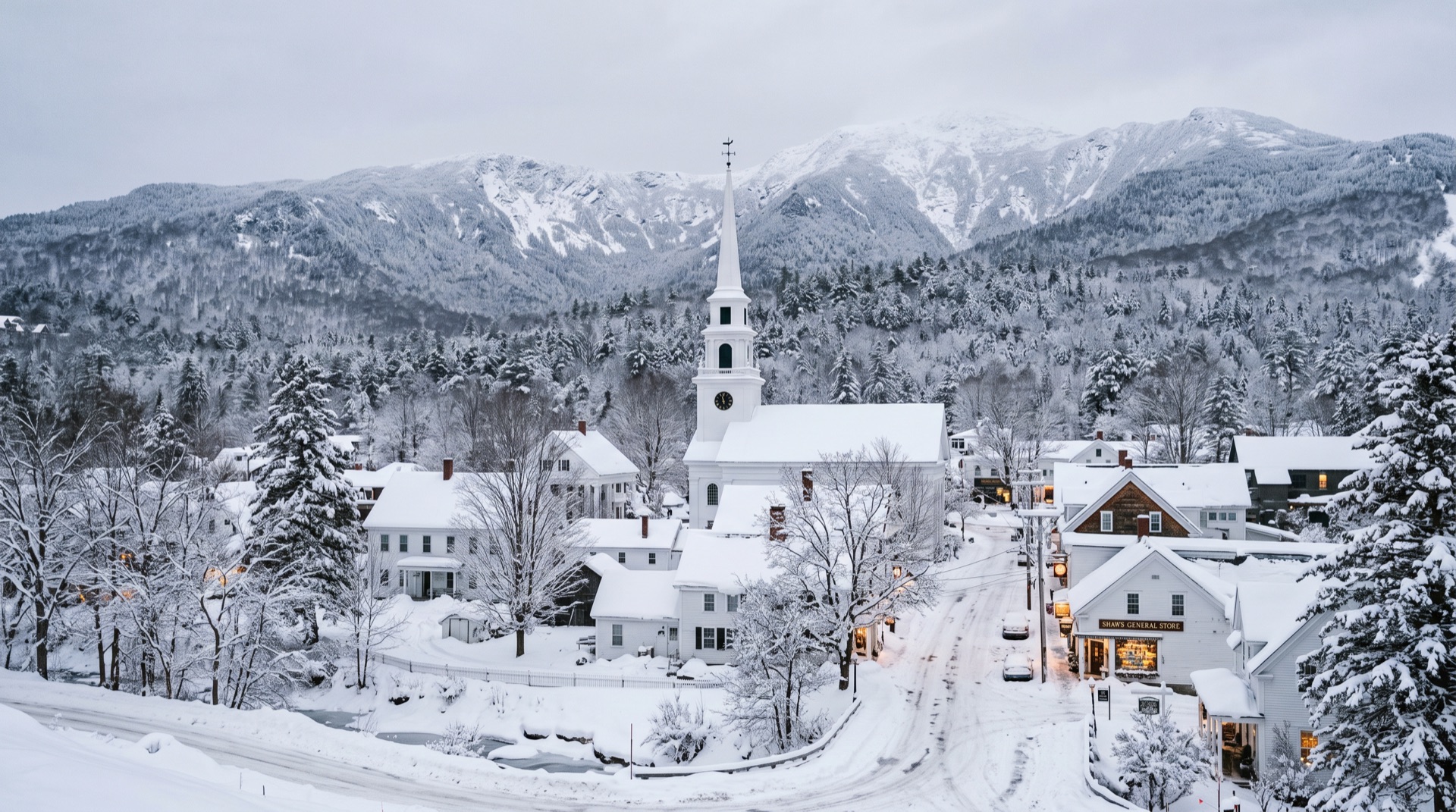
There is no mid-winter reset in Stowe. The snow that falls in November is still part of the pack in March, compressed by everything that landed on top of it, and the eave underneath has been below freezing the whole time.

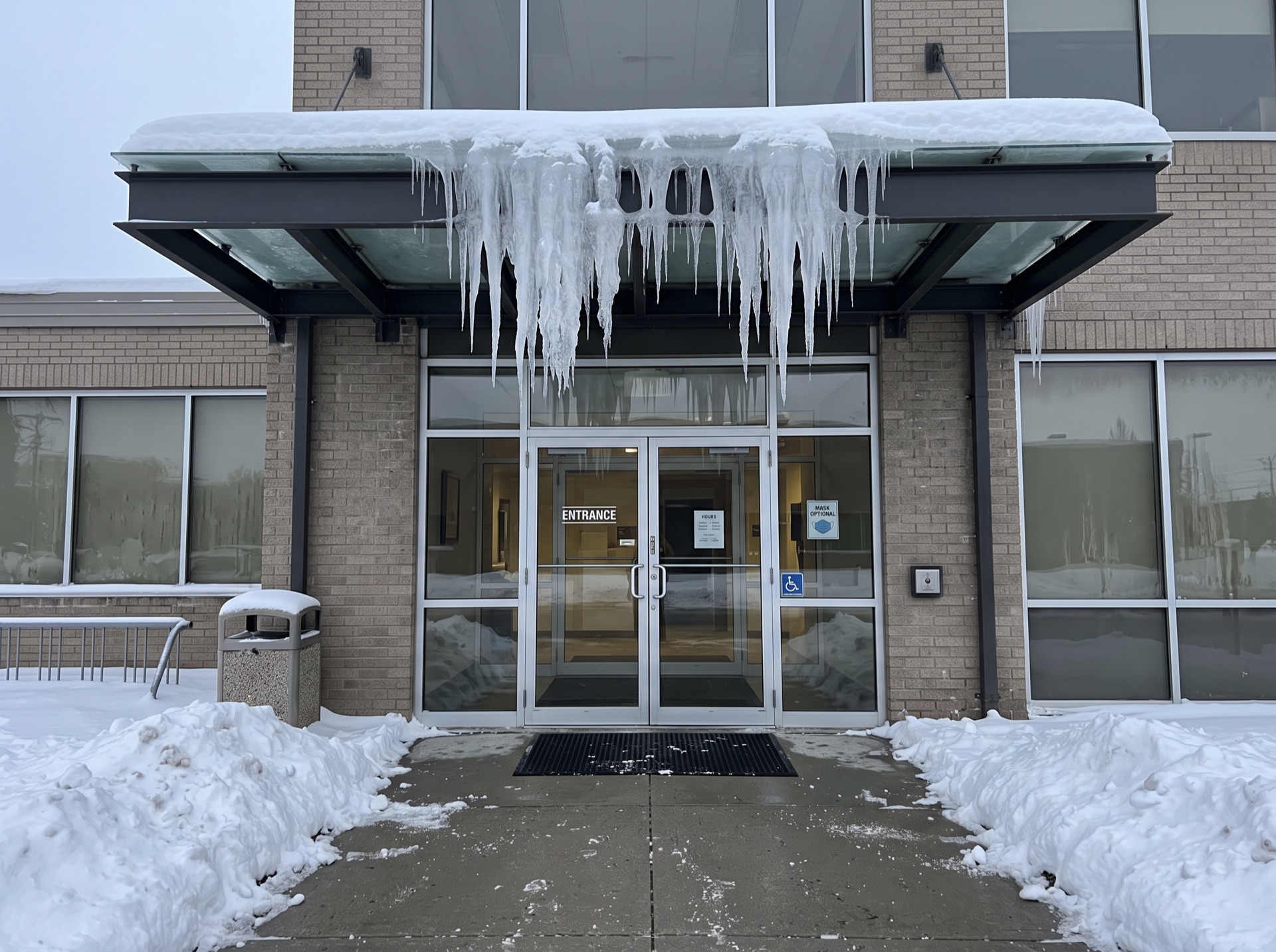
The ice that comes off a roof in Stowe in February is rarely one event's worth. It is a laminated record of the whole season, which is why it is thick, dense and firmly bonded to the shingle.
Ice-barrier practice in Lamoille County
Ice barrier at the eaves is a standard requirement on new work across Vermont. The question on any particular Stowe house is when it was last roofed, because that decides whether it is there at all.
How a Stowe Steam Call Runs, Start to Finish
The first pass is assessment: eaves, valleys, gutter line and any interior staining, all photographed with timestamps. You see what the crew sees, and the rate and likely hours are agreed before work begins.
Steam then takes the dam off in sections, prioritizing wherever water is actively backing up behind it. The gutter trough and downspout are cleared through to daylight on the same visit, because a clear eave over a frozen gutter is a temporary fix.
Working at night and during an active storm
Freeze events do not keep office hours, and the worst leaks tend to announce themselves in the evening when the day's melt refreezes. Crews run lit, and a roof that is actively collecting snow is worked anyway, because waiting for better weather means the dam is bigger when somebody finally gets to it.
What does stop a crew is wind and lightning. Both are judgment calls made on site in Stowe, and a postponed start gets explained rather than dressed up.
Steep, high and awkward Stowe roofs
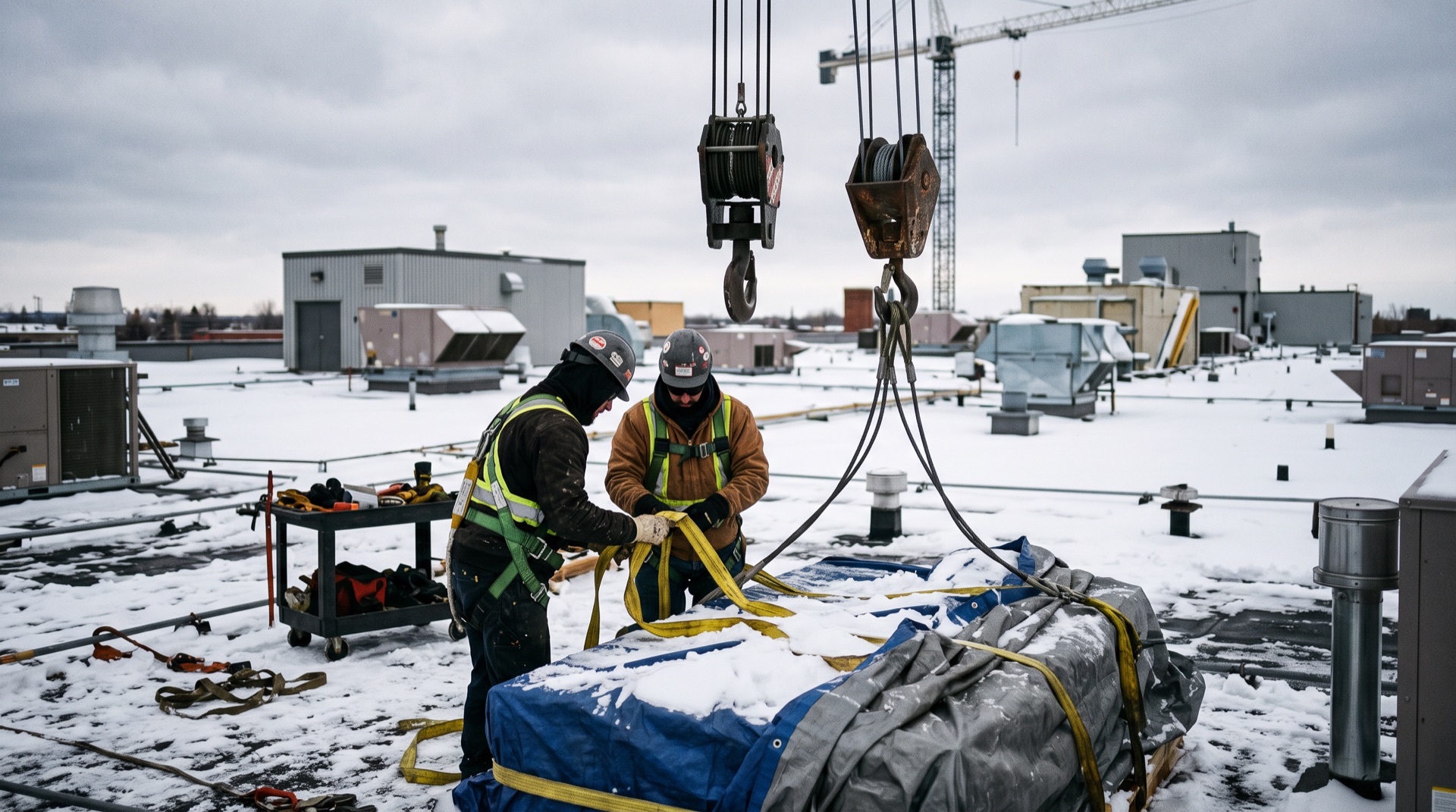
Pitch and height change the job more than ice thickness does. A walkable ranch eave is a ladder and a lance. A three-story roof with a steep pitch means anchors, rope, staging and two people where one would otherwise do.
Crews quote on that honestly. If a property in Stowe needs a longer setup, it is said on the phone rather than discovered at the end of the invoice.
How long a removal actually takes
A single-story eave with a thin dam and clear gutters is often an hour or two. A two-story Stowe house with ice standing a foot deep across the front, frozen downspouts and a valley packed solid is most of a day for a two-man crew. The honest answer on the phone is a range and the reason for it, not a number designed to win the booking.
The estimate is revised out loud if the roof turns out worse than it looked from the ground, before the extra hours are worked rather than after they appear on the invoice.
| Removal method | Low-pressure steam only. No chipping, salt or pressure washing. |
|---|---|
| Documentation | Dated before and after photos, written scope in Xactimate line items |
| Dispatch window | Same day to 24 hours |
| Coverage area | Stowe and Lamoille County |
| Local ice-barrier practice | Eave membrane required on new work |
| Service | Ice dam removal in Stowe, VT |
| Primary climate stressor | Sustained sub-freezing, long season |
Where We Dispatch Around Stowe
Crews working Stowe cover the adjoining communities on the same route — Moscow, Waterbury Center, Morrisville, Lake Elmore and Worcester — so a storm week usually means one truck handling several addresses in Lamoille County rather than separate trips.
Nearest hub towns with their own crew pages: Montpelier, Williston, Essex, Barre, South Burlington, Winooski.
Stowe sits inside the regular Vermont service area, so a crew is usually scheduled the same day or the following morning.
Active leak at an address in Stowe? (888) 561-9664 reaches dispatch directly. Interior water moves a job to the front of the day.