

Winooski Ice Dams and the Winter That Does Not Break
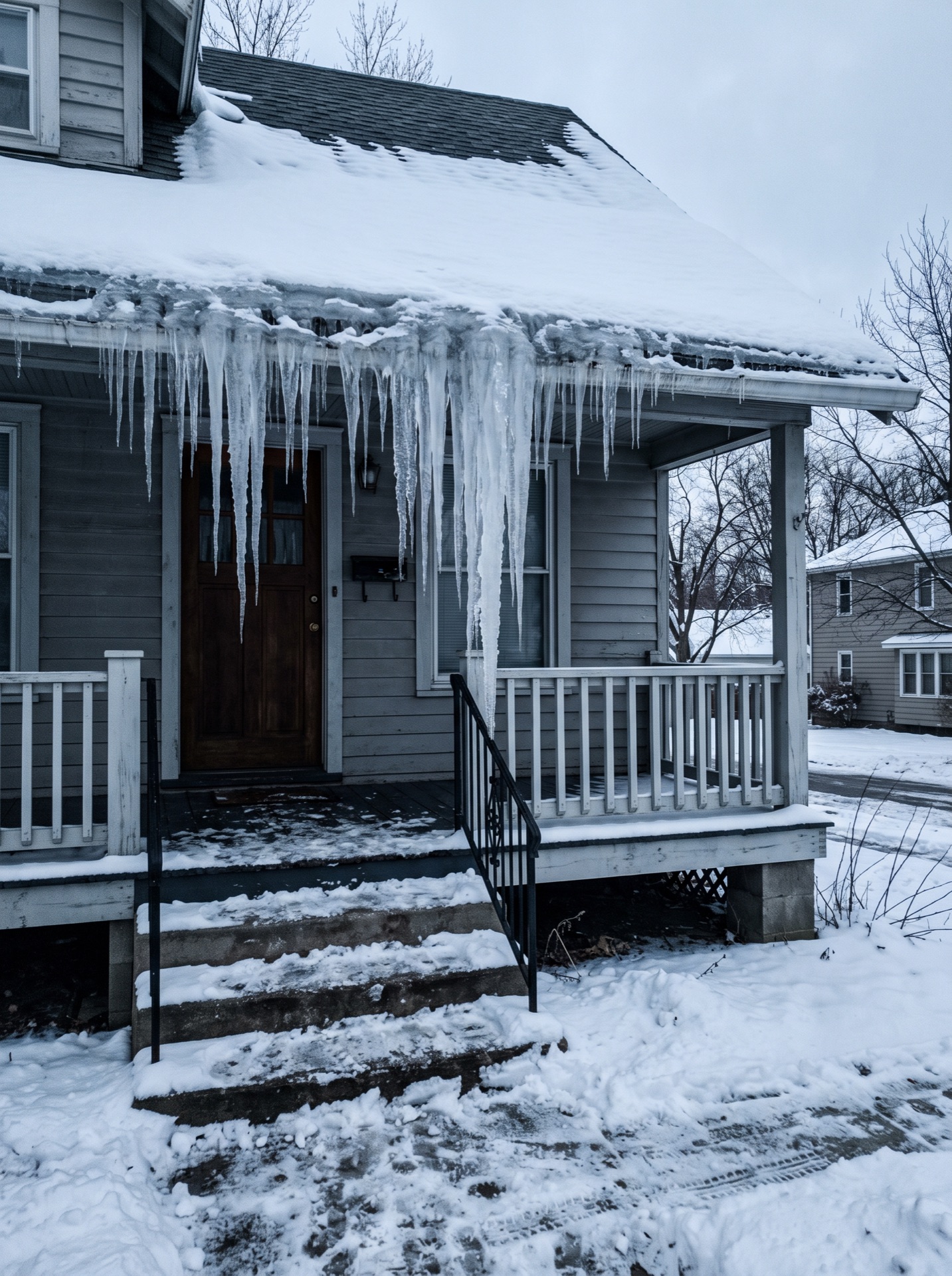
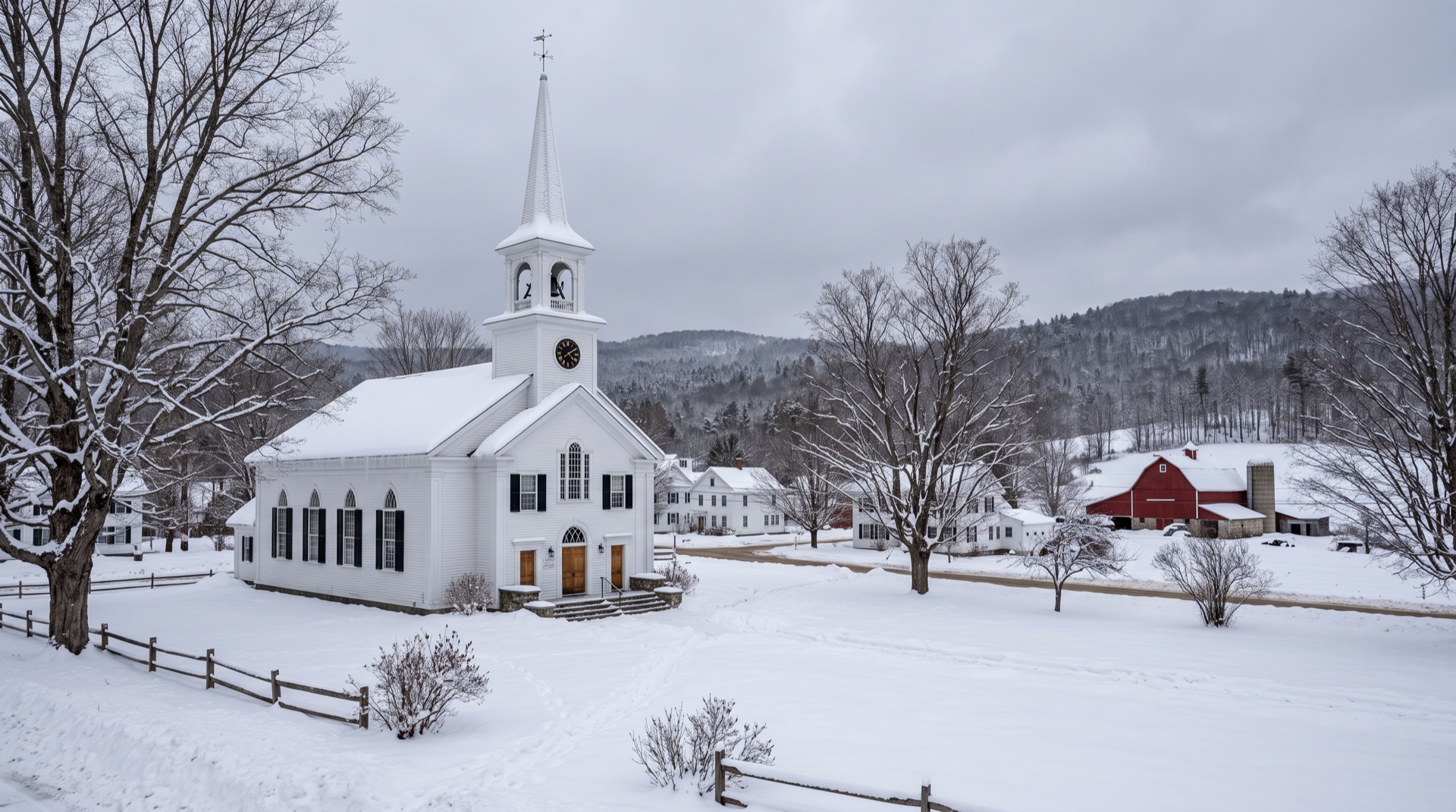
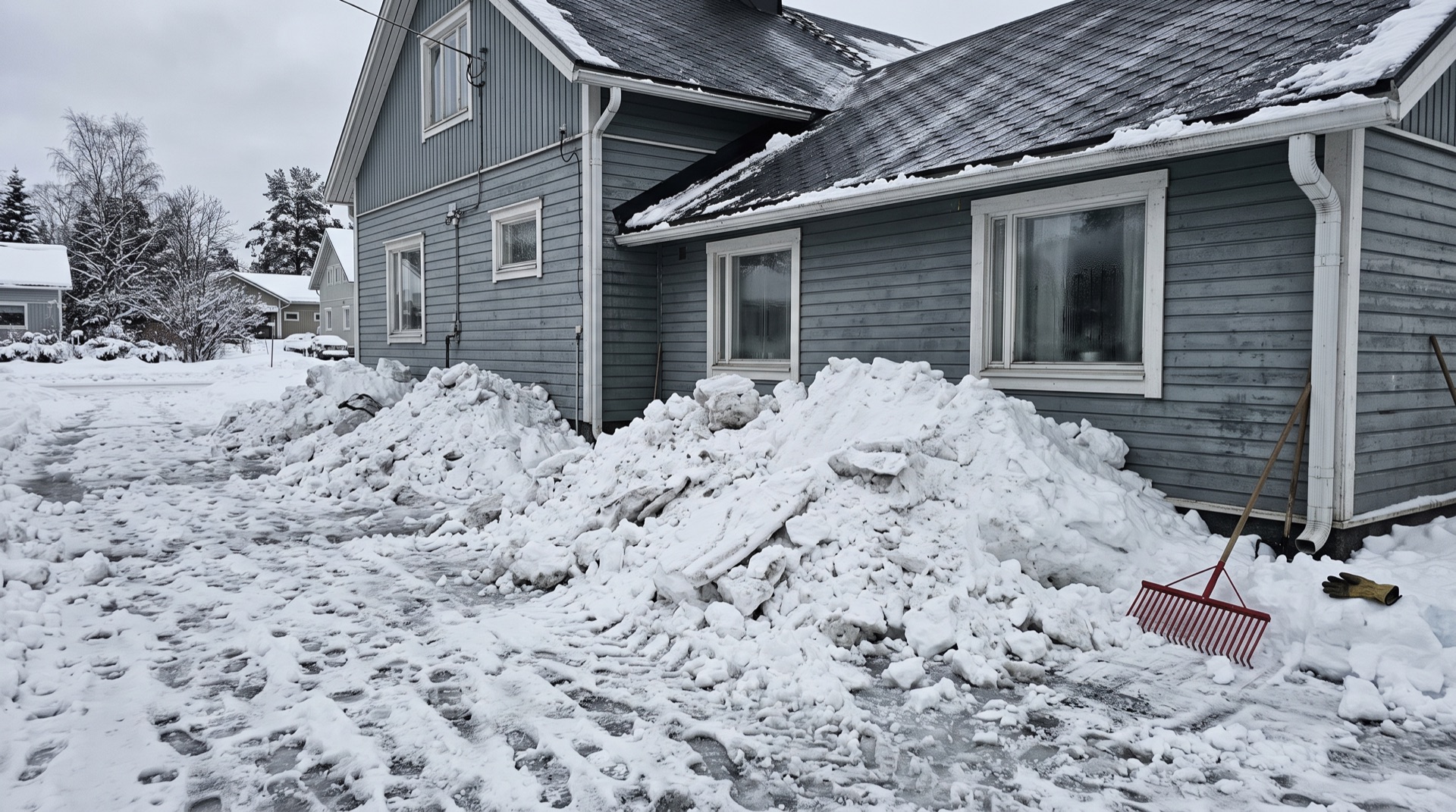
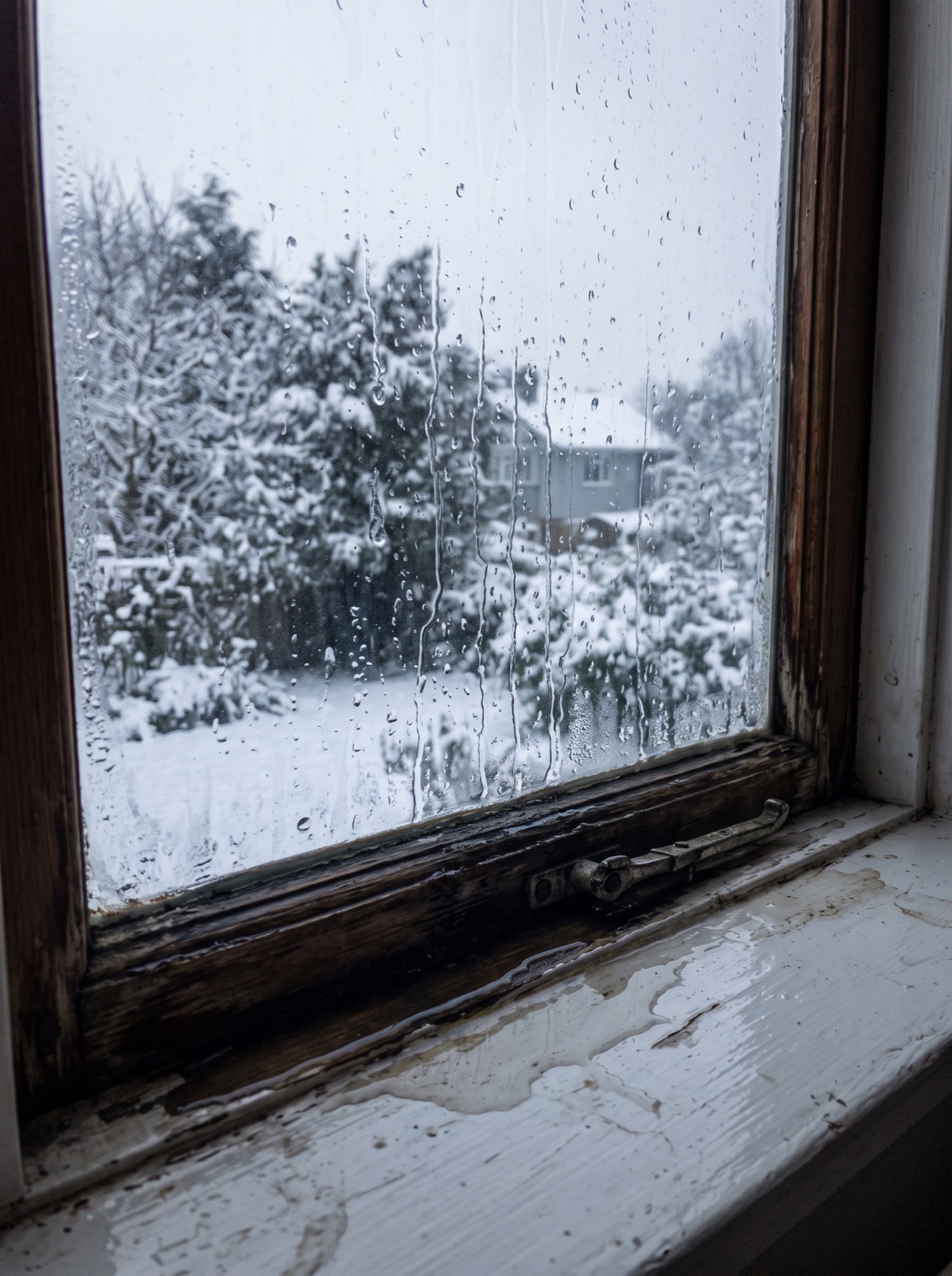
Winooski holds snow. In a normal winter the pack that lands in December is still on the roof in February, which means the eave spends months below freezing while the attic underneath stays heated.

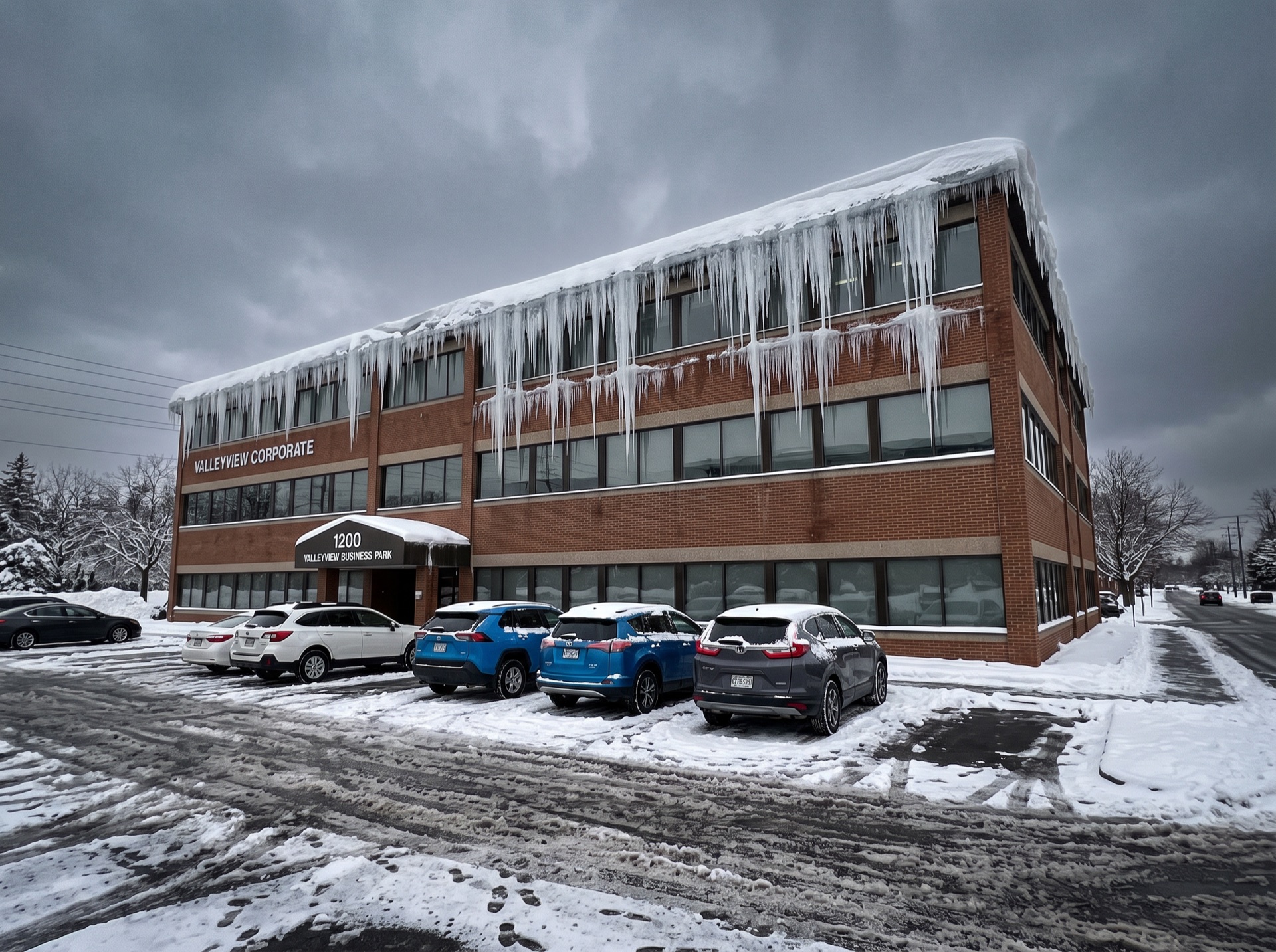
Every mild afternoon through that stretch releases a little meltwater, and every cold night sets it at the overhang. Done fifty times, that is how an eave ends up carrying several hundred pounds of ice by March.
Ice-barrier practice in Chittenden County
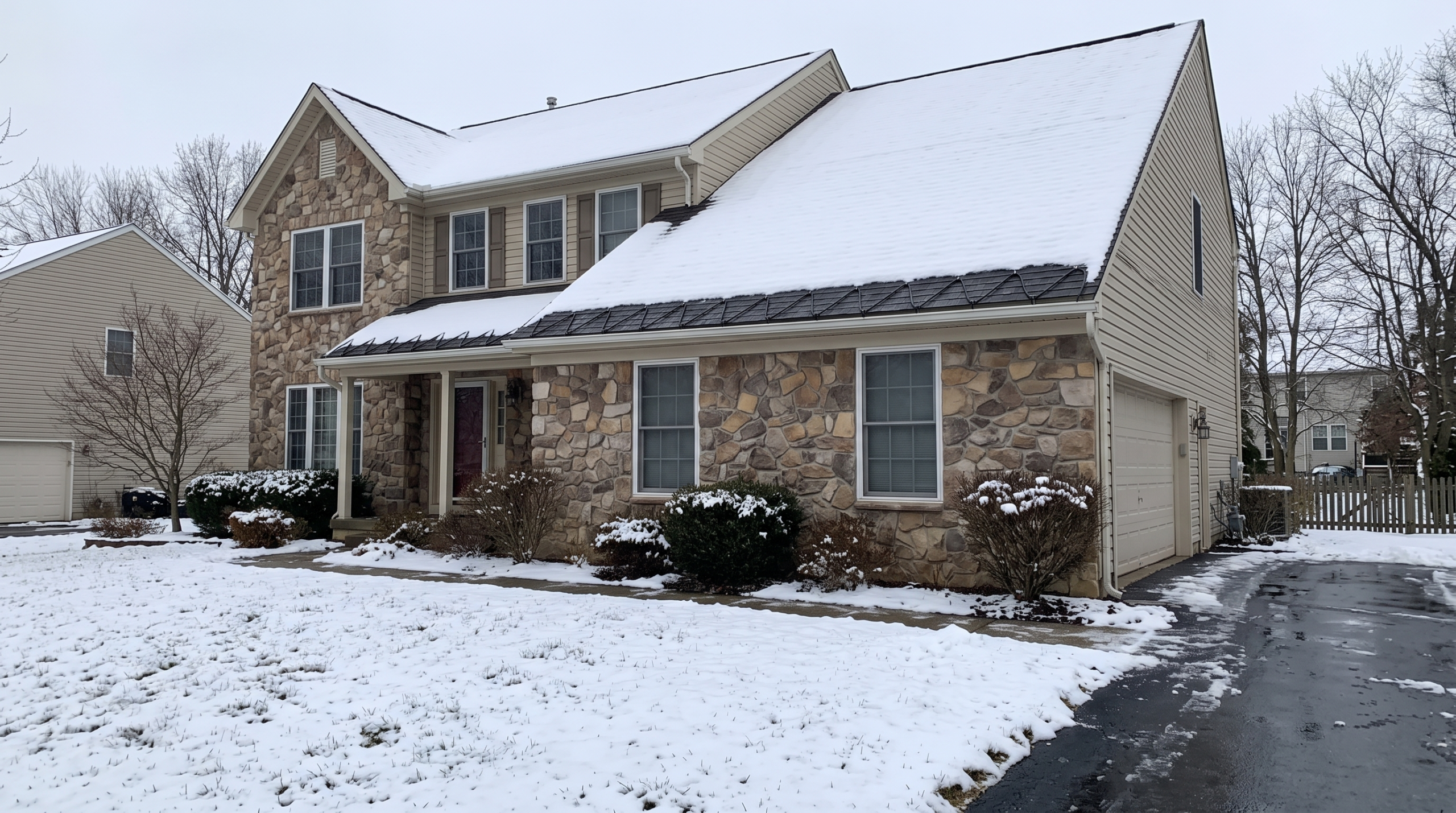
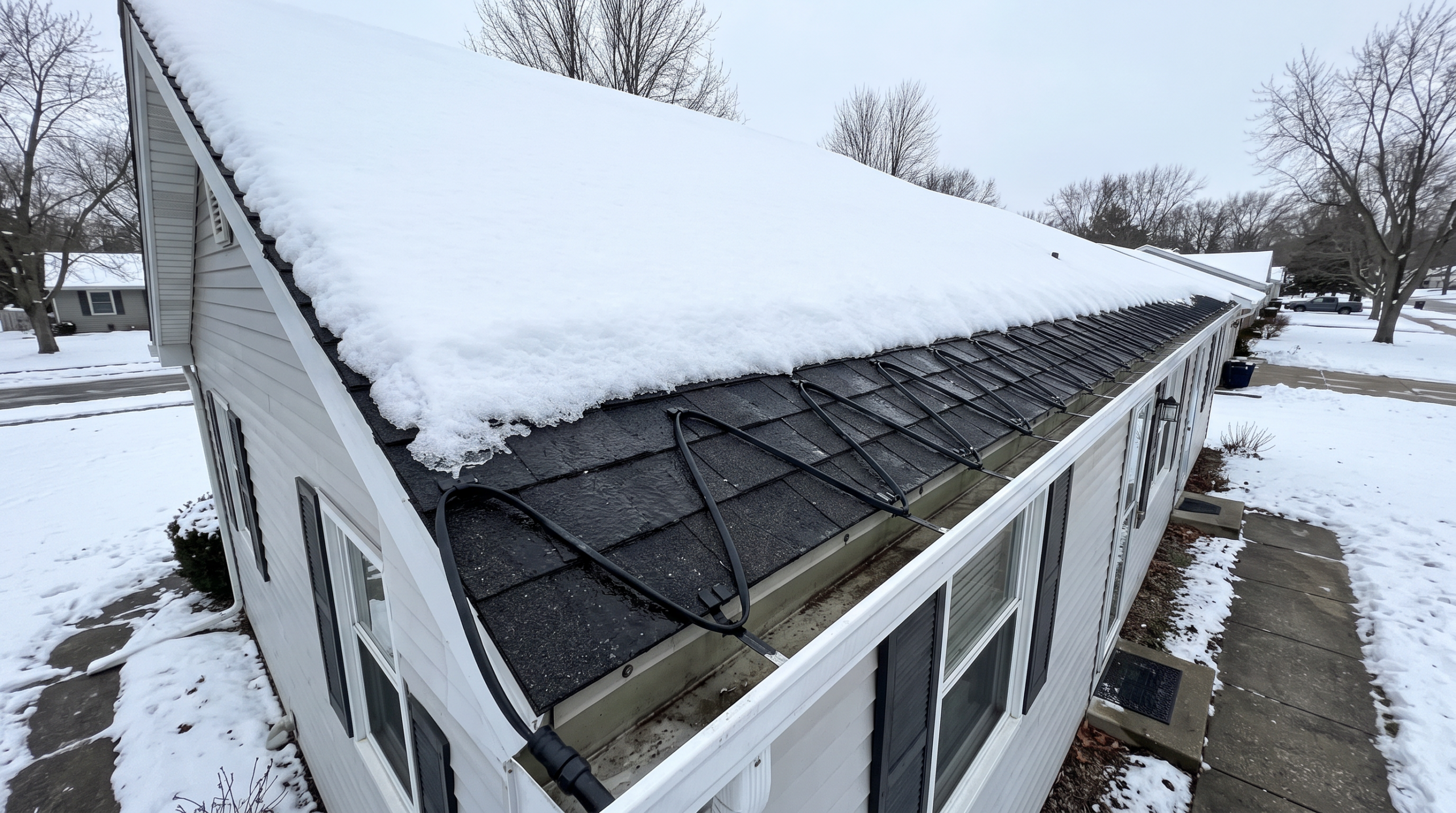
Insulation depth matters at least as much as membrane in this climate, and Chittenden County stock built before modern attic standards tends to be short on both. One is a code question; the other is why the dam formed.
What a Crew Does on a Winooski Roof
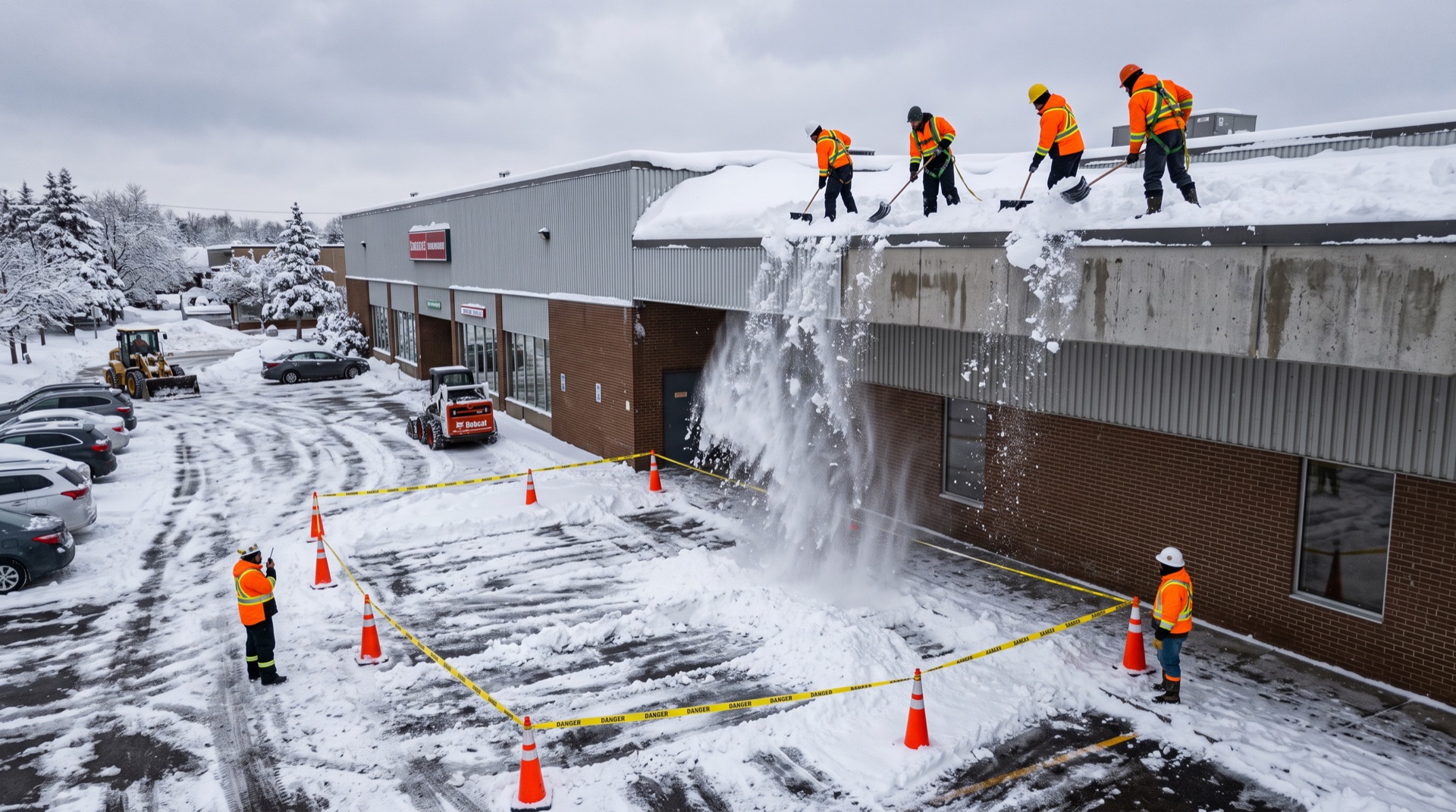
Nothing gets touched until the roof has been walked and photographed. The crew finds every dam, locates where water is getting in, shows you, and gives you the crew-hour rate and a time estimate before the equipment comes off the truck.
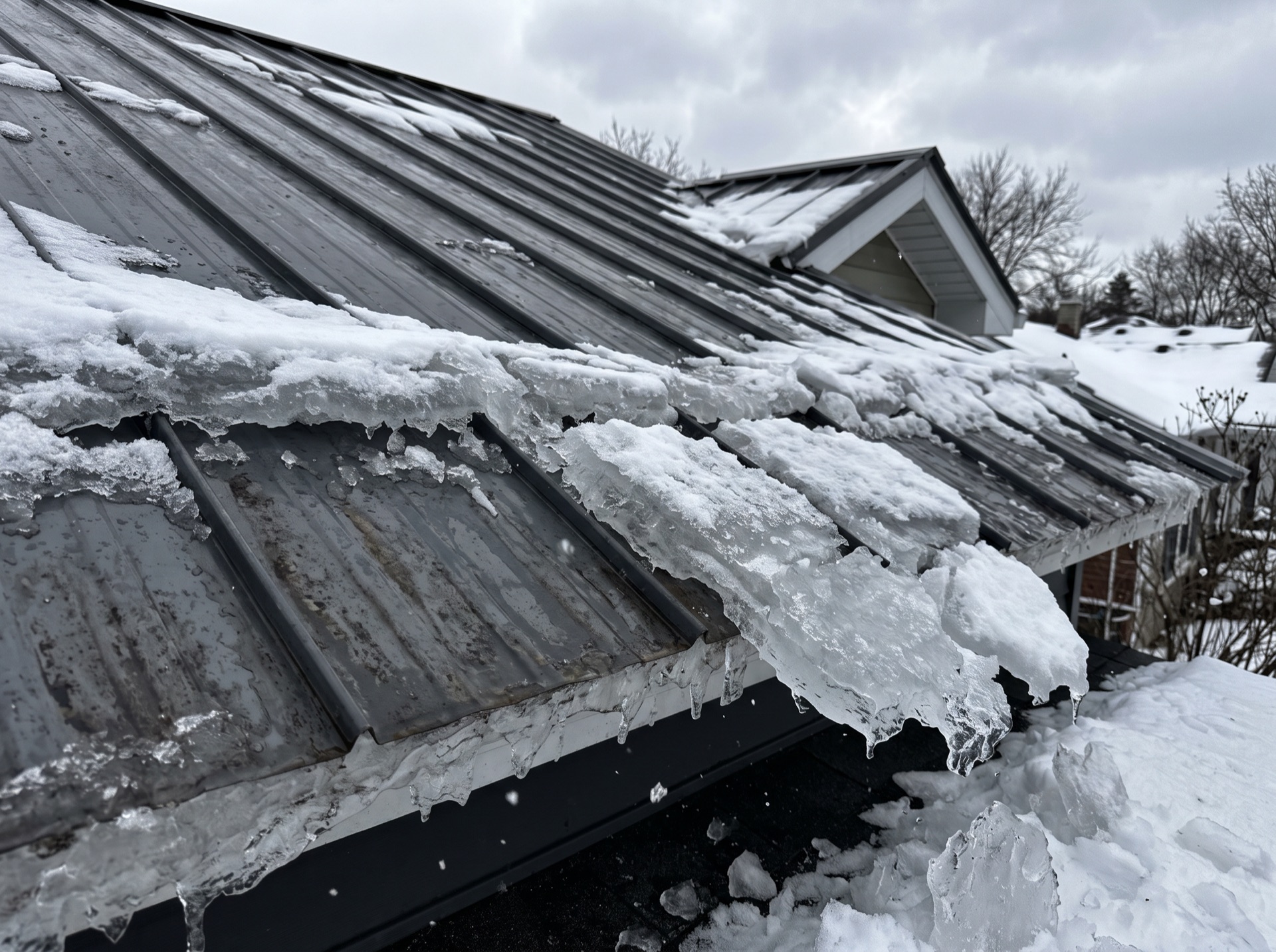
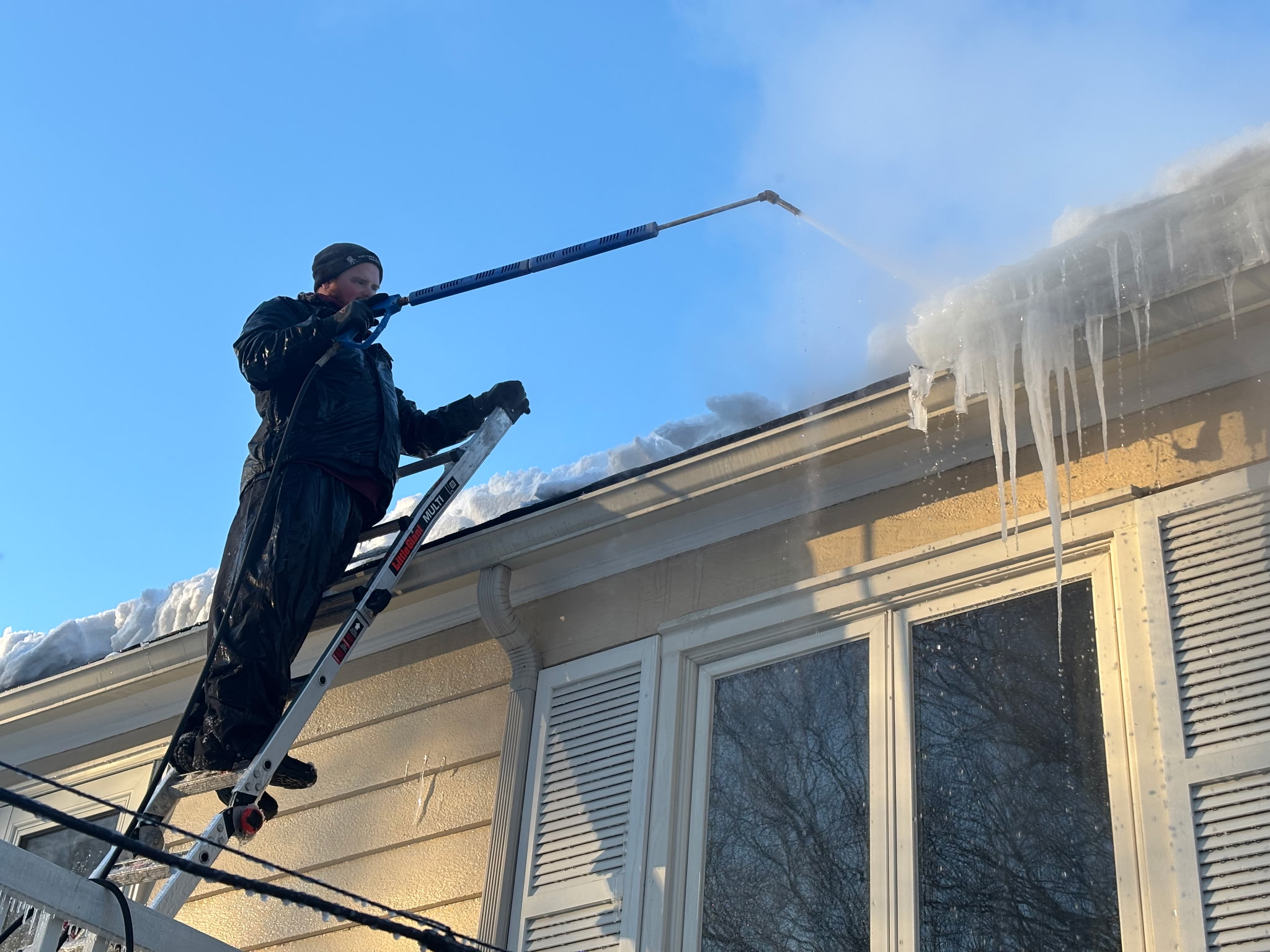
Removal then works from the worst point outward, so water starts draining early rather than at the end. Gutters and downspouts frozen solid get steamed through in the same visit — leaving them means the eave dams again within days.
Why the dam formed in the first place
Ice dams are a heat problem wearing a weather costume. Warm air escaping into the attic melts snow on the upper roof; that meltwater runs to the eave, which hangs past the heated envelope and stays below freezing; it refreezes there, and the ridge of ice grows a layer every cycle. Removal is the emergency fix. Before the crew leaves you will know which part of your attic is feeding it.
Why salt and ice melt make it worse
Calcium chloride opens a narrow channel and leaves the dam standing. The channel refreezes, the dam does not go anywhere, and in the meantime the runoff corrodes gutter seams, fasteners, flashing and anything growing underneath.
It is a stopgap at best. On a roof in Winooski with an active leak it buys hours, not days, and it adds a corrosion problem to the water problem.
What happens after the ice is off
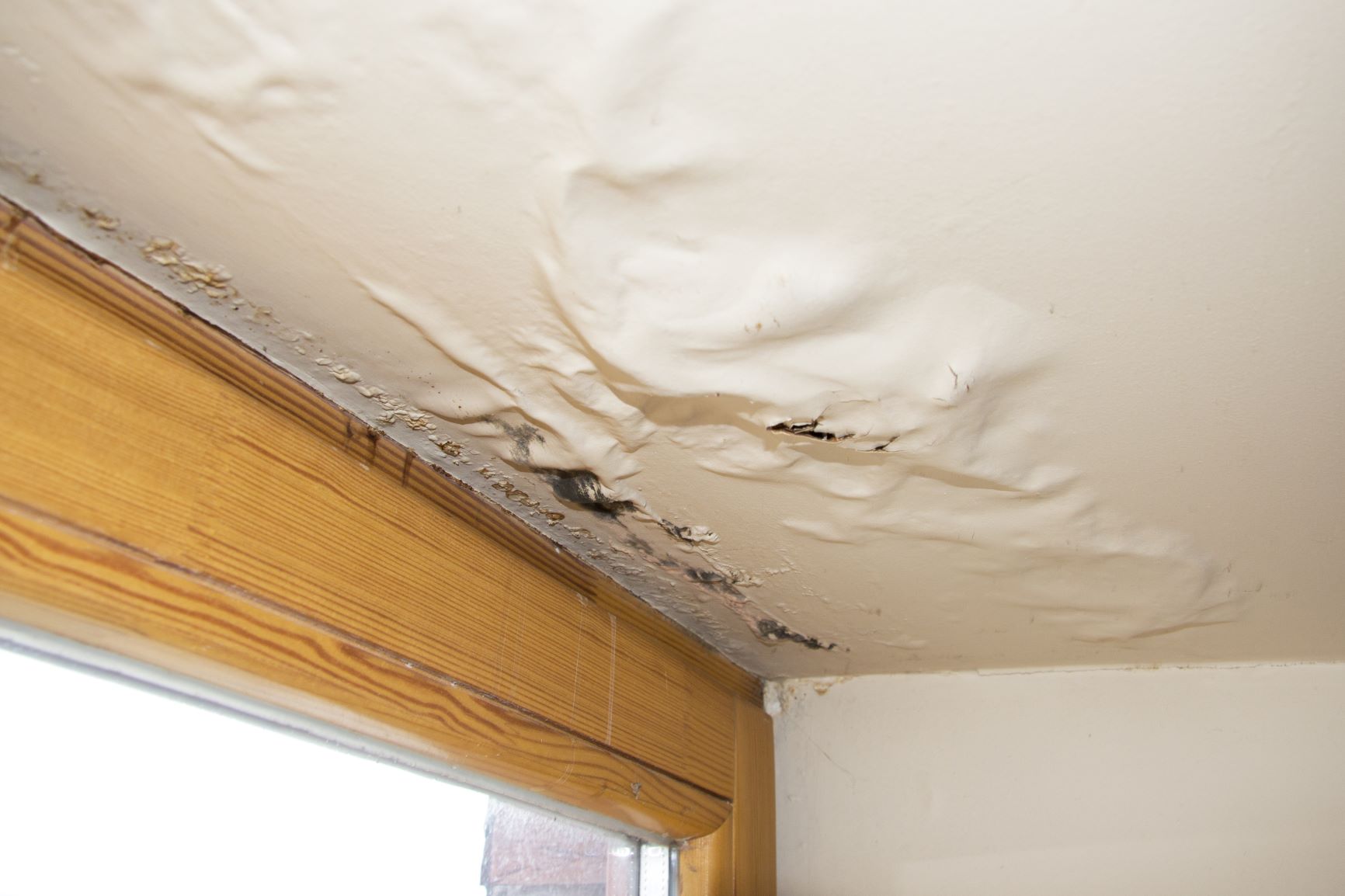
Once the eave is clear and water is draining, the crew walks the interior with you where there is visible damage and says plainly whether it needs drying. Wet insulation and a damp ceiling cavity do not resolve themselves in a cold Winooski February.
If it does, that is a separate scope and it gets written separately — nobody is upsold a dryout on the strength of one damp patch.
| Local ice-barrier practice | Eave membrane required on new work |
|---|---|
| Documentation | Dated before and after photos, written scope in Xactimate line items |
| Pricing model | Billed by the crew hour, rate quoted before dispatch |
| Primary climate stressor | Sustained sub-freezing, long season |
| Dispatch window | Same day to 24 hours |
| Service | Ice dam removal in Winooski, VT |
| Coverage area | Winooski and Chittenden County |
Winooski Coverage and the Adjoining Communities
Crews working Winooski cover the adjoining communities on the same route — Essex Junction, Shelburne, Jericho, Richmond and South Hero — so a storm week usually means one truck handling several addresses in Chittenden County rather than separate trips.
Nearest hub towns with their own crew pages: Burlington, South Burlington, Colchester, Essex, Williston, Milton.
When a storm hits Chittenden County, crews are dispatched by severity rather than by call order — water already inside the house goes first.
If water is already inside a property in Winooski, call (888) 561-9664 rather than filling in a form — the phone is faster and leaks jump the line.