



Long Winters, Layered Ice: The Chittenden County Problem
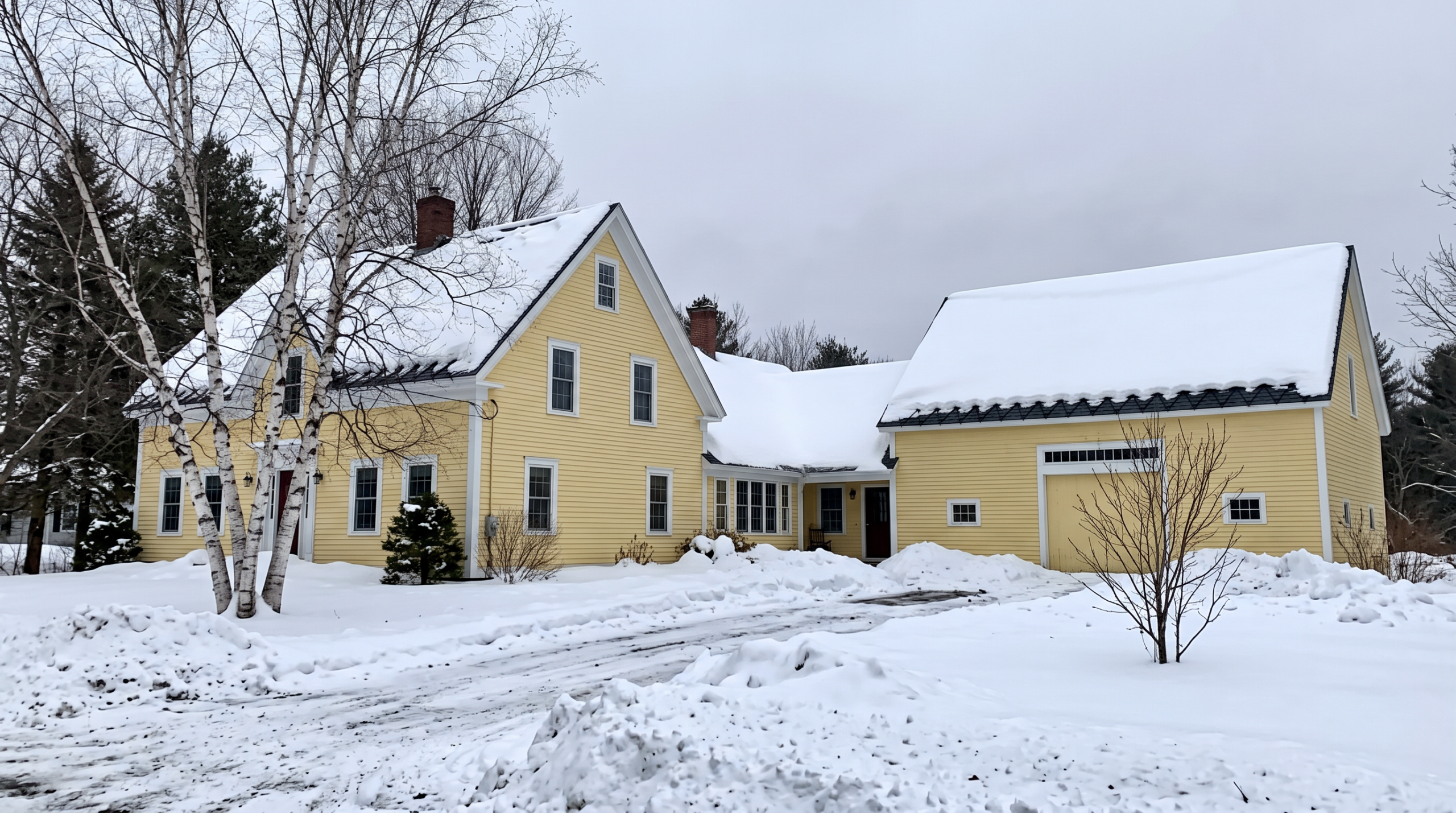
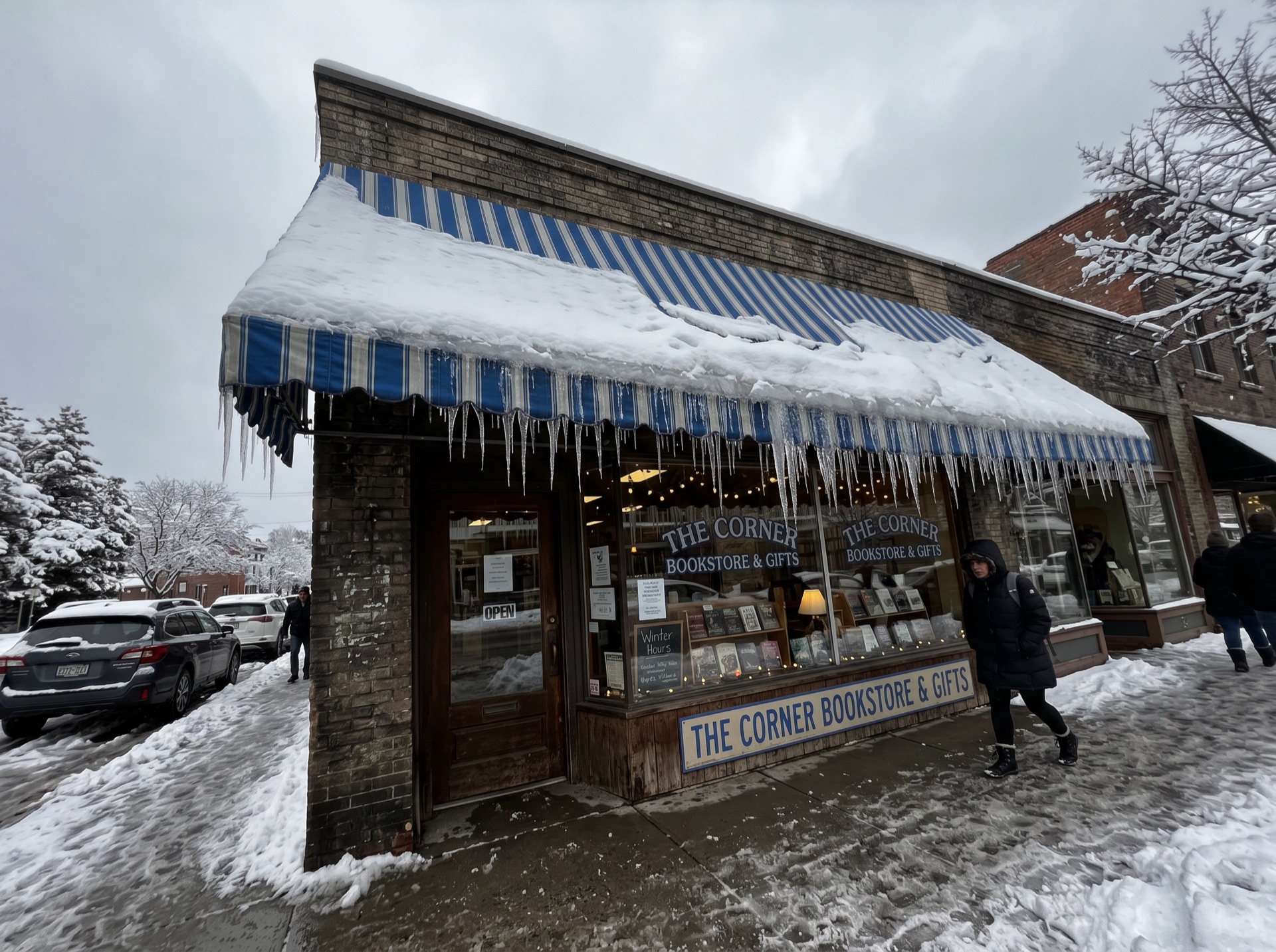
A roof in Chittenden County spends most of the year's coldest months under continuous load. That is a different problem from a single heavy storm, and it produces a different kind of ice.

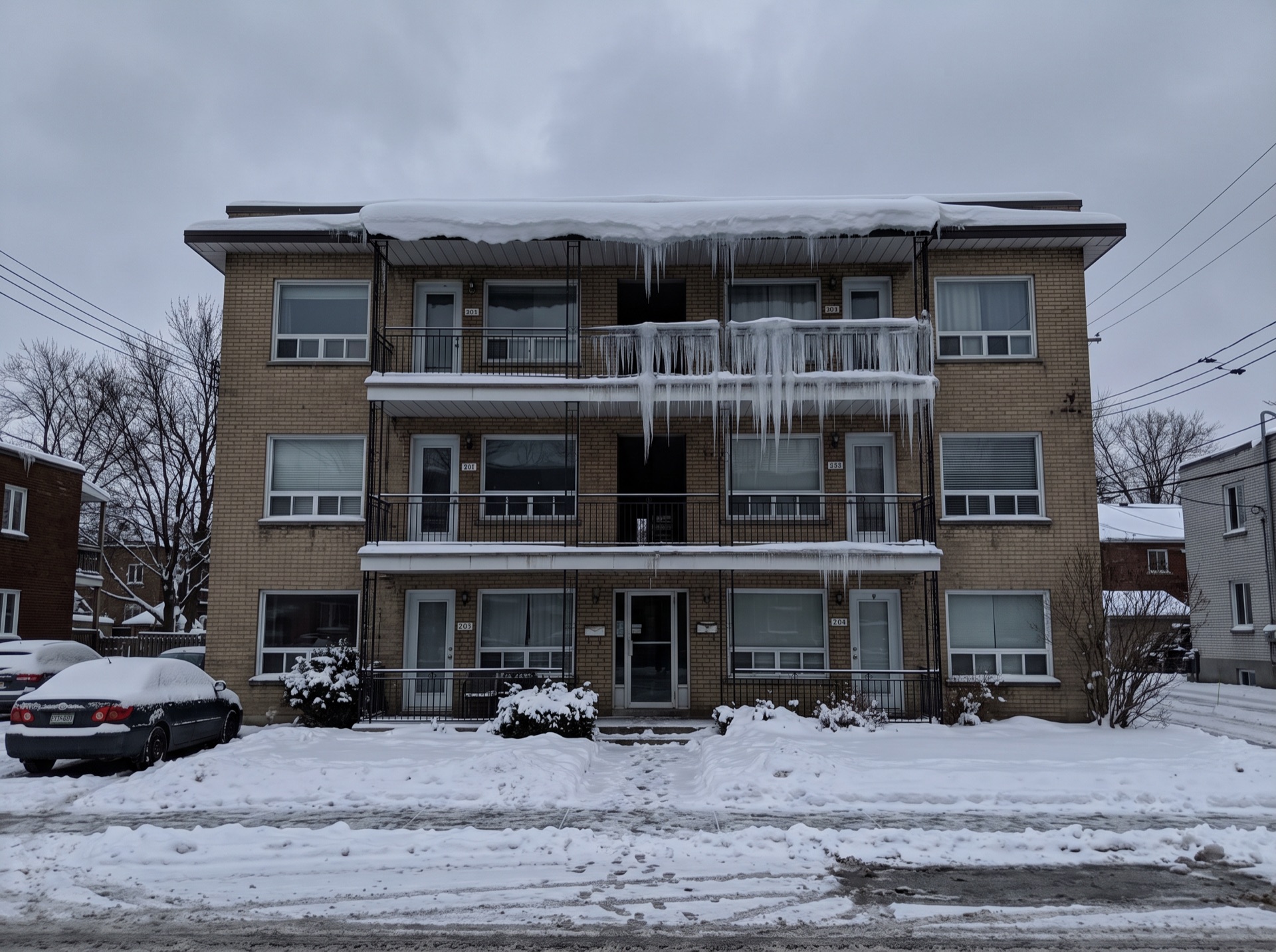
Every mild afternoon through that stretch releases a little meltwater, and every cold night sets it at the overhang. Done fifty times, that is how an eave ends up carrying several hundred pounds of ice by March.
Ice-barrier practice in Chittenden County
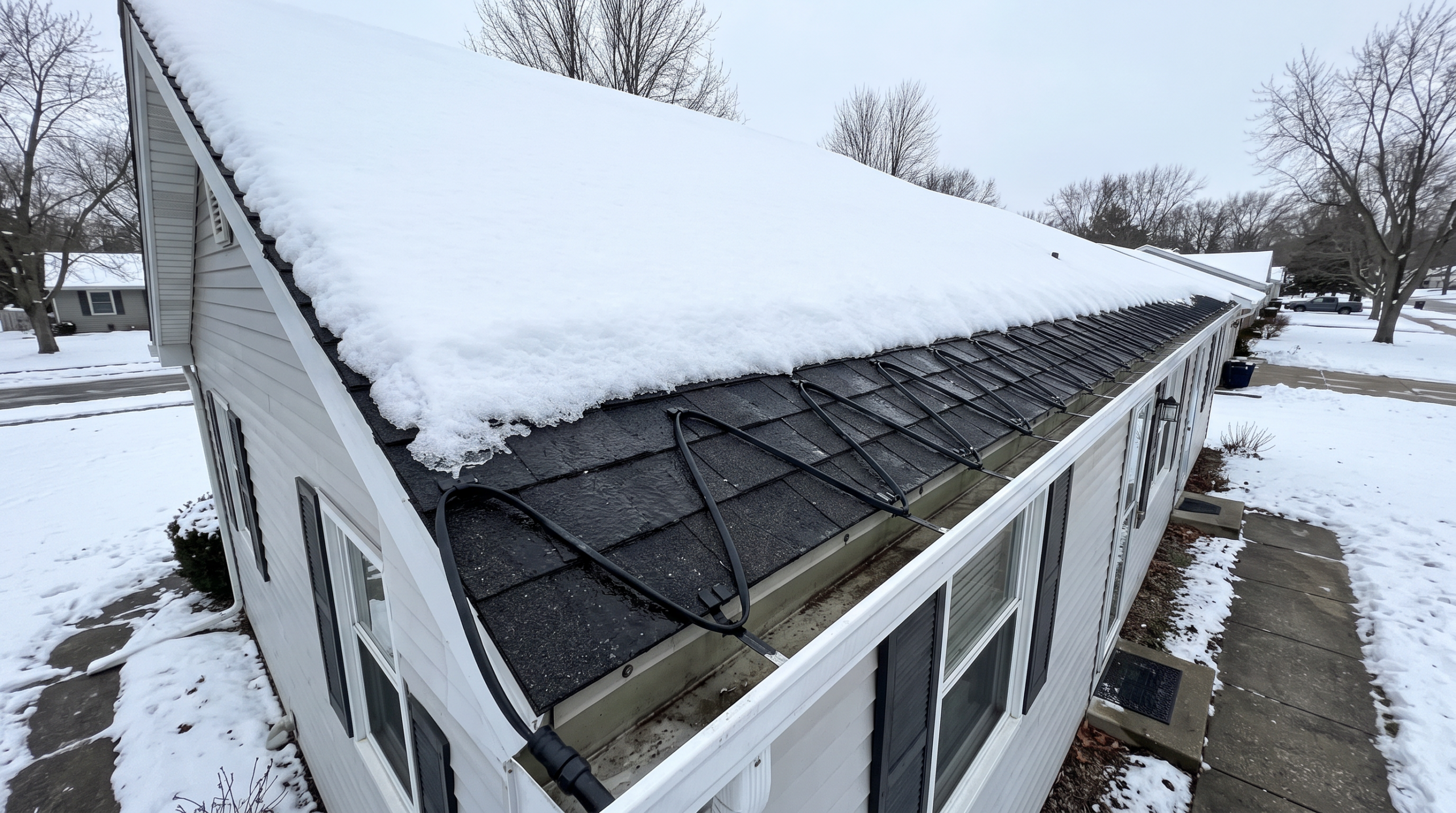
Ice barrier at the eaves is a standard requirement on new work across Vermont. The question on any particular Milton house is when it was last roofed, because that decides whether it is there at all.
How We Work a Milton Ice Dam
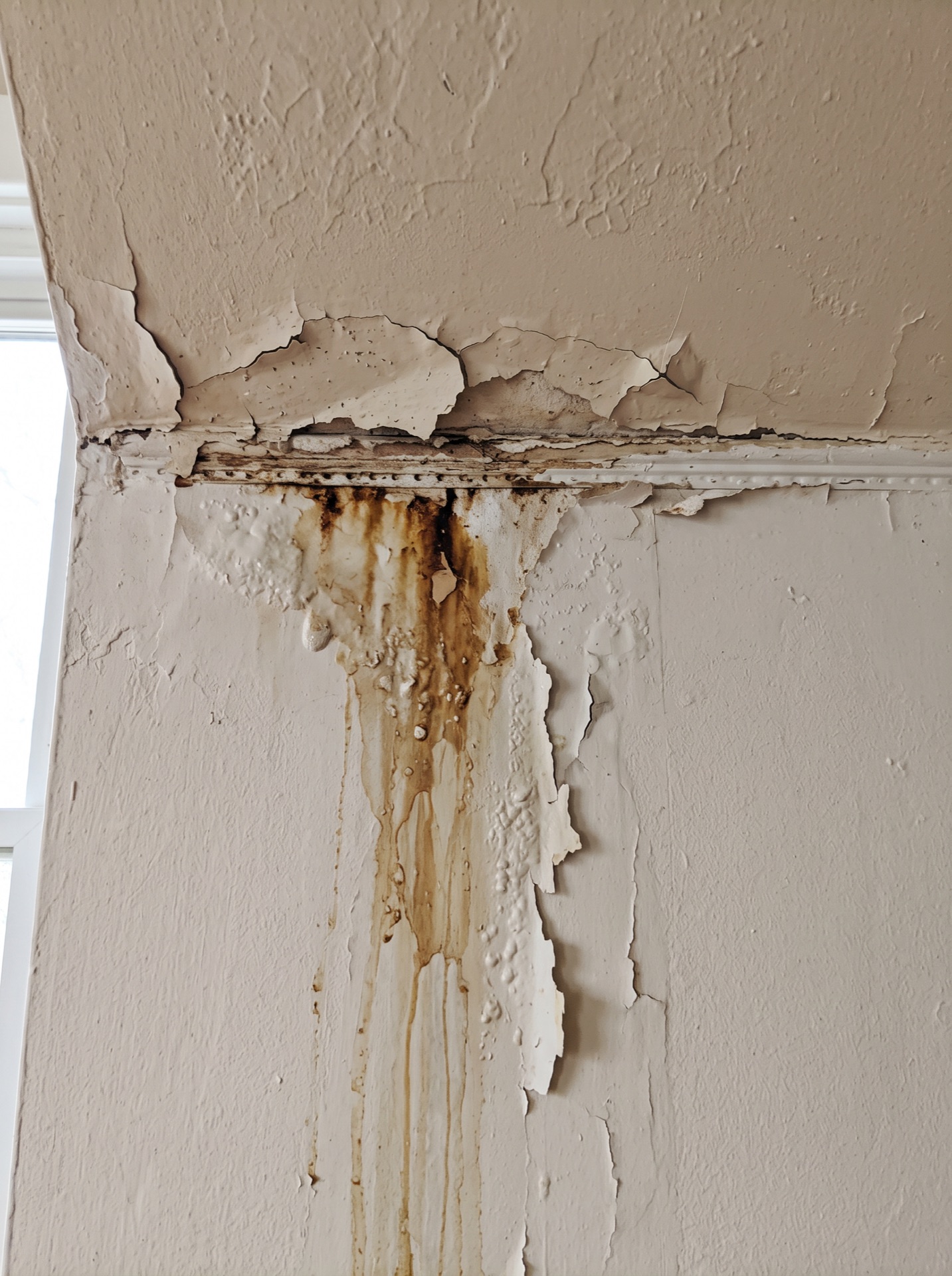
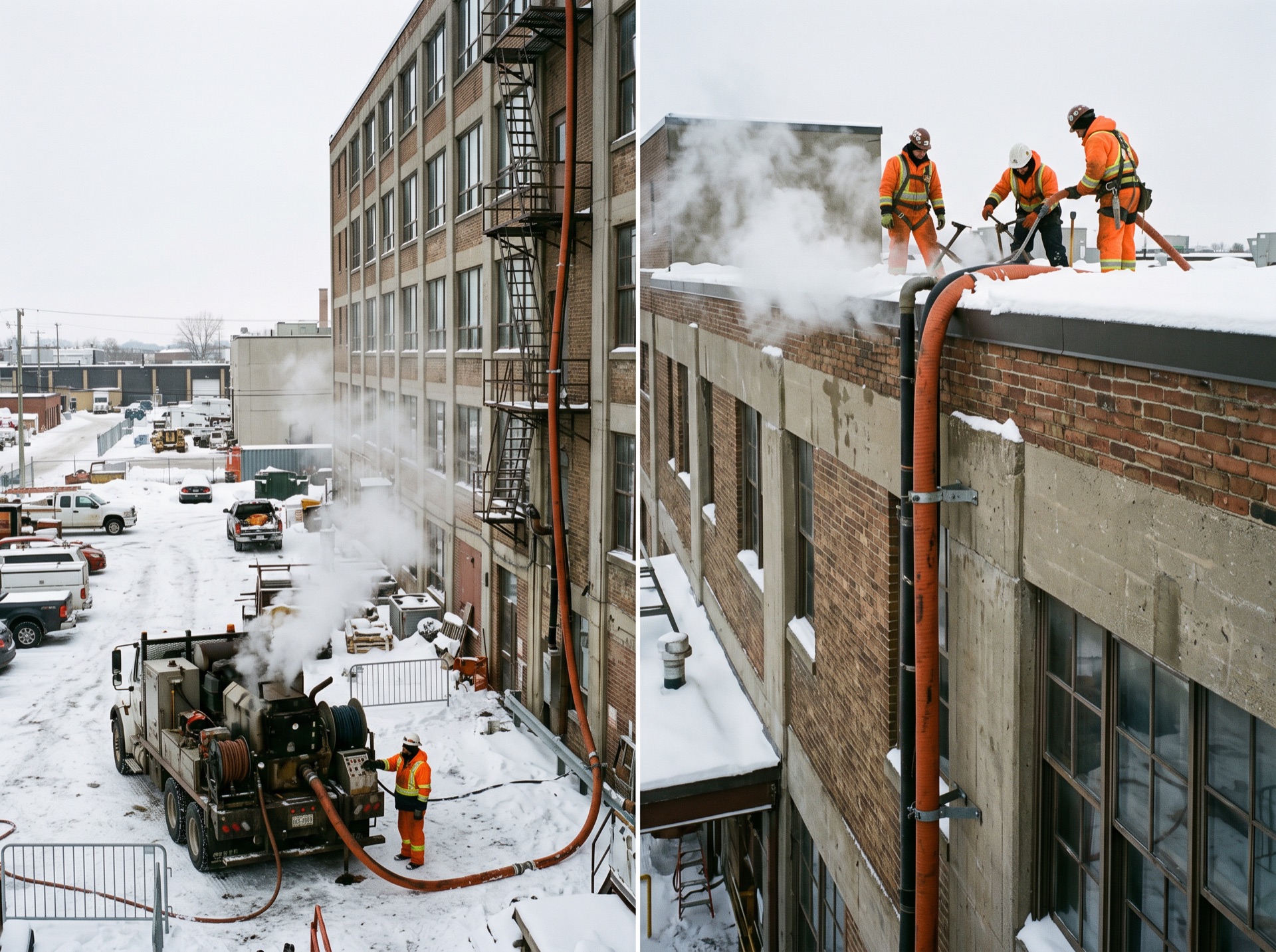
Nothing gets touched until the roof has been walked and photographed. The crew finds every dam, locates where water is getting in, shows you, and gives you the crew-hour rate and a time estimate before the equipment comes off the truck.
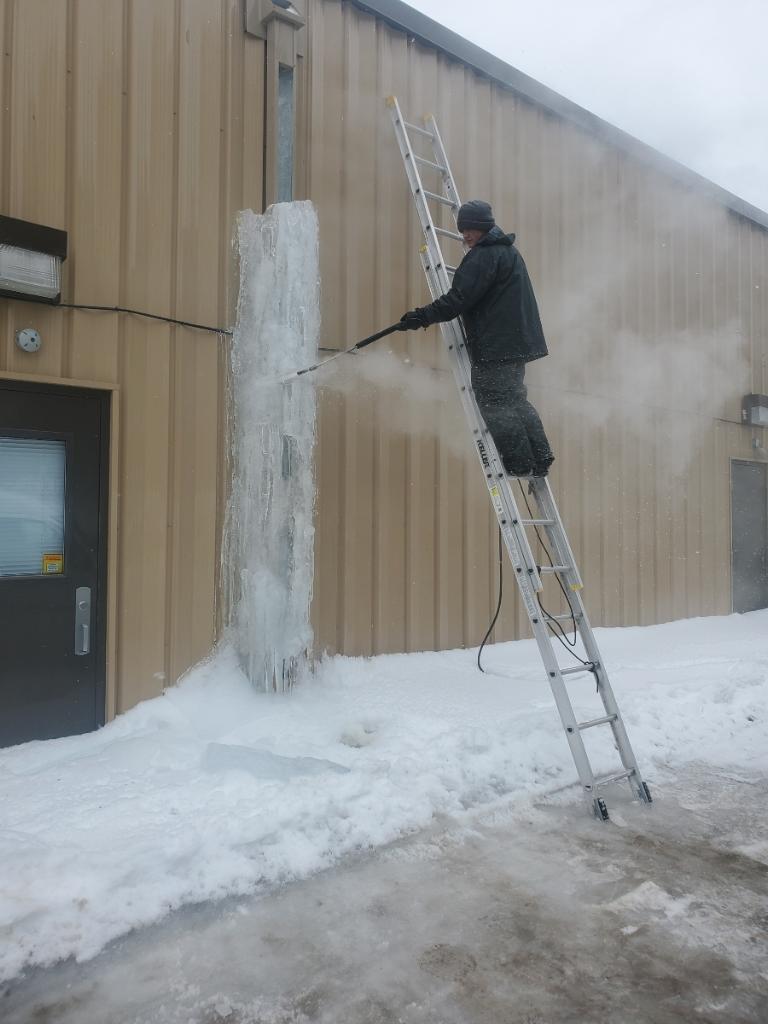
Removal then works from the worst point outward, so water starts draining early rather than at the end. Gutters and downspouts frozen solid get steamed through in the same visit — leaving them means the eave dams again within days.
Why salt and ice melt make it worse
Calcium chloride opens a narrow channel and leaves the dam standing. The channel refreezes, the dam does not go anywhere, and in the meantime the runoff corrodes gutter seams, fasteners, flashing and anything growing underneath.
It is a stopgap at best. On a roof in Milton with an active leak it buys hours, not days, and it adds a corrosion problem to the water problem.
Why a drainage channel is not removal
Cutting a few channels through a dam so water can get past is quick and it is sometimes sold as ice dam removal. It drains the roof for as long as the channels stay open, which in a Milton cold snap can be a single night before they close again.
Removing the dam means taking the ice off down to the shingle along the whole affected run, so the eave can drain the way it was built to. It takes longer and it is the only version that holds.
Steep, high and awkward Milton roofs
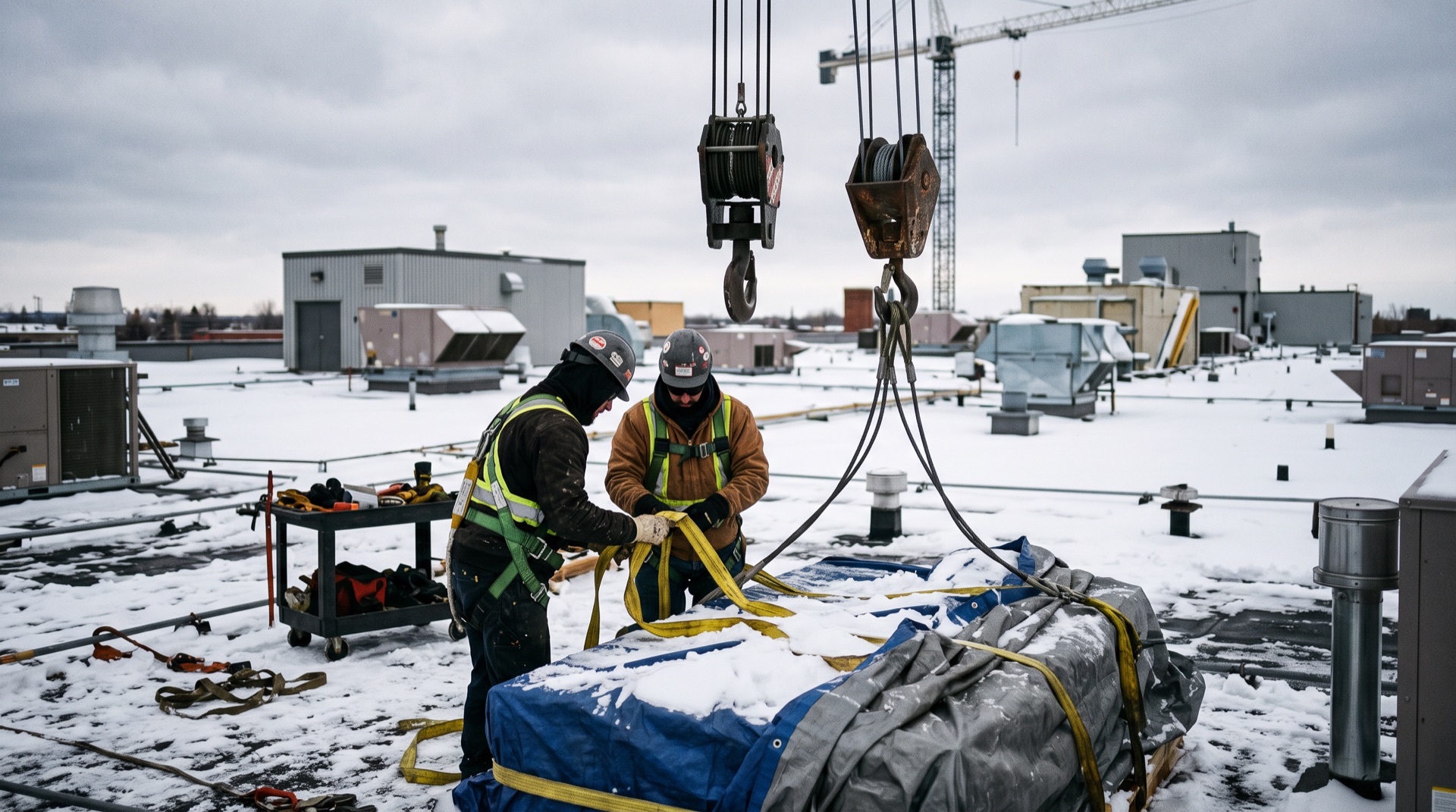
Pitch and height change the job more than ice thickness does. A walkable ranch eave is a ladder and a lance. A three-story roof with a steep pitch means anchors, rope, staging and two people where one would otherwise do.
Crews quote on that honestly. If a property in Milton needs a longer setup, it is said on the phone rather than discovered at the end of the invoice.
| Removal method | Low-pressure steam only. No chipping, salt or pressure washing. |
|---|---|
| Coverage area | Milton and Chittenden County |
| Service | Ice dam removal in Milton, VT |
| Pricing model | Billed by the crew hour, rate quoted before dispatch |
| Typical scope | Steam, 6-14 crew hours typical |
| Local ice-barrier practice | Eave membrane required on new work |
| Documentation | Dated before and after photos, written scope in Xactimate line items |
Chittenden County Coverage From Milton
Crews working Milton cover the adjoining communities on the same route — Fairfax, Westford, South Hero, Grand Isle and Essex Junction — so a storm week usually means one truck handling several addresses in Chittenden County rather than separate trips.
Nearest hub towns with their own crew pages: Colchester, Essex, Winooski, St. Albans, Burlington, South Burlington.
During a cold snap Milton gets worked alongside the neighboring Chittenden County towns on the same route, with active interior leaks moved to the front of the list.
Water through a ceiling in Milton is a same-day call, not a next-week one. (888) 561-9664 goes straight to dispatch.