



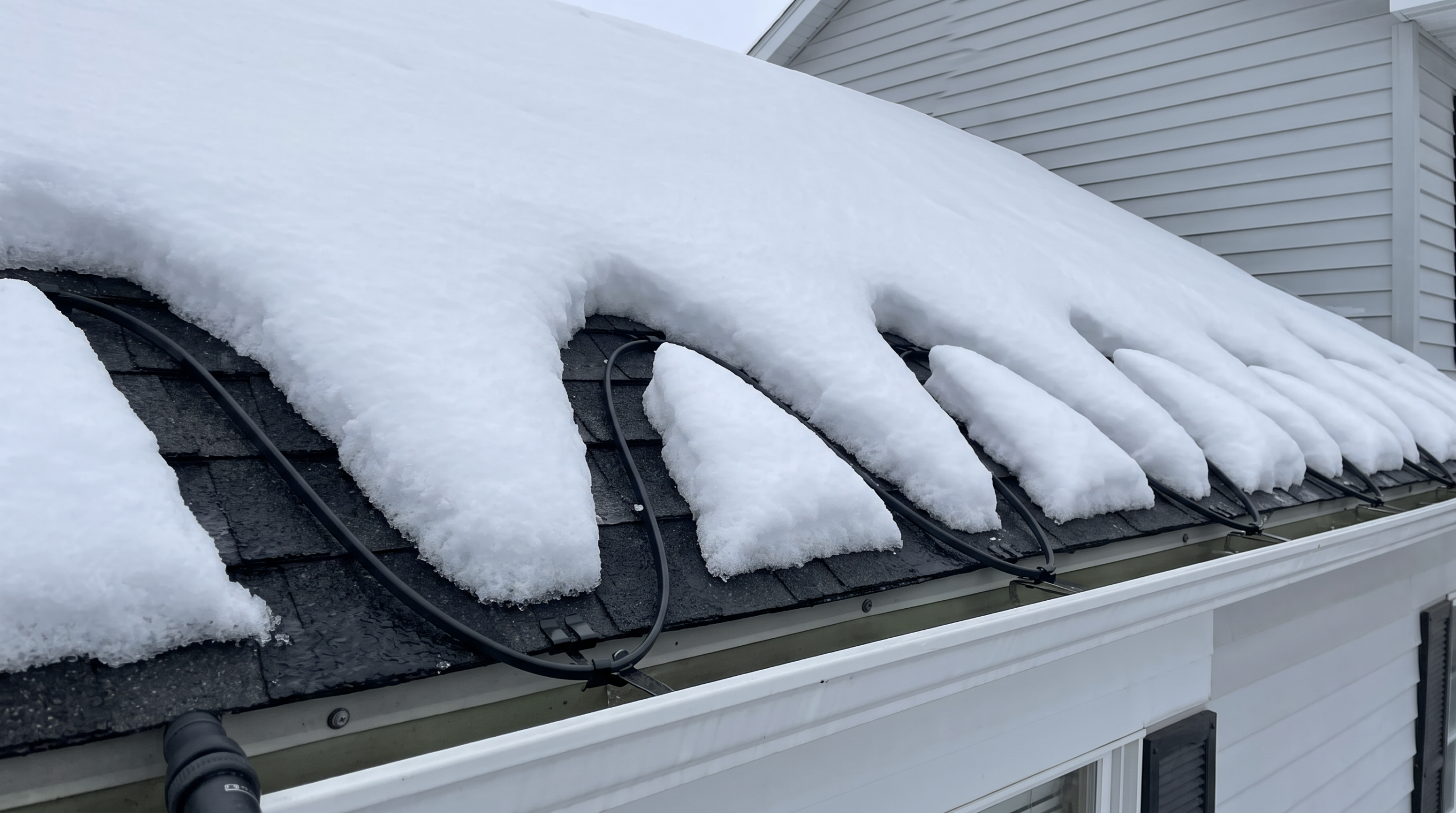
Barre Ice Dams and the Winter That Does Not Break
A roof in Washington County spends most of the year's coldest months under continuous load. That is a different problem from a single heavy storm, and it produces a different kind of ice.

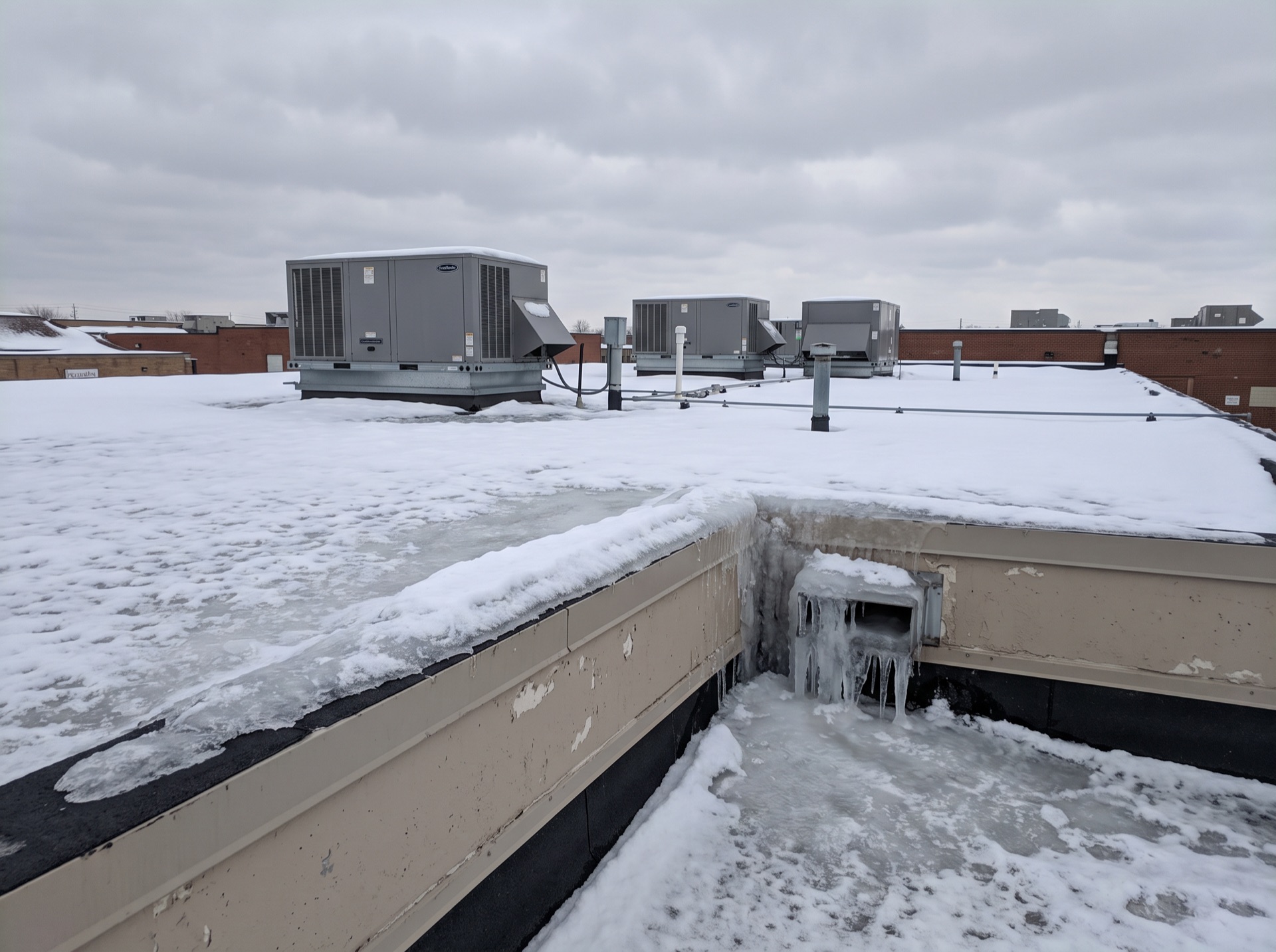
Ice built this way is dense and bonded. It is not the brittle shell that comes off a mild-climate roof in one piece - it is layered, hard and locked to the shingle, which is exactly why mechanical removal does so much damage here.
Ice-barrier practice in Washington County
Insulation depth matters at least as much as membrane in this climate, and Washington County stock built before modern attic standards tends to be short on both. One is a code question; the other is why the dam formed.
How a Barre Steam Call Runs, Start to Finish
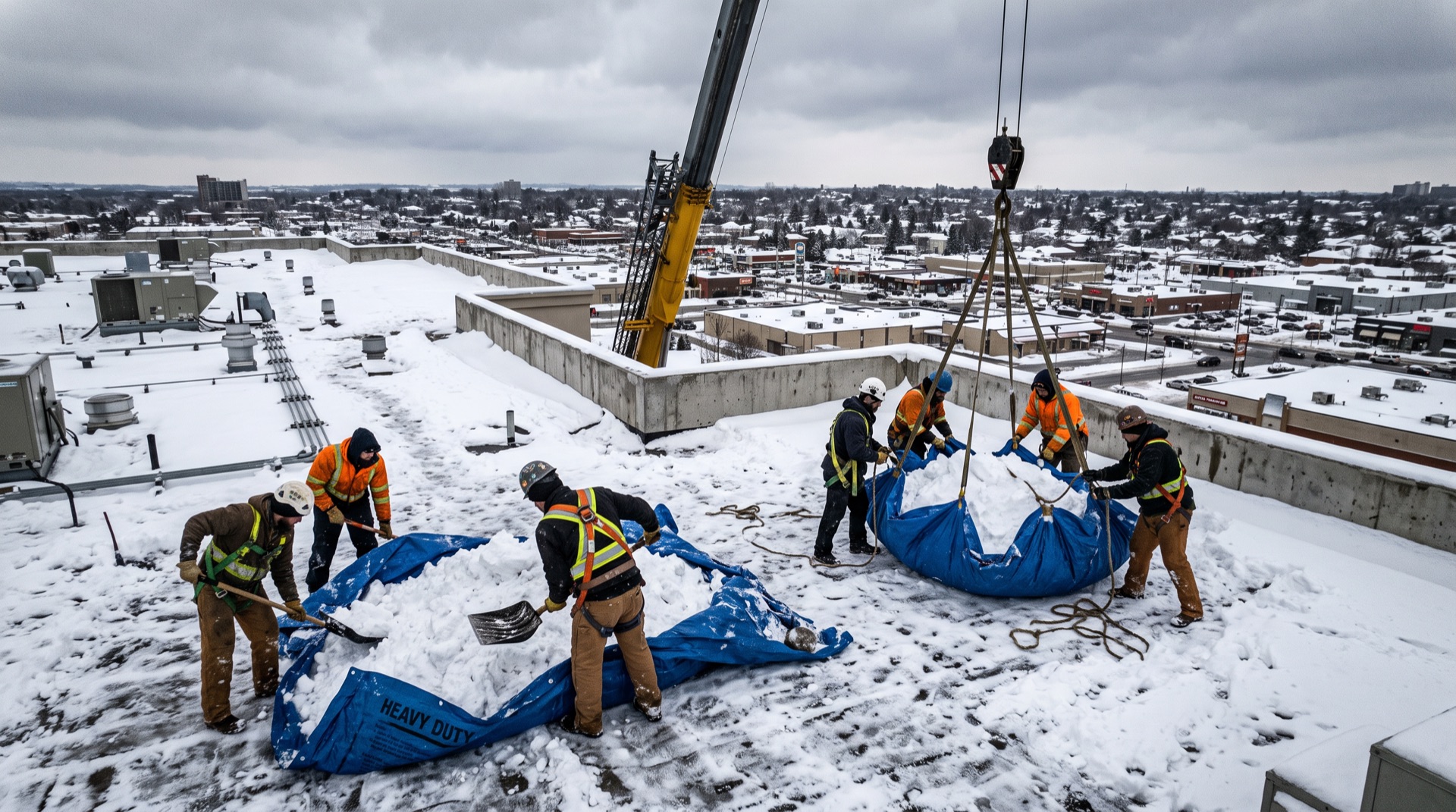
Nothing gets touched until the roof has been walked and photographed. The crew finds every dam, locates where water is getting in, shows you, and gives you the crew-hour rate and a time estimate before the equipment comes off the truck.
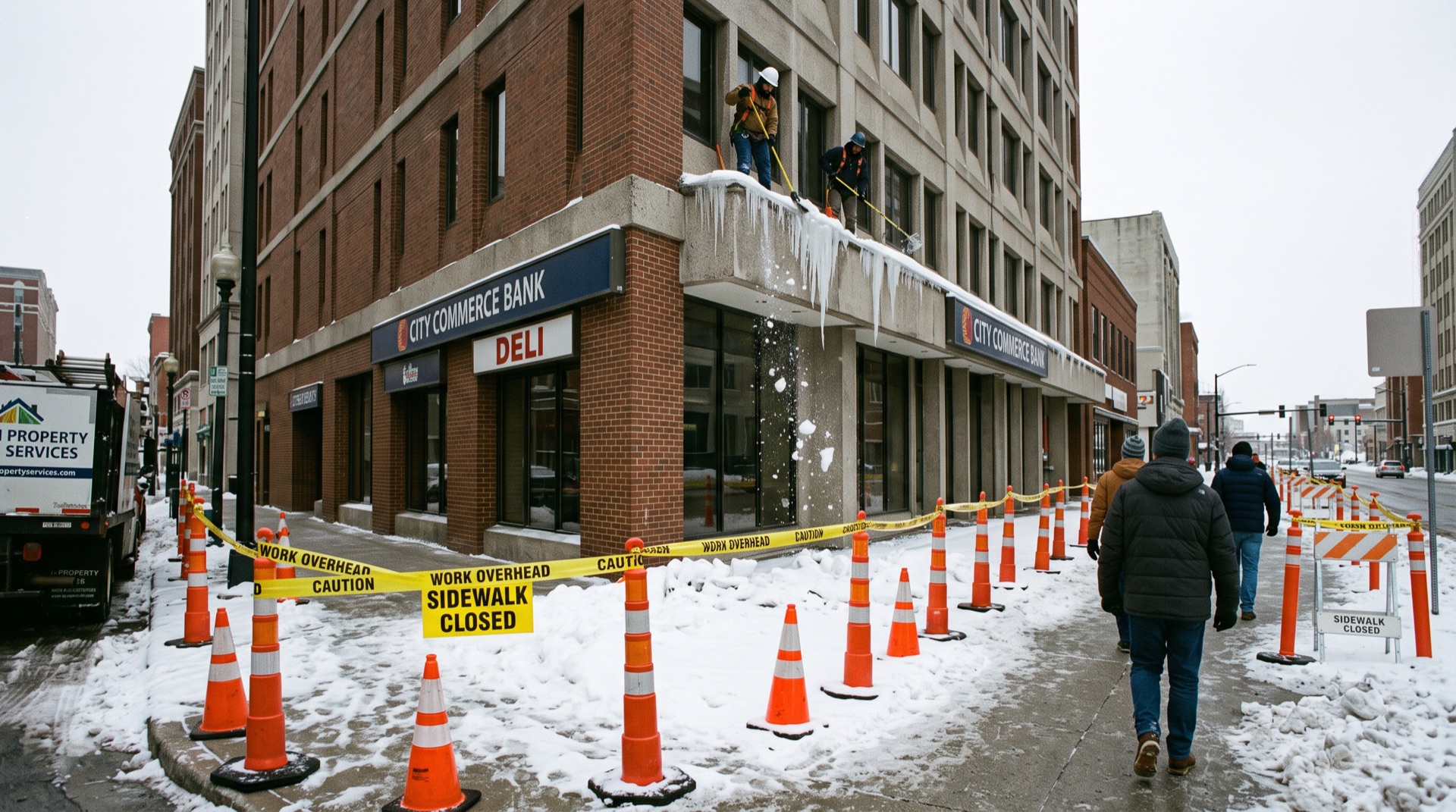
Removal then works from the worst point outward, so water starts draining early rather than at the end. Gutters and downspouts frozen solid get steamed through in the same visit — leaving them means the eave dams again within days.
What happens after the ice is off
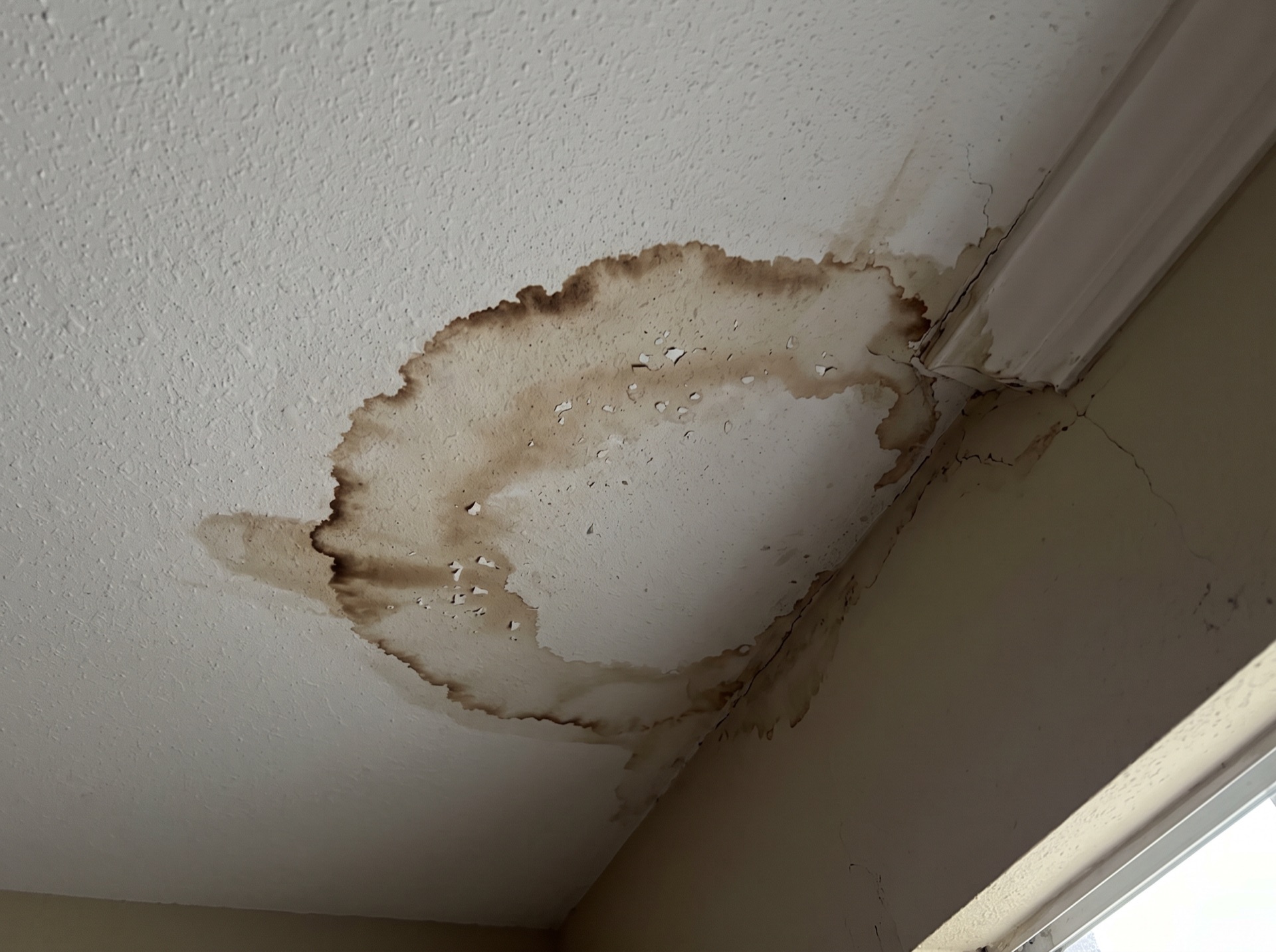
Once the eave is clear and water is draining, the crew walks the interior with you where there is visible damage and says plainly whether it needs drying. Wet insulation and a damp ceiling cavity do not resolve themselves in a cold Barre February.
If it does, that is a separate scope and it gets written separately — nobody is upsold a dryout on the strength of one damp patch.
Why salt and ice melt make it worse
Calcium chloride opens a narrow channel and leaves the dam standing. The channel refreezes, the dam does not go anywhere, and in the meantime the runoff corrodes gutter seams, fasteners, flashing and anything growing underneath.
It is a stopgap at best. On a roof in Barre with an active leak it buys hours, not days, and it adds a corrosion problem to the water problem.
What the dam has already done to the gutter and fascia
Ice expands as it forms, and a trough packed solid pushes the gutter away from the fascia a little more every cycle. By the time the dam is thick enough to leak, the hangers are often pulled, the back of the trough has lifted, and the fascia board behind it has been wet for weeks.
None of that is visible until the ice is off. It gets photographed when it appears, because a bent gutter found in February is a great deal easier to argue about with a carrier than one discovered in May.
| Typical scope | Steam, 6-14 crew hours typical |
|---|---|
| Pricing model | Billed by the crew hour, rate quoted before dispatch |
| Primary climate stressor | Sustained sub-freezing, long season |
| Documentation | Dated before and after photos, written scope in Xactimate line items |
| Removal method | Low-pressure steam only. No chipping, salt or pressure washing. |
| Local ice-barrier practice | Eave membrane required on new work |
| Dispatch window | Same day to 24 hours |
Where We Dispatch Around Barre
Crews working Barre cover the adjoining communities on the same route — South Barre, Graniteville, Websterville, East Barre and North Montpelier — so a storm week usually means one truck handling several addresses in Washington County rather than separate trips.
Nearest hub towns with their own crew pages: Montpelier, Stowe, St. Johnsbury, Williston, Middlebury, Essex.
Crews cover Barre and the surrounding Washington County towns through the whole season, and during a freeze event they run from first light until dark.
Active leak at an address in Barre? (888) 561-9664 reaches dispatch directly. Interior water moves a job to the front of the day.