



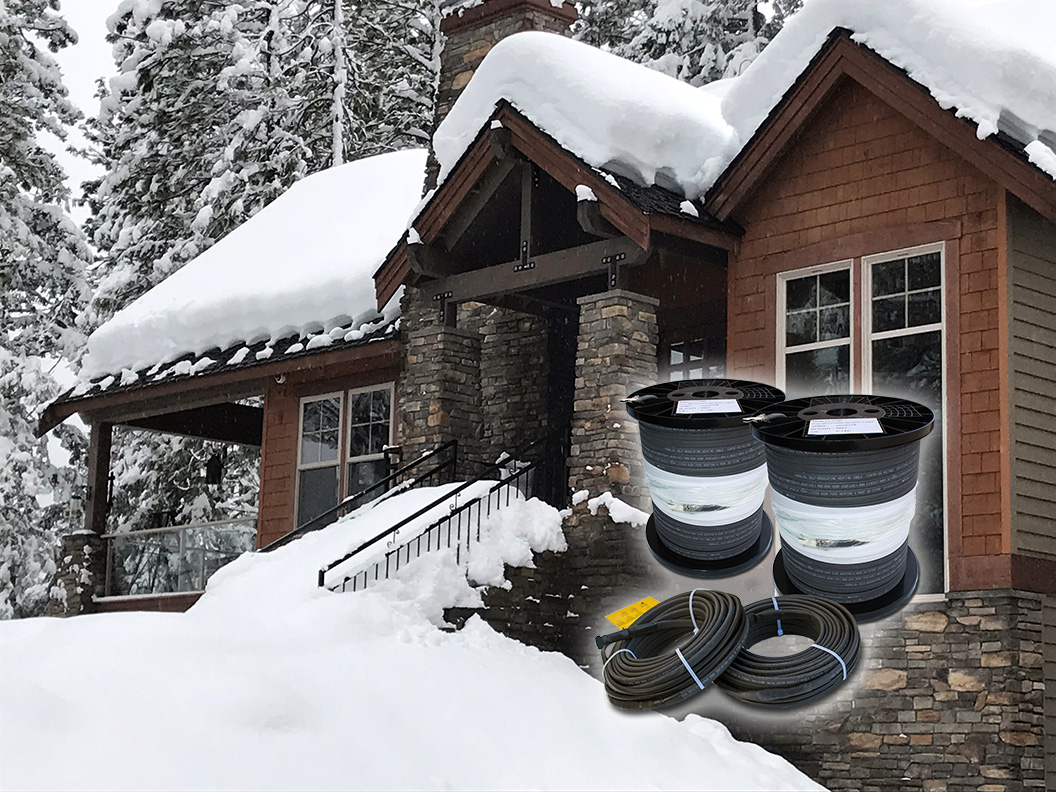
Long Winters, Layered Ice: The Washington County Problem
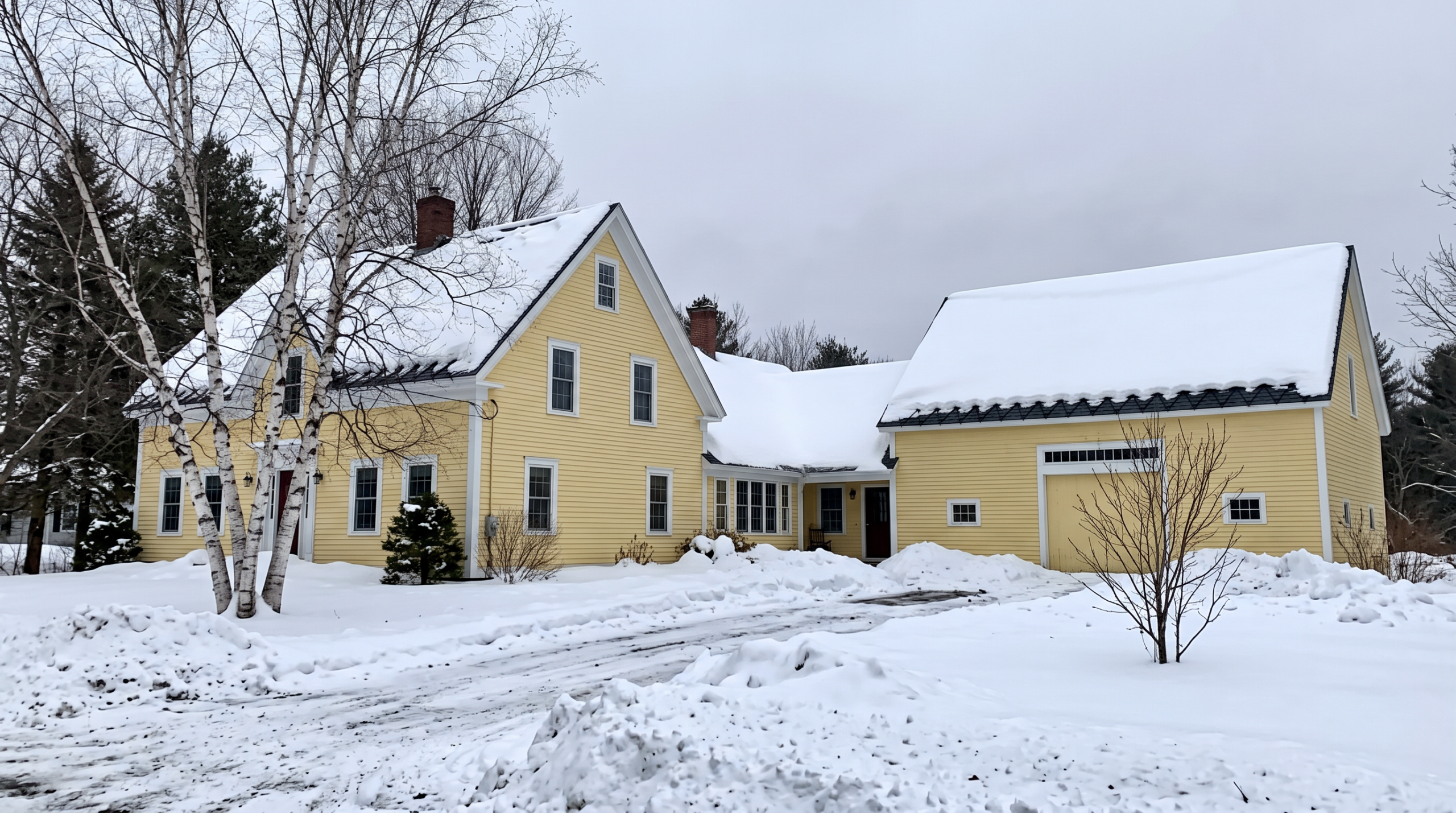
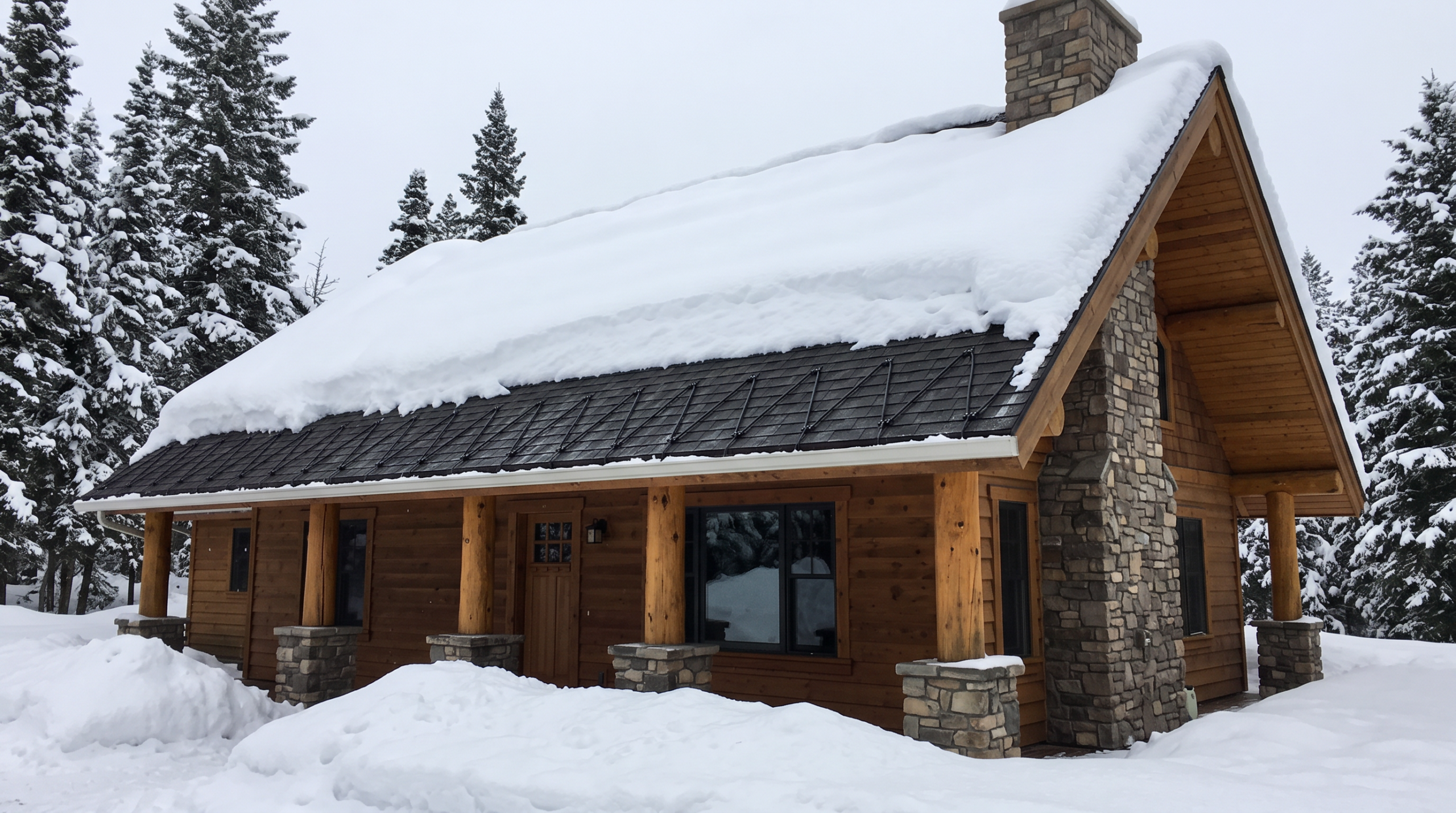
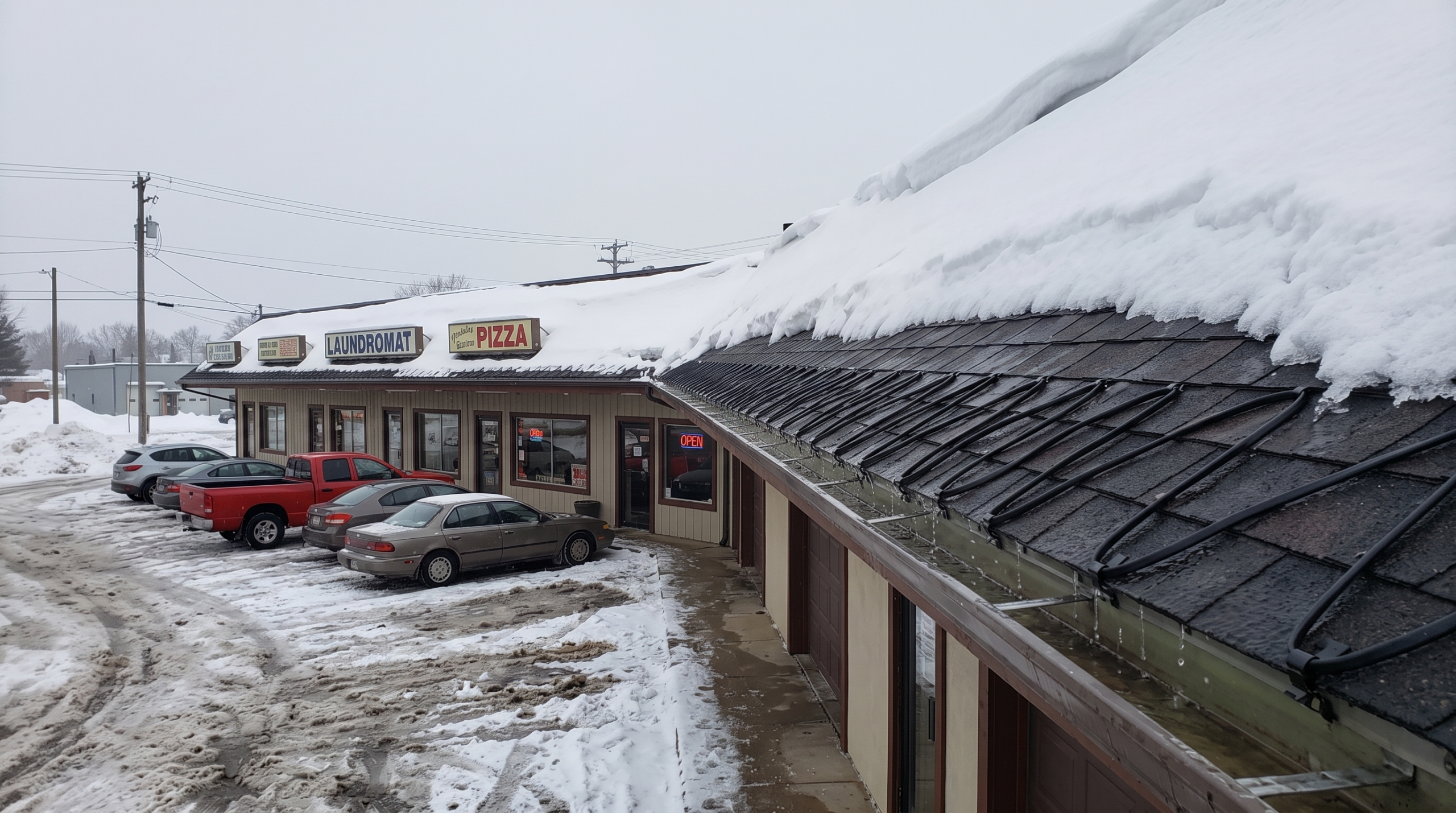
The defining feature of a Washington County winter is persistence. It is not one storm, it is a continuous load sitting on the roof from late fall through to a spring thaw.

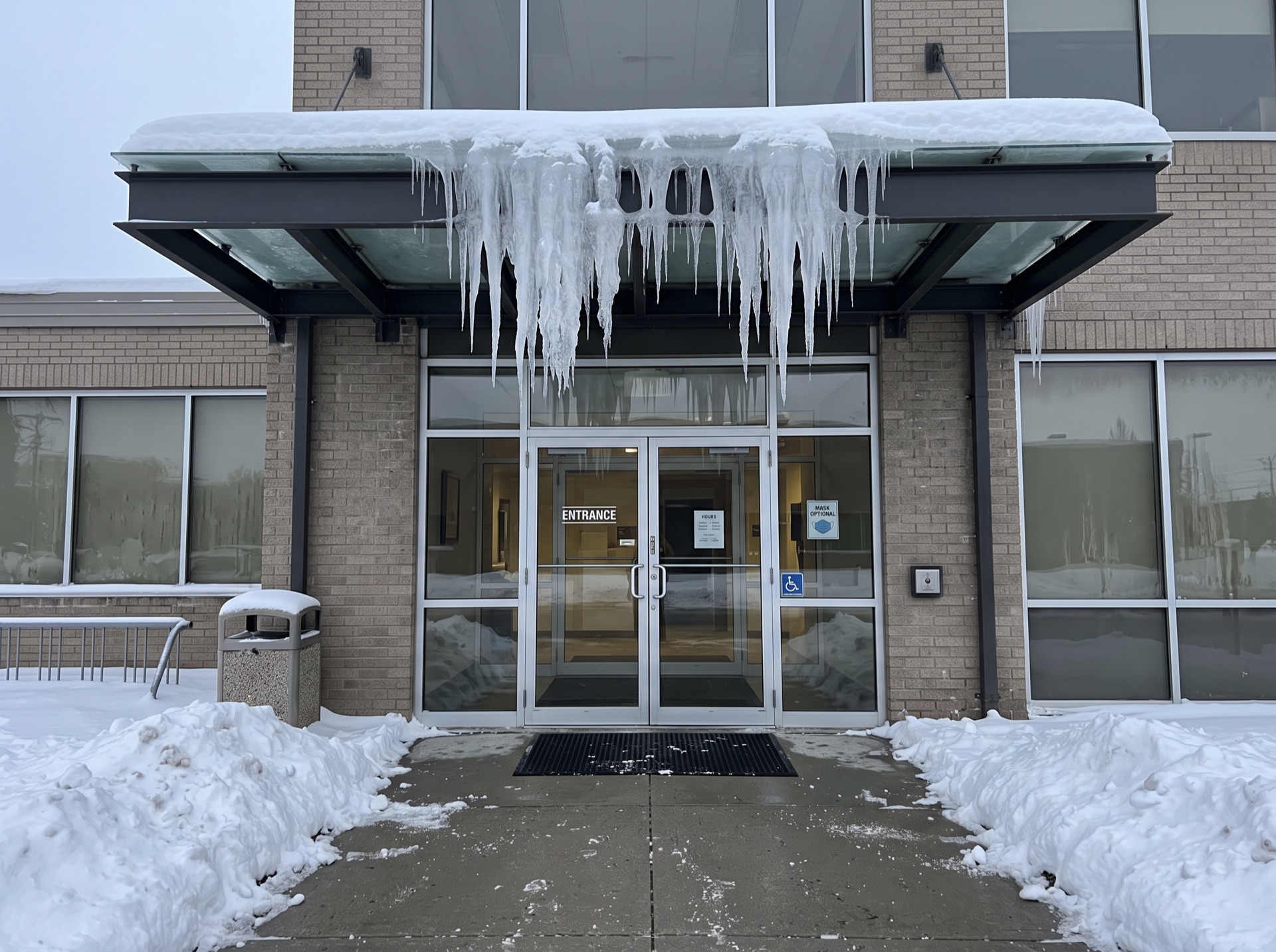
Ice built this way is dense and bonded. It is not the brittle shell that comes off a mild-climate roof in one piece - it is layered, hard and locked to the shingle, which is exactly why mechanical removal does so much damage here.
Ice-barrier practice in Washington County
Insulation depth matters at least as much as membrane in this climate, and Washington County stock built before modern attic standards tends to be short on both. One is a code question; the other is why the dam formed.
What a Crew Does on a Montpelier Roof
Crews walk the eaves, valleys and gutter line first and photograph every dam and every point where water is tracking inside, before touching anything. You get shown what they found and quoted the crew-hour rate before work starts.
Then the ice comes off with low-pressure steam, starting wherever water is actively backing up so drainage opens early. Frozen gutters and downspouts are cleared in the same visit, because a cleared eave above a solid block of ice in the gutter dams again on the next cold night.
Working at night and during an active storm
Freeze events do not keep office hours, and the worst leaks tend to announce themselves in the evening when the day's melt refreezes. Crews run lit, and a roof that is actively collecting snow is worked anyway, because waiting for better weather means the dam is bigger when somebody finally gets to it.
What does stop a crew is wind and lightning. Both are judgment calls made on site in Montpelier, and a postponed start gets explained rather than dressed up.
If water already got inside
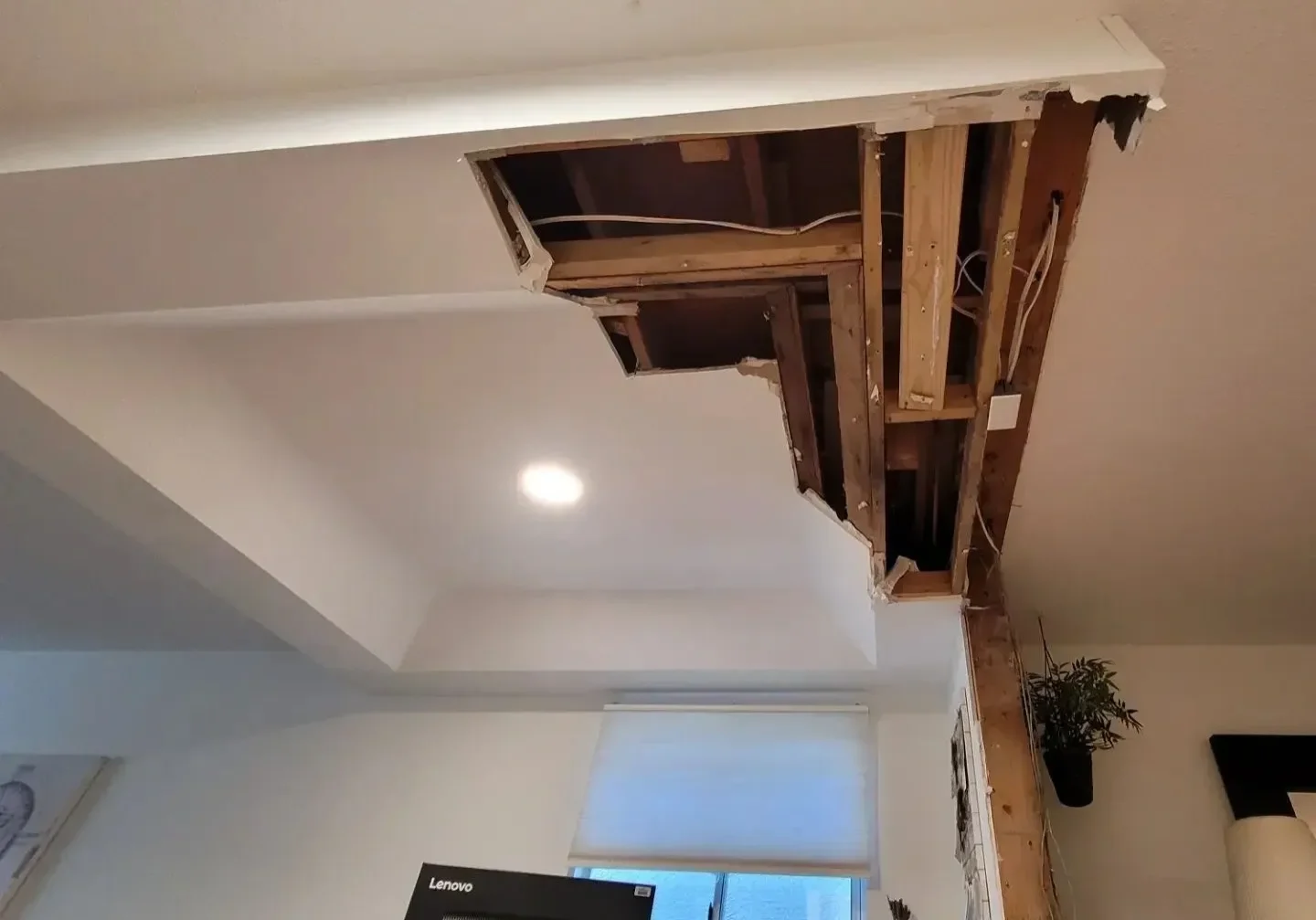
Taking the ice off stops new water. It does nothing about what is already in the insulation, the ceiling and the walls of a Montpelier home.
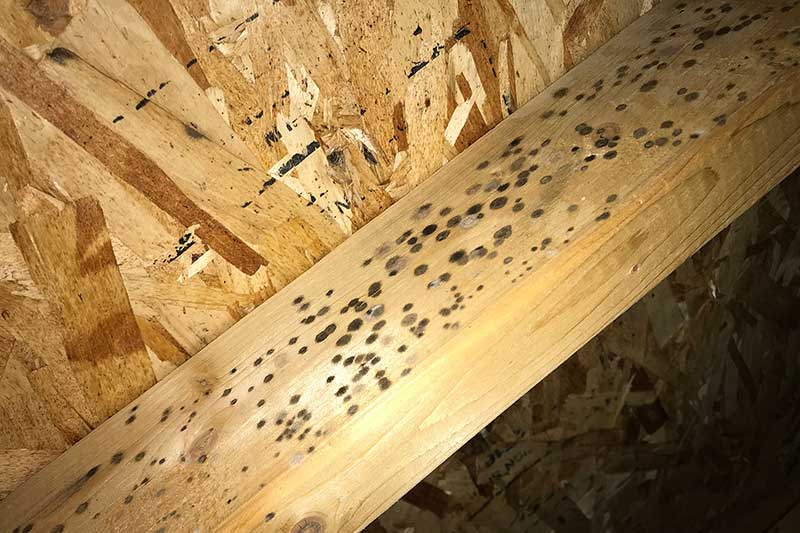
The same company handles the rest: water mitigation and dryout, mold remediation where the water has led to growth, the interior repair, and the roof where the dam damaged it, all documented on one insurance claim.
Steep, high and awkward Montpelier roofs
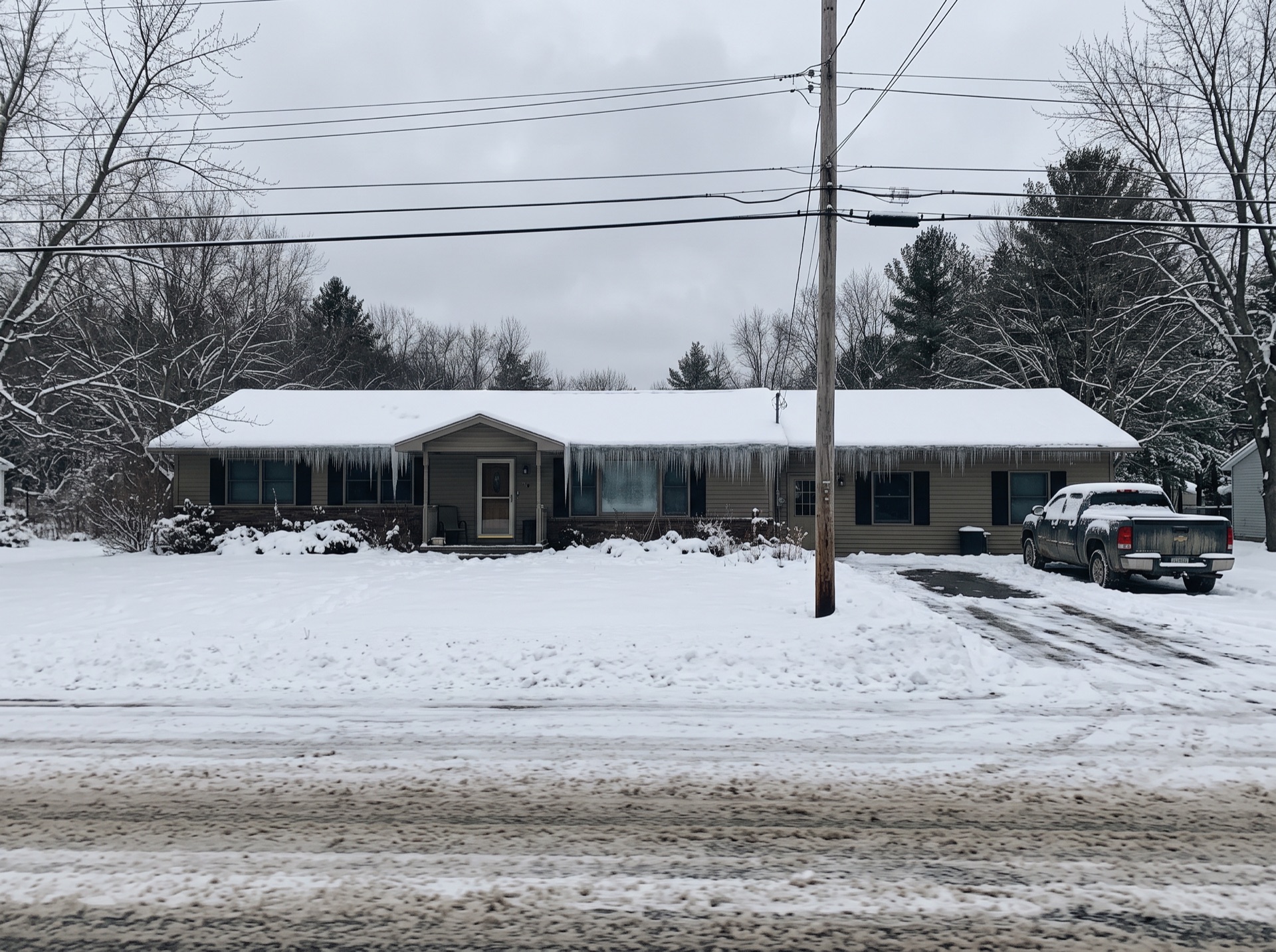
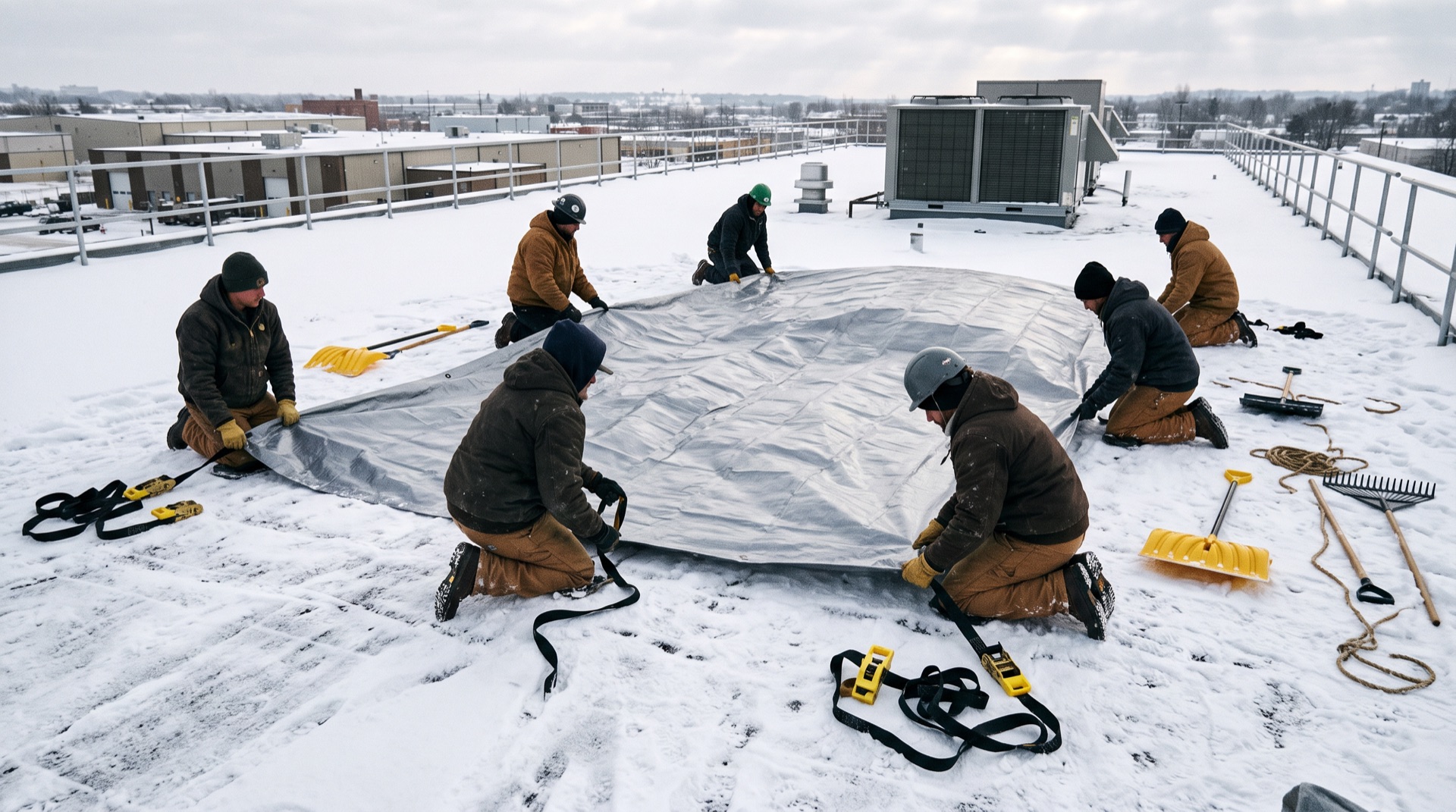
Pitch and height change the job more than ice thickness does. A walkable ranch eave is a ladder and a lance. A three-story roof with a steep pitch means anchors, rope, staging and two people where one would otherwise do.
Crews quote on that honestly. If a property in Montpelier needs a longer setup, it is said on the phone rather than discovered at the end of the invoice.
| Local ice-barrier practice | Eave membrane required on new work |
|---|---|
| Pricing model | Billed by the crew hour, rate quoted before dispatch |
| Documentation | Dated before and after photos, written scope in Xactimate line items |
| Service | Ice dam removal in Montpelier, VT |
| Removal method | Low-pressure steam only. No chipping, salt or pressure washing. |
| Primary climate stressor | Sustained sub-freezing, long season |
| Typical scope | Steam, 6-14 crew hours typical |
Montpelier Coverage and the Adjoining Communities
Crews working Montpelier cover the adjoining communities on the same route — East Montpelier, North Montpelier, South Barre, Northfield Falls and Plainfield — so a storm week usually means one truck handling several addresses in Washington County rather than separate trips.
Nearest hub towns with their own crew pages: Barre, Stowe, Williston, St. Johnsbury, Essex, South Burlington.
During a cold snap Montpelier gets worked alongside the neighboring Washington County towns on the same route, with active interior leaks moved to the front of the list.
If water is already inside a property in Montpelier, call (888) 561-9664 rather than filling in a form — the phone is faster and leaks jump the line.