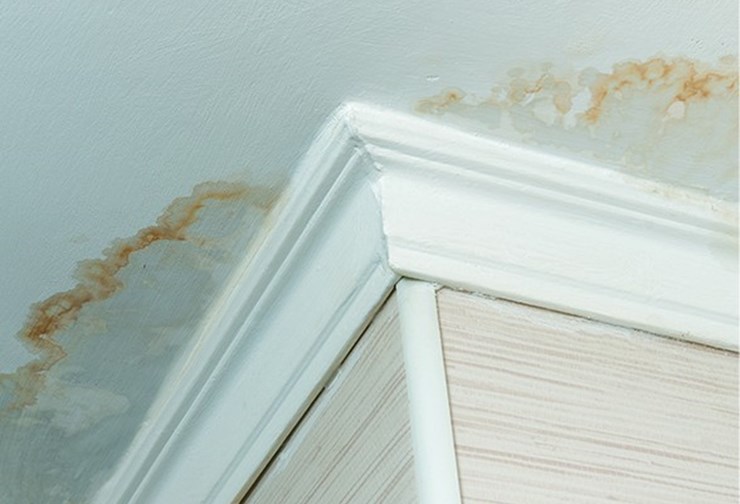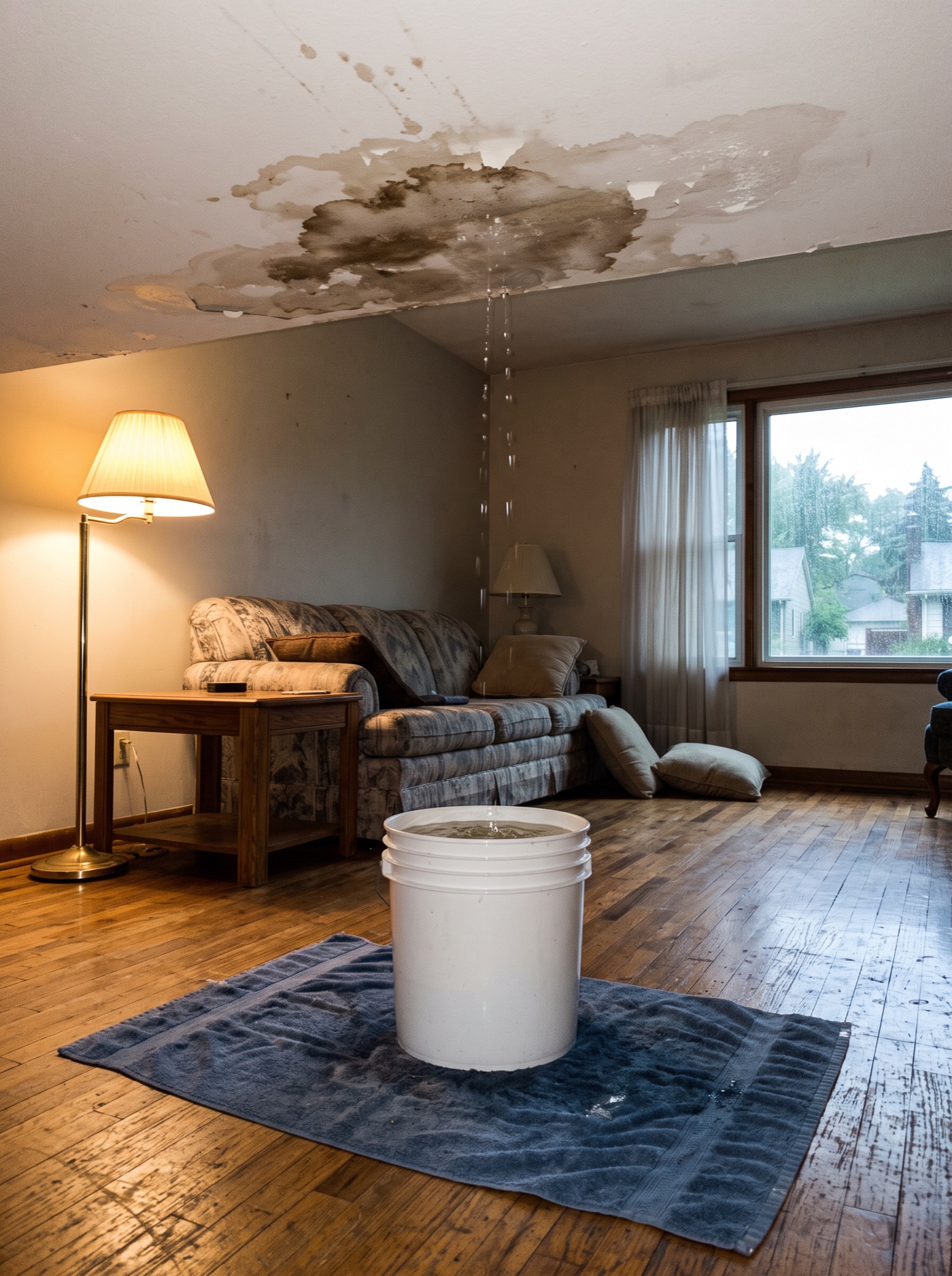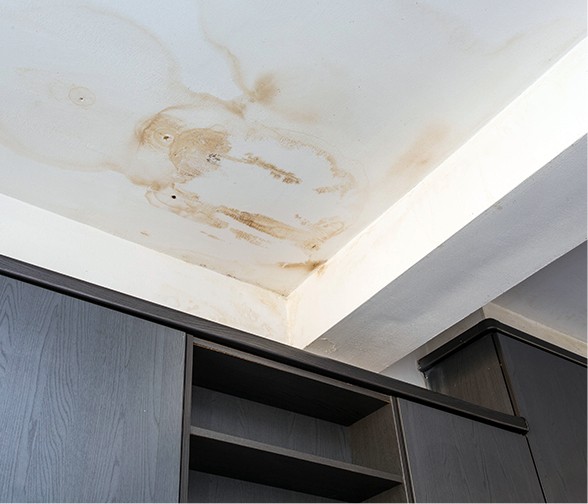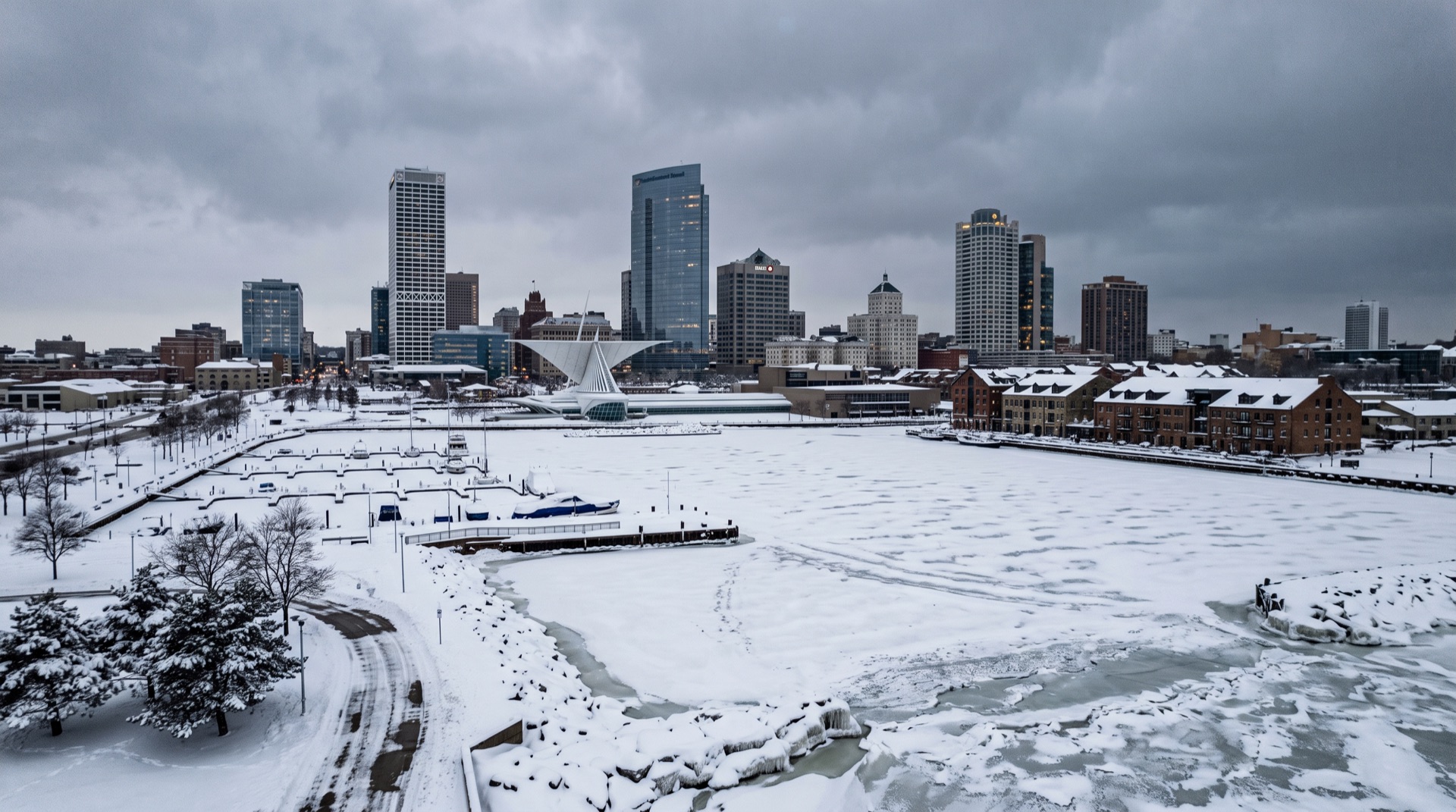
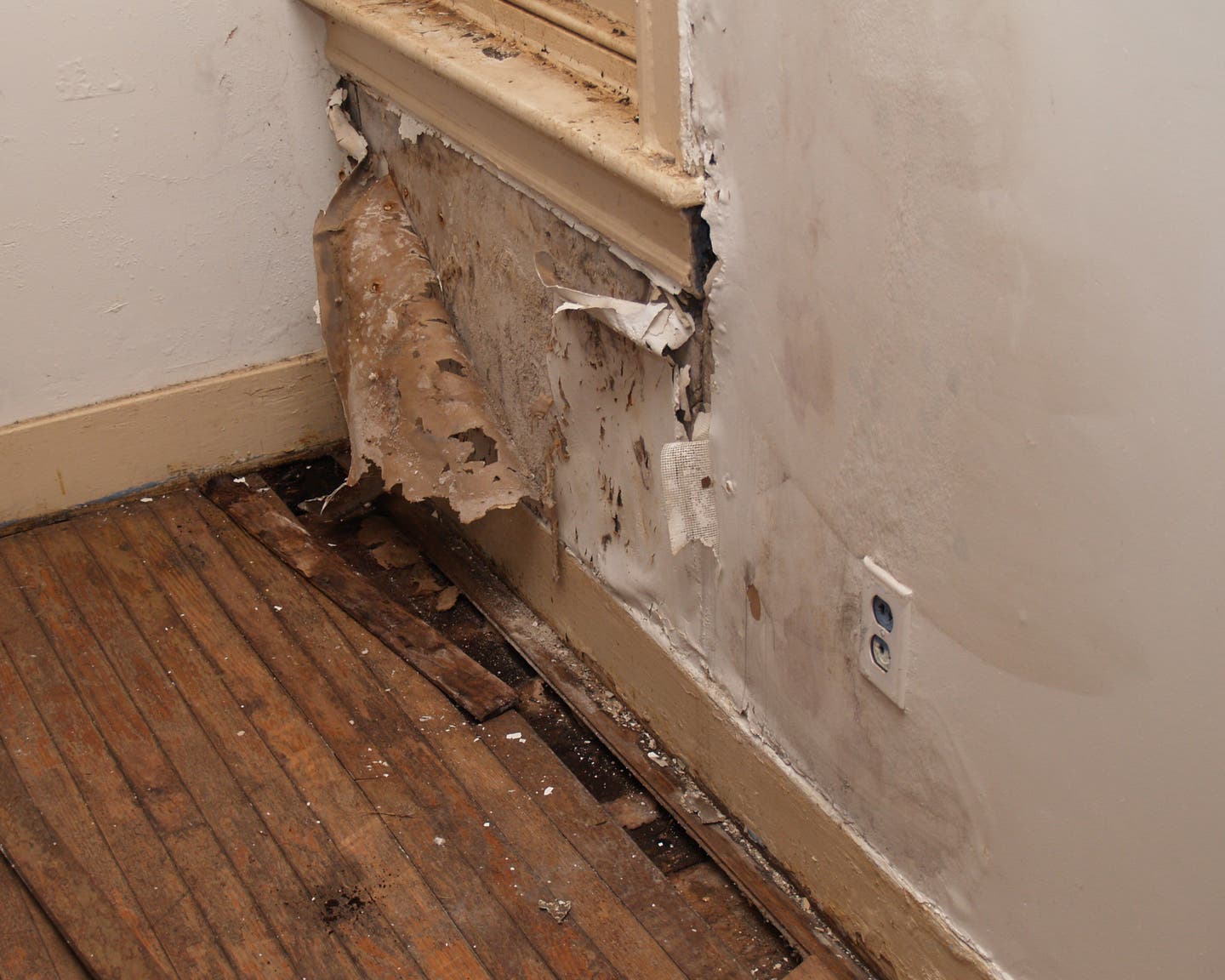
Most Milwaukee homeowners find out about an ice dam from the inside — a damp patch on a bedroom ceiling, or water tracking down the inside of a window frame. As part of our complete Milwaukee winter roof services, crews handle ice dam insurance claims across Milwaukee County.
The Milwaukee County Pattern: Heavy Bands, Fast Thaws
Lake-effect snow arrives in bands rather than fronts, which is why Milwaukee can take a foot overnight while a town twenty miles inland takes two inches. It falls wet, it compacts fast, and it does not blow off.

The damage comes on the thaw. Warm air leaking into the attic melts the underside of that pack, the meltwater runs to an eave that is still well below freezing, and it sets. Repeat that four or five times in a January and the ridge of ice at the gutter line stops being cosmetic.
Ice-barrier practice in Milwaukee County
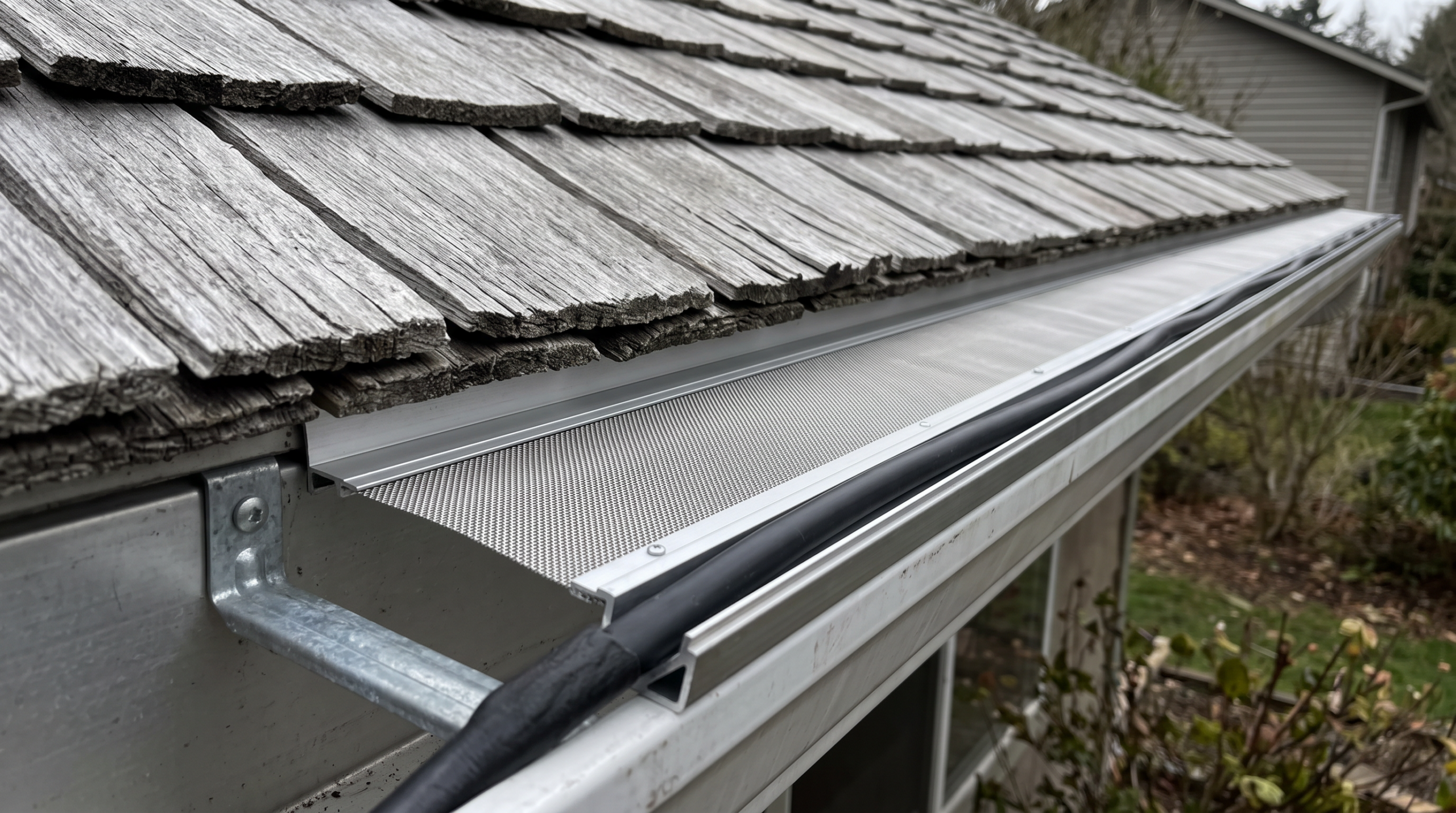
The relevant detail is how far up the roof the membrane runs — it has to reach past the interior wall line, not just cover the first course. On older Milwaukee roofs it frequently does neither.
Ice Dam Insurance Claims in Milwaukee: How The Work Runs
The limits of what any contractor can do
Ice Dam Now is a restoration contractor, not a public adjuster and not a law firm. Crews document what they find, write defensible scopes and meet adjusters on site. The coverage decision belongs to you and your carrier, and anyone promising to get a specific claim paid is overselling what a contractor can control. Does Insurance Pay for Ice Dam Water Damage?.
Why the time stamp on the photographs matters
An adjuster arriving in April is looking at a dry ceiling and a clear roof, and is being asked to accept an account of something that happened in January. Dated photographs taken while the ice was on the roof and the water was running are what turn that account into evidence.
Crews photograph on arrival, during the work and on completion, with timestamps intact. It costs nothing at the time and it is routinely the difference between a paid claim and a contested one.
Replacement cost, actual cash value and the second check
Most policies pay the depreciated value first and release the remainder once the repair is actually completed and invoiced. People who do not know that see the first check, assume it is the whole settlement, and decide the claim was not worth filing.
Reading which of those two your policy is on, before the work is scoped, changes what gets claimed and when. The specifics are between you and your carrier - what a contractor supplies is the documentation each stage needs.
Supplements: when the tear-out finds more
Scopes are written from what can be seen. Open a ceiling and the damage frequently runs further than the stain did, and the original estimate no longer covers the work.
That is a supplement, and it is ordinary. What makes it go smoothly is photographs of the newly exposed damage, a revised line-item scope, and raising it when it is found rather than at the end. Work carried out before the carrier has seen it is the version that tends to go unpaid.
Scopes in the format adjusters use
Scopes get written in Xactimate line items, with the mitigation work priced and described the way a carrier's own estimating software describes it. An adjuster comparing like to like approves faster than one translating a hand-written invoice into their system.
Where the policy allows direct billing, carriers are billed directly, so the out-of-pocket conversation is smaller from the start.
What you get in Milwaukee
- Interior repair in-houseDrywall, insulation, paint and trim scoped and done by the same company
- Xactimate line itemsScopes written in the carrier's own estimating language
- Roof replacement scopedWhere the ice dam damaged shingles or decking, the roof goes on the same claim
| Interior repair | Insulation, drywall, texture, trim and paint, done in-house after drying |
|---|---|
| Billing | Xactimate line items on one claim; carrier billed directly where the policy allows |
| Dispatch window | Same day to 24 hours |
| Primary climate stressor | Lake-effect bands, wet heavy pack |
| Coverage area | Milwaukee and Milwaukee County |
| Local ice-barrier practice | Eave membrane expected on re-roofs |
| Documentation | Dated before and after photos, written scope in Xactimate line items |
Where We Dispatch Around Milwaukee
Crews working Milwaukee cover the adjoining communities on the same route — Cudahy, Greendale, Elm Grove, Butler and Hales Corners — so a storm week usually means one truck handling several addresses in Milwaukee County rather than separate trips.
Nearest hub towns with their own insurance claims pages: Wauwatosa, West Allis, Greenfield, South Milwaukee, Brookfield, Oak Creek.
When a storm hits Milwaukee County, crews are dispatched by severity rather than by call order — water already inside the house goes first.
Most jobs do not stop at one service. Insurance Claims in Milwaukee often runs alongside water mitigation & dryout in Milwaukee, and both get written into one scope rather than billed as separate visits.
Active leak right now? Our 24/7 Milwaukee steam ice dam removal crews are dispatched first during a freeze event. Call (888) 561-9664.