


Why Greenfield Roofs Dam Up: Lake-Effect Load and Freeze-Thaw
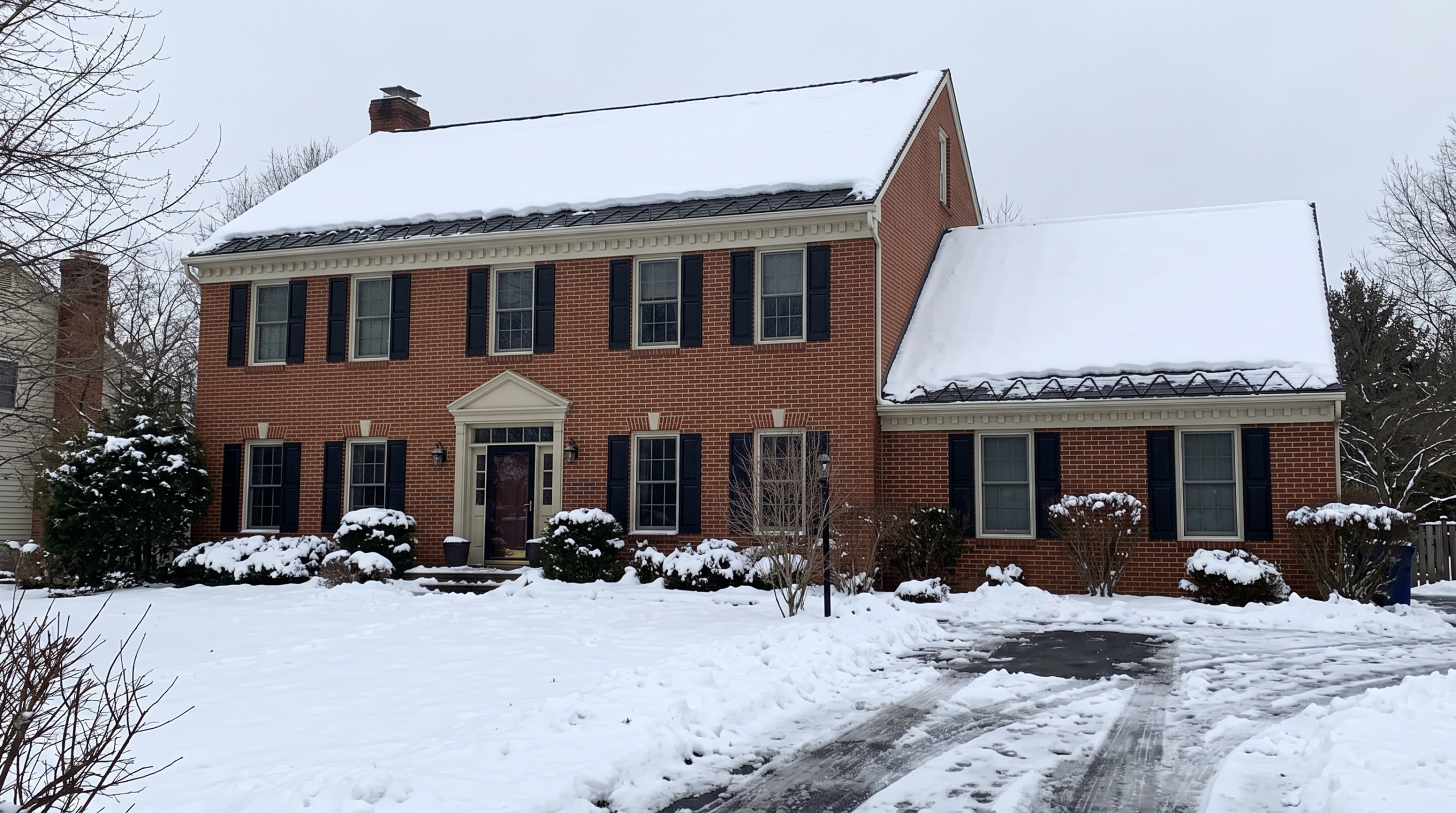
The lake keeps producing snow long after a front has passed, so a roof in Milwaukee County rarely gets the clear stretch it needs to shed. One band follows another and the pack simply deepens.

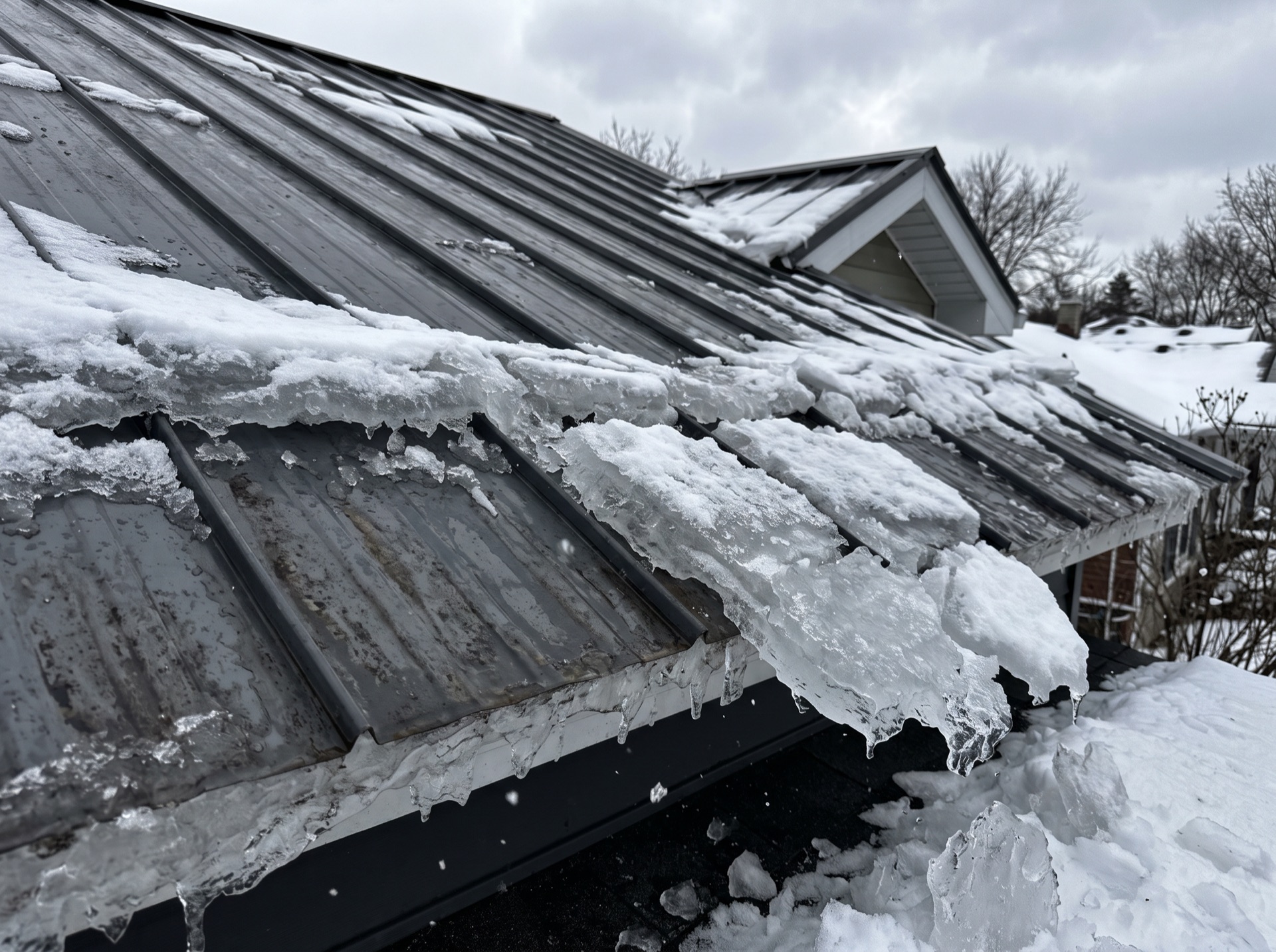
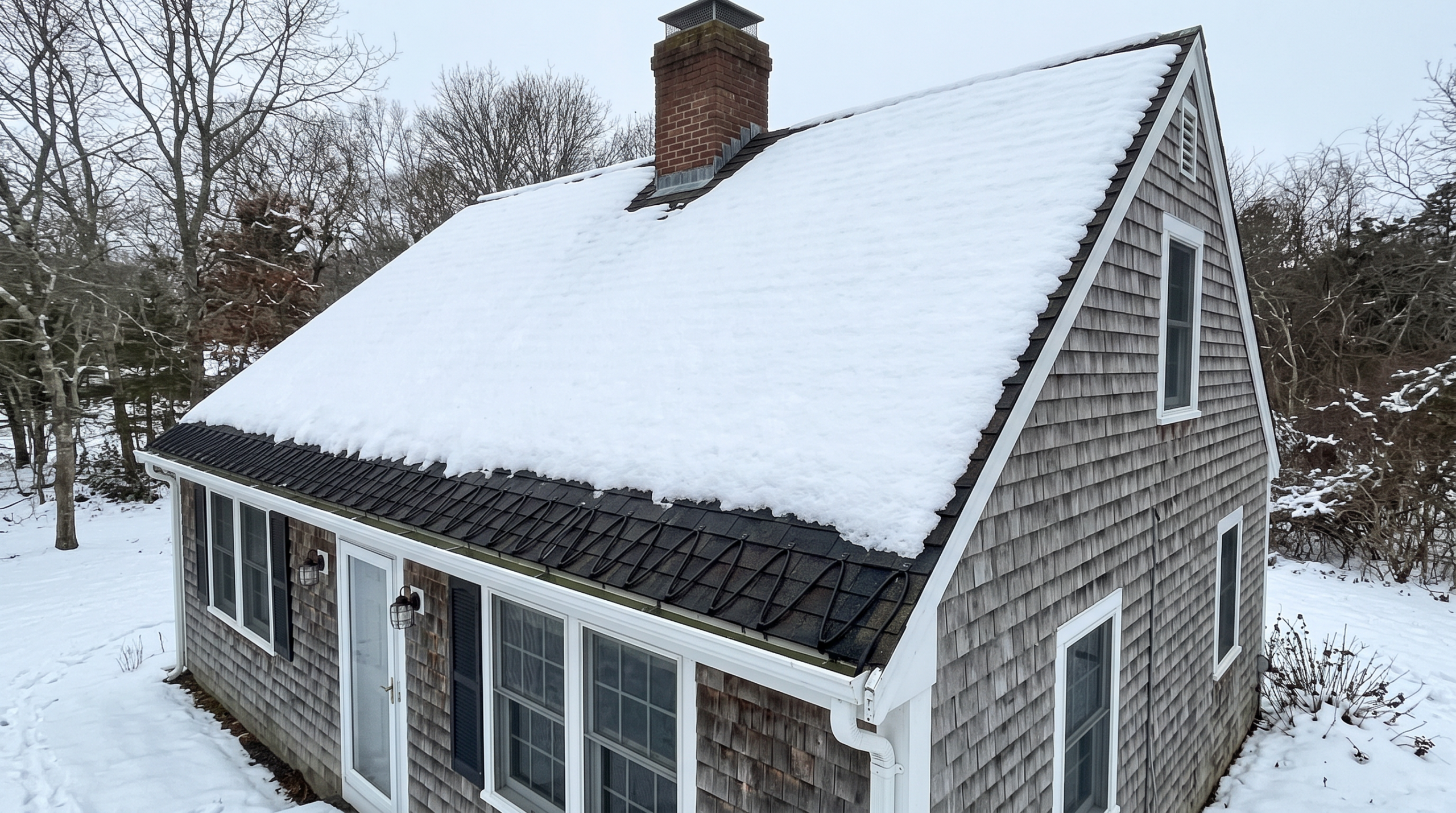
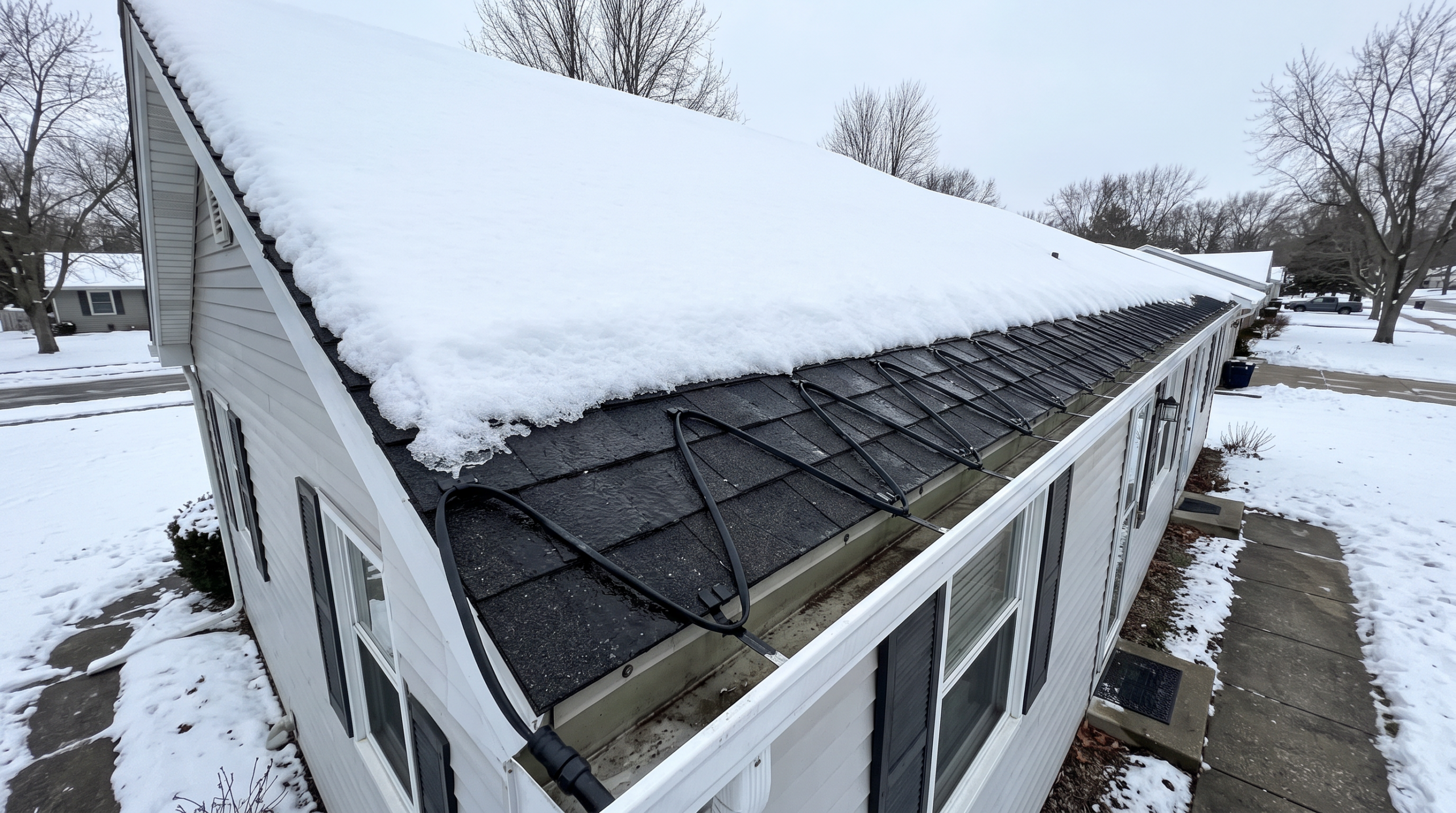
The damage comes on the thaw. Warm air leaking into the attic melts the underside of that pack, the meltwater runs to an eave that is still well below freezing, and it sets. Repeat that four or five times in a January and the ridge of ice at the gutter line stops being cosmetic.
Ice-barrier practice in Milwaukee County
Lake-belt jurisdictions in Wisconsin have enforced eave membrane on re-roof permits for a long time. The roofs that leak are, almost without exception, the ones that have not been touched since before that.
What a Crew Does on a Greenfield Roof
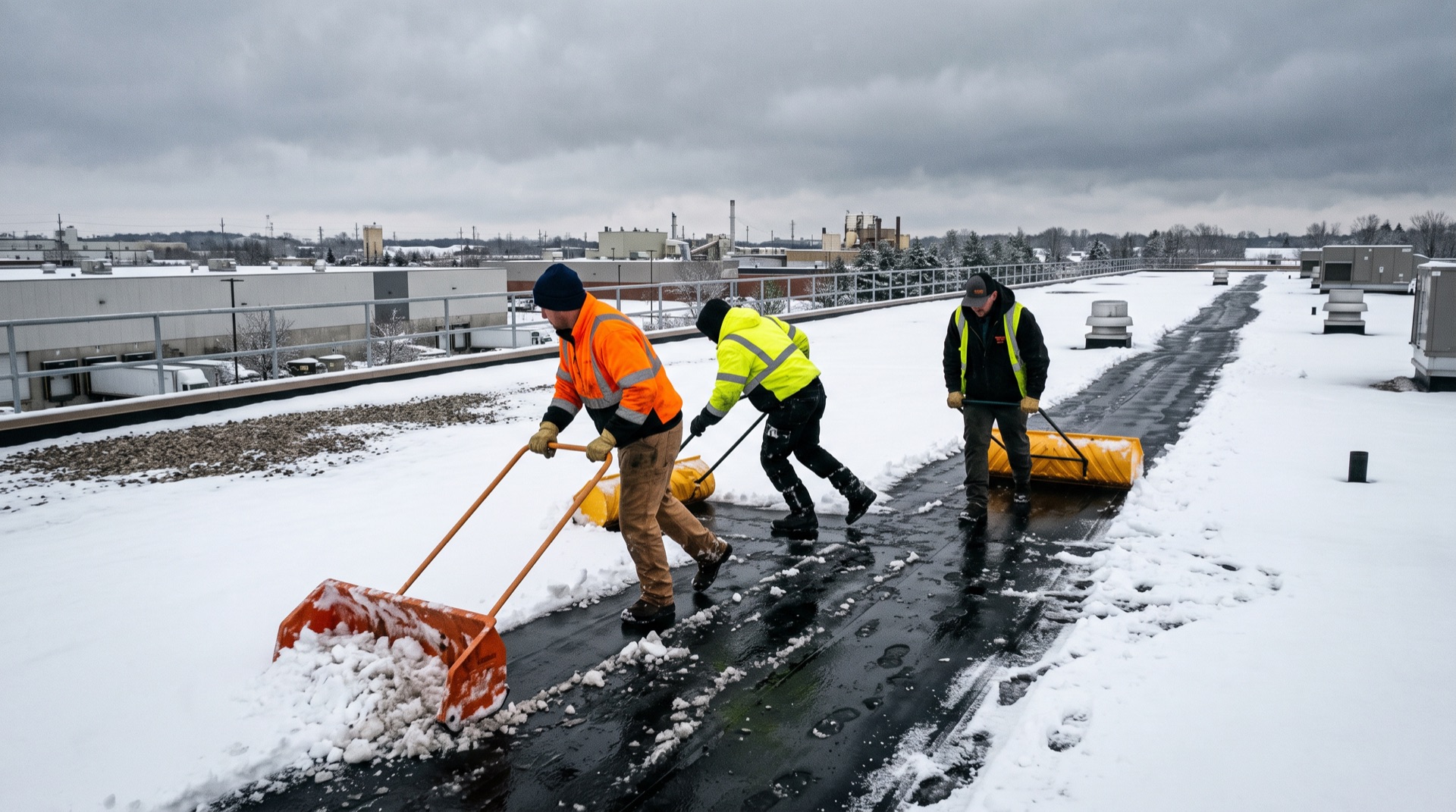
Crews walk the eaves, valleys and gutter line first and photograph every dam and every point where water is tracking inside, before touching anything. You get shown what they found and quoted the crew-hour rate before work starts.
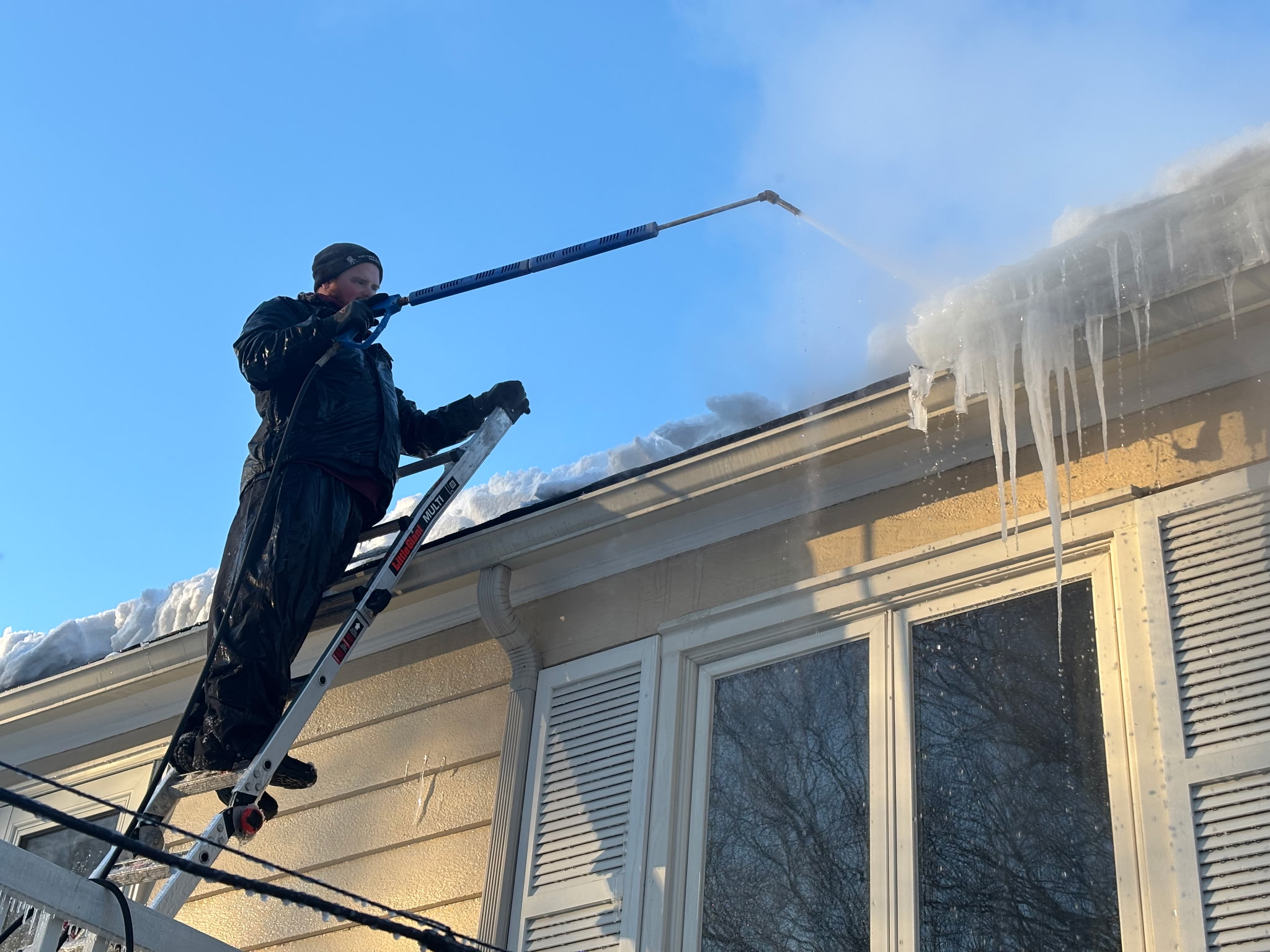
Then the ice comes off with low-pressure steam, starting wherever water is actively backing up so drainage opens early. Frozen gutters and downspouts are cleared in the same visit, because a cleared eave above a solid block of ice in the gutter dams again on the next cold night.
What the dam has already done to the gutter and fascia
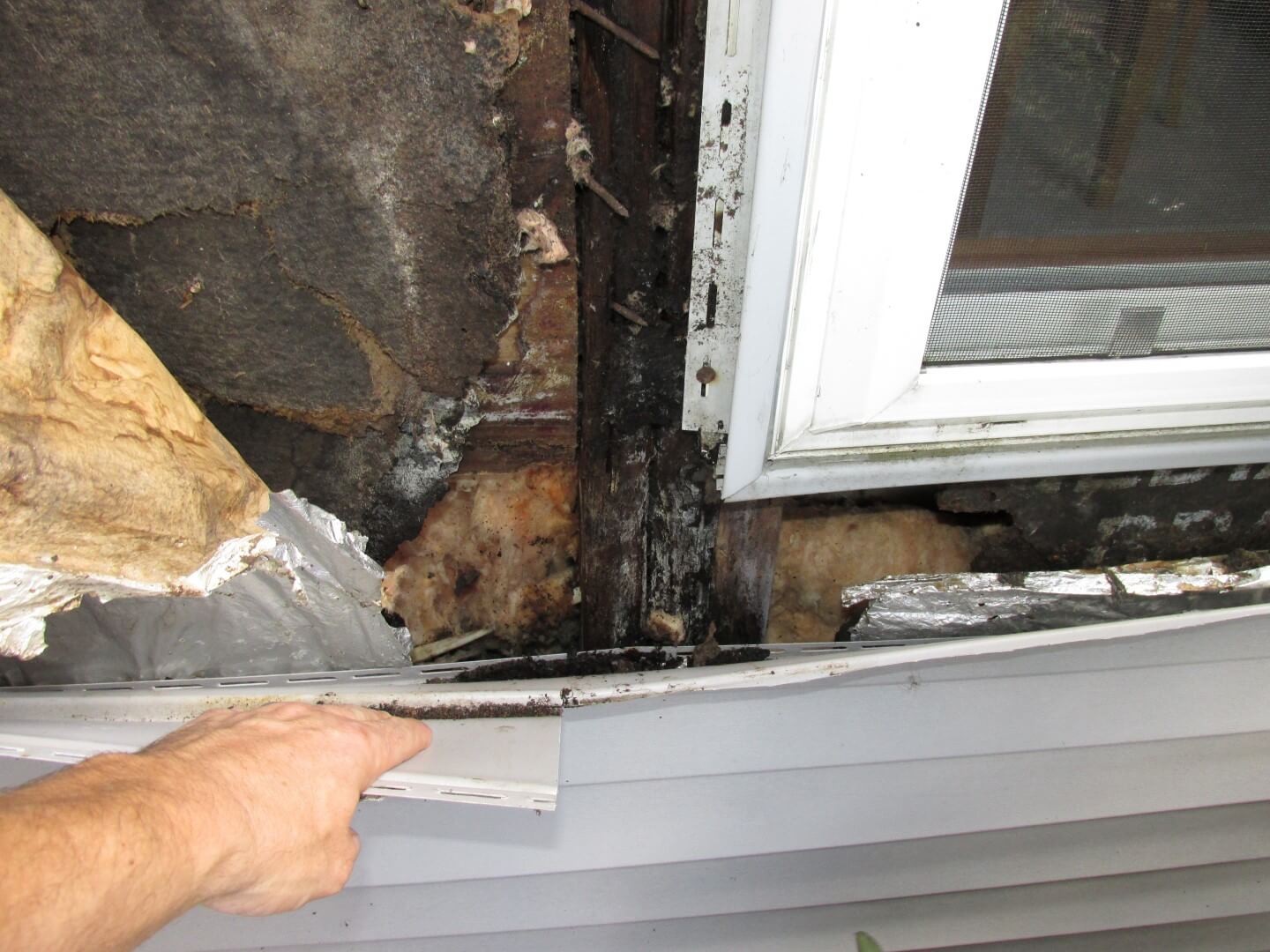
Ice expands as it forms, and a trough packed solid pushes the gutter away from the fascia a little more every cycle. By the time the dam is thick enough to leak, the hangers are often pulled, the back of the trough has lifted, and the fascia board behind it has been wet for weeks.
None of that is visible until the ice is off. It gets photographed when it appears, because a bent gutter found in February is a great deal easier to argue about with a carrier than one discovered in May.
Access, ladders and what the crew needs on site
Steam equipment needs somewhere to park within hose reach, and ladders need footing that is not a buried flower bed or a sheet of ice. Clearing a path to the affected eave, moving vehicles off the driveway and unlocking a side gate takes ten minutes and saves considerably more than that on the clock.
Where the only access is through a neighbor's property, that conversation is worth having before the crew is in the street rather than while it waits.
What happens after the ice is off
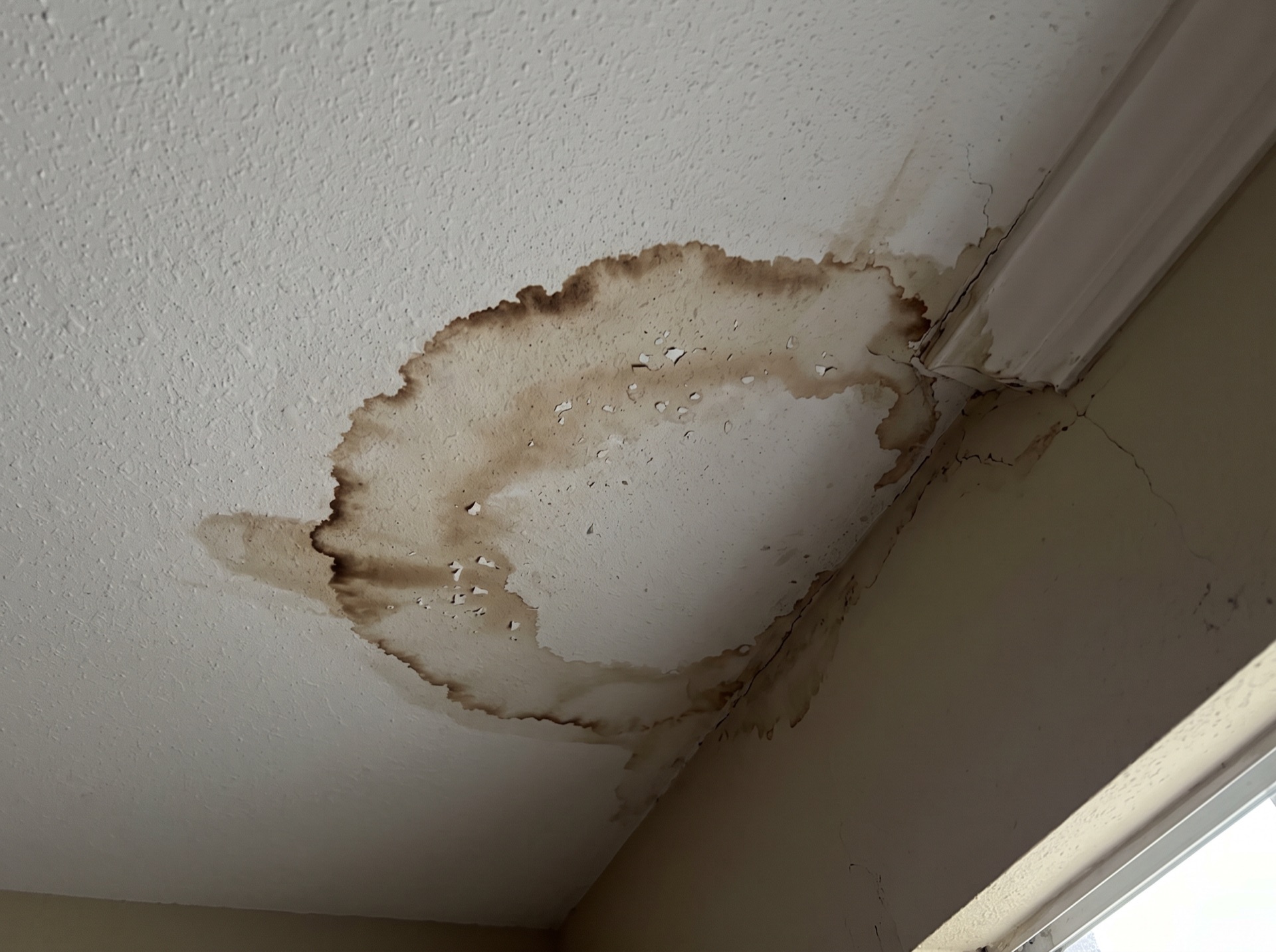
Once the eave is clear and water is draining, the crew walks the interior with you where there is visible damage and says plainly whether it needs drying. Wet insulation and a damp ceiling cavity do not resolve themselves in a cold Greenfield February.
If it does, that is a separate scope and it gets written separately — nobody is upsold a dryout on the strength of one damp patch.
| Primary climate stressor | Lake-effect bands, wet heavy pack |
|---|---|
| Service | Ice dam removal in Greenfield, WI |
| Pricing model | Billed by the crew hour, rate quoted before dispatch |
| Dispatch window | Same day to 24 hours |
| Coverage area | Greenfield and Milwaukee County |
| Documentation | Dated before and after photos, written scope in Xactimate line items |
| Typical scope | Steam, 6-12 crew hours typical |
Greenfield Coverage and the Adjoining Communities
Crews working Greenfield cover the adjoining communities on the same route — Greendale, Hales Corners, Elm Grove, Cudahy and Butler — so a storm week usually means one truck handling several addresses in Milwaukee County rather than separate trips.
Nearest hub towns with their own crew pages: West Allis, Franklin, Wauwatosa, Muskego, Milwaukee, New Berlin.
During a cold snap Greenfield gets worked alongside the neighboring Milwaukee County towns on the same route, with active interior leaks moved to the front of the list.
If water is already inside a property in Greenfield, call (888) 561-9664 rather than filling in a form — the phone is faster and leaks jump the line.