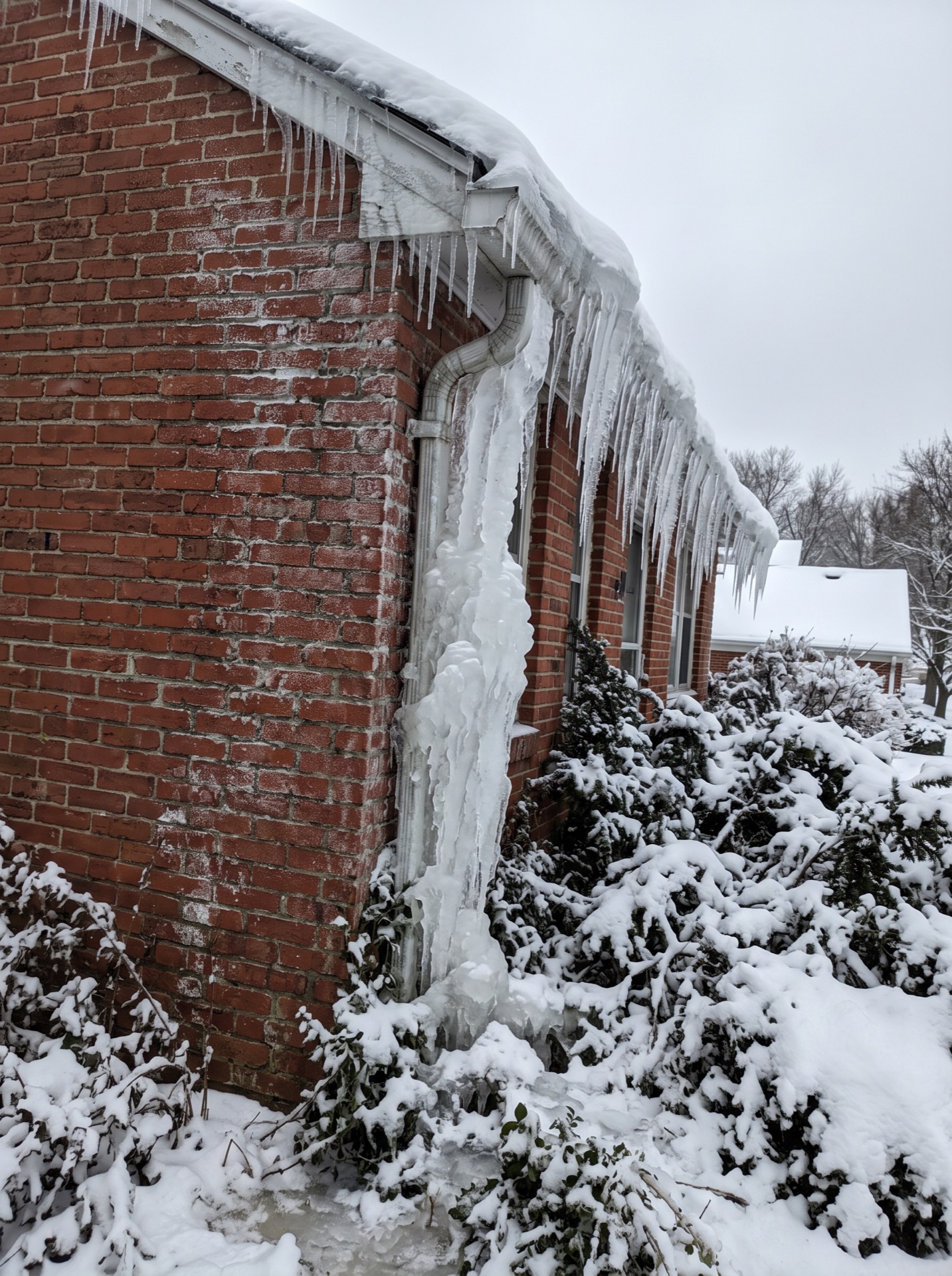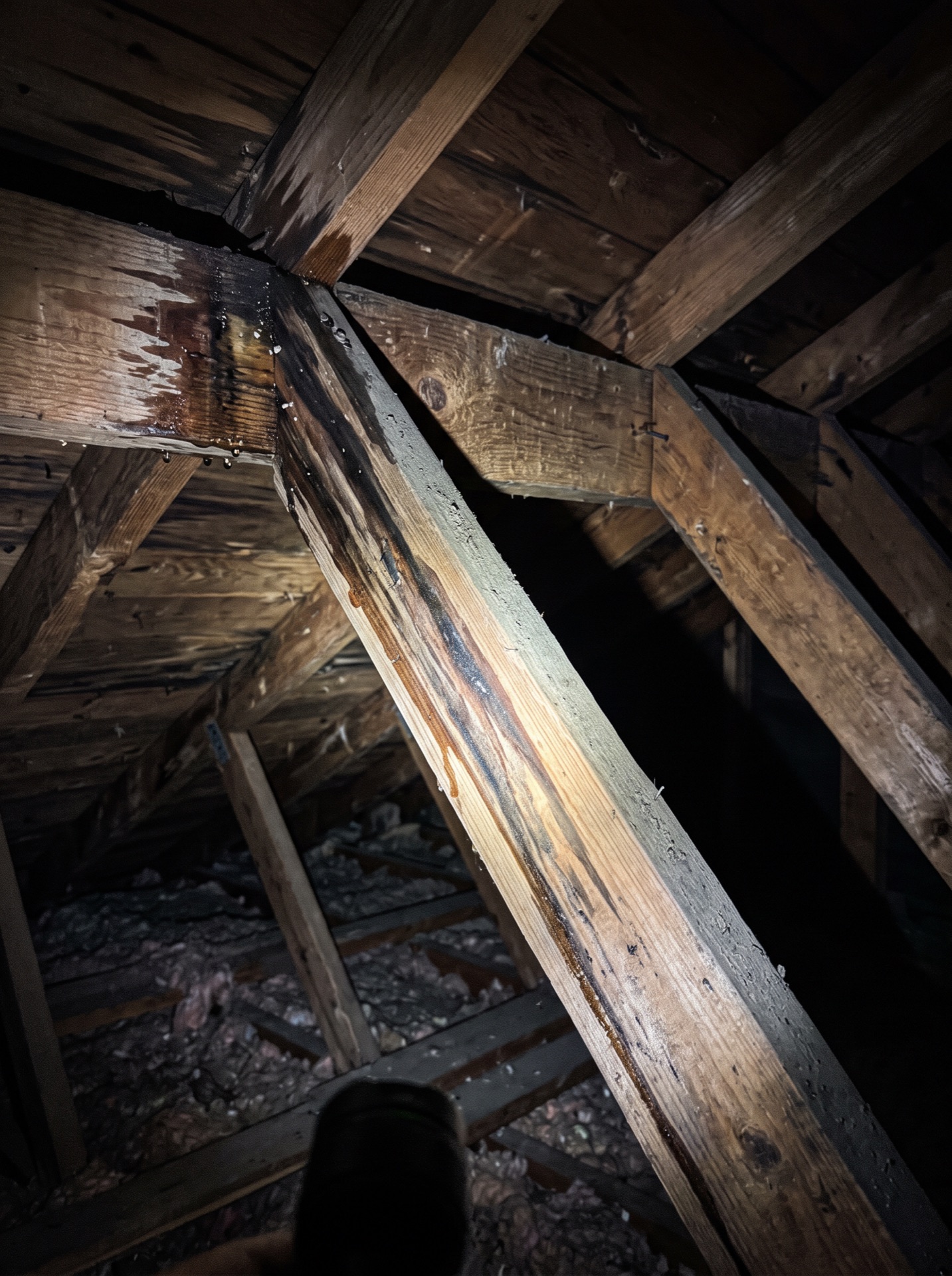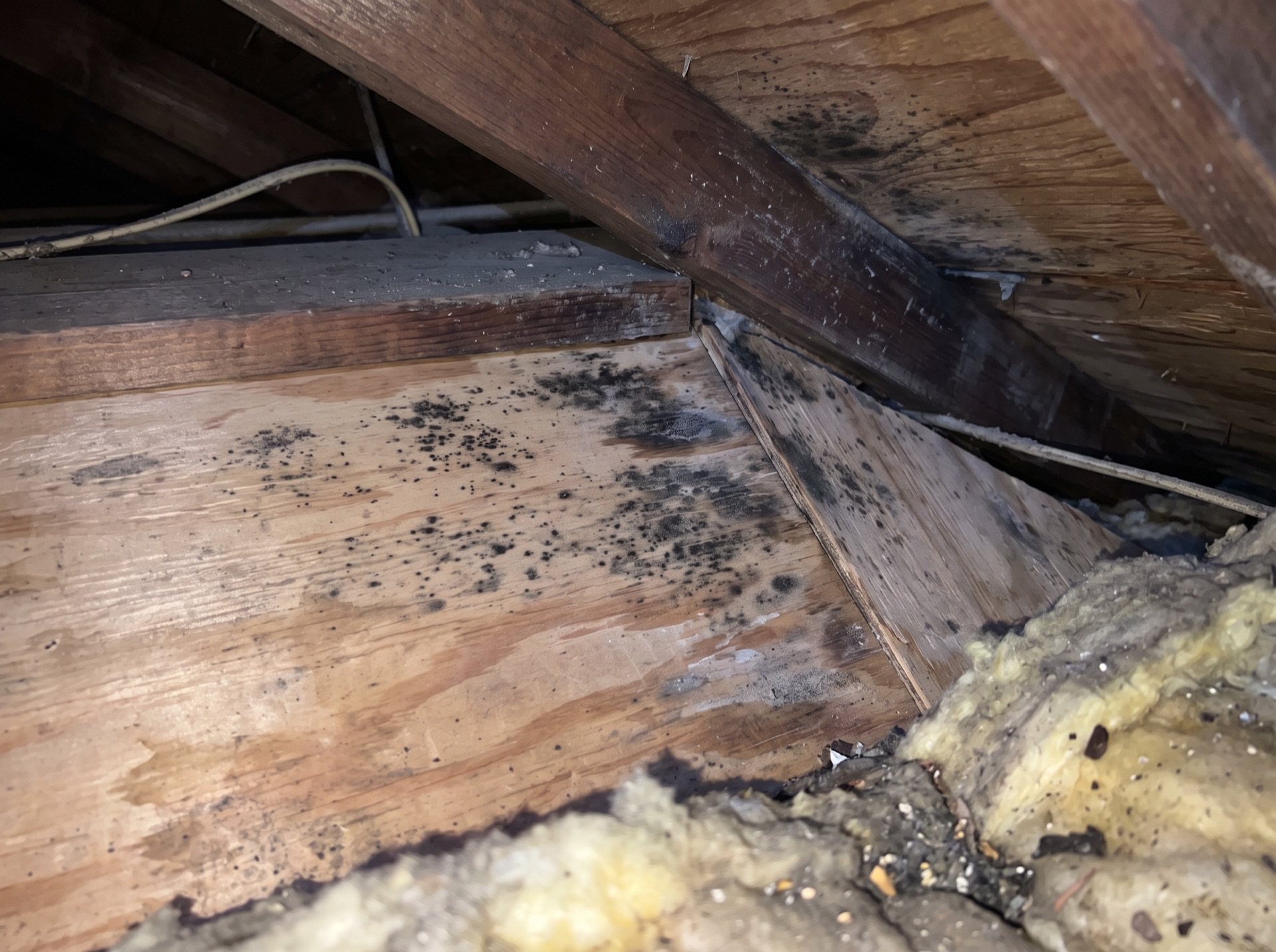
Washington County sees the same pattern every winter: snow on the roof, warm air in the attic, and a line of ice building along the eave where the two meet. As part of our complete St. George winter roof services, crews handle ice dam insurance claims across Washington County.
Why St. George Roofs Dam on Days It Never Thaws
Thin air at altitude means intense direct sun even in deep cold. A St. George roof can be melting on its south face at midday in air that never gets near freezing, and all of that water has to go somewhere.

That is why mountain roofs dam up on clear, cold weeks that look harmless. South and west faces melt, north-facing eaves and shaded valleys hold the ice, and the pack above keeps feeding it.
Ice-barrier practice in Washington County
Design snow loads up here are among the highest in the country, and the membrane and retention details that come with them are not paperwork. On an older St. George cabin neither is likely to be present.
Ice Dam Insurance Claims in St. George: How The Work Runs
Scopes in the format adjusters use
Scopes get written in Xactimate line items, with the mitigation work priced and described the way a carrier's own estimating software describes it. An adjuster comparing like to like approves faster than one translating a hand-written invoice into their system. Does Insurance Pay for Ice Dam Water Damage?.
Where the policy allows direct billing, carriers are billed directly, so the out-of-pocket conversation is smaller from the start.
One event, one claim, one company
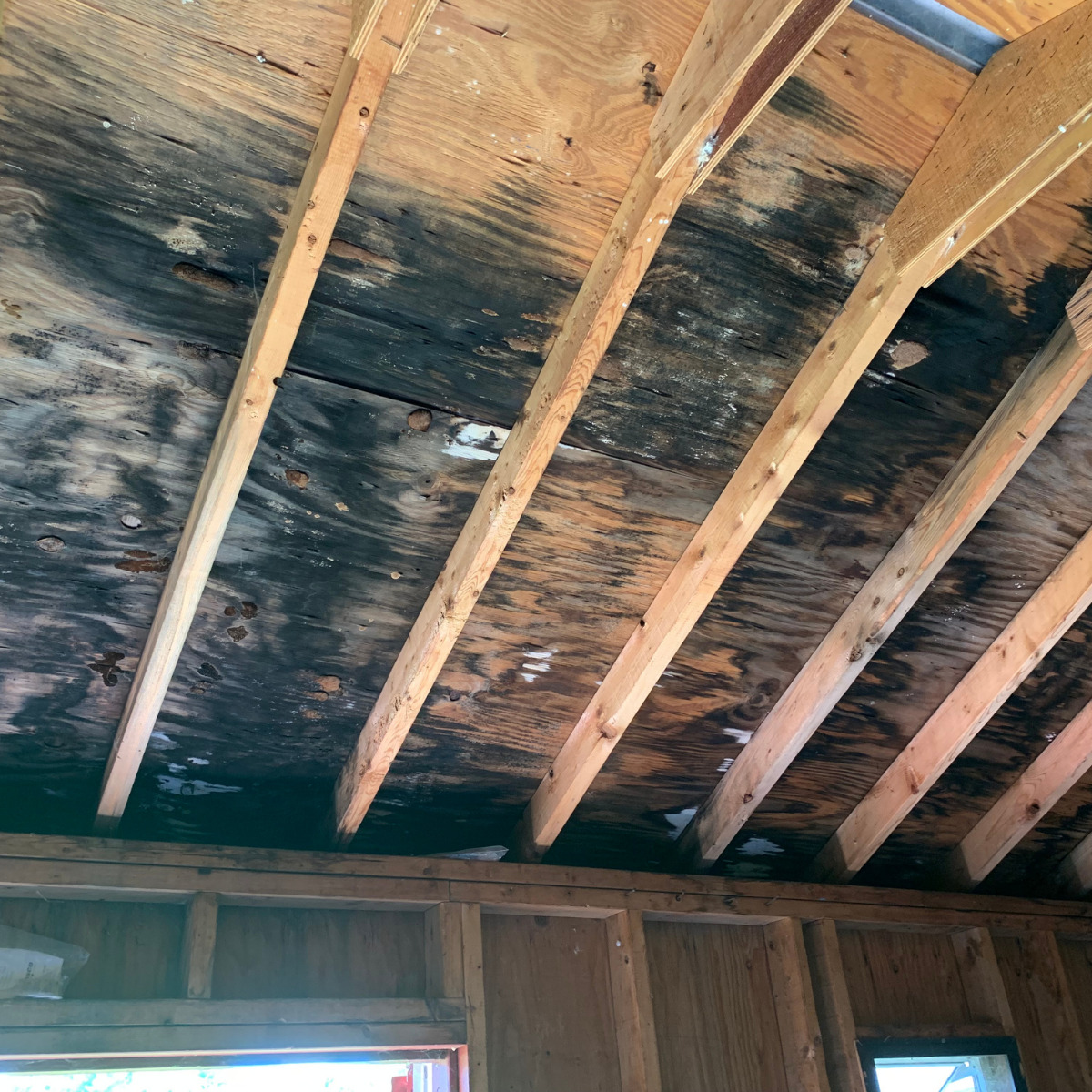
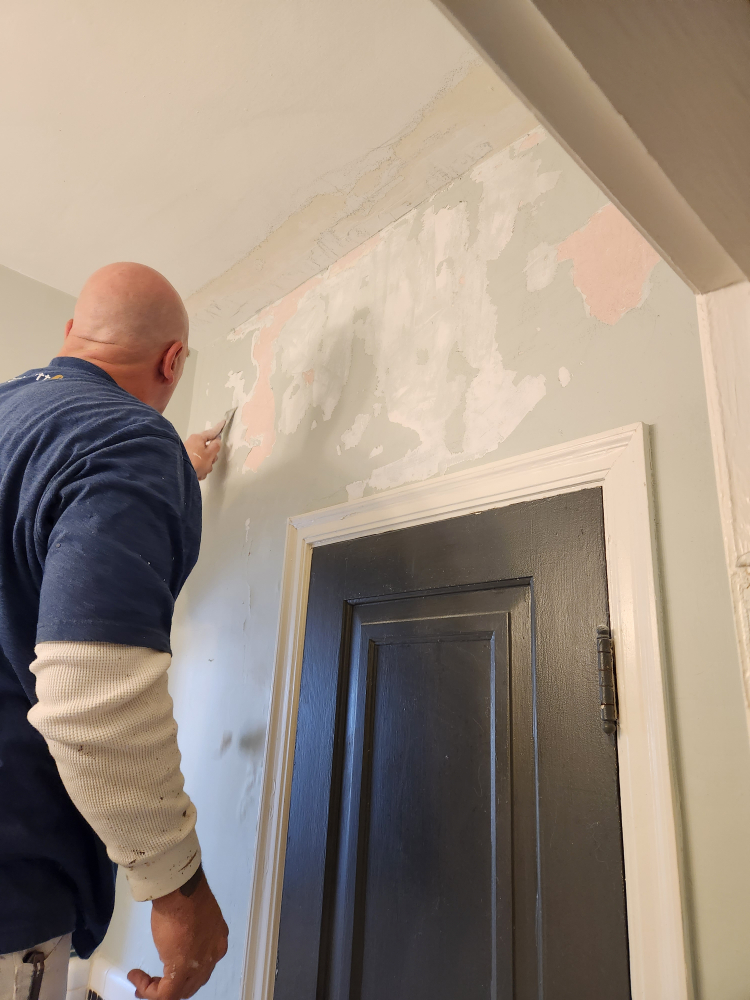
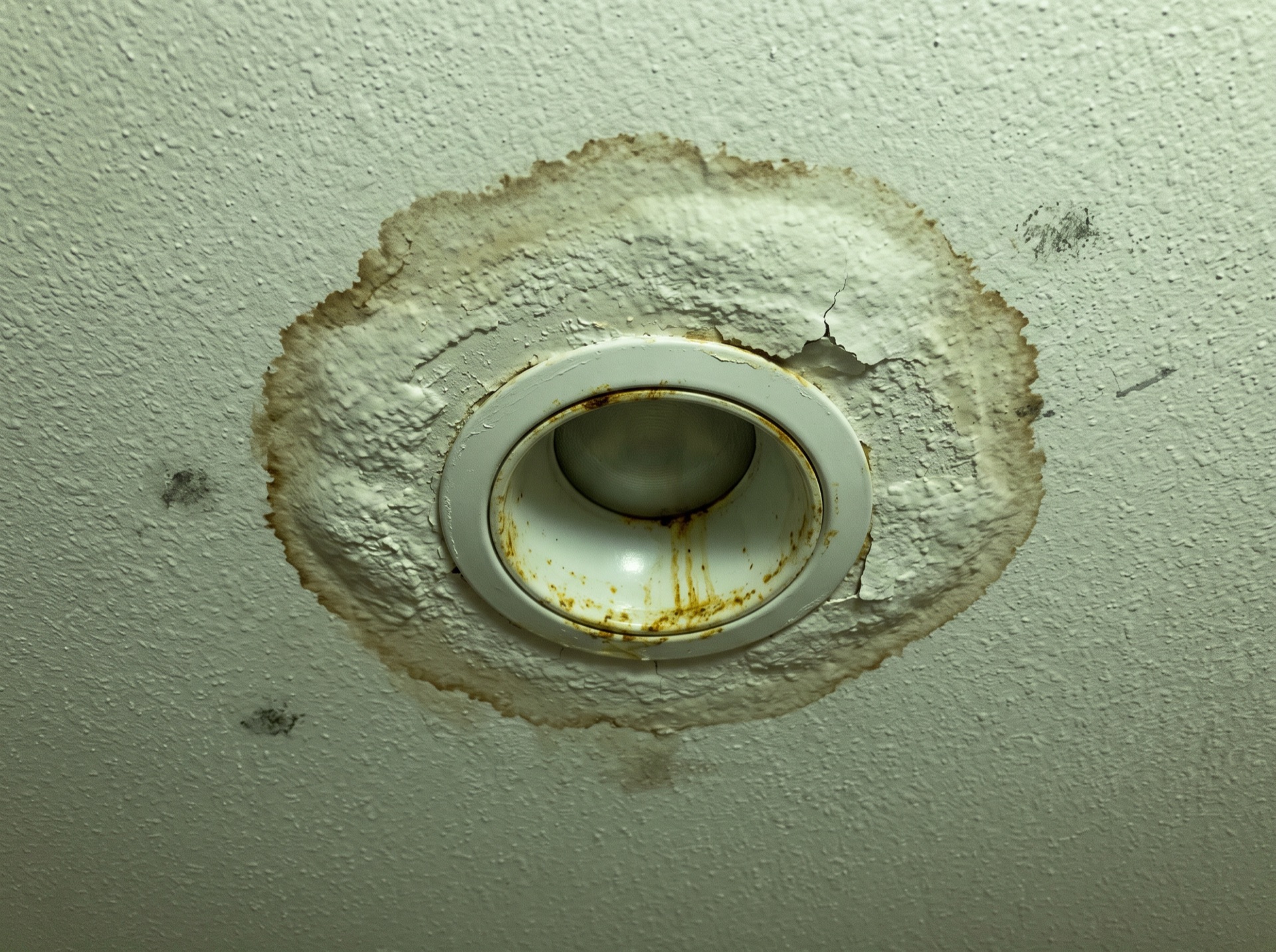
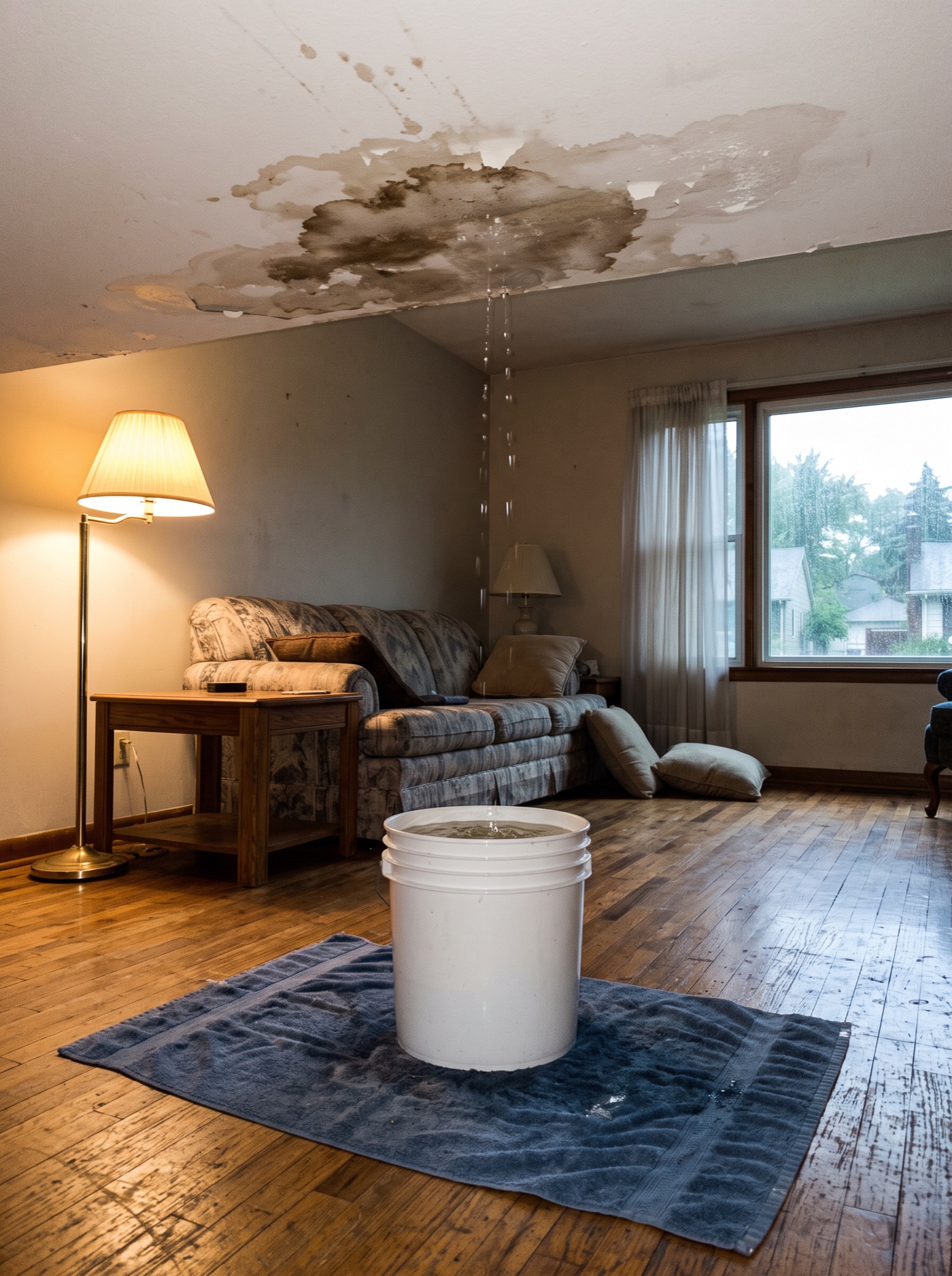
An ice dam is one loss event, and everything it caused belongs on one claim: the emergency removal, the water mitigation, mold remediation where the water led to growth, the interior repair, and the roof itself where the dam damaged it. Splitting that across separate contractors is how line items get missed and dates stop lining up.
Ice Dam Now handles all of it, so the photographs, moisture readings and scopes run continuously from the first visit to the finished room, and the adjuster deals with one contractor and one file.
One claim, broken out by coverage
Everything an ice dam caused goes on one claim, but not as one lump number. Emergency removal and dryout are loss mitigation. Mold remediation often sits under its own sublimit. Interior repair and the roof sit under dwelling coverage.
Writing the scope with those lines separated is what lets an adjuster approve each part on its own terms, and it stops a dispute over one line holding up the rest of a St. George claim.
Why the scope gets written in Xactimate line items
Most carriers estimate in Xactimate. A scope that already speaks that language can be compared line for line instead of translated, and translation is where hours get cut.
It does not guarantee the number. It removes one of the common reasons a reasonable number gets reduced.
Why one contractor for the whole event helps the claim
When the removal company, the drying company, the mold company and the builder are all different firms, the adjuster gets four sets of photographs with gaps between them and four invoices with overlapping lines.
One company doing the whole job produces one continuous record: the ice before removal, the water inside, the readings, the mold found when the ceiling came down, and the finished repair. That record is much harder to argue with.
What you get in St. George
- Interior repair in-houseDrywall, insulation, paint and trim scoped and done by the same company
- Xactimate line itemsScopes written in the carrier's own estimating language
- Dated photo recordThe dam, the entry points and the interior damage, captured while it is happening
| Documentation | Dated before and after photos, written scope in Xactimate line items |
|---|---|
| Local ice-barrier practice | Extended membrane plus snow retention |
| Interior repair | Insulation, drywall, texture, trim and paint, done in-house after drying |
| Coverage area | St. George and Washington County |
| Primary climate stressor | Solar melt on deep pack, shaded eaves |
| Dispatch window | 24 to 48 hours in mountain terrain |
| Billing | Xactimate line items on one claim; carrier billed directly where the policy allows |
Where We Dispatch Around St. George
Crews working St. George cover the adjoining communities on the same route — Saint George, Santa Clara, Washington, Ivins and Dammeron Valley — so a storm week usually means one truck handling several addresses in Washington County rather than separate trips.
Nearest hub towns with their own insurance claims pages: Cedar City, Spanish Fork, Springville, Provo, Eagle Mountain, Orem.
When a storm hits Washington County, crews are dispatched by severity rather than by call order — water already inside the house goes first.
Most jobs do not stop at one service. Insurance Claims in St. George often runs alongside water mitigation & dryout in St. George, and both get written into one scope rather than billed as separate visits.
Active leak right now? Our 24/7 St. George steam ice dam removal crews are dispatched first during a freeze event. Call (888) 561-9664.