A St. George roof can look fine from the driveway and still be backing water under the shingles at the eave, where nobody can see it. As part of our complete St. George winter roof services, crews handle heated roof & gutter cables across Washington County.
Why St. George Roofs Dam on Days It Never Thaws
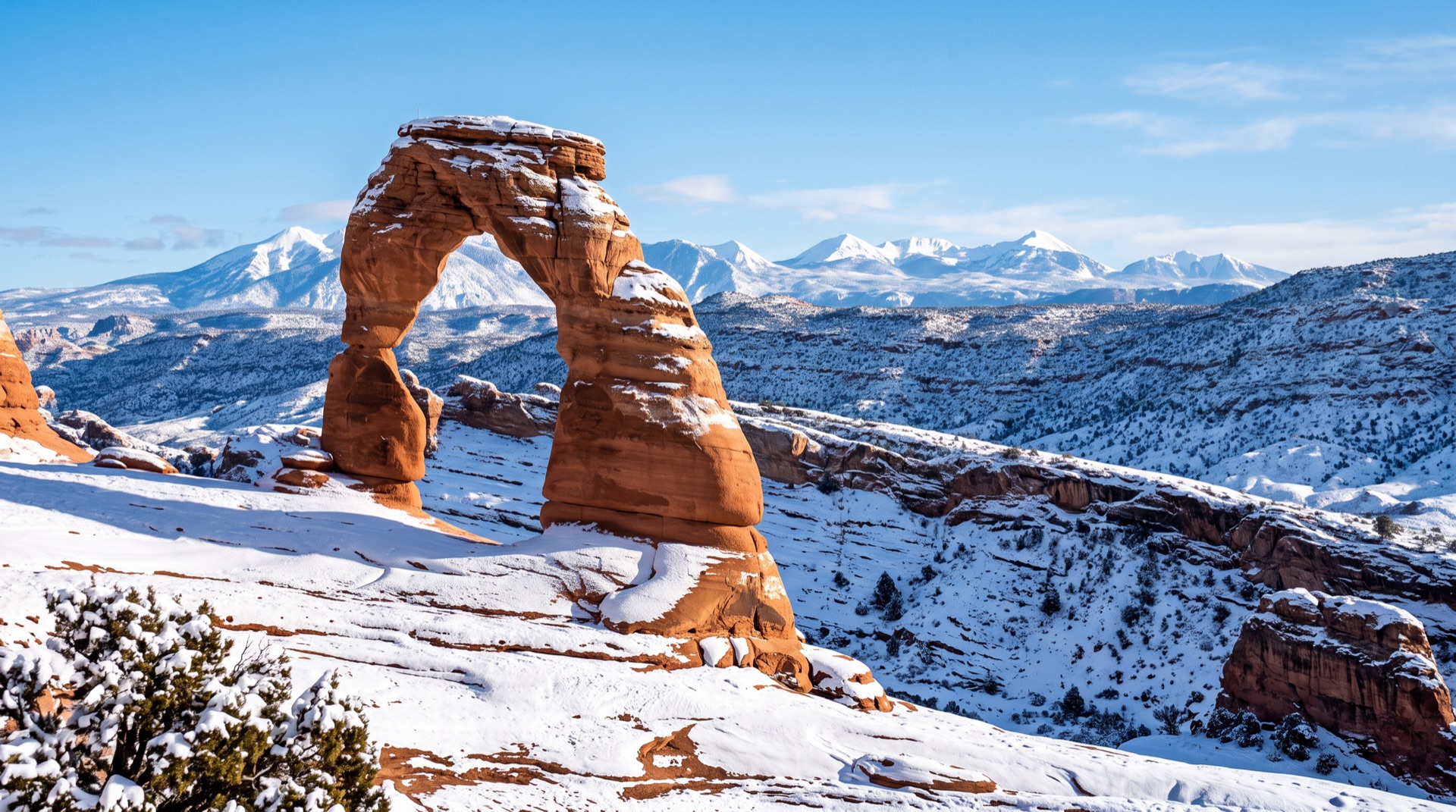
Thin air at altitude means intense direct sun even in deep cold. A St. George roof can be melting on its south face at midday in air that never gets near freezing, and all of that water has to go somewhere.

That is why mountain roofs dam up on clear, cold weeks that look harmless. South and west faces melt, north-facing eaves and shaded valleys hold the ice, and the pack above keeps feeding it.
Ice-barrier practice in Washington County
Design snow loads up here are among the highest in the country, and the membrane and retention details that come with them are not paperwork. On an older St. George cabin neither is likely to be present.
Heated Roof & Gutter Cables in St. George: How The Work Runs
Cable is the backstop, not the cure
The underlying cause of an ice dam is heat leaving the house. Air sealing the attic, fixing crushed baffles and topping up insulation addresses that; cable manages what is left. Icicles and a Wet Ceiling.
A St. George property that gets both rarely needs an emergency call again. One that gets only cable usually needs fewer.
Why most cable installations underperform
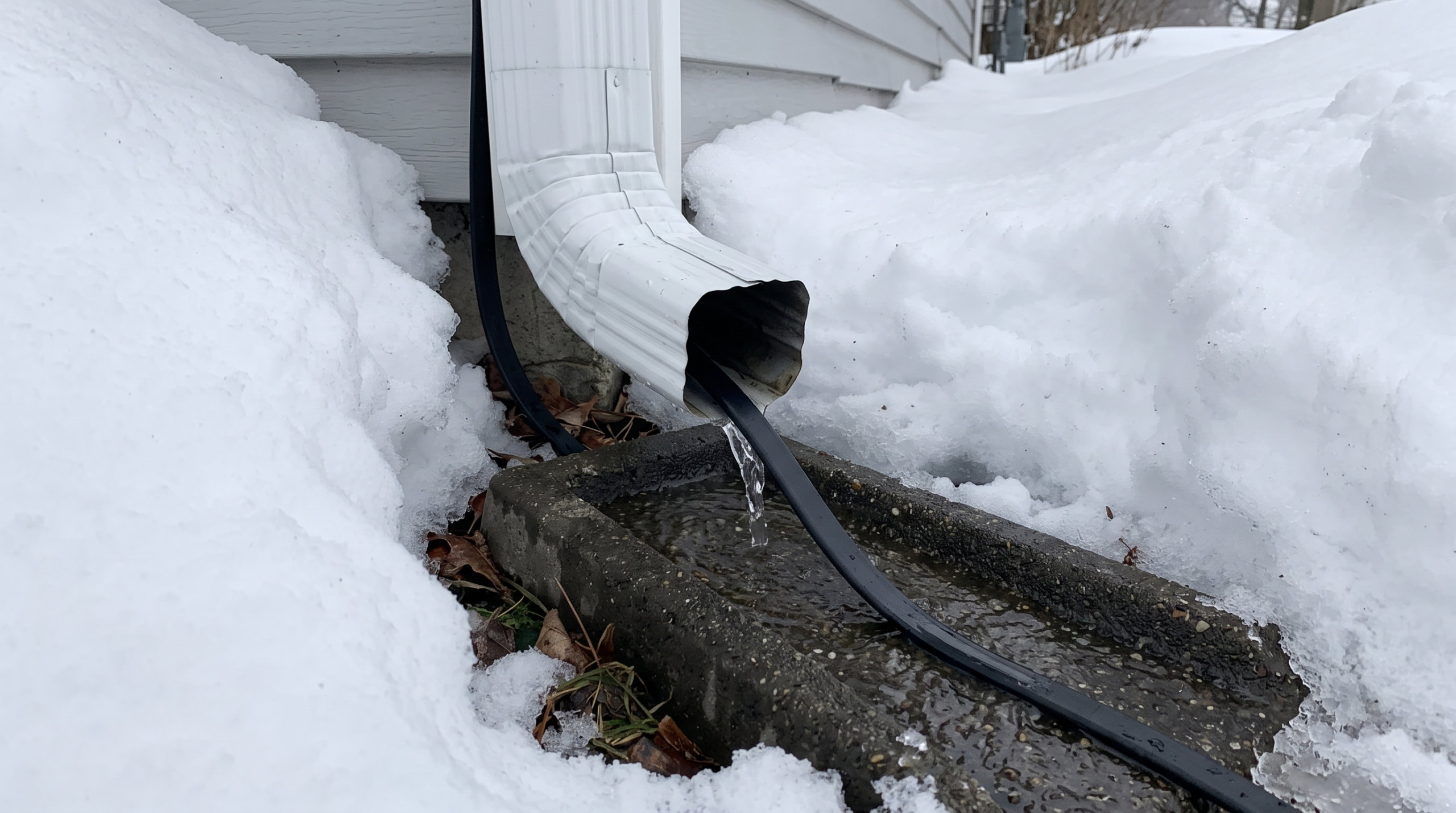
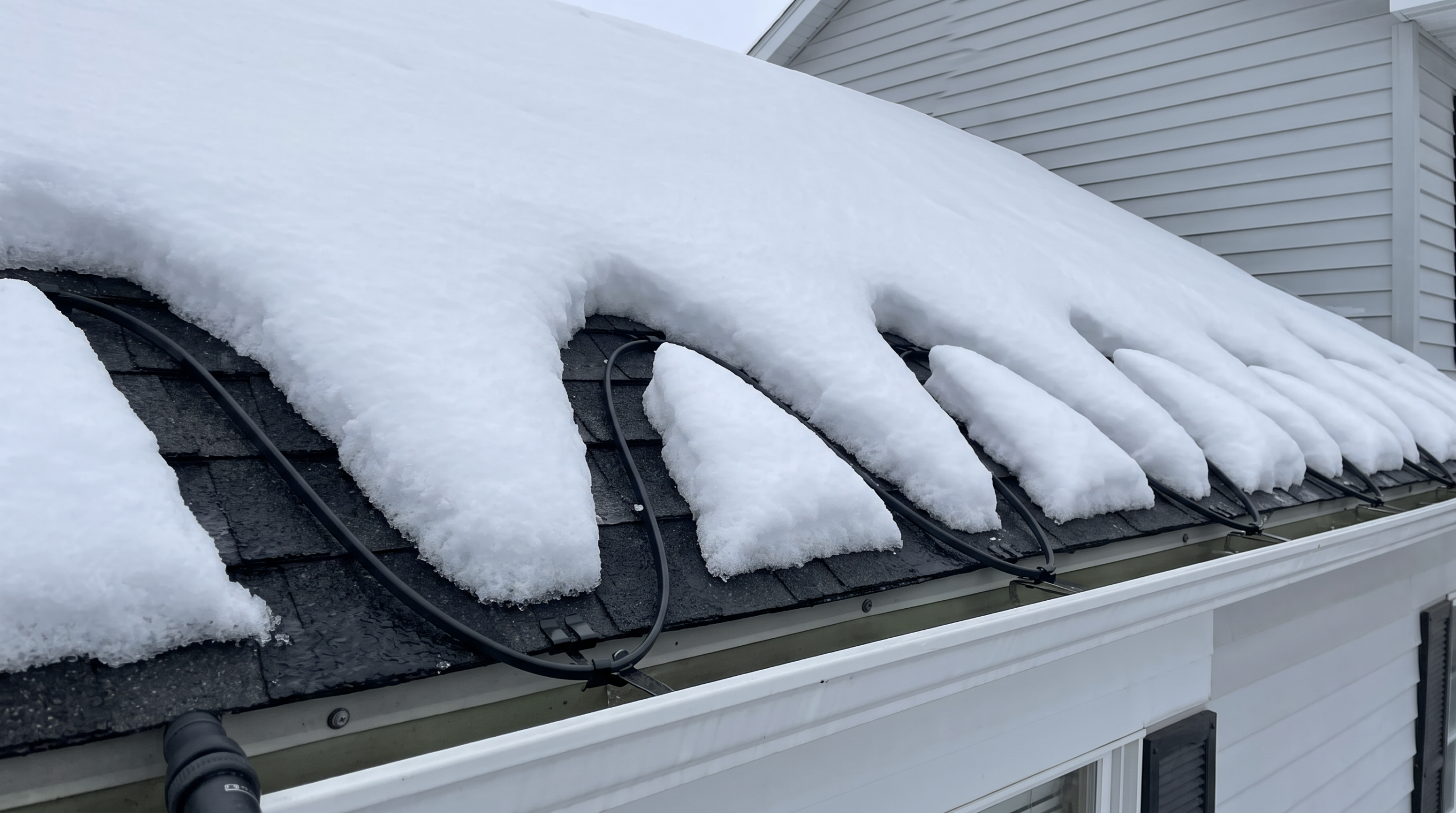
Not because the cable is bad. Because the path is incomplete. A zig-zag along the first few feet of eave that does not continue into the gutter and down the leader melts a channel that ends in a block of ice.
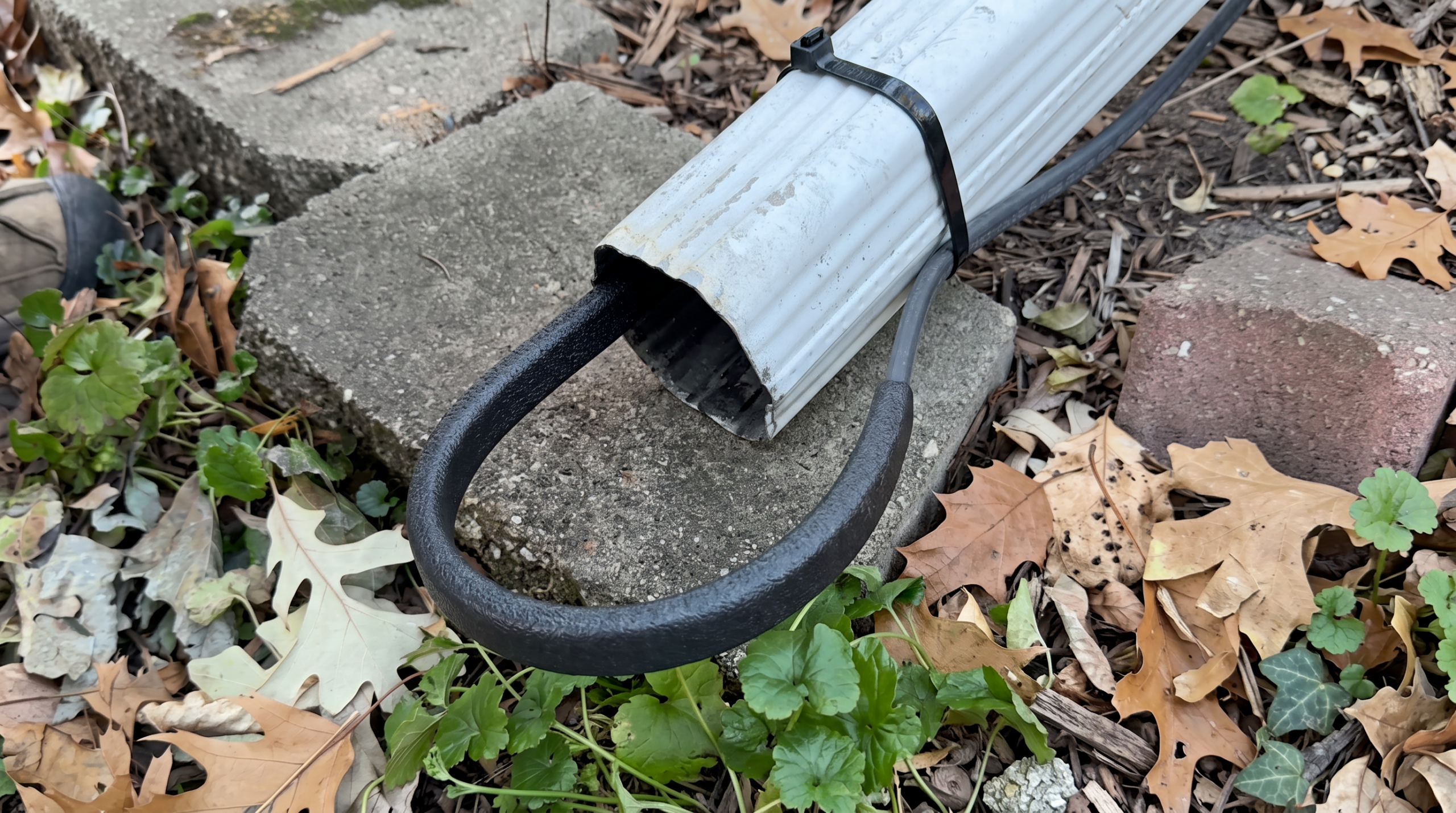
The water has to get all the way to the ground. On a St. George install that means eave, valleys, trough and downspout traced as one continuous path, and it is the single thing that separates a system that works from one that does not.
Retrofit against installing during a roof replacement
Cable can be added to an existing roof at any time and usually is. If a St. George roof is being replaced anyway, that is the cheaper moment: clips can go under the courses, the downspout run can be planned properly, and the circuit can be brought to the eave while the fascia is open.
Where a replacement is a year or two out, it is worth saying so before the retrofit is designed, so the layout can be reused rather than scrapped.
Fastening without putting holes in the roof
Clips and standoffs designed for the job, adhered or clipped to the shingle edge. Never a fastener driven through the covering, and never left loose to abrade in the wind.
The failures that give heat cable a bad name are nearly all installation failures of this kind rather than product failures.
Valleys, downspouts and the parts people forget
A zig-zag along the eave with nothing in the valley and nothing down the downspout produces a melted strip of roof draining into a solid block of ice. The water still has nowhere to go, and the dam just forms somewhere slightly different.
A system that works runs the full path: eave, valley, gutter trough and all the way down the downspout to daylight. The downspout run is the piece most often left out and the piece most often responsible for the system not working.
What you get in St. George
- No fasteners through the roofClips and standoffs only, nothing driven through the covering
- GFCI-protected circuitDedicated circuit and proper terminations, not an extension cord
- Self-regulating cableOutput varies along the run; safe to overlap, cut to length on site
| Pricing model | Billed by the crew hour, rate quoted before dispatch |
|---|---|
| Dispatch window | 24 to 48 hours in mountain terrain |
| Typical scope | Steam, 8-16 crew hours typical |
| Local ice-barrier practice | Extended membrane plus snow retention |
| Coverage area | St. George and Washington County |
| Documentation | Dated before and after photos, written scope in Xactimate line items |
| Primary climate stressor | Solar melt on deep pack, shaded eaves |
Where We Dispatch Around St. George
Crews working St. George cover the adjoining communities on the same route — Saint George, Santa Clara, Washington, Ivins and Dammeron Valley — so a storm week usually means one truck handling several addresses in Washington County rather than separate trips.
Nearest hub towns with their own heat cables pages: Cedar City, Spanish Fork, Springville, Provo, Eagle Mountain, Orem.
When a storm hits Washington County, crews are dispatched by severity rather than by call order — water already inside the house goes first.
Most jobs do not stop at one service. Heat Cables in St. George often runs alongside ice dam removal in St. George, and both get written into one scope rather than billed as separate visits.
Active leak right now? Our 24/7 St. George steam ice dam removal crews are dispatched first during a freeze event. Call (888) 561-9664.