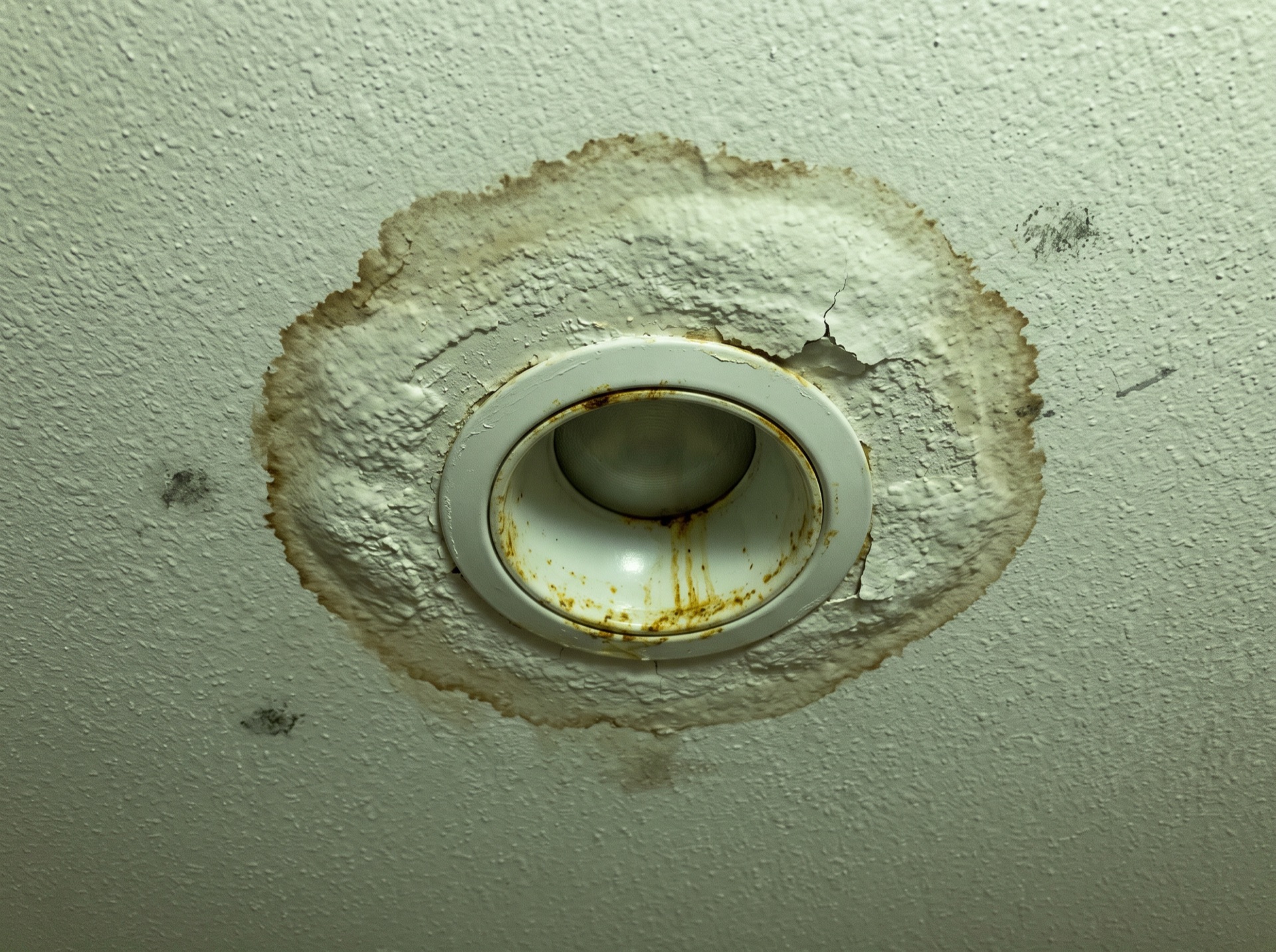
Ice dams are not a Reading problem so much as a Massachusetts one, and they show up on the same handful of eaves and valleys year after year. As part of our complete Reading winter roof services, crews handle ice dam insurance claims across Middlesex County.
Reading Ice Dams: Wet Snow and a Thermometer That Will Not Settle
Coastal storms deliver the heaviest snow by weight. A single nor'easter can put a wet, dense pack on a roof in Reading in one night, and the maritime air that follows rarely stays on one side of freezing for long.

Add the architecture and the problem concentrates. Dormers, ells, knee walls and additions over porches all create pockets where warm air meets cold deck, and those are the eaves that dam first on a roof in Reading.
Ice-barrier practice in Middlesex County
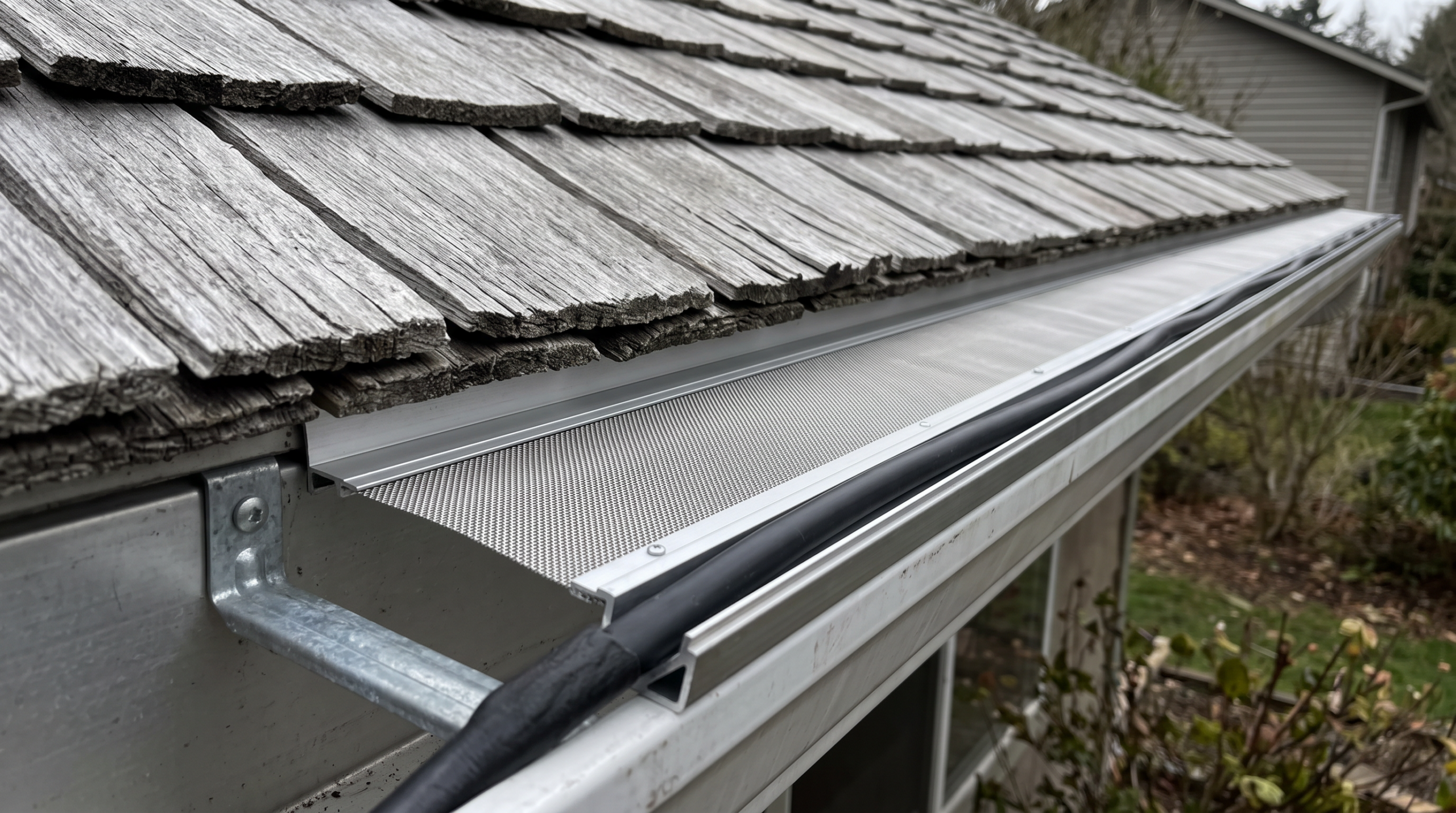
Historic district review in parts of Middlesex County adds a step on materials and sometimes on color, which is worth knowing before a re-roof is scheduled rather than after the permit is refused.
Ice Dam Insurance Claims in Reading: How The Work Runs
Meeting the adjuster on site
A lot of disputes come down to the adjuster never having seen what was behind the drywall. Crews meet them at the Reading property, walk the damage, and hand over the photo record and the readings. Does Insurance Pay for Ice Dam Water Damage?.
Fifteen minutes on site is worth more than two weeks of emails, and it is free.
Why the time stamp on the photographs matters
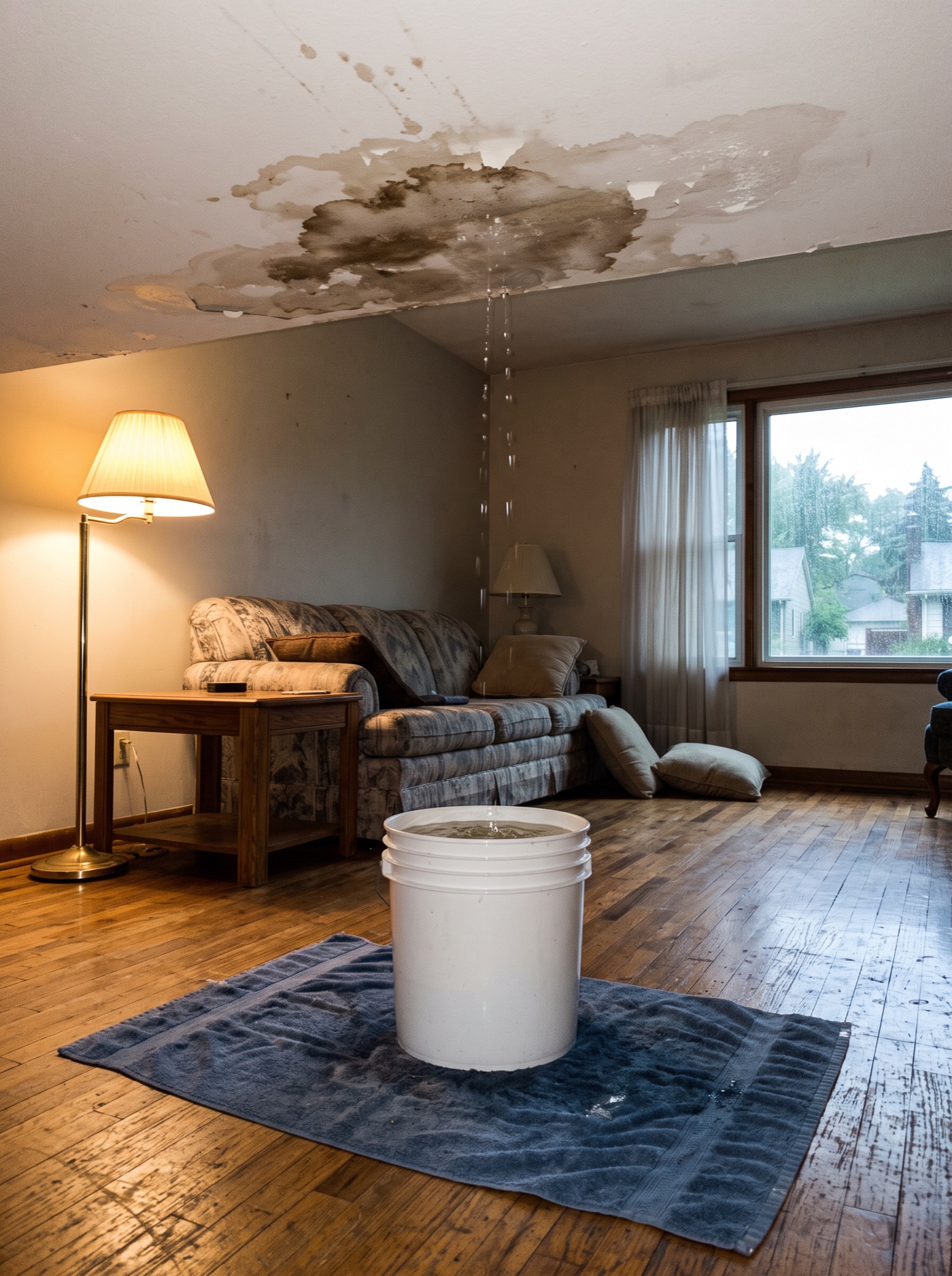
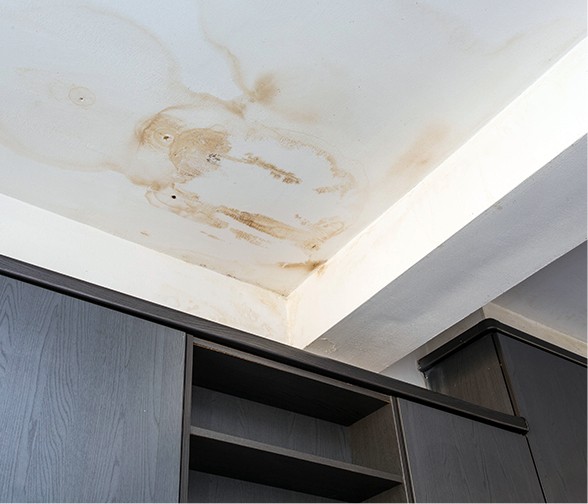
An adjuster arriving in April is looking at a dry ceiling and a clear roof, and is being asked to accept an account of something that happened in January. Dated photographs taken while the ice was on the roof and the water was running are what turn that account into evidence.
Crews photograph on arrival, during the work and on completion, with timestamps intact. It costs nothing at the time and it is routinely the difference between a paid claim and a contested one.
What a contractor cannot promise
Nobody outside your carrier decides your claim. A contractor who guarantees an outcome, offers to cover your deductible, or wants to handle the claim entirely on your behalf is describing something other than a mitigation service.
The honest version is this: the evidence gets collected properly and presented properly, and that is the part that can be controlled.
Supplements: when the tear-out finds more
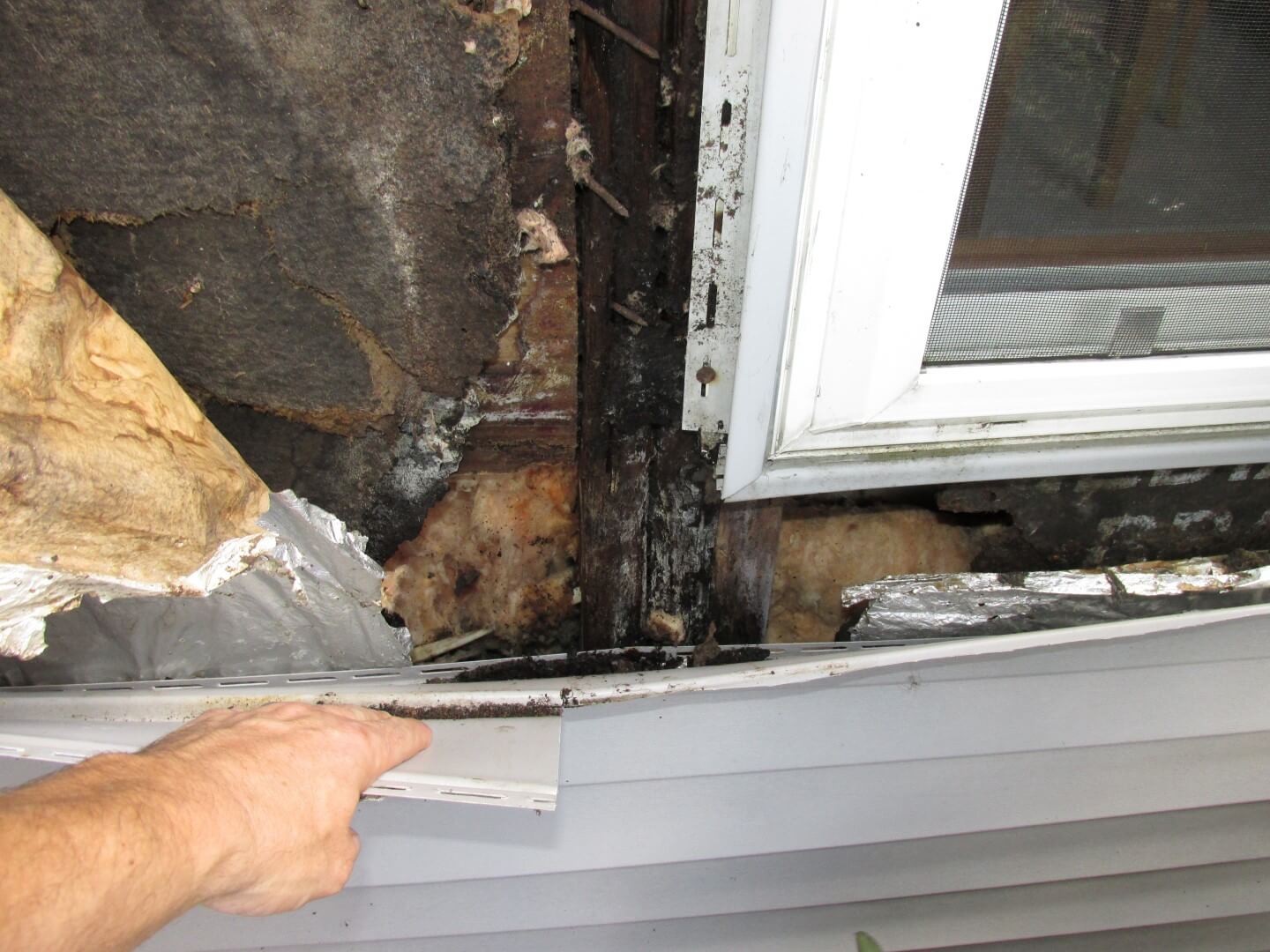
Scopes are written from what can be seen. Open a ceiling and the damage frequently runs further than the stain did, and the original estimate no longer covers the work.
That is a supplement, and it is ordinary. What makes it go smoothly is photographs of the newly exposed damage, a revised line-item scope, and raising it when it is found rather than at the end. Work carried out before the carrier has seen it is the version that tends to go unpaid.
Replacement cost, actual cash value and the second check
Most policies pay the depreciated value first and release the remainder once the repair is actually completed and invoiced. People who do not know that see the first check, assume it is the whole settlement, and decide the claim was not worth filing.
Reading which of those two your policy is on, before the work is scoped, changes what gets claimed and when. The specifics are between you and your carrier - what a contractor supplies is the documentation each stage needs.
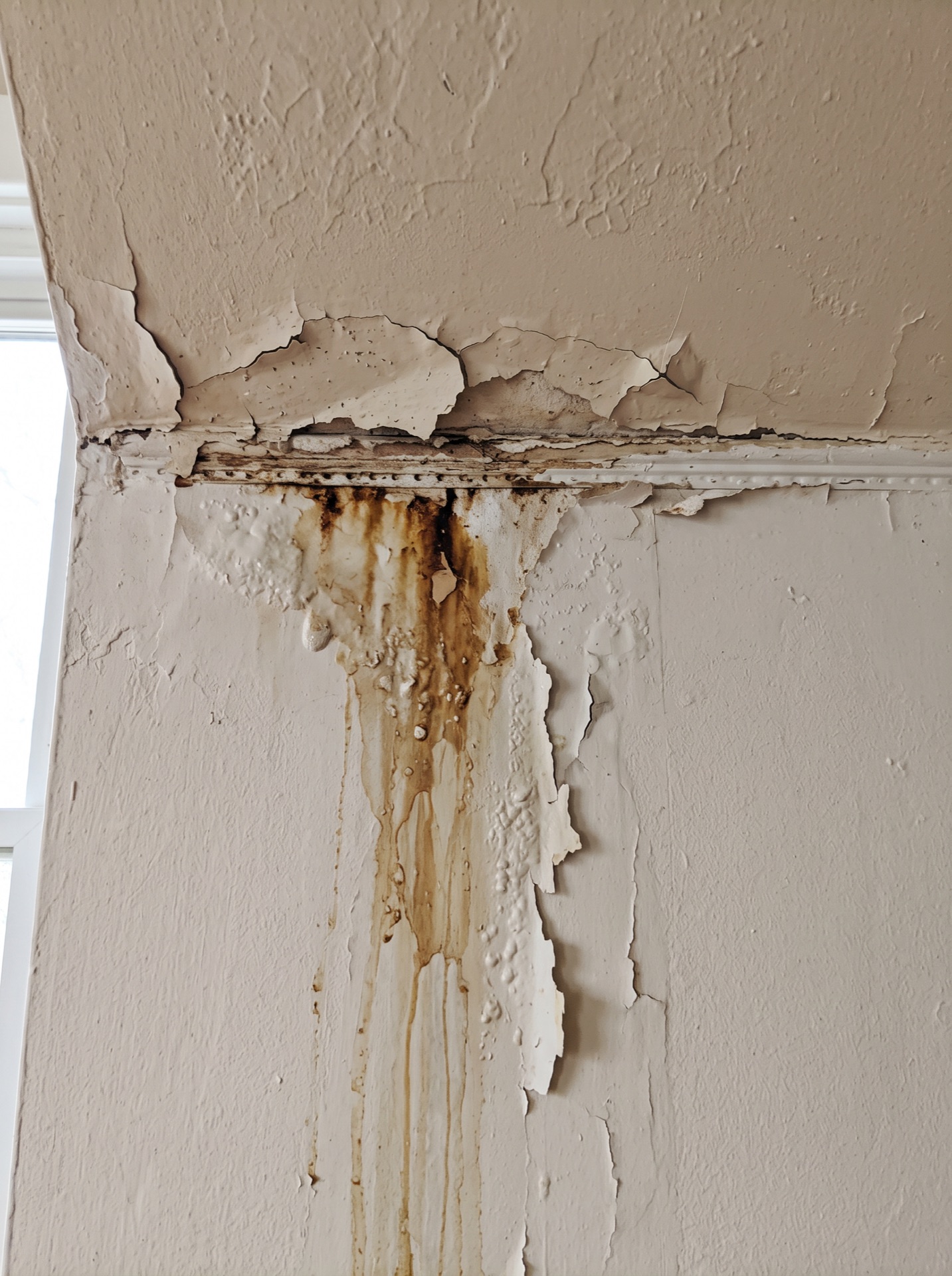
What you get in Reading
- Direct billingCarriers billed directly wherever the policy allows it
- Interior repair in-houseDrywall, insulation, paint and trim scoped and done by the same company
- Dated photo recordThe dam, the entry points and the interior damage, captured while it is happening
| Local ice-barrier practice | Eave membrane standard on re-roofs |
|---|---|
| Documentation | Dated before and after photos, written scope in Xactimate line items |
| Primary climate stressor | Nor'easters, rapid thaw-freeze swing |
| Coverage area | Reading and Middlesex County |
| Interior repair | Insulation, drywall, texture, trim and paint, done in-house after drying |
| Dispatch window | Same day to 24 hours |
| Method | Containment, HEPA filtration and drying to a measured IICRC standard |
Reading Coverage and the Adjoining Communities
Crews working Reading cover the adjoining communities on the same route — Wakefield, Stoneham, North Reading, Wilmington and Lynnfield — so a storm week usually means one truck handling several addresses in Middlesex County rather than separate trips.
Nearest hub towns with their own insurance claims pages: Woburn, Burlington, Melrose, Saugus, Malden, Billerica.
Coverage runs across Reading and the nearby towns all winter, and capacity is surged into whichever Massachusetts market the storm actually hits.
Most jobs do not stop at one service. Insurance Claims in Reading often runs alongside water mitigation & dryout in Reading, and both get written into one scope rather than billed as separate visits.
Active leak right now? Our 24/7 Reading steam ice dam removal crews are dispatched first during a freeze event. Call (888) 561-9664.