



Wet Snow, Swinging Air: Saugus Ice Dams
Coastal storms deliver the heaviest snow by weight. A single nor'easter can put a wet, dense pack on a roof in Saugus in one night, and the maritime air that follows rarely stays on one side of freezing for long.

Then there is the architecture. Saugus has a great deal of older housing with shallow eave returns, knee-wall attics and rooms built out over porches, all of which put heated air against cold deck with very little between.
Ice-barrier practice in Essex County
Historic district review in parts of Essex County adds a step on materials and sometimes on color, which is worth knowing before a re-roof is scheduled rather than after the permit is refused.
What a Crew Does on a Saugus Roof
Nothing gets touched until the roof has been walked and photographed. The crew finds every dam, locates where water is getting in, shows you, and gives you the crew-hour rate and a time estimate before the equipment comes off the truck.
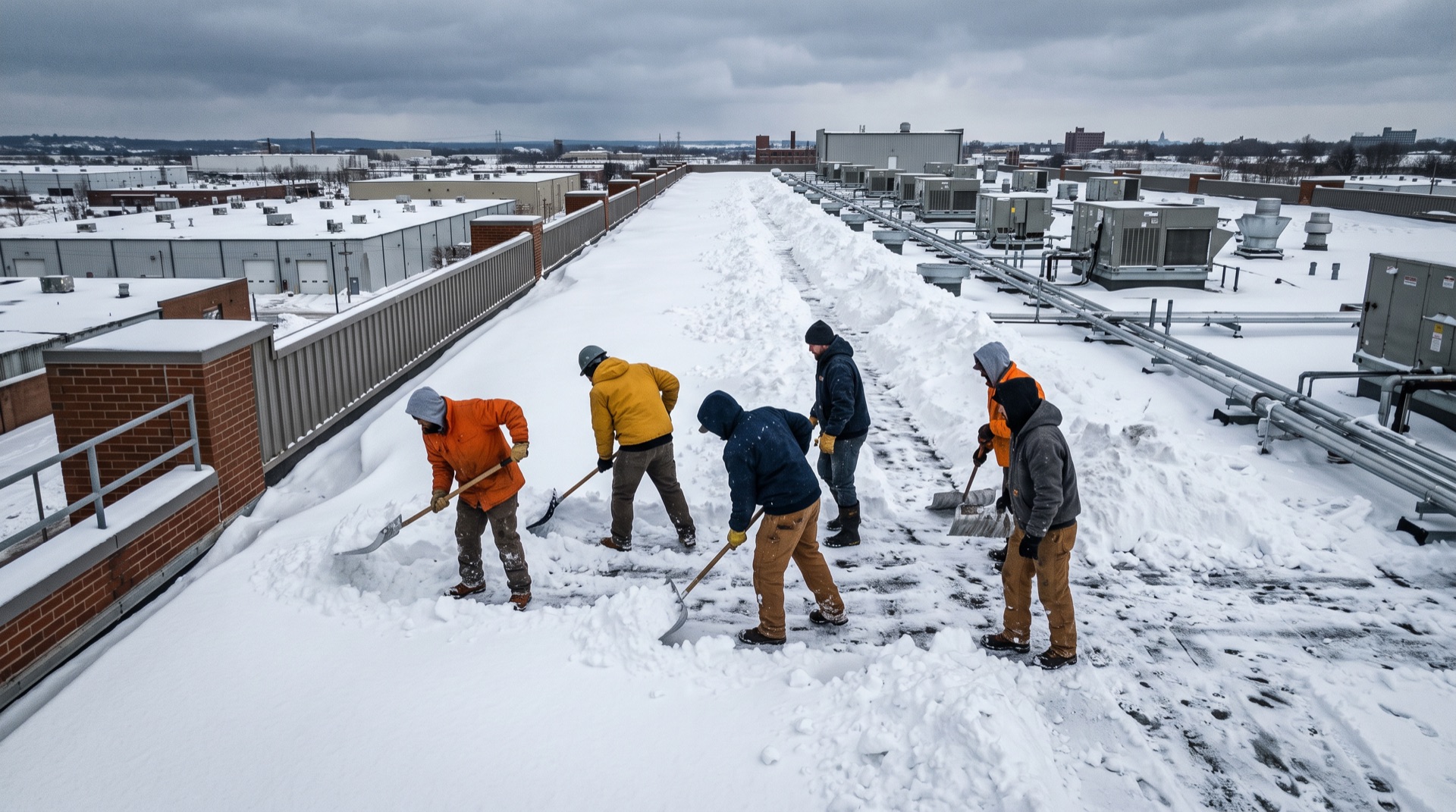
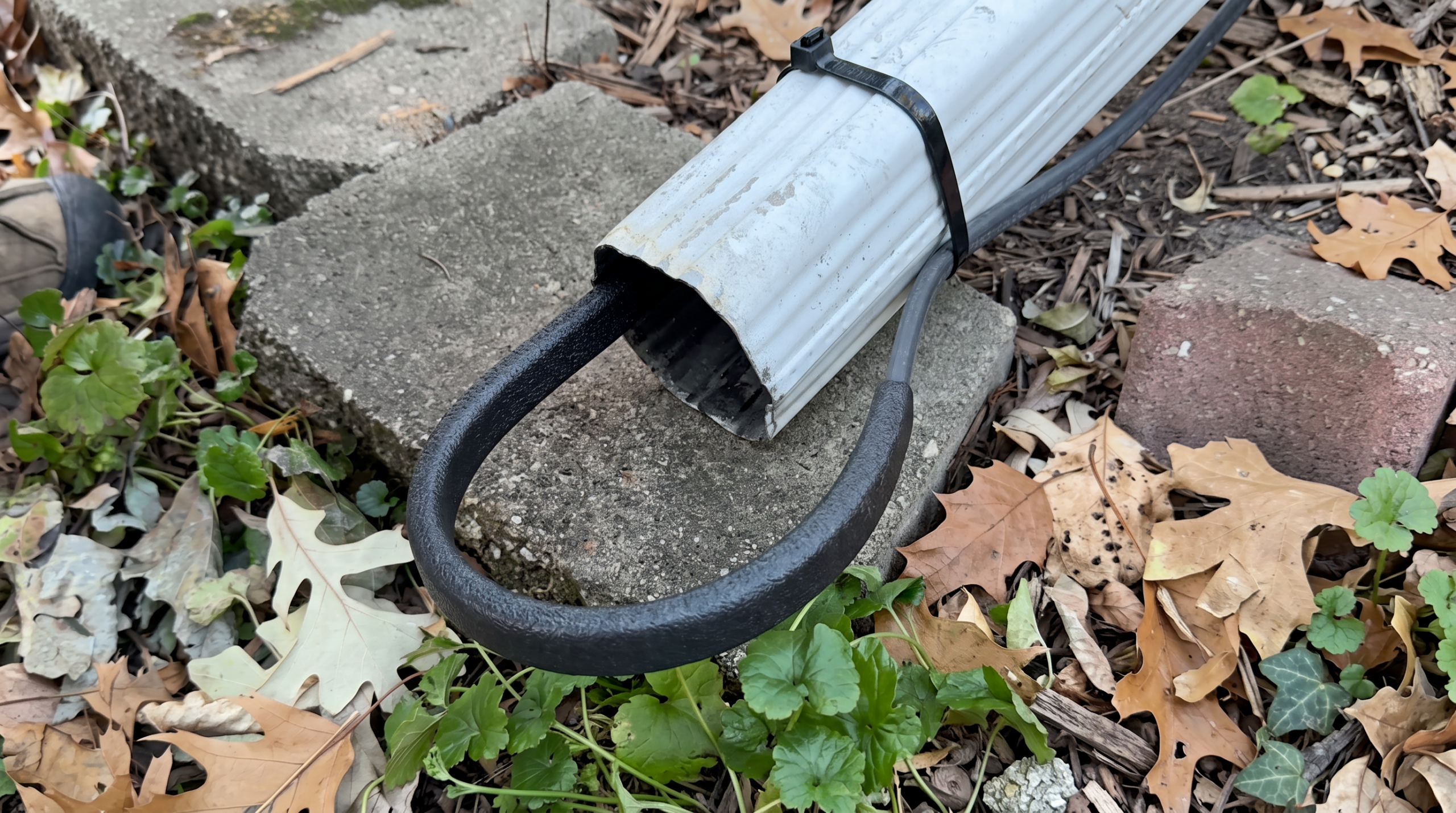
Removal then works from the worst point outward, so water starts draining early rather than at the end. Gutters and downspouts frozen solid get steamed through in the same visit — leaving them means the eave dams again within days.
Working at night and during an active storm
Freeze events do not keep office hours, and the worst leaks tend to announce themselves in the evening when the day's melt refreezes. Crews run lit, and a roof that is actively collecting snow is worked anyway, because waiting for better weather means the dam is bigger when somebody finally gets to it.
What does stop a crew is wind and lightning. Both are judgment calls made on site in Saugus, and a postponed start gets explained rather than dressed up.
Why the gutter has to be cleared in the same visit
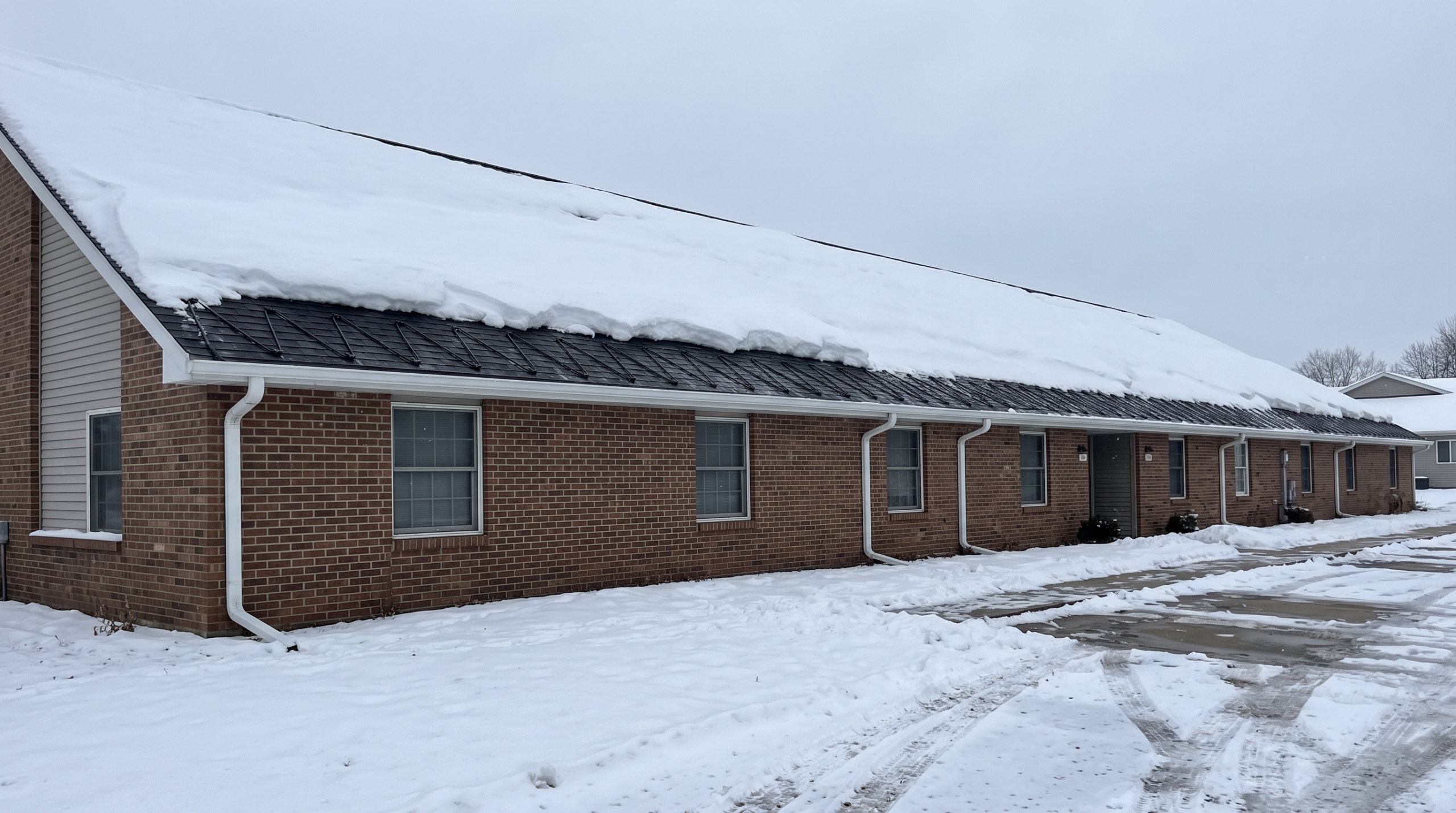
A dam sitting above a gutter packed solid with ice is only half the problem. Clear the eave and leave the trough frozen, and the next day's meltwater has nowhere to run — it backs up onto the roof and the dam rebuilds from the bottom.
Crews steam the trough and the downspout through to daylight on the same visit. It adds time, which is why the hour estimate given on the phone accounts for it, and it is the difference between a fix and a repeat visit in Saugus the following week.
Dormers, valleys and dead spots
Ice does not distribute evenly. It concentrates where two roof planes meet, behind dormers, in dead valleys that drain nowhere, and along the north face that never sees sun. Those pockets hold water deepest and leak first.
A crew working a roof in Saugus clears the full eave line and then goes back through the valleys and dormer pockets specifically, because clearing the easy straight run and calling it done is how a roof leaks again a week later.
| Pricing model | Billed by the crew hour, rate quoted before dispatch |
|---|---|
| Removal method | Low-pressure steam only. No chipping, salt or pressure washing. |
| Coverage area | Saugus and Essex County |
| Service | Ice dam removal in Saugus, MA |
| Local ice-barrier practice | Eave membrane standard on re-roofs |
| Documentation | Dated before and after photos, written scope in Xactimate line items |
| Typical scope | Steam, 4-10 crew hours typical |
Essex County Coverage From Saugus
Crews working Saugus cover the adjoining communities on the same route — Wakefield, Stoneham, Lynnfield, Nahant and Swampscott — so a storm week usually means one truck handling several addresses in Essex County rather than separate trips.
Nearest hub towns with their own crew pages: Melrose, Lynn, Revere, Malden, Everett, Chelsea.
When a storm hits Essex County, crews are dispatched by severity rather than by call order — water already inside the house goes first.
If water is already inside a property in Saugus, call (888) 561-9664 rather than filling in a form — the phone is faster and leaks jump the line.