A Twin Falls roof can look fine from the driveway and still be backing water under the shingles at the eave, where nobody can see it. As part of our complete Twin Falls winter roof services, crews handle water mitigation & dryout across Twin Falls County.
Elevation, Aspect and Ice: The Twin Falls County Pattern
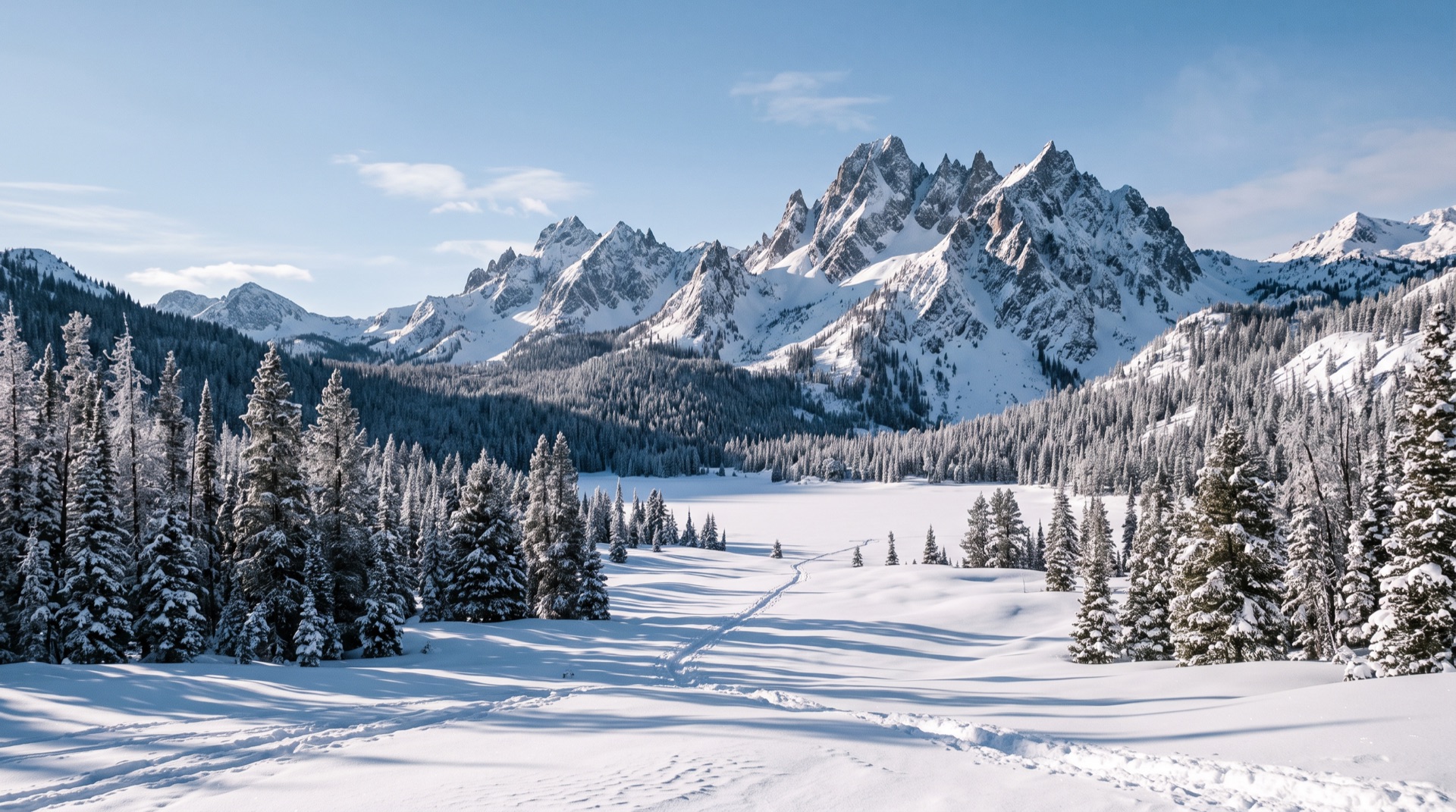
Thin air at altitude means intense direct sun even in deep cold. A Twin Falls roof can be melting on its south face at midday in air that never gets near freezing, and all of that water has to go somewhere.

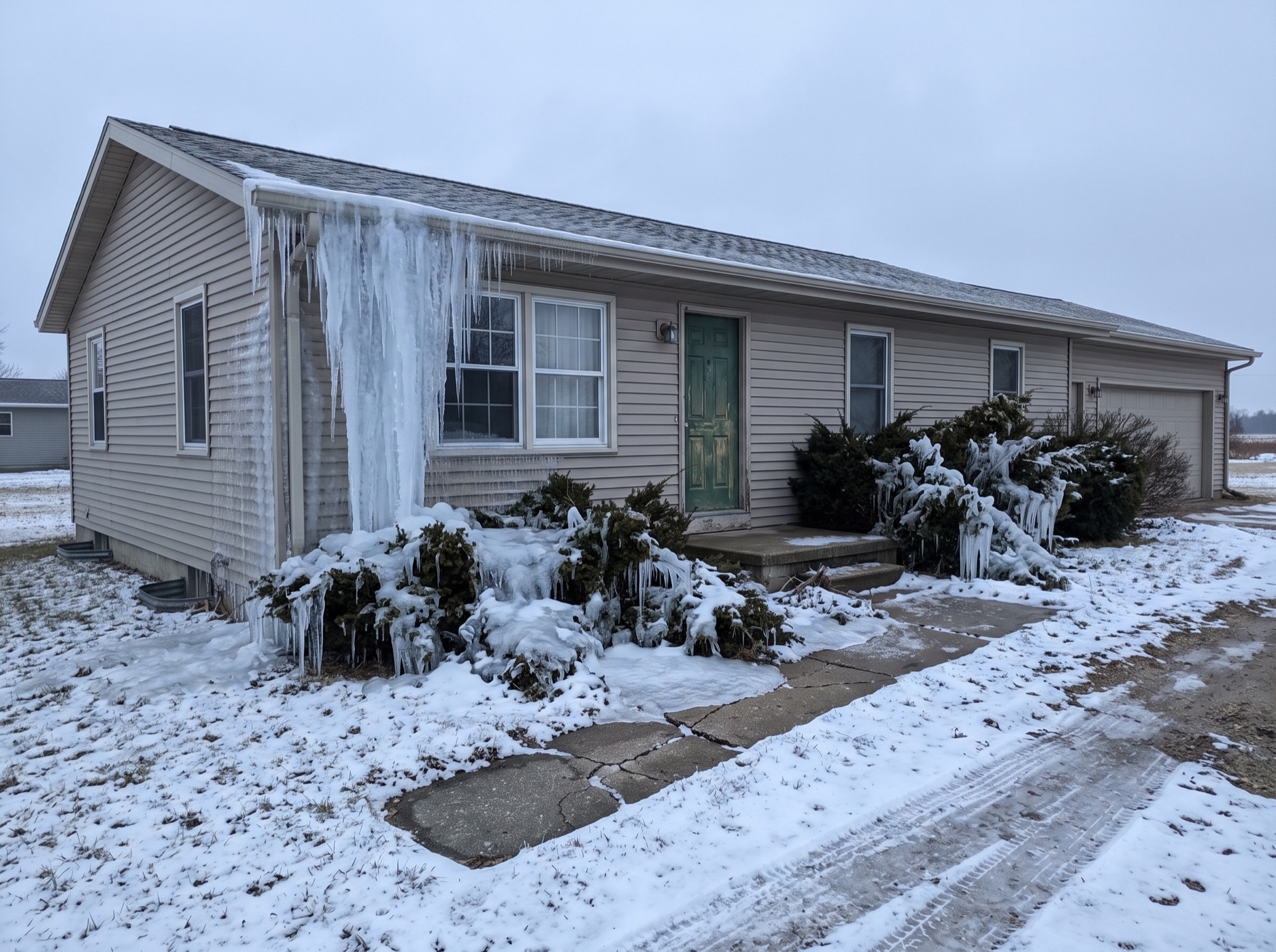
Aspect decides which eaves suffer. A sunny plane sheds water across a roof in Twin Falls to a shaded eave that has not been above freezing for weeks, and that is where the ice builds into a wall.
Ice-barrier practice in Twin Falls County
High-country Idaho codes typically call for extended ice barrier and, on metal roofing, snow guards above any door, walkway or parking area. Both exist because of what comes off these roofs.
Water Mitigation & Dryout in Twin Falls: How The Work Runs
From dry to finished: the interior repair
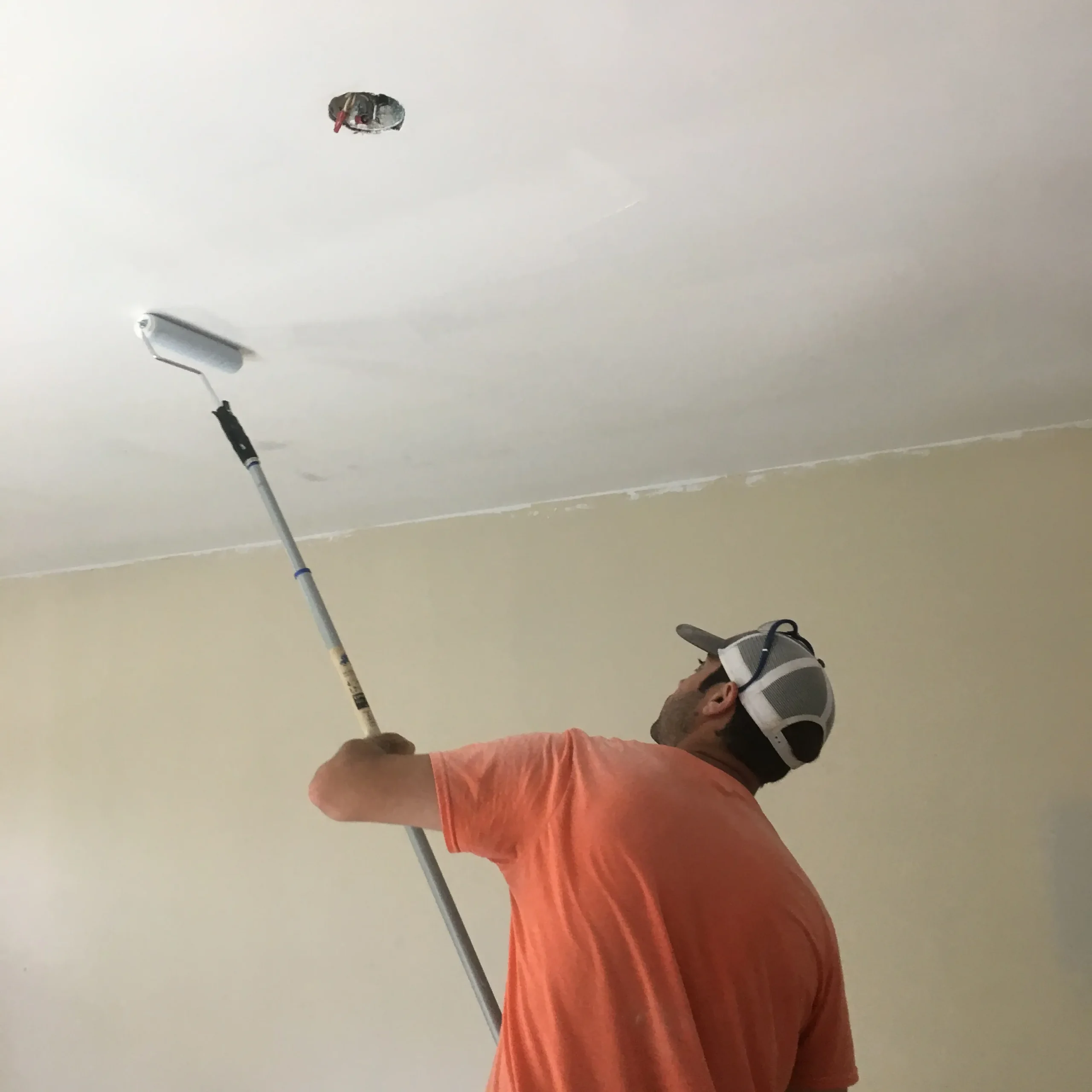
Mitigation ends when the readings hit standard. The repair starts right after, with the same company: new insulation, drywall hung and finished, texture matched, trim replaced and painted, and flooring where it did not recover. Wet Insulation in the Attic.
Keeping it in-house means one scope, one claim and one set of documentation from the first photograph in Twin Falls to the last coat of paint, rather than a dried-out room sitting open while you look for a contractor.
Electrical safety where water reached fixtures
Water running into a ceiling light, a fan box or down inside a wall to a panel is an electrical matter before it is a drying matter. Affected circuits get killed before any equipment goes in.
That is standard on every Twin Falls job where water reached a fixture, and it is worth saying out loud because homeowners often reach for a wet fixture first.
Contents, storage and what moves out of the way
Mitigation needs the room. Furniture gets blocked up or moved, stored boxes come out of the affected area, and in a finished basement the contents usually have to leave entirely before tear-out starts.
What is already wet gets photographed and listed as it is moved, because contents are a separate part of most policies and the list is considerably harder to assemble once everything has been shifted.
What happens to flooring
Hardwood cups as it absorbs and may flatten out on its own once the subfloor is dry, so it is given the chance before anyone talks about replacement. Laminate and engineered board usually do not recover.
Carpet and pad are a judgment call on how long they were wet and what the water passed through on the way down.
Where the water actually went
Thermal imaging and meters find it, because the visible stain is usually the smallest part. Water tracks along top plates, down stud bays and across ceiling planes, and it collects in places with no stain at all — behind knee walls, above soffits, inside cathedral ceiling cavities with no access.
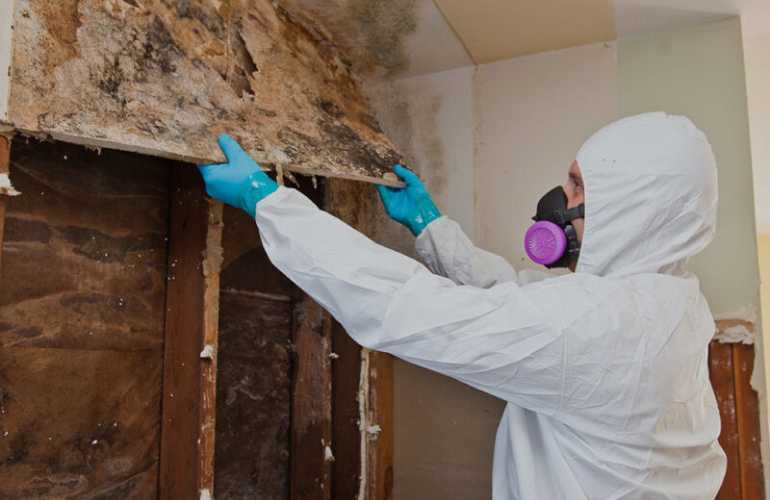
Where opening up finds mold, the work moves under containment and becomes mold remediation. Either way the same company puts the room back together afterward.

What you get in Twin Falls
- Electrical made safeCircuits killed where water reached fixtures, before equipment goes in
- Containment and HEPABarriers and air scrubbers wherever tear-out is required
- Documented to standardDaily moisture readings until the structure meets IICRC S500 dry standard
| Service | Water Mitigation & Dryout in Twin Falls, ID |
|---|---|
| Local ice-barrier practice | Extended membrane plus snow retention |
| Coverage area | Twin Falls and Twin Falls County |
| Billing | Xactimate line items on one claim; carrier billed directly where the policy allows |
| Method | Containment, HEPA filtration and drying to a measured IICRC standard |
| Primary climate stressor | Solar melt on deep pack, shaded eaves |
| Interior repair | Insulation, drywall, texture, trim and paint, done in-house after drying |
Twin Falls County Coverage From Twin Falls
Crews working Twin Falls cover the adjoining communities on the same route — Kimberly, Filer, Hansen and Jerome — so a storm week usually means one truck handling several addresses in Twin Falls County rather than separate trips.
Nearest hub towns with their own water mitigation pages: Mountain Home, Ketchum, Sun Valley, Pocatello, Boise, Kuna.
During a cold snap Twin Falls gets worked alongside the neighboring Twin Falls County towns on the same route, with active interior leaks moved to the front of the list.
Most jobs do not stop at one service. Water Mitigation in Twin Falls often runs alongside ice dam removal in Twin Falls, and both get written into one scope rather than billed as separate visits.
Active leak right now? Our 24/7 Twin Falls steam ice dam removal crews are dispatched first during a freeze event. Call (888) 561-9664.