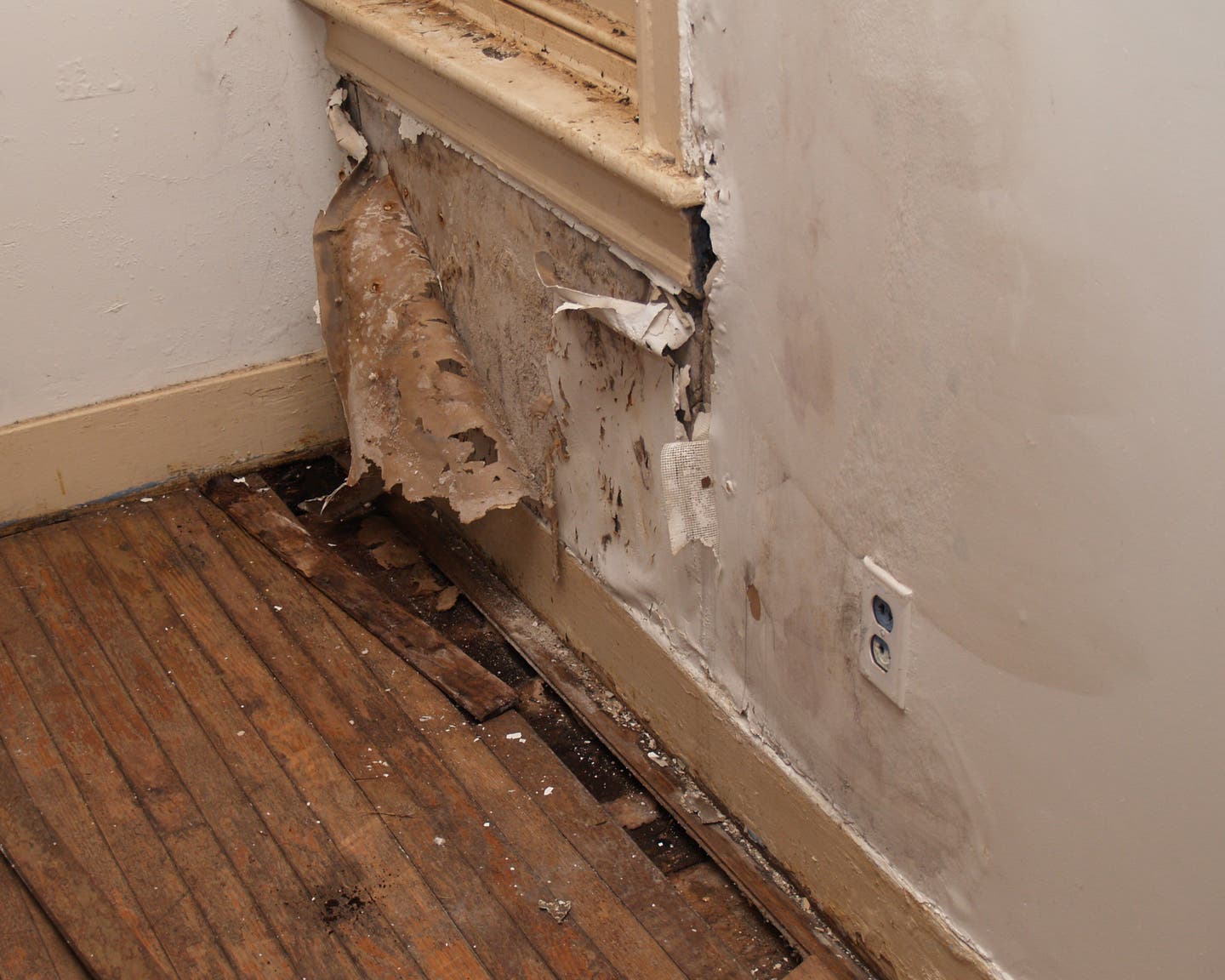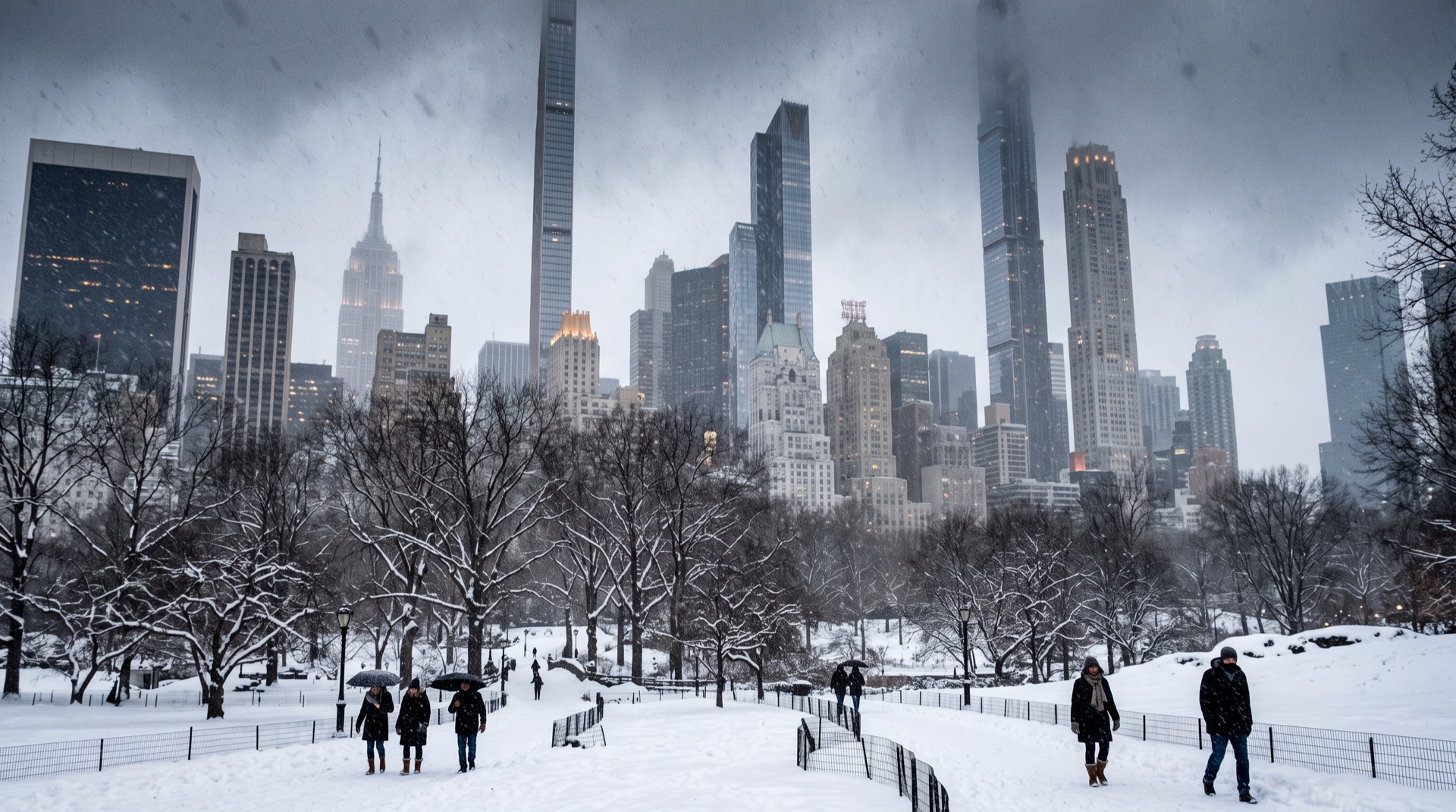
Winter in New York City does not need a record storm to put water inside a house. It needs a roof with snow on it, an attic leaking heat, and one cold night. As part of our complete New York City winter roof services, crews handle ice dam insurance claims across New York County.
Wet Snow, Swinging Air: New York City Ice Dams
A nor'easter can load a roof in New York City with heavy, wet snow overnight. Coastal air then swings the temperature either side of freezing for days, which is the exact condition that builds ice fastest.

Add the architecture and the problem concentrates. Dormers, ells, knee walls and additions over porches all create pockets where warm air meets cold deck, and those are the eaves that dam first on a roof in New York City.
Ice-barrier practice in New York County
In most coastal New York towns the eave membrane requirement extends past the interior wall line rather than stopping at the first course. On a roof in New York City with a deep overhang, that is further up than it sounds.
Ice Dam Insurance Claims in New York City: How The Work Runs
Replacement cost, actual cash value and the second check
Most policies pay the depreciated value first and release the remainder once the repair is actually completed and invoiced. People who do not know that see the first check, assume it is the whole settlement, and decide the claim was not worth filing. Does Insurance Pay for Ice Dam Water Damage?.
Reading which of those two your policy is on, before the work is scoped, changes what gets claimed and when. The specifics are between you and your carrier - what a contractor supplies is the documentation each stage needs.
Supplements: when the tear-out finds more
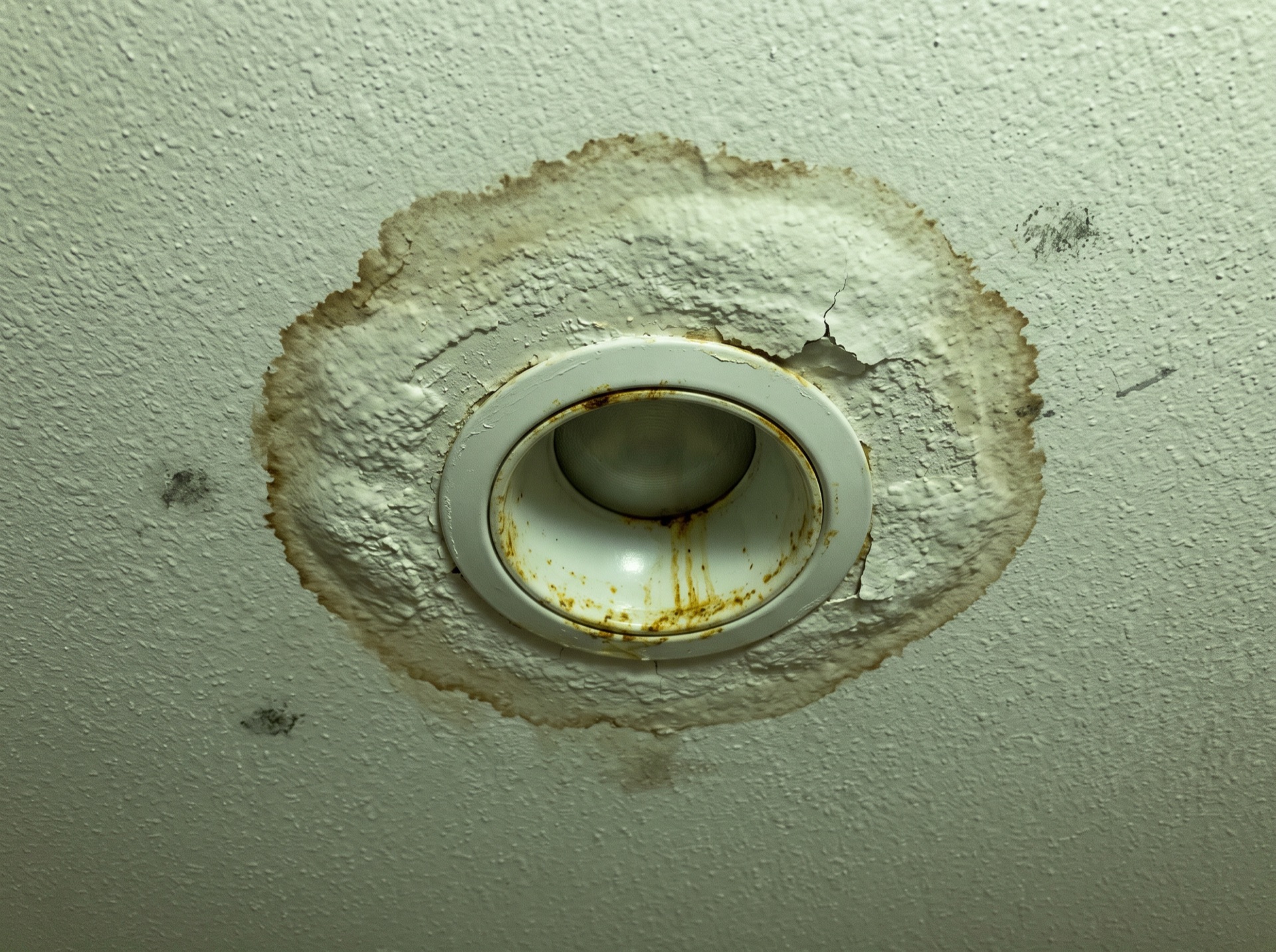
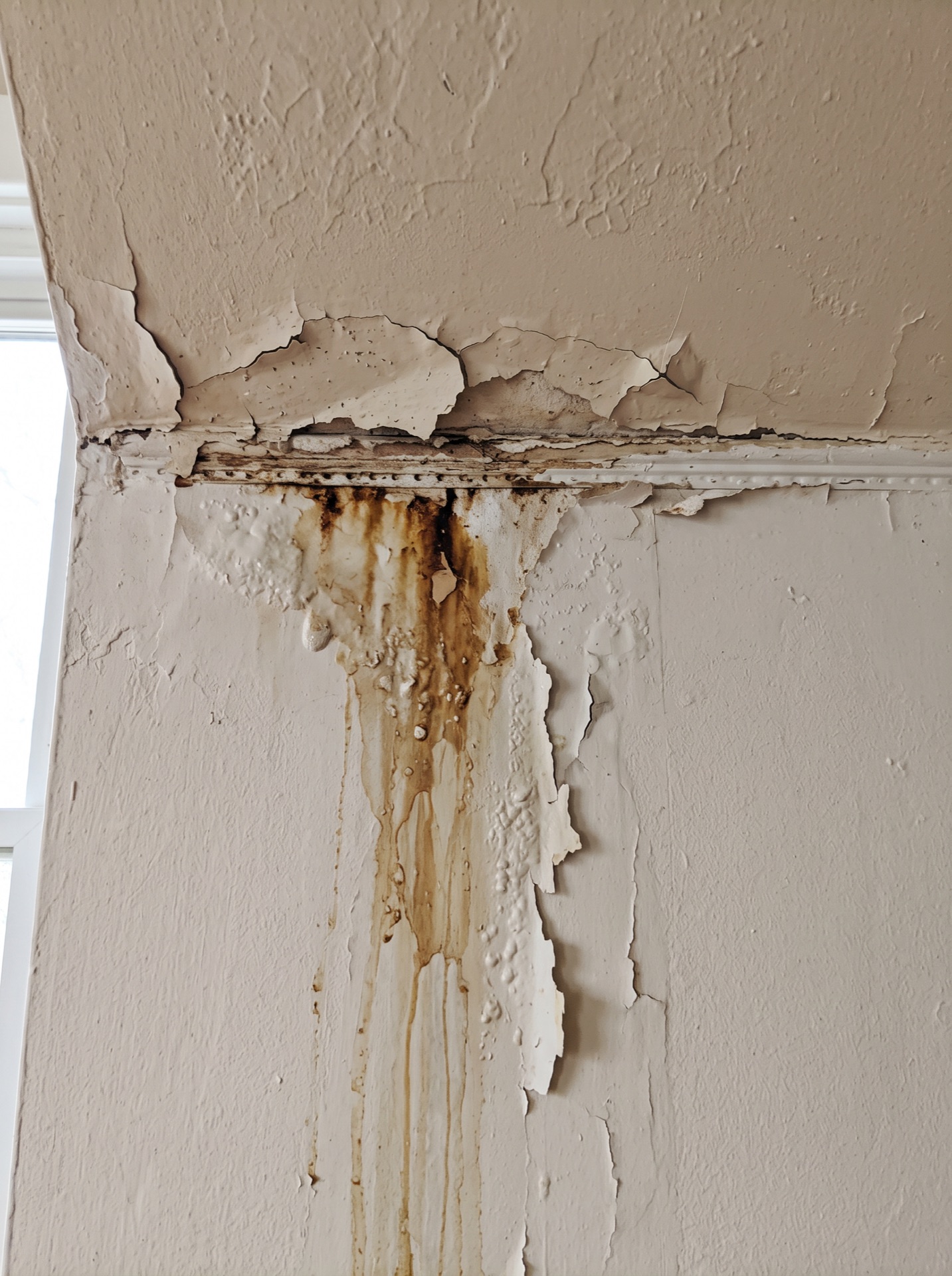
Scopes are written from what can be seen. Open a ceiling and the damage frequently runs further than the stain did, and the original estimate no longer covers the work.
That is a supplement, and it is ordinary. What makes it go smoothly is photographs of the newly exposed damage, a revised line-item scope, and raising it when it is found rather than at the end. Work carried out before the carrier has seen it is the version that tends to go unpaid.
Scopes in the format adjusters use
Scopes get written in Xactimate line items, with the mitigation work priced and described the way a carrier's own estimating software describes it. An adjuster comparing like to like approves faster than one translating a hand-written invoice into their system.
Where the policy allows direct billing, carriers are billed directly, so the out-of-pocket conversation is smaller from the start.
Keeping the record from the first phone call
The claim starts with the call, so it is worth writing down the date, the time, the claim number and the name of whoever took it, and doing the same for every conversation after that.
Report what happened plainly and in full. Mitigation steps already taken get reported too - most policies require the policyholder to prevent further damage, and the invoice for having done so is usually claimable.
What a carrier is actually looking for
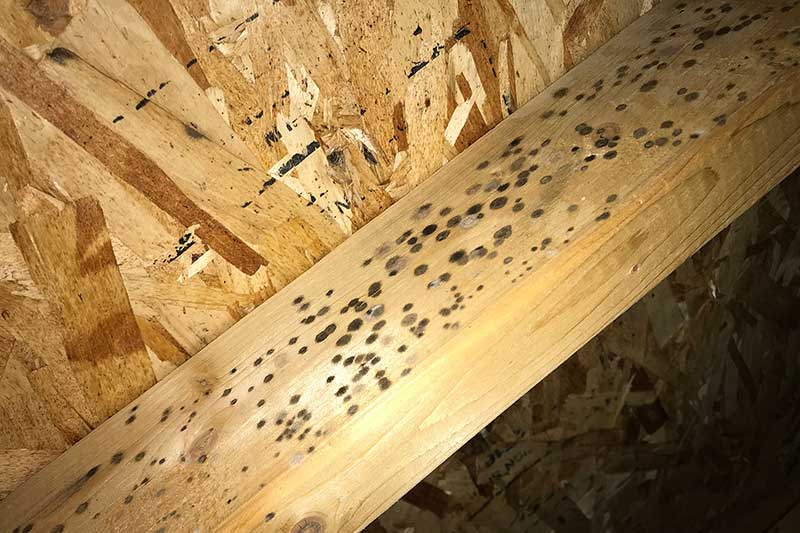
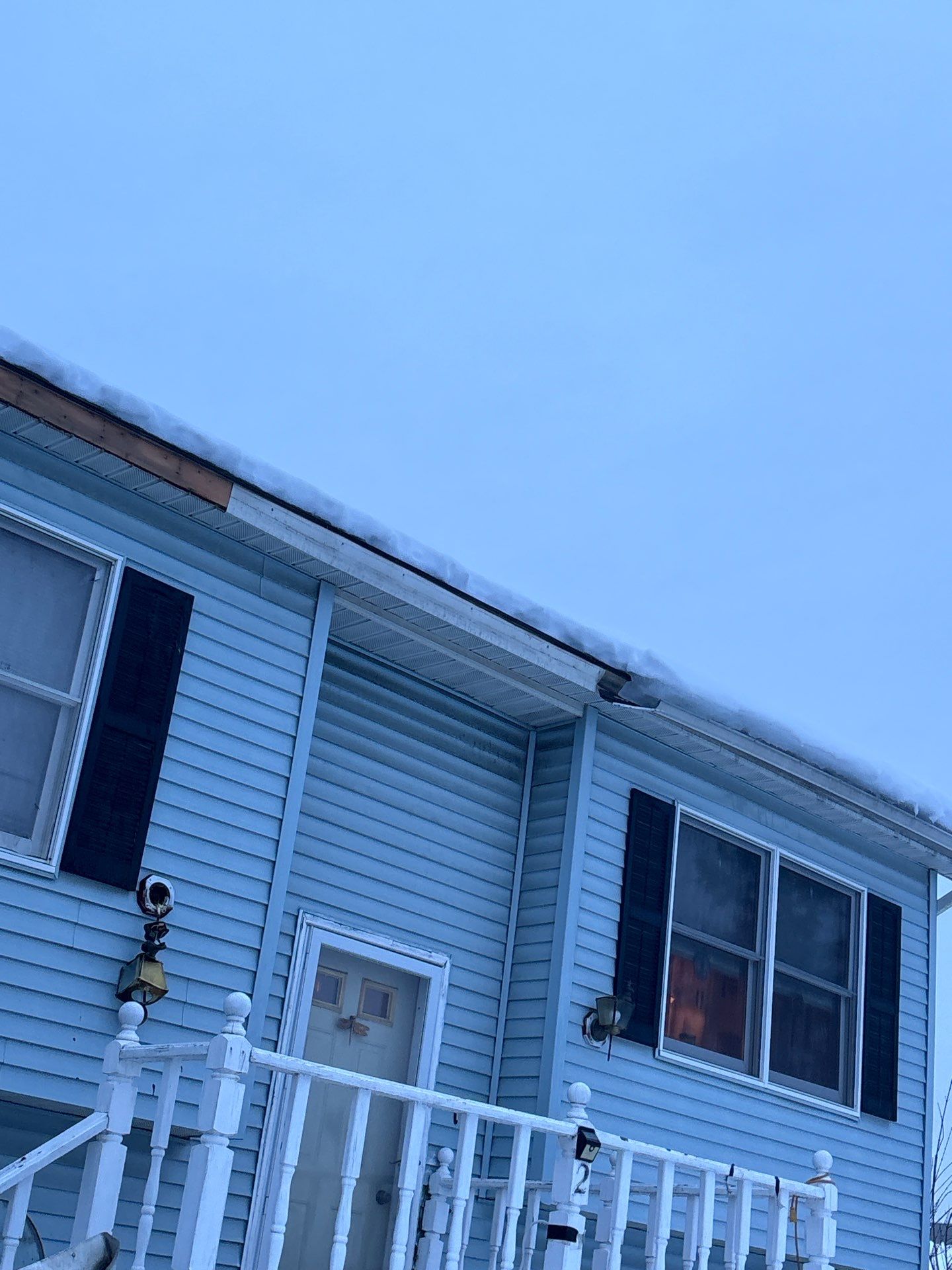
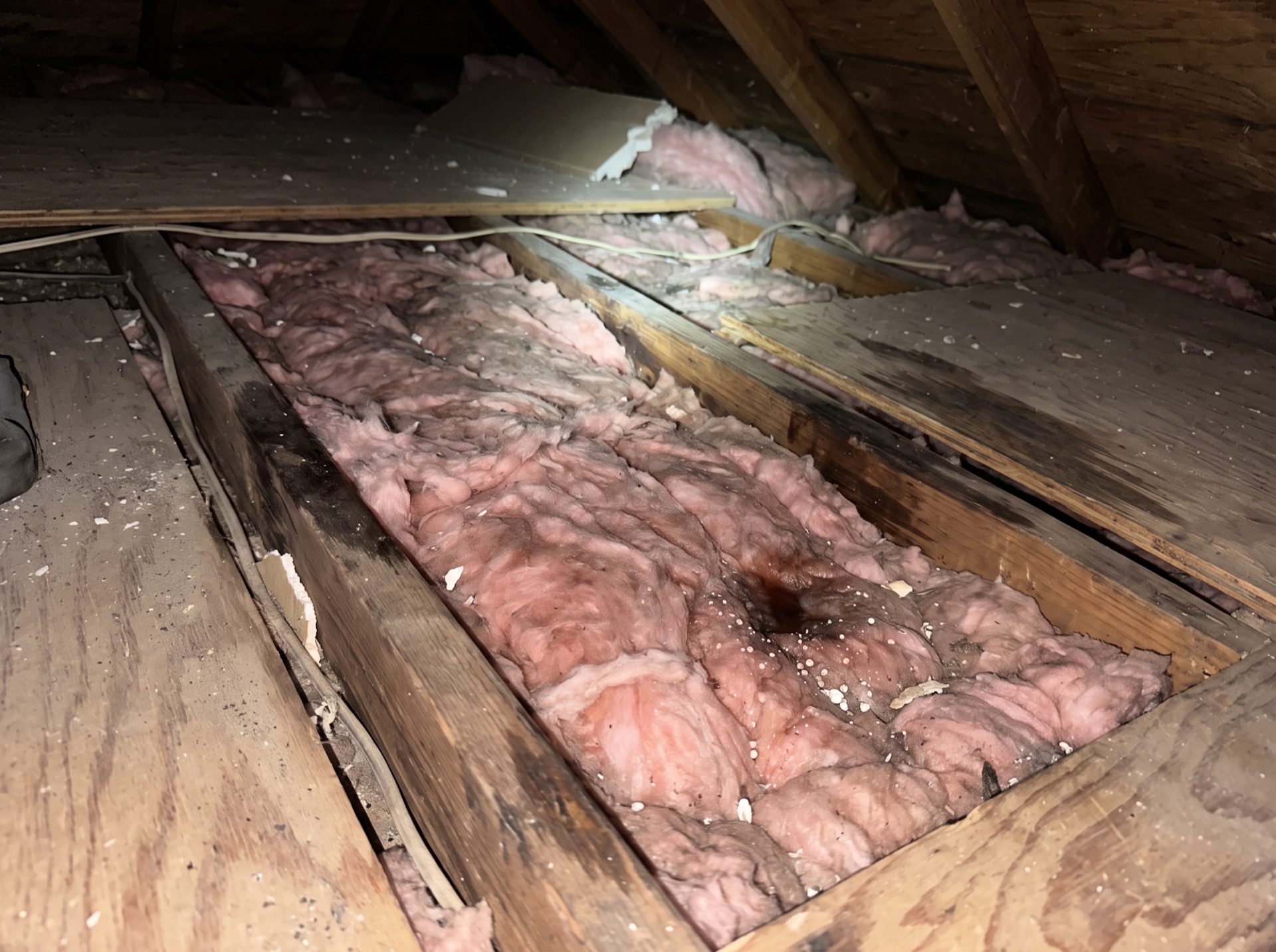
A claim turns on proving sudden, accidental water intrusion rather than a maintenance failure the homeowner let develop. In practice that means dated photographs of the dam, the entry points and the interior damage, taken while the event is live — not reconstructed in March from memory.
Crews photograph as they work for exactly this reason. Timestamped images of the ice before removal, the water path, the affected interior and the dried-out result form the spine of a claim that survives review.
What you get in New York City
- One claim for the whole eventRemoval, mitigation, mold, interior repair and roof on a single file
- Roof replacement scopedWhere the ice dam damaged shingles or decking, the roof goes on the same claim
- Direct billingCarriers billed directly wherever the policy allows it
| Interior repair | Insulation, drywall, texture, trim and paint, done in-house after drying |
|---|---|
| Method | Containment, HEPA filtration and drying to a measured IICRC standard |
| Documentation | Dated before and after photos, written scope in Xactimate line items |
| Local ice-barrier practice | Eave membrane standard on re-roofs |
| Billing | Xactimate line items on one claim; carrier billed directly where the policy allows |
| Coverage area | New York City and New York County |
| Primary climate stressor | Nor'easters, rapid thaw-freeze swing |
New York County Coverage From New York City
Crews working New York City cover the adjoining communities on the same route — New York, Long Island City, Brooklyn, Sunnyside and Astoria — so a storm week usually means one truck handling several addresses in New York County rather than separate trips.
Nearest hub towns with their own insurance claims pages: Mount Vernon, Yonkers, New Rochelle, Valley Stream, Long Beach, Hempstead.
Coverage runs across New York City and the nearby towns all winter, and capacity is surged into whichever New York market the storm actually hits.
Most jobs do not stop at one service. Insurance Claims in New York City often runs alongside water mitigation & dryout in New York City, and both get written into one scope rather than billed as separate visits.
Active leak right now? Our 24/7 New York City steam ice dam removal crews are dispatched first during a freeze event. Call (888) 561-9664.