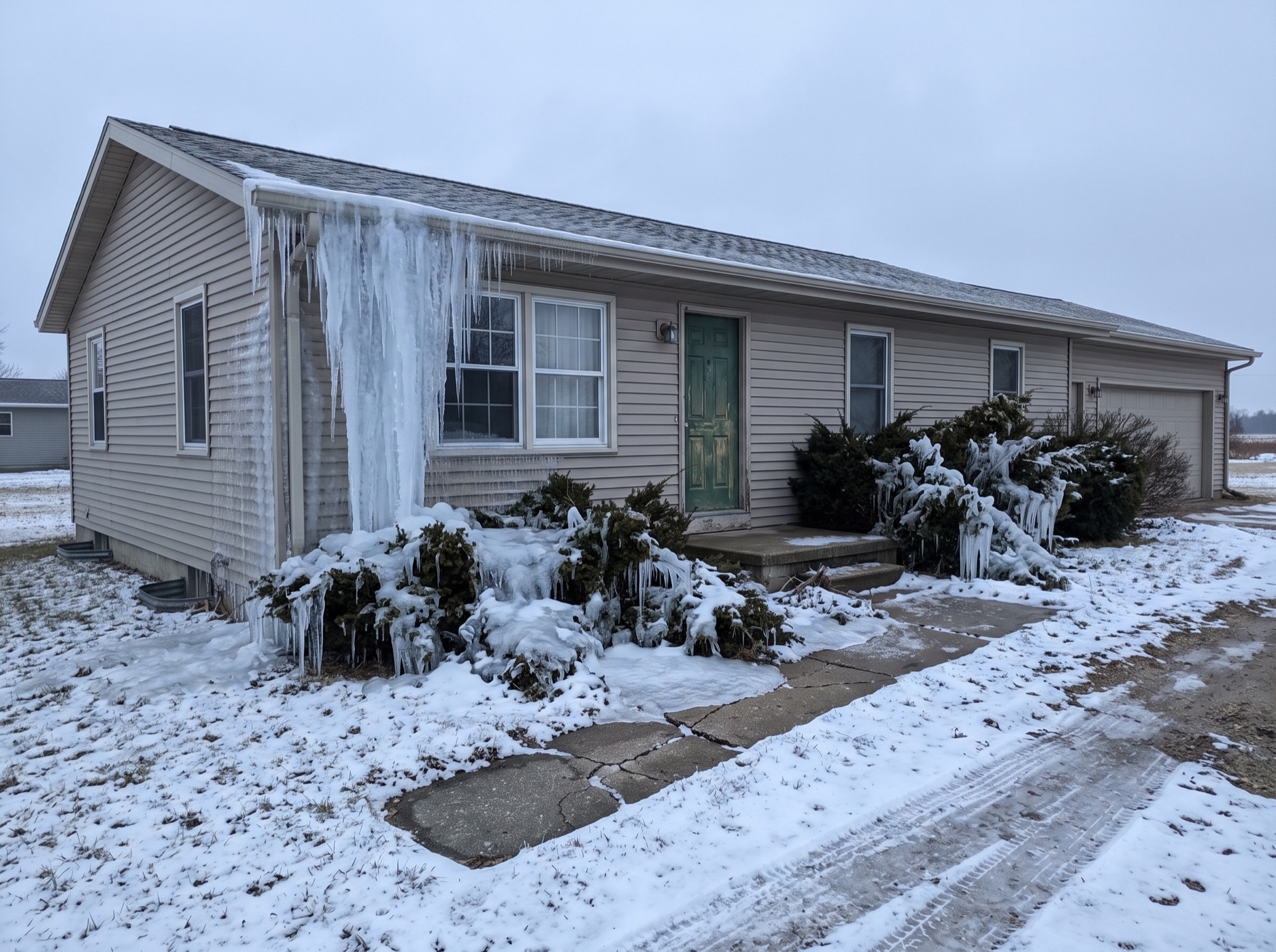
Winter in Hoboken does not need a record storm to put water inside a house. It needs a roof with snow on it, an attic leaking heat, and one cold night. As part of our complete Hoboken winter roof services, crews handle water mitigation & dryout across Hudson County.
Why a Hoboken Roof Dams Between Storms
The maritime air is the other half of it. Temperatures in Hudson County move either side of freezing within the same day far more often than they do inland, and every crossing moves water down the roof and locks it at the eave.

Then there is the architecture. Hoboken has a great deal of older housing with shallow eave returns, knee-wall attics and rooms built out over porches, all of which put heated air against cold deck with very little between.
Ice-barrier practice in Hudson County
Historic district review in parts of Hudson County adds a step on materials and sometimes on color, which is worth knowing before a re-roof is scheduled rather than after the permit is refused.
Water Mitigation & Dryout in Hoboken: How The Work Runs
Finding the water that left no stain
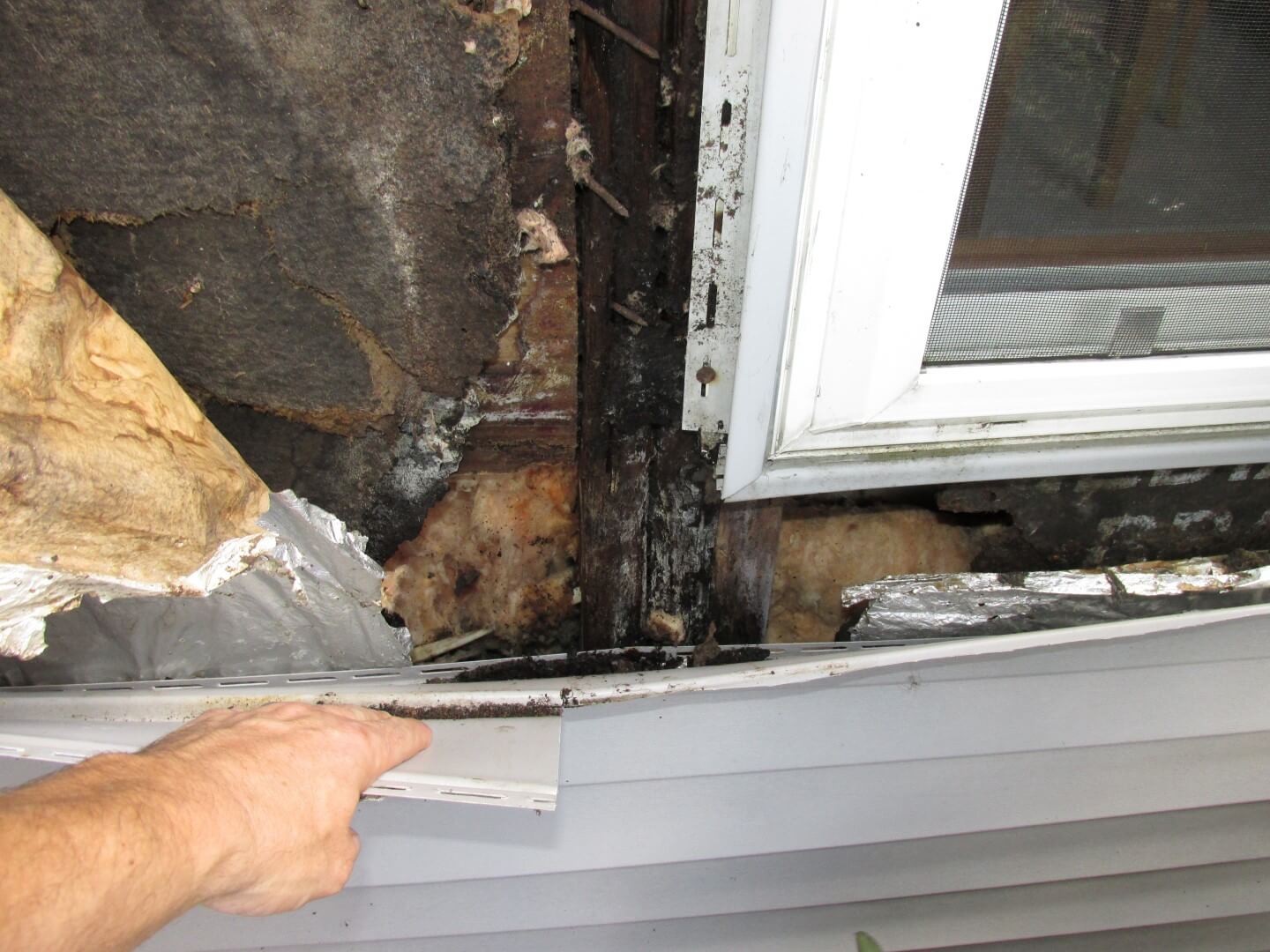
The visible mark on a ceiling is the smallest part of the problem. Water tracks along top plates, runs down stud bays, and spreads across a ceiling plane well past where it finally shows. Wet Insulation in the Attic.
Thermal imaging and pin meters find it. On a job in Hoboken the mapped wet area is routinely several times the size of the stain, and drying the stain alone leaves the rest to go moldy quietly.
Dry does not mean dry
A ceiling stain stops spreading long before the cavity behind it is dry. Wet cellulose and fiberglass hold water against the framing for weeks, and in a cold attic the evaporation that would normally handle it simply does not happen. That is how a January leak becomes a spring mold problem.
Mitigation means getting the structure back to a documented dry standard — not back to looking fine. Moisture meter readings on framing, sheathing and drywall are what close the job, not appearance.
Why a cold attic will not dry itself
Drying is evaporation, and evaporation needs warmth and air movement. A Hoboken attic in February has neither. Wet insulation and damp sheathing sit at near-freezing with no meaningful vapor drive, which is why a leak that stops in January can still be wet in March.
Equipment supplies what the season does not. Without it the structure is not drying slowly - in a cold cavity it is very largely not drying at all.
Clean water does not stay clean
Meltwater off a roof starts as category one - essentially clean. It does not stay that way. Passing through old insulation, wall cavities, dust and whatever has accumulated in a ceiling plane for forty years degrades it, and standing more than a day or two degrades it again.
That classification drives what can be dried in place and what has to be removed, and it is the reason a leak dealt with on day one is a smaller job than the identical leak dealt with on day five.
Why wet insulation comes out rather than dries
Saturated cellulose and fiberglass hold water against framing and sheathing for weeks, and in a cold attic there is no air movement to carry it off. It also stops insulating, which warms the deck and feeds the next dam.
So it comes out. On an attic in Hoboken that is usually the single biggest step toward the structure actually drying.

What you get in Hoboken
- Extraction firstStanding water out before anything else starts
- Documented to standardDaily moisture readings until the structure meets IICRC S500 dry standard
- Hidden water mappedThermal imaging and pin meters find what left no stain
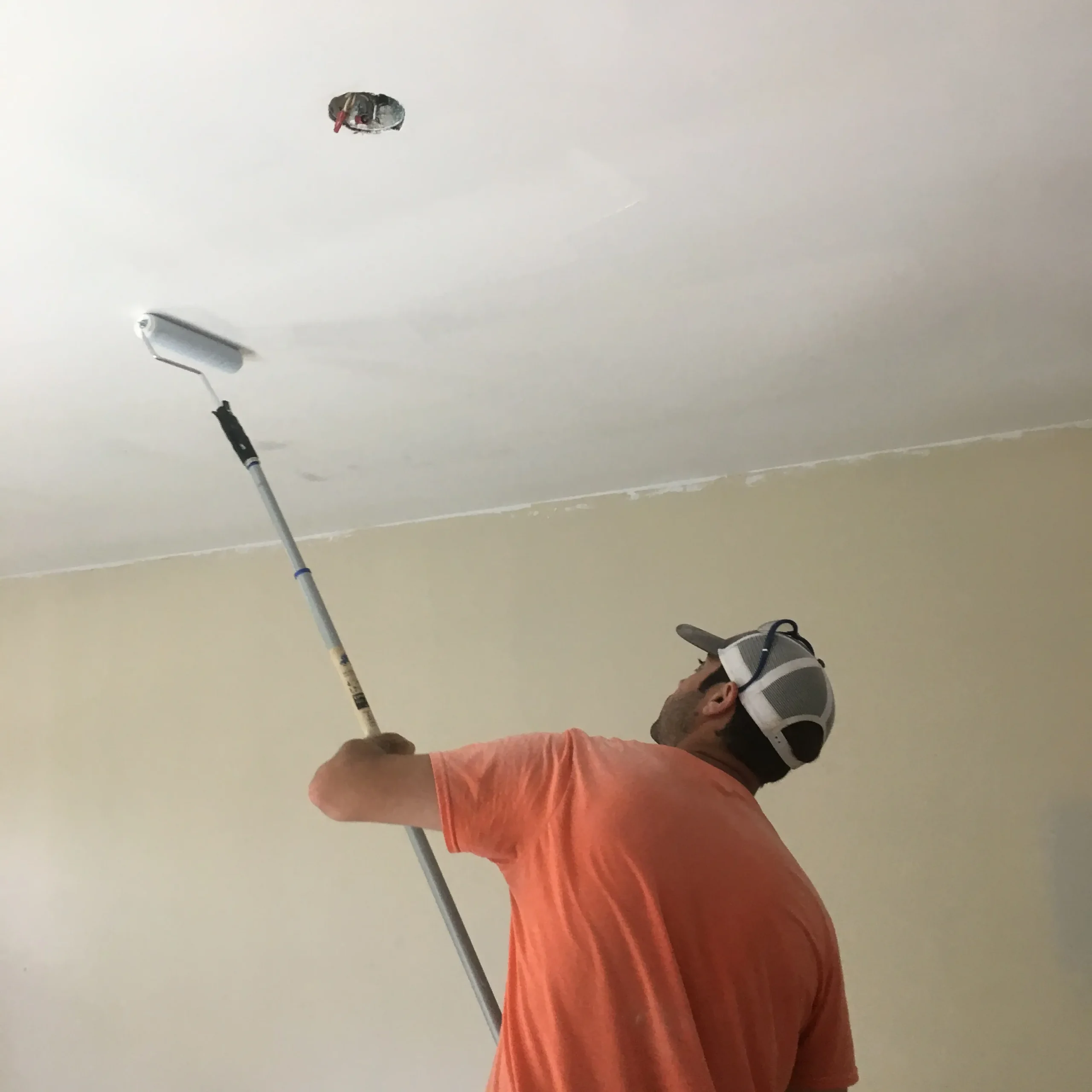
| Interior repair | Insulation, drywall, texture, trim and paint, done in-house after drying |
|---|---|
| Local ice-barrier practice | Eave membrane standard on re-roofs |
| Dispatch window | Same day to 24 hours |
| Coverage area | Hoboken and Hudson County |
| Billing | Xactimate line items on one claim; carrier billed directly where the policy allows |
| Primary climate stressor | Nor'easters, rapid thaw-freeze swing |
| Documentation | Dated before and after photos, written scope in Xactimate line items |
Where We Dispatch Around Hoboken
Crews working Hoboken cover the adjoining communities on the same route — Weehawken, West New York, Secaucus, Fairview and Cliffside Park — so a storm week usually means one truck handling several addresses in Hudson County rather than separate trips.
Nearest hub towns with their own water mitigation pages: Jersey City, North Bergen, Kearny, Bayonne, Newark, Fort Lee.
Coverage runs across Hoboken and the nearby towns all winter, and capacity is surged into whichever New Jersey market the storm actually hits.
Most jobs do not stop at one service. Water Mitigation in Hoboken often runs alongside ice dam removal in Hoboken, and both get written into one scope rather than billed as separate visits.
Active leak right now? Our 24/7 Hoboken steam ice dam removal crews are dispatched first during a freeze event. Call (888) 561-9664.