



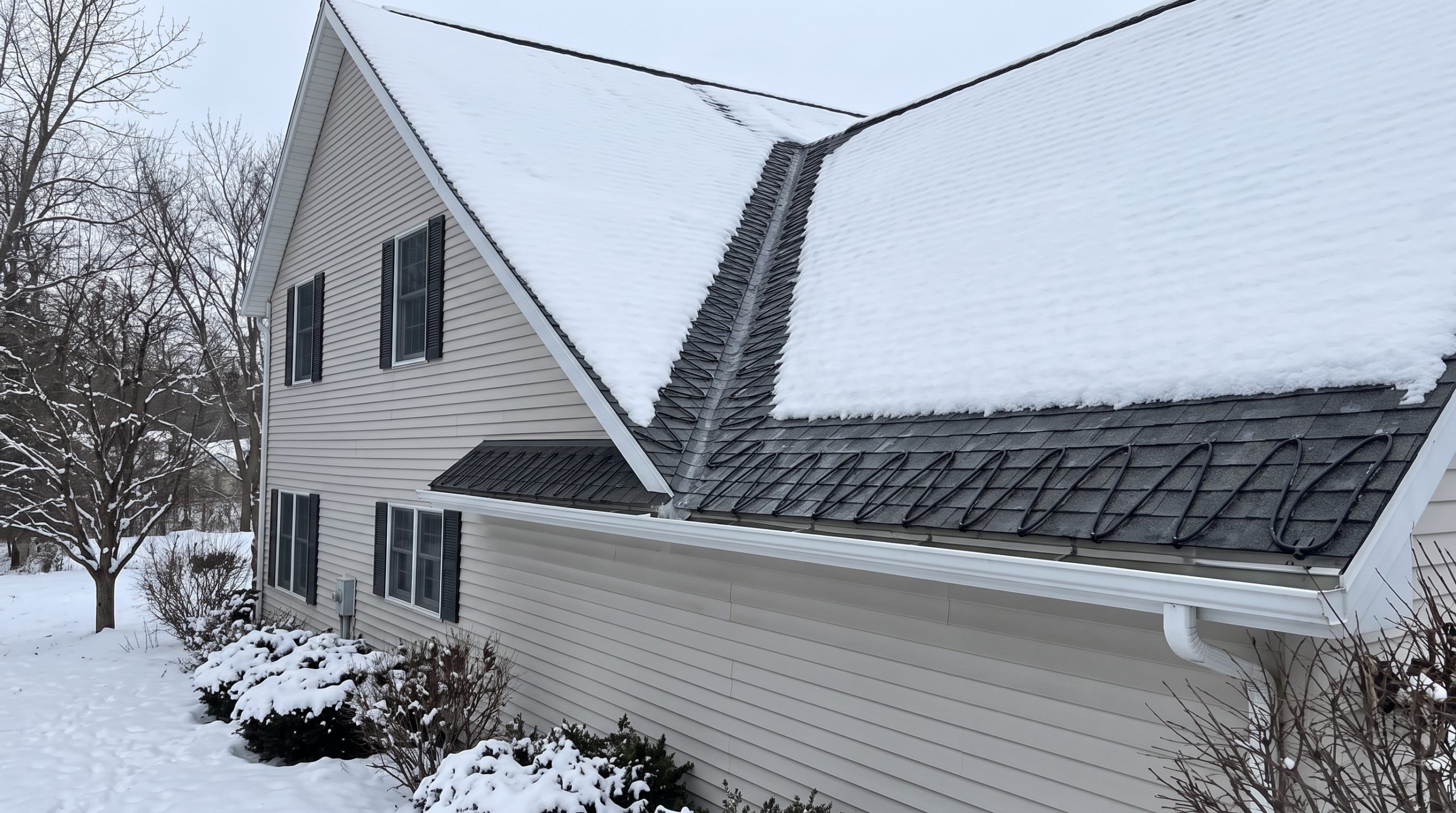
Why a Fort Lee Roof Dams Between Storms
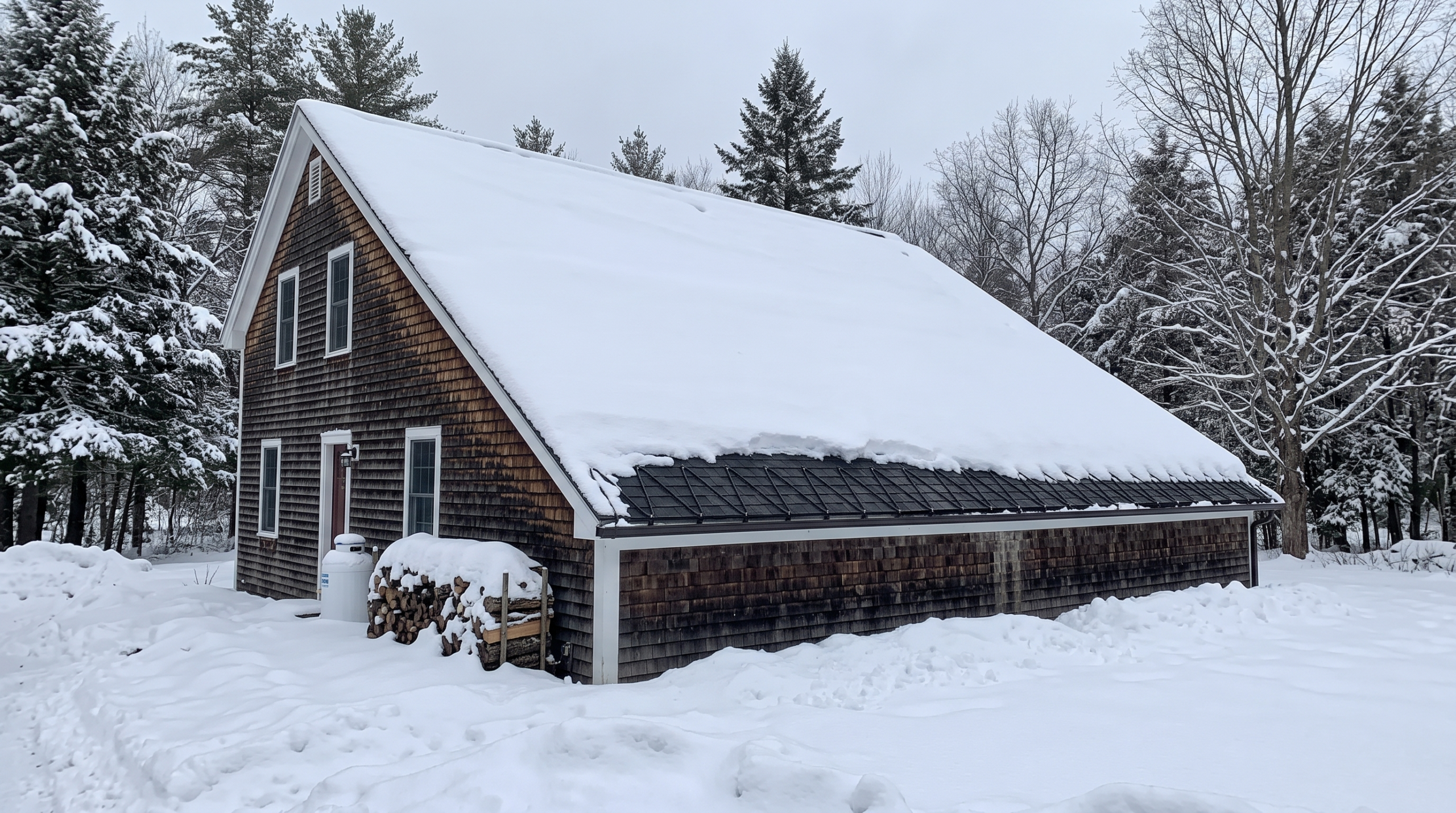
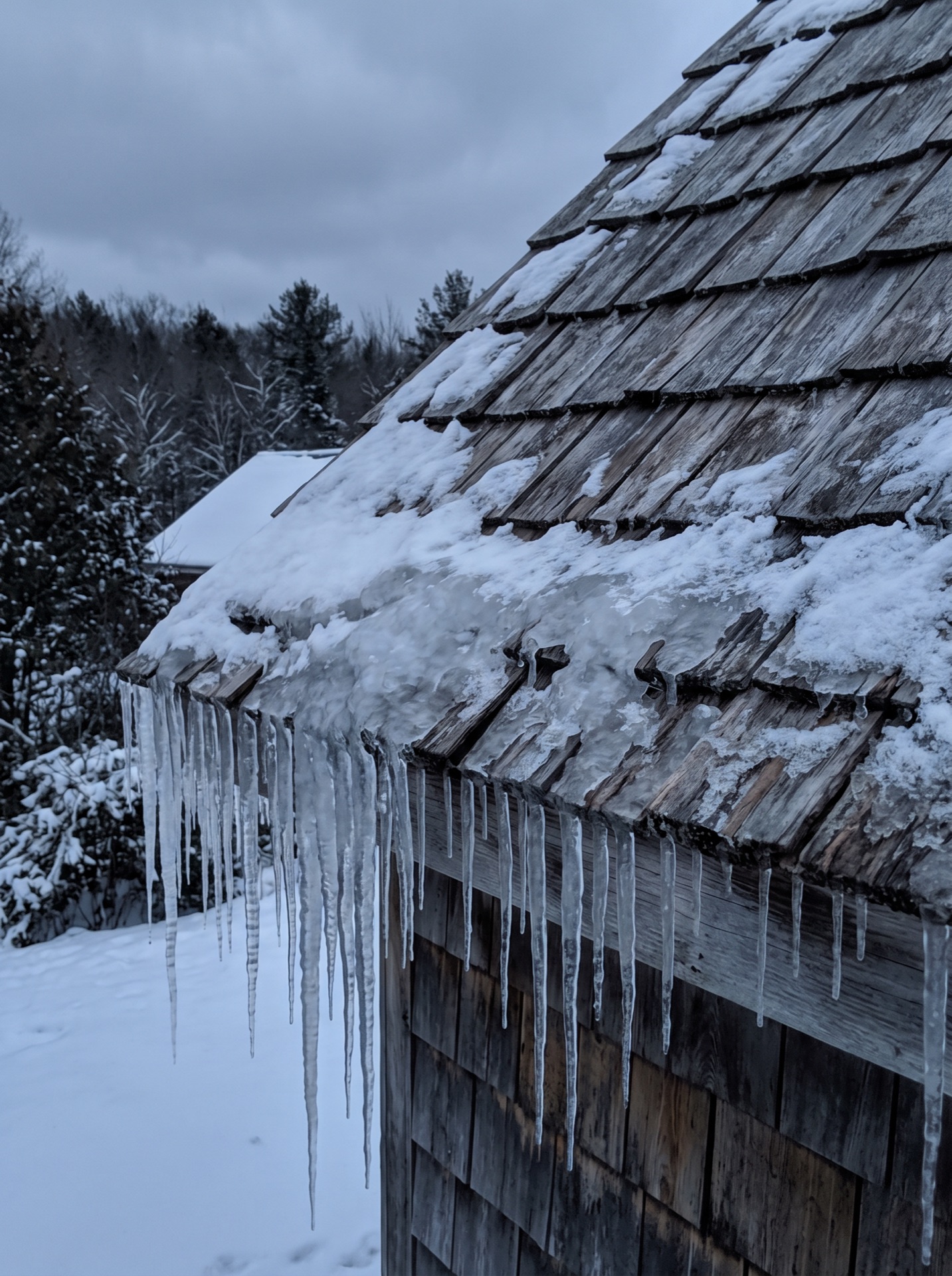
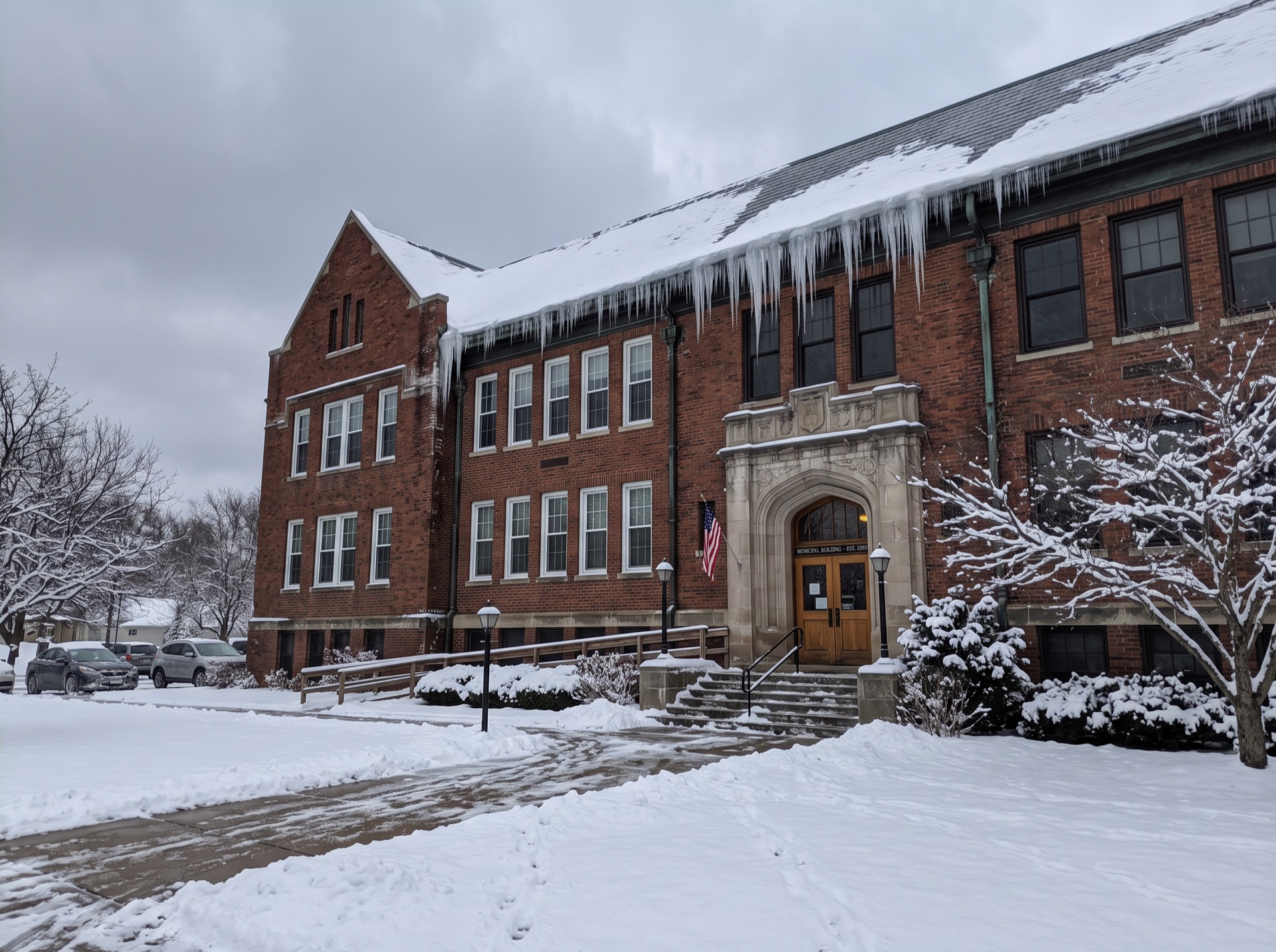
A nor'easter can load a roof in Fort Lee with heavy, wet snow overnight. Coastal air then swings the temperature either side of freezing for days, which is the exact condition that builds ice fastest.

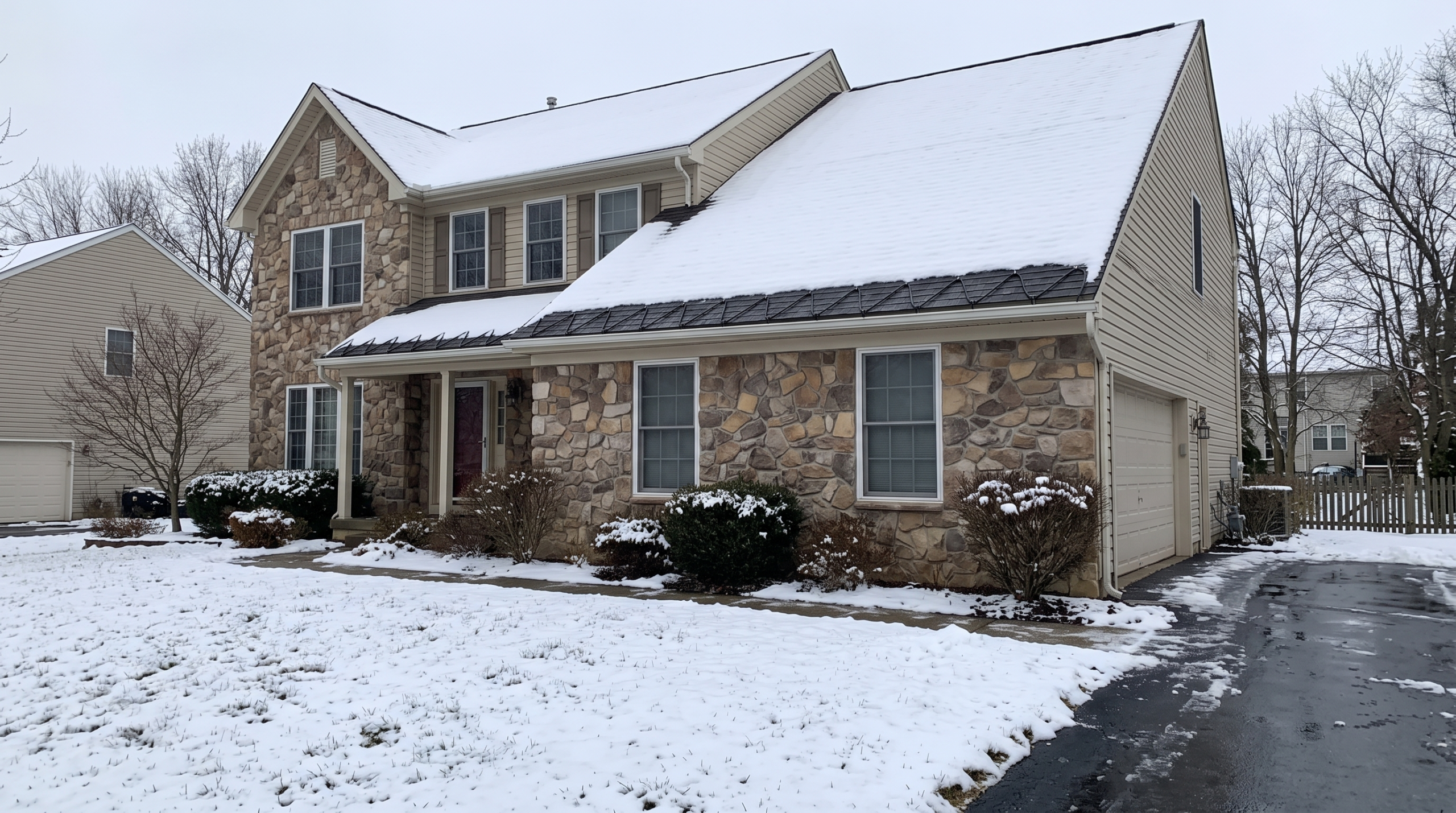
Then there is the architecture. Fort Lee has a great deal of older housing with shallow eave returns, knee-wall attics and rooms built out over porches, all of which put heated air against cold deck with very little between.
Ice-barrier practice in Bergen County
In most coastal New Jersey towns the eave membrane requirement extends past the interior wall line rather than stopping at the first course. On a roof in Fort Lee with a deep overhang, that is further up than it sounds.
The Fort Lee Dispatch Process, Step by Step
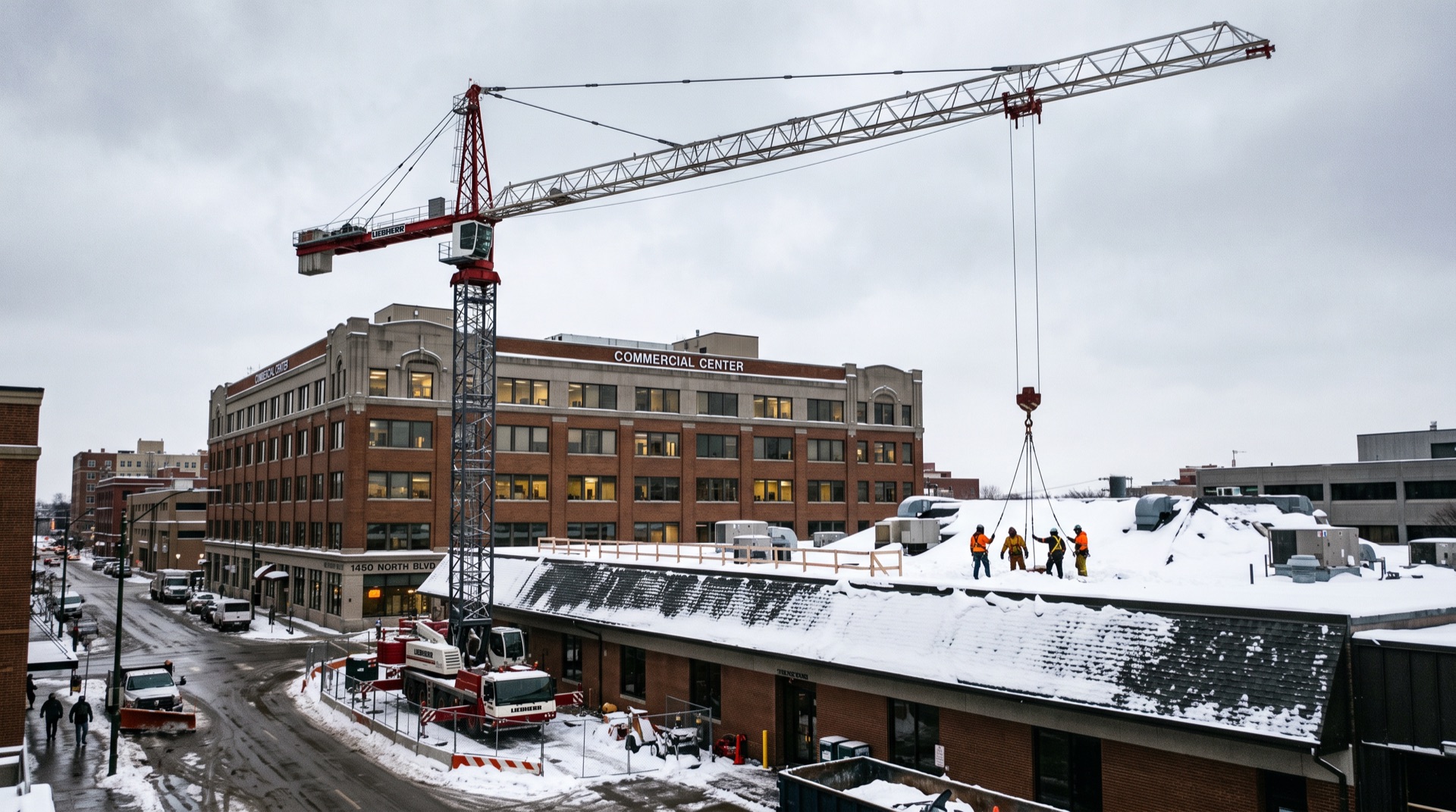
Nothing gets touched until the roof has been walked and photographed. The crew finds every dam, locates where water is getting in, shows you, and gives you the crew-hour rate and a time estimate before the equipment comes off the truck.
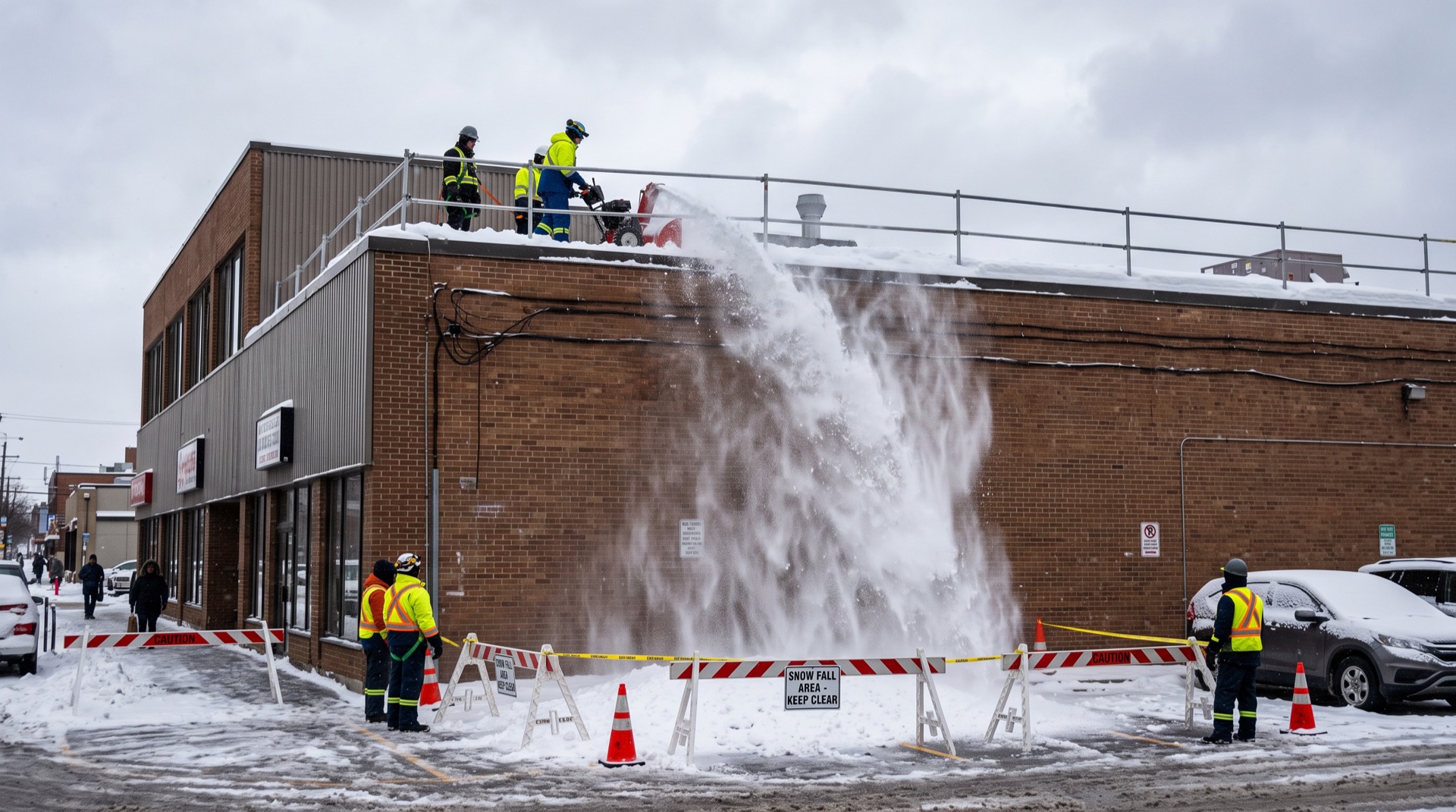
Removal then works from the worst point outward, so water starts draining early rather than at the end. Gutters and downspouts frozen solid get steamed through in the same visit — leaving them means the eave dams again within days.
What happens after the ice is off
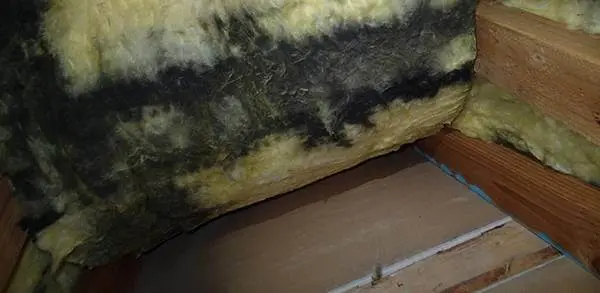
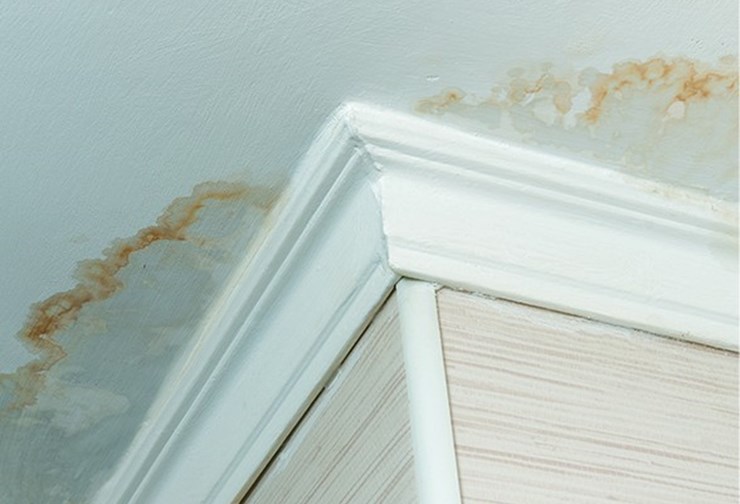
Once the eave is clear and water is draining, the crew walks the interior with you where there is visible damage and says plainly whether it needs drying. Wet insulation and a damp ceiling cavity do not resolve themselves in a cold Fort Lee February.
If it does, that is a separate scope and it gets written separately — nobody is upsold a dryout on the strength of one damp patch.
Working at night and during an active storm
Freeze events do not keep office hours, and the worst leaks tend to announce themselves in the evening when the day's melt refreezes. Crews run lit, and a roof that is actively collecting snow is worked anyway, because waiting for better weather means the dam is bigger when somebody finally gets to it.
What does stop a crew is wind and lightning. Both are judgment calls made on site in Fort Lee, and a postponed start gets explained rather than dressed up.
Why the gutter has to be cleared in the same visit
A dam sitting above a gutter packed solid with ice is only half the problem. Clear the eave and leave the trough frozen, and the next day's meltwater has nowhere to run — it backs up onto the roof and the dam rebuilds from the bottom.
Crews steam the trough and the downspout through to daylight on the same visit. It adds time, which is why the hour estimate given on the phone accounts for it, and it is the difference between a fix and a repeat visit in Fort Lee the following week.
| Typical scope | Steam, 4-10 crew hours typical |
|---|---|
| Primary climate stressor | Nor'easters, rapid thaw-freeze swing |
| Dispatch window | Same day to 24 hours |
| Removal method | Low-pressure steam only. No chipping, salt or pressure washing. |
| Pricing model | Billed by the crew hour, rate quoted before dispatch |
| Local ice-barrier practice | Eave membrane standard on re-roofs |
| Service | Ice dam removal in Fort Lee, NJ |
Neighborhoods and Towns We Reach From Fort Lee
Crews working Fort Lee cover the adjoining communities on the same route — Leonia, Palisades Park, Edgewater, Ridgefield and Cliffside Park — so a storm week usually means one truck handling several addresses in Bergen County rather than separate trips.
Nearest hub towns with their own crew pages: North Bergen, Hackensack, Hoboken, Passaic, Paramus, Clifton.
Crews cover Fort Lee and the surrounding Bergen County towns through the whole season, and during a freeze event they run from first light until dark.
Water coming in right now in Fort Lee? Call (888) 561-9664. Active interior leaks go to the front of the schedule.