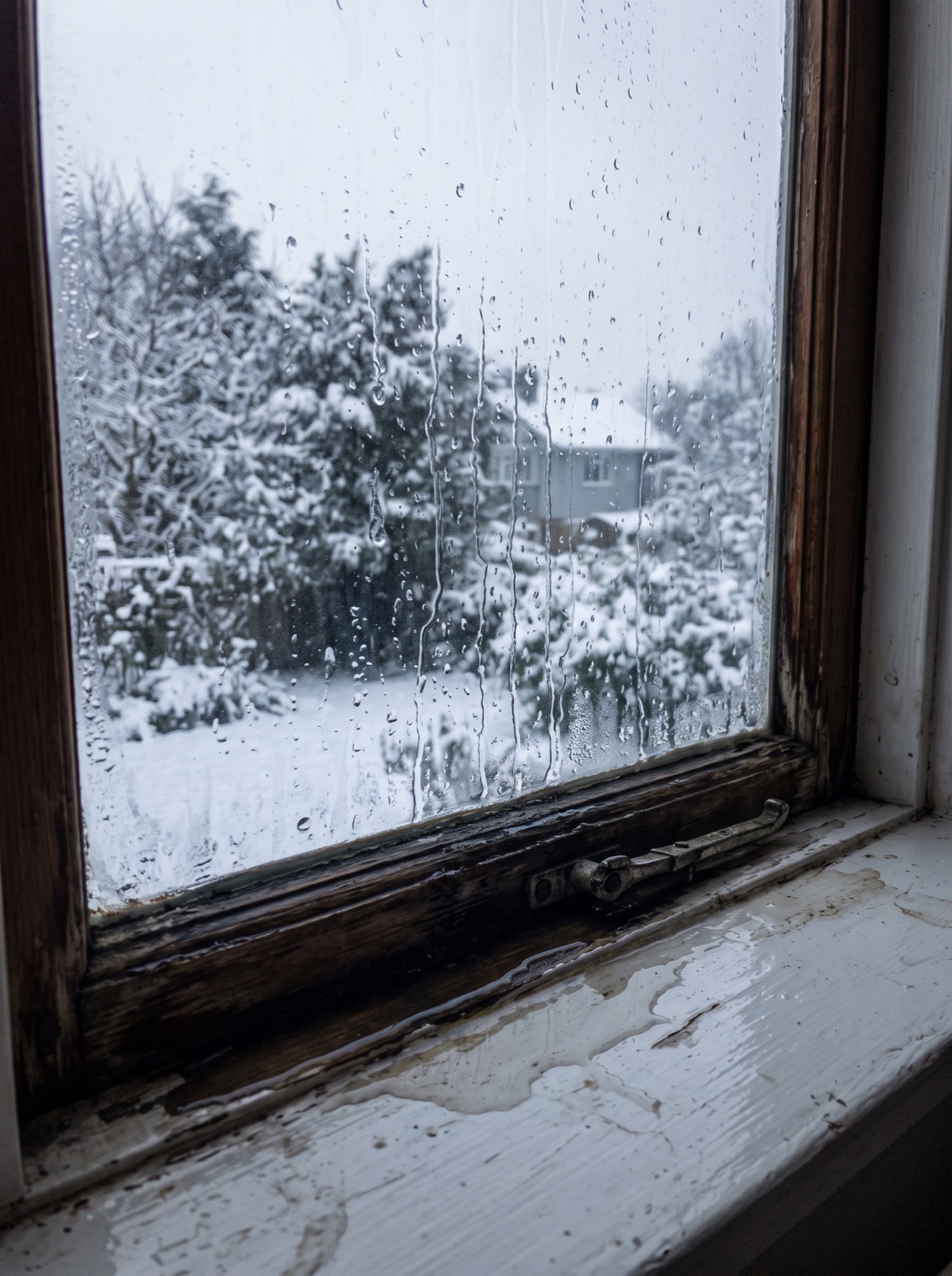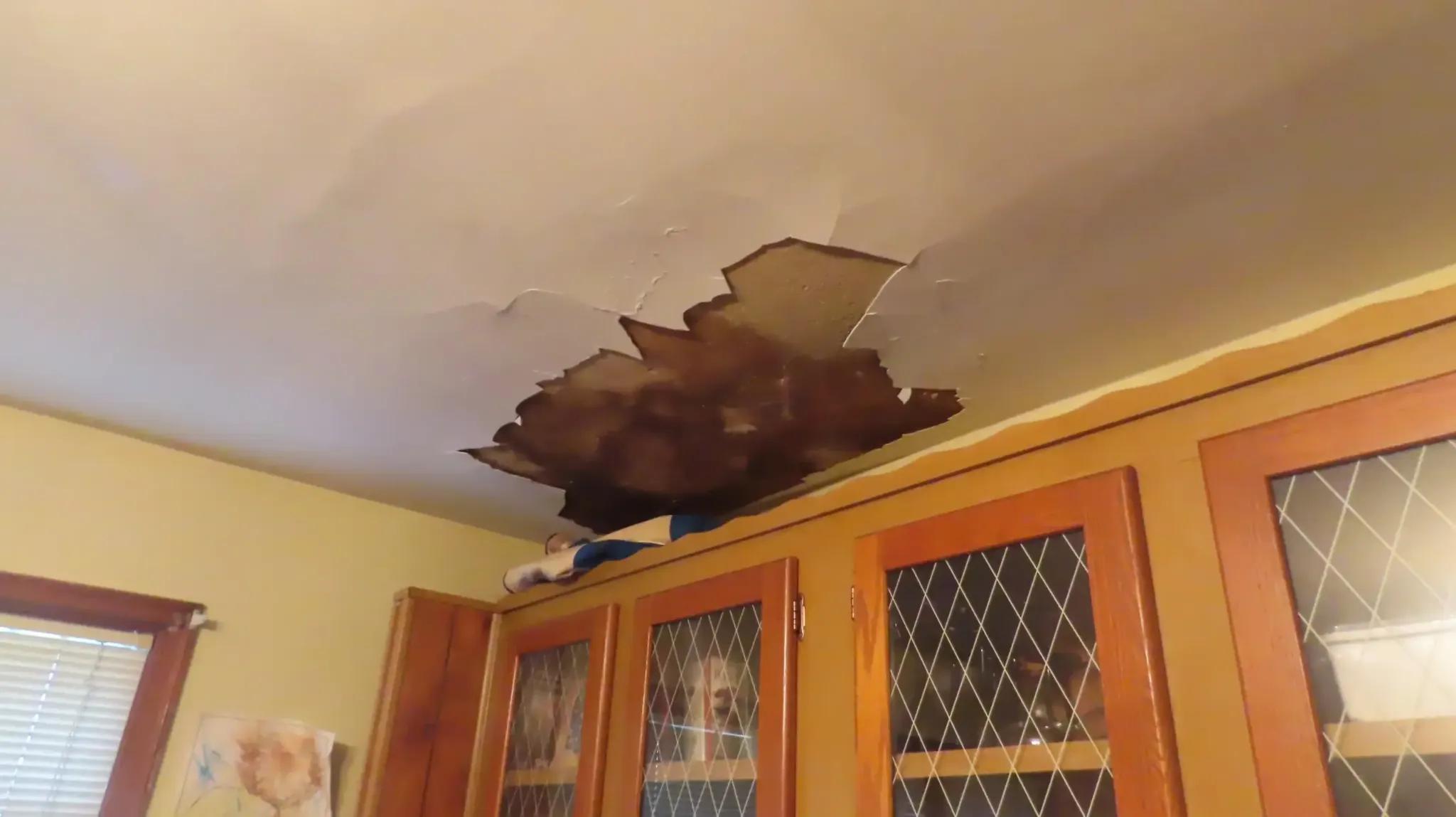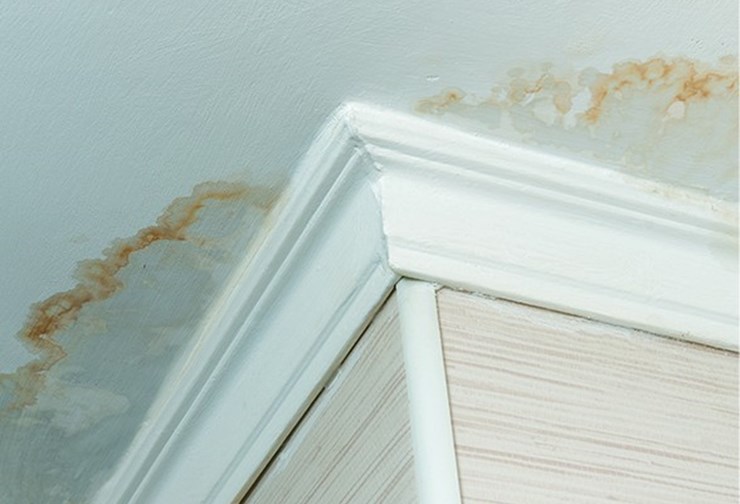
Every Fort Lee winter produces the same two calls: the ones who see the ice early, and the ones who see the ceiling stain first. As part of our complete Fort Lee winter roof services, crews handle ice dam insurance claims across Bergen County.
Why a Fort Lee Roof Dams Between Storms
A nor'easter can load a roof in Fort Lee with heavy, wet snow overnight. Coastal air then swings the temperature either side of freezing for days, which is the exact condition that builds ice fastest.

Then there is the architecture. Fort Lee has a great deal of older housing with shallow eave returns, knee-wall attics and rooms built out over porches, all of which put heated air against cold deck with very little between.
Ice-barrier practice in Bergen County
In most coastal New Jersey towns the eave membrane requirement extends past the interior wall line rather than stopping at the first course. On a roof in Fort Lee with a deep overhang, that is further up than it sounds.
Ice Dam Insurance Claims in Fort Lee: How The Work Runs
What a contractor cannot promise
Nobody outside your carrier decides your claim. A contractor who guarantees an outcome, offers to cover your deductible, or wants to handle the claim entirely on your behalf is describing something other than a mitigation service. Does Insurance Pay for Ice Dam Water Damage?.
The honest version is this: the evidence gets collected properly and presented properly, and that is the part that can be controlled.
Meeting the adjuster on site
A lot of disputes come down to the adjuster never having seen what was behind the drywall. Crews meet them at the Fort Lee property, walk the damage, and hand over the photo record and the readings.
Fifteen minutes on site is worth more than two weeks of emails, and it is free.
The roof on the same claim
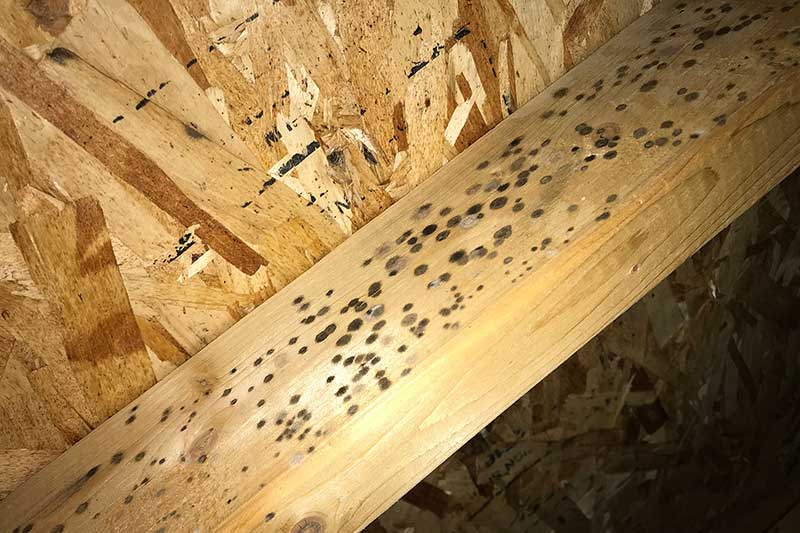
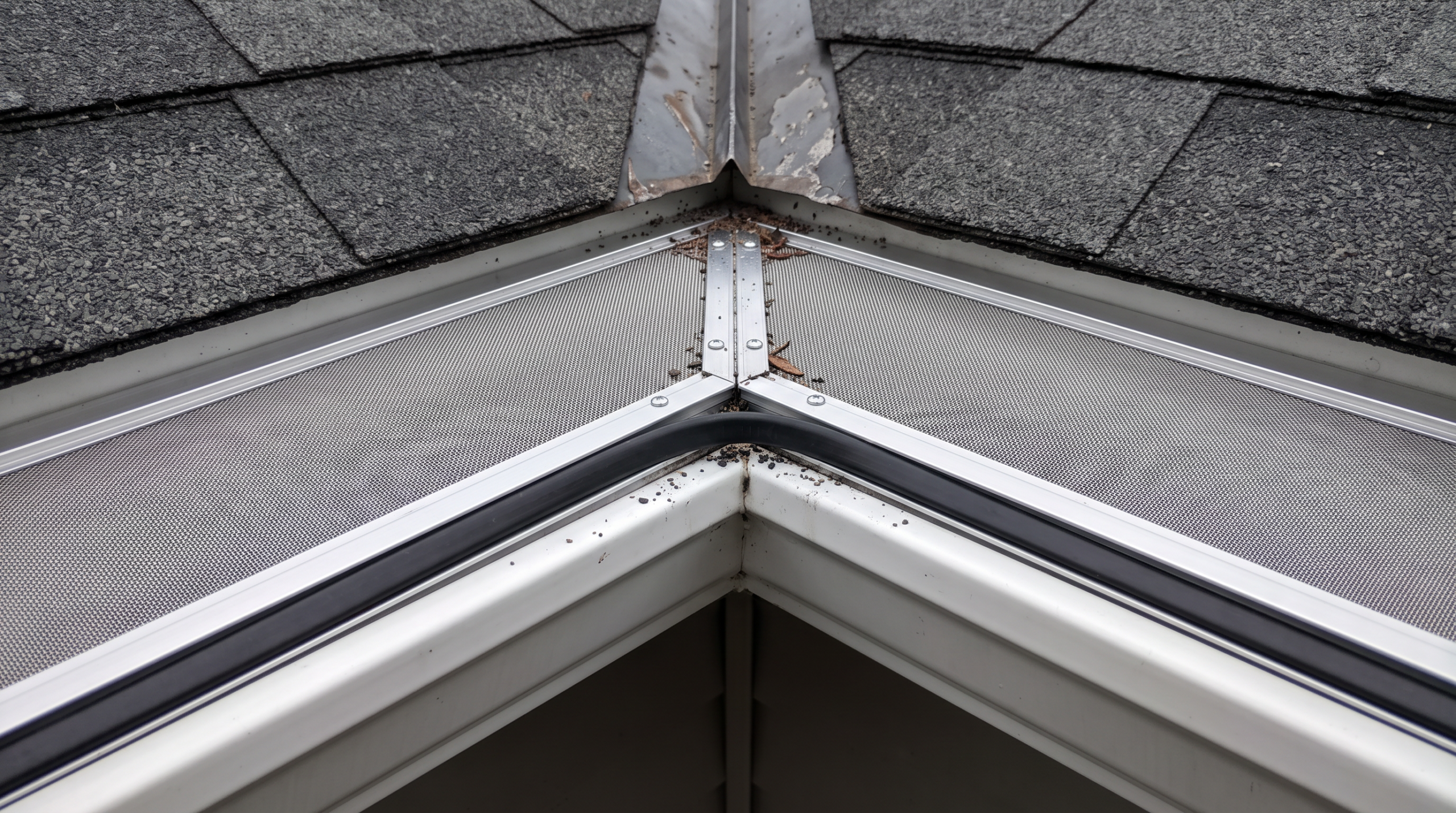
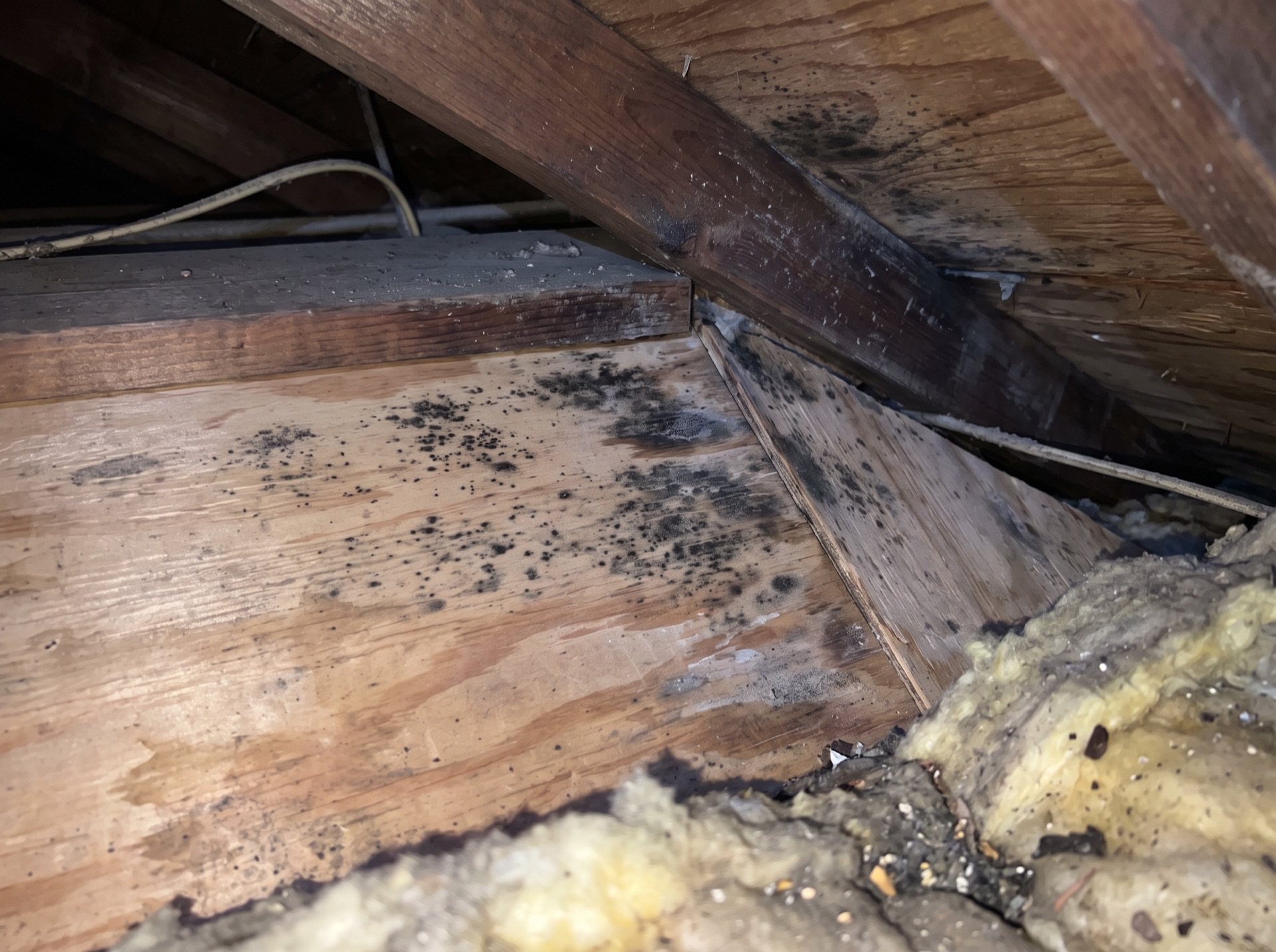
Ice dams can damage the roof itself: shingles lifted or cracked by ice, seal strips broken, underlayment and decking soaked and softened along the eave. Where that damage came from the storm event, it belongs on the same claim as the interior.
It does not cover a roof that was simply old. Photographs of the deck from the attic side, the shingles at the eave and the extent of the wet decking are what separate storm damage from wear.
Why the time stamp on the photographs matters
An adjuster arriving in April is looking at a dry ceiling and a clear roof, and is being asked to accept an account of something that happened in January. Dated photographs taken while the ice was on the roof and the water was running are what turn that account into evidence.
Crews photograph on arrival, during the work and on completion, with timestamps intact. It costs nothing at the time and it is routinely the difference between a paid claim and a contested one.
What a maintenance-exclusion denial actually argues
The carrier's position is that the dam built up gradually and could have been prevented, making it maintenance rather than a sudden accidental event. Put that way it is hard to argue with in the abstract.
It is much harder to sustain against dated photographs of a specific storm event, a written scope describing the intrusion, and moisture readings taken while the water was still there. That is the counter, and it has to be collected at the time.
What you get in Fort Lee
- Roof replacement scopedWhere the ice dam damaged shingles or decking, the roof goes on the same claim
- One claim for the whole eventRemoval, mitigation, mold, interior repair and roof on a single file
- Adjuster meetingsCrews meet the adjuster on site and walk the damage with them
| Interior repair | Insulation, drywall, texture, trim and paint, done in-house after drying |
|---|---|
| Local ice-barrier practice | Eave membrane standard on re-roofs |
| Coverage area | Fort Lee and Bergen County |
| Documentation | Dated before and after photos, written scope in Xactimate line items |
| Dispatch window | Same day to 24 hours |
| Method | Containment, HEPA filtration and drying to a measured IICRC standard |
| Primary climate stressor | Nor'easters, rapid thaw-freeze swing |
Neighborhoods and Towns We Reach From Fort Lee
Crews working Fort Lee cover the adjoining communities on the same route — Leonia, Palisades Park, Edgewater, Ridgefield and Cliffside Park — so a storm week usually means one truck handling several addresses in Bergen County rather than separate trips.
Nearest hub towns with their own insurance claims pages: North Bergen, Hackensack, Hoboken, Passaic, Paramus, Clifton.
During a cold snap Fort Lee gets worked alongside the neighboring Bergen County towns on the same route, with active interior leaks moved to the front of the list.
Most jobs do not stop at one service. Insurance Claims in Fort Lee often runs alongside water mitigation & dryout in Fort Lee, and both get written into one scope rather than billed as separate visits.
Active leak right now? Our 24/7 Fort Lee steam ice dam removal crews are dispatched first during a freeze event. Call (888) 561-9664.