Every Miles City winter produces the same two calls: the ones who see the ice early, and the ones who see the ceiling stain first. As part of our complete Miles City winter roof services, crews handle water mitigation & dryout across Custer County.
Miles City Ice Dams: Melting on Days It Never Thaws
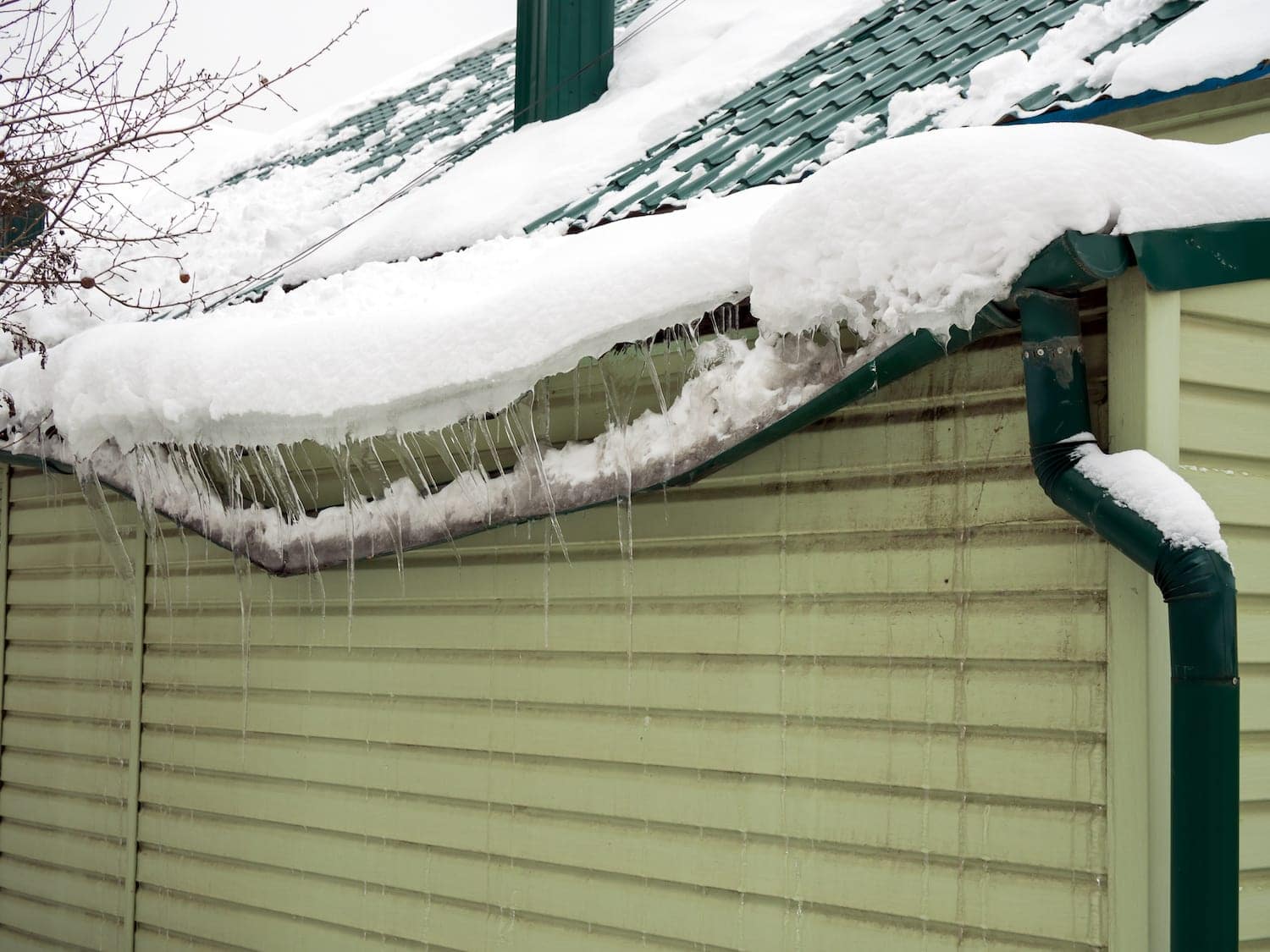
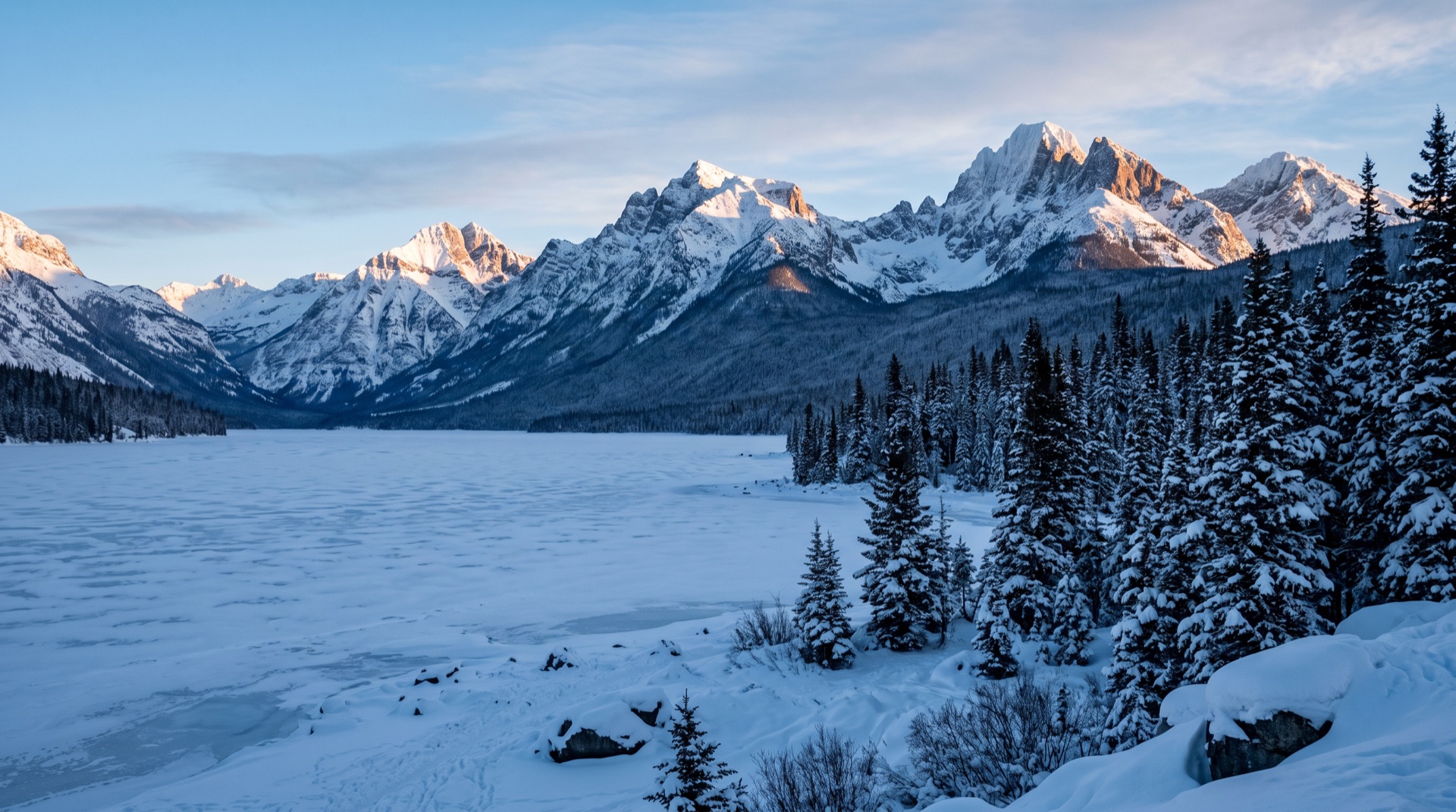
The pack at this elevation is deep enough to act as its own insulation, which means the surface melts under sun while the base stays locked. Water released at the top has to travel through and under all of it.

That is why mountain roofs dam up on clear, cold weeks that look harmless. South and west faces melt, north-facing eaves and shaded valleys hold the ice, and the pack above keeps feeding it.
Ice-barrier practice in Custer County
Design snow loads up here are among the highest in the country, and the membrane and retention details that come with them are not paperwork. On an older Miles City cabin neither is likely to be present.
Water Mitigation & Dryout in Miles City: How The Work Runs
Contents, storage and what moves out of the way
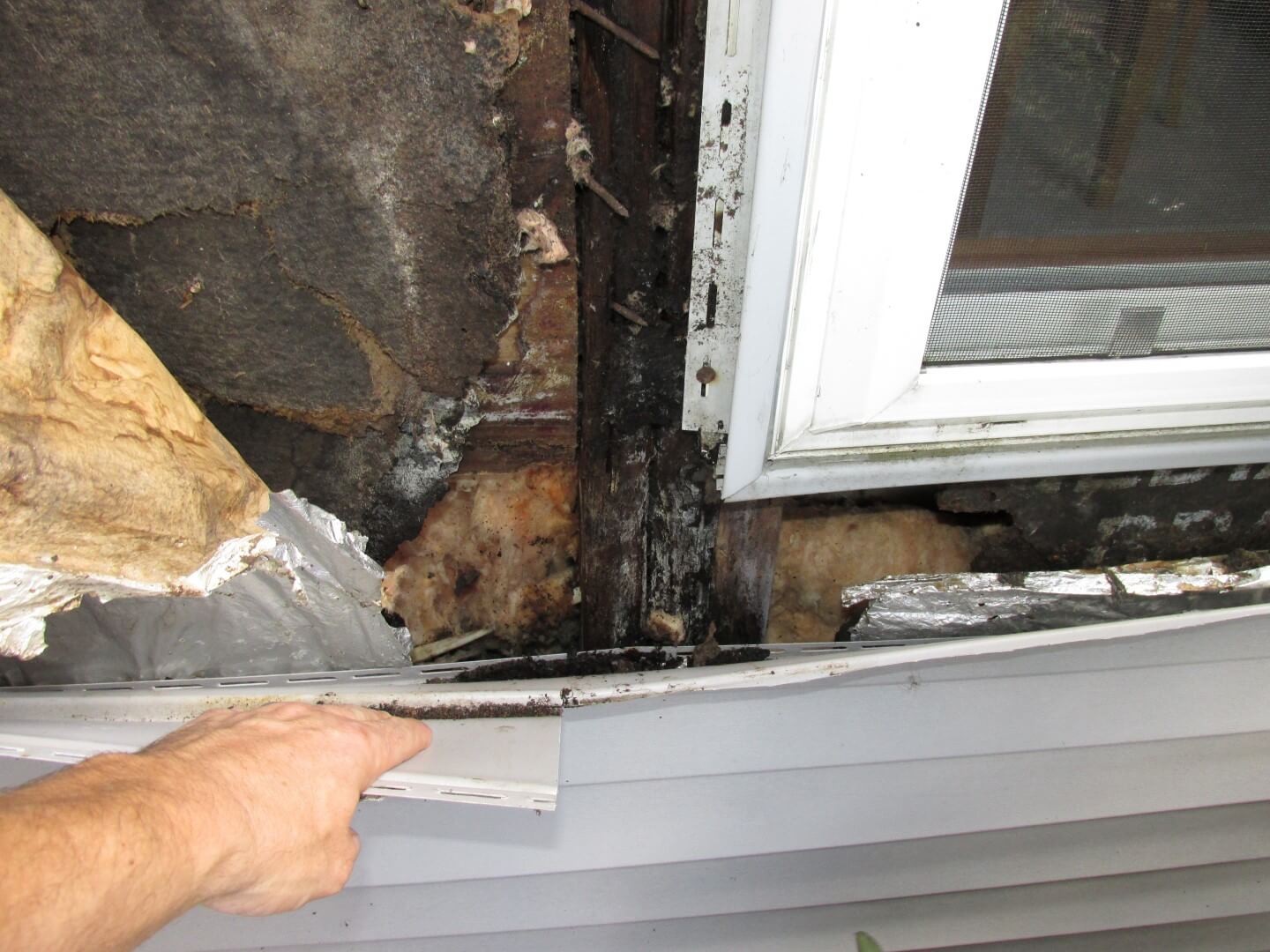
Mitigation needs the room. Furniture gets blocked up or moved, stored boxes come out of the affected area, and in a finished basement the contents usually have to leave entirely before tear-out starts. Wet Insulation in the Attic.
What is already wet gets photographed and listed as it is moved, because contents are a separate part of most policies and the list is considerably harder to assemble once everything has been shifted.
Why a cold attic will not dry itself
Drying is evaporation, and evaporation needs warmth and air movement. A Miles City attic in February has neither. Wet insulation and damp sheathing sit at near-freezing with no meaningful vapor drive, which is why a leak that stops in January can still be wet in March.
Equipment supplies what the season does not. Without it the structure is not drying slowly - in a cold cavity it is very largely not drying at all.
Why wet insulation comes out rather than dries
Saturated cellulose and fiberglass hold water against framing and sheathing for weeks, and in a cold attic there is no air movement to carry it off. It also stops insulating, which warms the deck and feeds the next dam.
So it comes out. On an attic in Miles City that is usually the single biggest step toward the structure actually drying.
Drying to a number, not to a look
Air movers and dehumidifiers get placed to the room's volume and the moisture load, not scattered around. Readings are taken daily on framing, sheathing and drywall until they hit the dry standard for that material.
In a Miles City winter, with cold cavities and dry outside air, that generally takes longer than people expect. The job closes on the readings, not on appearance.
Electrical safety where water reached fixtures
Water running into a ceiling light, a fan box or down inside a wall to a panel is an electrical matter before it is a drying matter. Affected circuits get killed before any equipment goes in.
That is standard on every Miles City job where water reached a fixture, and it is worth saying out loud because homeowners often reach for a wet fixture first.

What you get in Miles City
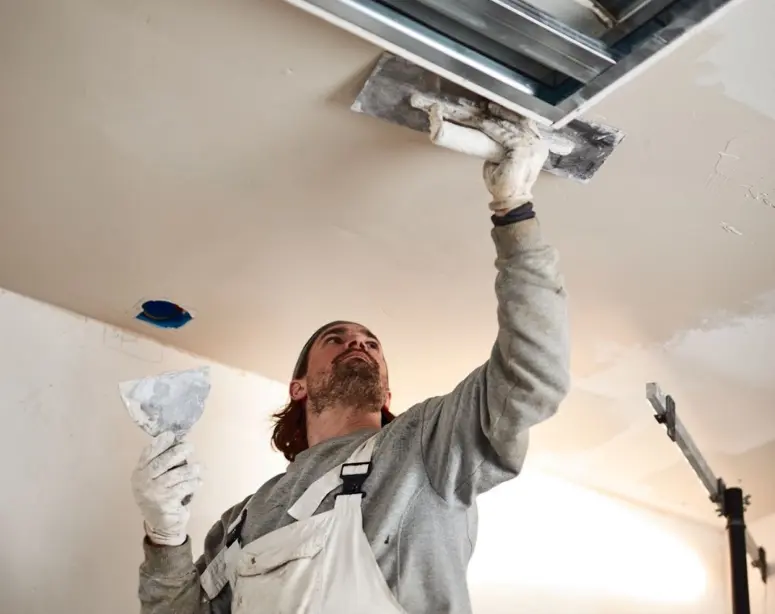
- Interior repair in-houseDrywall, insulation, texture, trim and paint put back by the same company
- Wet insulation removedIt cannot be dried in place and it holds water against the framing
- Documented to standardDaily moisture readings until the structure meets IICRC S500 dry standard
| Billing | Xactimate line items on one claim; carrier billed directly where the policy allows |
|---|---|
| Documentation | Dated before and after photos, written scope in Xactimate line items |
| Local ice-barrier practice | Extended membrane plus snow retention |
| Dispatch window | 24 to 48 hours in mountain terrain |
| Interior repair | Insulation, drywall, texture, trim and paint, done in-house after drying |
| Primary climate stressor | Solar melt on deep pack, shaded eaves |
| Coverage area | Miles City and Custer County |
Miles City Coverage and the Adjoining Communities
Crews working Miles City cover the adjoining communities on the same route — Kinsey — so a storm week usually means one truck handling several addresses in Custer County rather than separate trips.
Nearest hub towns with their own water mitigation pages: Billings, Livingston, Havre, Bozeman, Belgrade, Great Falls.
Scheduling for Miles City tightens up during a freeze event, which is exactly when the phone beats the form. Water coming in means a call, not an email.
Most jobs do not stop at one service. Water Mitigation in Miles City often runs alongside ice dam removal in Miles City, and both get written into one scope rather than billed as separate visits.
Active leak right now? Our 24/7 Miles City steam ice dam removal crews are dispatched first during a freeze event. Call (888) 561-9664.