




Billings Ice Dams: Melting on Days It Never Thaws
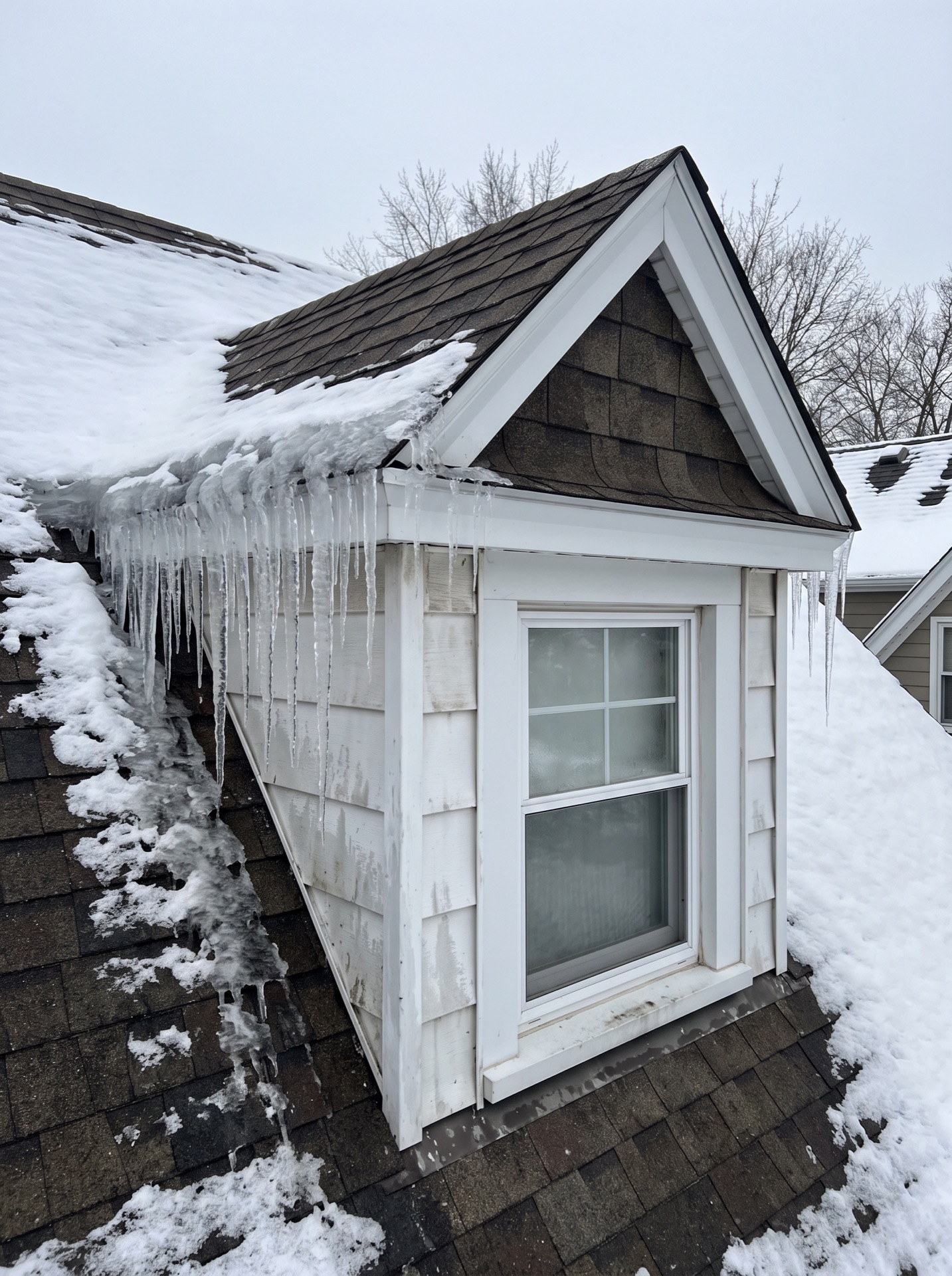
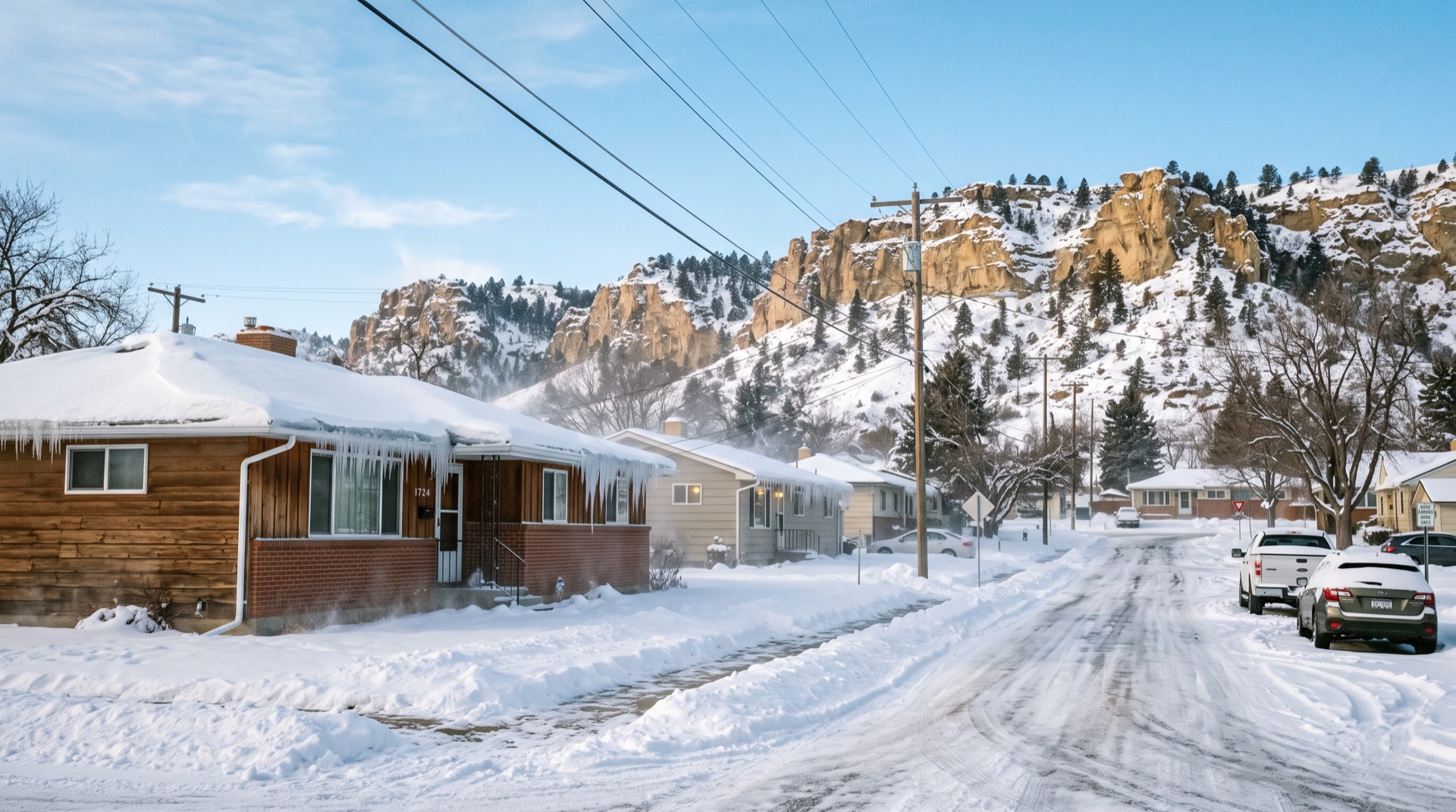
At Billings's elevation the air can stay below freezing all day while direct sun still melts the top of the snowpack. That meltwater runs down under the pack, reaches a shaded eave, and refreezes — on a day the thermometer never rose above freezing.

Depth makes it worse. A Yellowstone County roof can carry several feet of pack, and all of that is a reservoir sitting above an eave that never sees sun.
Ice-barrier practice in Yellowstone County
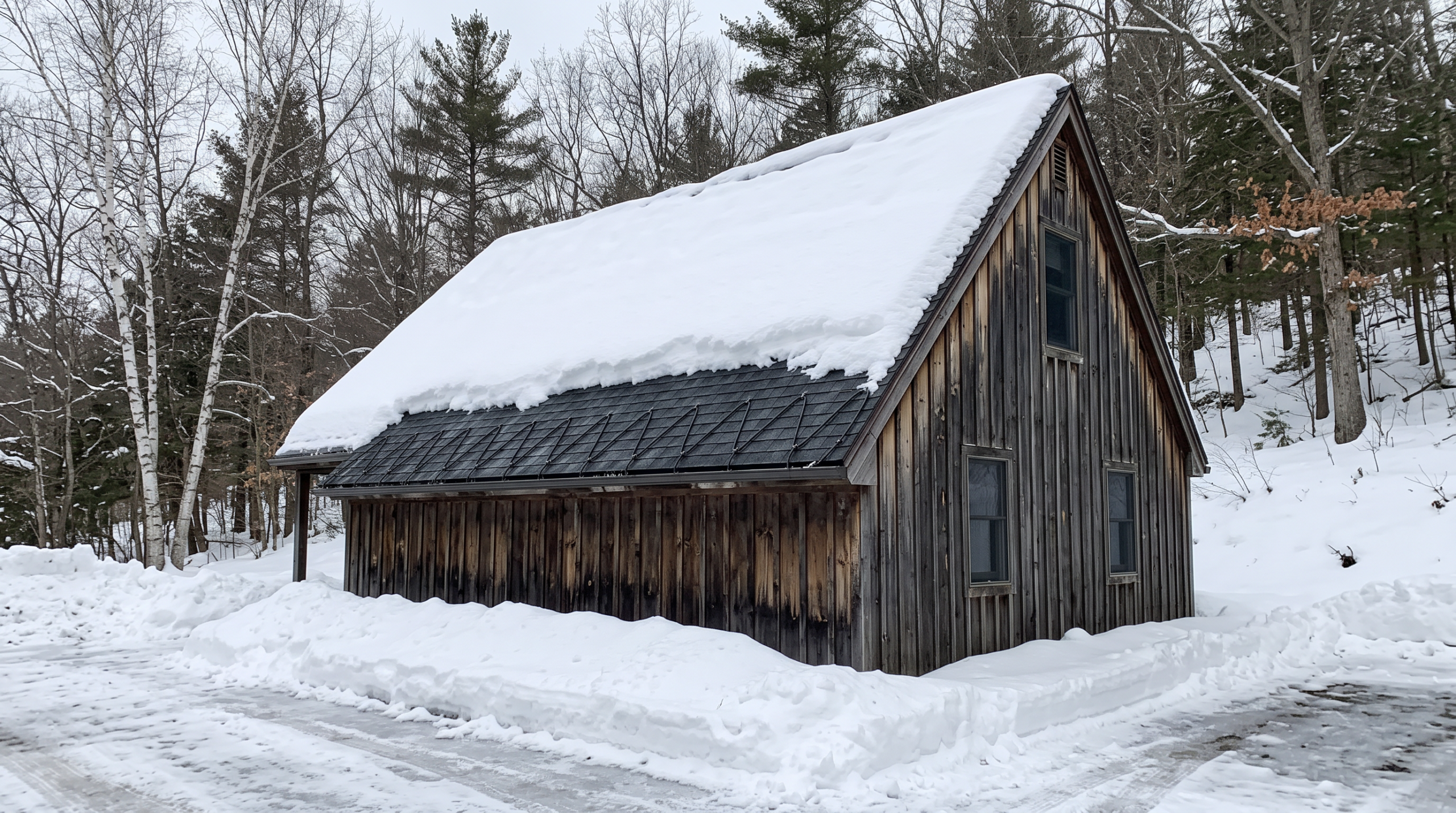
Design snow loads up here are among the highest in the country, and the membrane and retention details that come with them are not paperwork. On an older Billings cabin neither is likely to be present.
What a Crew Does on a Billings Roof
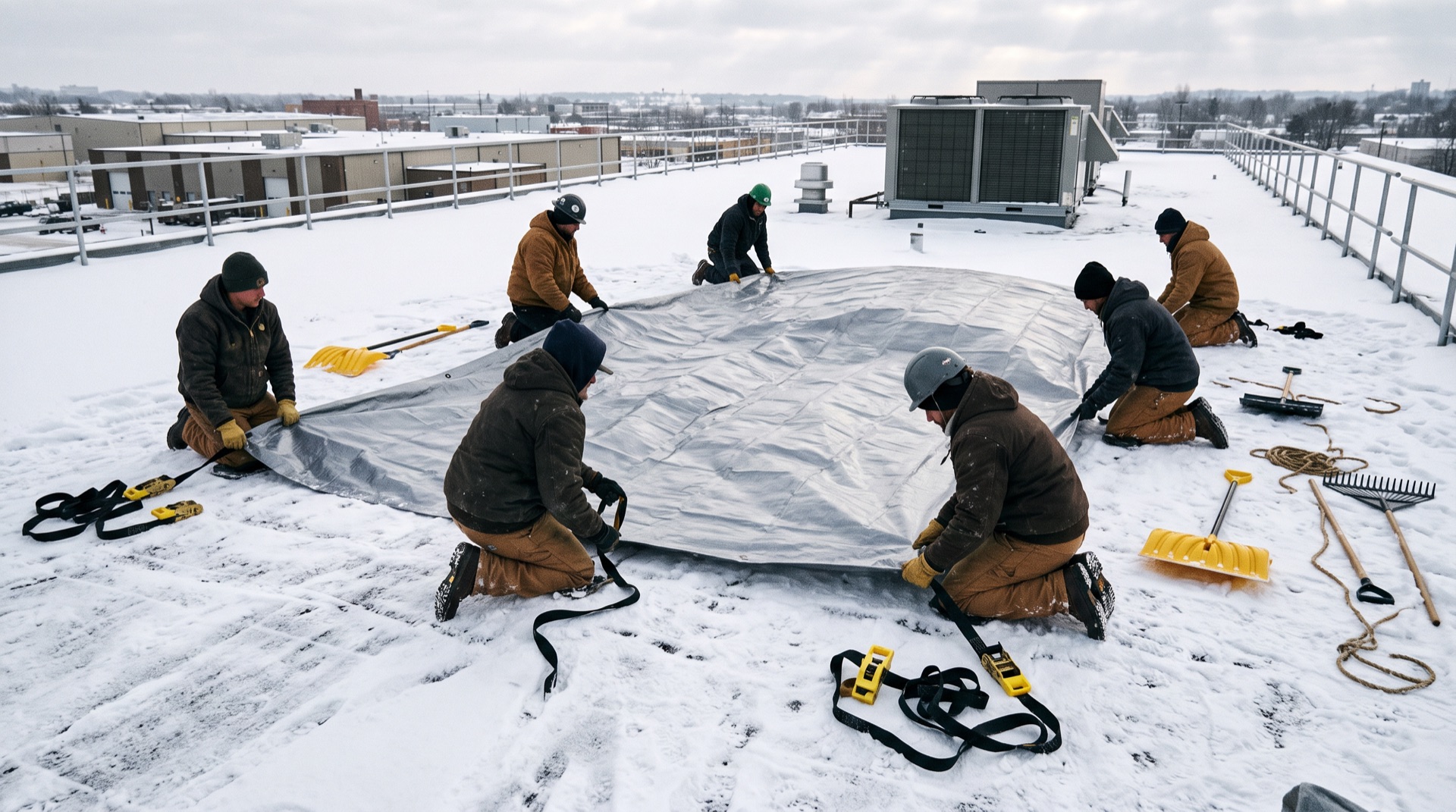
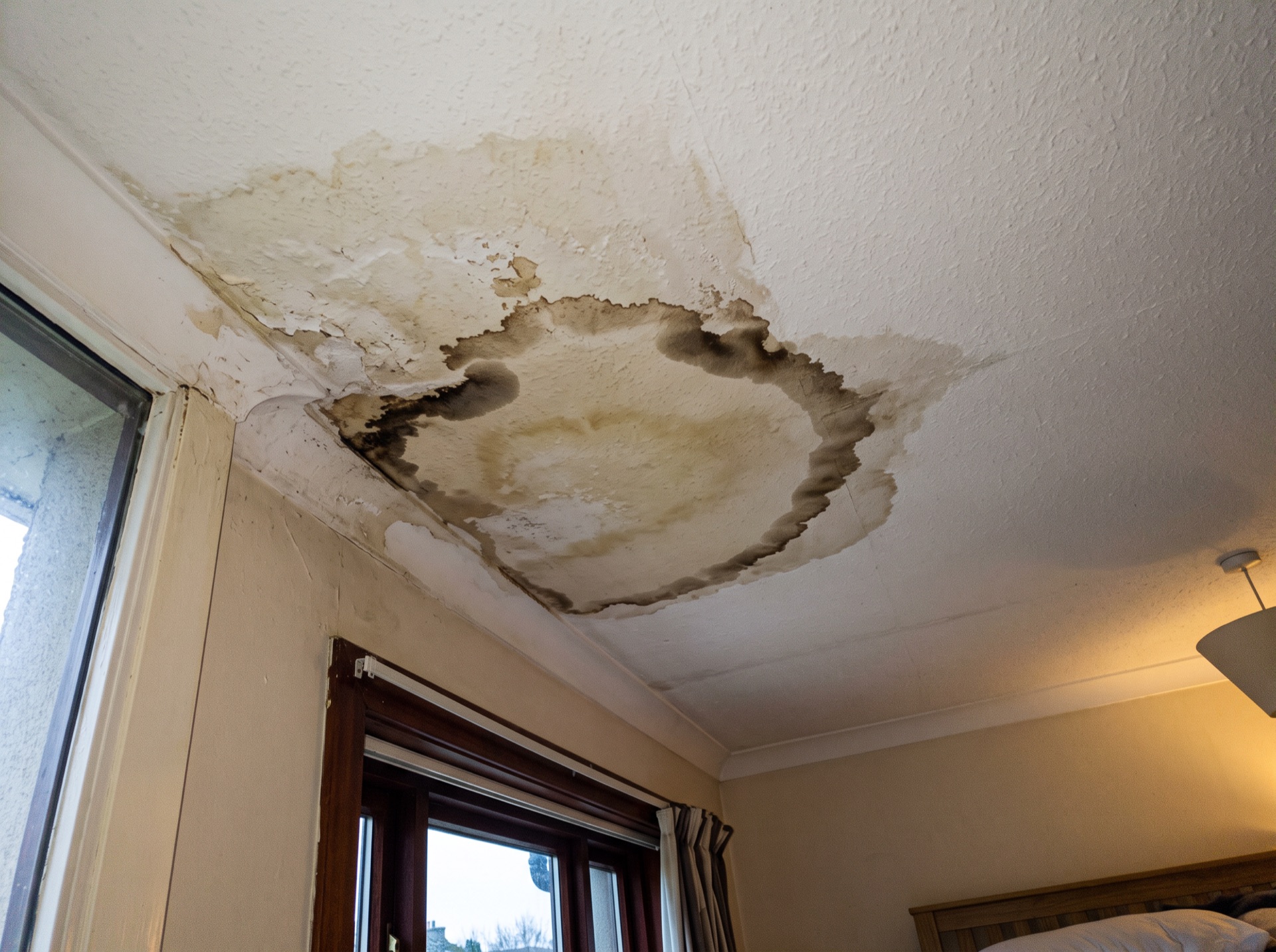
Crews walk the eaves, valleys and gutter line first and photograph every dam and every point where water is tracking inside, before touching anything. You get shown what they found and quoted the crew-hour rate before work starts.
Then the ice comes off with low-pressure steam, starting wherever water is actively backing up so drainage opens early. Frozen gutters and downspouts are cleared in the same visit, because a cleared eave above a solid block of ice in the gutter dams again on the next cold night.
What steam actually does
A steam unit delivers water at roughly 290°F at a pressure low enough to rest your hand in the plume. It cuts a channel straight through the ice and lifts the dam off in sections, right down to the shingle. The heat does the work, not force, so granules, seal strips and flashing come through untouched.
That is the whole difference between steam and the hot pressure washers often sold as steam. A pressure washer cuts ice fast because of its pressure — and that same pressure strips the granules off asphalt shingles and drives water up under the courses. One method removes ice. The other removes ice and roof.
What the crew does on arrival
Before anything is touched, the crew walks the eaves, valleys and gutter line and photographs every dam and every point where water is tracking inside. You get shown what they found. Then the dam comes off in sections, starting wherever water is actively backing up, so drainage opens early rather than at the end.
Downspouts and gutter troughs get cleared in the same visit where they are frozen, because a dam removed above a solid block of ice in the gutter just reforms in the next cold night.
Working at night and during an active storm
Freeze events do not keep office hours, and the worst leaks tend to announce themselves in the evening when the day's melt refreezes. Crews run lit, and a roof that is actively collecting snow is worked anyway, because waiting for better weather means the dam is bigger when somebody finally gets to it.
What does stop a crew is wind and lightning. Both are judgment calls made on site in Billings, and a postponed start gets explained rather than dressed up.
| Dispatch window | 24 to 48 hours in mountain terrain |
|---|---|
| Coverage area | Billings and Yellowstone County |
| Documentation | Dated before and after photos, written scope in Xactimate line items |
| Typical scope | Steam, 8-16 crew hours typical |
| Local ice-barrier practice | Extended membrane plus snow retention |
| Primary climate stressor | Solar melt on deep pack, shaded eaves |
| Pricing model | Billed by the crew hour, rate quoted before dispatch |
Yellowstone County Coverage From Billings
Crews working Billings cover the adjoining communities on the same route — Huntley — so a storm week usually means one truck handling several addresses in Yellowstone County rather than separate trips.
Nearest hub towns with their own crew pages: Livingston, Bozeman, Belgrade, Miles City, Big Sky, Great Falls.
Scheduling for Billings tightens up during a freeze event, which is exactly when the phone beats the form. Water coming in means a call, not an email.
If water is already inside a property in Billings, call (888) 561-9664 rather than filling in a form — the phone is faster and leaks jump the line.