



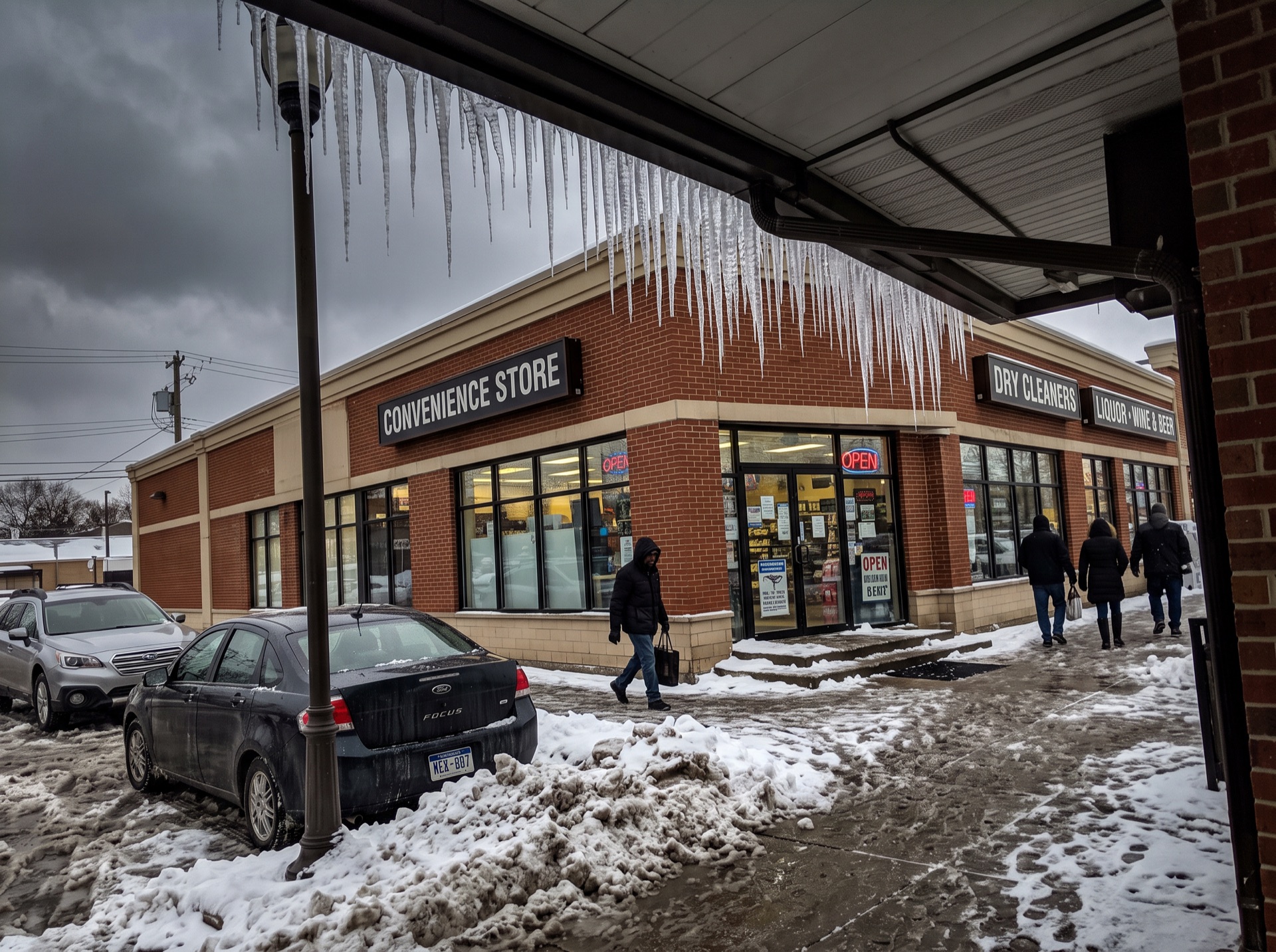
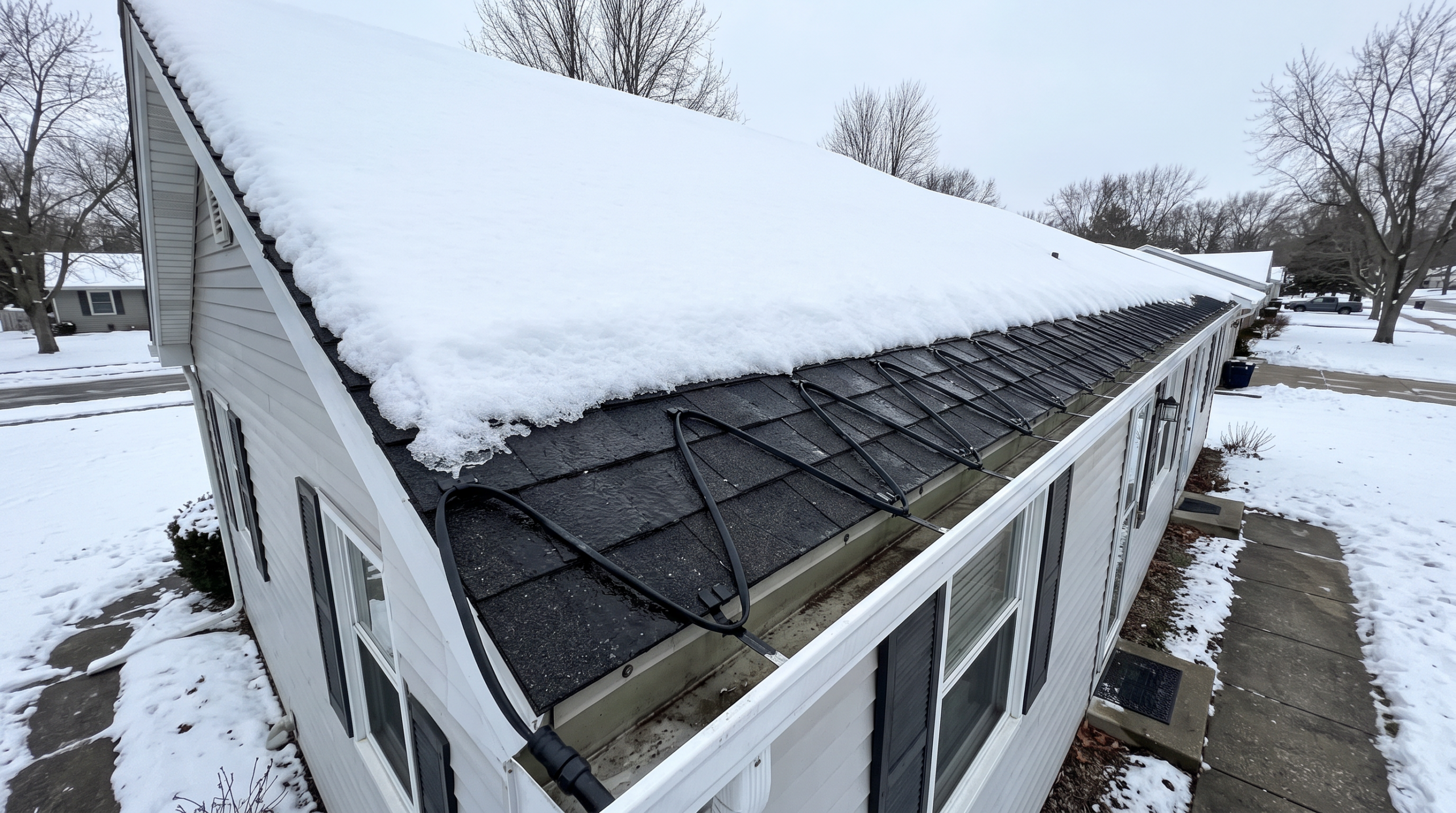
Why Livingston Roofs Dam Up: Altitude Sun on a Deep Pack
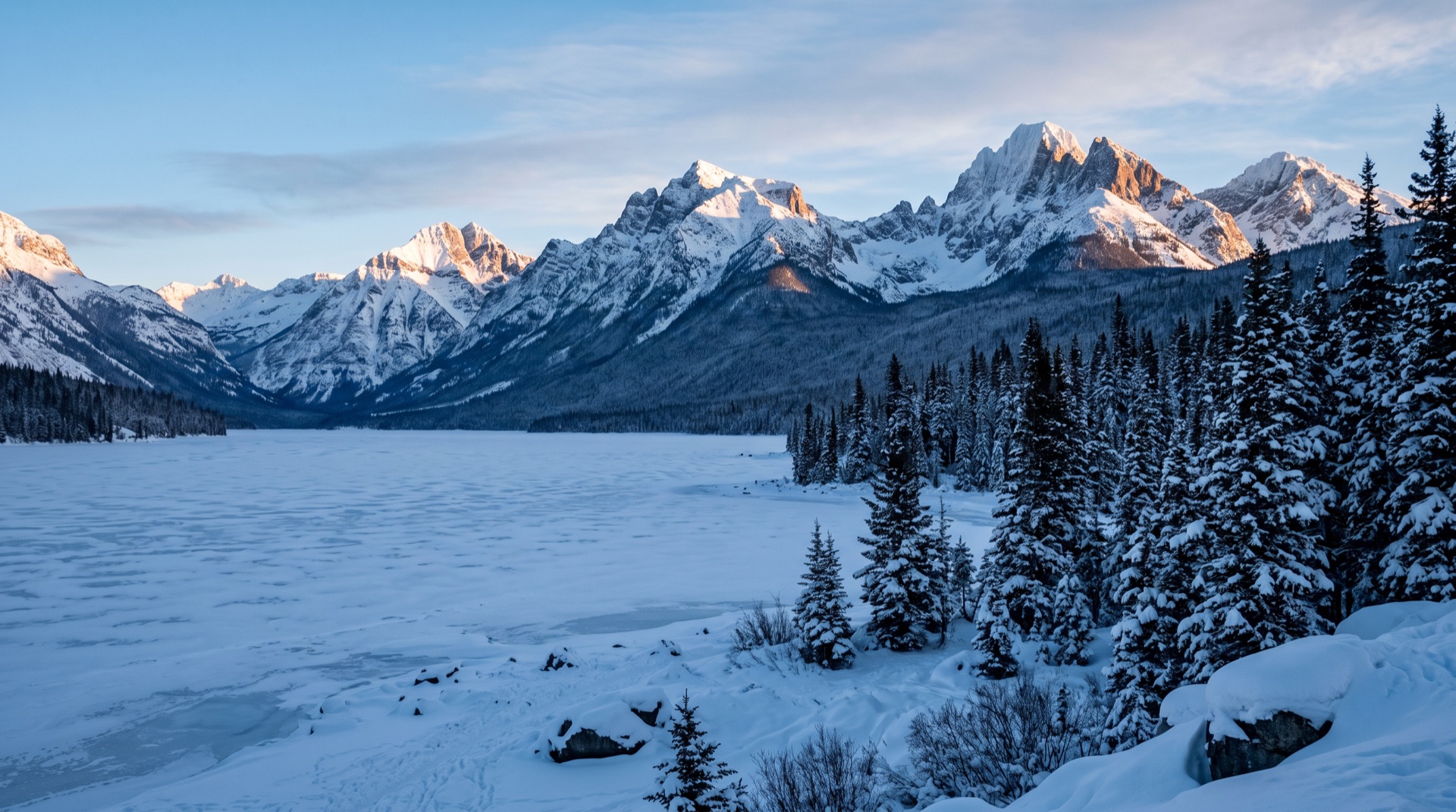
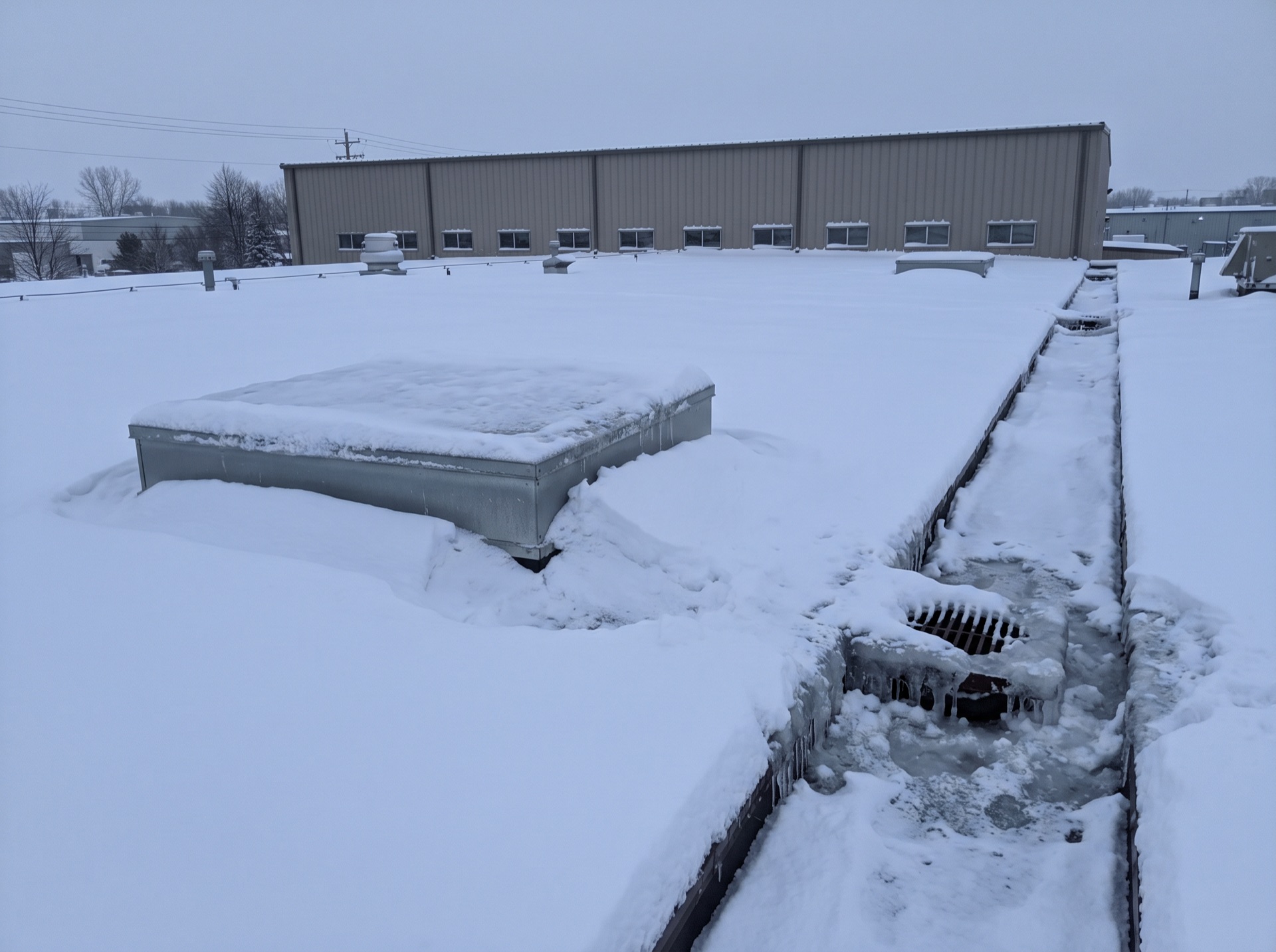
The pack at this elevation is deep enough to act as its own insulation, which means the surface melts under sun while the base stays locked. Water released at the top has to travel through and under all of it.

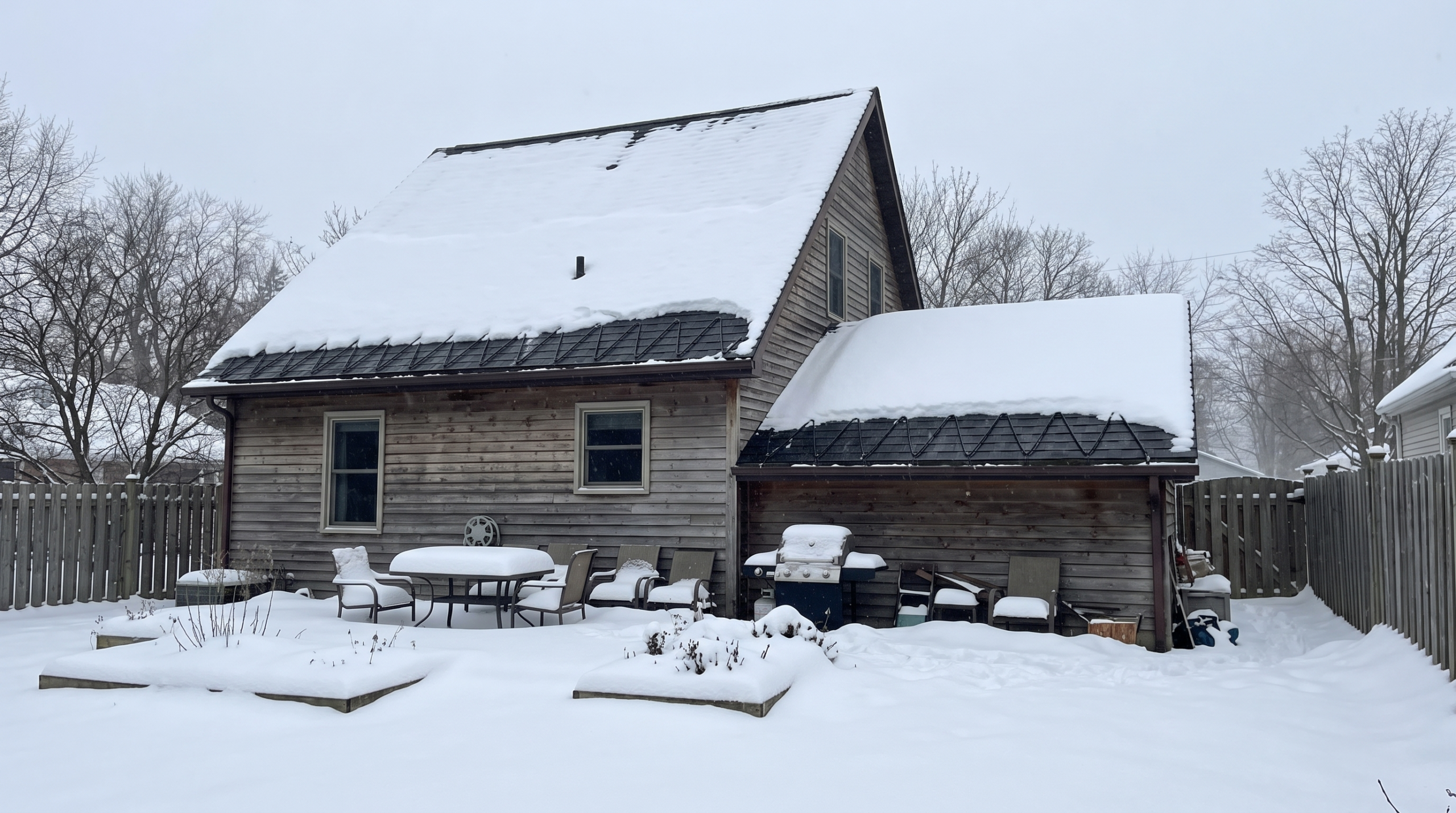
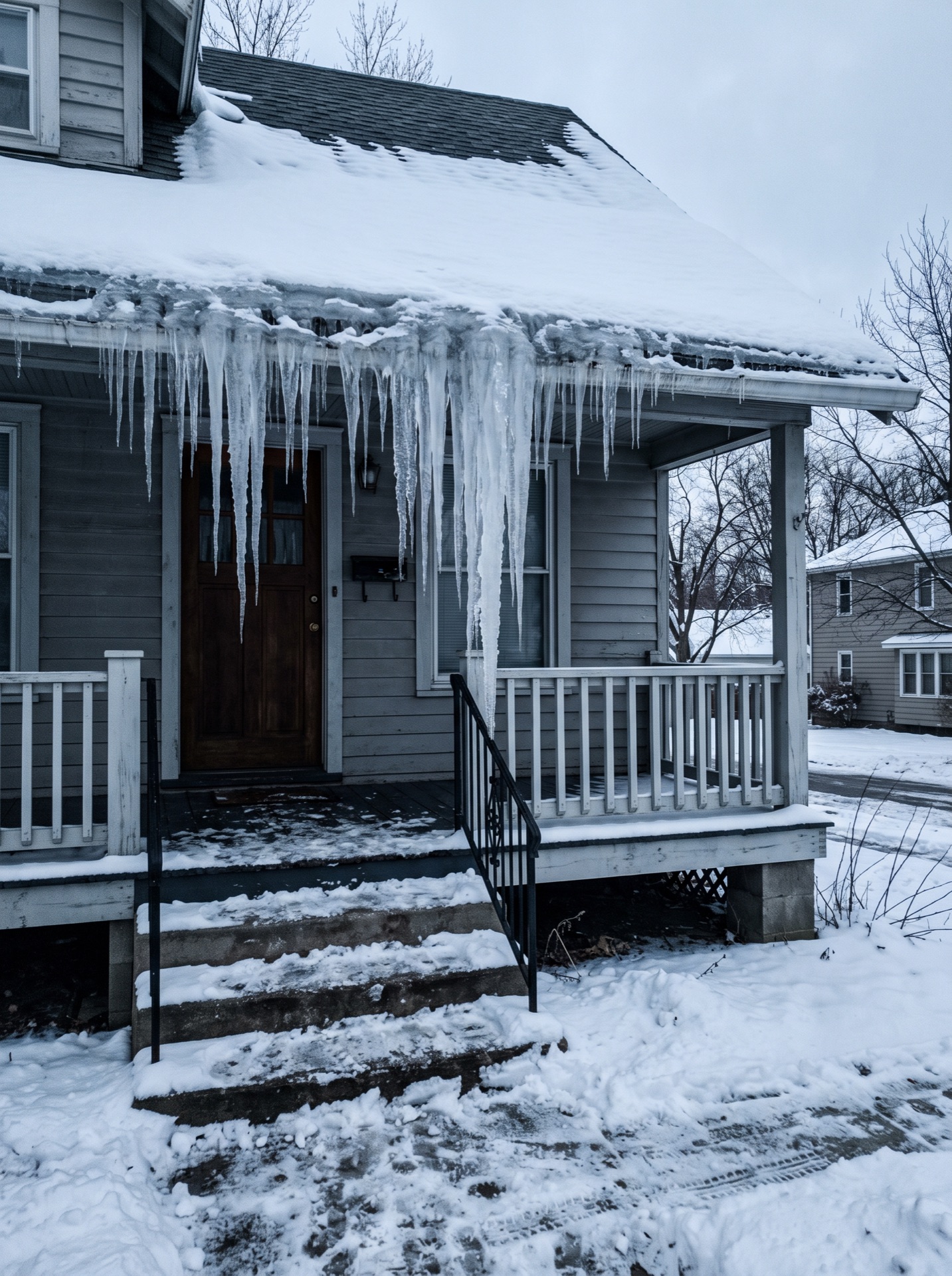
Aspect decides which eaves suffer. A sunny plane sheds water across a roof in Livingston to a shaded eave that has not been above freezing for weeks, and that is where the ice builds into a wall.
Ice-barrier practice in Park County
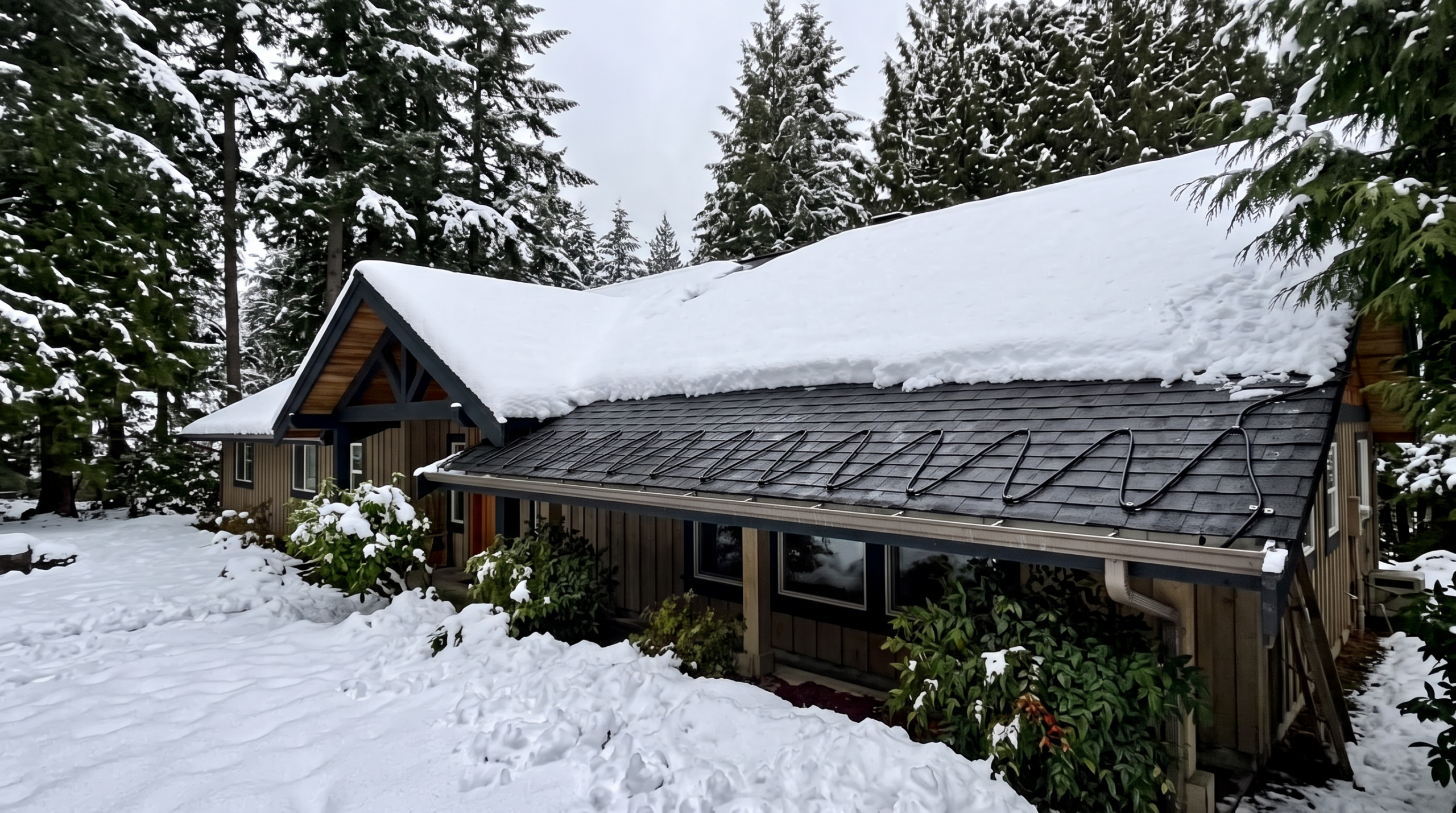
High-country Montana codes typically call for extended ice barrier and, on metal roofing, snow guards above any door, walkway or parking area. Both exist because of what comes off these roofs.
The Livingston Dispatch Process, Step by Step
Crews walk the eaves, valleys and gutter line first and photograph every dam and every point where water is tracking inside, before touching anything. You get shown what they found and quoted the crew-hour rate before work starts.
Then the ice comes off with low-pressure steam, starting wherever water is actively backing up so drainage opens early. Frozen gutters and downspouts are cleared in the same visit, because a cleared eave above a solid block of ice in the gutter dams again on the next cold night.
Why salt and ice melt make it worse
Calcium chloride opens a narrow channel and leaves the dam standing. The channel refreezes, the dam does not go anywhere, and in the meantime the runoff corrodes gutter seams, fasteners, flashing and anything growing underneath.
It is a stopgap at best. On a roof in Livingston with an active leak it buys hours, not days, and it adds a corrosion problem to the water problem.
Working at night and during an active storm
Freeze events do not keep office hours, and the worst leaks tend to announce themselves in the evening when the day's melt refreezes. Crews run lit, and a roof that is actively collecting snow is worked anyway, because waiting for better weather means the dam is bigger when somebody finally gets to it.
What does stop a crew is wind and lightning. Both are judgment calls made on site in Livingston, and a postponed start gets explained rather than dressed up.
If water already got inside
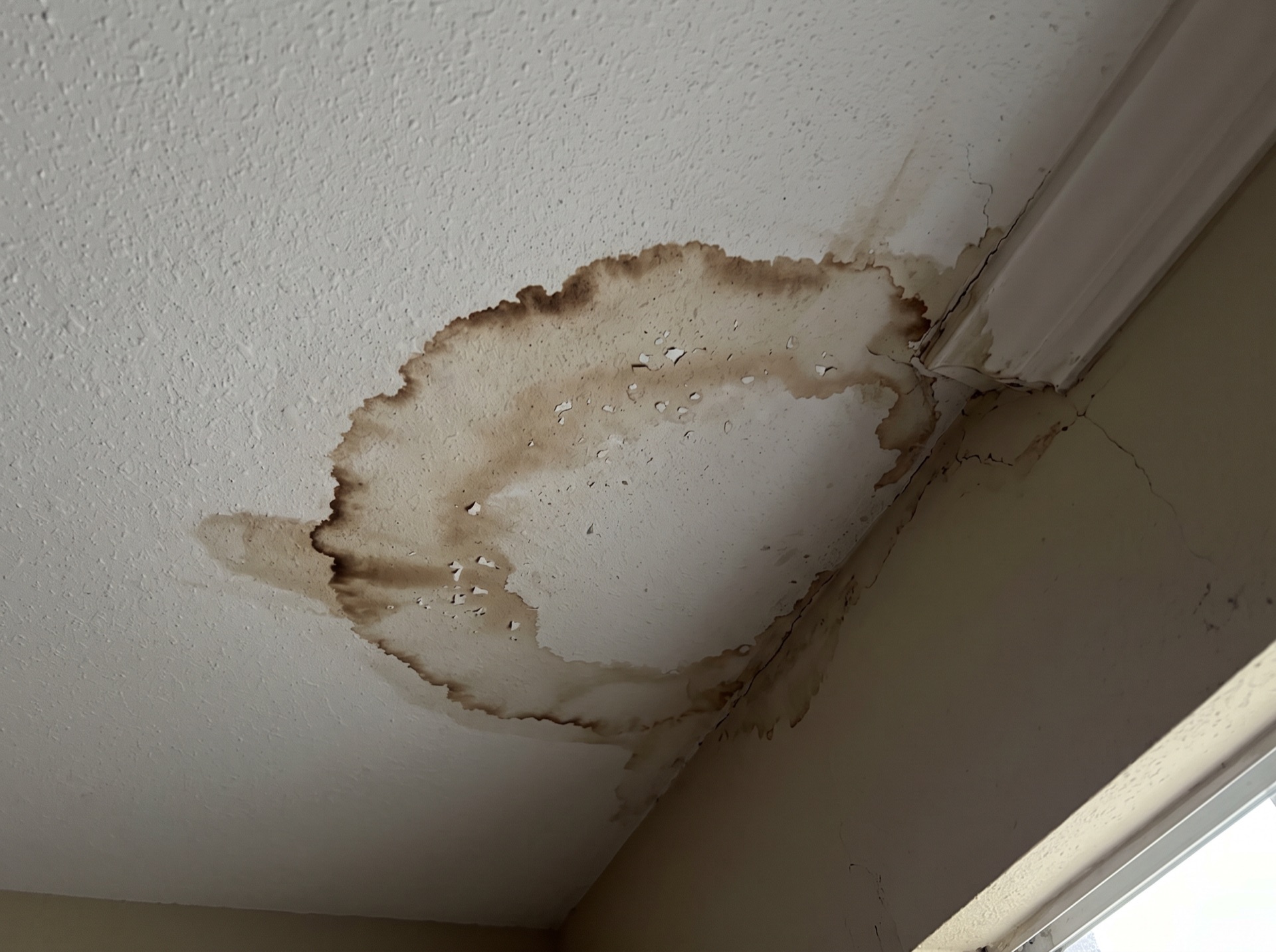
Taking the ice off stops new water. It does nothing about what is already in the insulation, the ceiling and the walls of a Livingston home.
The same company handles the rest: water mitigation and dryout, mold remediation where the water has led to growth, the interior repair, and the roof where the dam damaged it, all documented on one insurance claim.
| Removal method | Low-pressure steam only. No chipping, salt or pressure washing. |
|---|---|
| Coverage area | Livingston and Park County |
| Primary climate stressor | Solar melt on deep pack, shaded eaves |
| Pricing model | Billed by the crew hour, rate quoted before dispatch |
| Documentation | Dated before and after photos, written scope in Xactimate line items |
| Local ice-barrier practice | Extended membrane plus snow retention |
| Typical scope | Steam, 8-16 crew hours typical |
Where We Dispatch Around Livingston
Crews working Livingston cover the surrounding Park County addresses on the same route, so a storm week usually means one truck handling several properties rather than separate trips.
Nearest hub towns with their own crew pages: Bozeman, Belgrade, Big Sky, Helena, Butte, Billings.
Coverage runs across Livingston and the nearby towns all winter, and capacity is surged into whichever Montana market the storm actually hits.
Water coming in right now in Livingston? Call (888) 561-9664. Active interior leaks go to the front of the schedule.