



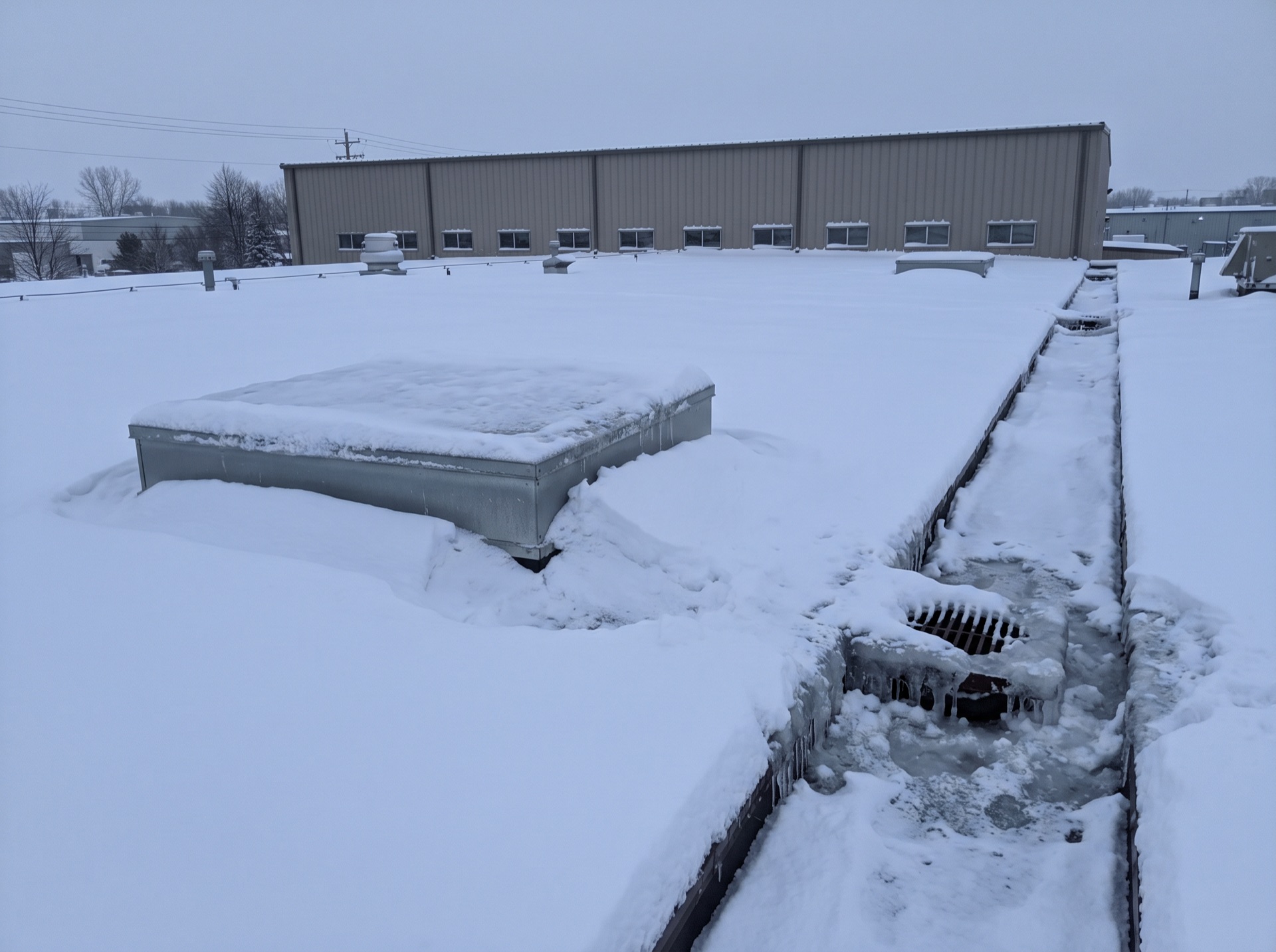
Why Butte Roofs Dam on Days It Never Thaws
Altitude makes the sun stronger and the air colder at the same time. A roof in Butte can be producing meltwater on its south face at midday while the thermometer reads well below freezing.

Volume is the other factor. A Silver Bow County roof carrying several feet of pack has an enormous reservoir above an overhang that never sees direct sun, and the supply does not run out until spring.
Ice-barrier practice in Silver Bow County
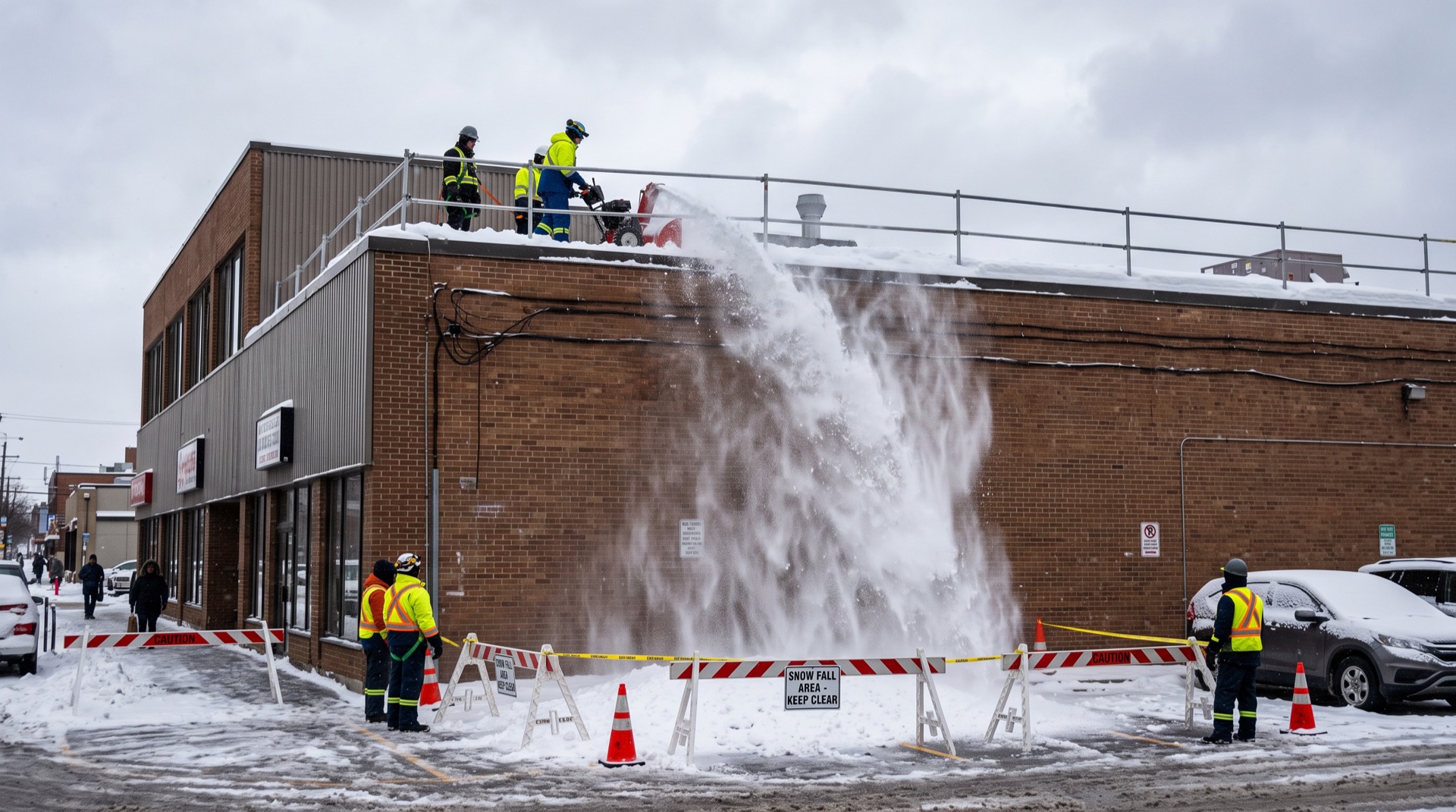
High-country Montana codes typically call for extended ice barrier and, on metal roofing, snow guards above any door, walkway or parking area. Both exist because of what comes off these roofs.
How We Work a Butte Ice Dam
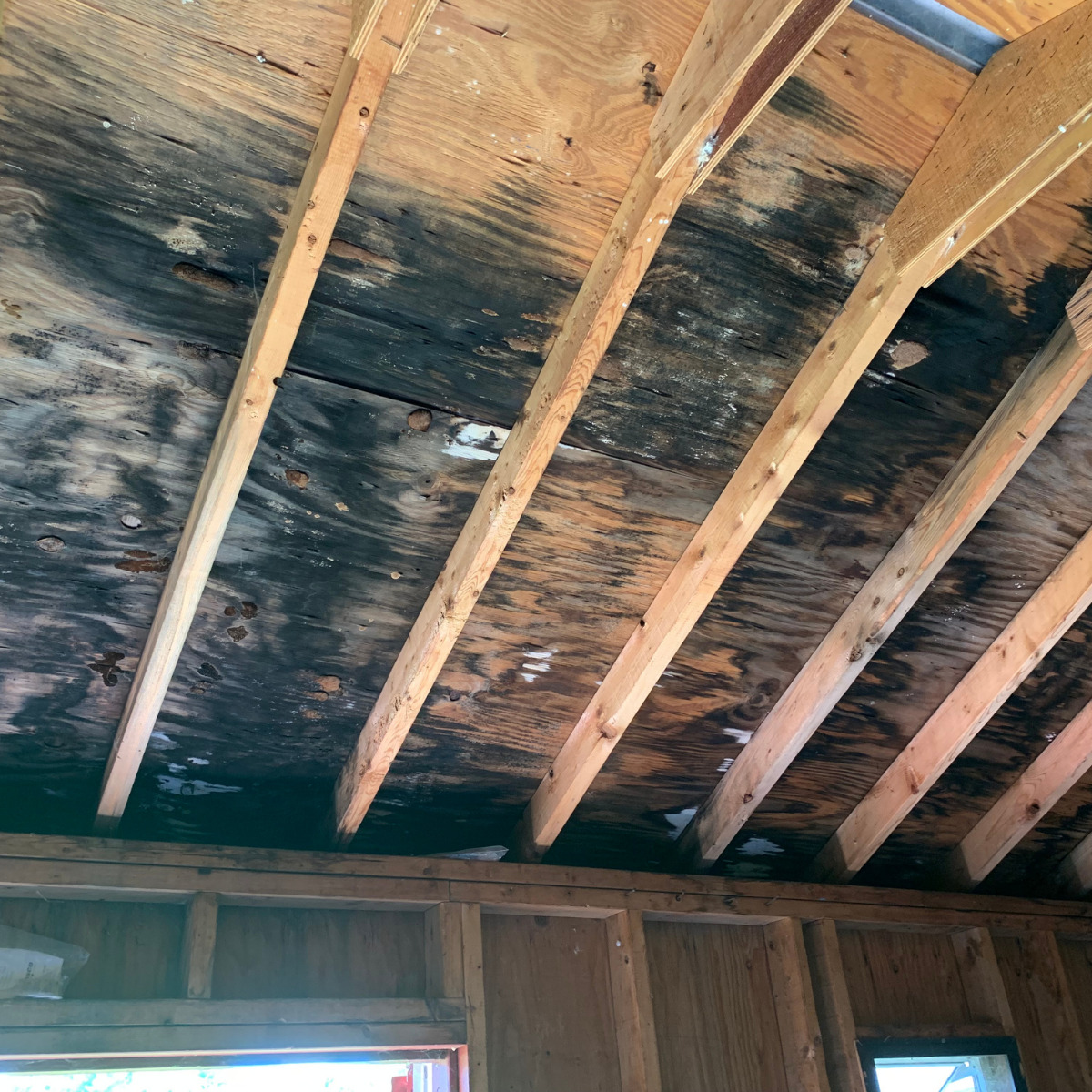
Crews walk the eaves, valleys and gutter line first and photograph every dam and every point where water is tracking inside, before touching anything. You get shown what they found and quoted the crew-hour rate before work starts.
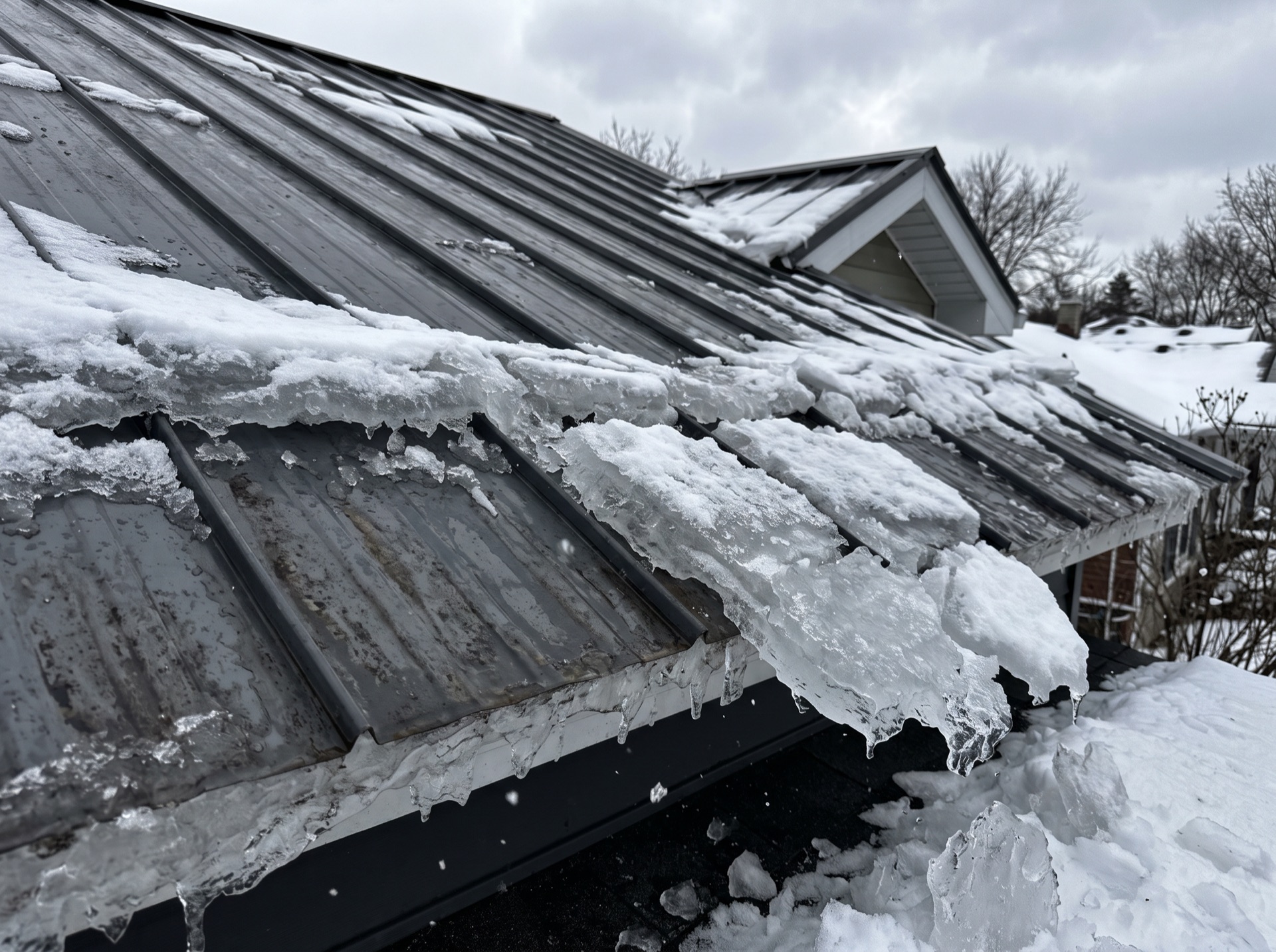
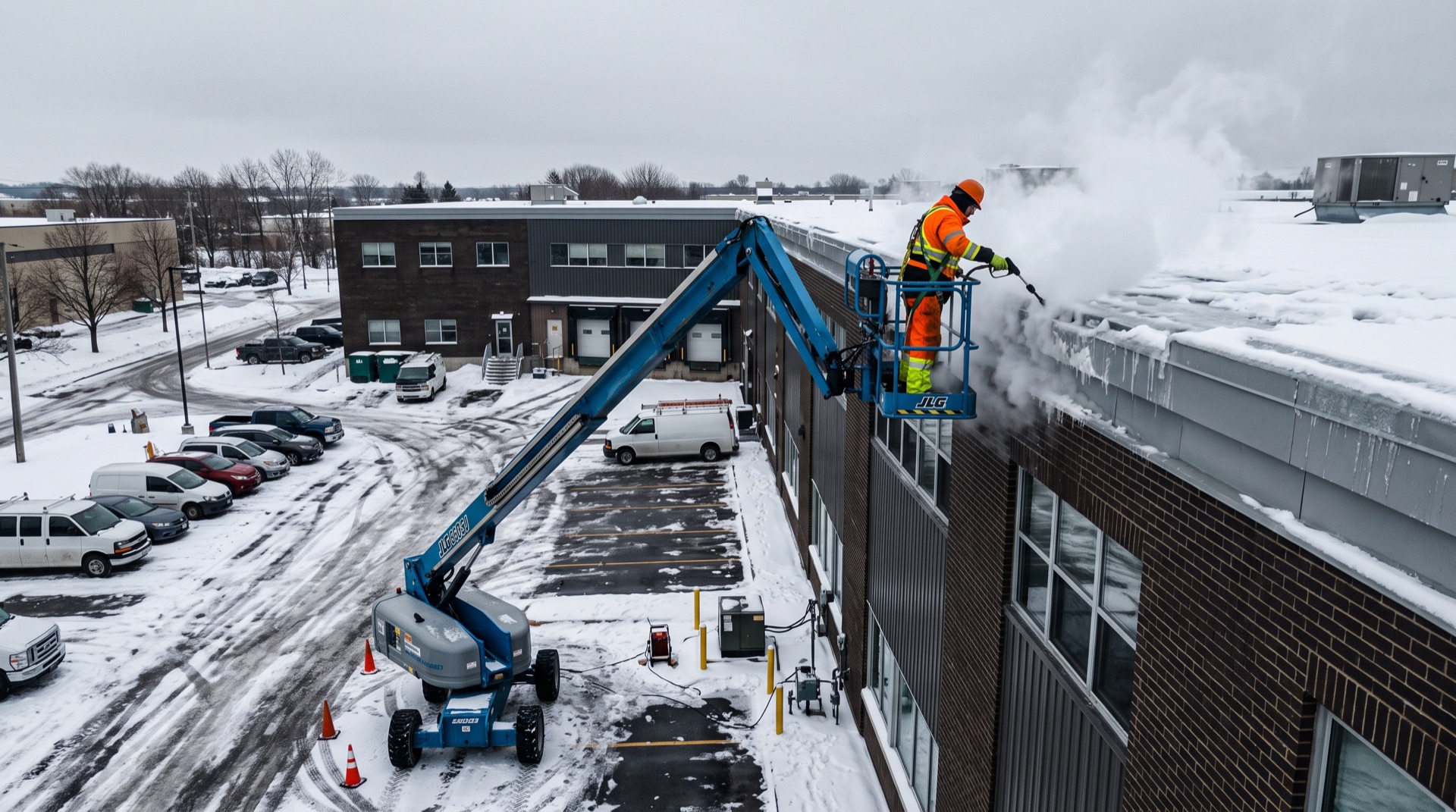
Then the ice comes off with low-pressure steam, starting wherever water is actively backing up so drainage opens early. Frozen gutters and downspouts are cleared in the same visit, because a cleared eave above a solid block of ice in the gutter dams again on the next cold night.
What the crew does on arrival
Before anything is touched, the crew walks the eaves, valleys and gutter line and photographs every dam and every point where water is tracking inside. You get shown what they found. Then the dam comes off in sections, starting wherever water is actively backing up, so drainage opens early rather than at the end.
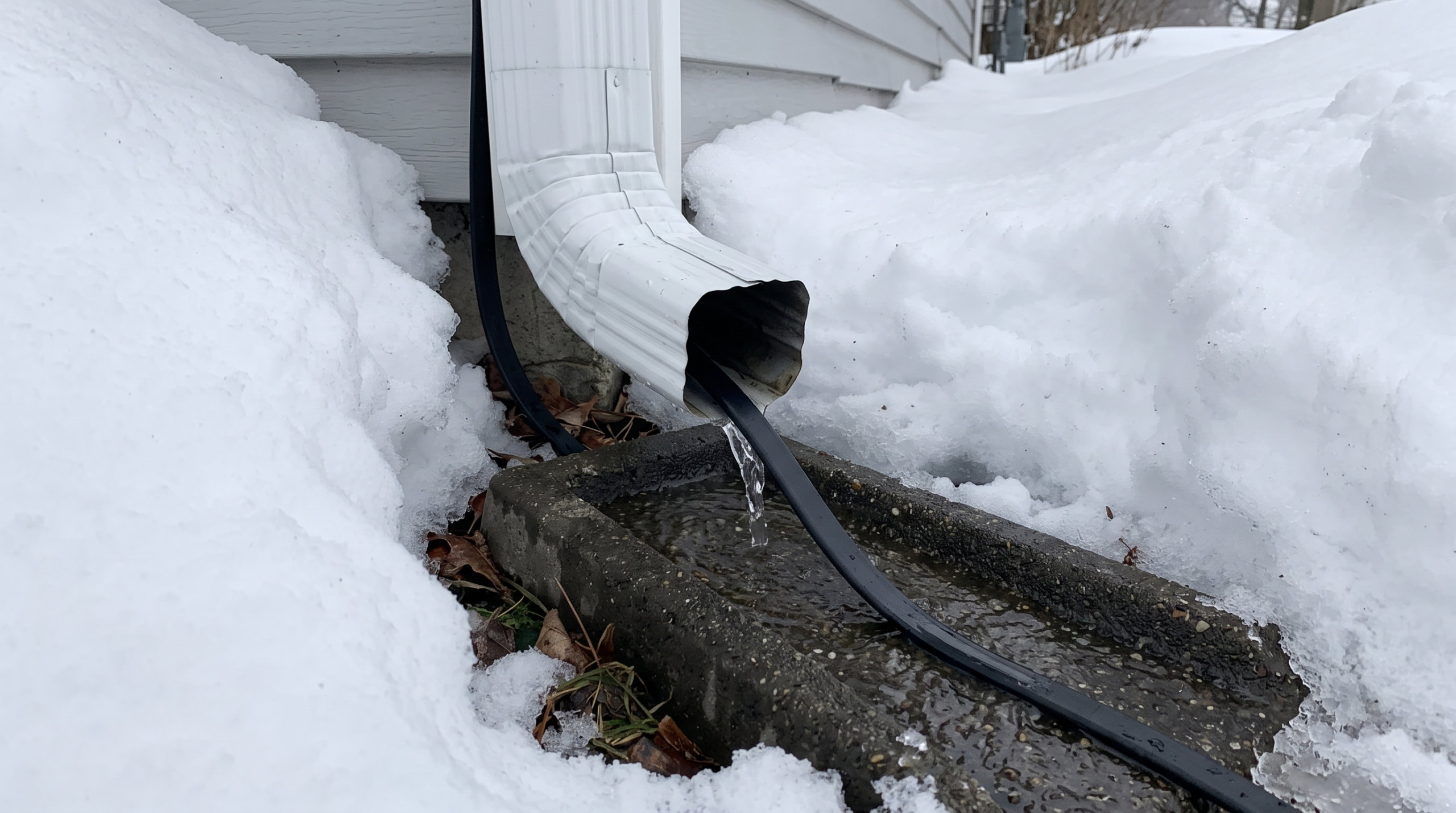
Downspouts and gutter troughs get cleared in the same visit where they are frozen, because a dam removed above a solid block of ice in the gutter just reforms in the next cold night.
Why a drainage channel is not removal
Cutting a few channels through a dam so water can get past is quick and it is sometimes sold as ice dam removal. It drains the roof for as long as the channels stay open, which in a Butte cold snap can be a single night before they close again.
Removing the dam means taking the ice off down to the shingle along the whole affected run, so the eave can drain the way it was built to. It takes longer and it is the only version that holds.
Access, ladders and what the crew needs on site
Steam equipment needs somewhere to park within hose reach, and ladders need footing that is not a buried flower bed or a sheet of ice. Clearing a path to the affected eave, moving vehicles off the driveway and unlocking a side gate takes ten minutes and saves considerably more than that on the clock.
Where the only access is through a neighbor's property, that conversation is worth having before the crew is in the street rather than while it waits.
| Primary climate stressor | Solar melt on deep pack, shaded eaves |
|---|---|
| Typical scope | Steam, 8-16 crew hours typical |
| Coverage area | Butte and Silver Bow County |
| Local ice-barrier practice | Extended membrane plus snow retention |
| Removal method | Low-pressure steam only. No chipping, salt or pressure washing. |
| Documentation | Dated before and after photos, written scope in Xactimate line items |
| Service | Ice dam removal in Butte, MT |
Butte Coverage and the Adjoining Communities
Crews working Butte cover the adjoining communities on the same route — Ramsay — so a storm week usually means one truck handling several addresses in Silver Bow County rather than separate trips.
Nearest hub towns with their own crew pages: Helena, Belgrade, Big Sky, Bozeman, Hamilton, Missoula.
During a cold snap Butte gets worked alongside the neighboring Silver Bow County towns on the same route, with active interior leaks moved to the front of the list.
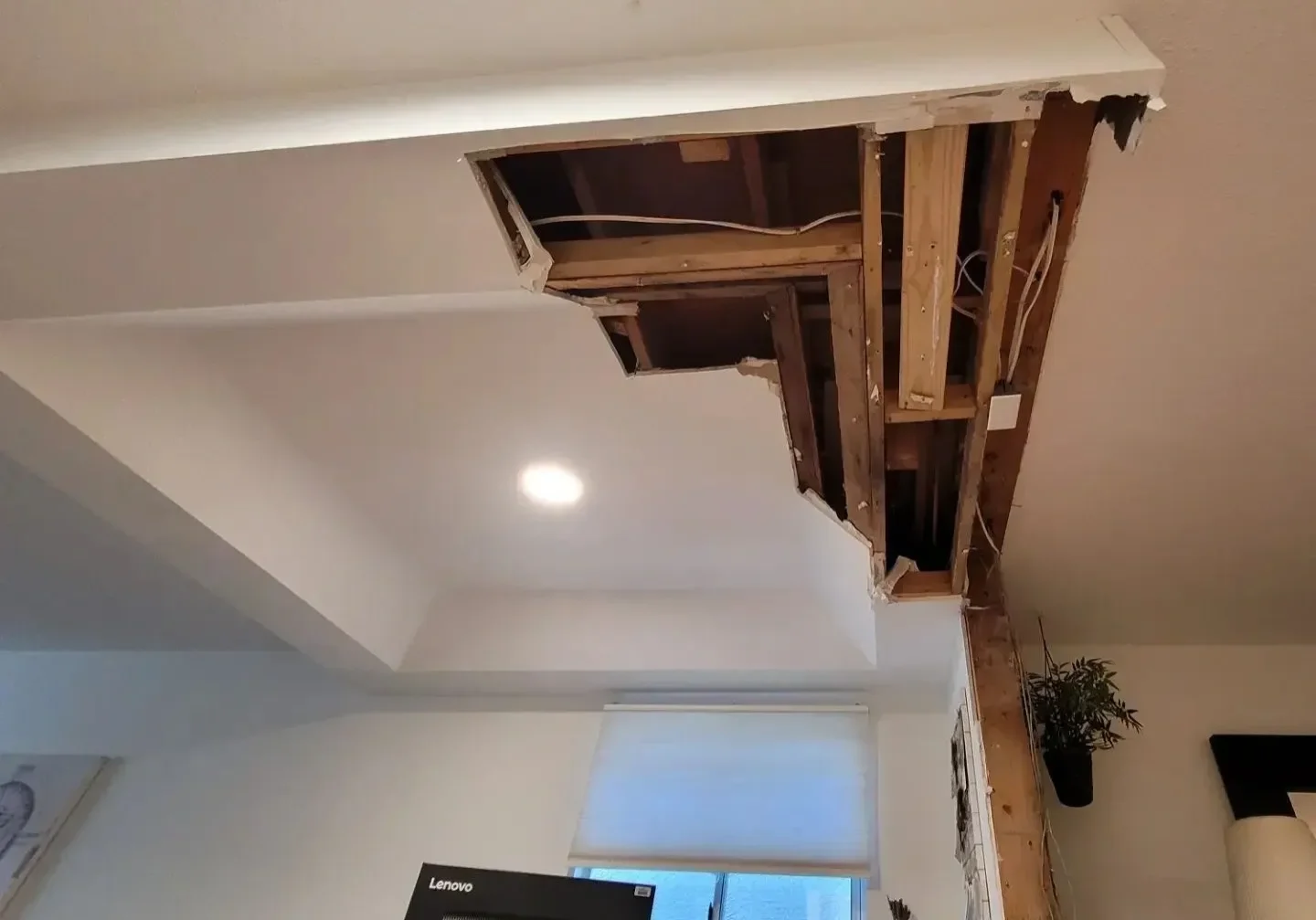
Water through a ceiling in Butte is a same-day call, not a next-week one. (888) 561-9664 goes straight to dispatch.