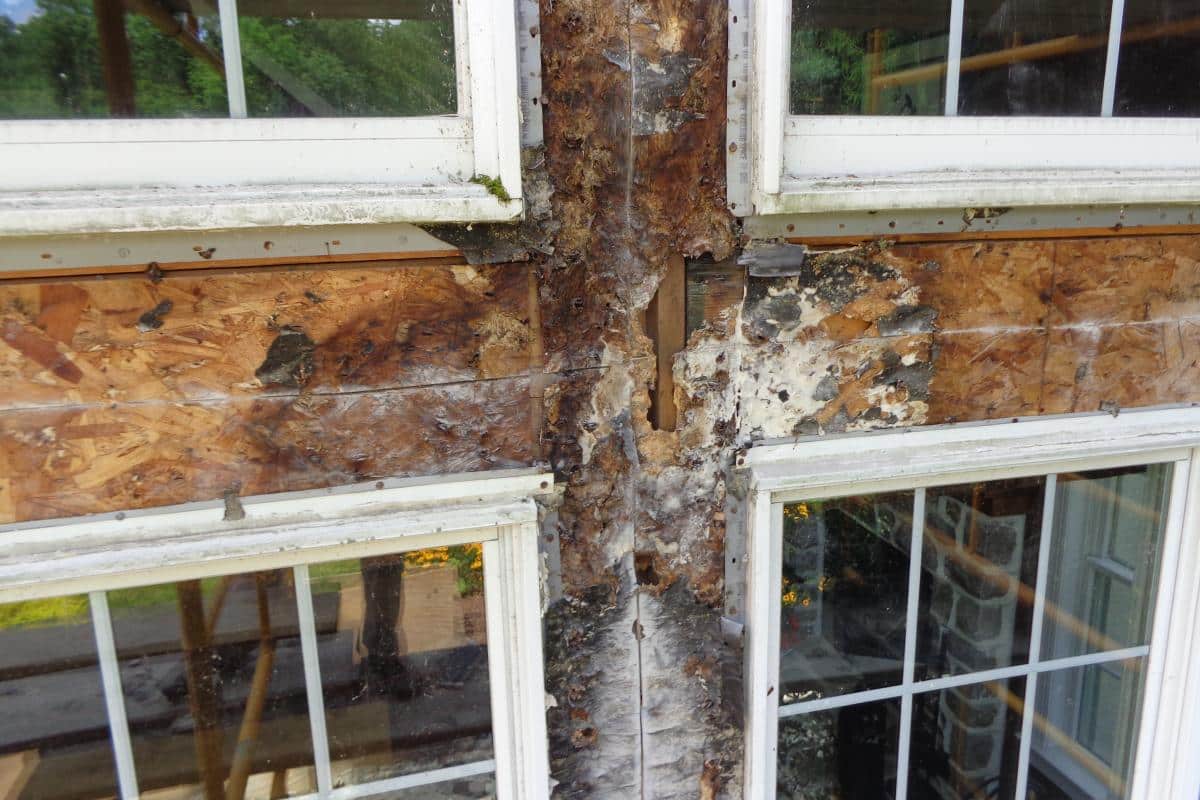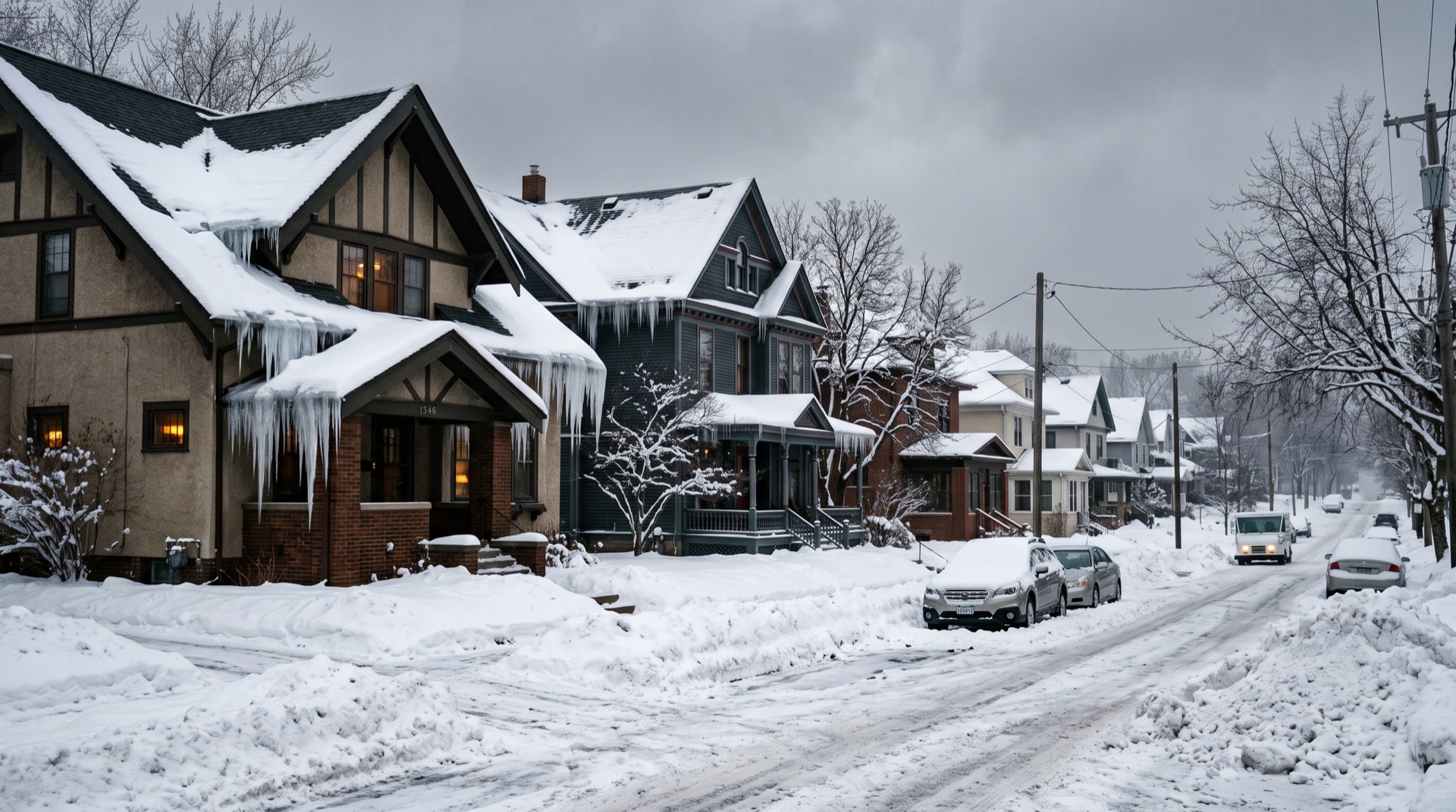
Homeowners across Ramsey County call about icicles. Icicles are cosmetic. The dam behind them, holding back standing water, is not. As part of our complete St. Paul winter roof services, crews handle ice dam insurance claims across Ramsey County.
St. Paul Ice Dams: What Lake-Effect Snow Does to an Eave
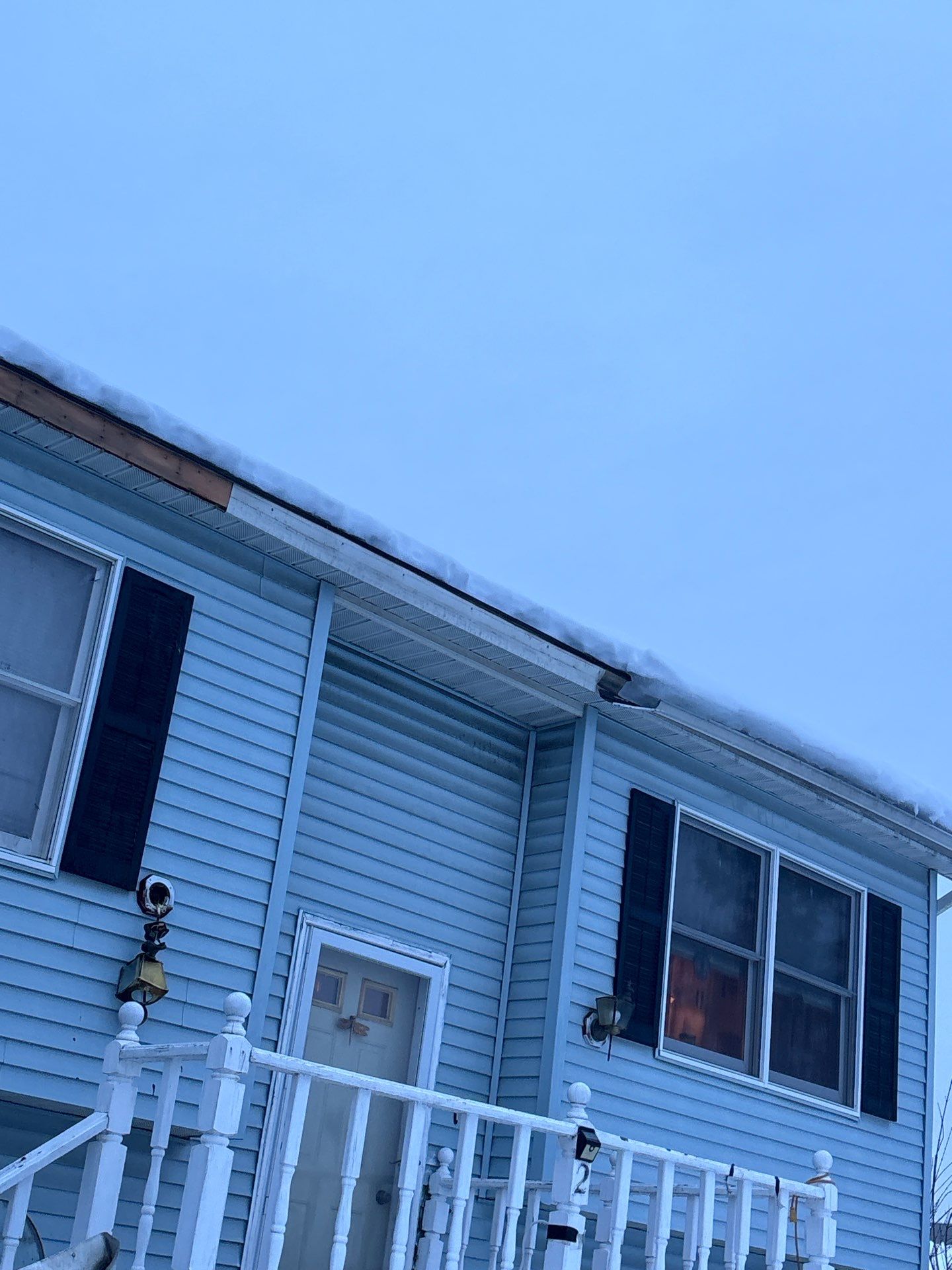
St. Paul sits in the lake-effect belt, where a single band can drop a foot on one side of Ramsey County and leave the other side clear. That snow lands wet and heavy, packs down on the upper roof, and sits there as a reservoir.

Then the temperature swings. Lake-effect regions cycle hard either side of freezing, and each cycle moves meltwater down to a cold eave and locks it there. The dam grows by a layer every time, and the water behind it rises with it.
Ice-barrier practice in Ramsey County
What matters on a St. Paul roof is not whether ice barrier exists but how far up it runs. Water backed up behind a foot of ice travels much further than the first course, and a membrane that stops short is a membrane that stops working.
Ice Dam Insurance Claims in St. Paul: How The Work Runs
What a contractor cannot promise
Nobody outside your carrier decides your claim. A contractor who guarantees an outcome, offers to cover your deductible, or wants to handle the claim entirely on your behalf is describing something other than a mitigation service. Does Insurance Pay for Ice Dam Water Damage?.
The honest version is this: the evidence gets collected properly and presented properly, and that is the part that can be controlled.
What a carrier is actually looking for
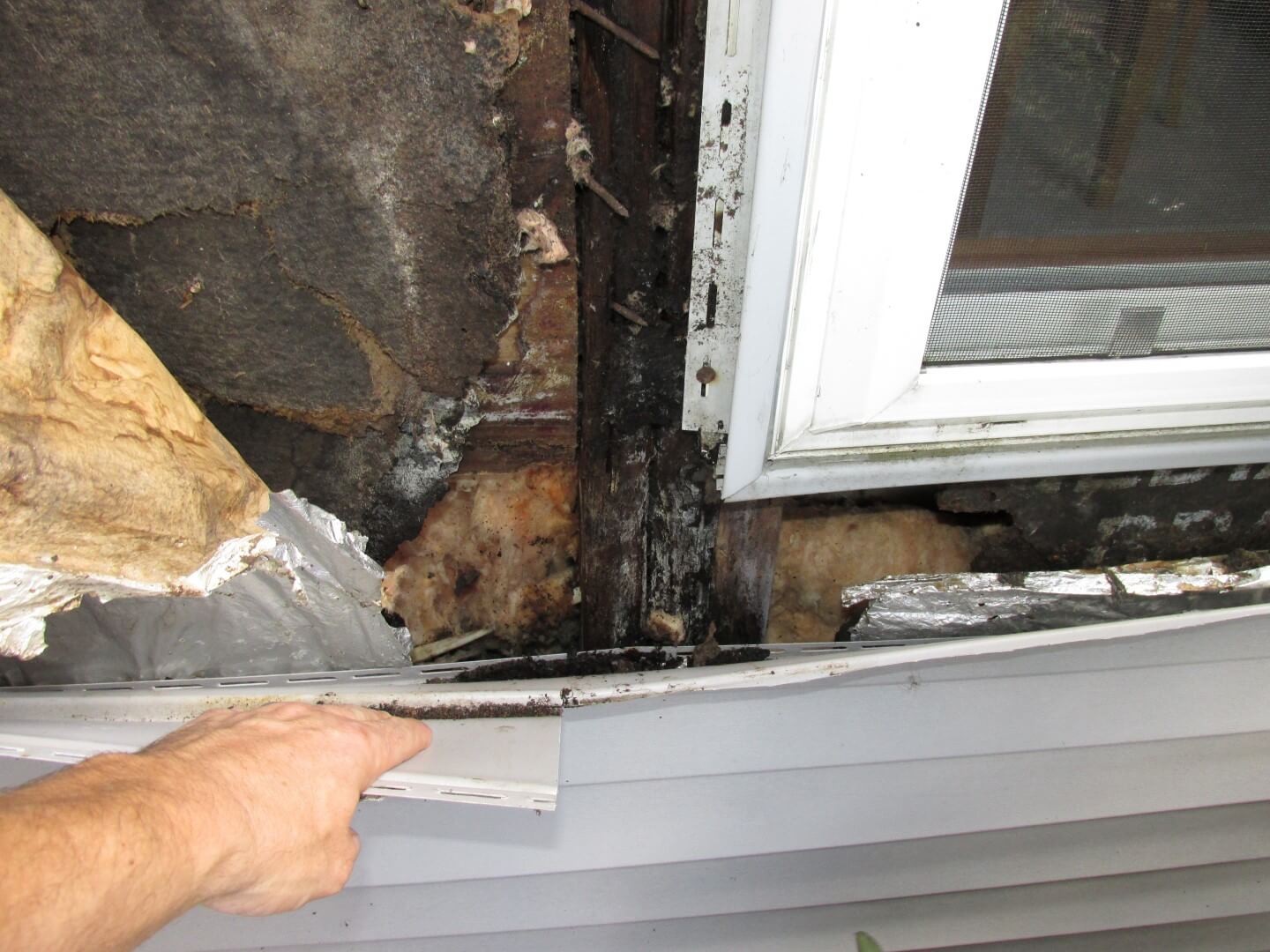
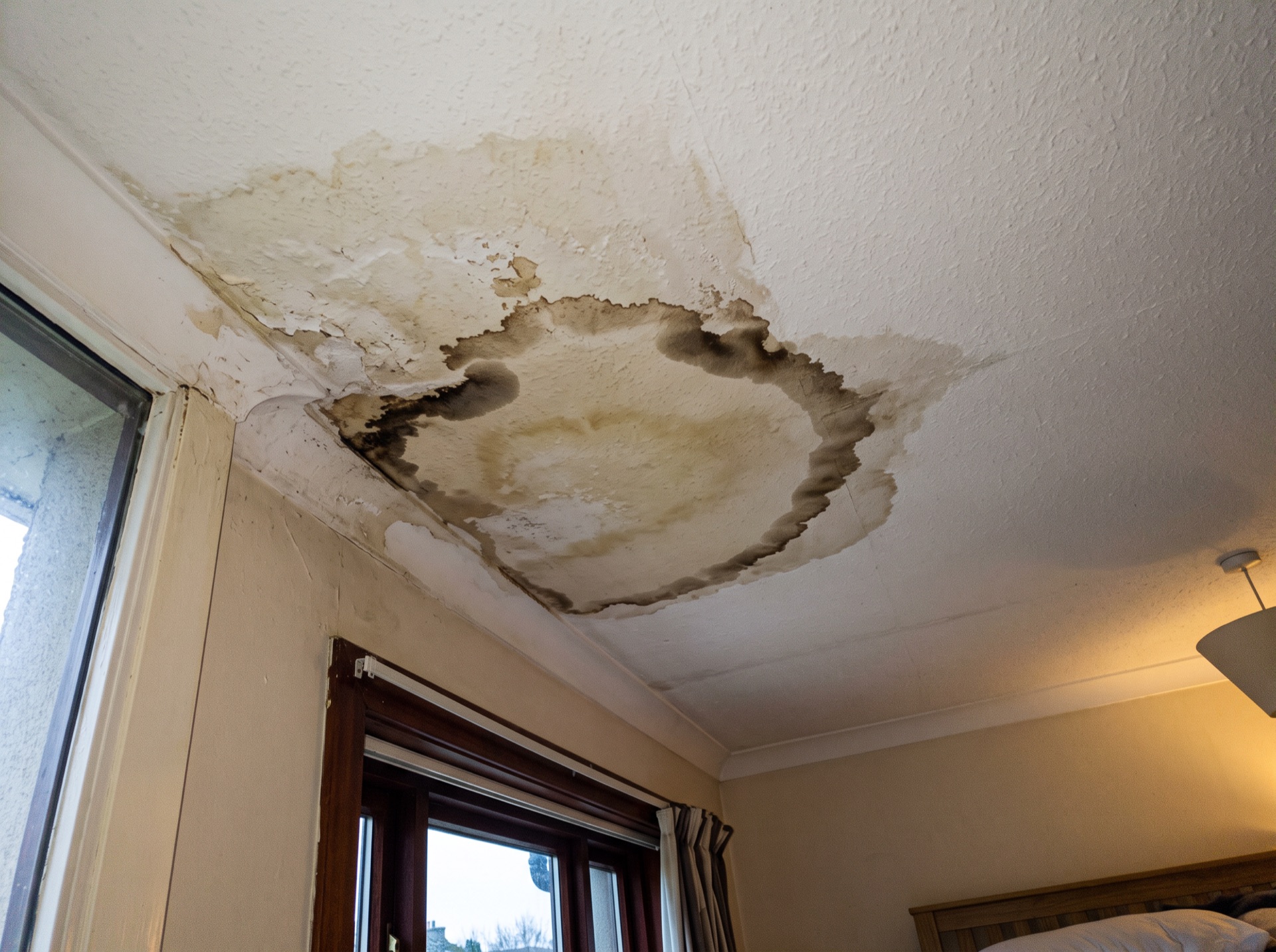
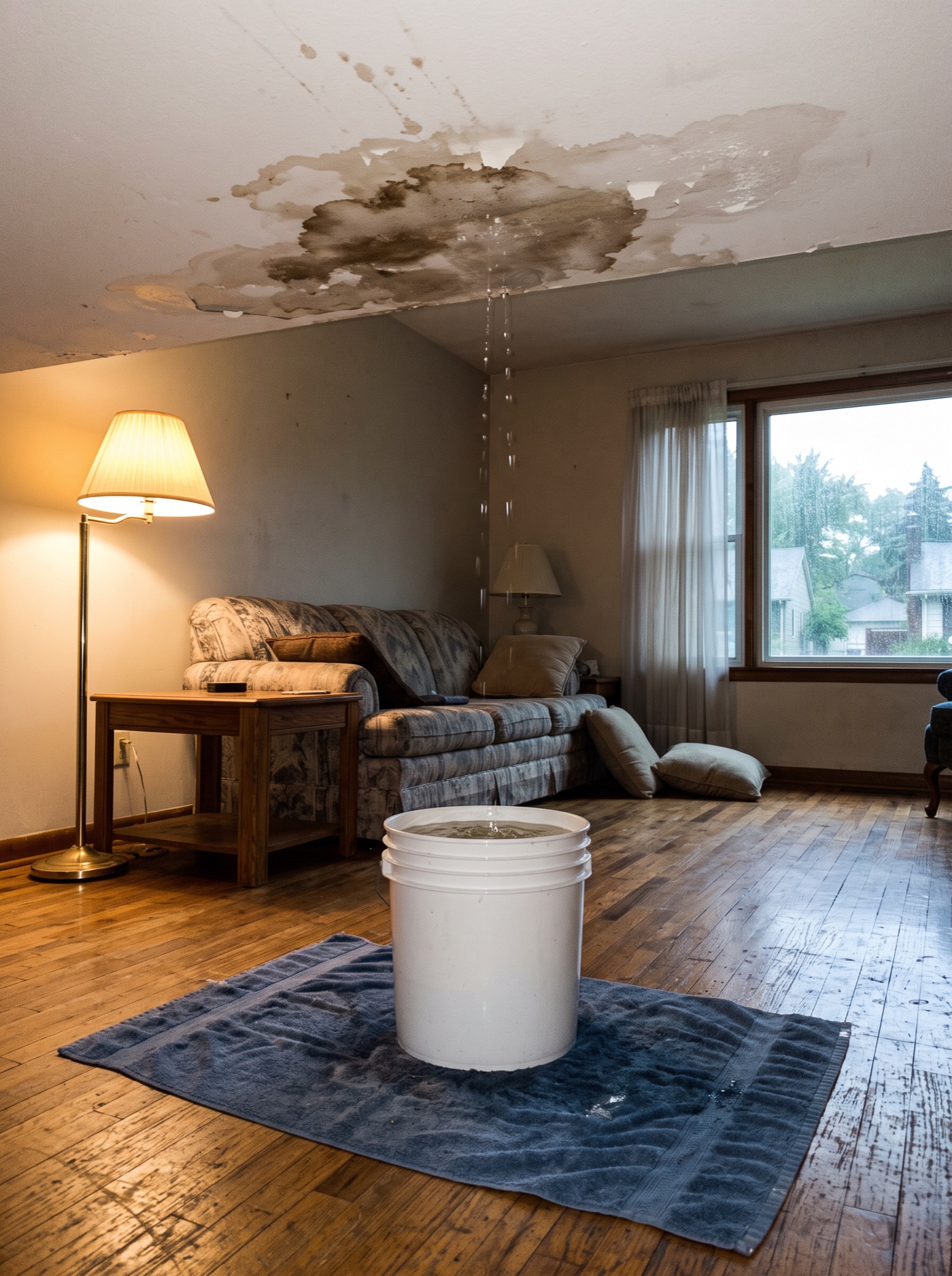
A claim turns on proving sudden, accidental water intrusion rather than a maintenance failure the homeowner let develop. In practice that means dated photographs of the dam, the entry points and the interior damage, taken while the event is live — not reconstructed in March from memory.
Crews photograph as they work for exactly this reason. Timestamped images of the ice before removal, the water path, the affected interior and the dried-out result form the spine of a claim that survives review.
Scopes in the format adjusters use
Scopes get written in Xactimate line items, with the mitigation work priced and described the way a carrier's own estimating software describes it. An adjuster comparing like to like approves faster than one translating a hand-written invoice into their system.
Where the policy allows direct billing, carriers are billed directly, so the out-of-pocket conversation is smaller from the start.
One claim, broken out by coverage
Everything an ice dam caused goes on one claim, but not as one lump number. Emergency removal and dryout are loss mitigation. Mold remediation often sits under its own sublimit. Interior repair and the roof sit under dwelling coverage.
Writing the scope with those lines separated is what lets an adjuster approve each part on its own terms, and it stops a dispute over one line holding up the rest of a St. Paul claim.
Why one contractor for the whole event helps the claim
When the removal company, the drying company, the mold company and the builder are all different firms, the adjuster gets four sets of photographs with gaps between them and four invoices with overlapping lines.
One company doing the whole job produces one continuous record: the ice before removal, the water inside, the readings, the mold found when the ceiling came down, and the finished repair. That record is much harder to argue with.
What you get in St. Paul
- Xactimate line itemsScopes written in the carrier's own estimating language
- One claim for the whole eventRemoval, mitigation, mold, interior repair and roof on a single file
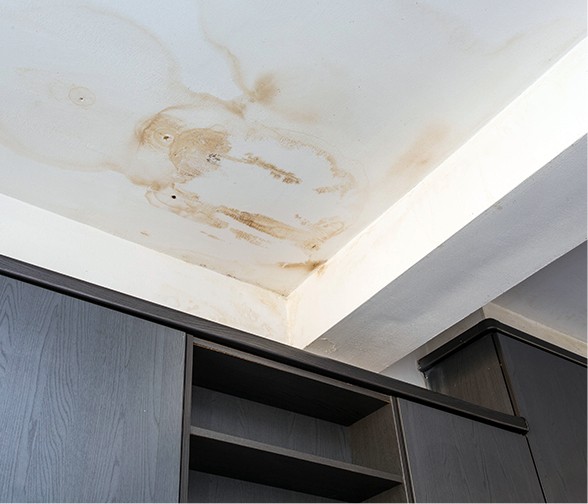
- Dated photo recordThe dam, the entry points and the interior damage, captured while it is happening
| Interior repair | Insulation, drywall, texture, trim and paint, done in-house after drying |
|---|---|
| Service | Ice Dam Insurance Claims in St. Paul, MN |
| Method | Containment, HEPA filtration and drying to a measured IICRC standard |
| Primary climate stressor | Lake-effect bands, wet heavy pack |
| Dispatch window | Same day to 24 hours |
| Documentation | Dated before and after photos, written scope in Xactimate line items |
| Local ice-barrier practice | Eave membrane expected on re-roofs |
St. Paul Coverage and the Adjoining Communities
Crews working St. Paul cover the adjoining communities on the same route — Saint Paul, South Saint Paul, Mendota, Newport and Willernie — so a storm week usually means one truck handling several addresses in Ramsey County rather than separate trips.
Nearest hub towns with their own insurance claims pages: Roseville, Maplewood, Oakdale, Woodbury, Shoreview, White Bear Lake.
Coverage runs across St. Paul and the nearby towns all winter, and capacity is surged into whichever Minnesota market the storm actually hits.
Most jobs do not stop at one service. Insurance Claims in St. Paul often runs alongside water mitigation & dryout in St. Paul, and both get written into one scope rather than billed as separate visits.
Active leak right now? Our 24/7 St. Paul steam ice dam removal crews are dispatched first during a freeze event. Call (888) 561-9664.