




Why Roseville Roofs Dam Up: Lake-Effect Load and Freeze-Thaw
Roofs in Roseville are loaded unevenly and quickly. A band sets up, dumps for six hours and moves, and the roof is carrying a dense wet pack it did not have at breakfast. Nothing about that snow wants to slide off.

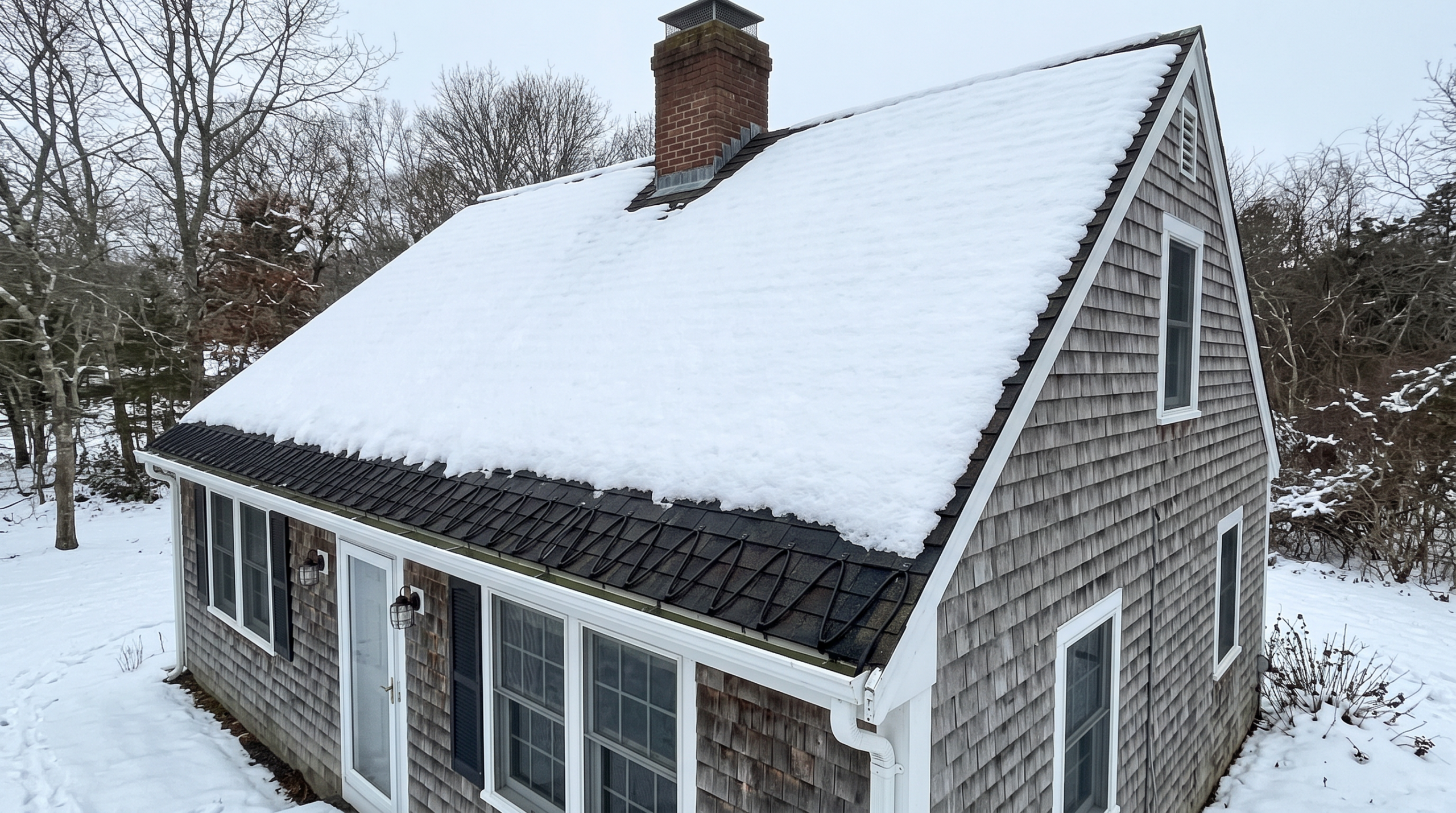
Melting happens from underneath, not from the sun. Attic heat releases water under the pack, it runs to the overhang where there is no heated space below, and it freezes. That is the engine, and in Roseville it runs most of the winter.
Ice-barrier practice in Ramsey County
What matters on a Roseville roof is not whether ice barrier exists but how far up it runs. Water backed up behind a foot of ice travels much further than the first course, and a membrane that stops short is a membrane that stops working.
The Roseville Dispatch Process, Step by Step
Crews walk the eaves, valleys and gutter line first and photograph every dam and every point where water is tracking inside, before touching anything. You get shown what they found and quoted the crew-hour rate before work starts.
Then the ice comes off with low-pressure steam, starting wherever water is actively backing up so drainage opens early. Frozen gutters and downspouts are cleared in the same visit, because a cleared eave above a solid block of ice in the gutter dams again on the next cold night.
Why a drainage channel is not removal
Cutting a few channels through a dam so water can get past is quick and it is sometimes sold as ice dam removal. It drains the roof for as long as the channels stay open, which in a Roseville cold snap can be a single night before they close again.
Removing the dam means taking the ice off down to the shingle along the whole affected run, so the eave can drain the way it was built to. It takes longer and it is the only version that holds.
What gets photographed, and why it matters later
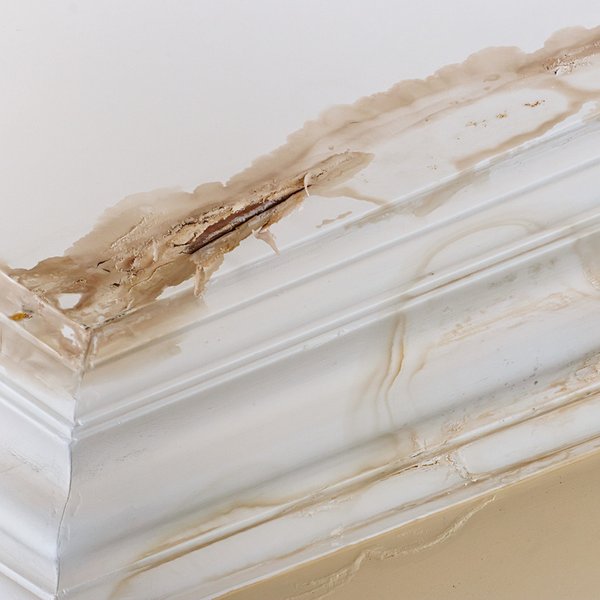
Before the lance comes out, the crew shoots the dam from the ground and from the roof, the icicle line, any staining visible inside, and the specific courses where water is tracking under the shingles. Timestamps are on every frame.
That record is the whole case if a claim follows. An adjuster arriving in March sees a dry roof and a stained ceiling; the photographs are what connect the two, and they are what a maintenance-exclusion denial runs into.
Steep, high and awkward Roseville roofs
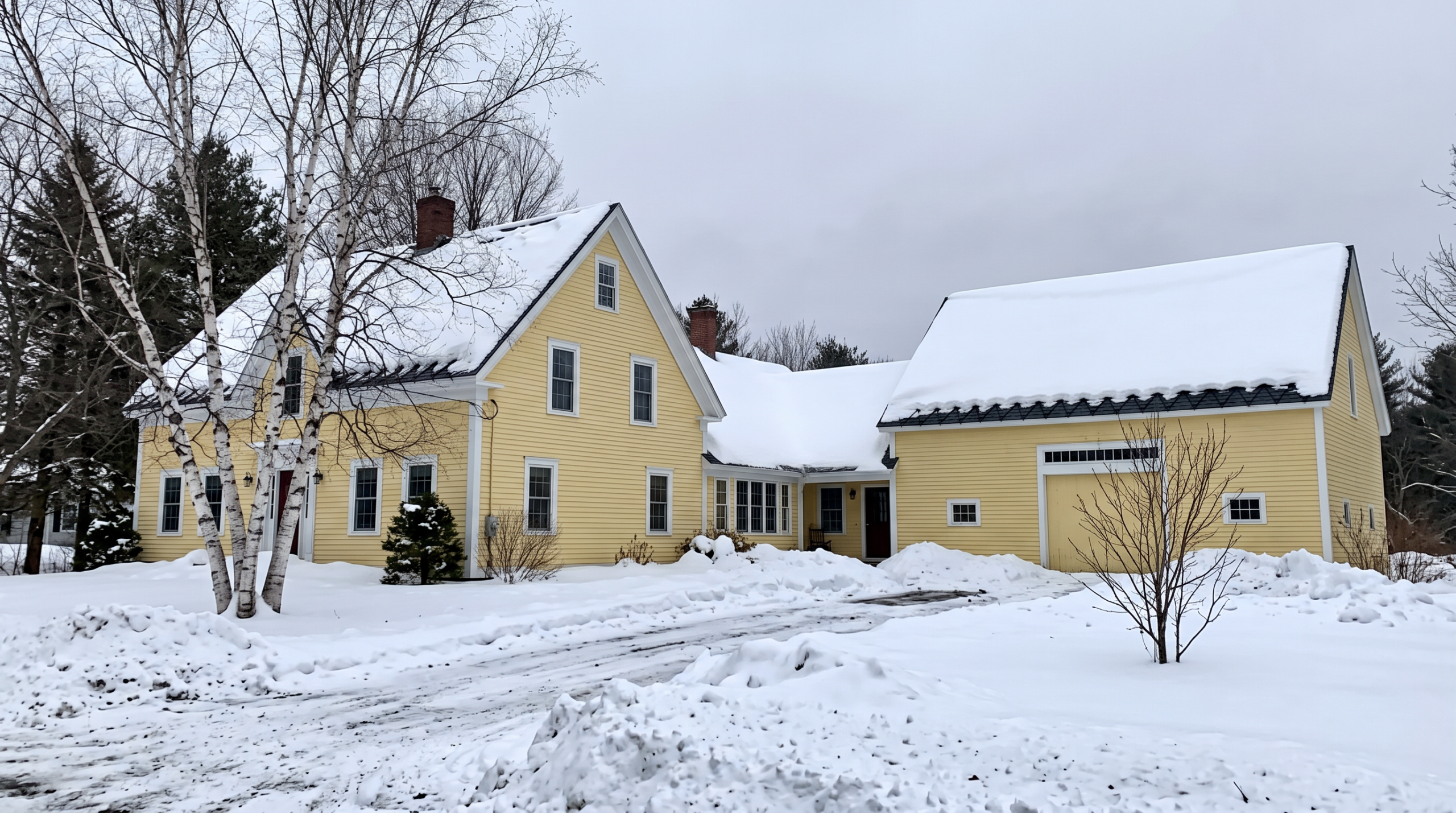
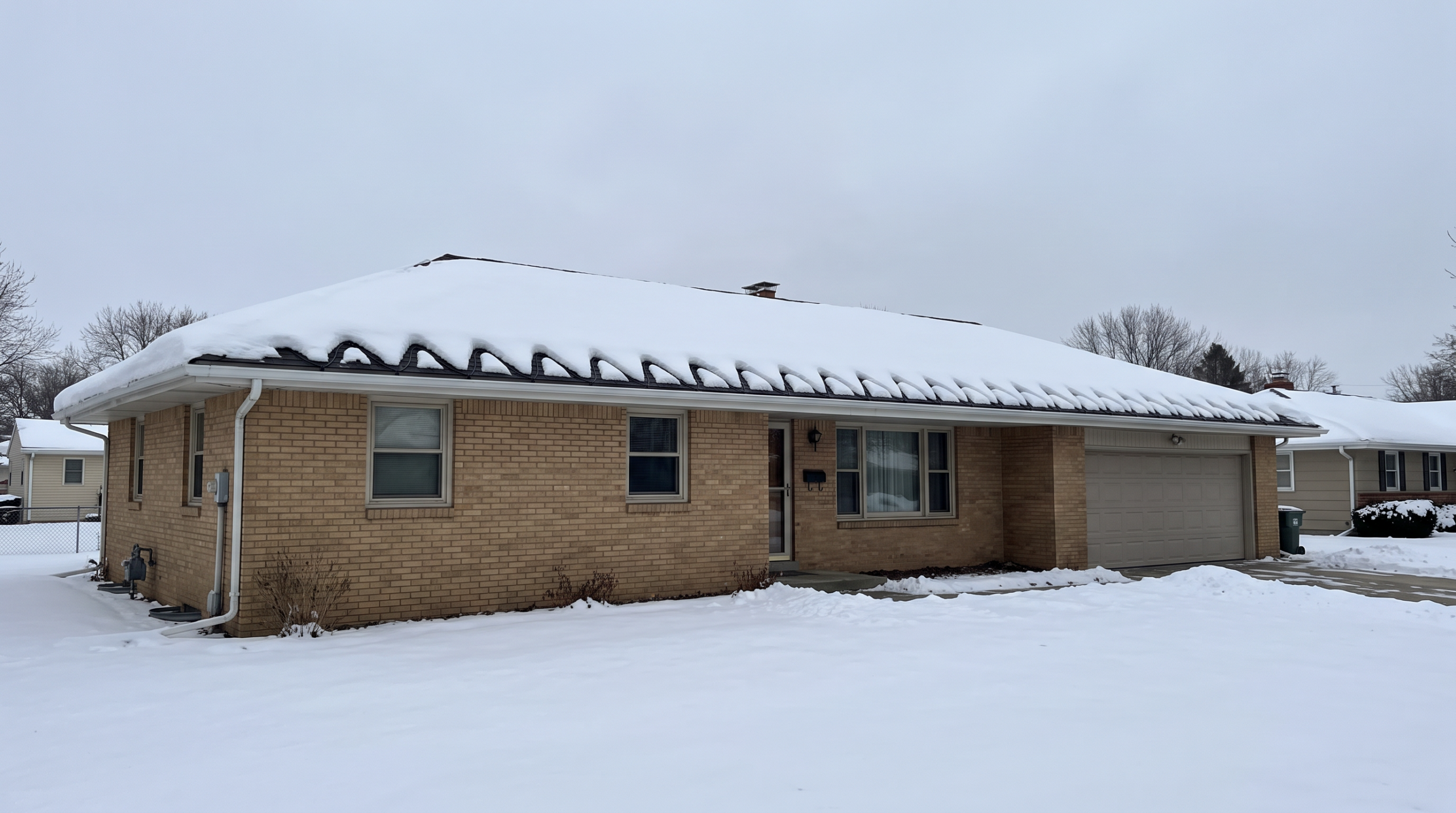
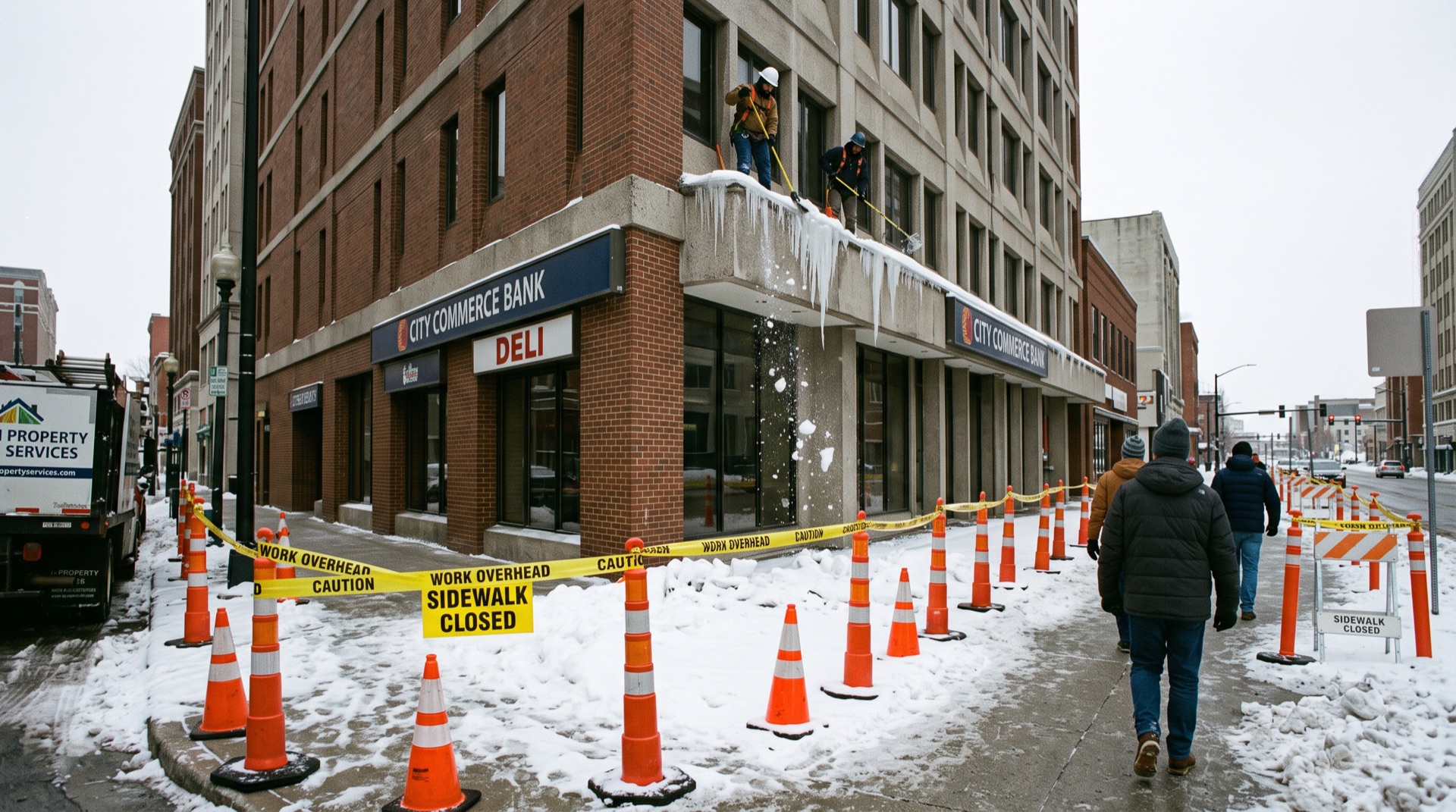
Pitch and height change the job more than ice thickness does. A walkable ranch eave is a ladder and a lance. A three-story roof with a steep pitch means anchors, rope, staging and two people where one would otherwise do.
Crews quote on that honestly. If a property in Roseville needs a longer setup, it is said on the phone rather than discovered at the end of the invoice.
| Coverage area | Roseville and Ramsey County |
|---|---|
| Local ice-barrier practice | Eave membrane expected on re-roofs |
| Removal method | Low-pressure steam only. No chipping, salt or pressure washing. |
| Typical scope | Steam, 6-12 crew hours typical |
| Primary climate stressor | Lake-effect bands, wet heavy pack |
| Documentation | Dated before and after photos, written scope in Xactimate line items |
| Dispatch window | Same day to 24 hours |
Where We Dispatch Around Roseville
Crews working Roseville cover the adjoining communities on the same route — Saint Paul, Mendota, South Saint Paul, Circle Pines and Willernie — so a storm week usually means one truck handling several addresses in Ramsey County rather than separate trips.
Nearest hub towns with their own crew pages: St. Paul, New Brighton, Shoreview, Minneapolis, Fridley, Maplewood.
Coverage runs across Roseville and the nearby towns all winter, and capacity is surged into whichever Minnesota market the storm actually hits.
Water coming in right now in Roseville? Call (888) 561-9664. Active interior leaks go to the front of the schedule.