



What the Lake Does to a Roof in Oakdale
Oakdale sits in the lake-effect belt, where a single band can drop a foot on one side of Washington County and leave the other side clear. That snow lands wet and heavy, packs down on the upper roof, and sits there as a reservoir.

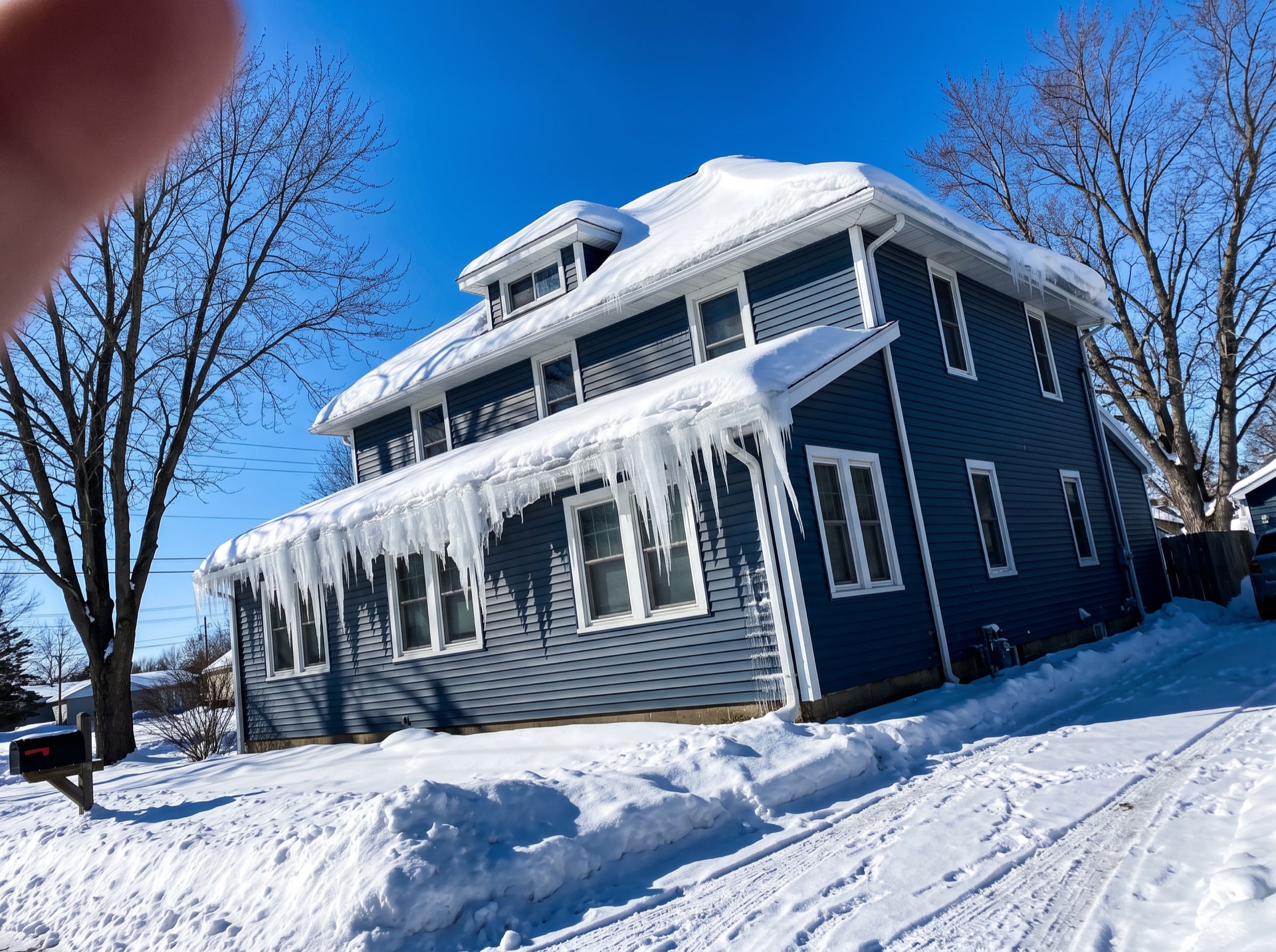
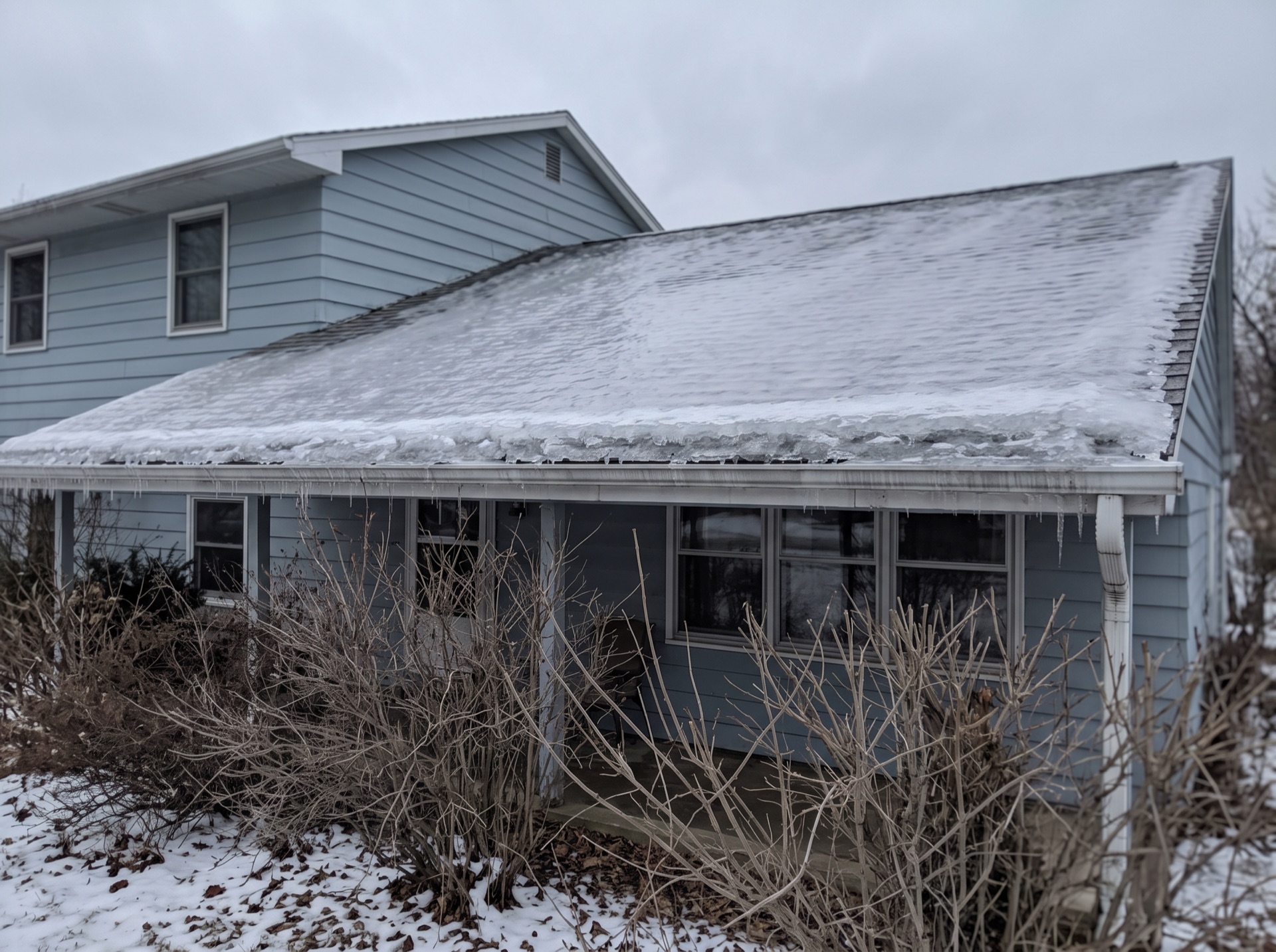
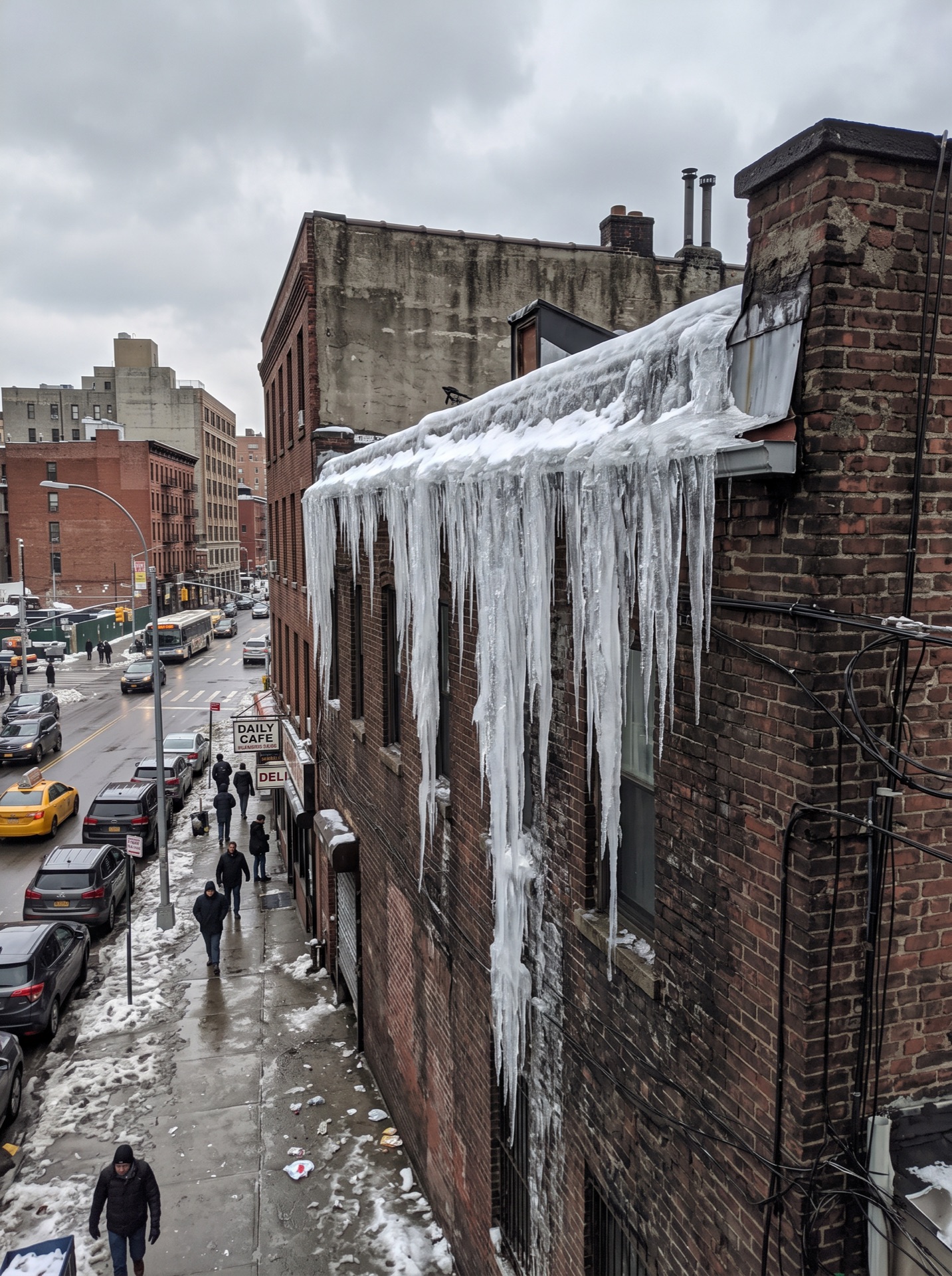
Each band is followed by a clearance and a cold night, and that is the cycle doing the damage. Meltwater released during the day sets at the eave after dark, and the ridge at the gutter line gains a layer every time.
Ice-barrier practice in Washington County
Ice-barrier membrane at the eaves is standard practice across the lake-effect counties, and most Minnesota jurisdictions enforce it on re-roofs. If your roof predates that, the eave has nothing under the shingles holding water out.
The Oakdale Dispatch Process, Step by Step
The first pass is assessment: eaves, valleys, gutter line and any interior staining, all photographed with timestamps. You see what the crew sees, and the rate and likely hours are agreed before work begins.
Steam then takes the dam off in sections, prioritizing wherever water is actively backing up behind it. The gutter trough and downspout are cleared through to daylight on the same visit, because a clear eave over a frozen gutter is a temporary fix.
Dormers, valleys and dead spots
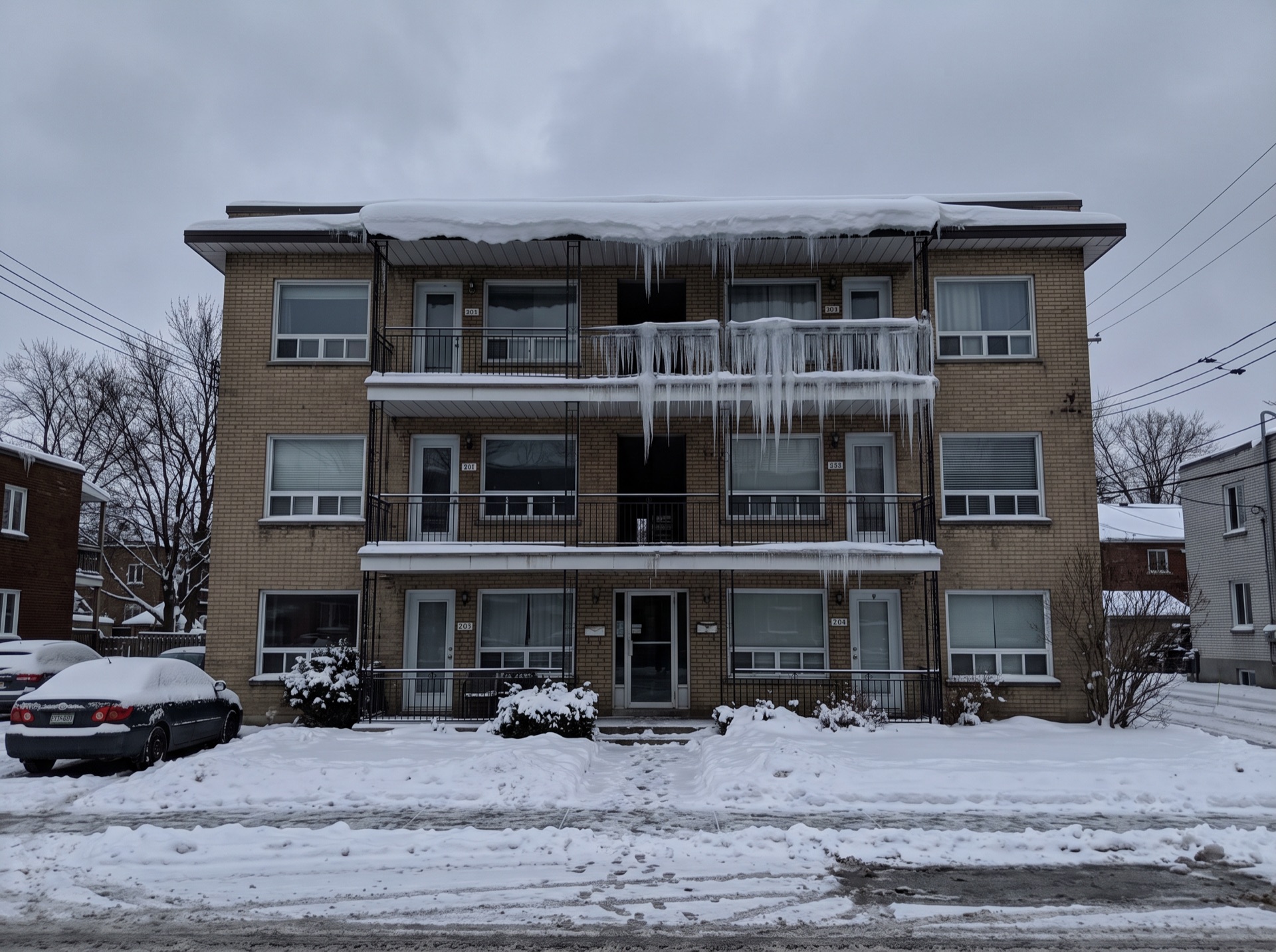
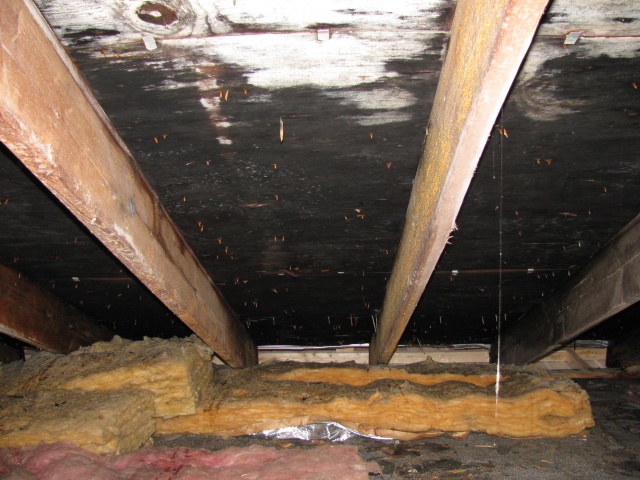
Ice does not distribute evenly. It concentrates where two roof planes meet, behind dormers, in dead valleys that drain nowhere, and along the north face that never sees sun. Those pockets hold water deepest and leak first.
A crew working a roof in Oakdale clears the full eave line and then goes back through the valleys and dormer pockets specifically, because clearing the easy straight run and calling it done is how a roof leaks again a week later.
What the crew does on arrival
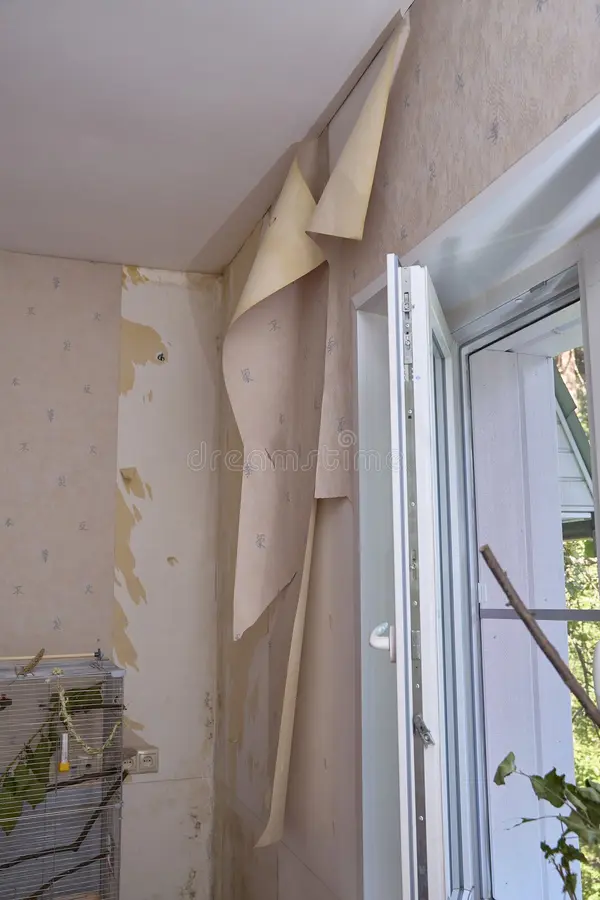
Before anything is touched, the crew walks the eaves, valleys and gutter line and photographs every dam and every point where water is tracking inside. You get shown what they found. Then the dam comes off in sections, starting wherever water is actively backing up, so drainage opens early rather than at the end.
Downspouts and gutter troughs get cleared in the same visit where they are frozen, because a dam removed above a solid block of ice in the gutter just reforms in the next cold night.
How long a removal actually takes
A single-story eave with a thin dam and clear gutters is often an hour or two. A two-story Oakdale house with ice standing a foot deep across the front, frozen downspouts and a valley packed solid is most of a day for a two-man crew. The honest answer on the phone is a range and the reason for it, not a number designed to win the booking.
The estimate is revised out loud if the roof turns out worse than it looked from the ground, before the extra hours are worked rather than after they appear on the invoice.
| Primary climate stressor | Lake-effect bands, wet heavy pack |
|---|---|
| Removal method | Low-pressure steam only. No chipping, salt or pressure washing. |
| Local ice-barrier practice | Eave membrane expected on re-roofs |
| Documentation | Dated before and after photos, written scope in Xactimate line items |
| Pricing model | Billed by the crew hour, rate quoted before dispatch |
| Dispatch window | Same day to 24 hours |
| Typical scope | Steam, 6-12 crew hours typical |
Where We Dispatch Around Oakdale
Crews working Oakdale cover the adjoining communities on the same route — Lake Elmo, Saint Paul, Willernie, Newport and South Saint Paul — so a storm week usually means one truck handling several addresses in Washington County rather than separate trips.
Nearest hub towns with their own crew pages: Maplewood, Woodbury, St. Paul, White Bear Lake, Inver Grove Heights, Cottage Grove.
Coverage runs across Oakdale and the nearby towns all winter, and capacity is surged into whichever Minnesota market the storm actually hits.
Water coming in right now in Oakdale? Call (888) 561-9664. Active interior leaks go to the front of the schedule.