Cook County sees the same pattern every winter: snow on the roof, warm air in the attic, and a line of ice building along the eave where the two meet. As part of our complete Chicago winter roof services, crews handle ice dam insurance claims across Cook County.
Chicago Ice Dams: Why a Few Inches Is Enough
What catches people out in Cook County is that the snow looks harmless. Two or three inches reads as nothing, and it builds ice on an eave just as effectively as a northern storm given enough cycles.

The building stock has no margin for it. Because the winters here read as mild, attics tend to be under-insulated, eave details are less considered, and ice barrier is as often absent as present on a roof in Chicago.
Ice-barrier practice in Cook County
The residential code Illinois follows requires eave ice barrier on new work, and Cook County enforces it. The variable on any given house is simply when it was last roofed.
Ice Dam Insurance Claims in Chicago: How The Work Runs
Why the scope gets written in Xactimate line items
Most carriers estimate in Xactimate. A scope that already speaks that language can be compared line for line instead of translated, and translation is where hours get cut. Does Insurance Pay for Ice Dam Water Damage?.
It does not guarantee the number. It removes one of the common reasons a reasonable number gets reduced.
What a carrier is actually looking for
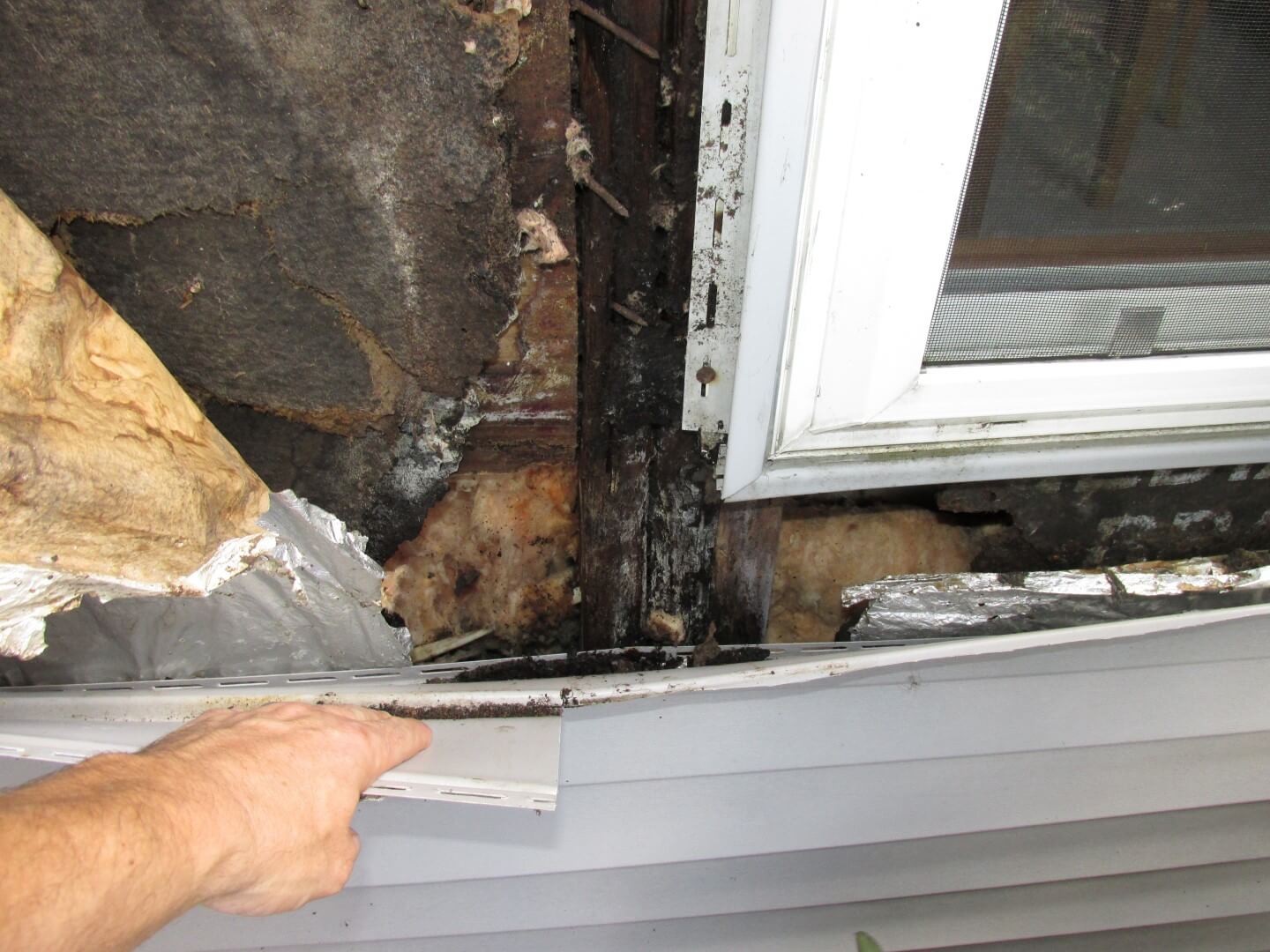
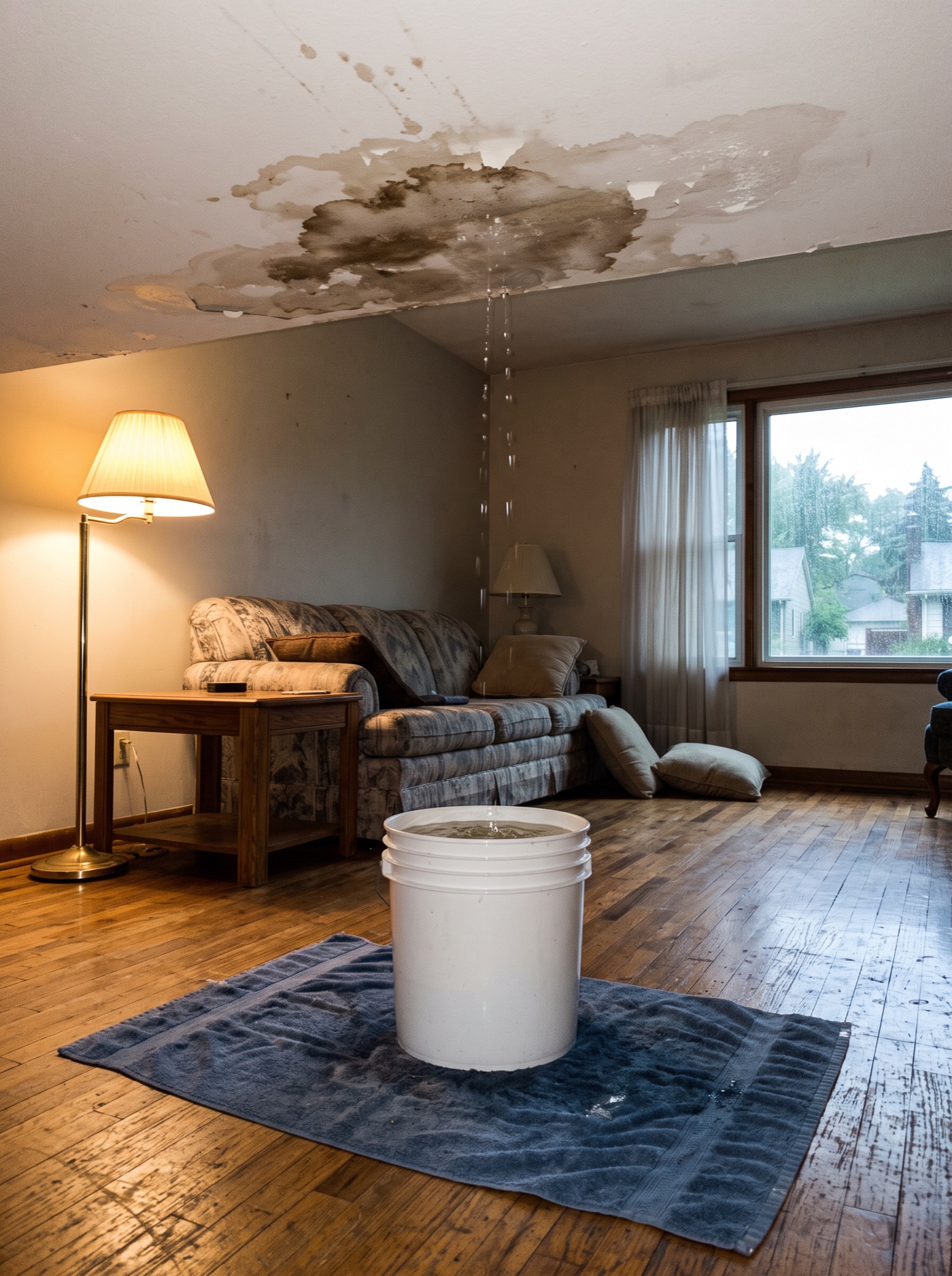
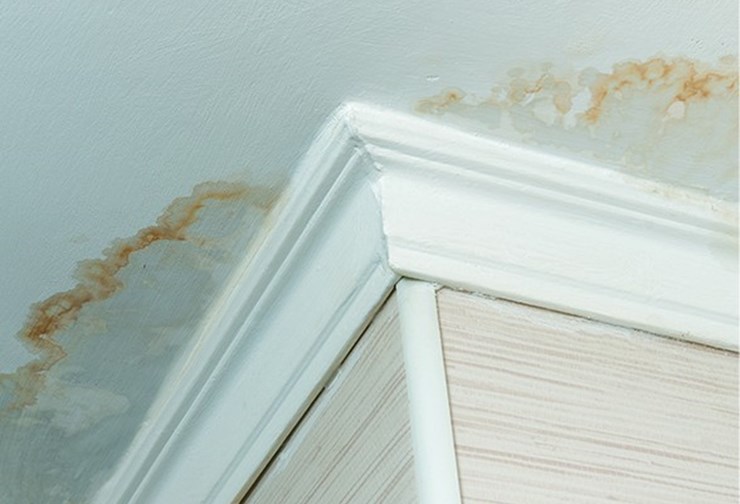
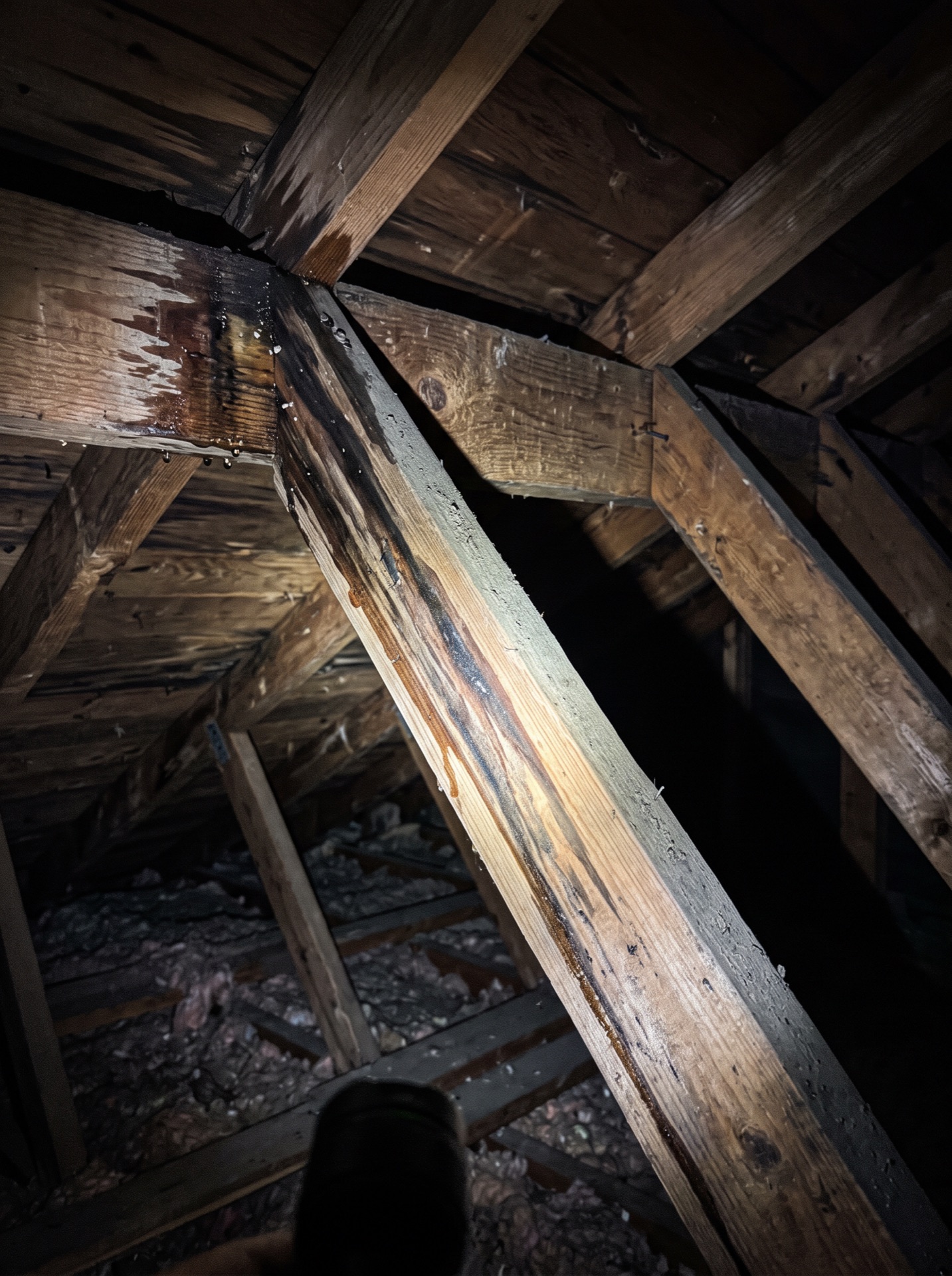
A claim turns on proving sudden, accidental water intrusion rather than a maintenance failure the homeowner let develop. In practice that means dated photographs of the dam, the entry points and the interior damage, taken while the event is live — not reconstructed in March from memory.
Crews photograph as they work for exactly this reason. Timestamped images of the ice before removal, the water path, the affected interior and the dried-out result form the spine of a claim that survives review.
What a maintenance-exclusion denial actually argues
The carrier's position is that the dam built up gradually and could have been prevented, making it maintenance rather than a sudden accidental event. Put that way it is hard to argue with in the abstract.
It is much harder to sustain against dated photographs of a specific storm event, a written scope describing the intrusion, and moisture readings taken while the water was still there. That is the counter, and it has to be collected at the time.
One event, one claim, one company
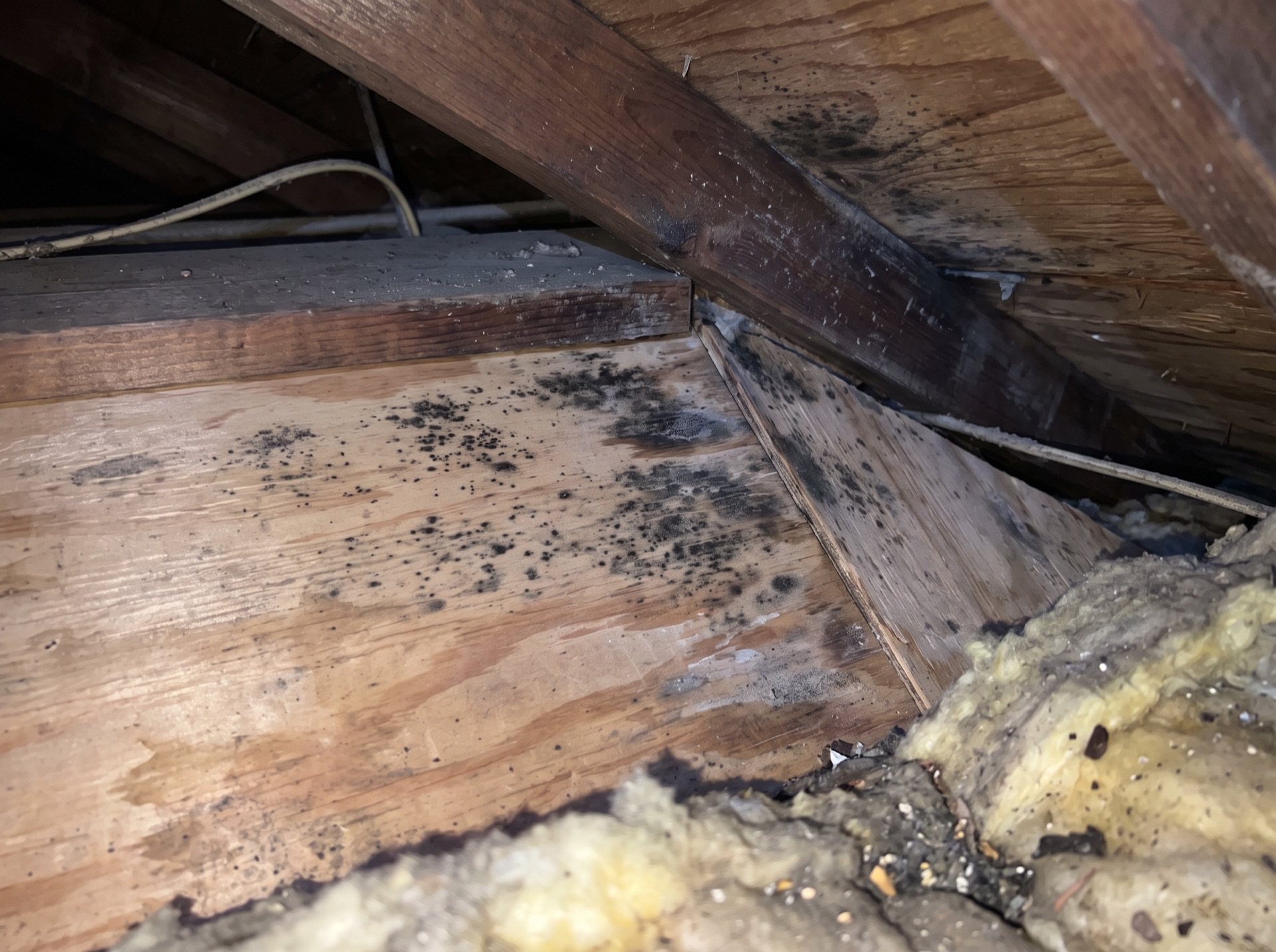
An ice dam is one loss event, and everything it caused belongs on one claim: the emergency removal, the water mitigation, mold remediation where the water led to growth, the interior repair, and the roof itself where the dam damaged it. Splitting that across separate contractors is how line items get missed and dates stop lining up.
Ice Dam Now handles all of it, so the photographs, moisture readings and scopes run continuously from the first visit to the finished room, and the adjuster deals with one contractor and one file.
Scopes in the format adjusters use
Scopes get written in Xactimate line items, with the mitigation work priced and described the way a carrier's own estimating software describes it. An adjuster comparing like to like approves faster than one translating a hand-written invoice into their system.
Where the policy allows direct billing, carriers are billed directly, so the out-of-pocket conversation is smaller from the start.
What you get in Chicago
- Dated photo recordThe dam, the entry points and the interior damage, captured while it is happening
- Xactimate line itemsScopes written in the carrier's own estimating language
- Roof replacement scopedWhere the ice dam damaged shingles or decking, the roof goes on the same claim
| Interior repair | Insulation, drywall, texture, trim and paint, done in-house after drying |
|---|---|
| Primary climate stressor | Repeated thaw-freeze cycling |
| Local ice-barrier practice | Eave membrane on new work, often absent |
| Billing | Xactimate line items on one claim; carrier billed directly where the policy allows |
| Dispatch window | Same day to 24 hours |
| Service | Ice Dam Insurance Claims in Chicago, IL |
| Documentation | Dated before and after photos, written scope in Xactimate line items |
Where We Dispatch Around Chicago
Crews working Chicago cover the adjoining communities on the same route — Forest Park, Lincolnwood, Elmwood Park, River Forest and Riverside — so a storm week usually means one truck handling several addresses in Cook County rather than separate trips.
Nearest hub towns with their own insurance claims pages: Cicero, Oak Park, Berwyn, Hanover Park, Skokie, Evanston.
Scheduling for Chicago tightens up during a freeze event, which is exactly when the phone beats the form. Water coming in means a call, not an email.
Most jobs do not stop at one service. Insurance Claims in Chicago often runs alongside water mitigation & dryout in Chicago, and both get written into one scope rather than billed as separate visits.
Active leak right now? Our 24/7 Chicago steam ice dam removal crews are dispatched first during a freeze event. Call (888) 561-9664.