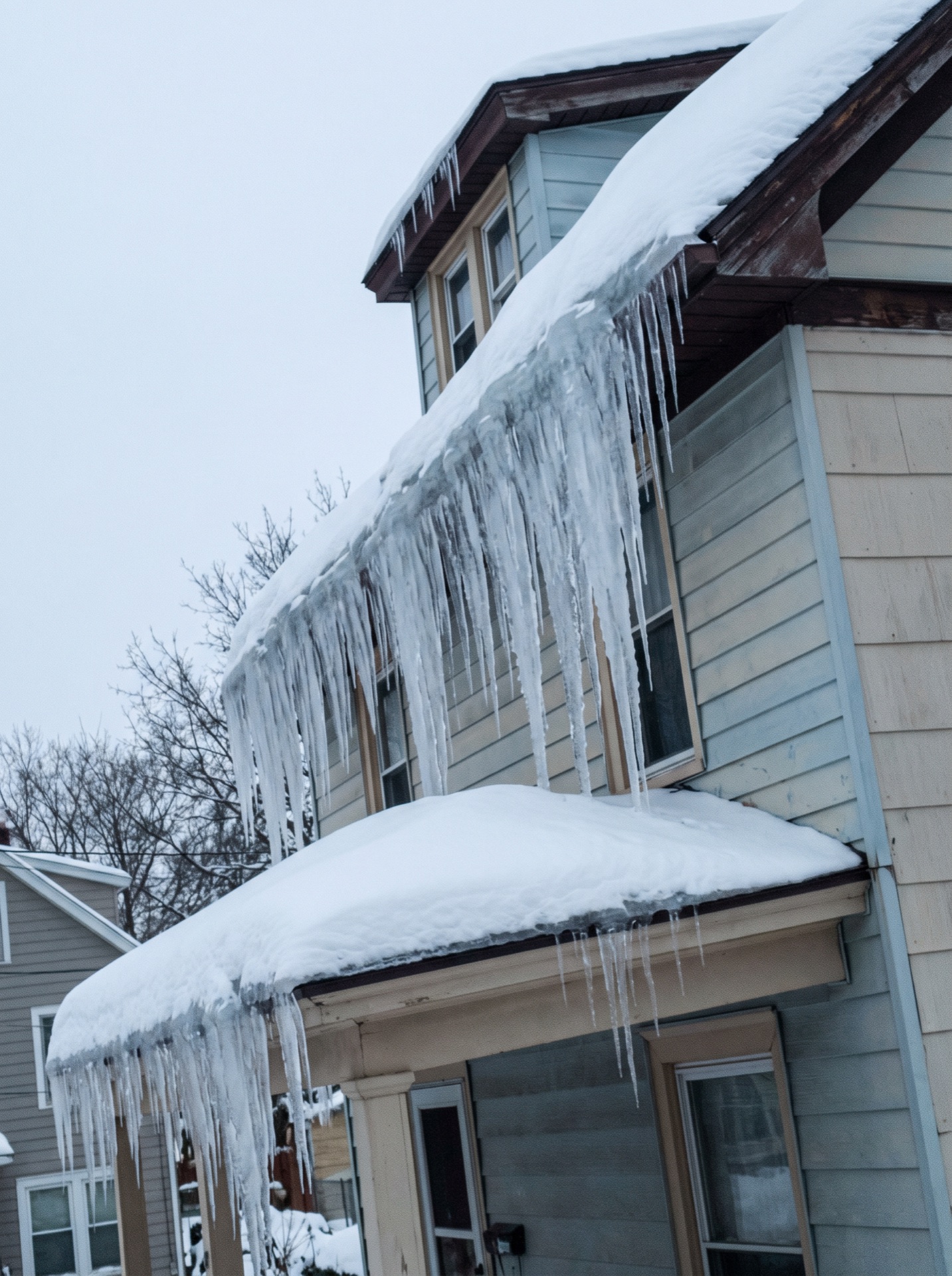
Boulder County sees the same pattern every winter: snow on the roof, warm air in the attic, and a line of ice building along the eave where the two meet. As part of our complete Louisville winter roof services, crews handle ice dam insurance claims across Boulder County.
Elevation, Aspect and Ice: The Boulder County Pattern
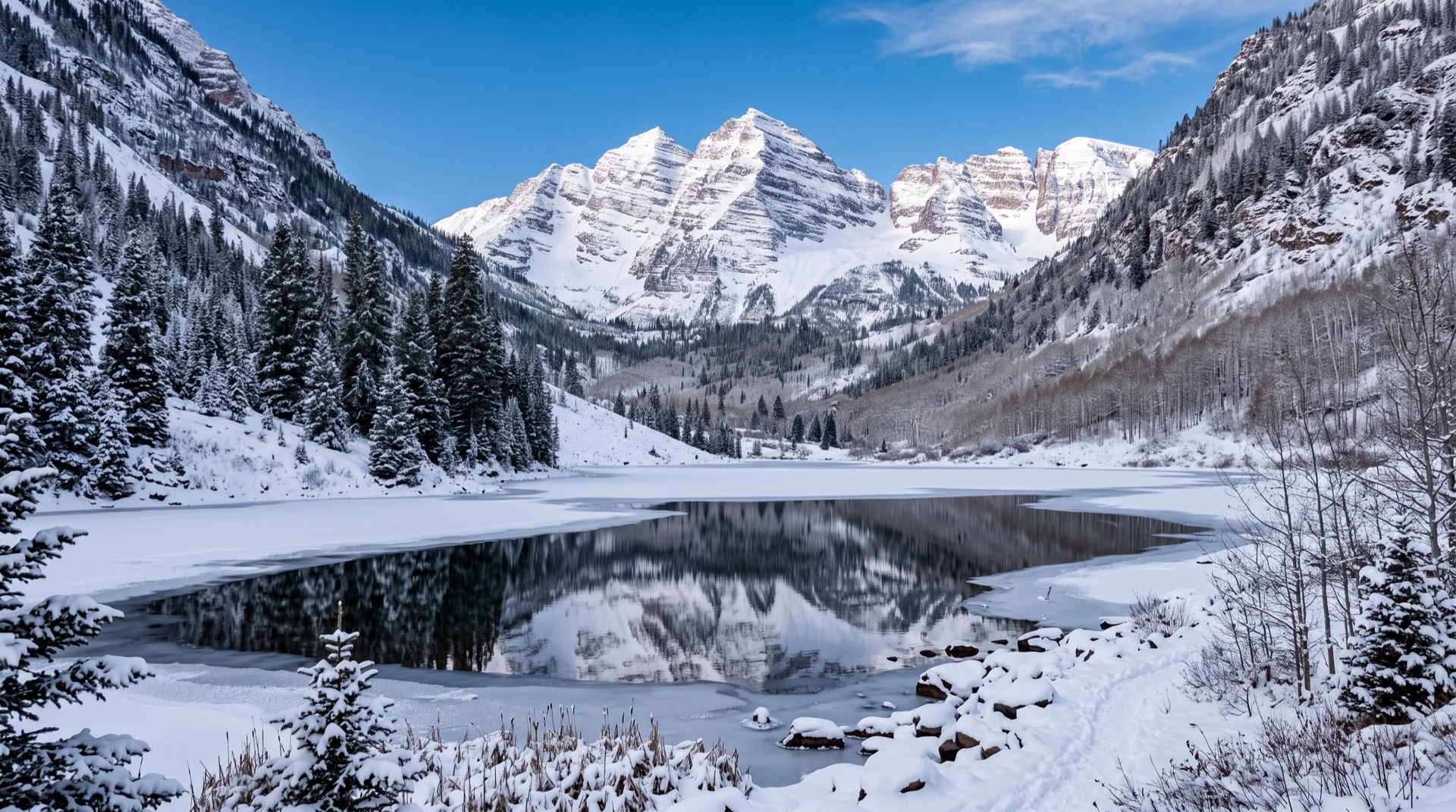
At Louisville's elevation the air can stay below freezing all day while direct sun still melts the top of the snowpack. That meltwater runs down under the pack, reaches a shaded eave, and refreezes — on a day the thermometer never rose above freezing.

Aspect decides which eaves suffer. A sunny plane sheds water across a roof in Louisville to a shaded eave that has not been above freezing for weeks, and that is where the ice builds into a wall.
Ice-barrier practice in Boulder County
Snow retention above doors, walkways and parking is a requirement in most Boulder County jurisdictions for good reason: a release off a metal mountain roof is a serious event, not an inconvenience.
Ice Dam Insurance Claims in Louisville: How The Work Runs
Why the time stamp on the photographs matters
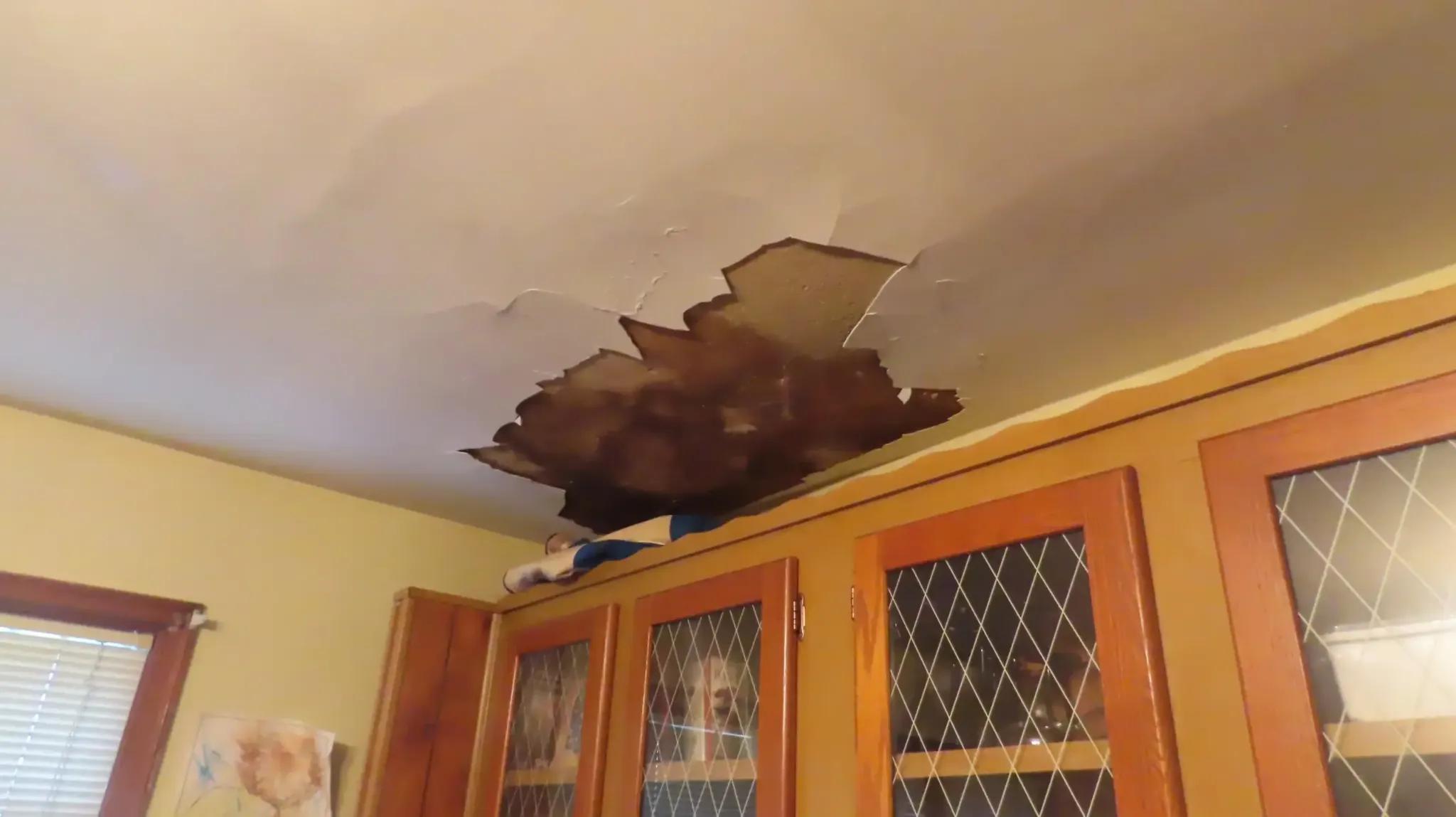
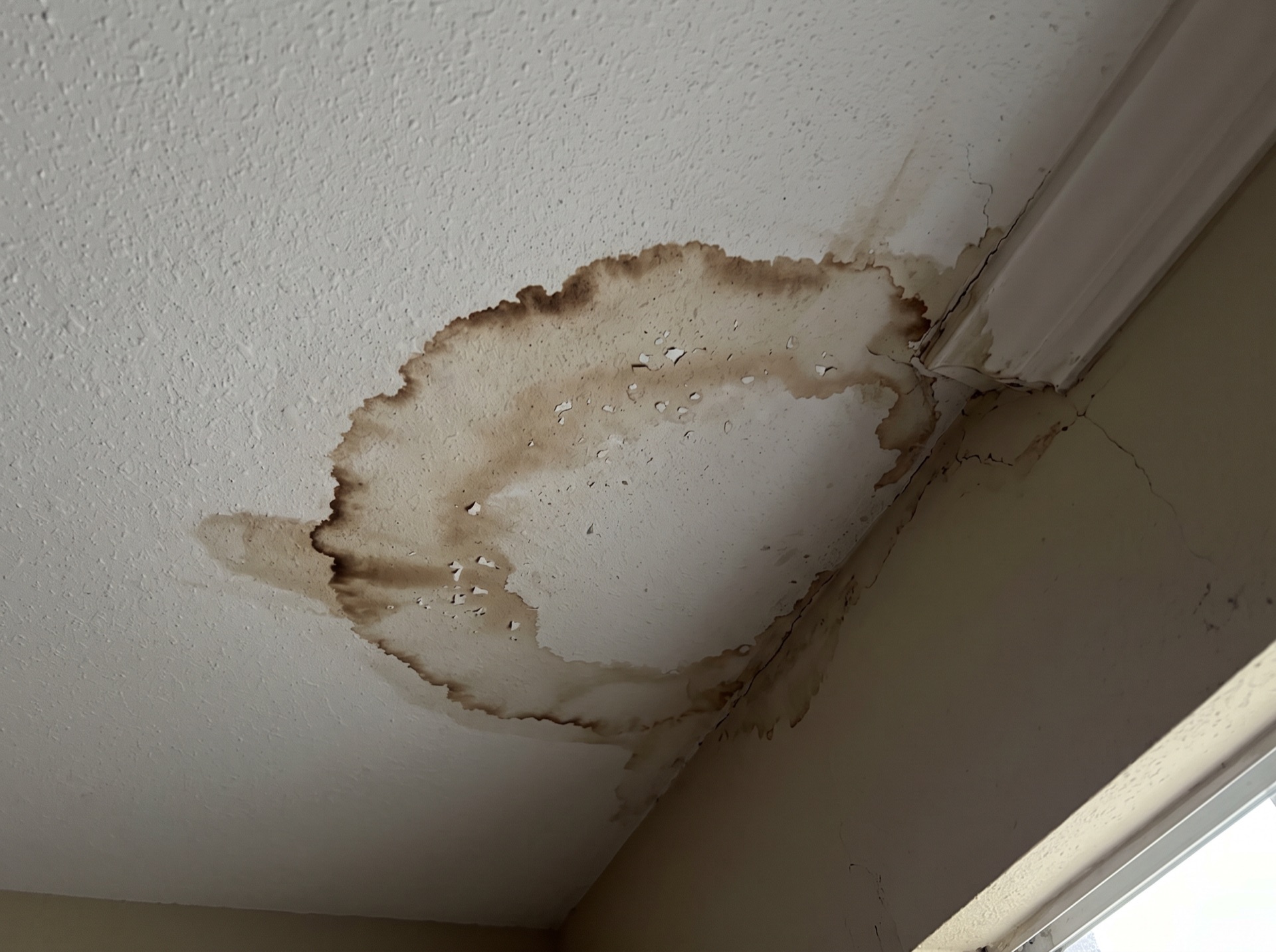
An adjuster arriving in April is looking at a dry ceiling and a clear roof, and is being asked to accept an account of something that happened in January. Dated photographs taken while the ice was on the roof and the water was running are what turn that account into evidence. Does Insurance Pay for Ice Dam Water Damage?.
Crews photograph on arrival, during the work and on completion, with timestamps intact. It costs nothing at the time and it is routinely the difference between a paid claim and a contested one.
Why the scope gets written in Xactimate line items
Most carriers estimate in Xactimate. A scope that already speaks that language can be compared line for line instead of translated, and translation is where hours get cut.
It does not guarantee the number. It removes one of the common reasons a reasonable number gets reduced.
What a carrier is actually looking for
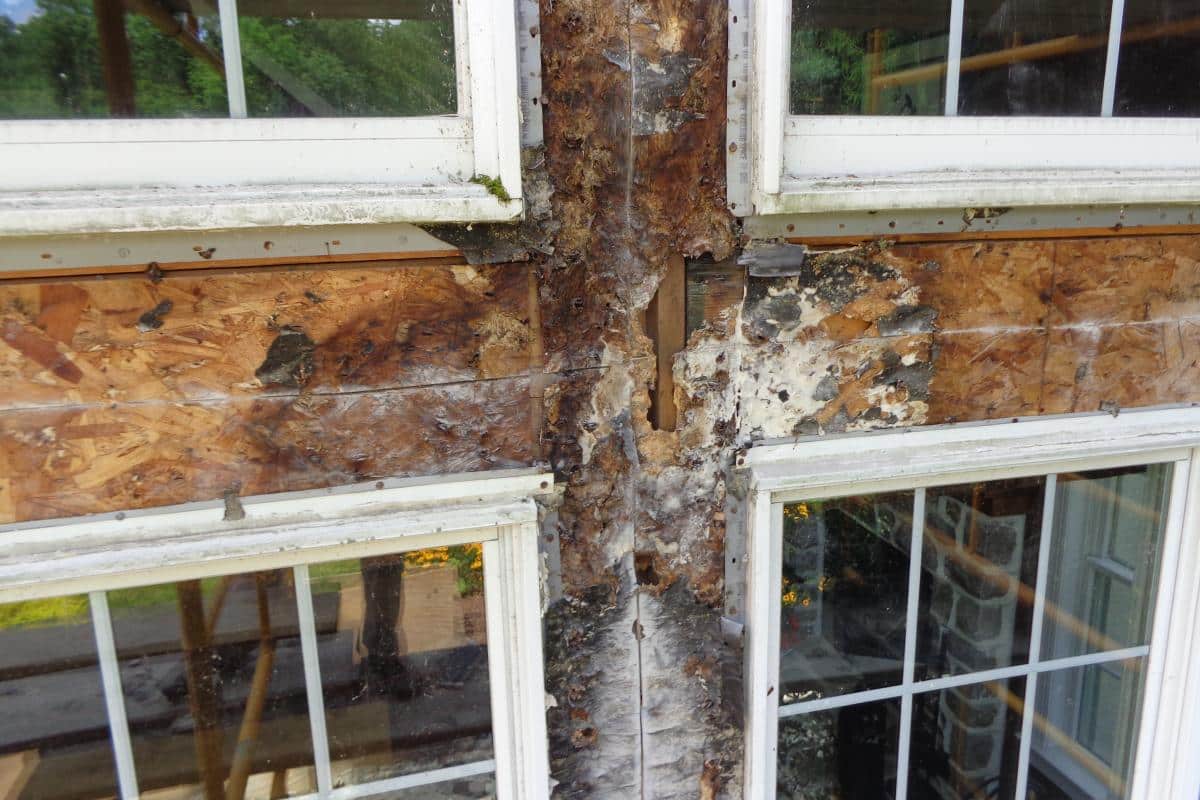
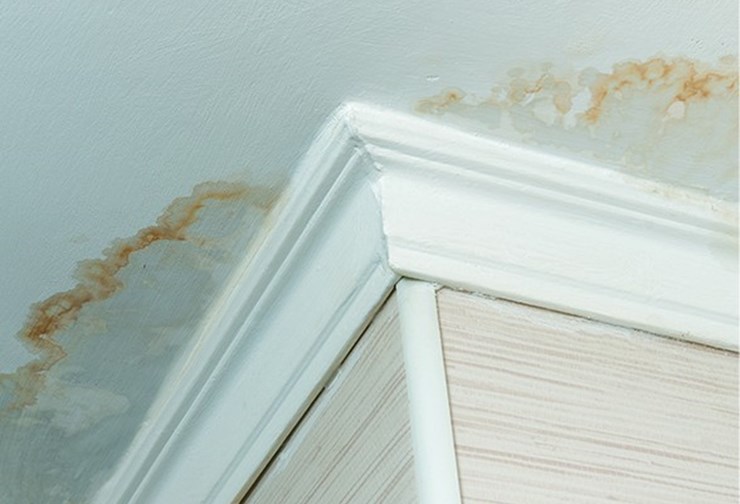
A claim turns on proving sudden, accidental water intrusion rather than a maintenance failure the homeowner let develop. In practice that means dated photographs of the dam, the entry points and the interior damage, taken while the event is live — not reconstructed in March from memory.
Crews photograph as they work for exactly this reason. Timestamped images of the ice before removal, the water path, the affected interior and the dried-out result form the spine of a claim that survives review.
Keeping the record from the first phone call
The claim starts with the call, so it is worth writing down the date, the time, the claim number and the name of whoever took it, and doing the same for every conversation after that.
Report what happened plainly and in full. Mitigation steps already taken get reported too - most policies require the policyholder to prevent further damage, and the invoice for having done so is usually claimable.
Why one contractor for the whole event helps the claim
When the removal company, the drying company, the mold company and the builder are all different firms, the adjuster gets four sets of photographs with gaps between them and four invoices with overlapping lines.
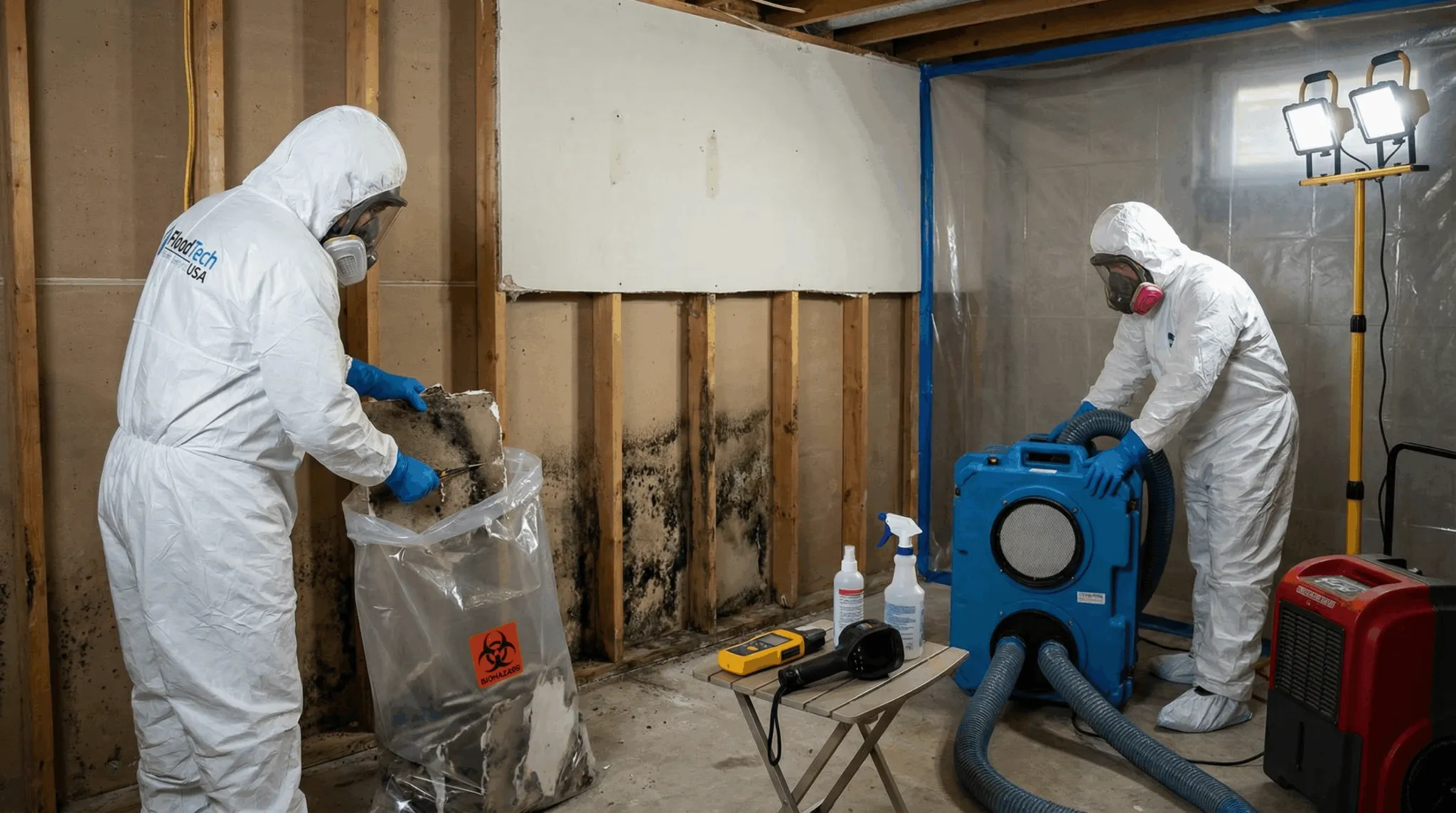
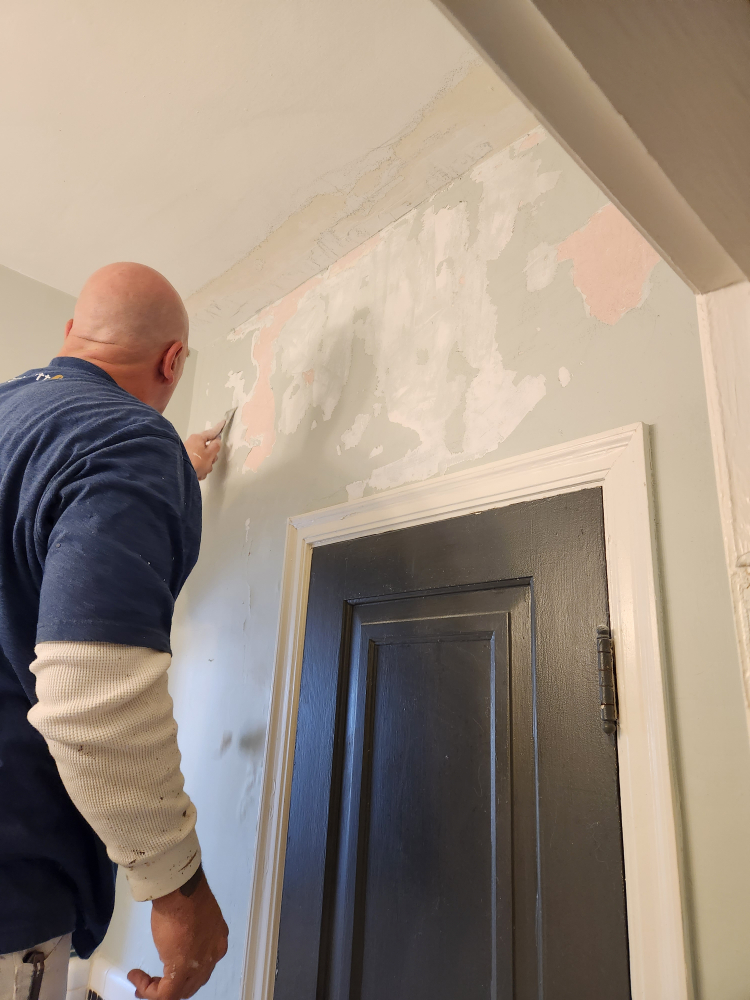
One company doing the whole job produces one continuous record: the ice before removal, the water inside, the readings, the mold found when the ceiling came down, and the finished repair. That record is much harder to argue with.
What you get in Louisville
- Direct billingCarriers billed directly wherever the policy allows it
- Roof replacement scopedWhere the ice dam damaged shingles or decking, the roof goes on the same claim
- Dated photo recordThe dam, the entry points and the interior damage, captured while it is happening
| Interior repair | Insulation, drywall, texture, trim and paint, done in-house after drying |
|---|---|
| Method | Containment, HEPA filtration and drying to a measured IICRC standard |
| Primary climate stressor | Solar melt on deep pack, shaded eaves |
| Billing | Xactimate line items on one claim; carrier billed directly where the policy allows |
| Service | Ice Dam Insurance Claims in Louisville, CO |
| Coverage area | Louisville and Boulder County |
| Dispatch window | 24 to 48 hours in mountain terrain |
Neighborhoods and Towns We Reach From Louisville
Crews working Louisville cover the adjoining communities on the same route — Eldorado Springs, Niwot, Eastlake, Pinecliffe and Dacono — so a storm week usually means one truck handling several addresses in Boulder County rather than separate trips.
Nearest hub towns with their own insurance claims pages: Lafayette, Broomfield, Boulder, Erie, Westminster, Northglenn.
During a cold snap Louisville gets worked alongside the neighboring Boulder County towns on the same route, with active interior leaks moved to the front of the list.
Most jobs do not stop at one service. Insurance Claims in Louisville often runs alongside water mitigation & dryout in Louisville, and both get written into one scope rather than billed as separate visits.
Active leak right now? Our 24/7 Louisville steam ice dam removal crews are dispatched first during a freeze event. Call (888) 561-9664.