



Sun on Cold Snow: The Erie Pattern
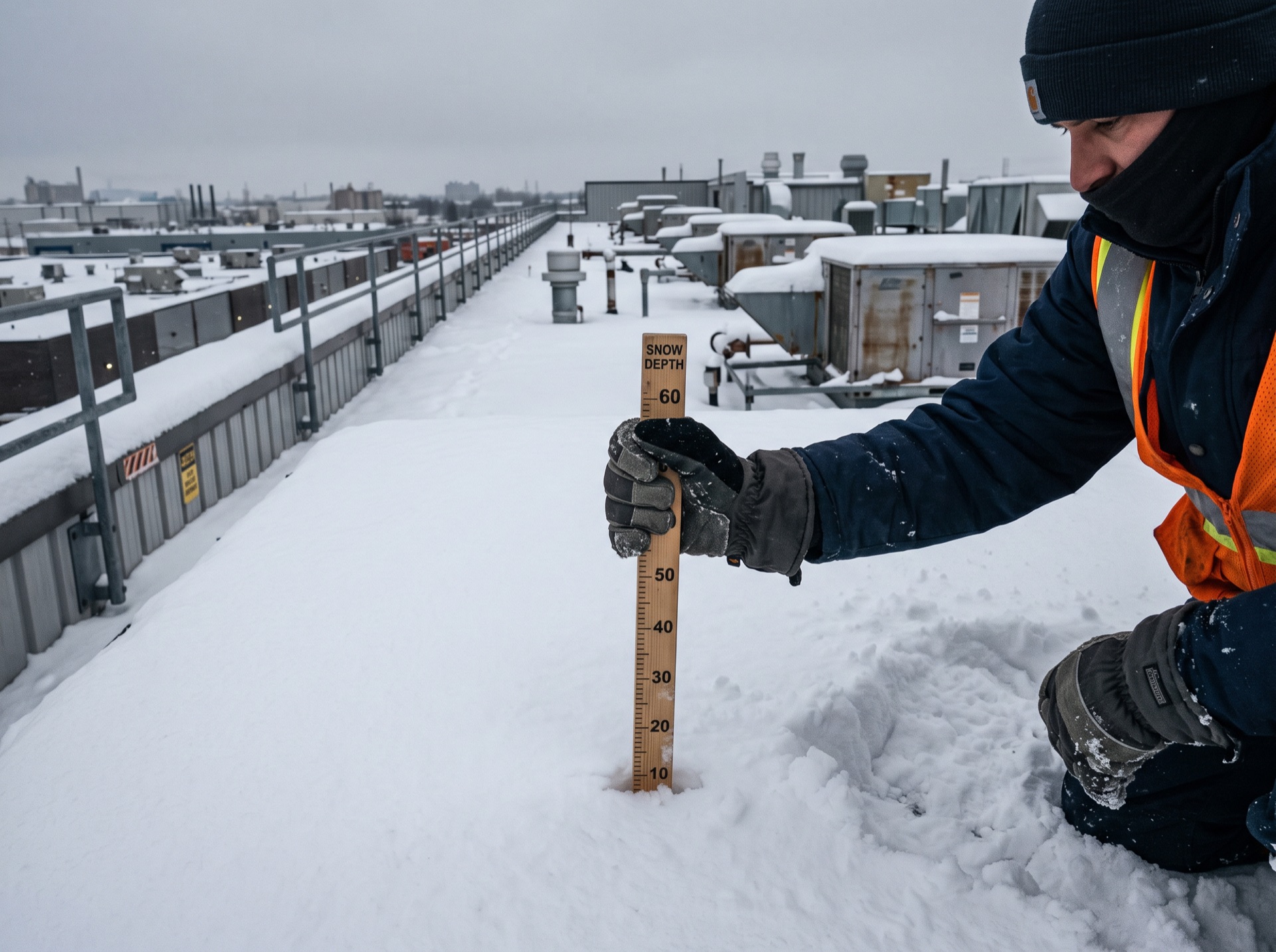
Thin air at altitude means intense direct sun even in deep cold. A Erie roof can be melting on its south face at midday in air that never gets near freezing, and all of that water has to go somewhere.

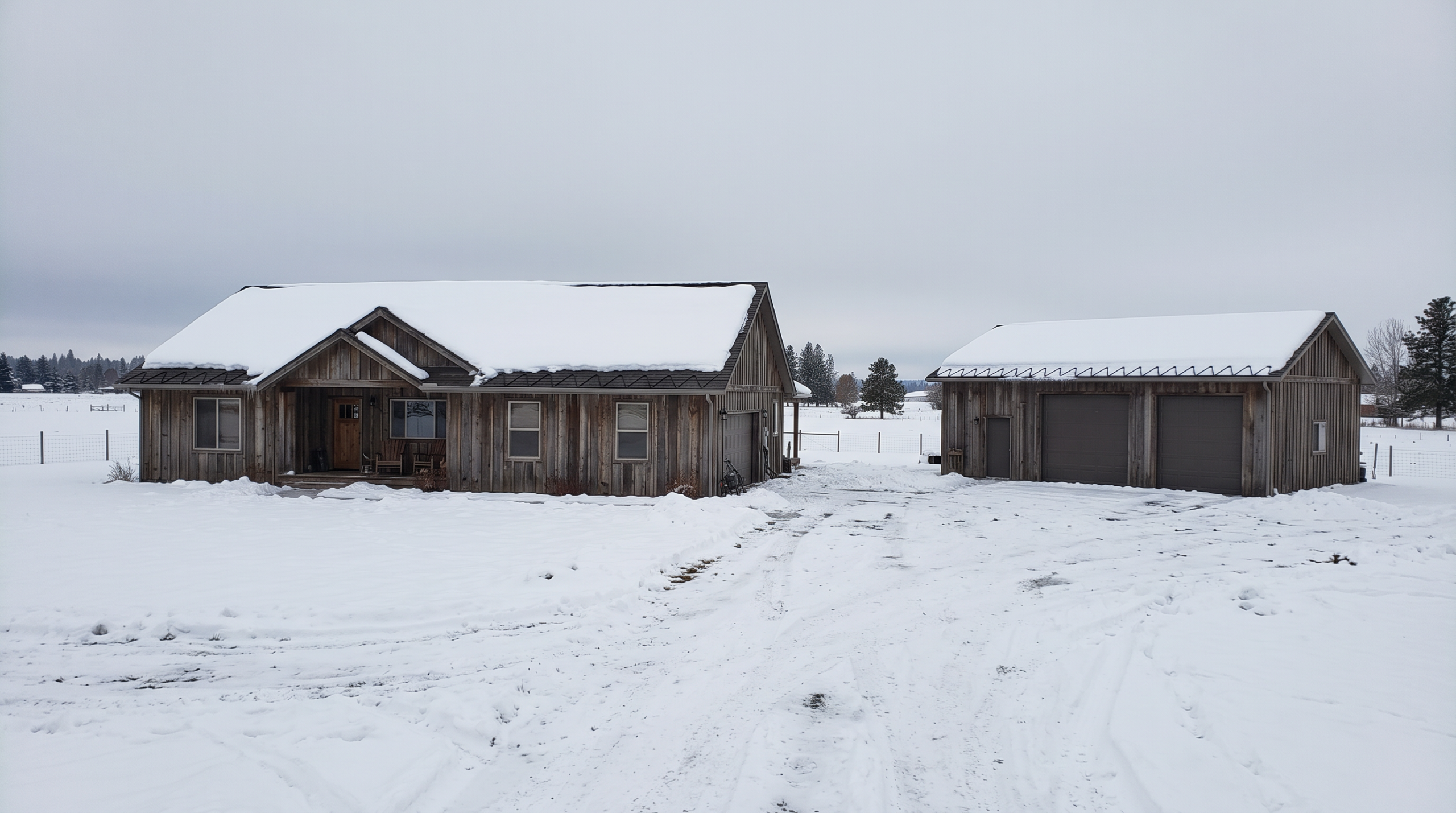
Aspect decides which eaves suffer. A sunny plane sheds water across a roof in Erie to a shaded eave that has not been above freezing for weeks, and that is where the ice builds into a wall.
Ice-barrier practice in Boulder County
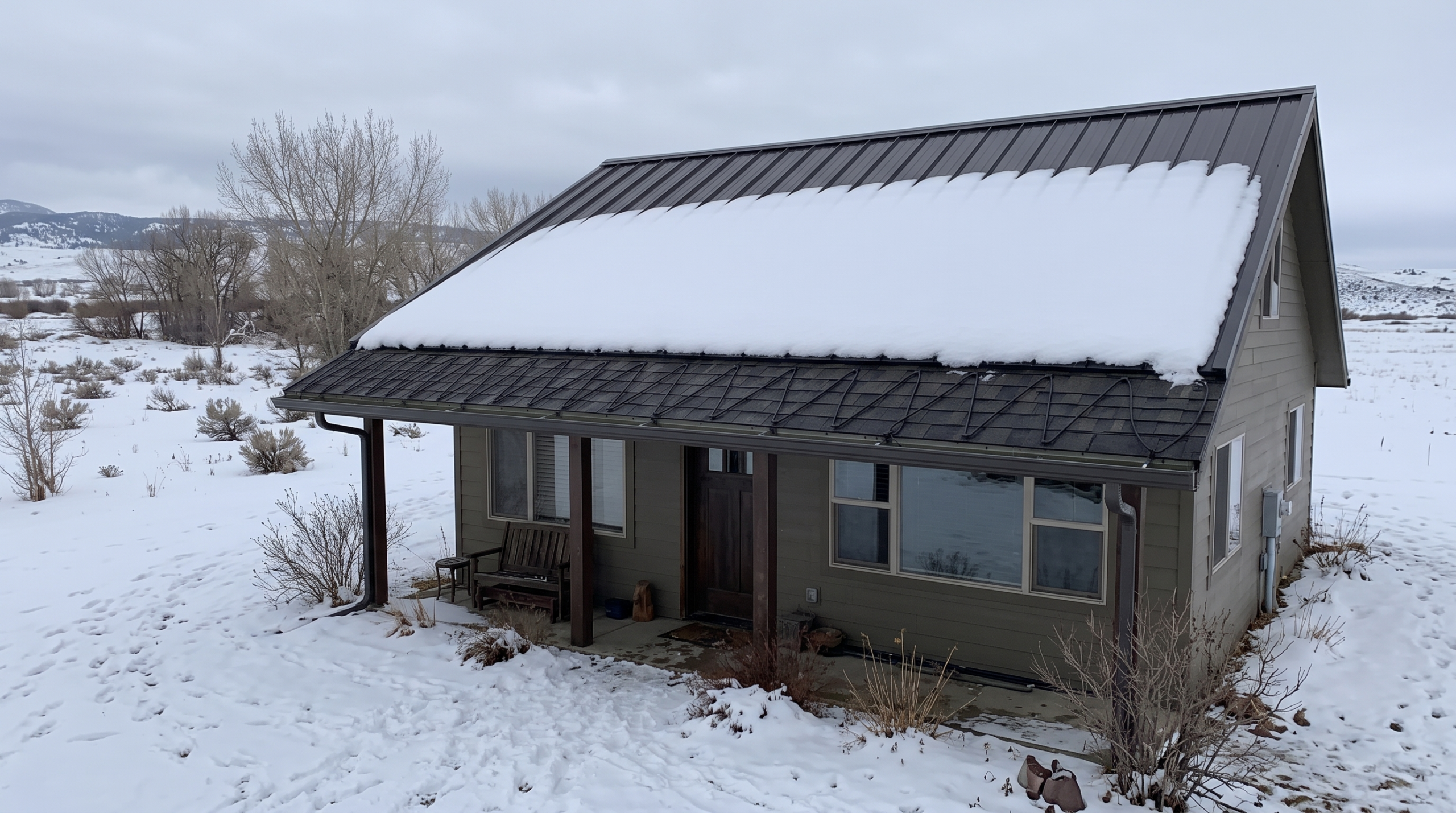
Mountain jurisdictions across Boulder County generally require ice-barrier membrane well up the roof plane, not just the first course, along with snow retention on metal roofs above entries and walkways.
How We Work an Erie Ice Dam
The first pass is assessment: eaves, valleys, gutter line and any interior staining, all photographed with timestamps. You see what the crew sees, and the rate and likely hours are agreed before work begins.
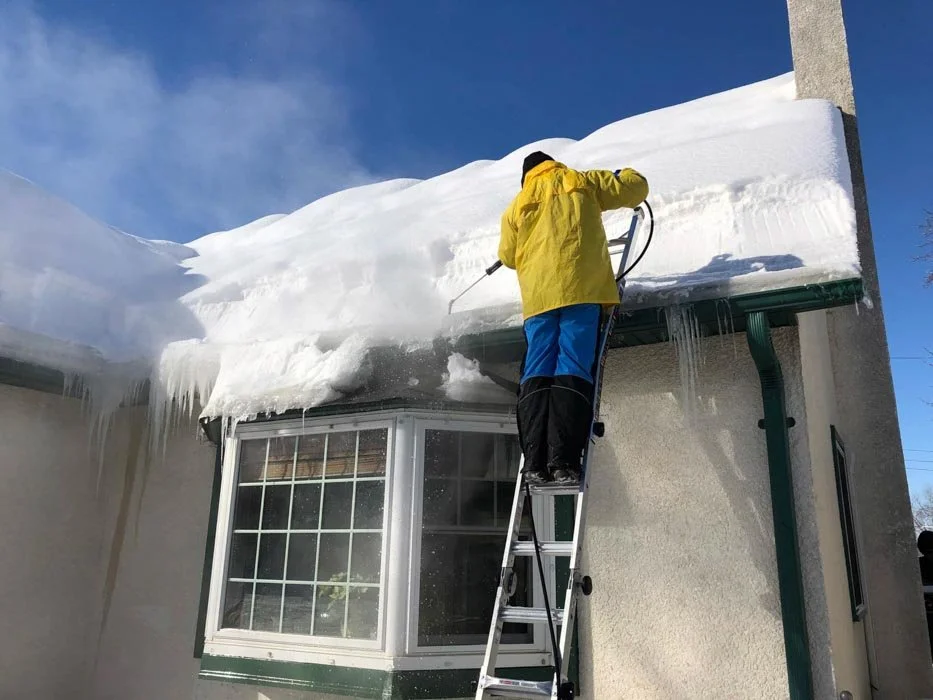
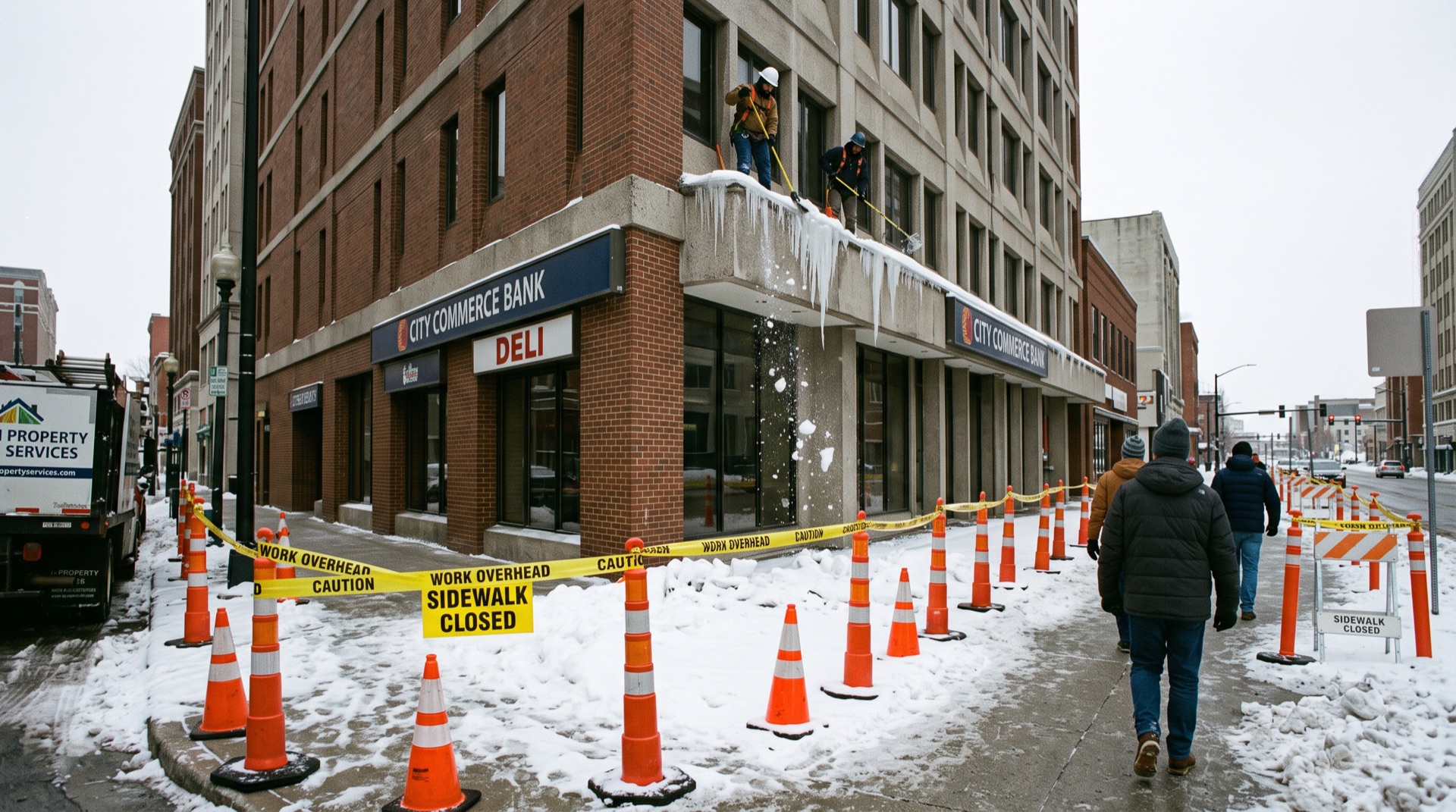
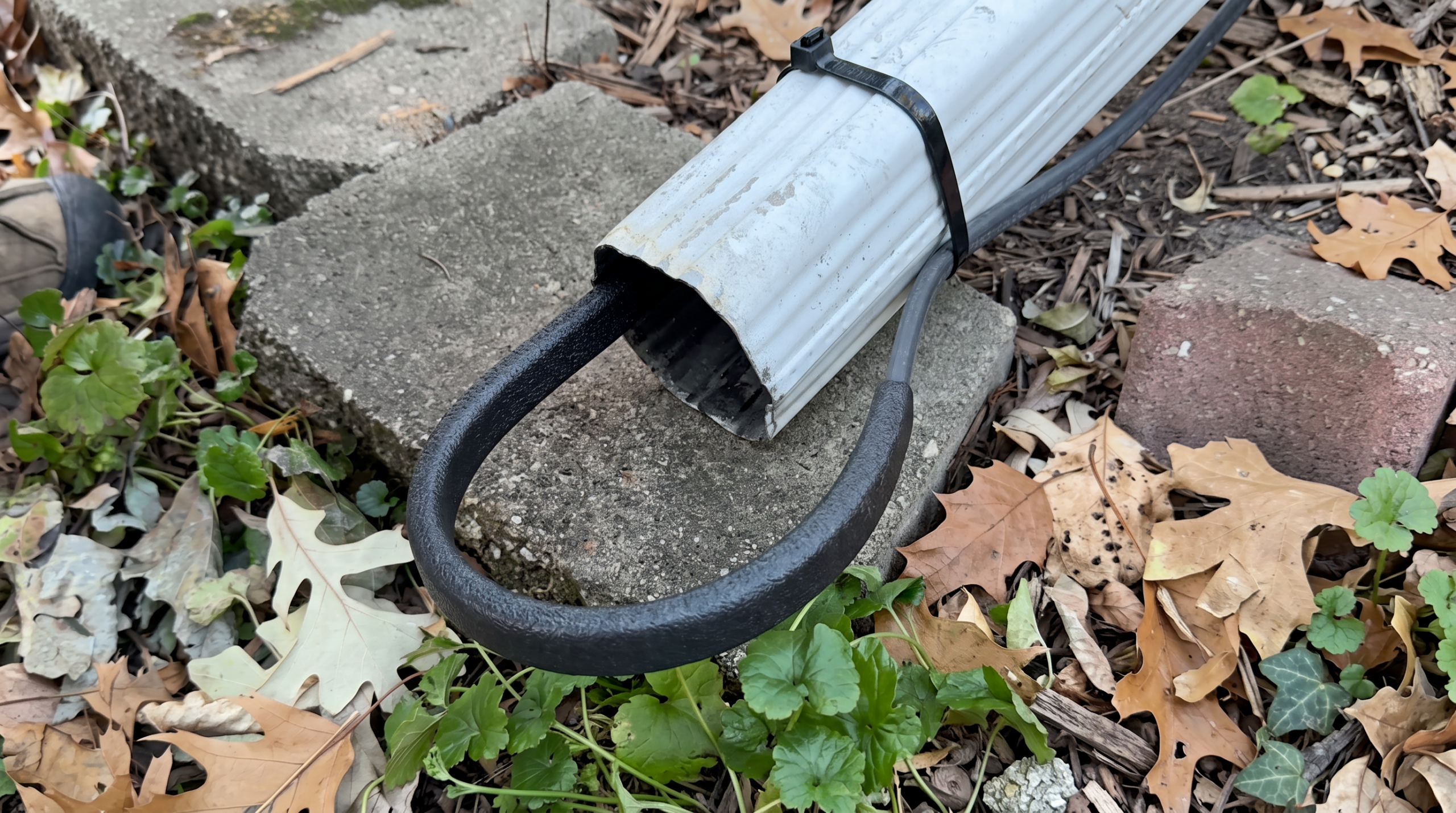
Steam then takes the dam off in sections, prioritizing wherever water is actively backing up behind it. The gutter trough and downspout are cleared through to daylight on the same visit, because a clear eave over a frozen gutter is a temporary fix.
Steep, high and awkward Erie roofs
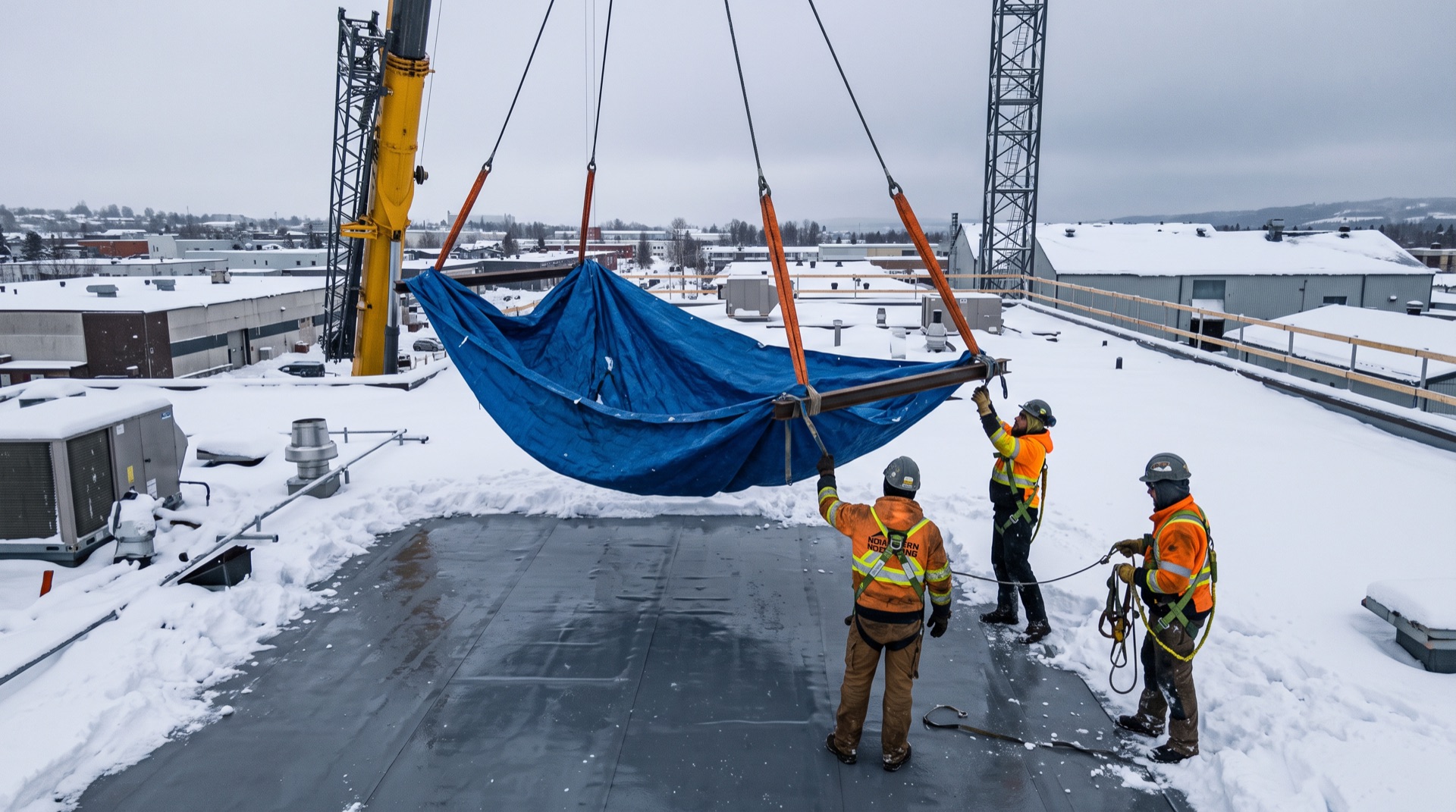
Pitch and height change the job more than ice thickness does. A walkable ranch eave is a ladder and a lance. A three-story roof with a steep pitch means anchors, rope, staging and two people where one would otherwise do.
Crews quote on that honestly. If a property in Erie needs a longer setup, it is said on the phone rather than discovered at the end of the invoice.
Access, ladders and what the crew needs on site
Steam equipment needs somewhere to park within hose reach, and ladders need footing that is not a buried flower bed or a sheet of ice. Clearing a path to the affected eave, moving vehicles off the driveway and unlocking a side gate takes ten minutes and saves considerably more than that on the clock.
Where the only access is through a neighbor's property, that conversation is worth having before the crew is in the street rather than while it waits.
What the dam has already done to the gutter and fascia
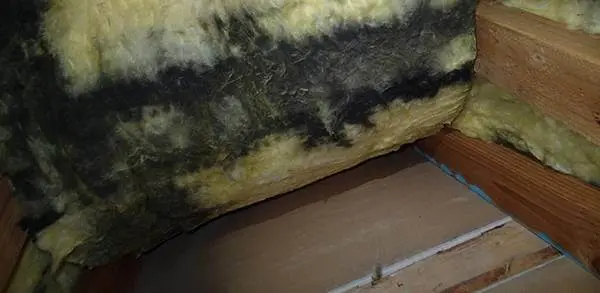
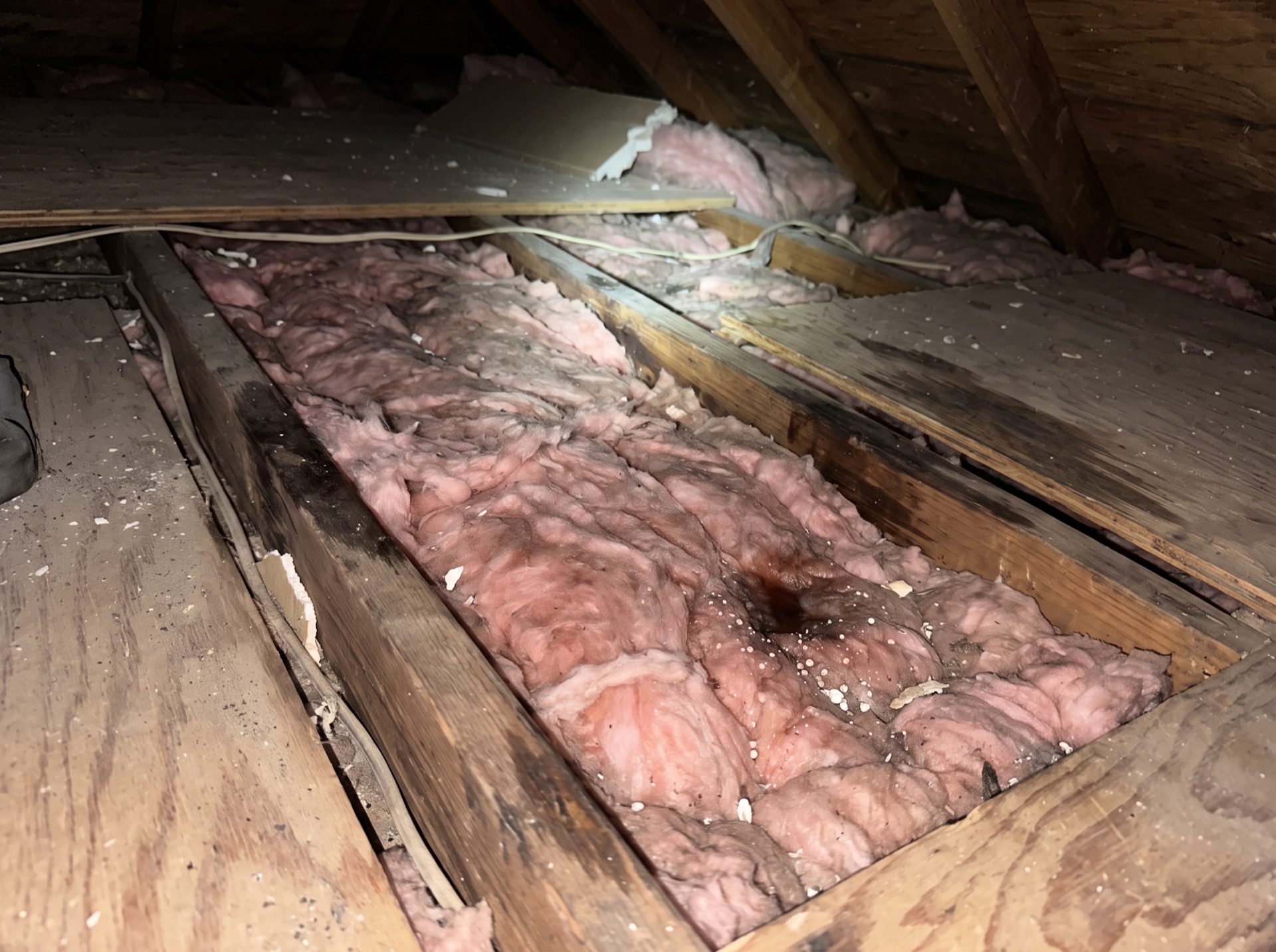
Ice expands as it forms, and a trough packed solid pushes the gutter away from the fascia a little more every cycle. By the time the dam is thick enough to leak, the hangers are often pulled, the back of the trough has lifted, and the fascia board behind it has been wet for weeks.
None of that is visible until the ice is off. It gets photographed when it appears, because a bent gutter found in February is a great deal easier to argue about with a carrier than one discovered in May.
| Coverage area | Erie and Boulder County |
|---|---|
| Typical scope | Steam, 8-16 crew hours typical |
| Documentation | Dated before and after photos, written scope in Xactimate line items |
| Primary climate stressor | Solar melt on deep pack, shaded eaves |
| Dispatch window | 24 to 48 hours in mountain terrain |
| Pricing model | Billed by the crew hour, rate quoted before dispatch |
| Removal method | Low-pressure steam only. No chipping, salt or pressure washing. |
Boulder County Coverage From Erie
Crews working Erie cover the adjoining communities on the same route — Niwot, Frederick, Dacono, Firestone and Hygiene — so a storm week usually means one truck handling several addresses in Boulder County rather than separate trips.
Nearest hub towns with their own crew pages: Lafayette, Louisville, Boulder, Longmont, Broomfield, Northglenn.
When a storm hits Boulder County, crews are dispatched by severity rather than by call order — water already inside the house goes first.
Water through a ceiling in Erie is a same-day call, not a next-week one. (888) 561-9664 goes straight to dispatch.