Homeowners across Boulder County call about icicles. Icicles are cosmetic. The dam behind them, holding back standing water, is not. As part of our complete Erie winter roof services, crews handle ice dam removal across Boulder County.
Sun on Cold Snow: The Erie Pattern
Thin air at altitude means intense direct sun even in deep cold. A Erie roof can be melting on its south face at midday in air that never gets near freezing, and all of that water has to go somewhere.

Aspect decides which eaves suffer. A sunny plane sheds water across a roof in Erie to a shaded eave that has not been above freezing for weeks, and that is where the ice builds into a wall.
Ice-barrier practice in Boulder County
Mountain jurisdictions across Boulder County generally require ice-barrier membrane well up the roof plane, not just the first course, along with snow retention on metal roofs above entries and walkways.
Ice Dam Removal in Erie: How The Work Runs
Steep, high and awkward Erie roofs
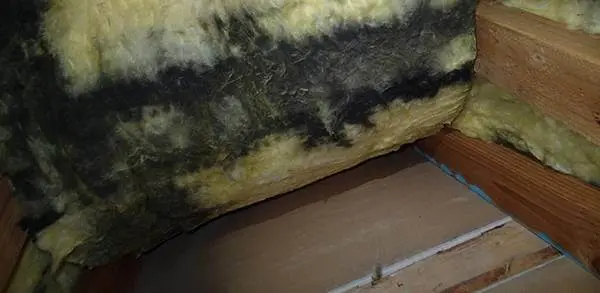
Pitch and height change the job more than ice thickness does. A walkable ranch eave is a ladder and a lance. A three-story roof with a steep pitch means anchors, rope, staging and two people where one would otherwise do. Water Stain on the Ceiling in Winter.
Crews quote on that honestly. If a property in Erie needs a longer setup, it is said on the phone rather than discovered at the end of the invoice.
Why a drainage channel is not removal
Cutting a few channels through a dam so water can get past is quick and it is sometimes sold as ice dam removal. It drains the roof for as long as the channels stay open, which in an Erie cold snap can be a single night before they close again.
Removing the dam means taking the ice off down to the shingle along the whole affected run, so the eave can drain the way it was built to. It takes longer and it is the only version that holds.
What the dam has already done to the gutter and fascia
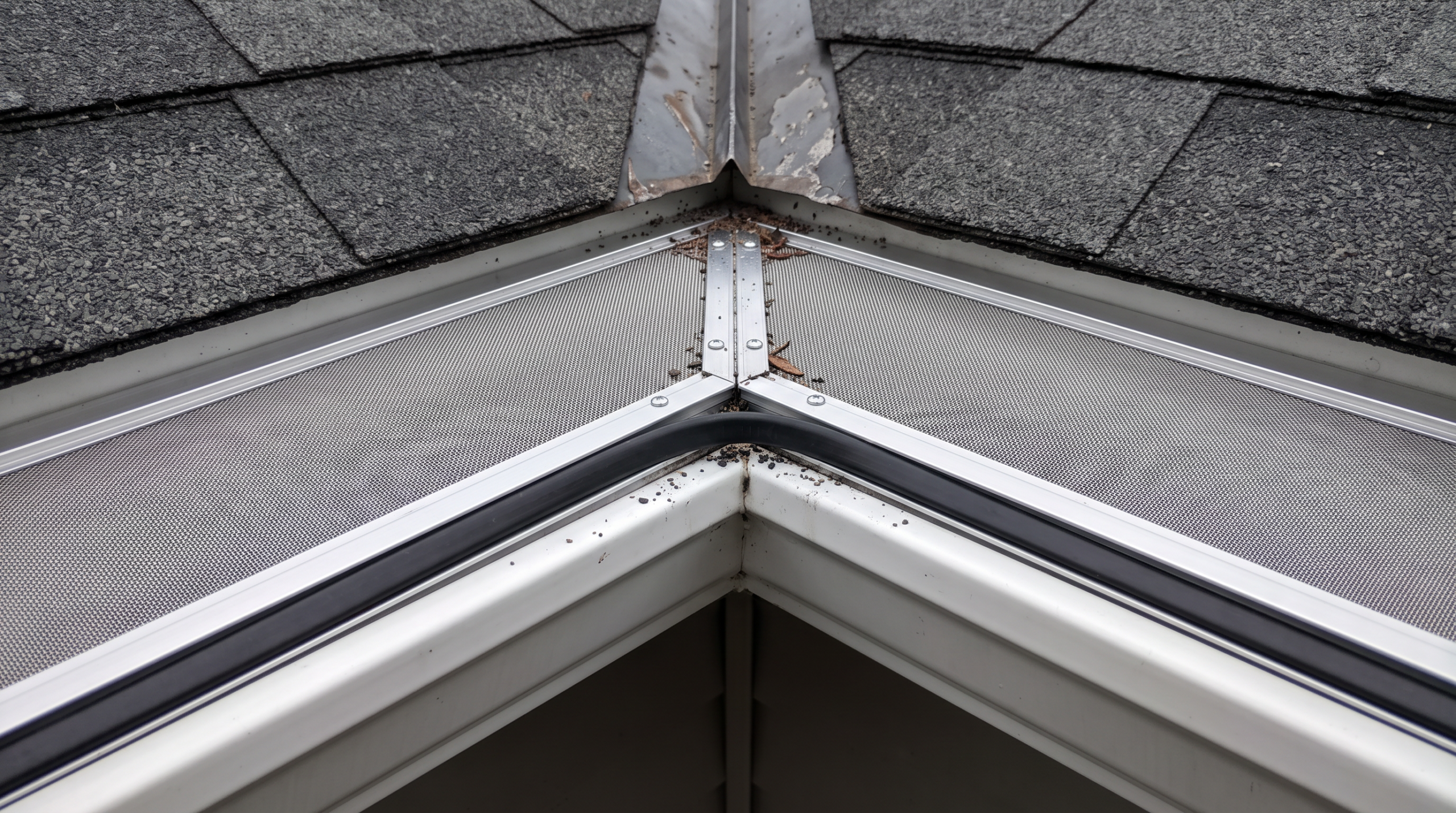
Ice expands as it forms, and a trough packed solid pushes the gutter away from the fascia a little more every cycle. By the time the dam is thick enough to leak, the hangers are often pulled, the back of the trough has lifted, and the fascia board behind it has been wet for weeks.
None of that is visible until the ice is off. It gets photographed when it appears, because a bent gutter found in February is a great deal easier to argue about with a carrier than one discovered in May.
Access, ladders and what the crew needs on site
Steam equipment needs somewhere to park within hose reach, and ladders need footing that is not a buried flower bed or a sheet of ice. Clearing a path to the affected eave, moving vehicles off the driveway and unlocking a side gate takes ten minutes and saves considerably more than that on the clock.
Where the only access is through a neighbor's property, that conversation is worth having before the crew is in the street rather than while it waits.
Dormers, valleys and dead spots
Ice does not distribute evenly. It concentrates where two roof planes meet, behind dormers, in dead valleys that drain nowhere, and along the north face that never sees sun. Those pockets hold water deepest and leak first.
A crew working a roof in Erie clears the full eave line and then goes back through the valleys and dormer pockets specifically, because clearing the easy straight run and calling it done is how a roof leaks again a week later.

What you get in Erie
- Steam onlySafe on asphalt, cedar, slate, tile and metal — no chipping, no pressure, no salt
- Gutters cleared tooTrough and downspout steamed through to daylight in the same visit
- No salt, no chippingNothing corrosive and nothing mechanical touches the covering
| Primary climate stressor | Solar melt on deep pack, shaded eaves |
|---|---|
| Pricing model | Billed by the crew hour, rate quoted before dispatch |
| Service | Ice Dam Removal in Erie, CO |
| Typical scope | Steam, 8-16 crew hours typical |
| Documentation | Dated before and after photos, written scope in Xactimate line items |
| Removal method | Low-pressure steam only. No chipping, salt or pressure washing. |
| Coverage area | Erie and Boulder County |
Boulder County Coverage From Erie
Crews working Erie cover the adjoining communities on the same route — Niwot, Frederick, Dacono, Firestone and Hygiene — so a storm week usually means one truck handling several addresses in Boulder County rather than separate trips.
Nearest hub towns with their own ice dam removal pages: Lafayette, Louisville, Boulder, Longmont, Broomfield, Northglenn.
Coverage runs across Erie and the nearby towns all winter, and capacity is surged into whichever Colorado market the storm actually hits.
Most jobs do not stop at one service. Ice Dam Removal in Erie often runs alongside water mitigation & dryout in Erie, and both get written into one scope rather than billed as separate visits.
Active leak right now? Our 24/7 Erie steam ice dam removal crews are dispatched first during a freeze event. Call (888) 561-9664.