Winter in Aspen does not need a record storm to put water inside a house. It needs a roof with snow on it, an attic leaking heat, and one cold night. As part of our complete Aspen winter roof services, crews handle mold remediation across Pitkin County.
Sun on Cold Snow: The Aspen Pattern
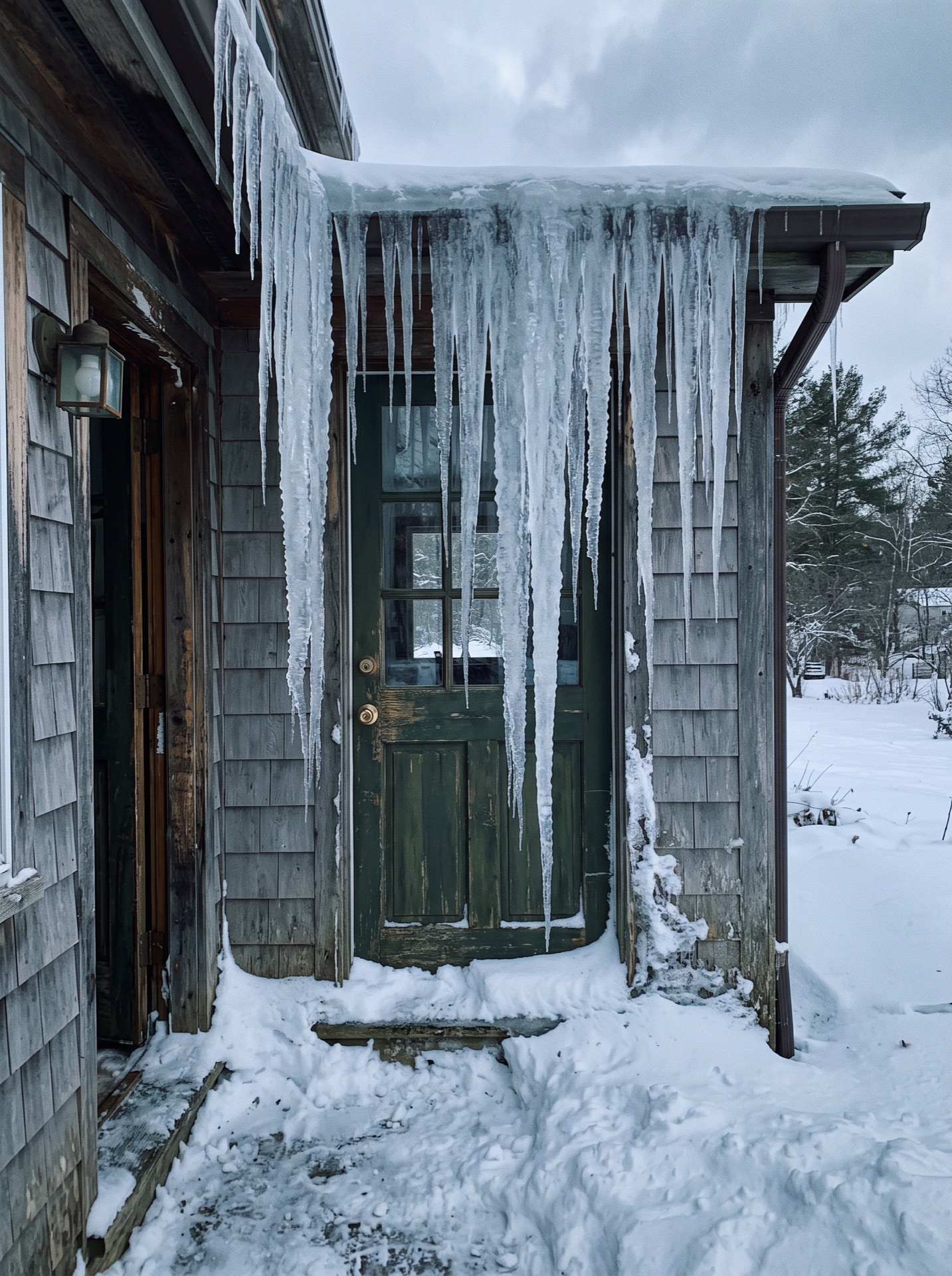
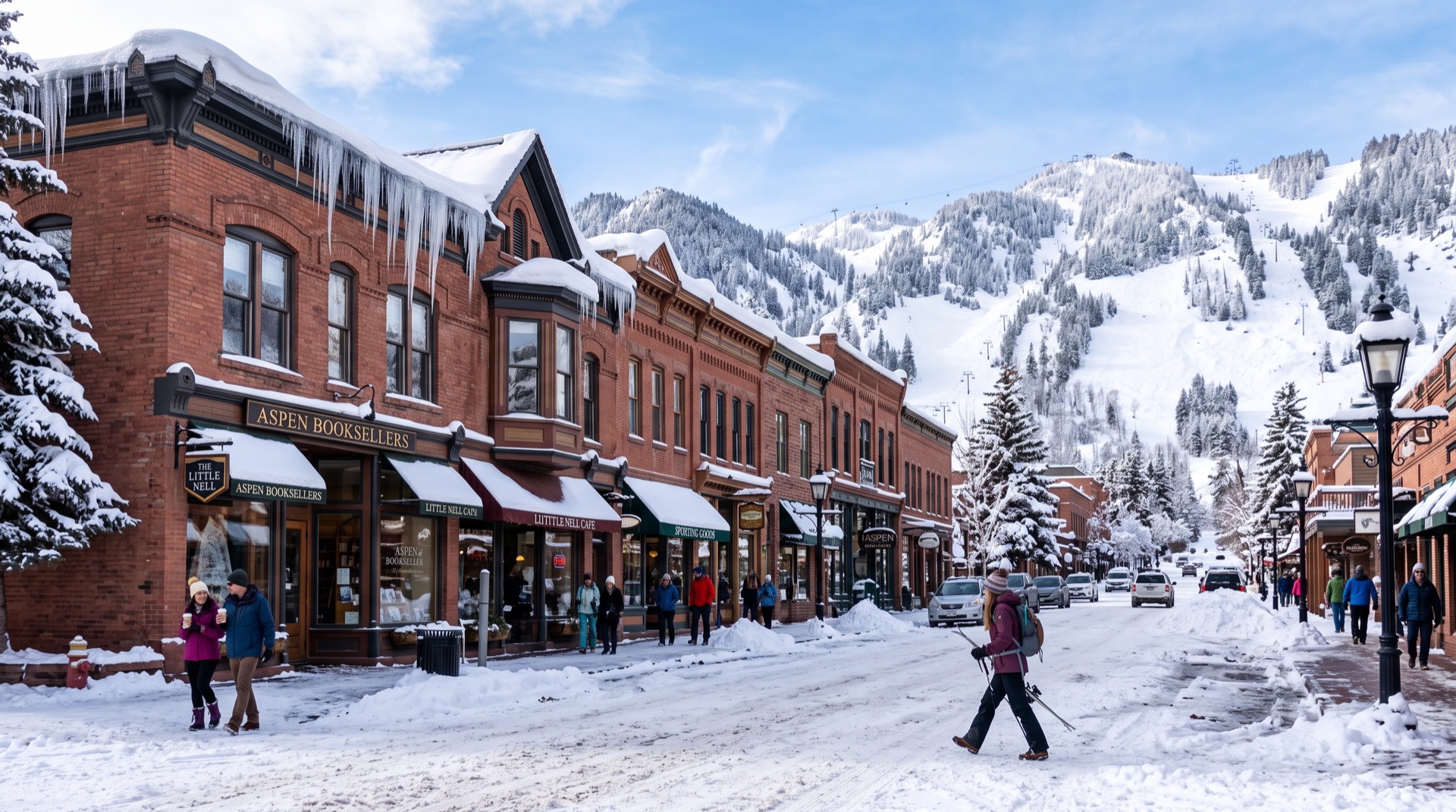
At Aspen's elevation the air can stay below freezing all day while direct sun still melts the top of the snowpack. That meltwater runs down under the pack, reaches a shaded eave, and refreezes — on a day the thermometer never rose above freezing.

Aspect decides everything here. The sunny plane sheds water that the shaded plane and the shaded eave then lock up, so one side of a roof in Aspen is clear while the other carries a wall of ice.
Ice-barrier practice in Pitkin County
Design snow loads up here are among the highest in the country, and the membrane and retention details that come with them are not paperwork. On an older Aspen cabin neither is likely to be present.
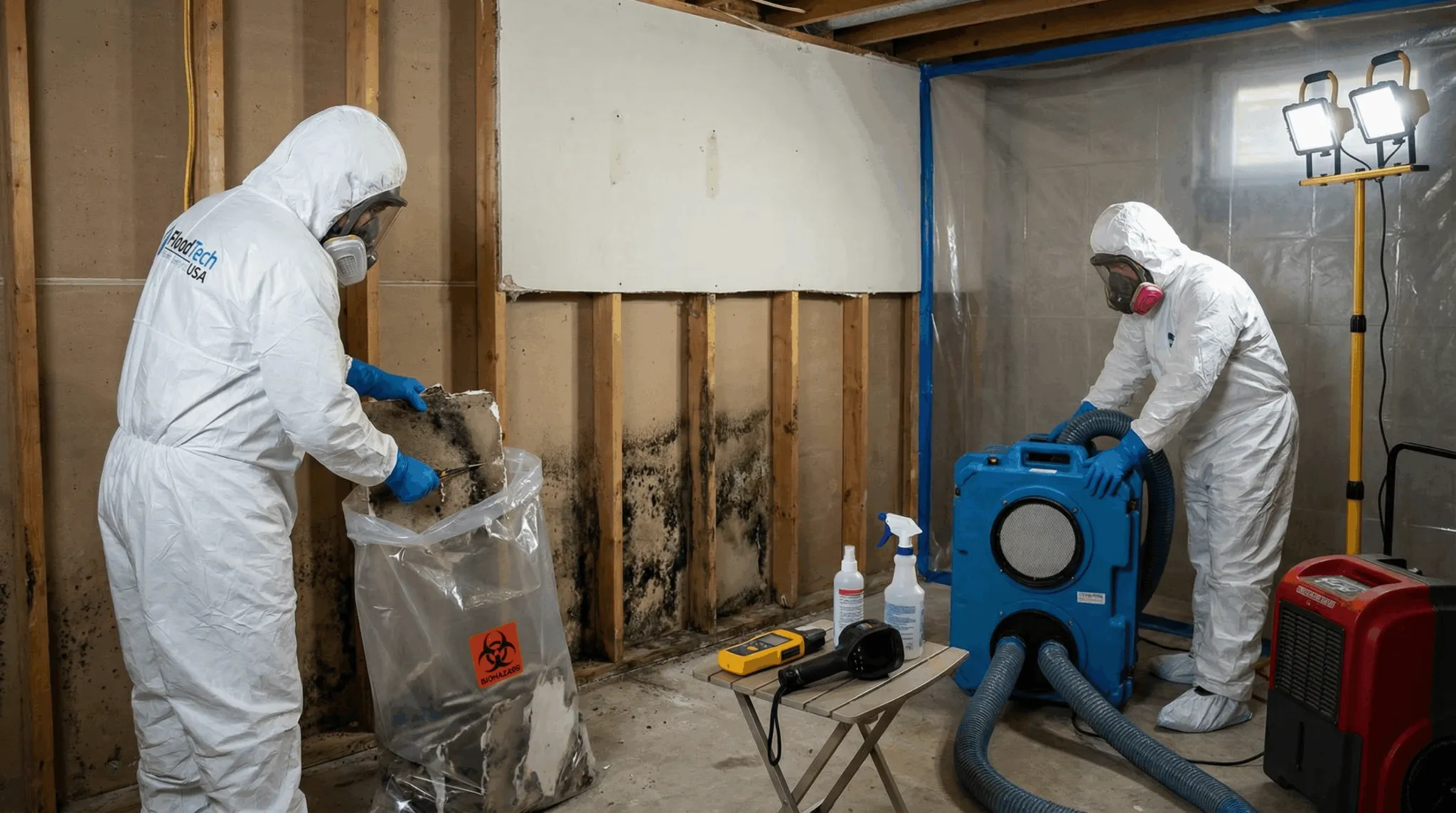
Mold Remediation in Aspen: How The Work Runs
The attic is the usual starting point
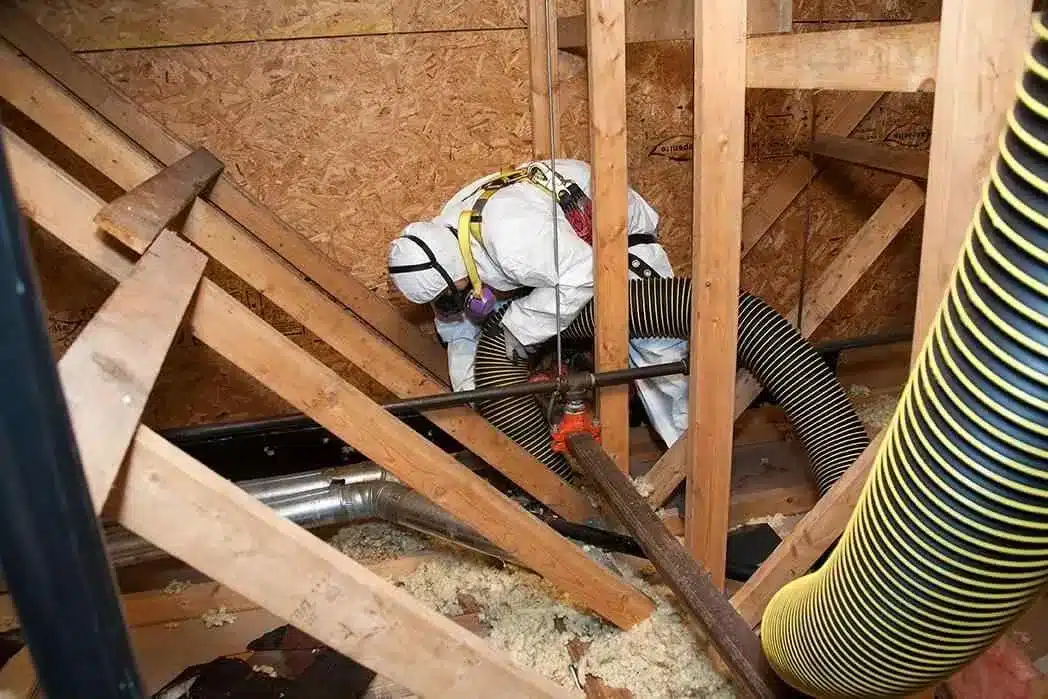
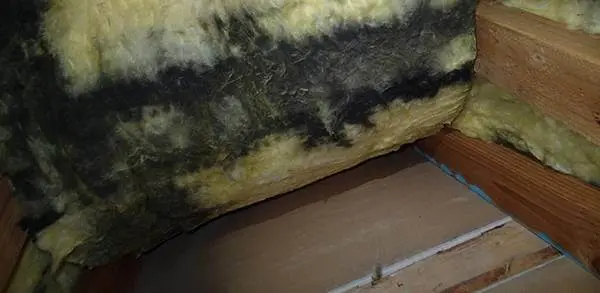
On most ice dam jobs in Aspen the worst growth is on the underside of the roof deck in the first few feet above the eave, exactly where the meltwater backed up. It often looks like a band of dark spotting running along the eave line. Mold in the Attic After an Ice Dam.
Insulation along the same line is usually matted and stained. Both come into the scope together, because drying the deck while leaving wet insulation against it does not work.
Clearance before the room is closed up
Before rebuild starts, the cleaned area is inspected again and, where appropriate, tested to confirm it is clear. Containment stays up until that point.
The clearance result goes into the claim file along with the before photographs, the removal photographs and the moisture log.
Interior repair by the same crews
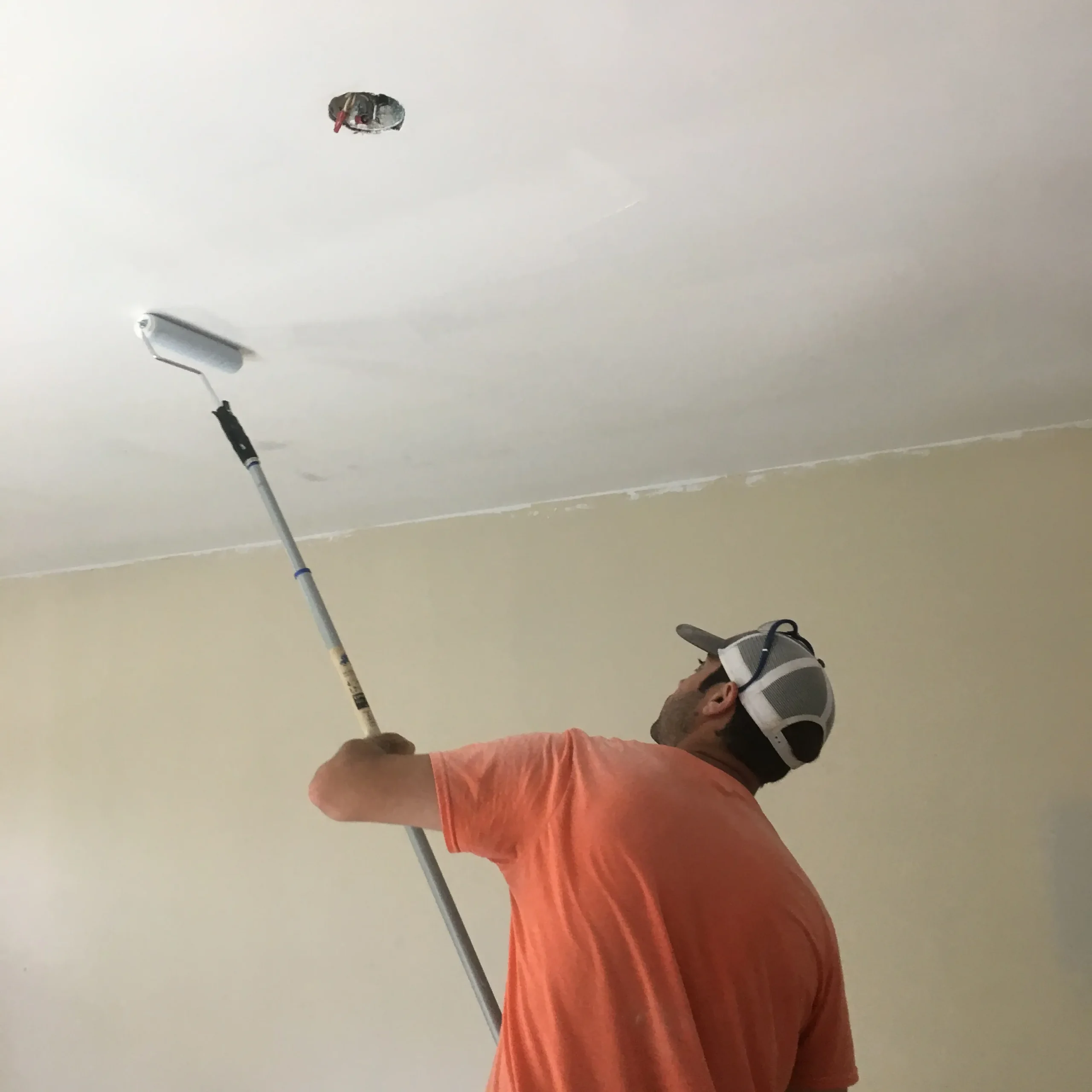
Once the readings are at standard, the rebuild starts: new insulation to current R-value, drywall, tape, texture matched to the existing ceiling, trim and paint.
Doing the repair in-house keeps it in one scope and one claim, avoids the gap where a cleared room sits open waiting for another contractor, and keeps the documentation continuous from the first photo to the last coat of paint.
Why ice dam water turns into mold
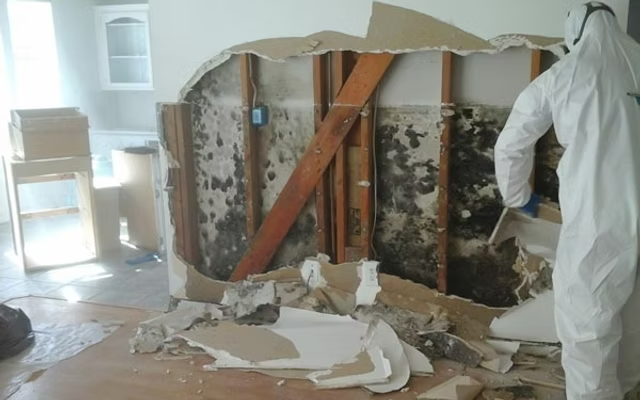
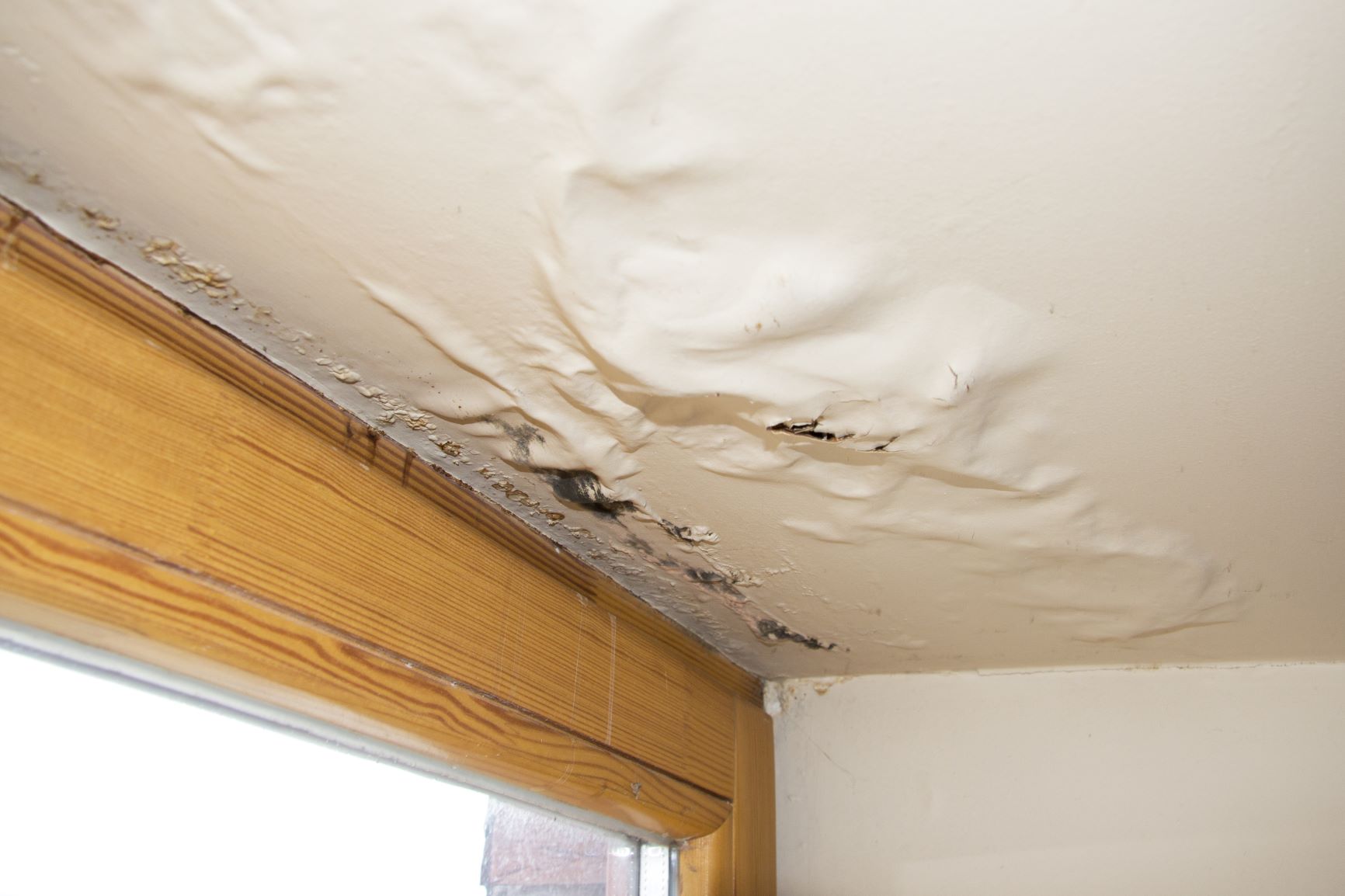
Ice dam water does not arrive like a burst pipe. It seeps in over days or weeks, into places nobody looks: the underside of the roof sheathing, the insulation along the eave, the top of an exterior wall. Those spaces are dark, they are full of wood and paper, and in winter they barely dry at all.
That is the whole recipe. Give mold a damp organic surface and a couple of days and it starts. The cold slows it down, the spring warm-up speeds it up, and by the time there is a musty smell upstairs it has usually been growing for weeks.
What comes out and what gets cleaned
Porous material that has grown mold, such as wet insulation, drywall paper and ceiling tile, cannot be reliably cleaned, so it comes out, bagged inside the containment.
Structural wood is different. Rafters, joists and sheathing with surface growth are HEPA vacuumed, cleaned and treated. Where the wood has gone soft or lost strength from repeated wetting, it gets cut out and replaced.
What you get in Aspen
- Framing and sheathing cleanedHEPA vacuuming, cleaning and treatment, or replacement where the wood is compromised
- Interior repair in-houseInsulation, drywall, texture, trim and paint put back by the same crews
- Containment firstPoly barriers and negative air so spores stay in the work area
| Coverage area | Aspen and Pitkin County |
|---|---|
| Documentation | Dated before and after photos, written scope in Xactimate line items |
| Method | Containment, HEPA filtration and drying to a measured IICRC standard |
| Local ice-barrier practice | Extended membrane plus snow retention |
| Primary climate stressor | Solar melt on deep pack, shaded eaves |
| Interior repair | Insulation, drywall, texture, trim and paint, done in-house after drying |
| Dispatch window | 24 to 48 hours in mountain terrain |
Aspen Coverage and the Adjoining Communities
Crews working Aspen cover the adjoining communities on the same route — Snowmass Village, Woody Creek, Snowmass and Meredith — so a storm week usually means one truck handling several addresses in Pitkin County rather than separate trips.
Nearest hub towns with their own mold remediation pages: Crested Butte, Vail, Glenwood Springs, Frisco, Breckenridge, Dillon.
Coverage runs across Aspen and the nearby towns all winter, and capacity is surged into whichever Colorado market the storm actually hits.
Most jobs do not stop at one service. Mold Remediation in Aspen often runs alongside water mitigation & dryout in Aspen, and both get written into one scope rather than billed as separate visits.
Active leak right now? Our 24/7 Aspen steam ice dam removal crews are dispatched first during a freeze event. Call (888) 561-9664.