



Why Vail Roofs Dam on Days It Never Thaws
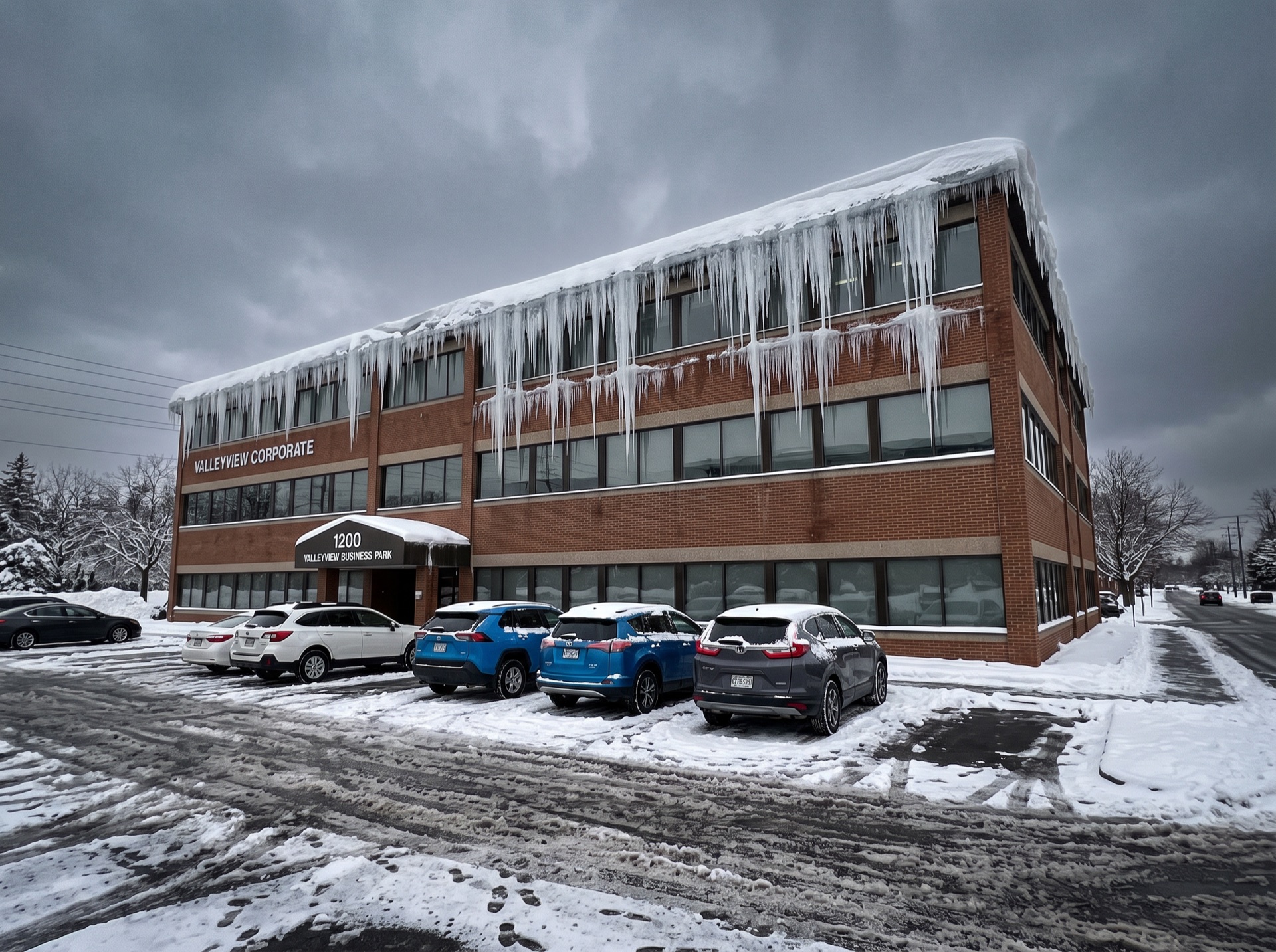
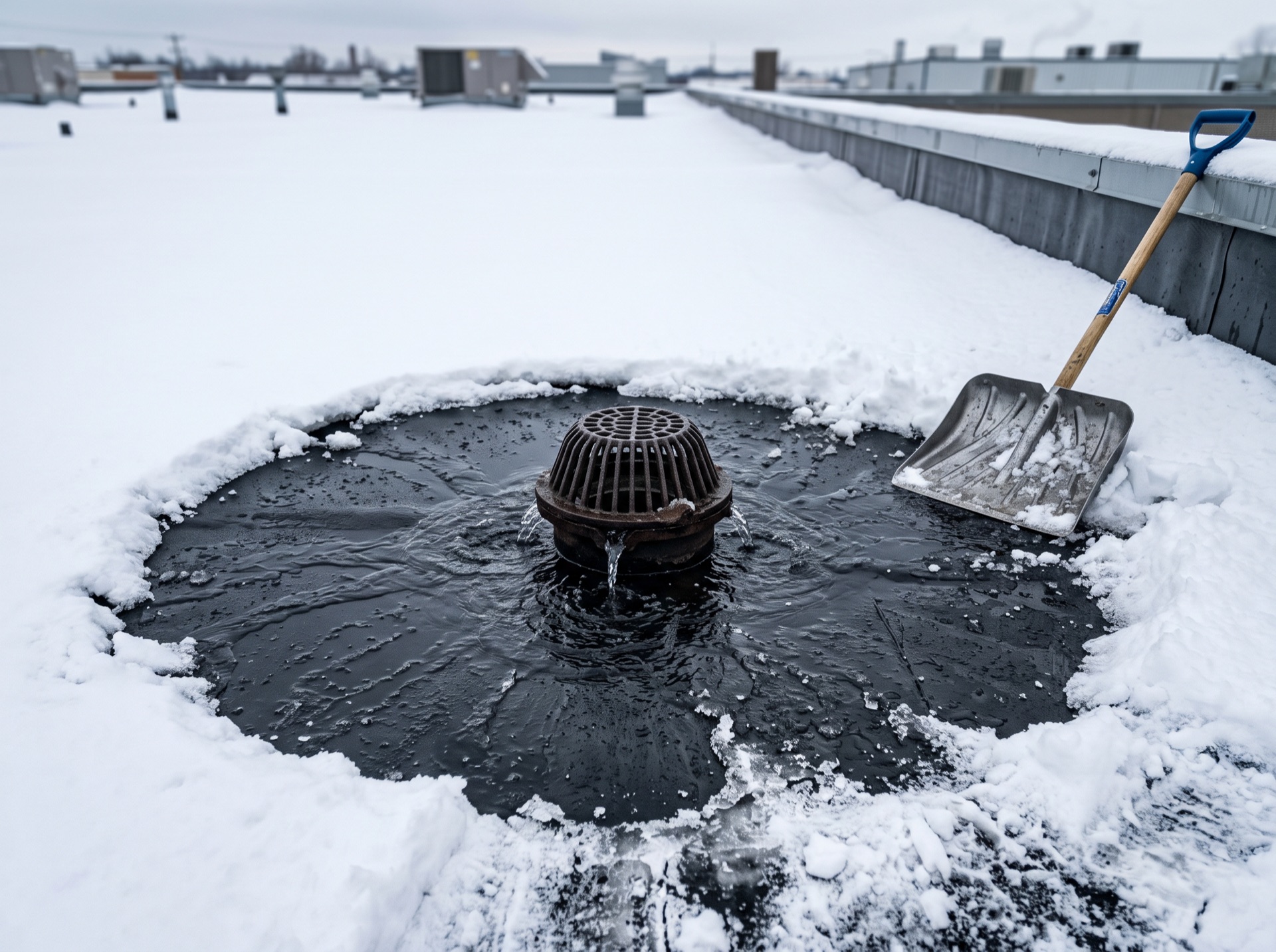
Mountain ice dams are a solar problem more than a temperature one. The sun works the pack from above while the air stays cold, so meltwater is produced and refrozen within the same afternoon.

That is why mountain roofs dam up on clear, cold weeks that look harmless. South and west faces melt, north-facing eaves and shaded valleys hold the ice, and the pack above keeps feeding it.
Ice-barrier practice in Eagle County
High-country Colorado codes typically call for extended ice barrier and, on metal roofing, snow guards above any door, walkway or parking area. Both exist because of what comes off these roofs.
The Vail Dispatch Process, Step by Step
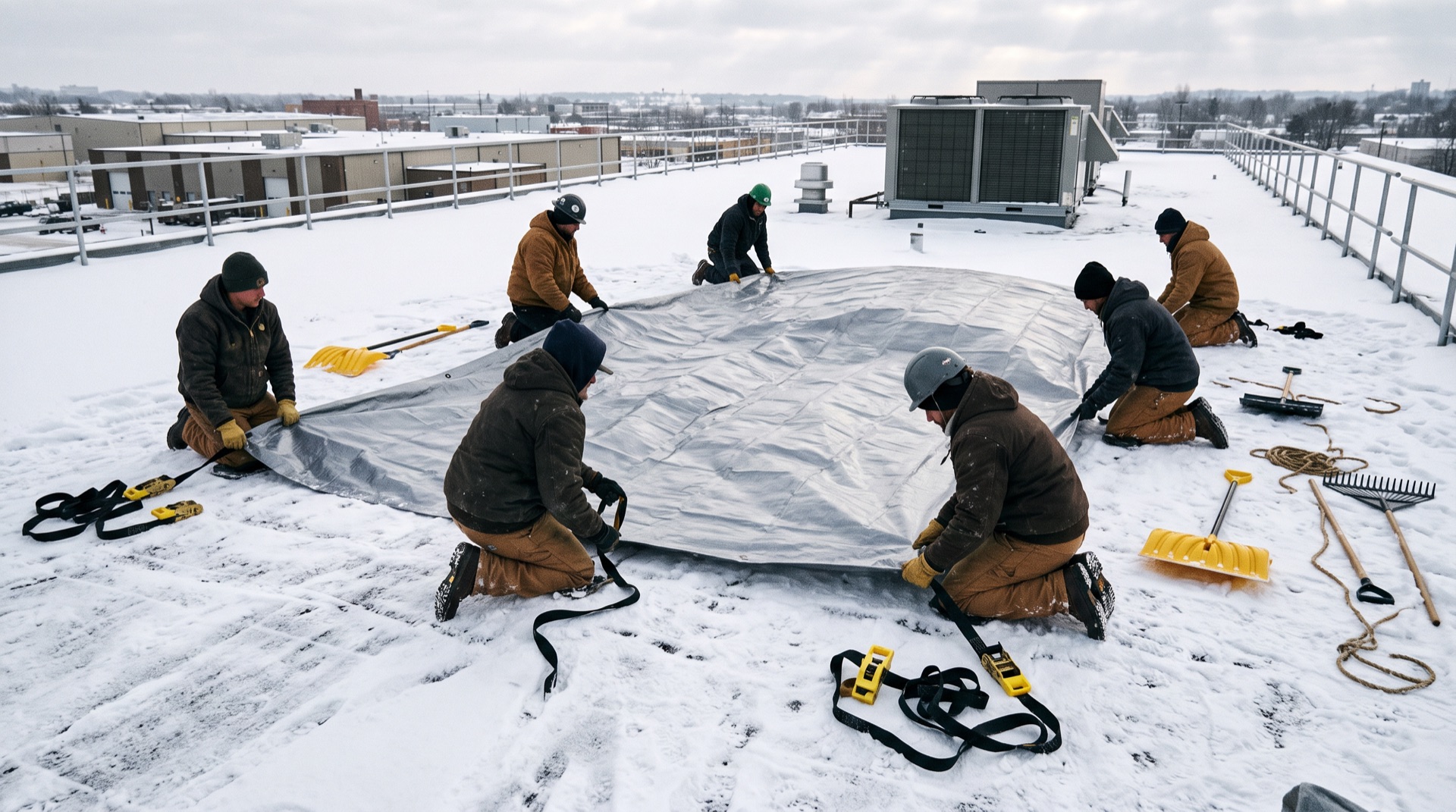
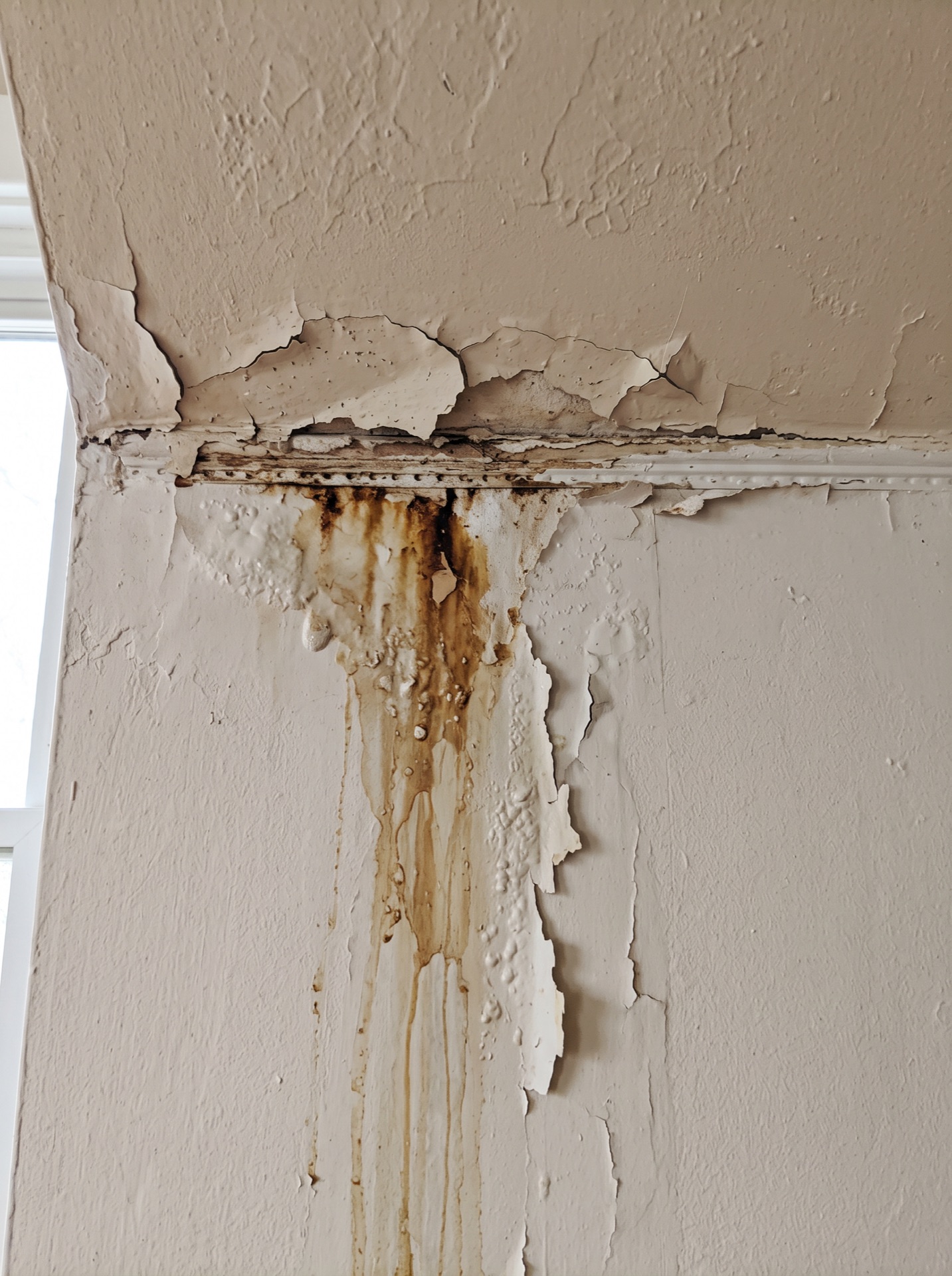
Crews walk the eaves, valleys and gutter line first and photograph every dam and every point where water is tracking inside, before touching anything. You get shown what they found and quoted the crew-hour rate before work starts.
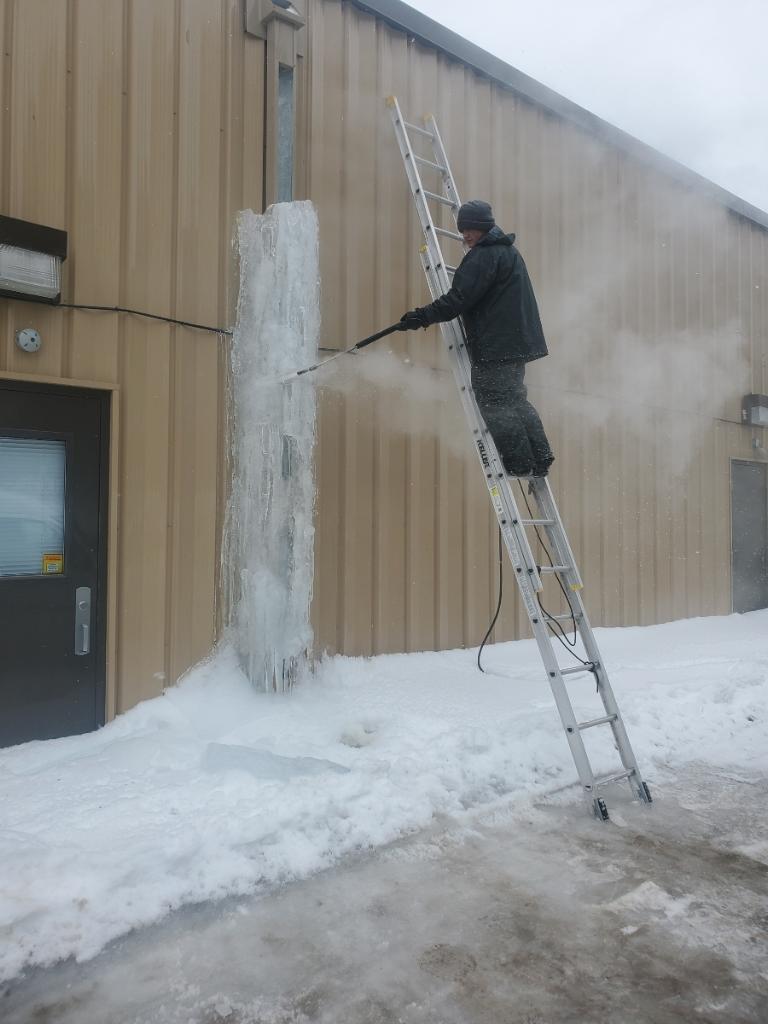
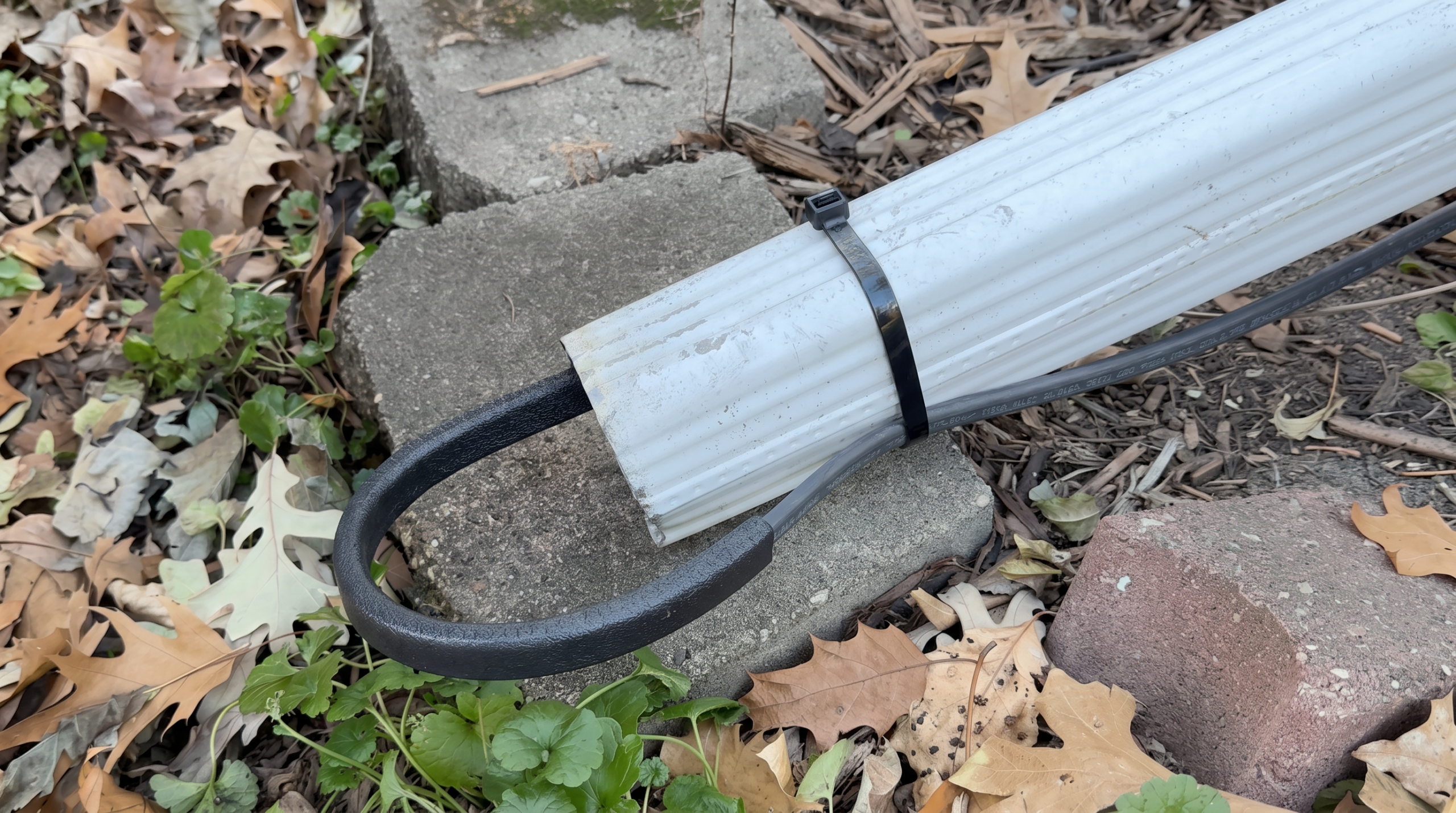
Then the ice comes off with low-pressure steam, starting wherever water is actively backing up so drainage opens early. Frozen gutters and downspouts are cleared in the same visit, because a cleared eave above a solid block of ice in the gutter dams again on the next cold night.
Why salt and ice melt make it worse
Calcium chloride opens a narrow channel and leaves the dam standing. The channel refreezes, the dam does not go anywhere, and in the meantime the runoff corrodes gutter seams, fasteners, flashing and anything growing underneath.
It is a stopgap at best. On a roof in Vail with an active leak it buys hours, not days, and it adds a corrosion problem to the water problem.
Why a drainage channel is not removal
Cutting a few channels through a dam so water can get past is quick and it is sometimes sold as ice dam removal. It drains the roof for as long as the channels stay open, which in a Vail cold snap can be a single night before they close again.
Removing the dam means taking the ice off down to the shingle along the whole affected run, so the eave can drain the way it was built to. It takes longer and it is the only version that holds.
What the dam has already done to the gutter and fascia
Ice expands as it forms, and a trough packed solid pushes the gutter away from the fascia a little more every cycle. By the time the dam is thick enough to leak, the hangers are often pulled, the back of the trough has lifted, and the fascia board behind it has been wet for weeks.
None of that is visible until the ice is off. It gets photographed when it appears, because a bent gutter found in February is a great deal easier to argue about with a carrier than one discovered in May.
| Pricing model | Billed by the crew hour, rate quoted before dispatch |
|---|---|
| Typical scope | Steam, 8-16 crew hours typical |
| Dispatch window | 24 to 48 hours in mountain terrain |
| Coverage area | Vail and Eagle County |
| Primary climate stressor | Solar melt on deep pack, shaded eaves |
| Service | Ice dam removal in Vail, CO |
| Removal method | Low-pressure steam only. No chipping, salt or pressure washing. |
Neighborhoods and Towns We Reach From Vail
Crews working Vail cover the adjoining communities on the same route — Avon, Edwards, Minturn, Red Cliff and Wolcott — so a storm week usually means one truck handling several addresses in Eagle County rather than separate trips.
Nearest hub towns with their own crew pages: Frisco, Silverthorne, Dillon, Breckenridge, Aspen, Glenwood Springs.
Vail sits inside the regular Colorado service area, so a crew is usually scheduled the same day or the following morning.
Water coming in right now in Vail? Call (888) 561-9664. Active interior leaks go to the front of the schedule.