


Why Glenwood Springs Roofs Dam on Days It Never Thaws
Mountain ice dams are a solar problem more than a temperature one. The sun works the pack from above while the air stays cold, so meltwater is produced and refrozen within the same afternoon.

Aspect decides everything here. The sunny plane sheds water that the shaded plane and the shaded eave then lock up, so one side of a roof in Glenwood Springs is clear while the other carries a wall of ice.
Ice-barrier practice in Garfield County
Design snow loads up here are among the highest in the country, and the membrane and retention details that come with them are not paperwork. On an older Glenwood Springs cabin neither is likely to be present.
How a Glenwood Springs Steam Call Runs, Start to Finish
The first pass is assessment: eaves, valleys, gutter line and any interior staining, all photographed with timestamps. You see what the crew sees, and the rate and likely hours are agreed before work begins.
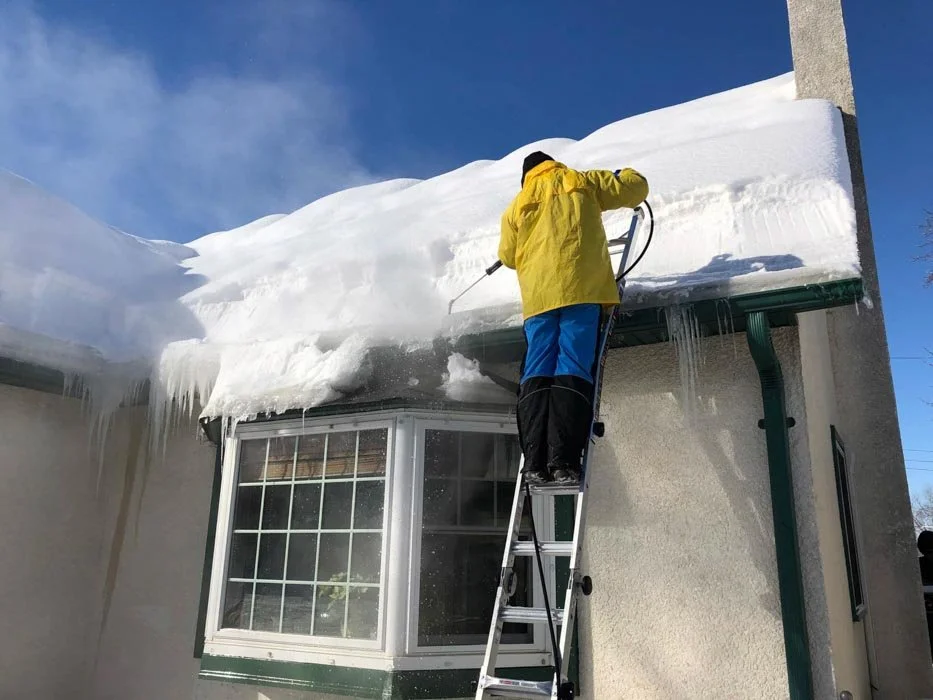
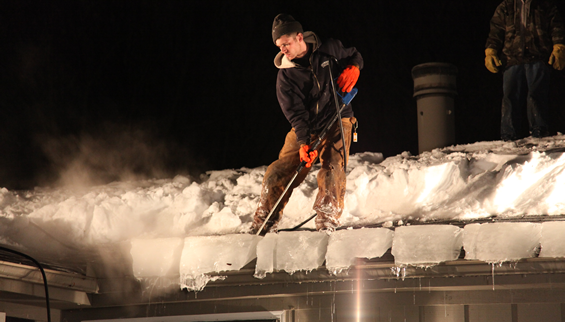
Steam then takes the dam off in sections, prioritizing wherever water is actively backing up behind it. The gutter trough and downspout are cleared through to daylight on the same visit, because a clear eave over a frozen gutter is a temporary fix.
Why a drainage channel is not removal
Cutting a few channels through a dam so water can get past is quick and it is sometimes sold as ice dam removal. It drains the roof for as long as the channels stay open, which in a Glenwood Springs cold snap can be a single night before they close again.
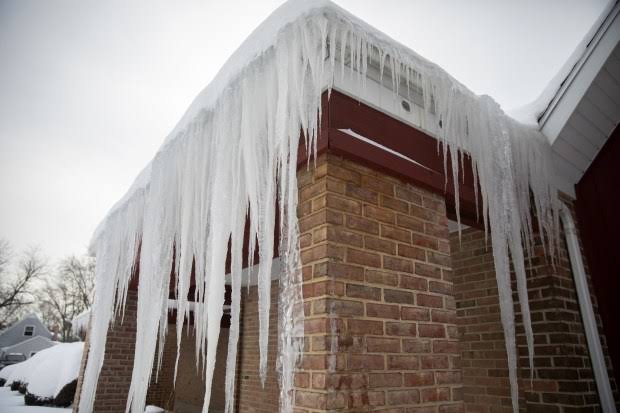
Removing the dam means taking the ice off down to the shingle along the whole affected run, so the eave can drain the way it was built to. It takes longer and it is the only version that holds.
If water already got inside
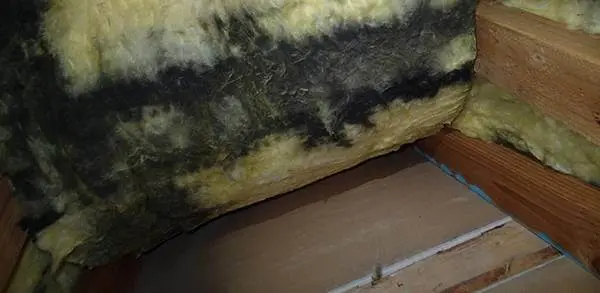
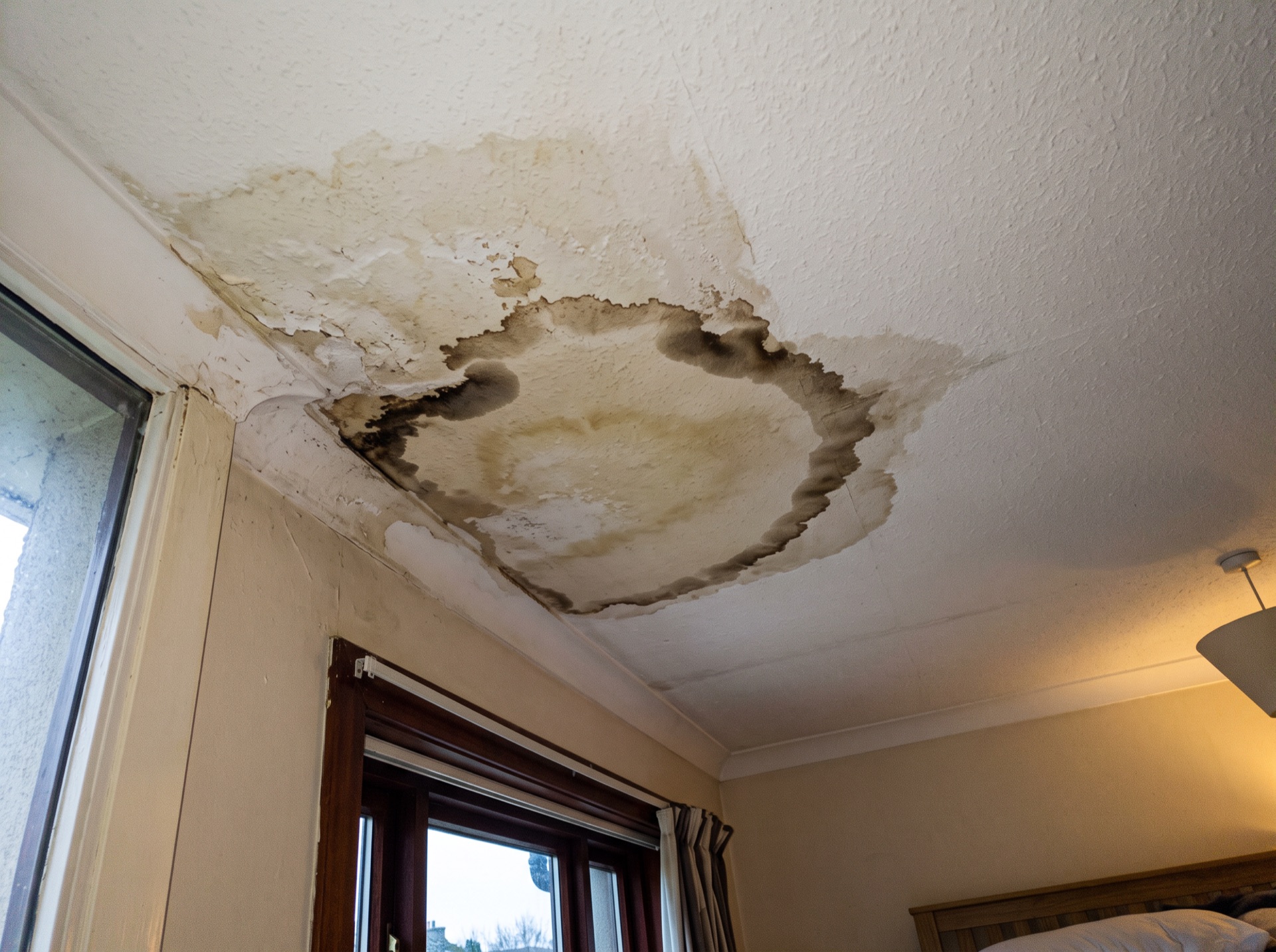
Taking the ice off stops new water. It does nothing about what is already in the insulation, the ceiling and the walls of a Glenwood Springs home.
The same company handles the rest: water mitigation and dryout, mold remediation where the water has led to growth, the interior repair, and the roof where the dam damaged it, all documented on one insurance claim.
Why the dam formed in the first place
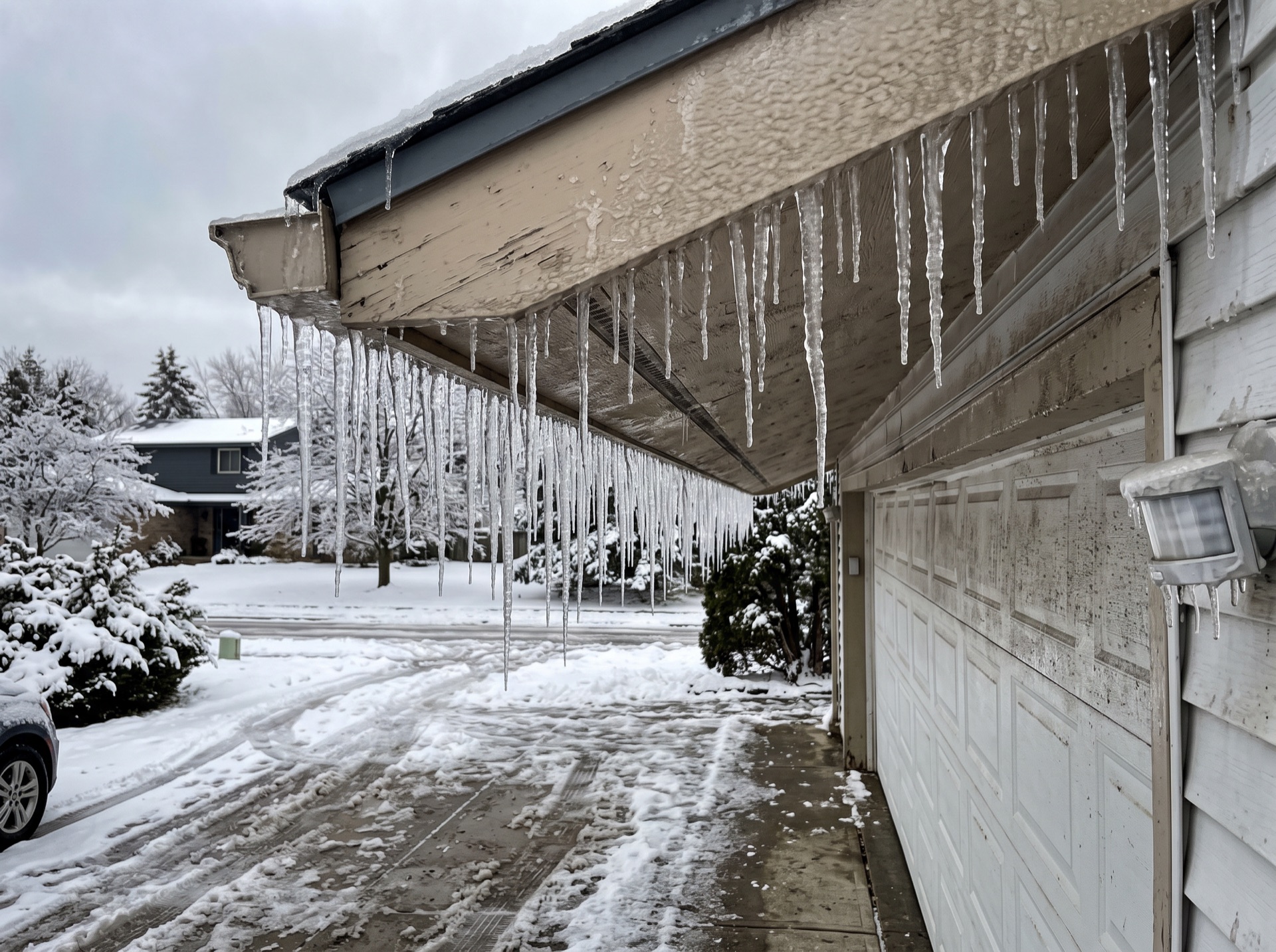
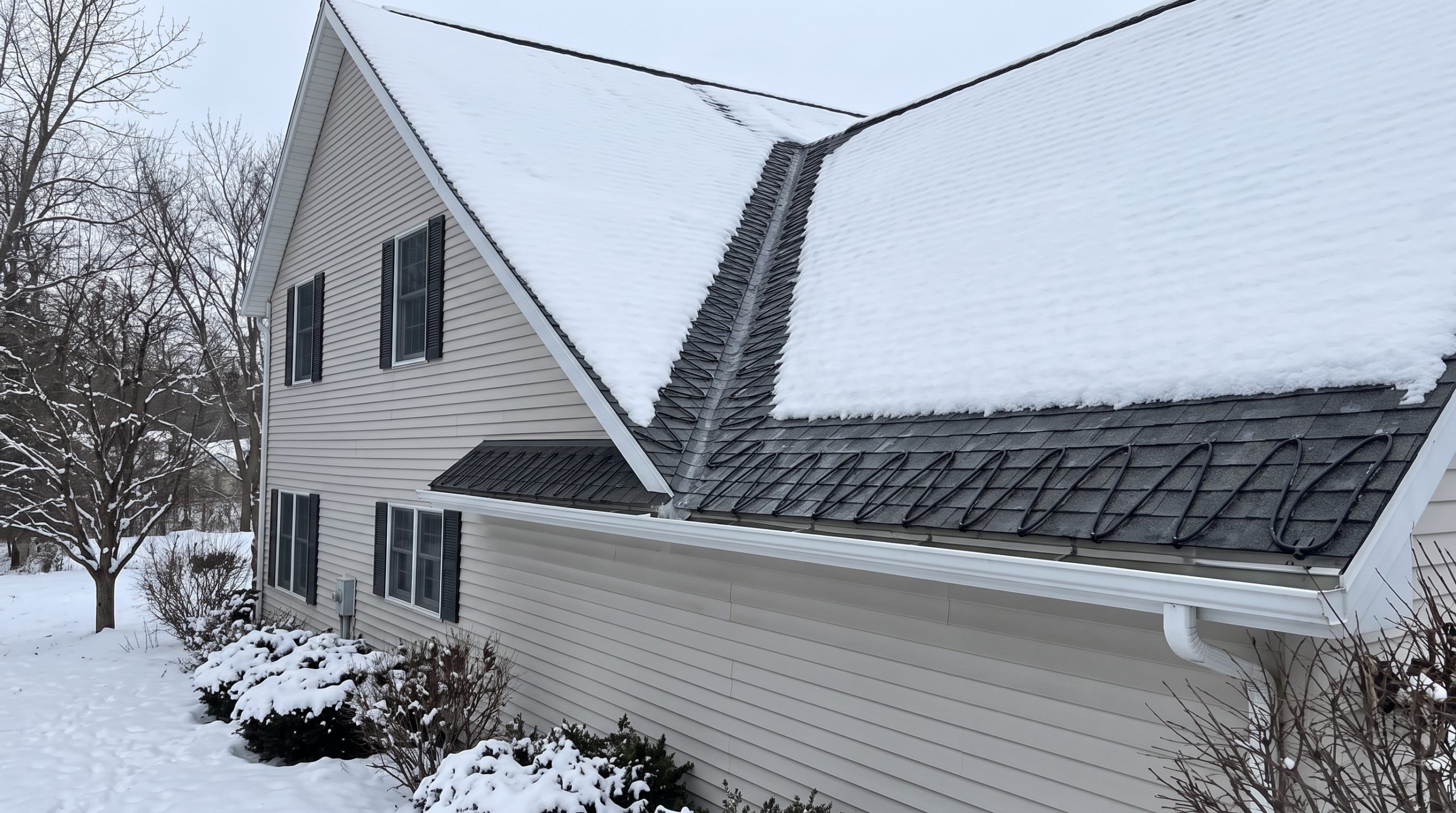
Ice dams are a heat problem wearing a weather costume. Warm air escaping into the attic melts snow on the upper roof; that meltwater runs to the eave, which hangs past the heated envelope and stays below freezing; it refreezes there, and the ridge of ice grows a layer every cycle. Removal is the emergency fix. Before the crew leaves you will know which part of your attic is feeding it.
| Service | Ice dam removal in Glenwood Springs, CO |
|---|---|
| Removal method | Low-pressure steam only. No chipping, salt or pressure washing. |
| Local ice-barrier practice | Extended membrane plus snow retention |
| Dispatch window | 24 to 48 hours in mountain terrain |
| Primary climate stressor | Solar melt on deep pack, shaded eaves |
| Coverage area | Glenwood Springs and Garfield County |
| Typical scope | Steam, 8-16 crew hours typical |
Where We Dispatch Around Glenwood Springs
Crews working Glenwood Springs cover the adjoining communities on the same route — New Castle and Carbondale — so a storm week usually means one truck handling several addresses in Garfield County rather than separate trips.
Nearest hub towns with their own crew pages: Aspen, Vail, Crested Butte, Frisco, Dillon, Silverthorne.
Coverage runs across Glenwood Springs and the nearby towns all winter, and capacity is surged into whichever Colorado market the storm actually hits.
Active leak at an address in Glenwood Springs? (888) 561-9664 reaches dispatch directly. Interior water moves a job to the front of the day.