Skip to content
Superior, WI
Permanent Prevention · Douglas County

Heated Roof & Gutter Cables in Superior, WI — Snow‑Belt Storm Response

Heated Roof & Gutter Cables in Superior, WI from Ice Dam Now: low-pressure steam only, across Douglas County. No chipping, no salt, no pressure washing. Crews carry licensing, insurance and fall-protection certification, bill by the crew hour at a rate quoted on the phone, prioritize active interior leaks the same day, and document the work for insurance.

No fasteners through the roof — Clips and standoffs only, nothing driven through the covering
Smart controls — Thermostat and moisture sensing so it runs on the conditions that make ice
GFCI-protected circuit — Dedicated circuit and proper terminations, not an extension cord
Self-regulating cable — Output varies along the run; safe to overlap, cut to length on site

Get Ice Dam Help Superior

A few quick questions, then pick a time. If water is coming in, call instead.

What is the zip code of the home?

Roof leaking right now? Call (888) 561-9664 — that is faster than any form.
Water coming through the ceiling?Every hour an ice dam sits there, more water gets under the shingles.Call (888) 561-9664
24/7
Dispatch All Winter
Steam
Only — No Pressure
Douglas
County Coverage
Same Day
For Active Leaks
Insured
Licensed & Harness-Certified

Homeowners across Douglas County call about icicles. Icicles are cosmetic. The dam behind them, holding back standing water, is not. As part of our complete Superior winter roof services, crews handle heated roof & gutter cables across Douglas County.

Snow Bands, Warm Attics and the Superior Eave

What makes Douglas County roofs dam is not the seasonal total, it is how the snow arrives. Bands dump a heavy, saturated pack in hours, and that pack becomes a water reservoir sitting on a heated surface.

Diagram showing how ice dams form on roofs due to inadequate insulation and poor ventilation
Heat escaping into the attic melts roof snow; the meltwater refreezes at the cold eave and the dam grows a layer every cycle.

Each band is followed by a clearance and a cold night, and that is the cycle doing the damage. Meltwater released during the day sets at the eave after dark, and the ridge at the gutter line gains a layer every time.

Ice-barrier practice in Douglas County

What matters on a Superior roof is not whether ice barrier exists but how far up it runs. Water backed up behind a foot of ice travels much further than the first course, and a membrane that stops short is a membrane that stops working.

Heated Roof & Gutter Cables in Superior: How The Work Runs

Why most cable installations underperform

Not because the cable is bad. Because the path is incomplete. A zig-zag along the first few feet of eave that does not continue into the gutter and down the leader melts a channel that ends in a block of ice. Icicles and a Wet Ceiling.

The water has to get all the way to the ground. On a Superior install that means eave, valleys, trough and downspout traced as one continuous path, and it is the single thing that separates a system that works from one that does not.

Fastening without putting holes in the roof

Clips and standoffs designed for the job, adhered or clipped to the shingle edge. Never a fastener driven through the covering, and never left loose to abrade in the wind.

The failures that give heat cable a bad name are nearly all installation failures of this kind rather than product failures.

What shortens the life of a cable run

Self-regulating cable is generally good for a decade or more. What ends it early is ultraviolet exposure on a run left unshaded through summer, physical damage from somebody raking or shovelling over it, rodents in the gutter, and ice loading on clips that were never rated for it.

A system installed with UV-stable cable, proper clips and a note on the roof plan saying where it runs will usually outlast one that was simply stapled up in a hurry.

The electrical side

A dedicated GFCI-protected circuit, properly rated terminations and a disconnect somebody can actually reach. Not an extension cord out of a bathroom window, which is what gets found on a surprising number of existing Superior installs.

Done properly it is an ordinary piece of exterior electrical work and it should look like one.

Commercial and multi-family runs

The same cable on a large building becomes a different exercise - several hundred feet of run, multiple circuits, a controller that something has to monitor, and a decision about who gets the alarm when a circuit fails.

Scope, circuit loading and control strategy get worked out with whoever maintains the Superior building, because a heat-trace system nobody owns is a heat-trace system that stops working in its third winter.
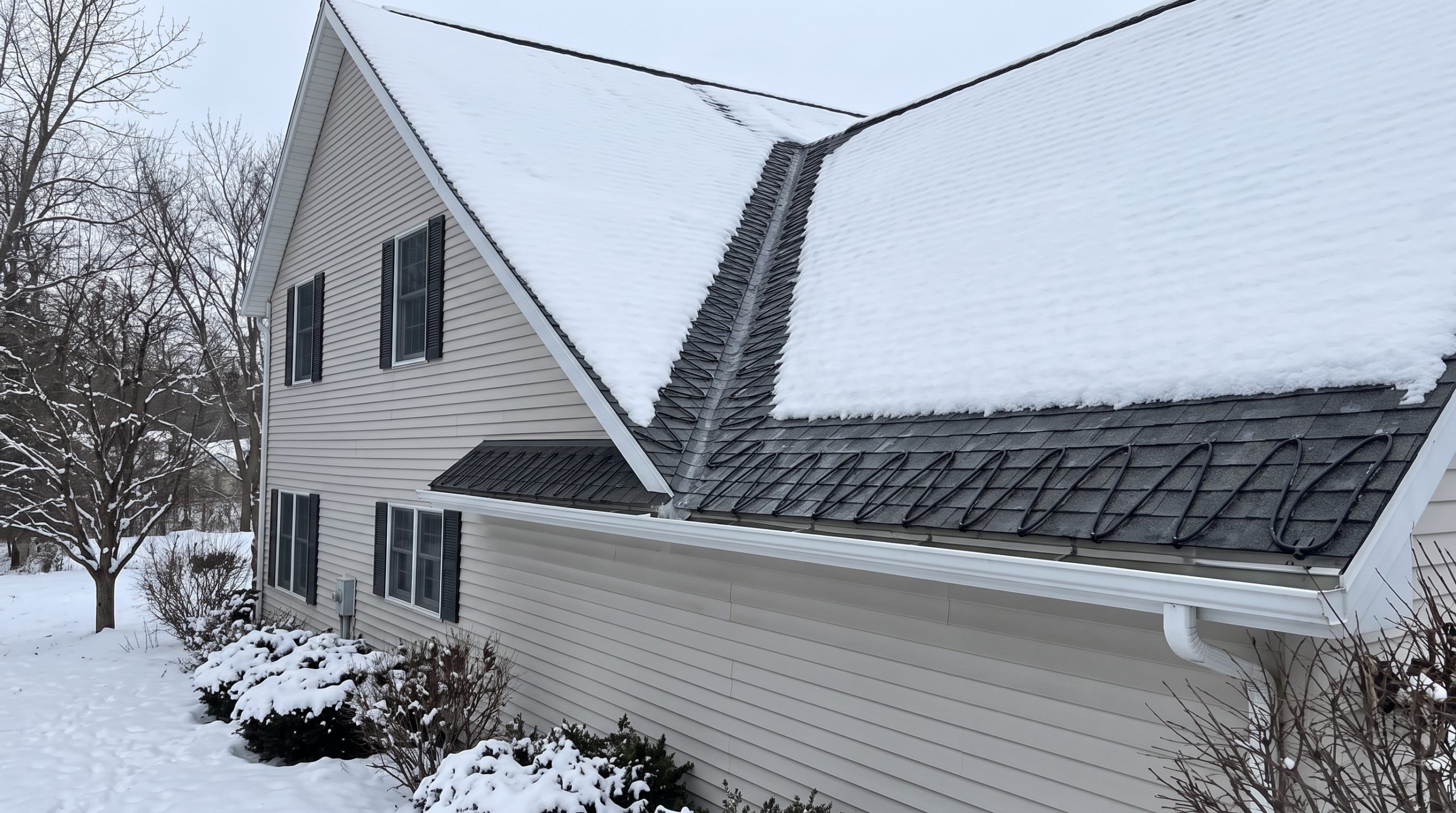
Roof valley with heat cable preventing ice dams on snow-covered house
Heat cables installed along a roof valley keep ice dams from forming during heavy snowfall.

What you get in Superior

  • Zig-zag sized properlyEave coverage measured against the actual cold overhang
  • Downspout traced to daylightThe drain path ends on the ground, not in a block of ice
  • GFCI-protected circuitDedicated circuit and proper terminations, not an extension cord
Heated Roof & Gutter Cables in Superior, WI — specification
Service specification for Superior, WI
Dispatch windowSame day to 24 hours
DocumentationDated before and after photos, written scope in Xactimate line items
Pricing modelBilled by the crew hour, rate quoted before dispatch
Local ice-barrier practiceEave membrane expected on re-roofs
Primary climate stressorLake-effect bands, wet heavy pack
Removal methodLow-pressure steam only. No chipping, salt or pressure washing.
ServiceHeated Roof & Gutter Cables in Superior, WI

Douglas County Coverage From Superior

Crews working Superior cover the adjoining communities on the same route — South Range — so a storm week usually means one truck handling several addresses in Douglas County rather than separate trips.

Nearest hub towns with their own heat cables pages: Eau Claire, Marshfield, Wausau, Stevens Point, Wisconsin Rapids, La Crosse.

Coverage runs across Superior and the nearby towns all winter, and capacity is surged into whichever Wisconsin market the storm actually hits.

Most jobs do not stop at one service. Heat Cables in Superior often runs alongside ice dam removal in Superior, and both get written into one scope rather than billed as separate visits.

Active leak right now? Our 24/7 Superior steam ice dam removal crews are dispatched first during a freeze event. Call (888) 561-9664.
Conditions We Work In

Heated Roof & Gutter Cables In Practice

Conditions crews work in across Douglas County. Every job is photographed before and after.

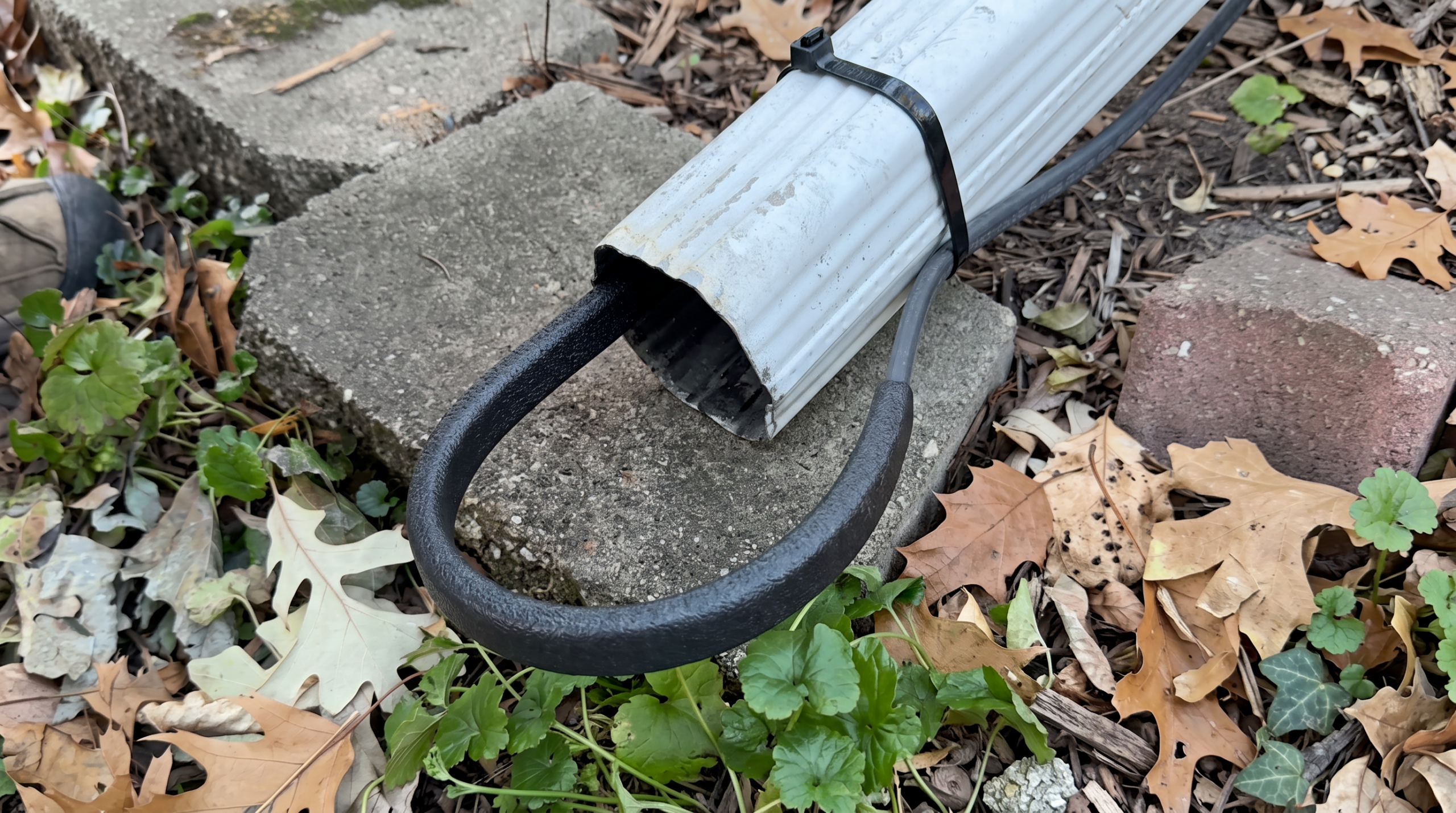
Heated cable loop extending from end of white aluminum downspout over concrete step
A self-regulating heat cable forms a loop at the base of a downspout to prevent ice buildup.
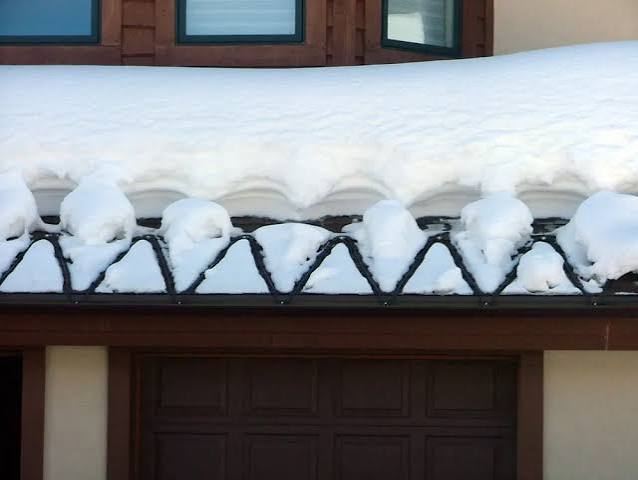
Heat cable installed along snow-covered roof eave and gutter in winter
Heat cables along the roof eave help prevent ice dams from forming during heavy winter snowfall.
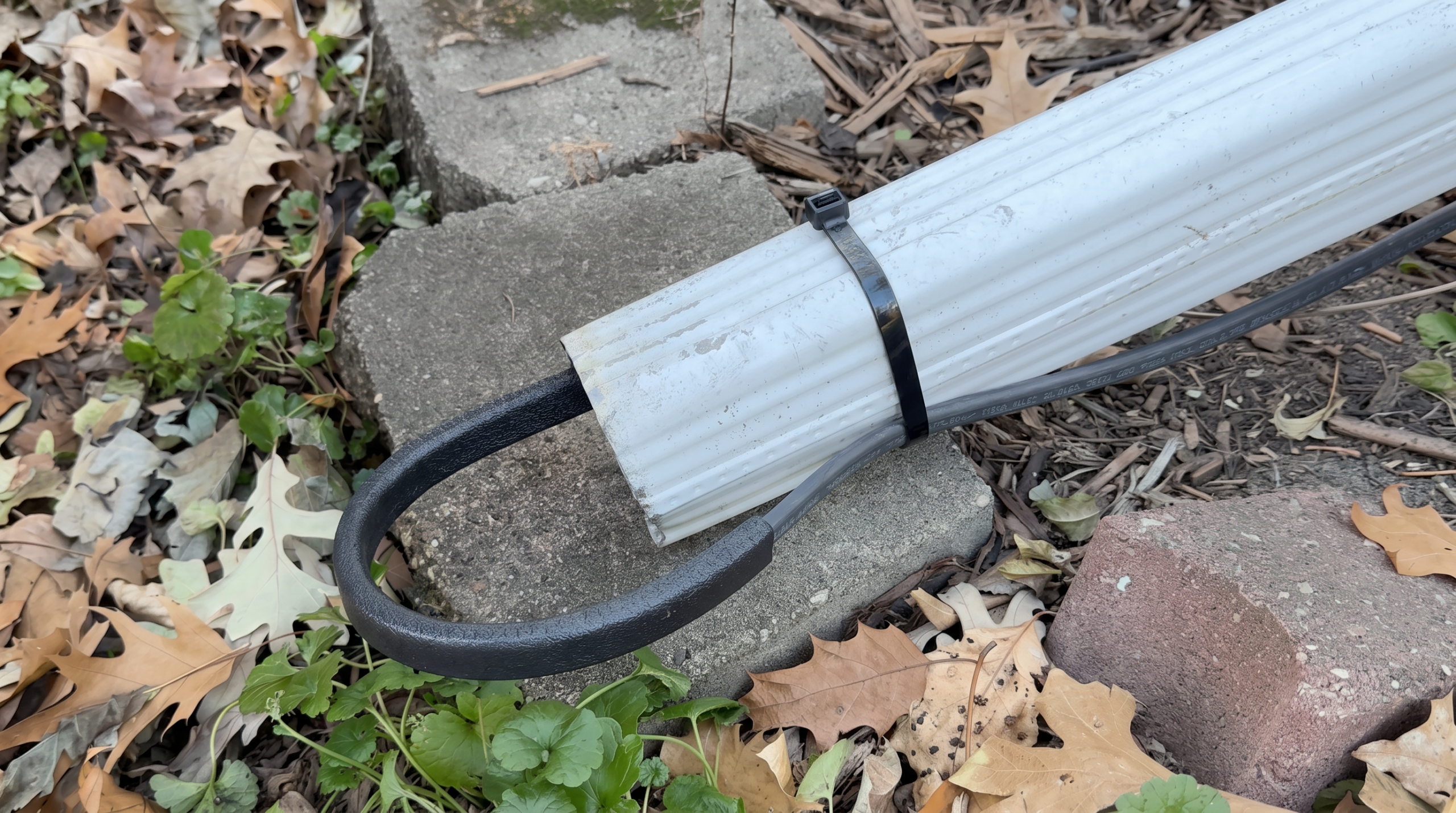
Heated downspout cable secured with black zip tie on white corrugated drain pipe
A self-regulating heat cable is zip-tied to a corrugated white downspout extension resting on concrete pavers.
FAQ

Superior and Douglas County FAQ

It is billed by the crew hour, and the rate plus a realistic time estimate are quoted on the phone before anyone is dispatched.

  • Scope drives the hours: length and thickness of the ice, roof pitch and height, and whether the gutters are frozen solid.
  • Access matters too — a three-story Superior roof takes longer to set up on than a ranch.
  • The invoice matches the quote. There are no surprise add-ons written on the tailgate.

The crew hours on site, the equipment and the photo documentation - with the rate and an estimate given on the phone beforehand.

  • Travel to a Superior address inside the normal service area is not an added line.
  • If the roof turns out worse than described, you are told before the extra hours are worked.
  • The invoice matches what was quoted. Nothing gets added on the tailgate.

Clear a path to the affected side, move vehicles off the driveway and unlock any side gate.

  • Put something under an active interior drip and move what you can out of the way.
  • Photograph the interior damage yourself as well - more evidence is never a problem.
  • Do not go on the roof or up a ladder. That is the part that sends people to hospital.

Please do not. Salt corrodes flashing, fasteners, gutters and anything metal it drains across, and it damages whatever is planted below.

  • Calcium chloride is less aggressive than rock salt but still ends up in the soil at the drip line.
  • A puck melts a hole, not a drainage path, so the water simply refreezes a few inches further on.
  • Crews use heat and nothing else - no salt, no chemicals, nothing corrosive.

More than it looks from the ground - a foot-deep dam across a thirty-foot eave is a few thousand pounds.

  • Depth is measured at the eave rather than estimated from the driveway.
  • The gutter trough underneath is usually frozen solid too and is part of the same mass.
  • That weight is one of the reasons chipping at it from a ladder goes badly.

Self-regulating cable only draws real power when it is cold and wet, and with thermostat and moisture control it runs a fraction of the winter. The honest comparison is against one emergency steam visit, which is usually the larger number.

Yes, with the right fixing method for each. What changes is how the cable is held on: adhesive and clip systems that do not penetrate the covering, rather than anything that puts a fastener through a slate or a standing seam. Getting that wrong creates the leak the system was meant to prevent.

Same-Day Response

Get A Superior Crew Out

Waiting for a thaw is a strategy, but it is an expensive one — the melt has to go somewhere, and it goes into the insulation first.

✓ Licensed & insured✓ Low-pressure steam only✓ Rate quoted up front✓ Photos for your claim
Online Quote(888) 561-9664