Skip to content
Pleasant Prairie, WI
IICRC S500 Standard · Kenosha County

Ice Dam Water Mitigation in Pleasant Prairie, WI — Lake‑Effect Storm Response

Ice Dam Now provides water mitigation & dryout in Pleasant Prairie, WI and the surrounding Kenosha County after ice dam leaks. Work runs to IICRC standards with containment where needed and daily moisture readings, the interior repair is done in-house by the same company, and everything is documented in Xactimate line items on one insurance claim.

Extraction first — Standing water out before anything else starts
Documented to standard — Daily moisture readings until the structure meets IICRC S500 dry standard
Wet insulation removed — It cannot be dried in place and it holds water against the framing
Containment and HEPA — Barriers and air scrubbers wherever tear-out is required

Get Ice Dam Help Pleasant Prairie

A few quick questions, then pick a time. If water is coming in, call instead.

What is the zip code of the home?

Roof leaking right now? Call (888) 561-9664 — that is faster than any form.
Water coming through the ceiling?Every hour an ice dam sits there, more water gets under the shingles.Call (888) 561-9664
24/7
Storm Season Dispatch
No Chipping
Steam Only
Kenosha
County Coverage
Crew Hour
Rate Quoted Up Front
Documented
Photos On Every Job

Kenosha County sees the same pattern every winter: snow on the roof, warm air in the attic, and a line of ice building along the eave where the two meet. As part of our complete Pleasant Prairie winter roof services, crews handle water mitigation & dryout across Kenosha County.

Snow Bands, Warm Attics and the Pleasant Prairie Eave

Lake-effect snow arrives in bands rather than fronts, which is why Pleasant Prairie can take a foot overnight while a town twenty miles inland takes two inches. It falls wet, it compacts fast, and it does not blow off.

Diagram showing how ice dams form on roofs due to inadequate insulation and poor ventilation
Heat escaping into the attic melts roof snow; the meltwater refreezes at the cold eave and the dam grows a layer every cycle.

Melting happens from underneath, not from the sun. Attic heat releases water under the pack, it runs to the overhang where there is no heated space below, and it freezes. That is the engine, and in Pleasant Prairie it runs most of the winter.

Ice-barrier practice in Kenosha County

Ice-barrier membrane at the eaves is standard practice across the lake-effect counties, and most Wisconsin jurisdictions enforce it on re-roofs. If your roof predates that, the eave has nothing under the shingles holding water out.

Water Mitigation & Dryout in Pleasant Prairie: How The Work Runs

Why wet insulation comes out rather than dries

Saturated cellulose and fiberglass hold water against framing and sheathing for weeks, and in a cold attic there is no air movement to carry it off. It also stops insulating, which warms the deck and feeds the next dam. Wet Insulation in the Attic.

So it comes out. On an attic in Pleasant Prairie that is usually the single biggest step toward the structure actually drying.

Containment before tear-out

Where drywall or insulation has to come out, barriers go up and HEPA scrubbers run inside them. That keeps the dust and whatever is growing in the wet material out of the rest of the house.

It also keeps the job to one room rather than the whole floor, which on an occupied Pleasant Prairie home is the difference between staying and moving out.

Drying to a number, not to a look

Air movers and dehumidifiers get placed to the room's volume and the moisture load, not scattered around. Readings are taken daily on framing, sheathing and drywall until they hit the dry standard for that material.

In a Pleasant Prairie winter, with cold cavities and dry outside air, that generally takes longer than people expect. The job closes on the readings, not on appearance.

Why a cold attic will not dry itself

Drying is evaporation, and evaporation needs warmth and air movement. A Pleasant Prairie attic in February has neither. Wet insulation and damp sheathing sit at near-freezing with no meaningful vapor drive, which is why a leak that stops in January can still be wet in March.

Equipment supplies what the season does not. Without it the structure is not drying slowly - in a cold cavity it is very largely not drying at all.

Finding the water that left no stain

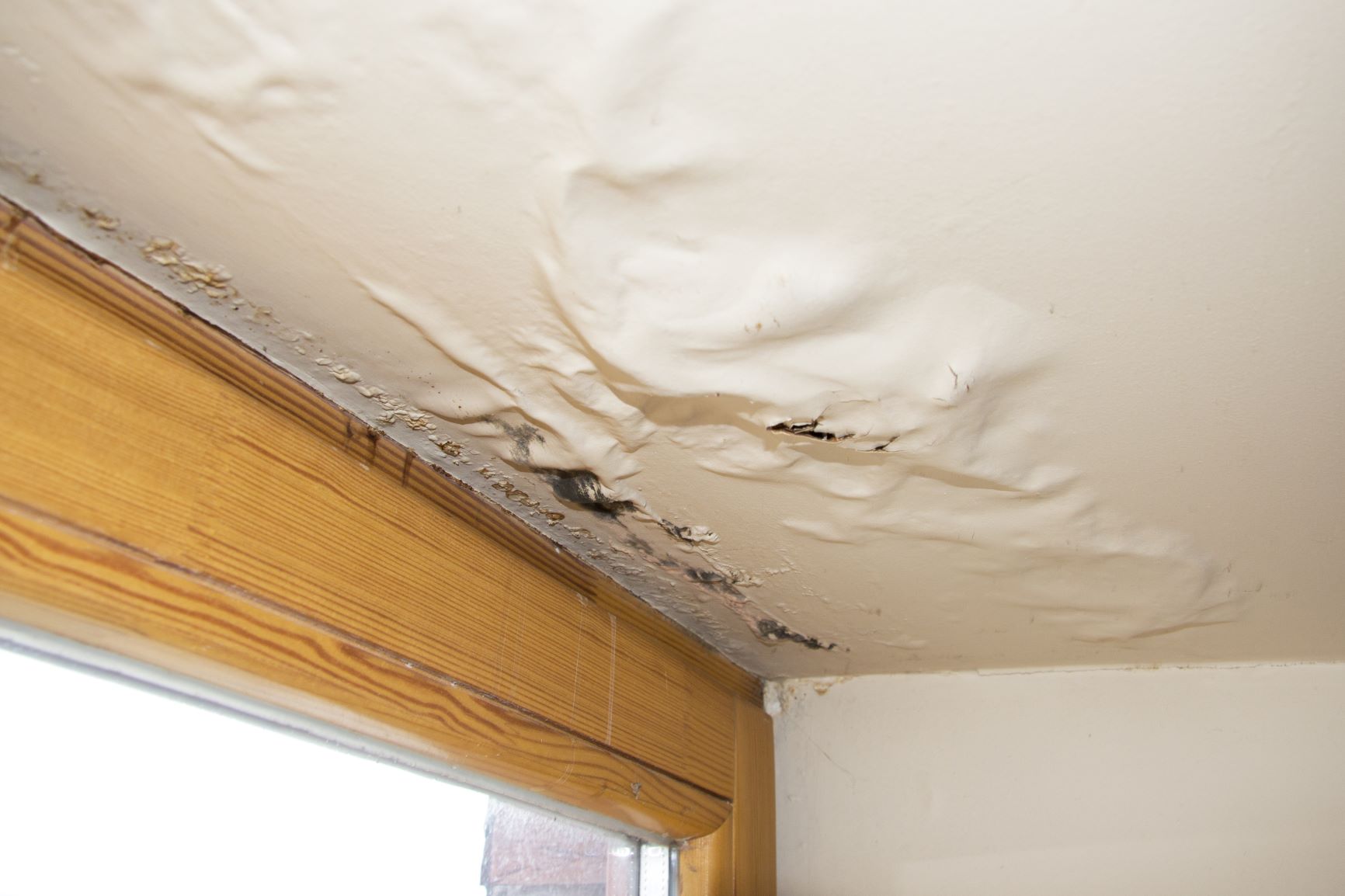
The visible mark on a ceiling is the smallest part of the problem. Water tracks along top plates, runs down stud bays, and spreads across a ceiling plane well past where it finally shows.

Thermal imaging and pin meters find it. On a job in Pleasant Prairie the mapped wet area is routinely several times the size of the stain, and drying the stain alone leaves the rest to go moldy quietly.

technician in Tyvek suit and respirator removing contaminated pink insulation in attic
A remediation technician removes mold-contaminated insulation from a tight attic space following ice dam damage.

What you get in Pleasant Prairie

  • Documented to standardDaily moisture readings until the structure meets IICRC S500 dry standard
  • Hidden water mappedThermal imaging and pin meters find what left no stain
  • Wet insulation removedIt cannot be dried in place and it holds water against the framing
Water Mitigation & Dryout in Pleasant Prairie, WI — specification
Service specification for Pleasant Prairie, WI
Local ice-barrier practiceEave membrane expected on re-roofs
MethodContainment, HEPA filtration and drying to a measured IICRC standard
ServiceWater Mitigation & Dryout in Pleasant Prairie, WI
Primary climate stressorLake-effect bands, wet heavy pack
Coverage areaPleasant Prairie and Kenosha County
DocumentationDated before and after photos, written scope in Xactimate line items
Interior repairInsulation, drywall, texture, trim and paint, done in-house after drying

Pleasant Prairie Coverage and the Adjoining Communities

Crews working Pleasant Prairie cover the adjoining communities on the same route — Woodworth, Somers, Bristol, Benet Lake and Sturtevant — so a storm week usually means one truck handling several addresses in Kenosha County rather than separate trips.

Nearest hub towns with their own water mitigation pages: Kenosha, Mount Pleasant, Racine, Caledonia, Oak Creek, South Milwaukee.

When a storm hits Kenosha County, crews are dispatched by severity rather than by call order — water already inside the house goes first.

Most jobs do not stop at one service. Water Mitigation in Pleasant Prairie often runs alongside ice dam removal in Pleasant Prairie, and both get written into one scope rather than billed as separate visits.

Active leak right now? Our 24/7 Pleasant Prairie steam ice dam removal crews are dispatched first during a freeze event. Call (888) 561-9664.

One Event, One Claim

Everything The Ice Dam Caused In Pleasant Prairie, On One Claim

Taking the ice off is usually the cheapest part. The water that already got in, the mold it leaves, the ceiling that has to come down and sometimes the roof itself are one loss event, so they go on one insurance claim, handled by one company.

How it goes on the claim

  • One loss, one claim number. Removal, mitigation, mold, interior repair and roof damage from the same ice dam are reported as one event.
  • Broken out by coverage. Mitigation, mold (often under its own sublimit), interior repair and the roof are written as separate Xactimate sections, so a question on one line does not hold up the rest.
  • Documented the whole way. Dated photographs and moisture readings run from the ice on the roof to the finished room, from one company, in one file.
  • Honest about the limits. Coverage depends on your policy. A roof that was simply old is not storm damage, and you and your carrier make the coverage decision.
Ice Dam Claims In Pleasant Prairie
Conditions We Work In

Water Mitigation & Dryout In Practice

Conditions crews work in across Kenosha County. Every job is photographed before and after.

contractor using drill to repair ceiling drywall after ice dam water damage
A contractor drills into a water-damaged ceiling where drywall was removed to expose insulation after ice dam damage.
plastic containment sheeting and air mover set up inside living room after water damage
Plastic containment barriers and a commercial air mover protect the living area during water damage remediation.
technician in Tyvek suit and respirator removing contaminated pink insulation in attic
A remediation technician removes mold-contaminated insulation from a tight attic space following ice dam damage.
FAQ

Local Questions About Pleasant Prairie Roofs

It is billed by the crew hour, and the rate plus a realistic time estimate are quoted on the phone before anyone is dispatched.

  • Scope drives the hours: length and thickness of the ice, roof pitch and height, and whether the gutters are frozen solid.
  • Access matters too — a three-story Pleasant Prairie roof takes longer to set up on than a ranch.
  • The invoice matches the quote. There are no surprise add-ons written on the tailgate.

Often for the interior water damage, sometimes for the removal itself, but it depends entirely on your carrier and policy wording.

  • Many policies treat emergency mitigation separately under a duty to protect property clause.
  • Denials usually cite the maintenance exclusion, which dated photographs taken during the event are the direct counter to.
  • Crews photograph the dam, the entry points and the interior damage, and write the scope in Xactimate line items.
  • The coverage decision is between you and your carrier — no contractor can promise an outcome there.

On a roof that is still leaking heat, it can — removal treats the symptom and the cause is in the attic.

  • Crews say so before leaving if the attic is obviously the problem.
  • A second visit in the same season at the same property is priced as the shorter job it usually is.
  • Air sealing, insulation and heat trace are what stop the cycle for good.

Tell the crew. Chipping marks change what the roof needs and they matter for the claim.

  • Cracked shingles and punctures get photographed and reported rather than steamed over.
  • Damage caused by removal attempts is treated differently by carriers than storm damage.
  • It is extremely common and nobody is going to lecture you about it.

Please do not. Salt corrodes flashing, fasteners, gutters and anything metal it drains across, and it damages whatever is planted below.

  • Calcium chloride is less aggressive than rock salt but still ends up in the soil at the drip line.
  • A puck melts a hole, not a drainage path, so the water simply refreezes a few inches further on.
  • Crews use heat and nothing else - no salt, no chemicals, nothing corrosive.

Three to five days is typical for a contained ceiling or wall area. Cold cavities, saturated insulation and a Pleasant Prairie winter with low ambient temperatures all extend it. The job ends on meter readings rather than on a calendar, and the daily log shows you where it is up to.

Interior water damage from an ice dam is covered under many policies, and mitigation is often treated separately from the repair under a duty to protect property clause. Coverage varies by carrier, so check your policy. Readings, photos and a written scope are documented throughout either way.

Nearby

Water Mitigation In Towns Around Pleasant Prairie

Same-Day Response

Get A Pleasant Prairie Crew Out

The cost of a steam visit does not change much from one week to the next. The cost of the water damage behind the dam does.

✓ Licensed & insured✓ Low-pressure steam only✓ Rate quoted up front✓ Photos for your claim
Online Quote(888) 561-9664