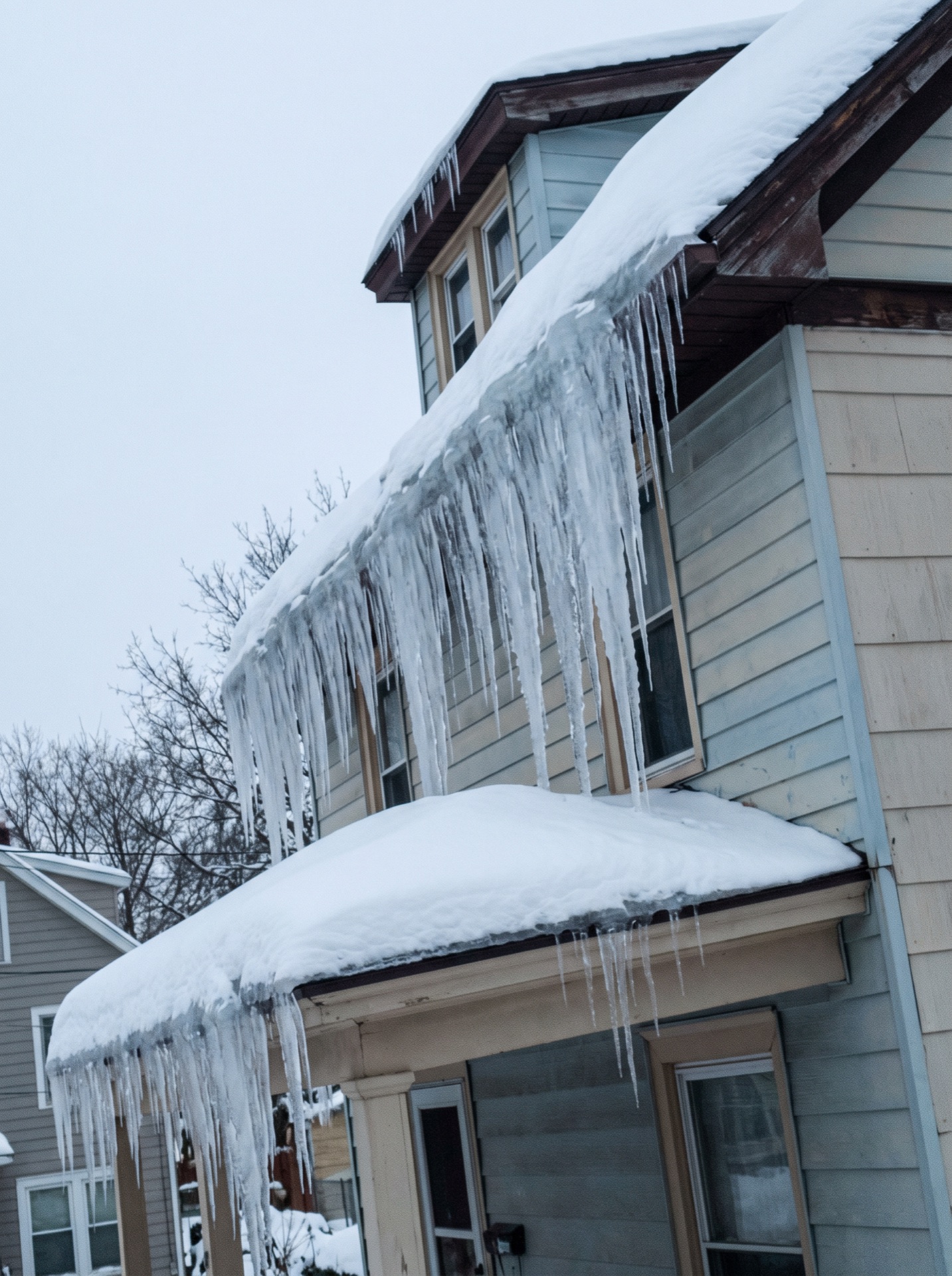
Homeowners across Salt Lake County call about icicles. Icicles are cosmetic. The dam behind them, holding back standing water, is not. As part of our complete Cottonwood Heights winter roof services, crews handle water mitigation & dryout across Salt Lake County.
Why Cottonwood Heights Roofs Dam on Days It Never Thaws
Thin air at altitude means intense direct sun even in deep cold. A Cottonwood Heights roof can be melting on its south face at midday in air that never gets near freezing, and all of that water has to go somewhere.

Volume is the other factor. A Salt Lake County roof carrying several feet of pack has an enormous reservoir above an overhang that never sees direct sun, and the supply does not run out until spring.
Ice-barrier practice in Salt Lake County
Design snow loads in Salt Lake County are among the highest anywhere, and the membrane and retention requirements that go with them are not formalities. On an older Cottonwood Heights cabin or chalet neither may be present.
Water Mitigation & Dryout in Cottonwood Heights: How The Work Runs
From dry to finished: the interior repair
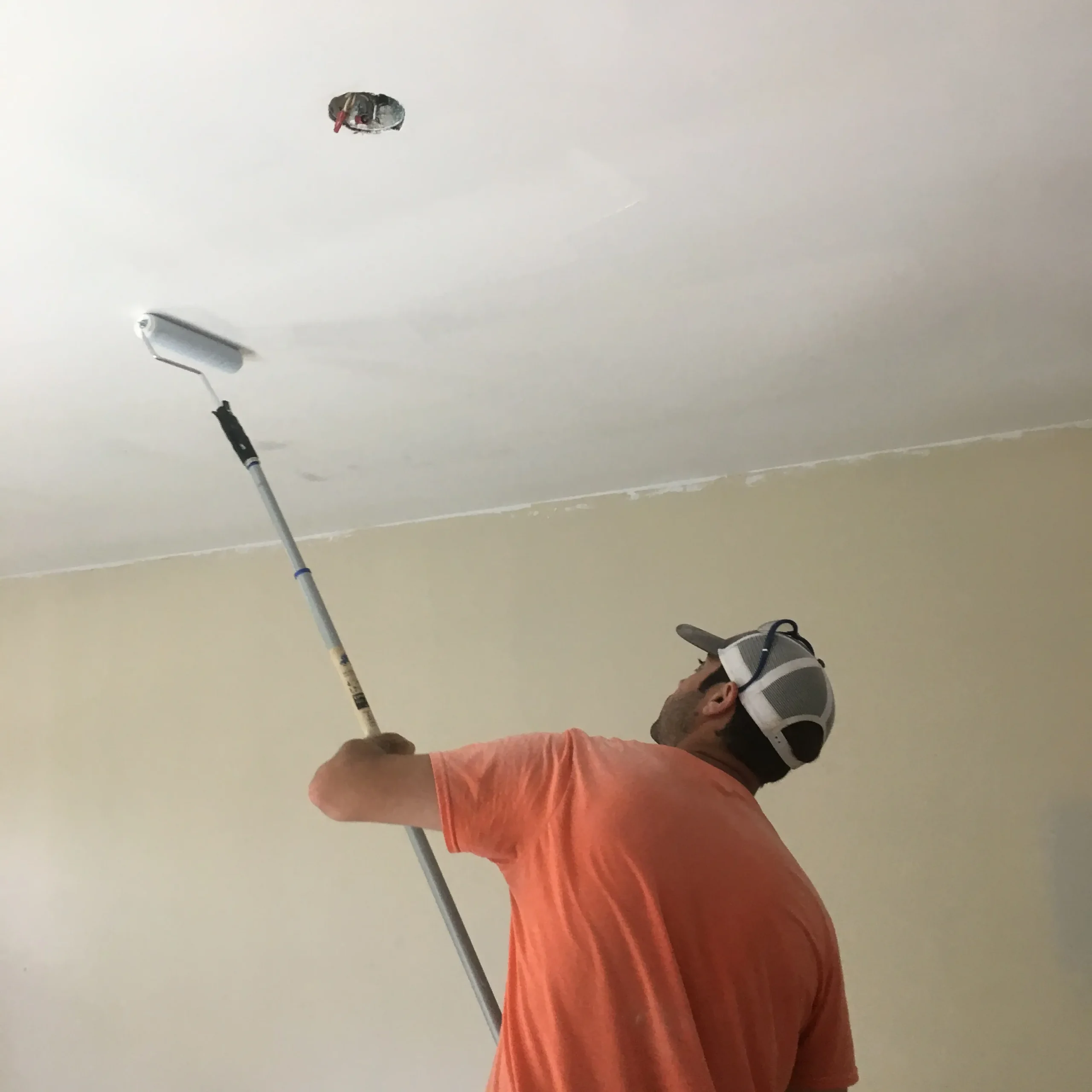
Mitigation ends when the readings hit standard. The repair starts right after, with the same company: new insulation, drywall hung and finished, texture matched, trim replaced and painted, and flooring where it did not recover. Wet Insulation in the Attic.
Keeping it in-house means one scope, one claim and one set of documentation from the first photograph in Cottonwood Heights to the last coat of paint, rather than a dried-out room sitting open while you look for a contractor.
Drying to a number, not to a look
Air movers and dehumidifiers get placed to the room's volume and the moisture load, not scattered around. Readings are taken daily on framing, sheathing and drywall until they hit the dry standard for that material.
In a Cottonwood Heights winter, with cold cavities and dry outside air, that generally takes longer than people expect. The job closes on the readings, not on appearance.
Dry does not mean dry
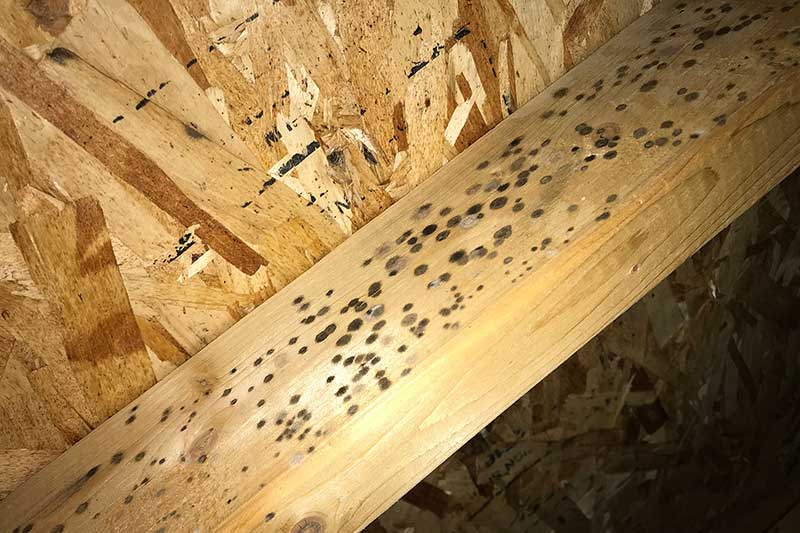
A ceiling stain stops spreading long before the cavity behind it is dry. Wet cellulose and fiberglass hold water against the framing for weeks, and in a cold attic the evaporation that would normally handle it simply does not happen. That is how a January leak becomes a spring mold problem.
Mitigation means getting the structure back to a documented dry standard — not back to looking fine. Moisture meter readings on framing, sheathing and drywall are what close the job, not appearance.
Clean water does not stay clean
Meltwater off a roof starts as category one - essentially clean. It does not stay that way. Passing through old insulation, wall cavities, dust and whatever has accumulated in a ceiling plane for forty years degrades it, and standing more than a day or two degrades it again.
That classification drives what can be dried in place and what has to be removed, and it is the reason a leak dealt with on day one is a smaller job than the identical leak dealt with on day five.
Electrical safety where water reached fixtures
Water running into a ceiling light, a fan box or down inside a wall to a panel is an electrical matter before it is a drying matter. Affected circuits get killed before any equipment goes in.
That is standard on every Cottonwood Heights job where water reached a fixture, and it is worth saying out loud because homeowners often reach for a wet fixture first.

What you get in Cottonwood Heights
- Electrical made safeCircuits killed where water reached fixtures, before equipment goes in
- Containment and HEPABarriers and air scrubbers wherever tear-out is required
- Extraction firstStanding water out before anything else starts
| Method | Containment, HEPA filtration and drying to a measured IICRC standard |
|---|---|
| Interior repair | Insulation, drywall, texture, trim and paint, done in-house after drying |
| Local ice-barrier practice | Extended membrane plus snow retention |
| Service | Water Mitigation & Dryout in Cottonwood Heights, UT |
| Billing | Xactimate line items on one claim; carrier billed directly where the policy allows |
| Documentation | Dated before and after photos, written scope in Xactimate line items |
| Dispatch window | 24 to 48 hours in mountain terrain |
Neighborhoods and Towns We Reach From Cottonwood Heights
Crews working Cottonwood Heights cover the adjoining communities on the same route — Alpine — so a storm week usually means one truck handling several addresses in Salt Lake County rather than separate trips.
Nearest hub towns with their own water mitigation pages: Midvale, Sandy, Murray, Millcreek, Taylorsville, West Jordan.
Cottonwood Heights sits inside the regular Utah service area, so a crew is usually scheduled the same day or the following morning.
Most jobs do not stop at one service. Water Mitigation in Cottonwood Heights often runs alongside ice dam removal in Cottonwood Heights, and both get written into one scope rather than billed as separate visits.
Active leak right now? Our 24/7 Cottonwood Heights steam ice dam removal crews are dispatched first during a freeze event. Call (888) 561-9664.