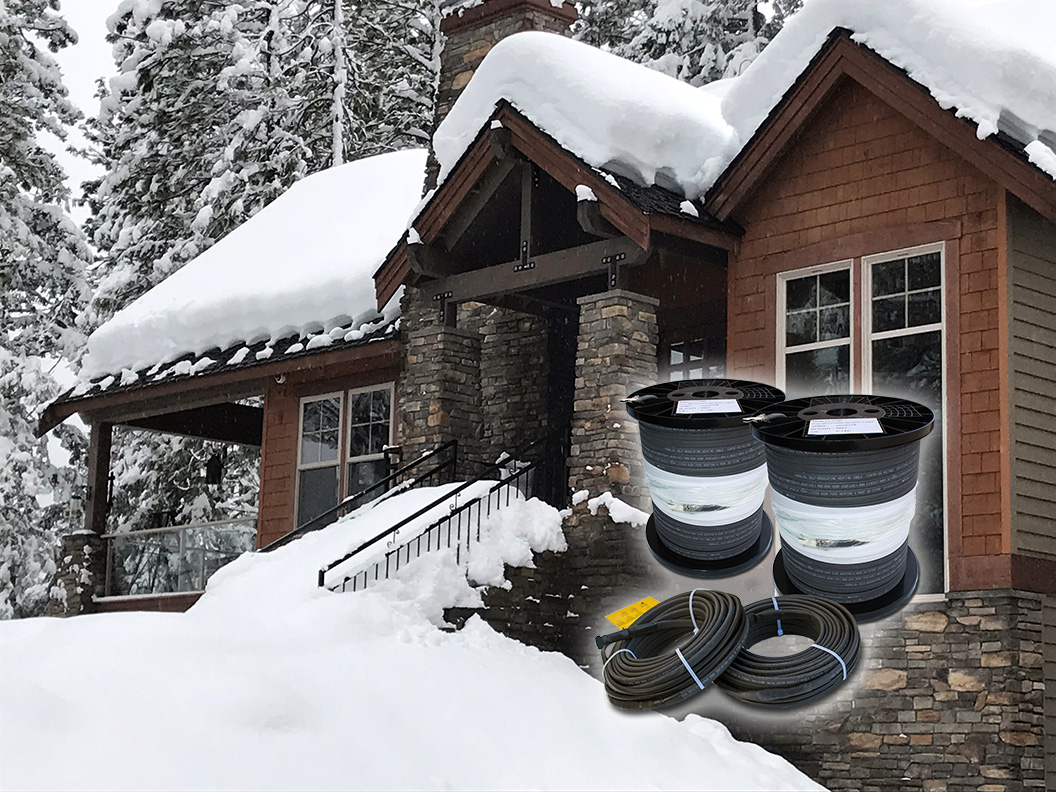
Most Smithfield homeowners find out about an ice dam from the inside — a damp patch on a bedroom ceiling, or water tracking down the inside of a window frame. As part of our complete Smithfield winter roof services, crews handle heated roof & gutter cables across Providence County.
Why a Smithfield Roof Dams Between Storms
Coastal storms deliver the heaviest snow by weight. A single nor'easter can put a wet, dense pack on a roof in Smithfield in one night, and the maritime air that follows rarely stays on one side of freezing for long.

Retrofits often made it worse rather than better. Insulation laid on an attic floor without sealing the bypasses underneath it keeps the living space warm and sends the same warm air straight to the roof deck.
Ice-barrier practice in Providence County
Coastal Rhode Island jurisdictions generally require the membrane to extend past the interior wall line. On a house in Smithfield with a deep overhang that is further up the roof than a single course.
Heated Roof & Gutter Cables in Smithfield: How The Work Runs
What heat trace does and does not do
A properly designed system keeps a continuous drainage channel open from the roof surface through the gutter and down the leader to the ground. Meltwater that would have refrozen at the cold eave instead keeps running. It does not melt the snow off your roof, and it will not remove a dam that has already formed — it prevents the dam from establishing in the first place. Icicles and a Wet Ceiling.
That distinction matters when comparing quotes. Anyone selling cable as an emergency fix for an existing dam is selling the wrong product.
Cable is the backstop, not the cure
The underlying cause of an ice dam is heat leaving the house. Air sealing the attic, fixing crushed baffles and topping up insulation addresses that; cable manages what is left.
A Smithfield property that gets both rarely needs an emergency call again. One that gets only cable usually needs fewer.
Why most cable installations underperform
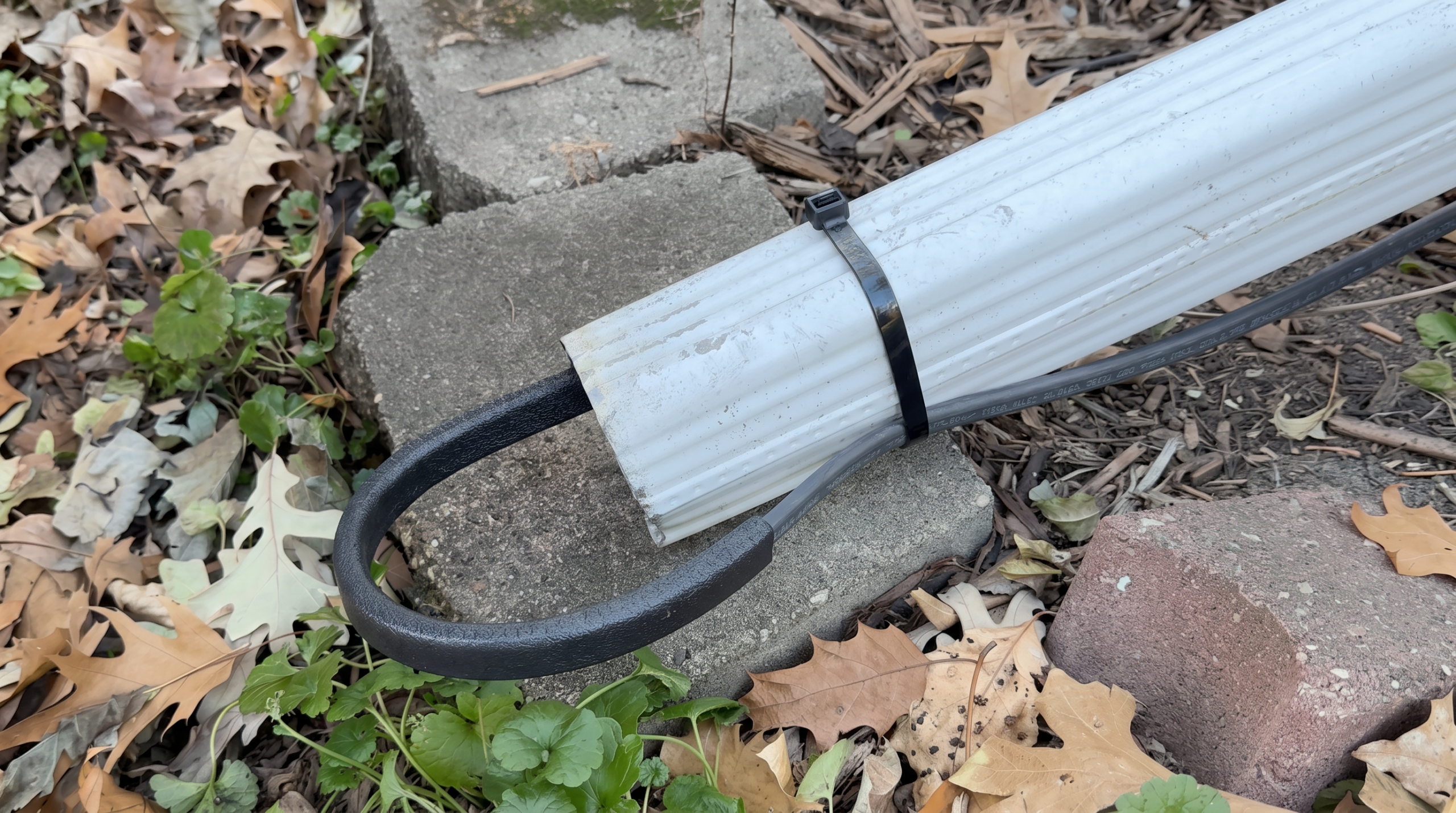
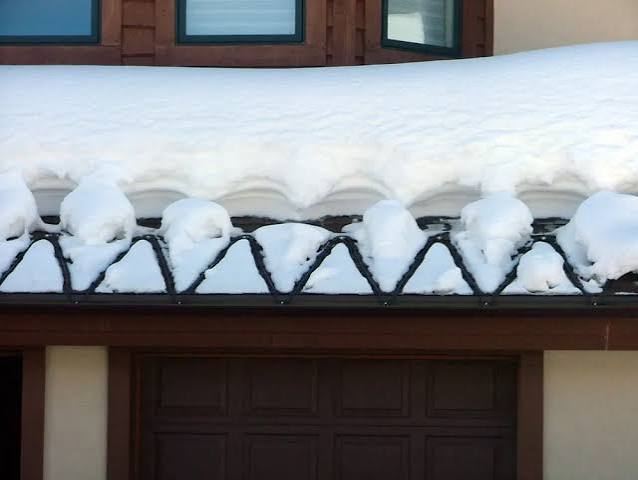
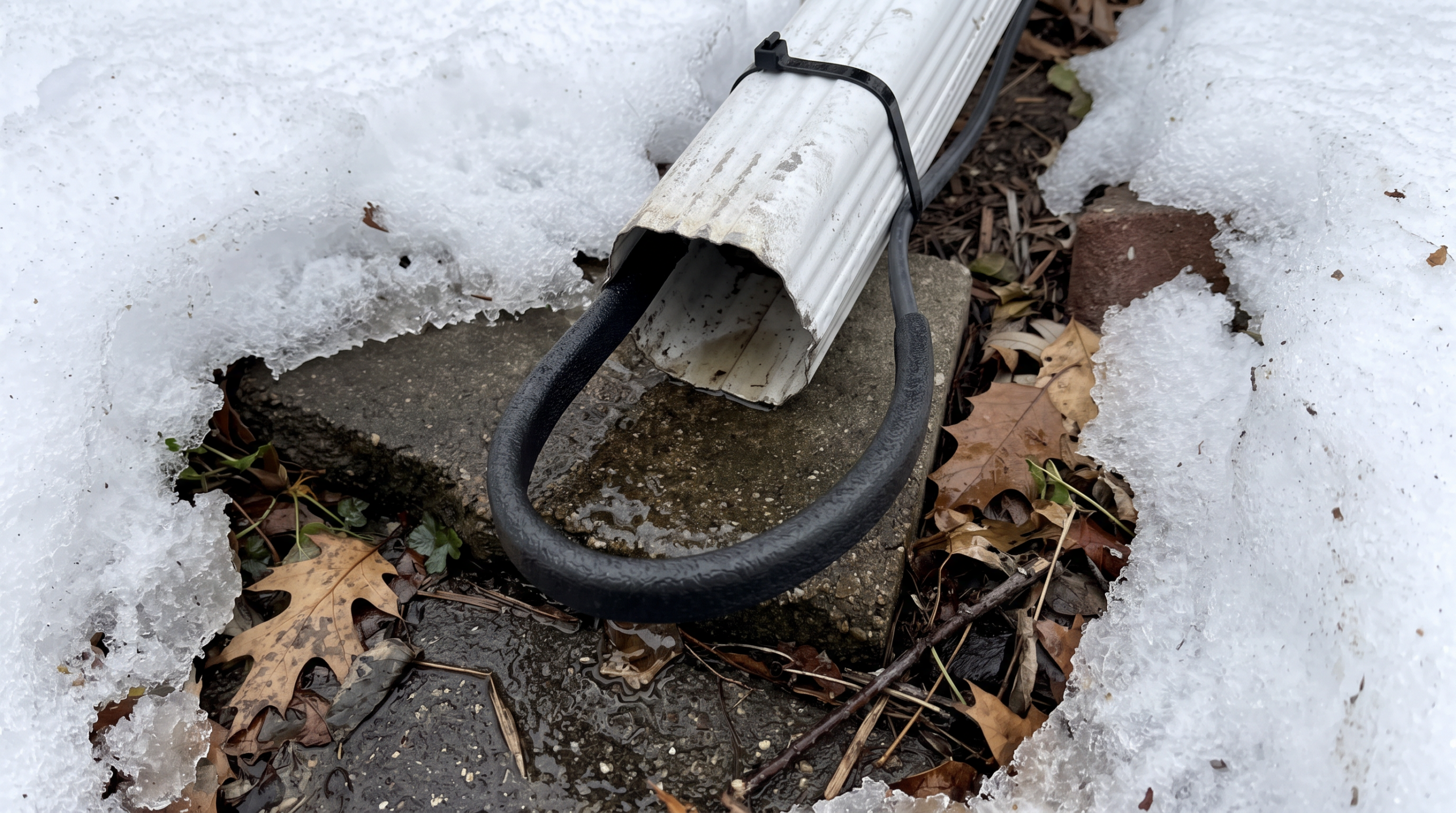
Not because the cable is bad. Because the path is incomplete. A zig-zag along the first few feet of eave that does not continue into the gutter and down the leader melts a channel that ends in a block of ice.
The water has to get all the way to the ground. On a Smithfield install that means eave, valleys, trough and downspout traced as one continuous path, and it is the single thing that separates a system that works from one that does not.
What shortens the life of a cable run
Self-regulating cable is generally good for a decade or more. What ends it early is ultraviolet exposure on a run left unshaded through summer, physical damage from somebody raking or shovelling over it, rodents in the gutter, and ice loading on clips that were never rated for it.
A system installed with UV-stable cable, proper clips and a note on the roof plan saying where it runs will usually outlast one that was simply stapled up in a hurry.
Layout is most of the job
The cable has to trace a complete path: a zig-zag at the eave deep enough to cover the cold overhang, down through the valleys, along the gutter trough and all the way down the downspout to daylight. A zig-zag that stops short of the heated wall line, or a gutter run with no downspout trace, produces a channel that dead-ends into ice.
Systems get a dedicated GFCI-protected circuit, and controls run on a combination thermostat and moisture sensor so the system runs when it matters and not through a dry January cold snap.
What you get in Smithfield
- Zig-zag sized properlyEave coverage measured against the actual cold overhang
- No fasteners through the roofClips and standoffs only, nothing driven through the covering
- Smart controlsThermostat and moisture sensing so it runs on the conditions that make ice
| Documentation | Dated before and after photos, written scope in Xactimate line items |
|---|---|
| Typical scope | Steam, 4-10 crew hours typical |
| Primary climate stressor | Nor'easters, rapid thaw-freeze swing |
| Service | Heated Roof & Gutter Cables in Smithfield, RI |
| Dispatch window | Same day to 24 hours |
| Pricing model | Billed by the crew hour, rate quoted before dispatch |
| Local ice-barrier practice | Eave membrane standard on re-roofs |
Neighborhoods and Towns We Reach From Smithfield
Crews working Smithfield cover the adjoining communities on the same route — Greenville, Harmony, Albion, North Smithfield and Manville — so a storm week usually means one truck handling several addresses in Providence County rather than separate trips.
Nearest hub towns with their own heat cables pages: North Providence, Lincoln, Johnston, Cumberland, Pawtucket, Woonsocket.
During a cold snap Smithfield gets worked alongside the neighboring Providence County towns on the same route, with active interior leaks moved to the front of the list.
Most jobs do not stop at one service. Heat Cables in Smithfield often runs alongside ice dam removal in Smithfield, and both get written into one scope rather than billed as separate visits.
Active leak right now? Our 24/7 Smithfield steam ice dam removal crews are dispatched first during a freeze event. Call (888) 561-9664.