



Older Housing, Heavy Snow: The Providence County Case
The maritime air is the other half of it. Temperatures in Providence County move either side of freezing within the same day far more often than they do inland, and every crossing moves water down the roof and locks it at the eave.

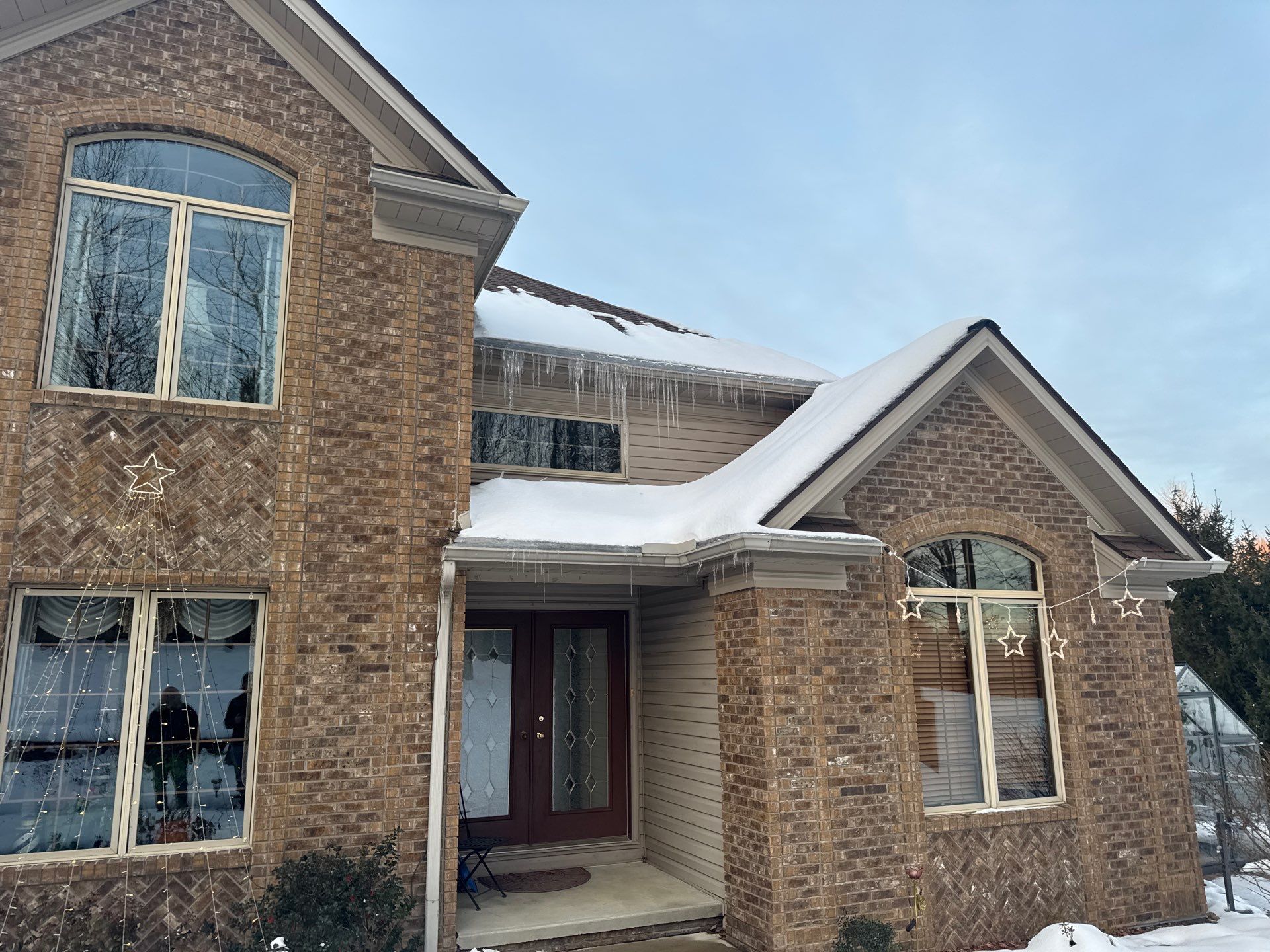
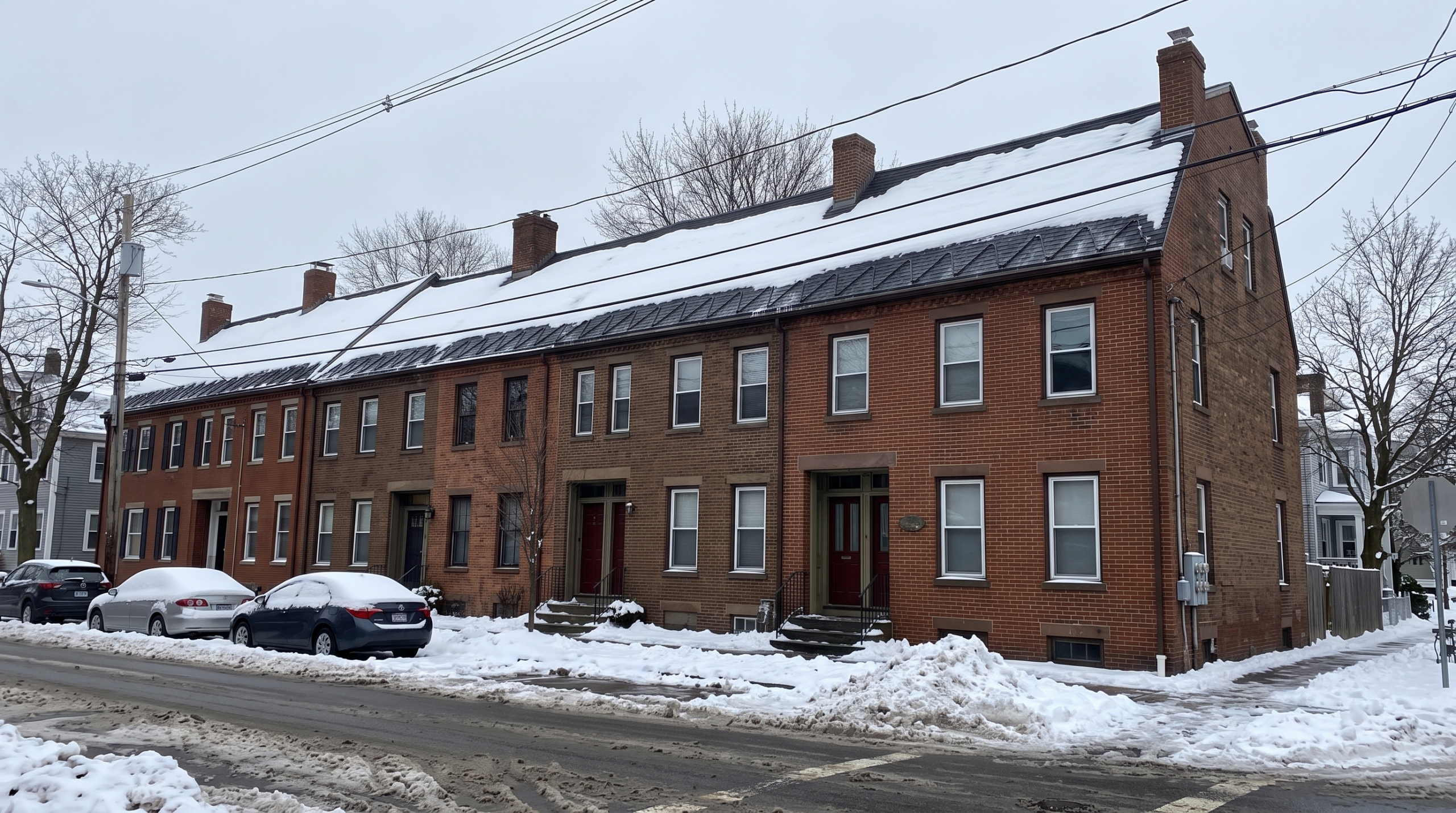
Older Providence County housing stock makes it worse. Shallow eave returns, knee-wall attics and additions built over unheated space all put warm air against a cold roof deck with very little insulation in between.
Ice-barrier practice in Providence County
Coastal Rhode Island jurisdictions generally require the membrane to extend past the interior wall line. On a house in Pawtucket with a deep overhang that is further up the roof than a single course.
How We Work a Pawtucket Ice Dam
Crews walk the eaves, valleys and gutter line first and photograph every dam and every point where water is tracking inside, before touching anything. You get shown what they found and quoted the crew-hour rate before work starts.
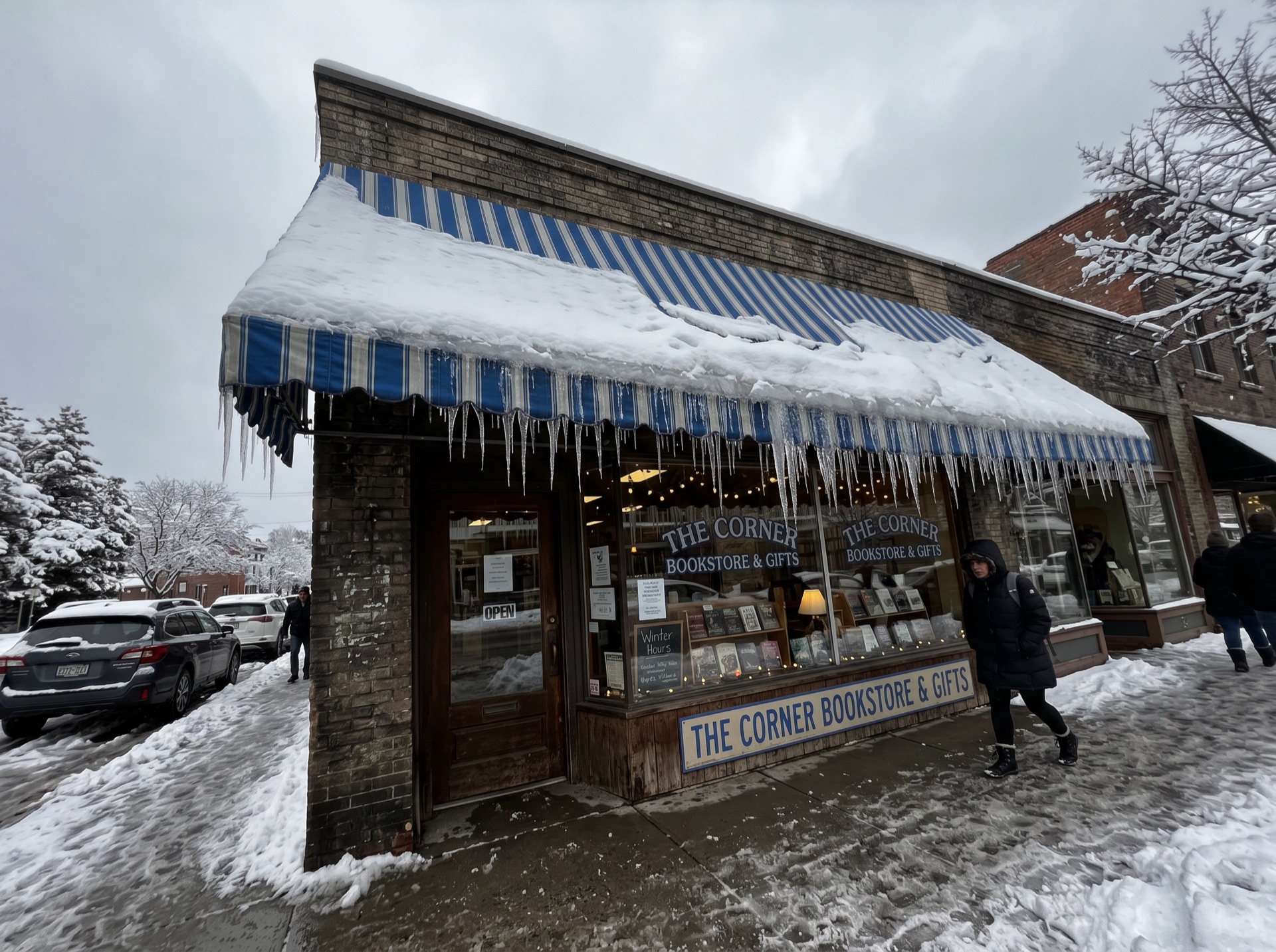
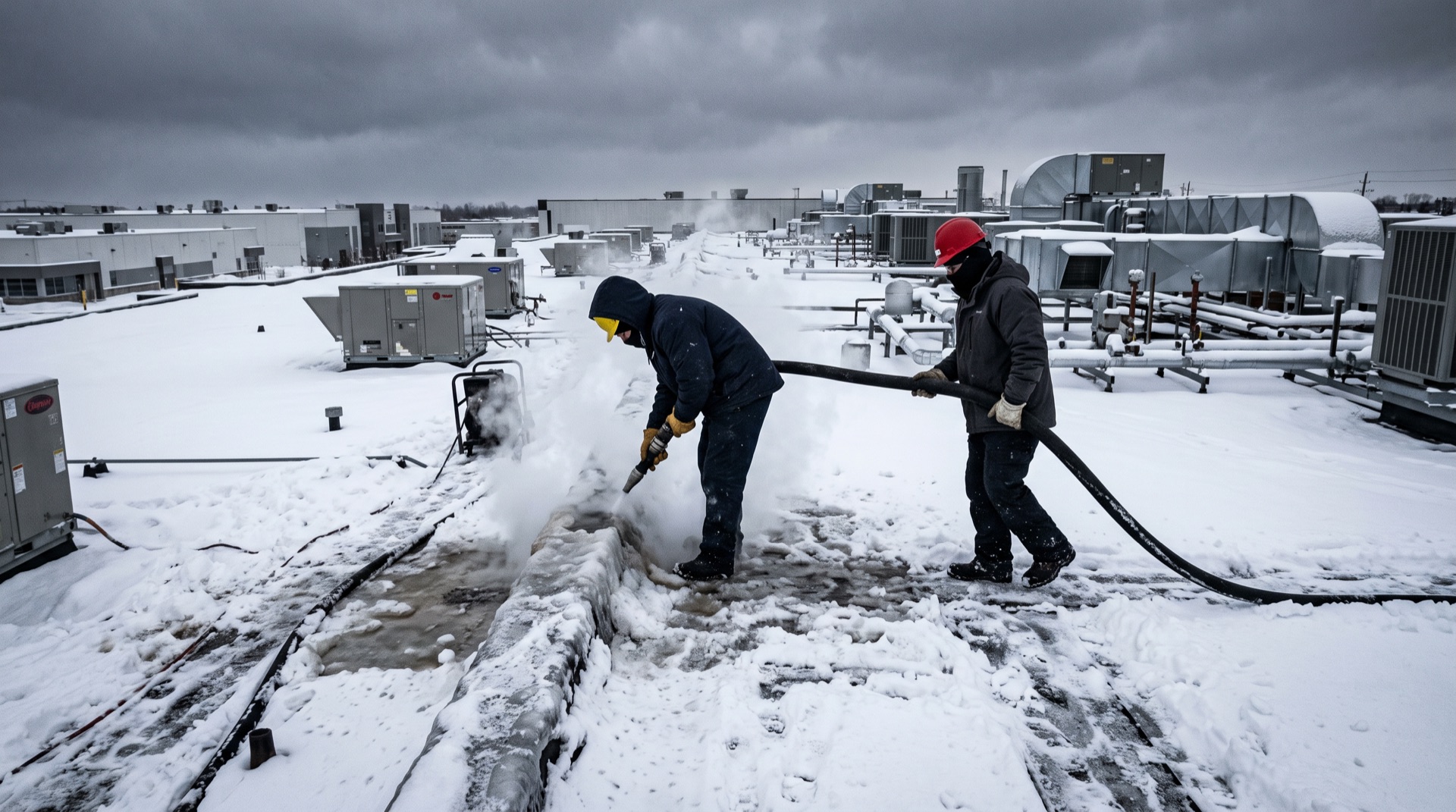
Then the ice comes off with low-pressure steam, starting wherever water is actively backing up so drainage opens early. Frozen gutters and downspouts are cleared in the same visit, because a cleared eave above a solid block of ice in the gutter dams again on the next cold night.
Steep, high and awkward Pawtucket roofs
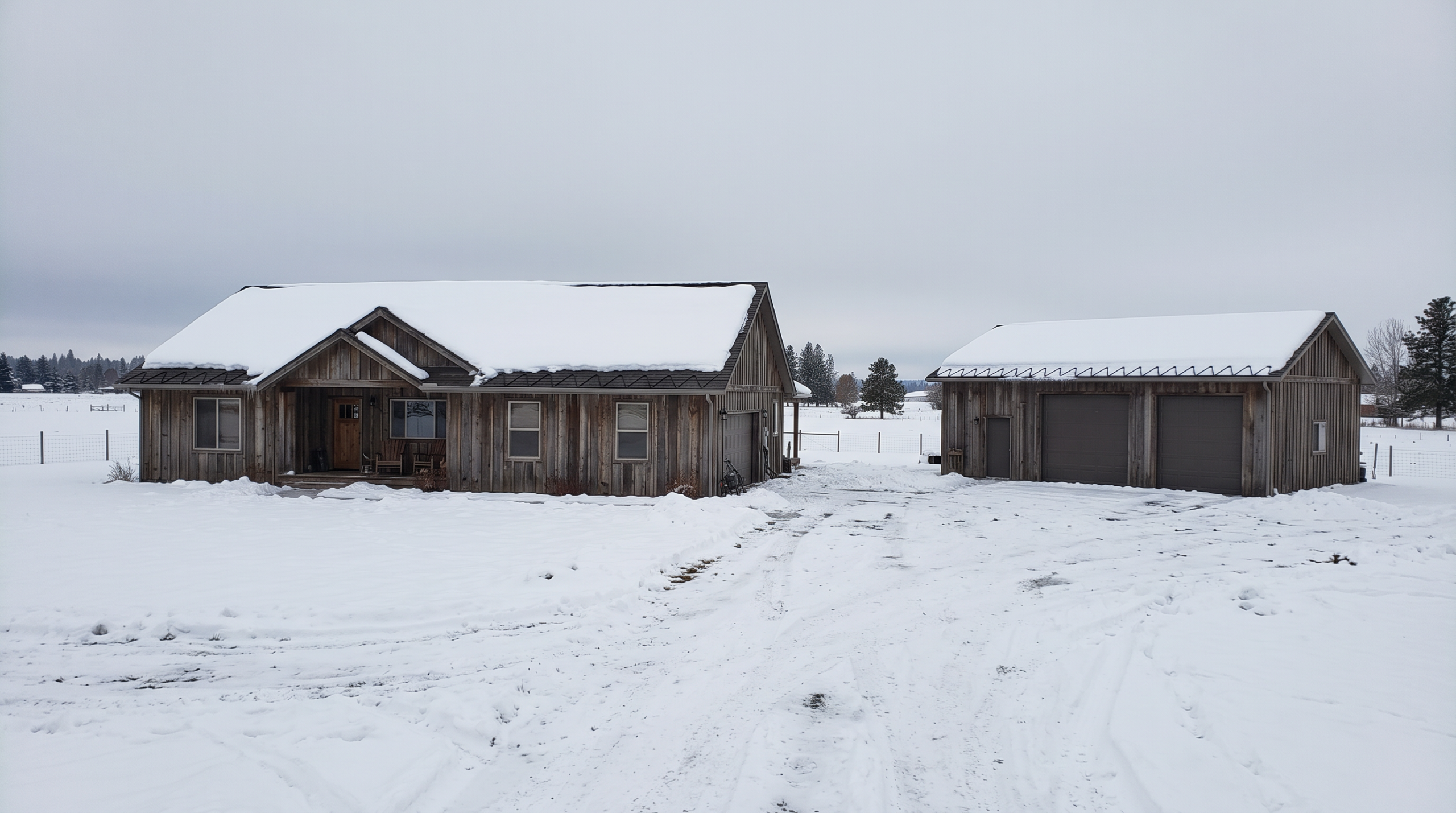
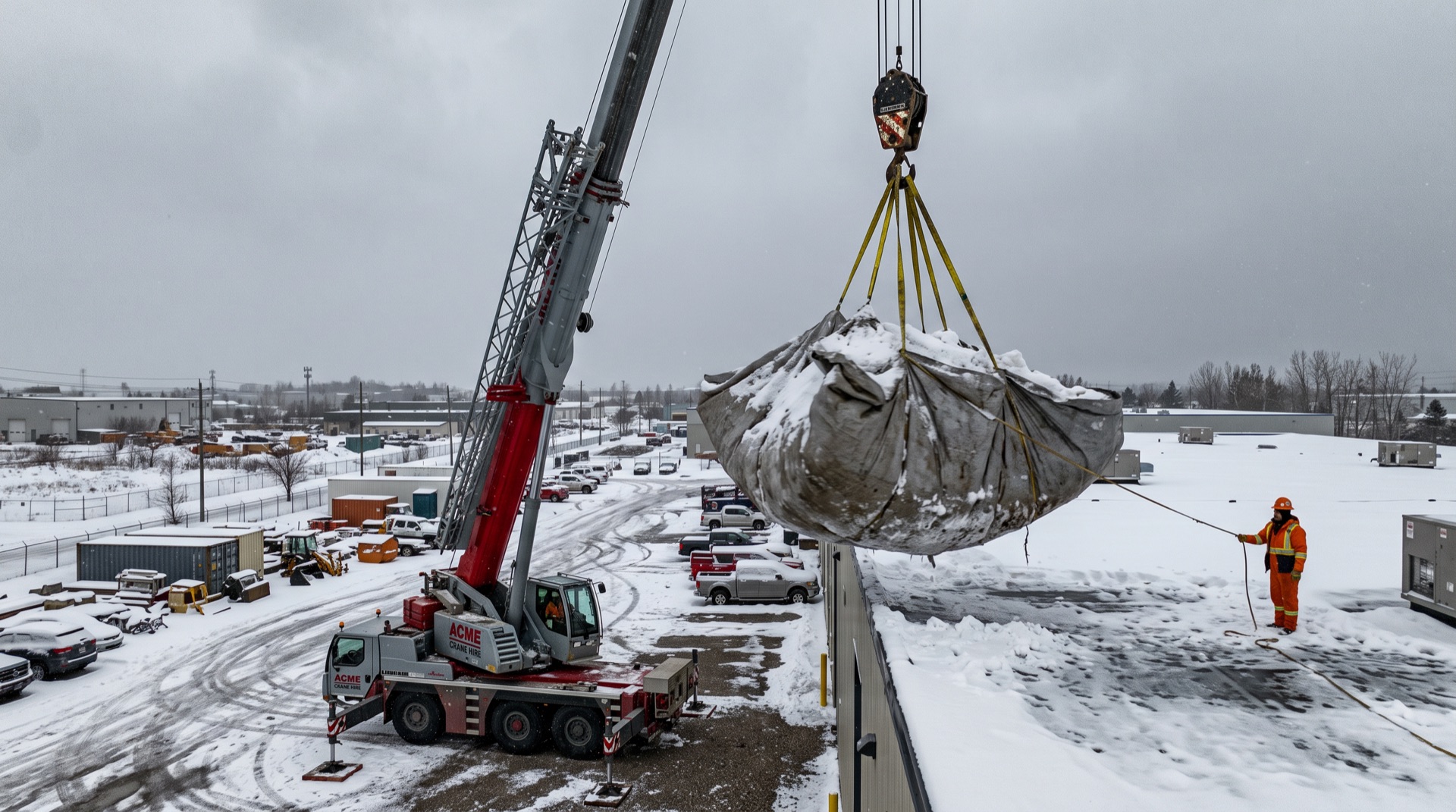
Pitch and height change the job more than ice thickness does. A walkable ranch eave is a ladder and a lance. A three-story roof with a steep pitch means anchors, rope, staging and two people where one would otherwise do.
Crews quote on that honestly. If a property in Pawtucket needs a longer setup, it is said on the phone rather than discovered at the end of the invoice.
Why the gutter has to be cleared in the same visit
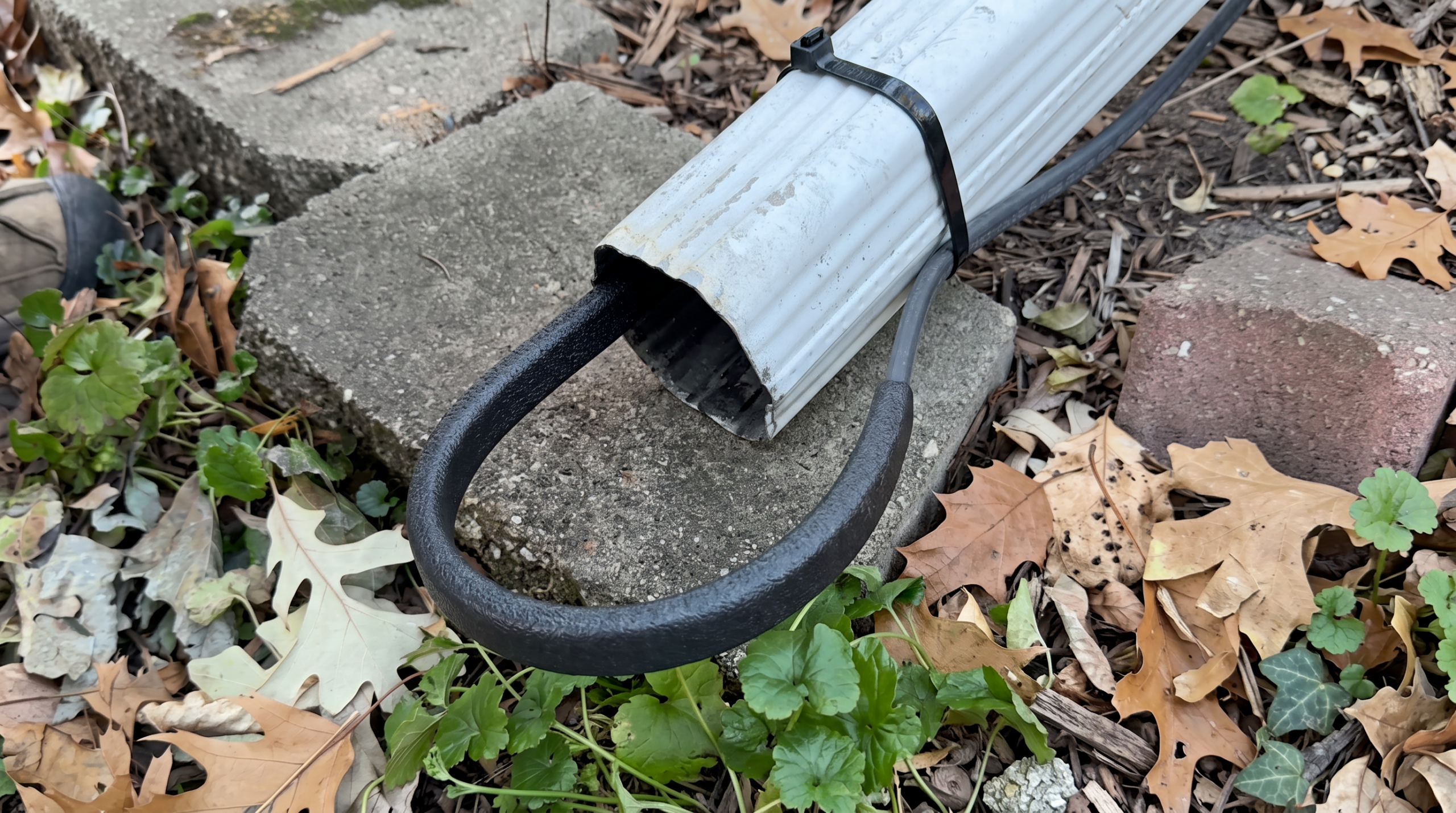
A dam sitting above a gutter packed solid with ice is only half the problem. Clear the eave and leave the trough frozen, and the next day's meltwater has nowhere to run — it backs up onto the roof and the dam rebuilds from the bottom.
Crews steam the trough and the downspout through to daylight on the same visit. It adds time, which is why the hour estimate given on the phone accounts for it, and it is the difference between a fix and a repeat visit in Pawtucket the following week.
What happens after the ice is off
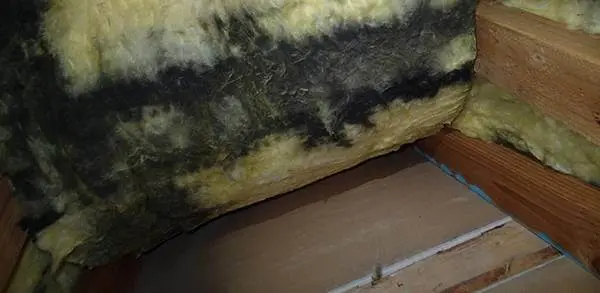
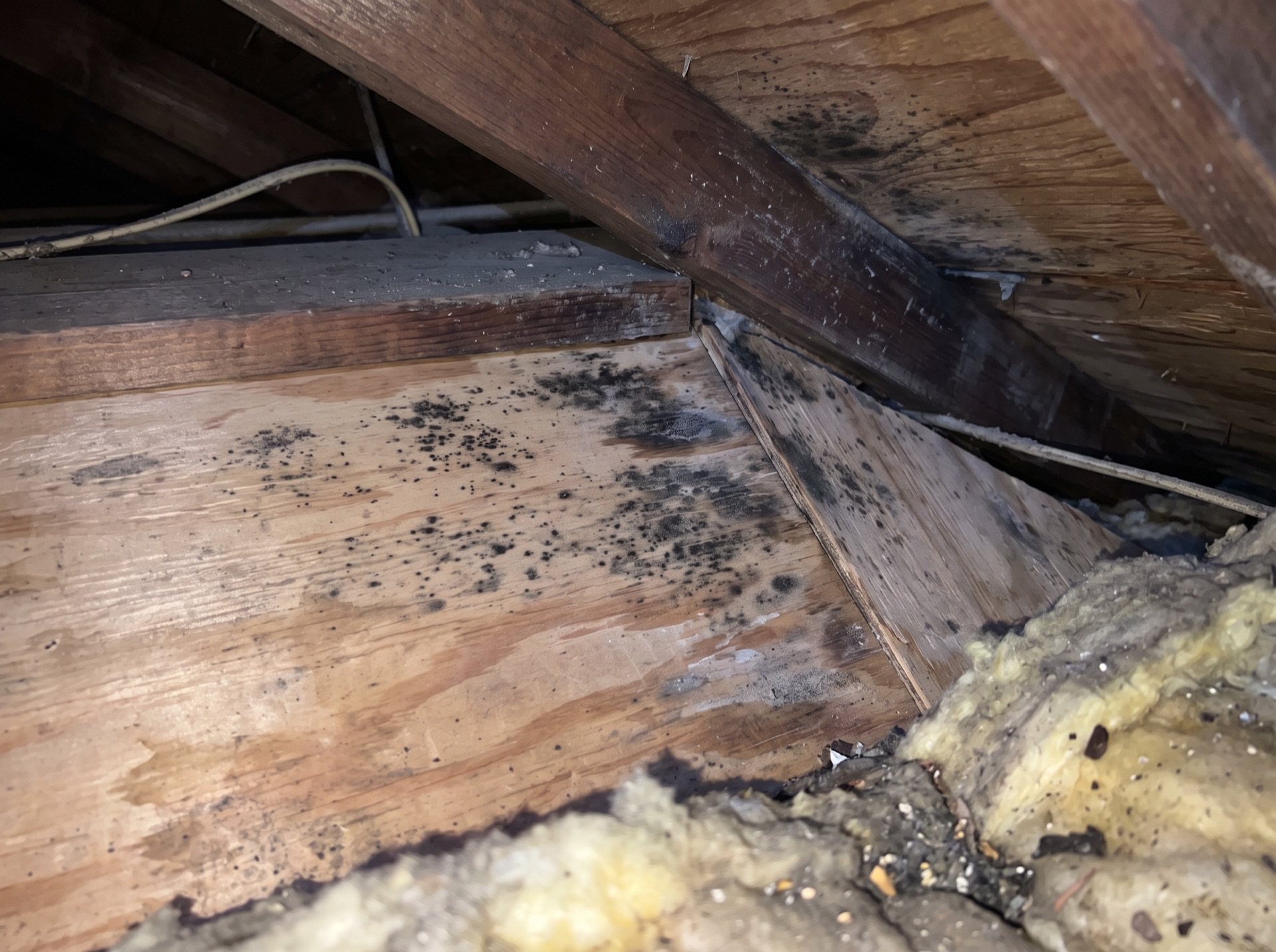
Once the eave is clear and water is draining, the crew walks the interior with you where there is visible damage and says plainly whether it needs drying. Wet insulation and a damp ceiling cavity do not resolve themselves in a cold Pawtucket February.
If it does, that is a separate scope and it gets written separately — nobody is upsold a dryout on the strength of one damp patch.
| Dispatch window | Same day to 24 hours |
|---|---|
| Pricing model | Billed by the crew hour, rate quoted before dispatch |
| Documentation | Dated before and after photos, written scope in Xactimate line items |
| Coverage area | Pawtucket and Providence County |
| Primary climate stressor | Nor'easters, rapid thaw-freeze swing |
| Local ice-barrier practice | Eave membrane standard on re-roofs |
| Removal method | Low-pressure steam only. No chipping, salt or pressure washing. |
Pawtucket Coverage and the Adjoining Communities
Crews working Pawtucket cover the adjoining communities on the same route — Central Falls, Rumford, Albion, Riverside and Manville — so a storm week usually means one truck handling several addresses in Providence County rather than separate trips.
Nearest hub towns with their own crew pages: Lincoln, Providence, East Providence, North Providence, Cumberland, Johnston.
Scheduling for Pawtucket tightens up during a freeze event, which is exactly when the phone beats the form. Water coming in means a call, not an email.
Water through a ceiling in Pawtucket is a same-day call, not a next-week one. (888) 561-9664 goes straight to dispatch.