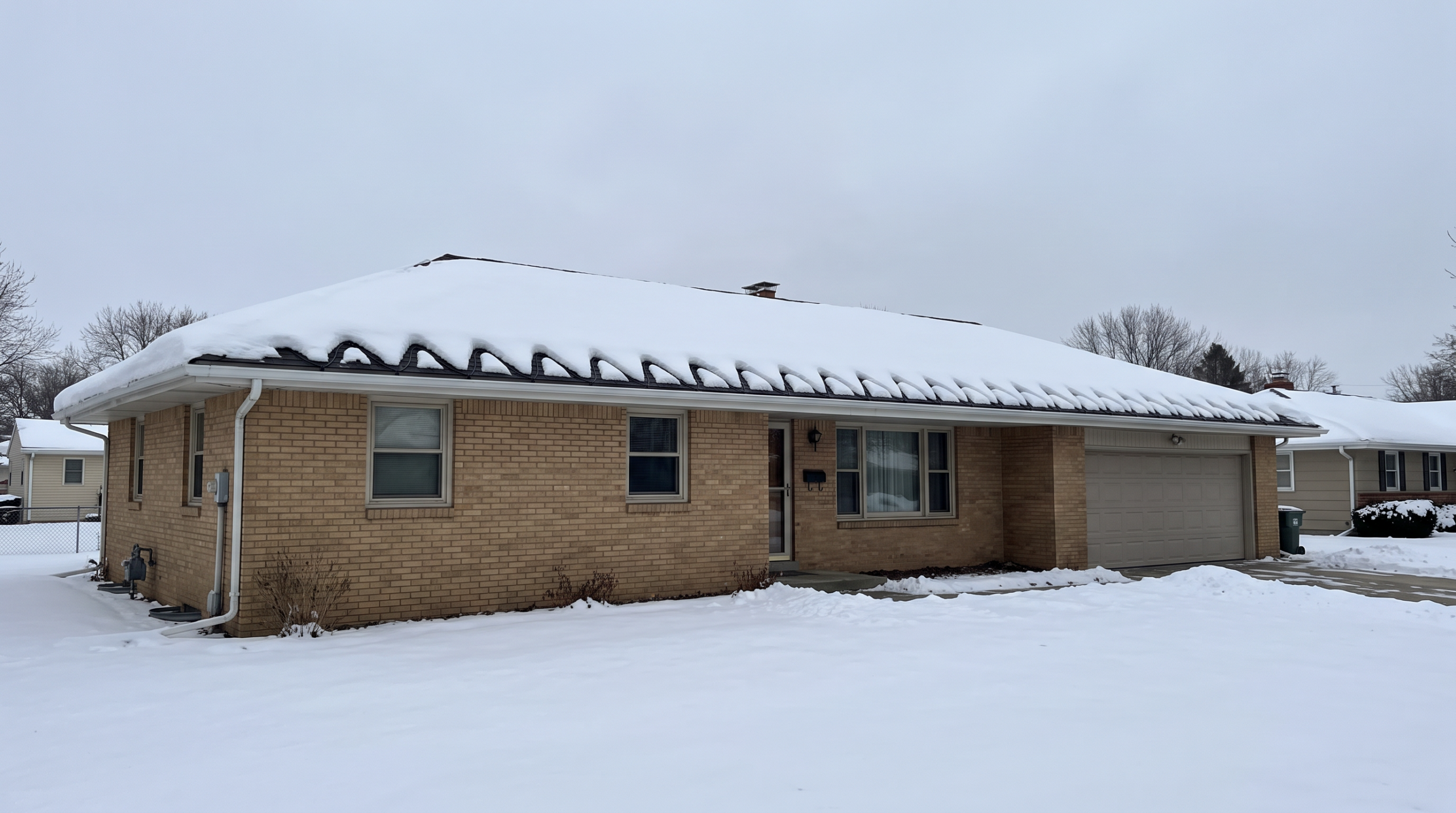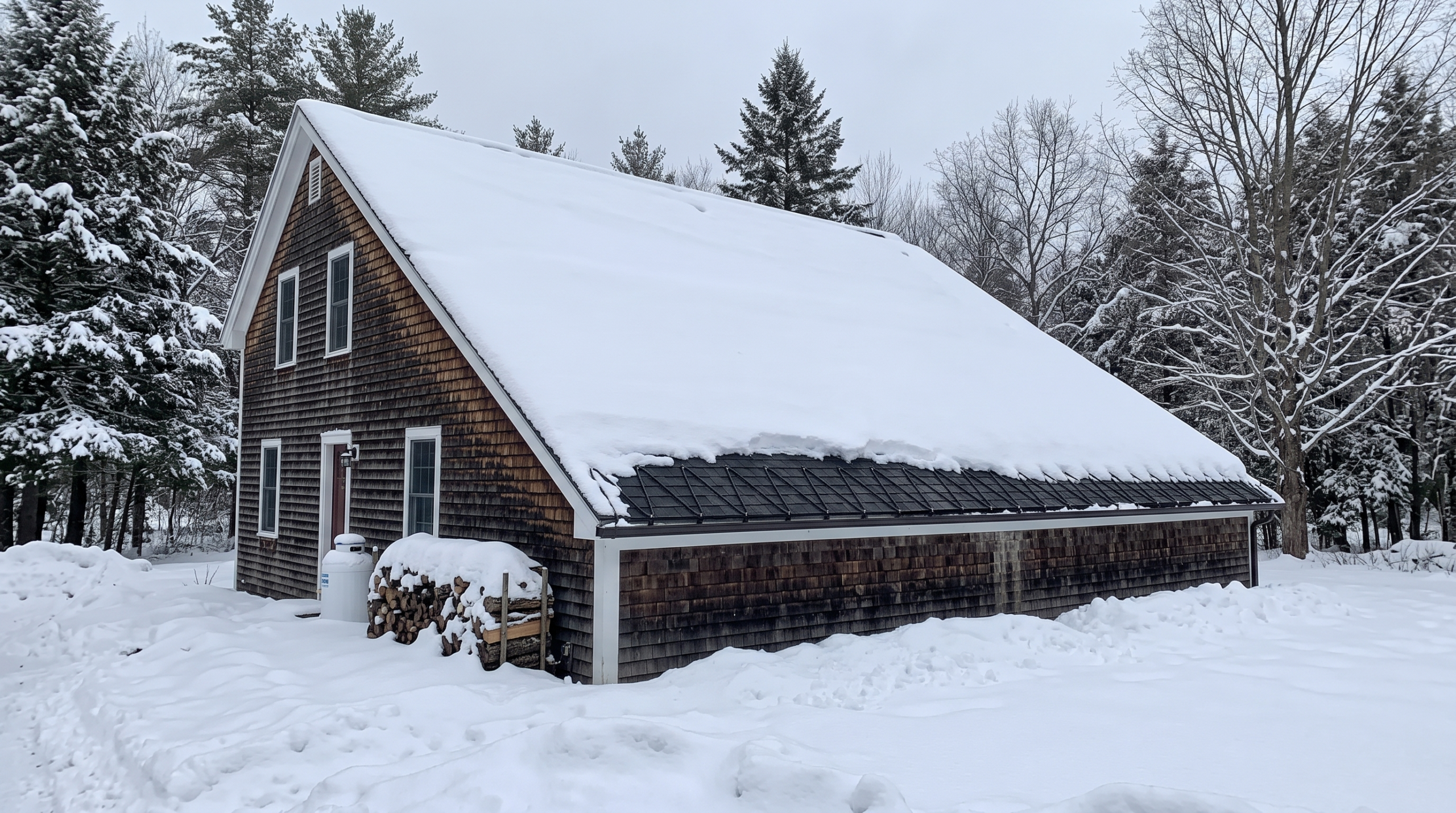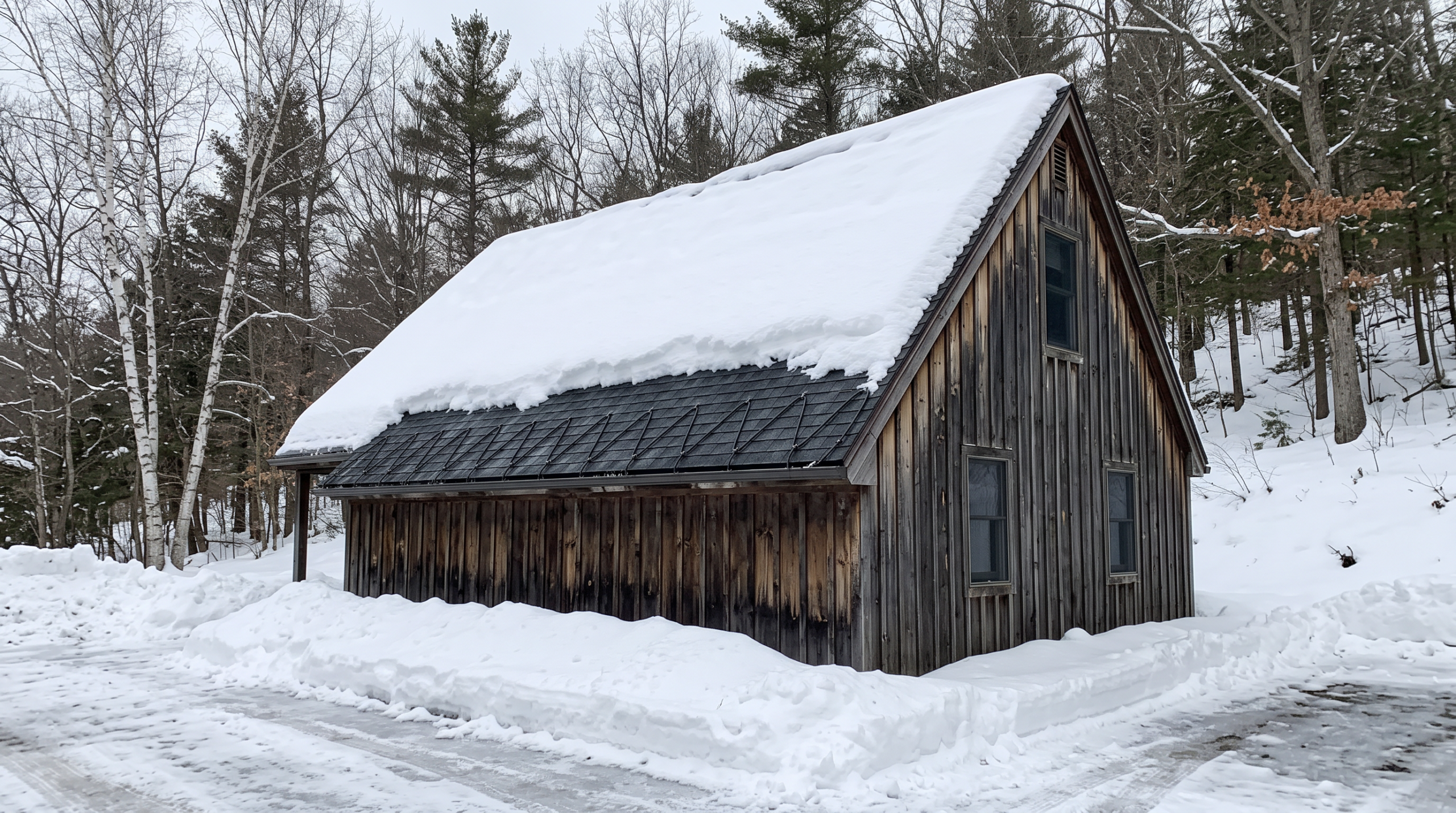

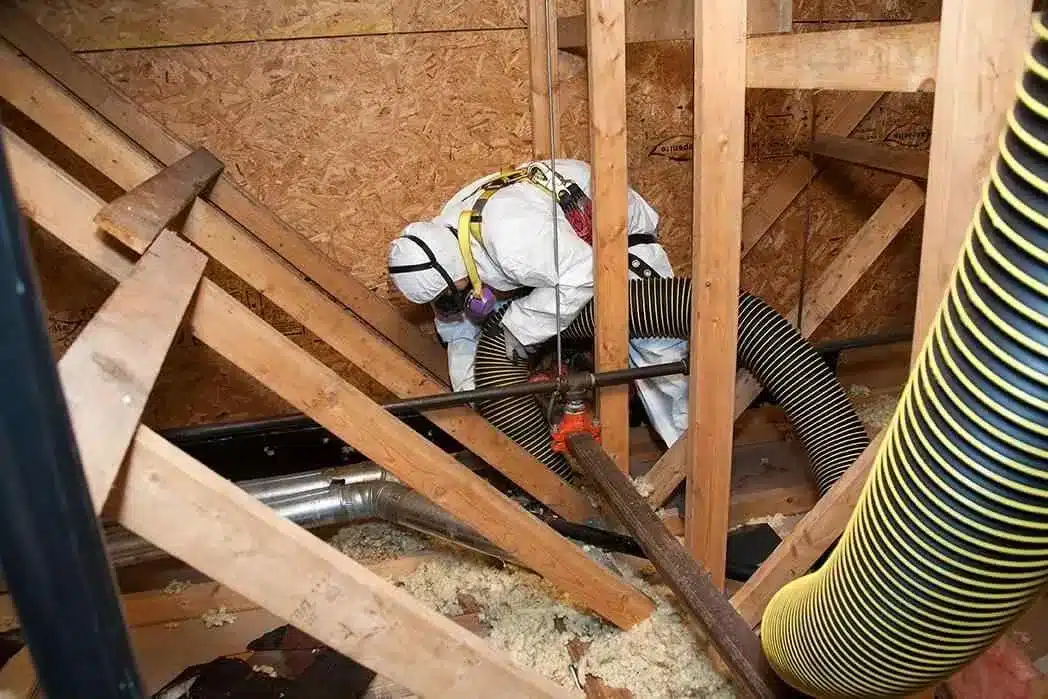


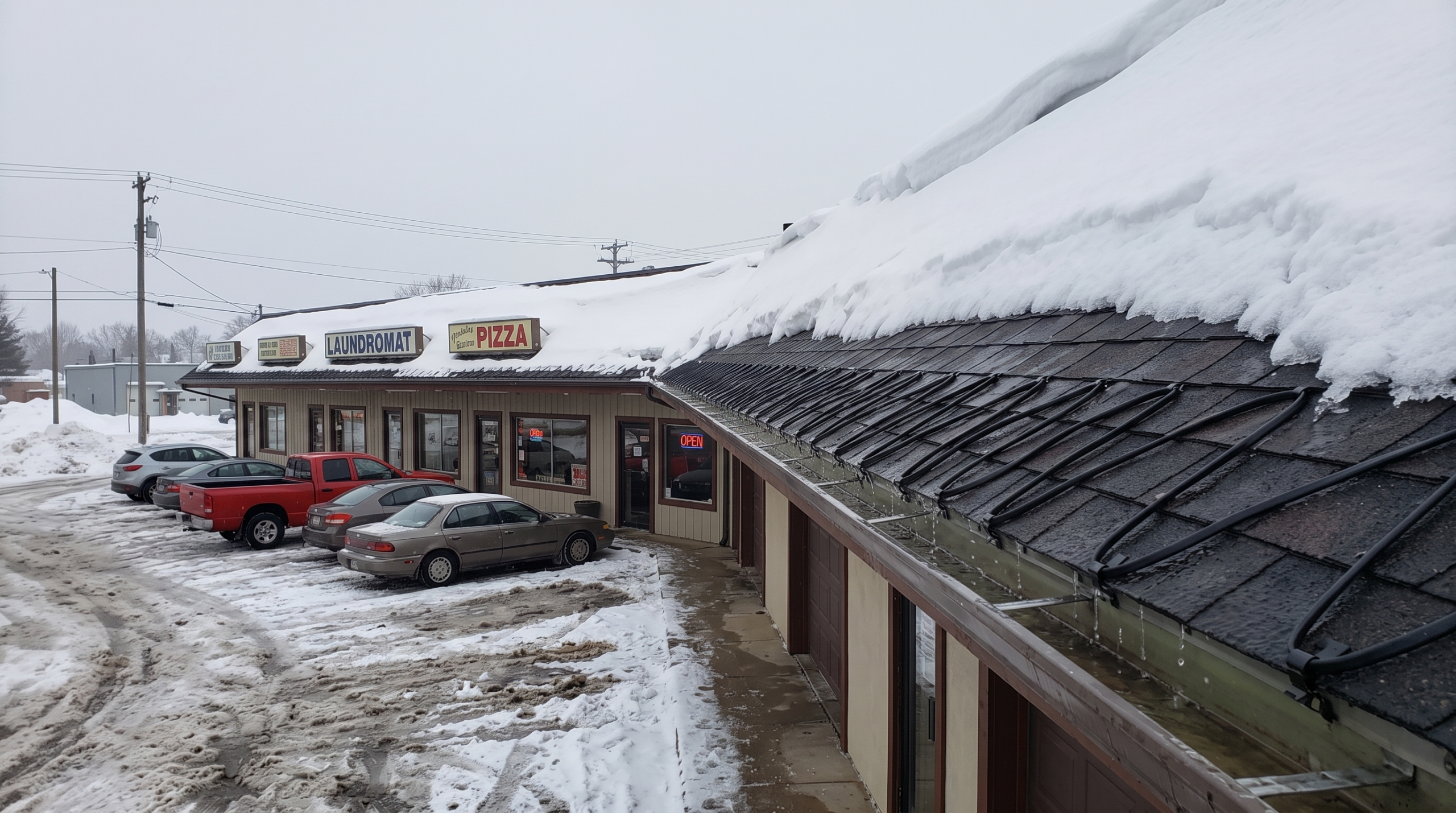
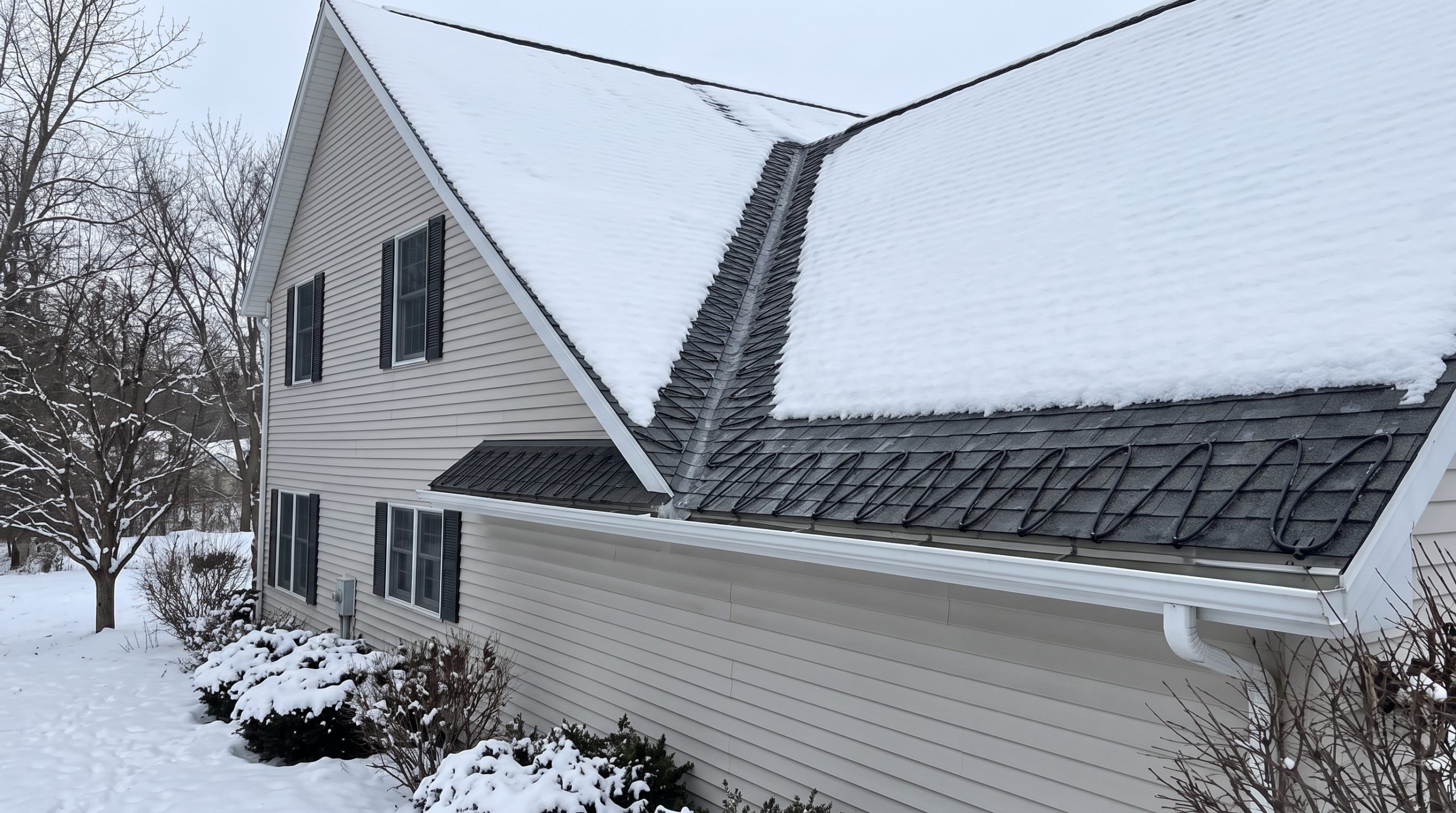
Older Housing, Heavy Snow: The Providence County Case
The maritime air is the other half of it. Temperatures in Providence County move either side of freezing within the same day far more often than they do inland, and every crossing moves water down the roof and locks it at the eave.

Add the architecture and the problem concentrates. Dormers, ells, knee walls and additions over porches all create pockets where warm air meets cold deck, and those are the eaves that dam first on a roof in Cumberland.
Ice-barrier practice in Providence County
In most coastal Rhode Island towns the eave membrane requirement extends past the interior wall line rather than stopping at the first course. On a roof in Cumberland with a deep overhang, that is further up than it sounds.
How a Cumberland Steam Call Runs, Start to Finish
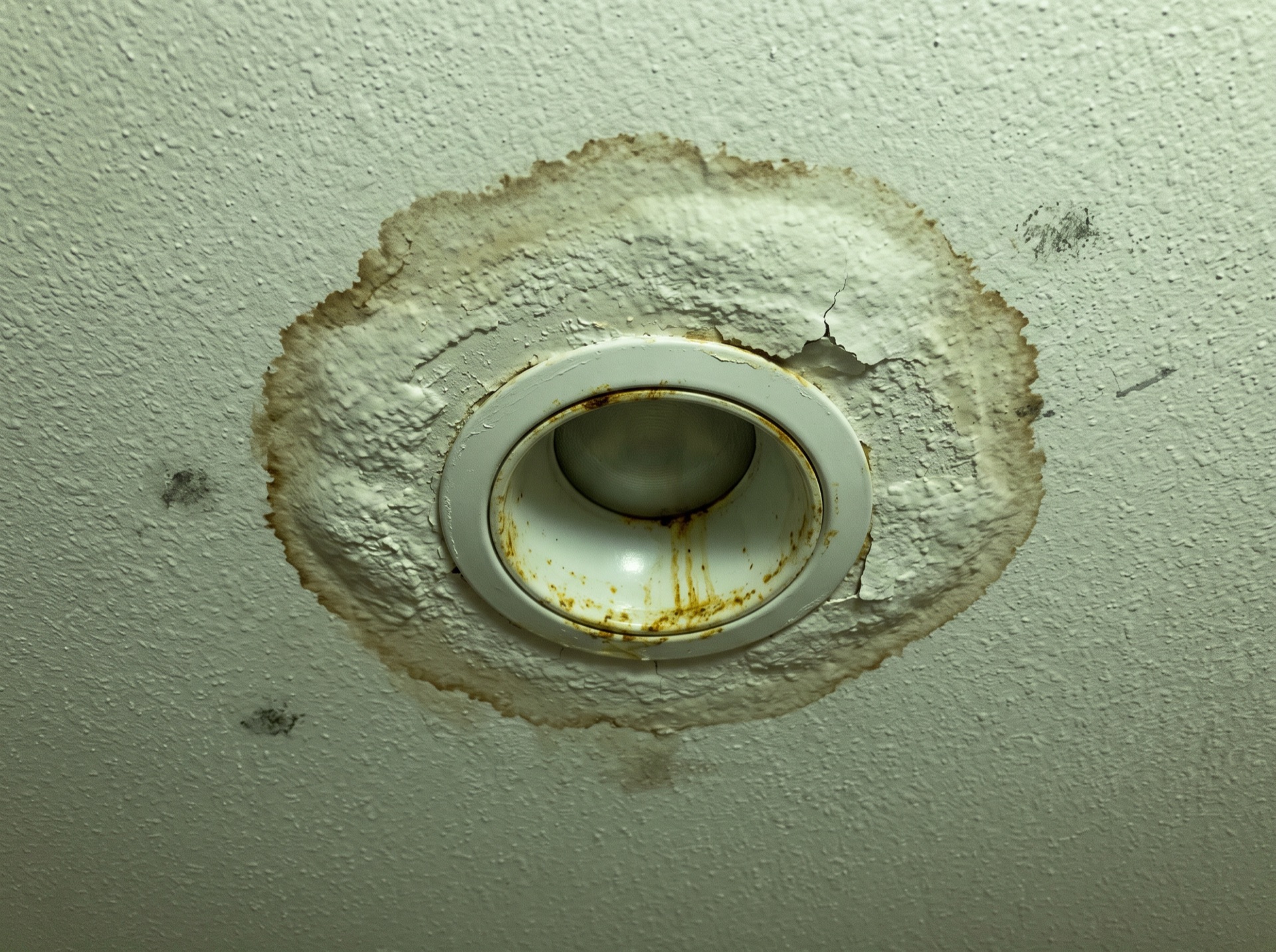
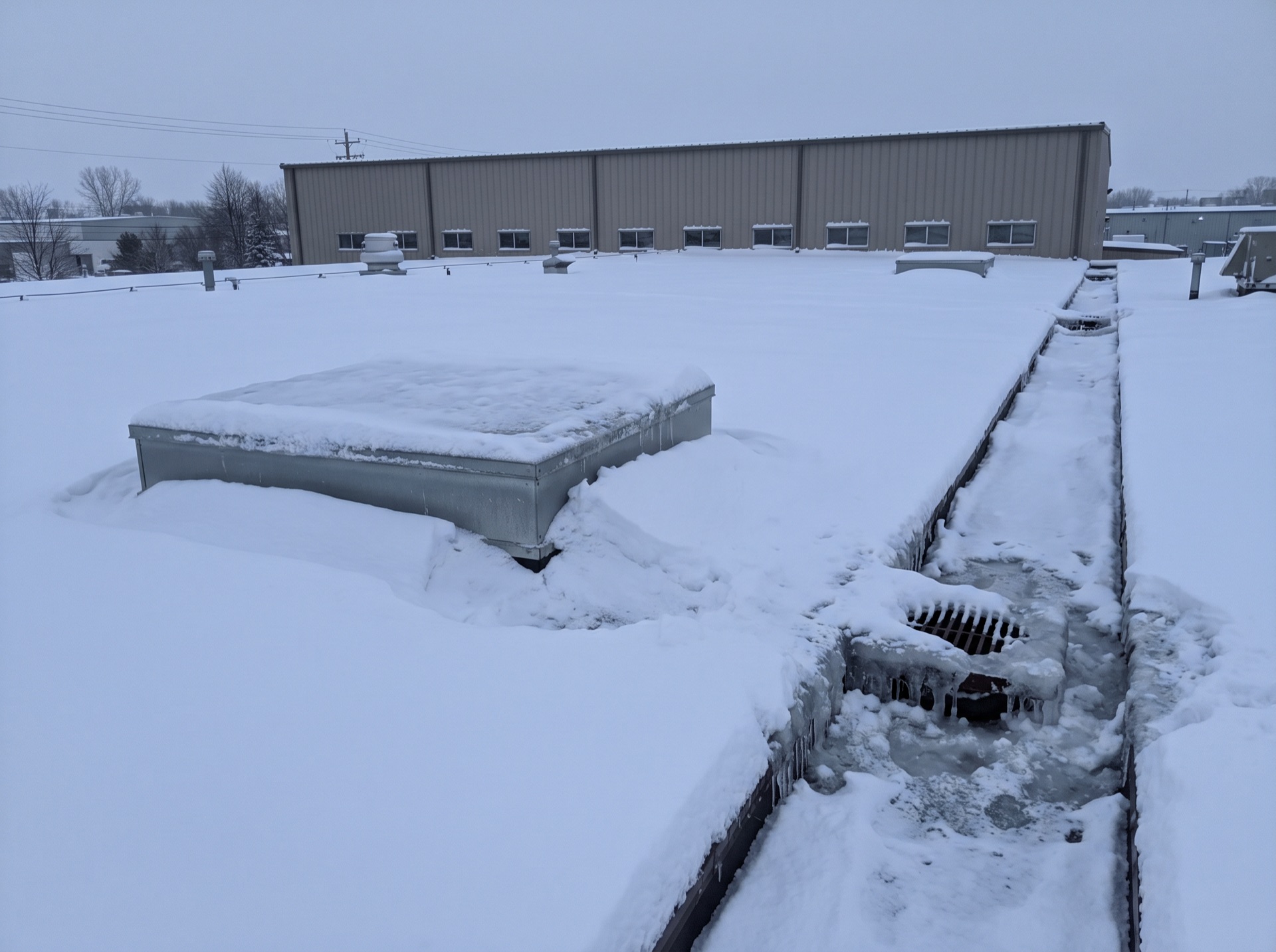
Crews walk the eaves, valleys and gutter line first and photograph every dam and every point where water is tracking inside, before touching anything. You get shown what they found and quoted the crew-hour rate before work starts.
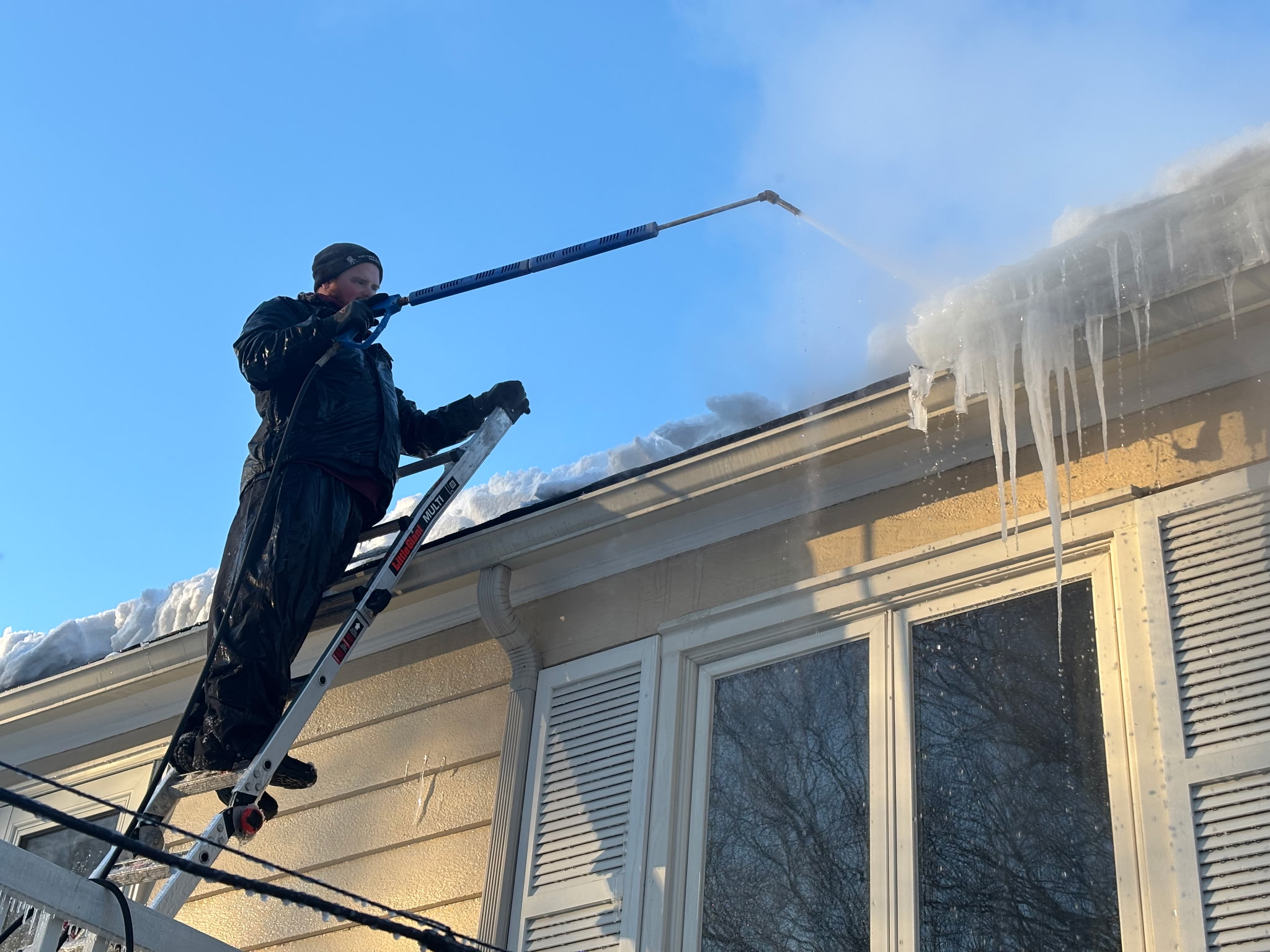
Then the ice comes off with low-pressure steam, starting wherever water is actively backing up so drainage opens early. Frozen gutters and downspouts are cleared in the same visit, because a cleared eave above a solid block of ice in the gutter dams again on the next cold night.
Access, ladders and what the crew needs on site
Steam equipment needs somewhere to park within hose reach, and ladders need footing that is not a buried flower bed or a sheet of ice. Clearing a path to the affected eave, moving vehicles off the driveway and unlocking a side gate takes ten minutes and saves considerably more than that on the clock.
Where the only access is through a neighbor's property, that conversation is worth having before the crew is in the street rather than while it waits.
What the crew does on arrival
Before anything is touched, the crew walks the eaves, valleys and gutter line and photographs every dam and every point where water is tracking inside. You get shown what they found. Then the dam comes off in sections, starting wherever water is actively backing up, so drainage opens early rather than at the end.
Downspouts and gutter troughs get cleared in the same visit where they are frozen, because a dam removed above a solid block of ice in the gutter just reforms in the next cold night.
What steam actually does
A steam unit delivers water at roughly 290°F at a pressure low enough to rest your hand in the plume. It cuts a channel straight through the ice and lifts the dam off in sections, right down to the shingle. The heat does the work, not force, so granules, seal strips and flashing come through untouched.
That is the whole difference between steam and the hot pressure washers often sold as steam. A pressure washer cuts ice fast because of its pressure — and that same pressure strips the granules off asphalt shingles and drives water up under the courses. One method removes ice. The other removes ice and roof.
| Coverage area | Cumberland and Providence County |
|---|---|
| Local ice-barrier practice | Eave membrane standard on re-roofs |
| Pricing model | Billed by the crew hour, rate quoted before dispatch |
| Typical scope | Steam, 4-10 crew hours typical |
| Documentation | Dated before and after photos, written scope in Xactimate line items |
| Dispatch window | Same day to 24 hours |
| Primary climate stressor | Nor'easters, rapid thaw-freeze swing |
Neighborhoods and Towns We Reach From Cumberland
Crews working Cumberland cover the adjoining communities on the same route — Albion, Manville, Central Falls, North Smithfield and Rumford — so a storm week usually means one truck handling several addresses in Providence County rather than separate trips.
Nearest hub towns with their own crew pages: Lincoln, Pawtucket, Woonsocket, Smithfield, North Providence, Providence.
Cumberland sits inside the regular Rhode Island service area, so a crew is usually scheduled the same day or the following morning.
Active leak at an address in Cumberland? (888) 561-9664 reaches dispatch directly. Interior water moves a job to the front of the day.