Skip to content
Cranston, RI
24/7 Emergency Steam · Providence County

Ice Dam Removal in Cranston, RI — Coastal Storm Response

Ice Dam Now is a licensed and insured winter roof contractor covering Cranston, RI and Providence County. Ice Dam Removal is performed with low-pressure steam, which removes ice by heat rather than force. Same-day dispatch for active leaks, crew-hour billing at a rate quoted beforehand, and dated before-and-after photographs on every job.

Steam only — Safe on asphalt, cedar, slate, tile and metal — no chipping, no pressure, no salt
Same-day dispatch — Active interior leaks go to the front of the schedule during a freeze event
Cleared to the shingle — The dam comes off completely, not just a drainage channel cut through it
No salt, no chipping — Nothing corrosive and nothing mechanical touches the covering

Get Ice Dam Help Cranston

A few quick questions, then pick a time. If water is coming in, call instead.

What is the zip code of the home?

Roof leaking right now? Call (888) 561-9664 — that is faster than any form.
Water coming through the ceiling?Every hour an ice dam sits there, more water gets under the shingles.Call (888) 561-9664
24/7
Dispatch All Winter
Steam
Only — No Pressure
Providence
County Coverage
Same Day
For Active Leaks
Insured
Licensed & Harness-Certified

Winter in Cranston does not need a record storm to put water inside a house. It needs a roof with snow on it, an attic leaking heat, and one cold night. As part of our complete Cranston winter roof services, crews handle ice dam removal across Providence County.

Why Cranston Roofs Dam Up: Nor'easter Load and the Maritime Swing

The maritime air is the other half of it. Temperatures in Providence County move either side of freezing within the same day far more often than they do inland, and every crossing moves water down the roof and locks it at the eave.

Diagram showing how ice dams form on roofs due to inadequate insulation and poor ventilation
Heat escaping into the attic melts roof snow; the meltwater refreezes at the cold eave and the dam grows a layer every cycle.

The building stock compounds it. A great many Cranston houses were built long before attic air sealing was a consideration, and the retrofits that followed often insulated the floor while leaving the bypasses wide open.

Ice-barrier practice in Providence County

Coastal Rhode Island jurisdictions generally require the membrane to extend past the interior wall line. On a house in Cranston with a deep overhang that is further up the roof than a single course.

Ice Dam Removal in Cranston: How The Work Runs

Why a drainage channel is not removal

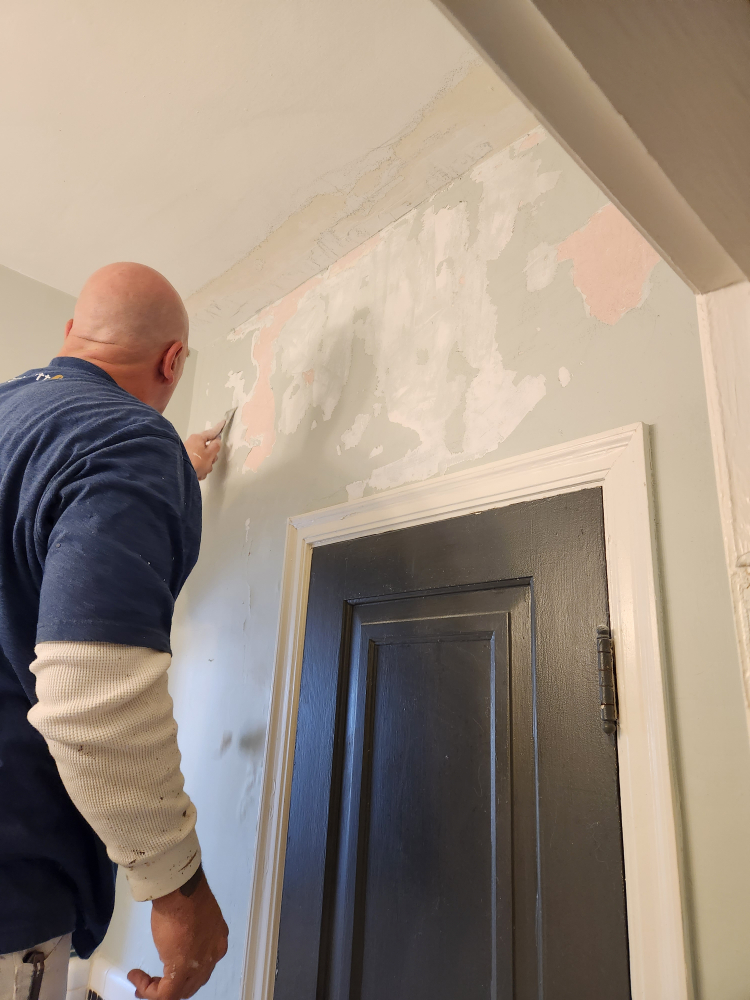
Cutting a few channels through a dam so water can get past is quick and it is sometimes sold as ice dam removal. It drains the roof for as long as the channels stay open, which in a Cranston cold snap can be a single night before they close again. Water Stain on the Ceiling in Winter.

Removing the dam means taking the ice off down to the shingle along the whole affected run, so the eave can drain the way it was built to. It takes longer and it is the only version that holds.

What the crew does on arrival

Before anything is touched, the crew walks the eaves, valleys and gutter line and photographs every dam and every point where water is tracking inside. You get shown what they found. Then the dam comes off in sections, starting wherever water is actively backing up, so drainage opens early rather than at the end.

Downspouts and gutter troughs get cleared in the same visit where they are frozen, because a dam removed above a solid block of ice in the gutter just reforms in the next cold night.

Why salt and ice melt make it worse

Calcium chloride opens a narrow channel and leaves the dam standing. The channel refreezes, the dam does not go anywhere, and in the meantime the runoff corrodes gutter seams, fasteners, flashing and anything growing underneath.

It is a stopgap at best. On a roof in Cranston with an active leak it buys hours, not days, and it adds a corrosion problem to the water problem.

What steam actually does

A steam unit delivers water at roughly 290°F at a pressure low enough to rest your hand in the plume. It cuts a channel straight through the ice and lifts the dam off in sections, right down to the shingle. The heat does the work, not force, so granules, seal strips and flashing come through untouched.

That is the whole difference between steam and the hot pressure washers often sold as steam. A pressure washer cuts ice fast because of its pressure — and that same pressure strips the granules off asphalt shingles and drives water up under the courses. One method removes ice. The other removes ice and roof.

Working at night and during an active storm

Freeze events do not keep office hours, and the worst leaks tend to announce themselves in the evening when the day's melt refreezes. Crews run lit, and a roof that is actively collecting snow is worked anyway, because waiting for better weather means the dam is bigger when somebody finally gets to it.

What does stop a crew is wind and lightning. Both are judgment calls made on site in Cranston, and a postponed start gets explained rather than dressed up.

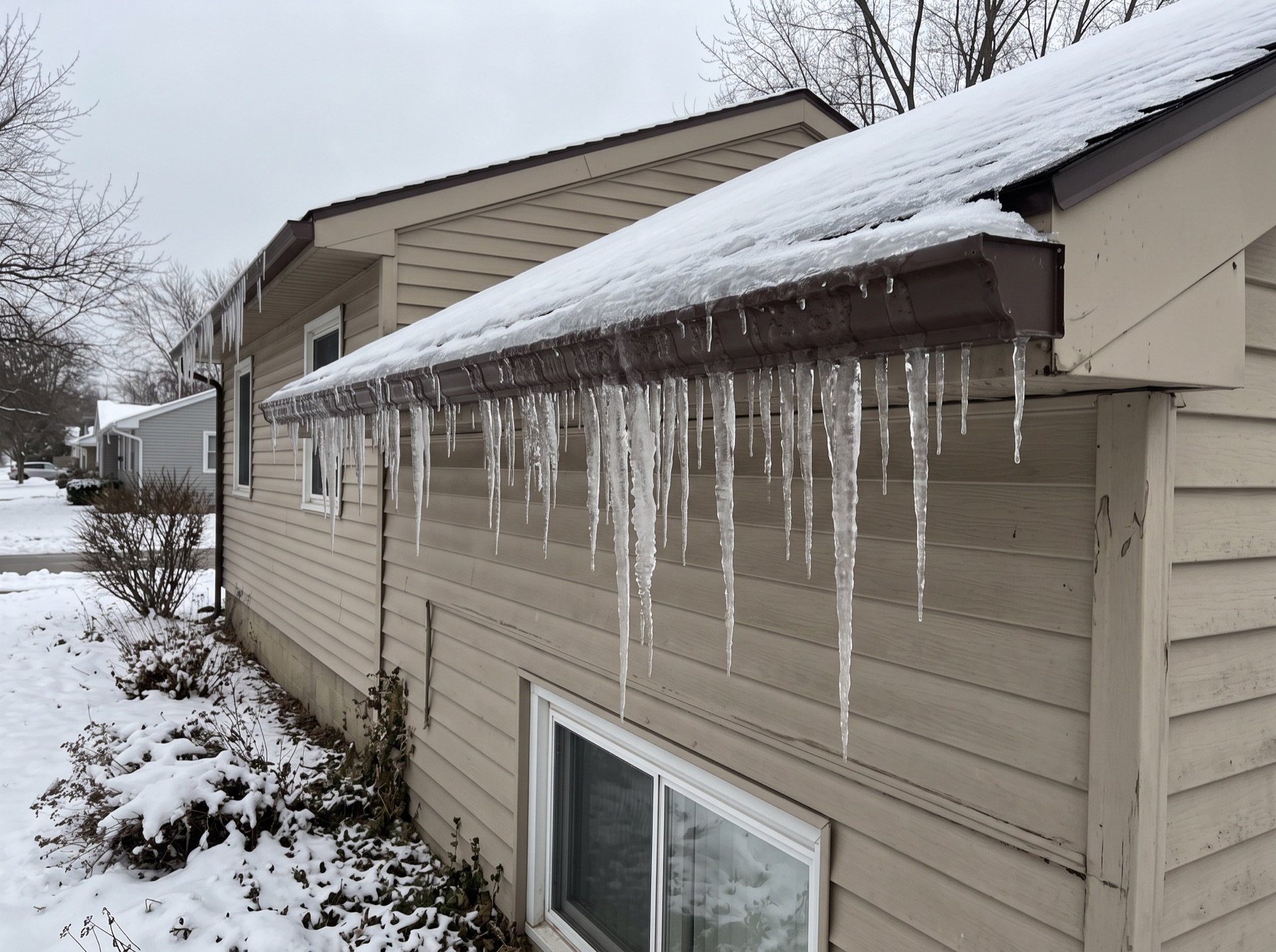
Large icicles and ice dam forming along gutters of gray house in winter
Heavy ice dam and icicles hang from the gutters of a gray residential home after a winter storm.

What you get in Cranston

  • Steam onlySafe on asphalt, cedar, slate, tile and metal — no chipping, no pressure, no salt
  • Valleys and dormersThe dead spots that hold the deepest ice get worked specifically
  • Photographed as we workDated before and after images and a written scope your adjuster will accept
Ice Dam Removal in Cranston, RI — specification
Service specification for Cranston, RI
Dispatch windowSame day to 24 hours
Primary climate stressorNor'easters, rapid thaw-freeze swing
Local ice-barrier practiceEave membrane standard on re-roofs
Removal methodLow-pressure steam only. No chipping, salt or pressure washing.
Coverage areaCranston and Providence County
DocumentationDated before and after photos, written scope in Xactimate line items
Pricing modelBilled by the crew hour, rate quoted before dispatch

Providence County Coverage From Cranston

Crews working Cranston cover the adjoining communities on the same route — Riverside, Rumford, Fiskeville, Hope and Barrington — so a storm week usually means one truck handling several addresses in Providence County rather than separate trips.

Nearest hub towns with their own ice dam removal pages: Providence, East Providence, Johnston, Warwick, North Providence, West Warwick.

Coverage runs across Cranston and the nearby towns all winter, and capacity is surged into whichever Rhode Island market the storm actually hits.

Most jobs do not stop at one service. Ice Dam Removal in Cranston often runs alongside water mitigation & dryout in Cranston, and both get written into one scope rather than billed as separate visits.

Active leak right now? Our 24/7 Cranston steam ice dam removal crews are dispatched first during a freeze event. Call (888) 561-9664.


One Event, One Claim

Everything The Ice Dam Caused In Cranston, On One Claim

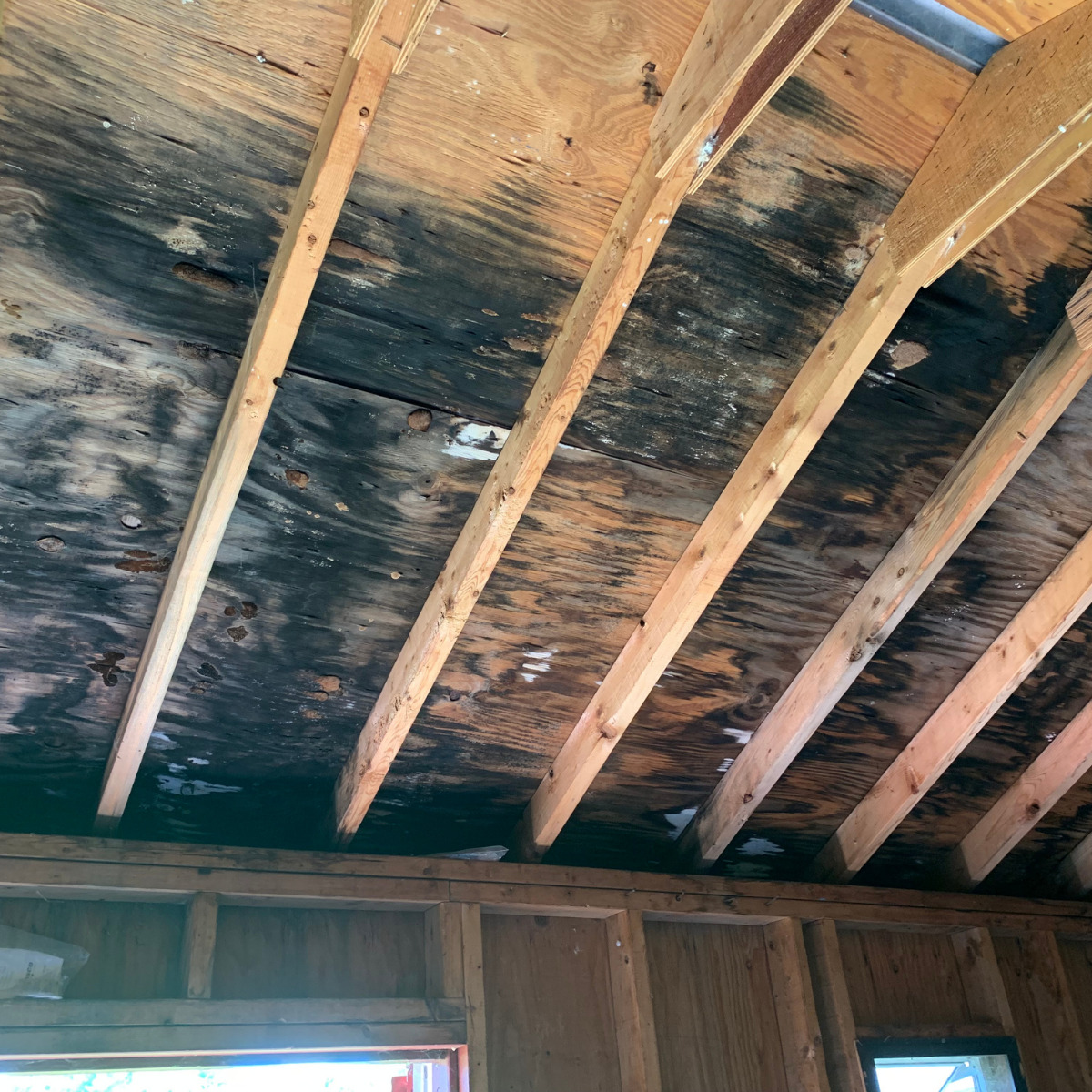
Taking the ice off is usually the cheapest part. The water that already got in, the mold it leaves, the ceiling that has to come down and sometimes the roof itself are one loss event, so they go on one insurance claim, handled by one company.

How it goes on the claim

  • One loss, one claim number. Removal, mitigation, mold, interior repair and roof damage from the same ice dam are reported as one event.
  • Broken out by coverage. Mitigation, mold (often under its own sublimit), interior repair and the roof are written as separate Xactimate sections, so a question on one line does not hold up the rest.
  • Documented the whole way. Dated photographs and moisture readings run from the ice on the roof to the finished room, from one company, in one file.
  • Honest about the limits. Coverage depends on your policy. A roof that was simply old is not storm damage, and you and your carrier make the coverage decision.
Ice Dam Claims In Cranston
Conditions We Work In

Ice Dam Removal In Practice

Conditions crews work in across Providence County. Every job is photographed before and after.

contractor using steam equipment to remove ice dam from snowy roof
A technician uses high-pressure steam to safely melt and remove a stubborn ice dam from a residential roof.
Worker using steam equipment to remove ice dam from snowy roof at night
A technician uses professional steam equipment to safely remove a heavy ice dam from a residential roof.
Large icicles and ice dam forming along gutters of gray house in winter
Heavy ice dam and icicles hang from the gutters of a gray residential home after a winter storm.
FAQ

Cranston Questions We Actually Get Asked

It is billed by the crew hour, and the rate plus a realistic time estimate are quoted on the phone before anyone is dispatched.

  • Scope drives the hours: length and thickness of the ice, roof pitch and height, and whether the gutters are frozen solid.
  • Access matters too — a three-story Cranston roof takes longer to set up on than a ranch.
  • The invoice matches the quote. There are no surprise add-ons written on the tailgate.

More than it looks from the ground - a foot-deep dam across a thirty-foot eave is a few thousand pounds.

  • Depth is measured at the eave rather than estimated from the driveway.
  • The gutter trough underneath is usually frozen solid too and is part of the same mass.
  • That weight is one of the reasons chipping at it from a ladder goes badly.

Clear a path to the affected side, move vehicles off the driveway and unlock any side gate.

  • Put something under an active interior drip and move what you can out of the way.
  • Photograph the interior damage yourself as well - more evidence is never a problem.
  • Do not go on the roof or up a ladder. That is the part that sends people to hospital.

Only where there is interior damage to document or dry. Pure exterior removal happens entirely from outside.

  • If water has come in, seeing it is what makes the claim documentation worth anything.
  • Attic access helps identify the heat source but is not required for removal.
  • Nobody needs to be home for exterior-only work, provided access and payment are arranged.

Please do not. Salt corrodes flashing, fasteners, gutters and anything metal it drains across, and it damages whatever is planted below.

  • Calcium chloride is less aggressive than rock salt but still ends up in the soil at the drip line.
  • A puck melts a hole, not a drainage path, so the water simply refreezes a few inches further on.
  • Crews use heat and nothing else - no salt, no chemicals, nothing corrosive.

Steaming is billed by the crew hour. The hours depend on how long and thick the dam is, the pitch and height of the roof, and whether the gutters are frozen solid too. The rate and a realistic time estimate are quoted on the phone before a crew is dispatched.

No. Steam removes ice with heat rather than force, at a pressure low enough to be safe on asphalt, cedar, slate, tile and metal roofing. That is exactly what separates it from a hot pressure washer, which relies on high pressure and strips the granules off asphalt shingles.

Nearby

Ice Dam Removal In Towns Around Cranston

Same-Day Response

Get A Cranston Crew Out

Nothing about an ice dam improves by waiting. It refreezes tonight, thicker, and the water behind it keeps looking for a way in.

✓ Licensed & insured✓ Low-pressure steam only✓ Rate quoted up front✓ Photos for your claim
Online Quote(888) 561-9664