



Why Cranston Roofs Dam Up: Nor'easter Load and the Maritime Swing
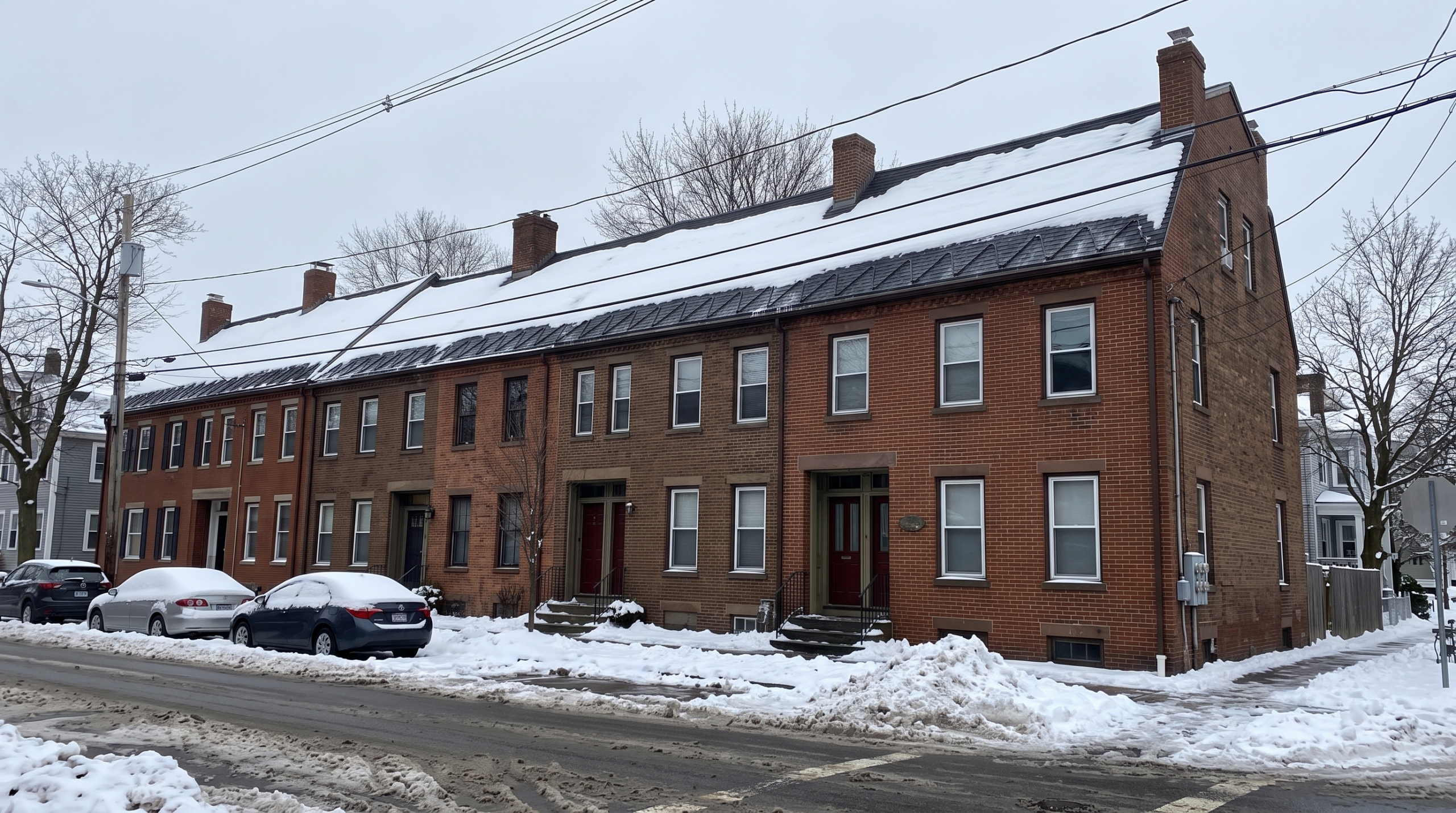
The maritime air is the other half of it. Temperatures in Providence County move either side of freezing within the same day far more often than they do inland, and every crossing moves water down the roof and locks it at the eave.

The building stock compounds it. A great many Cranston houses were built long before attic air sealing was a consideration, and the retrofits that followed often insulated the floor while leaving the bypasses wide open.
Ice-barrier practice in Providence County
Coastal Rhode Island jurisdictions generally require the membrane to extend past the interior wall line. On a house in Cranston with a deep overhang that is further up the roof than a single course.
What a Crew Does on a Cranston Roof
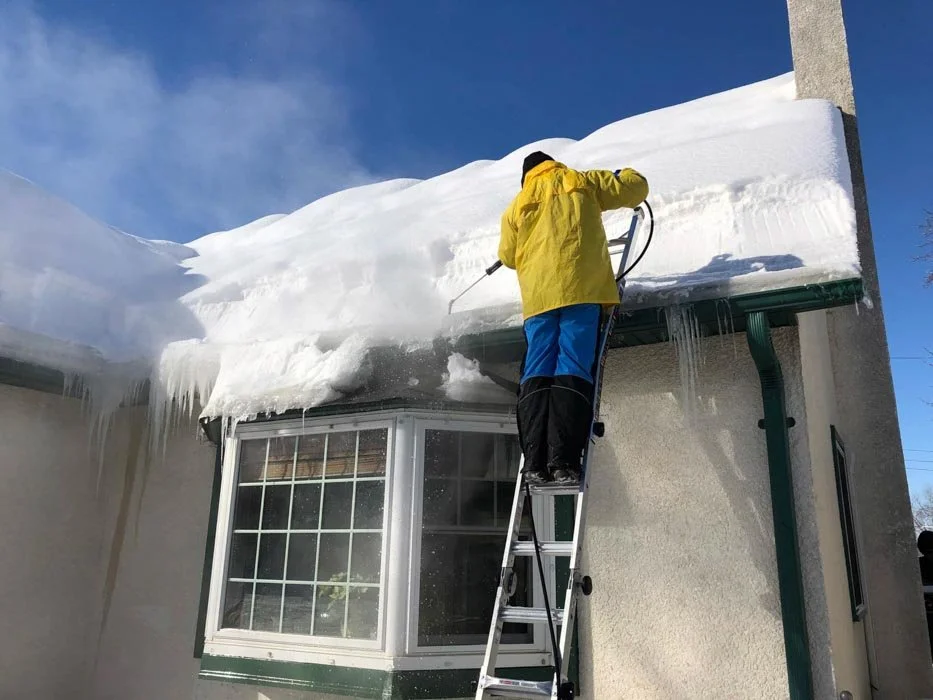
Nothing gets touched until the roof has been walked and photographed. The crew finds every dam, locates where water is getting in, shows you, and gives you the crew-hour rate and a time estimate before the equipment comes off the truck.
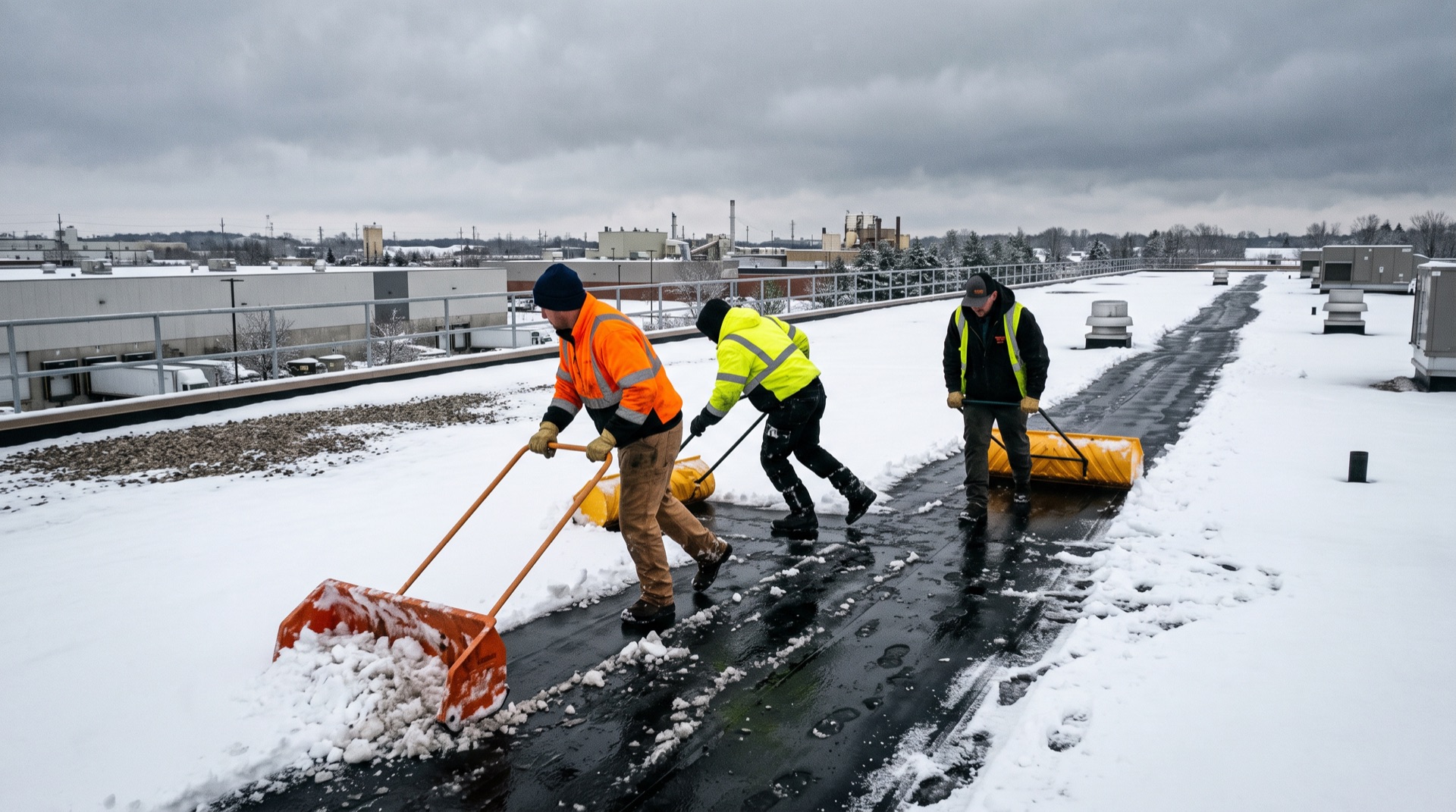
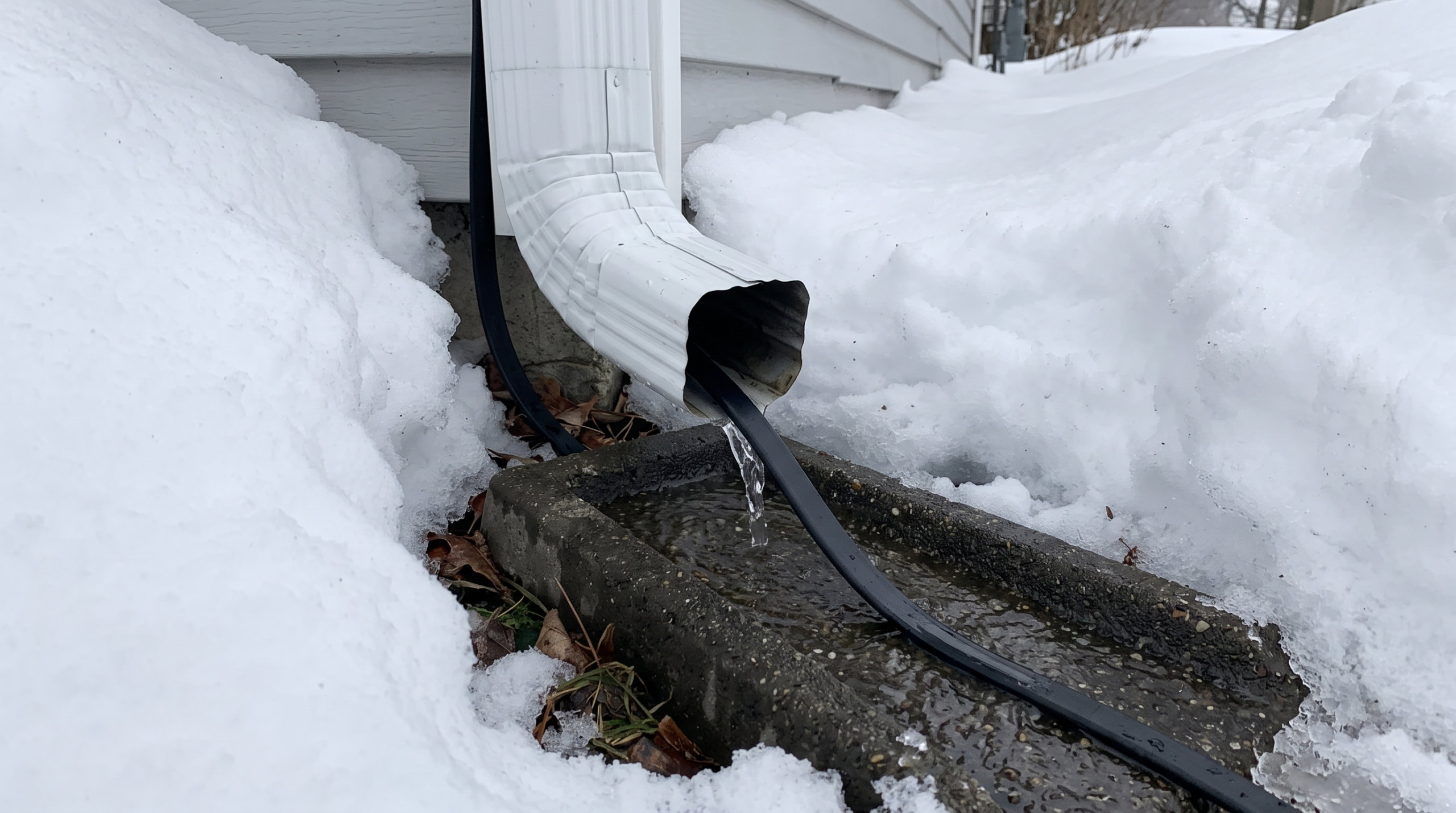
Removal then works from the worst point outward, so water starts draining early rather than at the end. Gutters and downspouts frozen solid get steamed through in the same visit — leaving them means the eave dams again within days.
What the dam has already done to the gutter and fascia
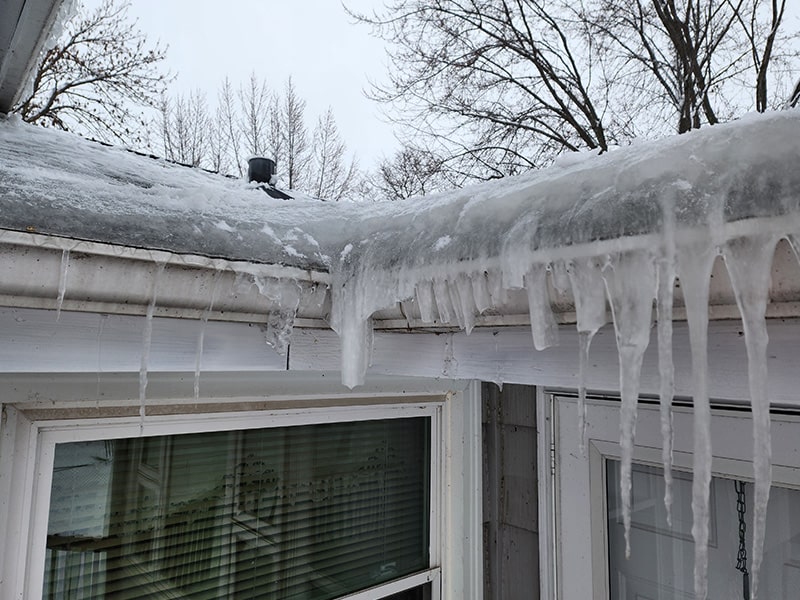
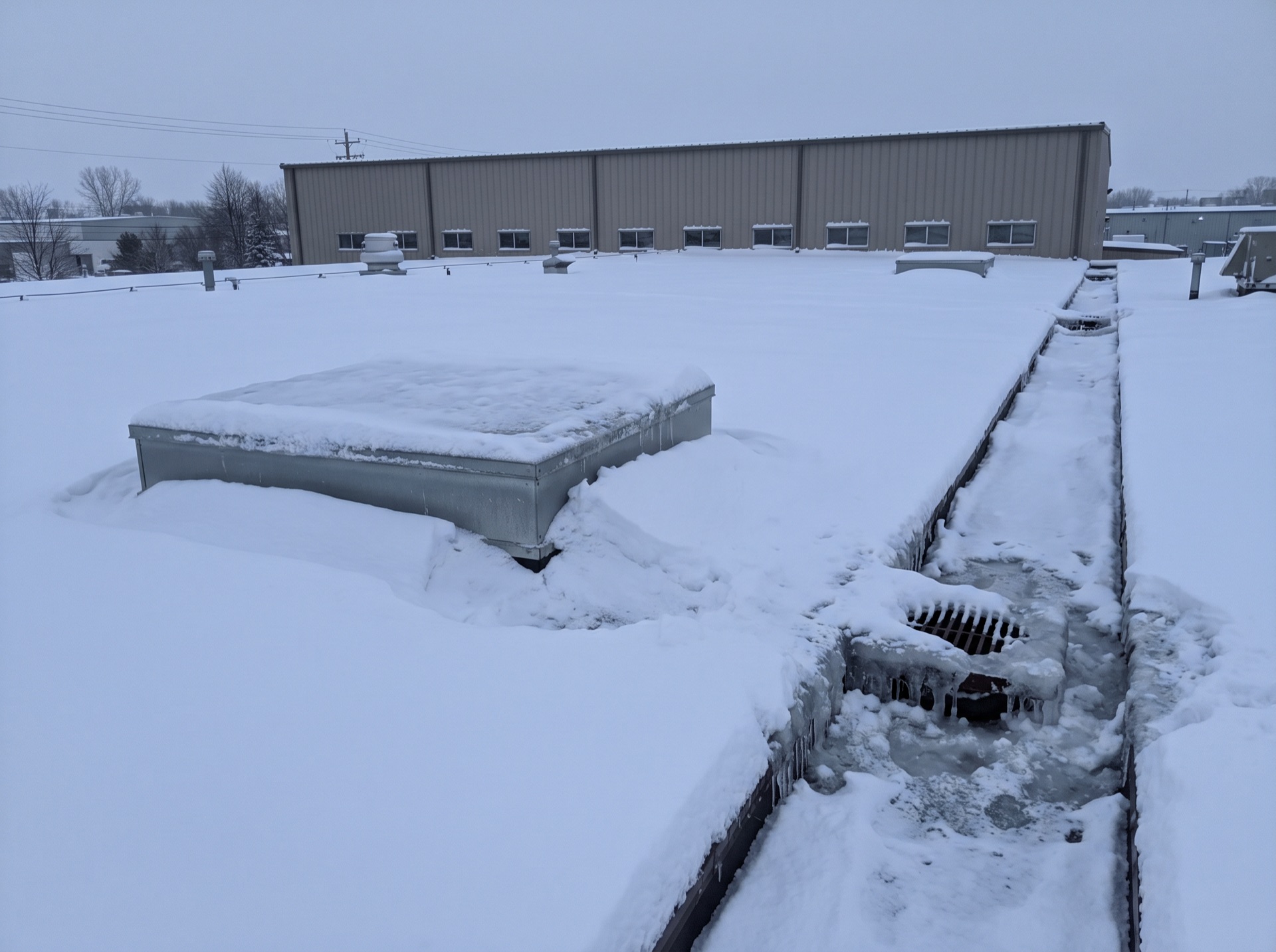
Ice expands as it forms, and a trough packed solid pushes the gutter away from the fascia a little more every cycle. By the time the dam is thick enough to leak, the hangers are often pulled, the back of the trough has lifted, and the fascia board behind it has been wet for weeks.
None of that is visible until the ice is off. It gets photographed when it appears, because a bent gutter found in February is a great deal easier to argue about with a carrier than one discovered in May.
If water already got inside
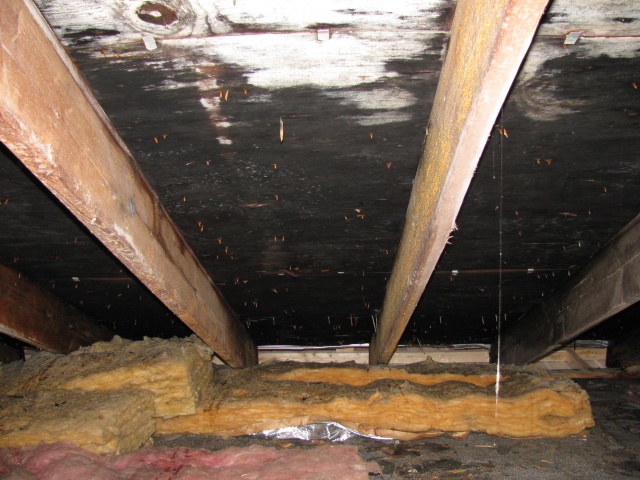
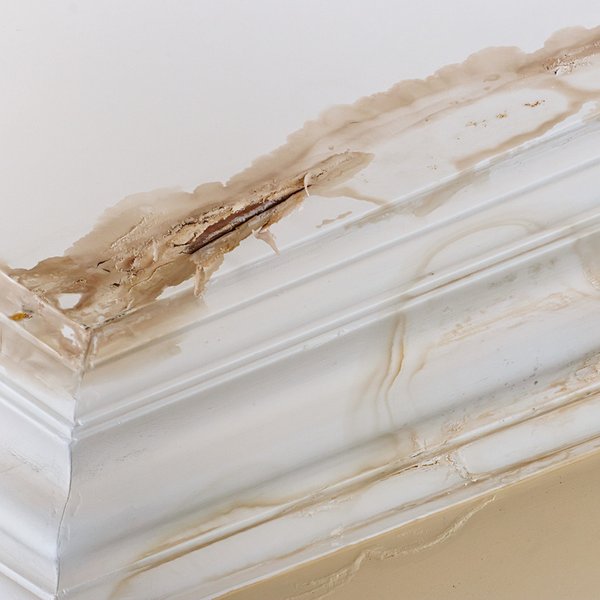
Taking the ice off stops new water. It does nothing about what is already in the insulation, the ceiling and the walls of a Cranston home.
The same company handles the rest: water mitigation and dryout, mold remediation where the water has led to growth, the interior repair, and the roof where the dam damaged it, all documented on one insurance claim.
Why the dam formed in the first place
Ice dams are a heat problem wearing a weather costume. Warm air escaping into the attic melts snow on the upper roof; that meltwater runs to the eave, which hangs past the heated envelope and stays below freezing; it refreezes there, and the ridge of ice grows a layer every cycle. Removal is the emergency fix. Before the crew leaves you will know which part of your attic is feeding it.
| Service | Ice dam removal in Cranston, RI |
|---|---|
| Removal method | Low-pressure steam only. No chipping, salt or pressure washing. |
| Dispatch window | Same day to 24 hours |
| Primary climate stressor | Nor'easters, rapid thaw-freeze swing |
| Pricing model | Billed by the crew hour, rate quoted before dispatch |
| Coverage area | Cranston and Providence County |
| Local ice-barrier practice | Eave membrane standard on re-roofs |
Providence County Coverage From Cranston
Crews working Cranston cover the adjoining communities on the same route — Riverside, Rumford, Fiskeville, Hope and Barrington — so a storm week usually means one truck handling several addresses in Providence County rather than separate trips.
Nearest hub towns with their own crew pages: Providence, East Providence, Johnston, Warwick, North Providence, West Warwick.
Scheduling for Cranston tightens up during a freeze event, which is exactly when the phone beats the form. Water coming in means a call, not an email.
If water is already inside a property in Cranston, call (888) 561-9664 rather than filling in a form — the phone is faster and leaks jump the line.