



Why a West Warwick Roof Dams Between Storms
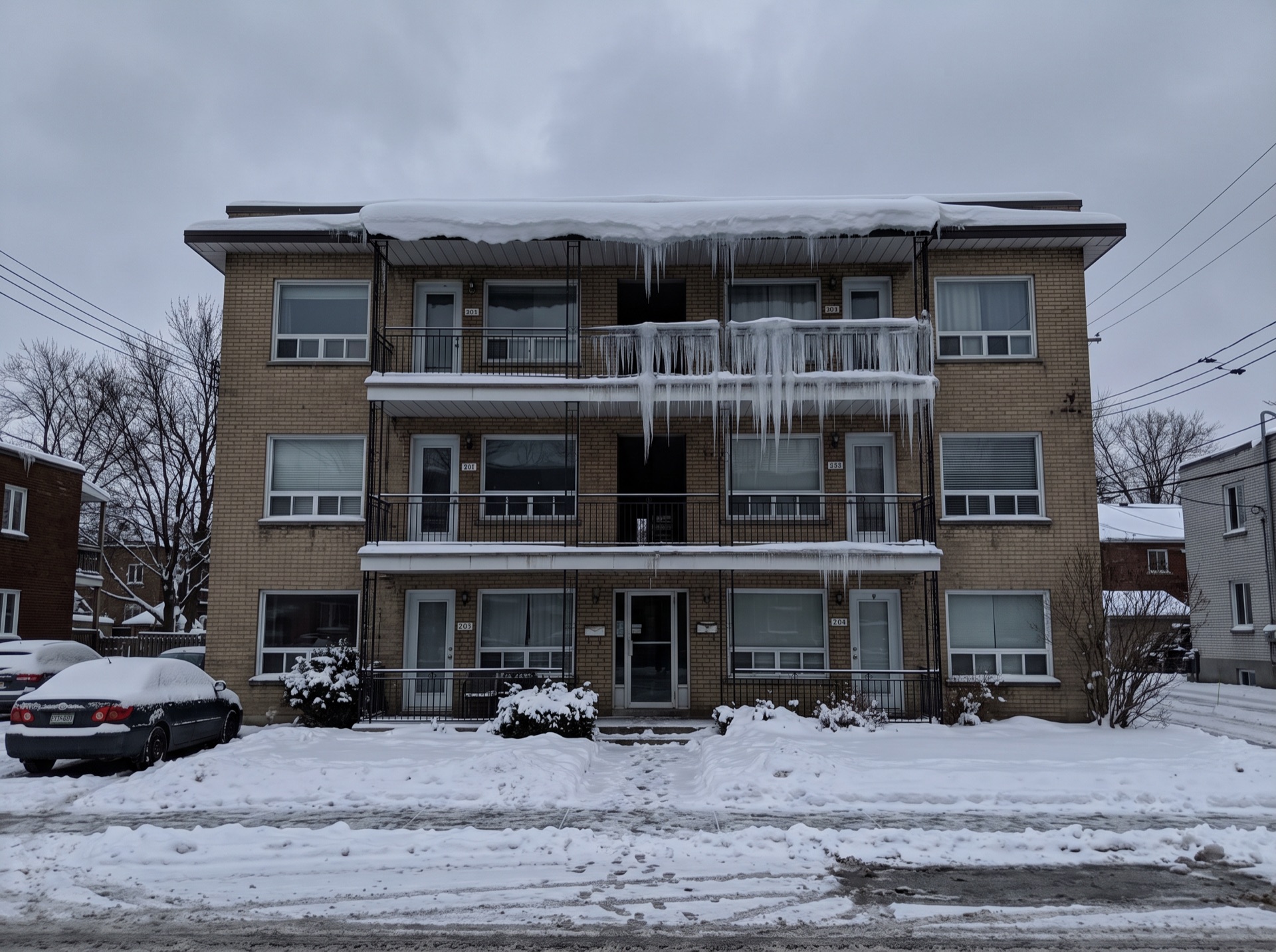
The maritime air is the other half of it. Temperatures in Kent County move either side of freezing within the same day far more often than they do inland, and every crossing moves water down the roof and locks it at the eave.

Older Kent County housing stock makes it worse. Shallow eave returns, knee-wall attics and additions built over unheated space all put warm air against a cold roof deck with very little insulation in between.
Ice-barrier practice in Kent County
Historic district review in parts of Kent County adds a step on materials and sometimes on color, which is worth knowing before a re-roof is scheduled rather than after the permit is refused.
How We Work a West Warwick Ice Dam
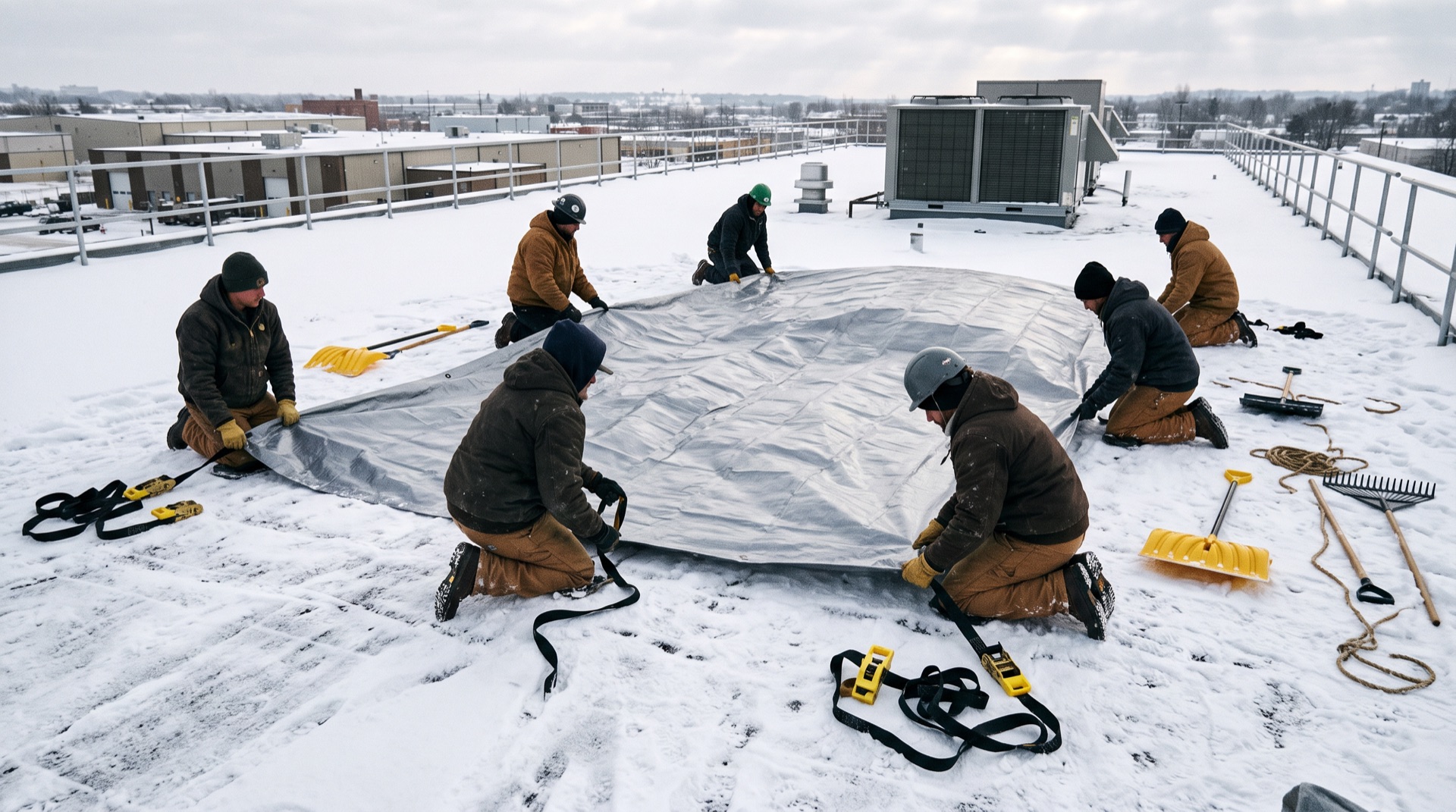
Nothing gets touched until the roof has been walked and photographed. The crew finds every dam, locates where water is getting in, shows you, and gives you the crew-hour rate and a time estimate before the equipment comes off the truck.
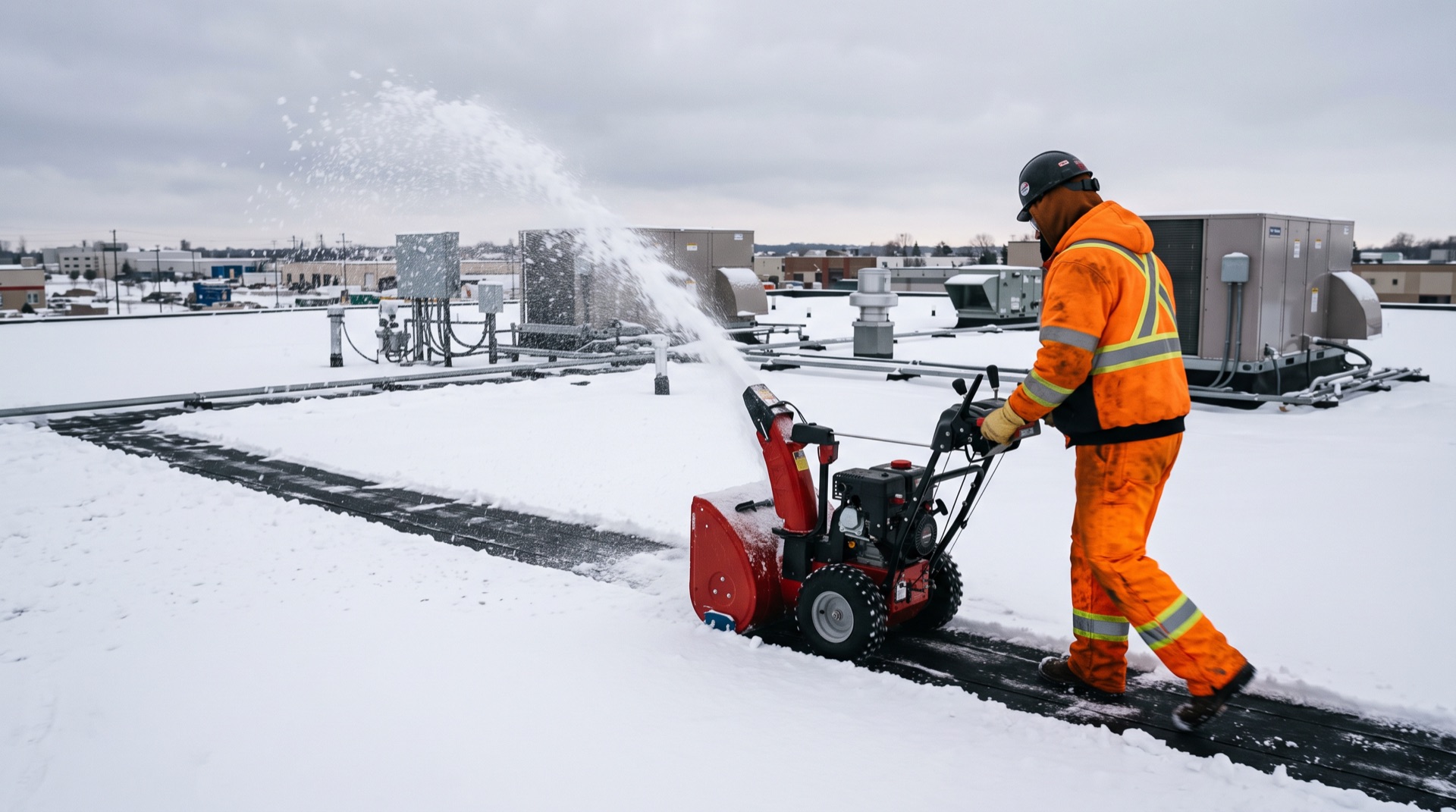
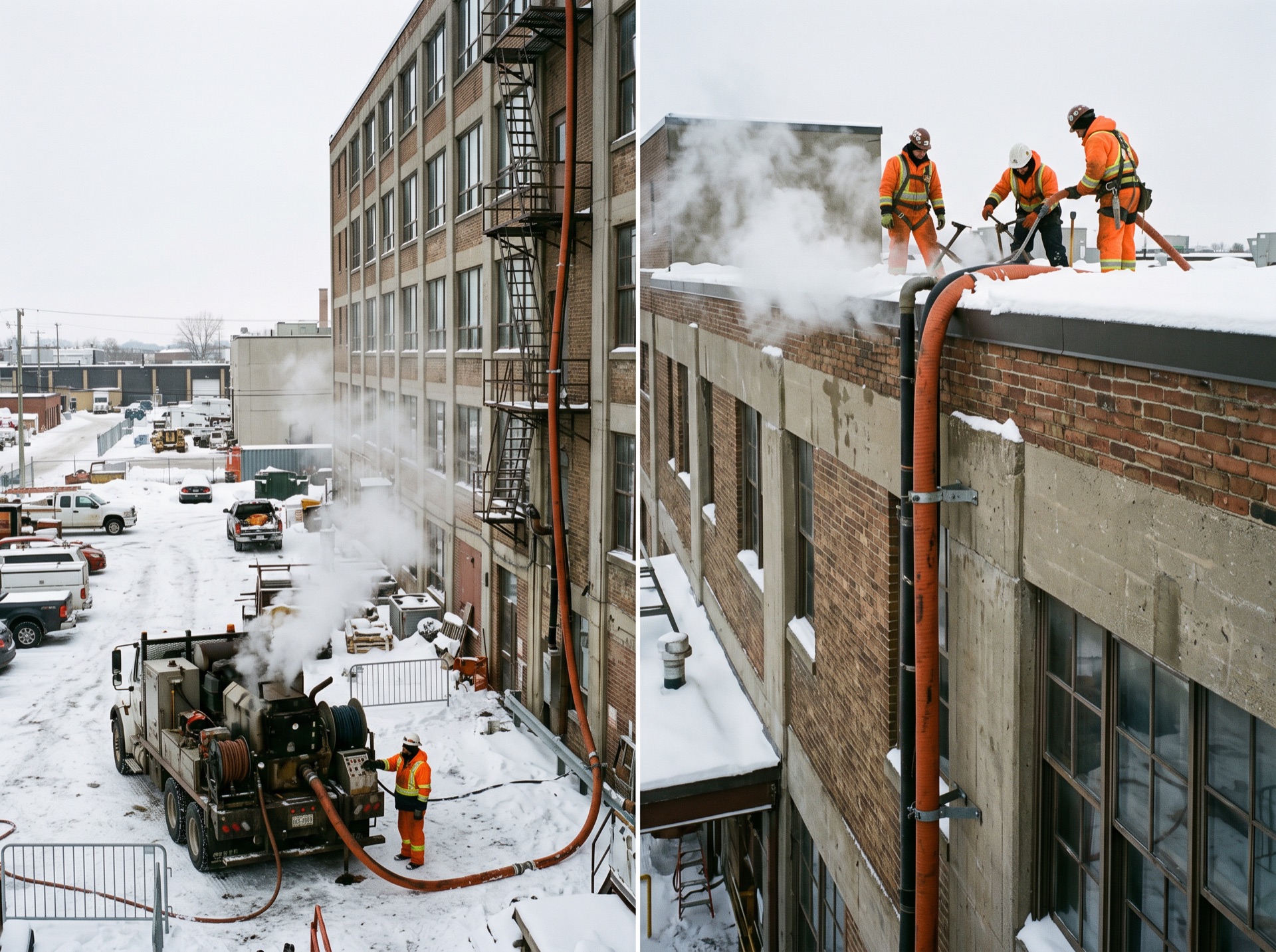
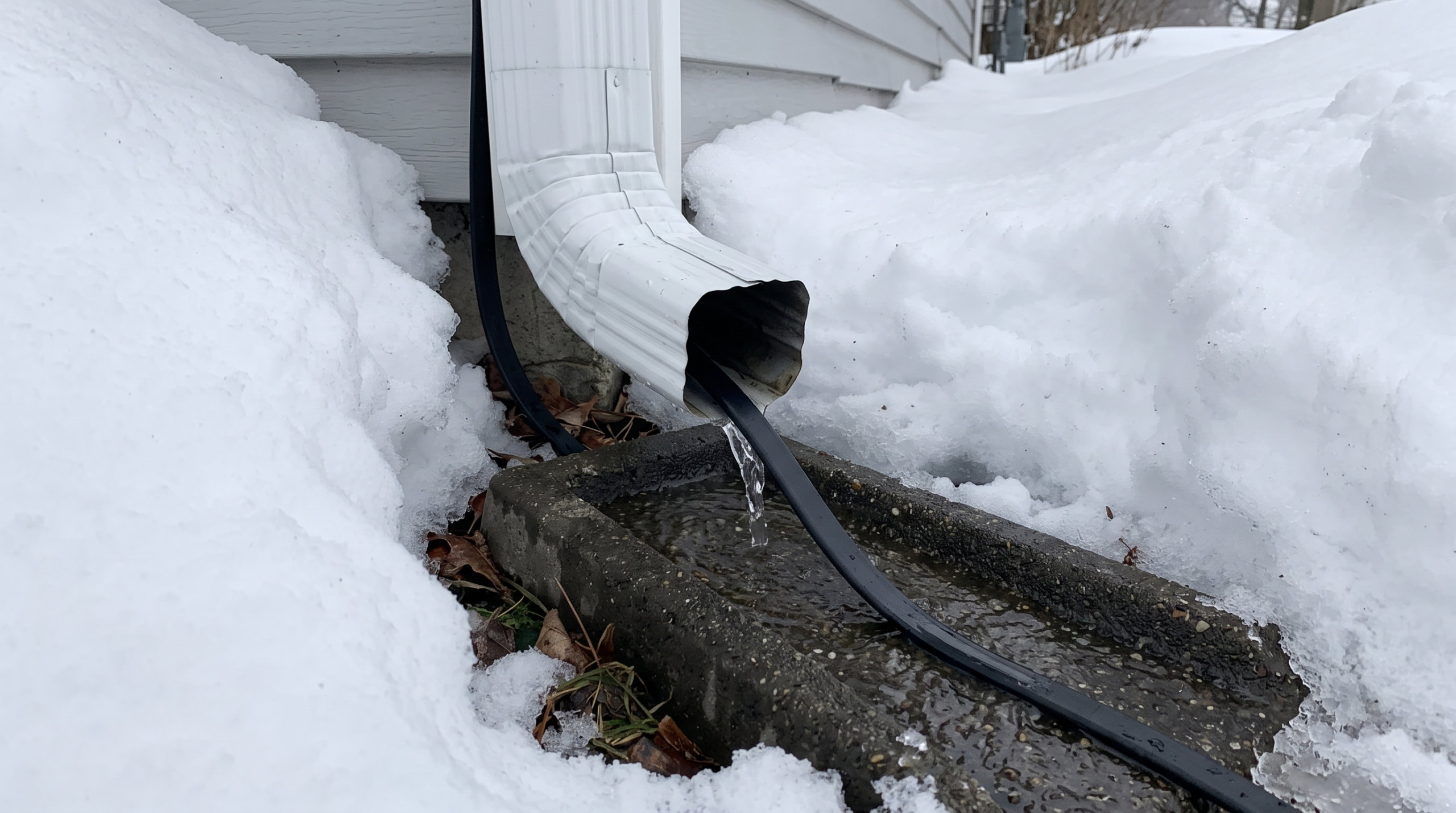
Removal then works from the worst point outward, so water starts draining early rather than at the end. Gutters and downspouts frozen solid get steamed through in the same visit — leaving them means the eave dams again within days.
Why the gutter has to be cleared in the same visit
A dam sitting above a gutter packed solid with ice is only half the problem. Clear the eave and leave the trough frozen, and the next day's meltwater has nowhere to run — it backs up onto the roof and the dam rebuilds from the bottom.
Crews steam the trough and the downspout through to daylight on the same visit. It adds time, which is why the hour estimate given on the phone accounts for it, and it is the difference between a fix and a repeat visit in West Warwick the following week.
How long a removal actually takes
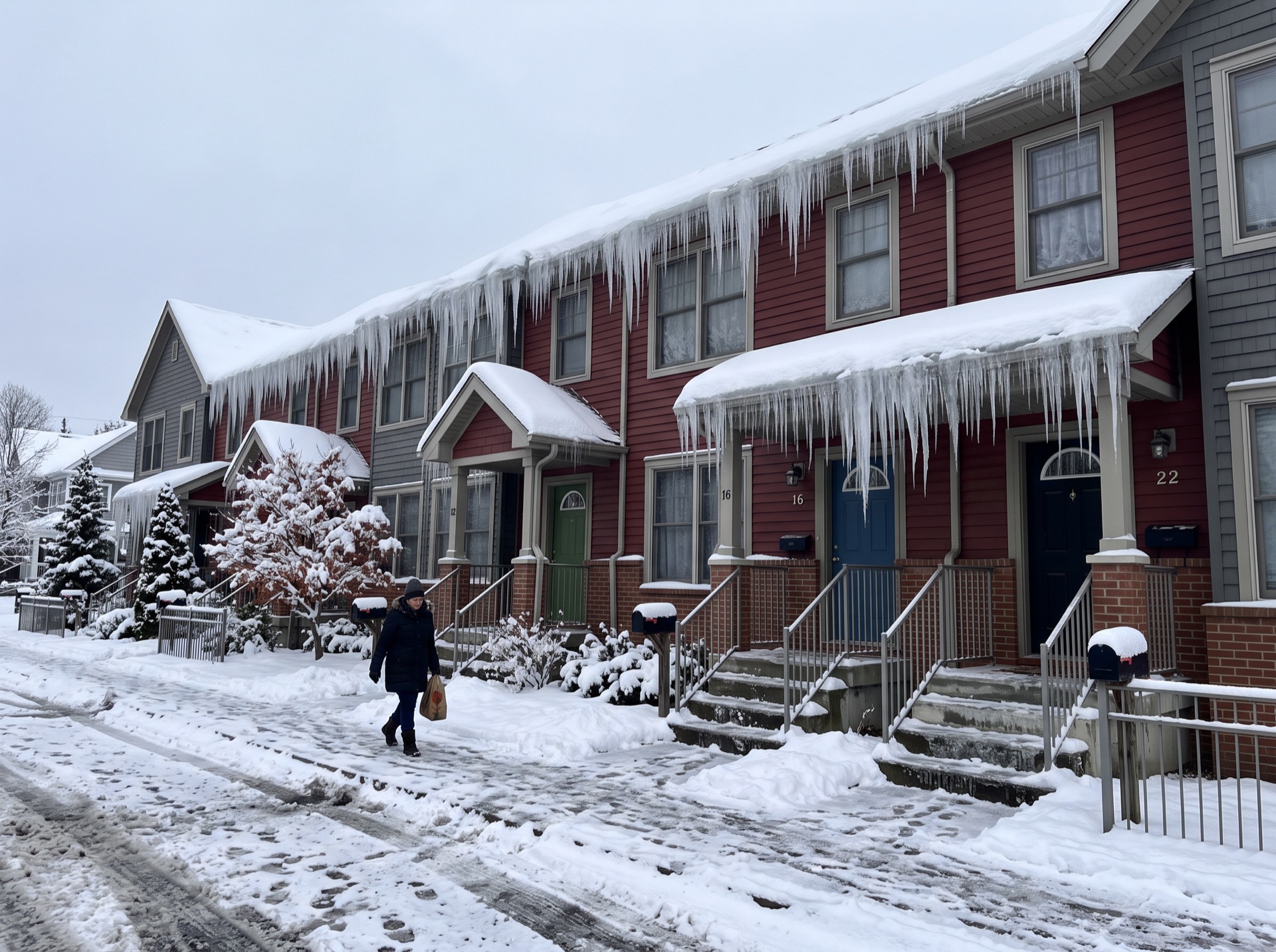
A single-story eave with a thin dam and clear gutters is often an hour or two. A two-story West Warwick house with ice standing a foot deep across the front, frozen downspouts and a valley packed solid is most of a day for a two-man crew. The honest answer on the phone is a range and the reason for it, not a number designed to win the booking.
The estimate is revised out loud if the roof turns out worse than it looked from the ground, before the extra hours are worked rather than after they appear on the invoice.
Why salt and ice melt make it worse
Calcium chloride opens a narrow channel and leaves the dam standing. The channel refreezes, the dam does not go anywhere, and in the meantime the runoff corrodes gutter seams, fasteners, flashing and anything growing underneath.
It is a stopgap at best. On a roof in West Warwick with an active leak it buys hours, not days, and it adds a corrosion problem to the water problem.
| Primary climate stressor | Nor'easters, rapid thaw-freeze swing |
|---|---|
| Local ice-barrier practice | Eave membrane standard on re-roofs |
| Service | Ice dam removal in West Warwick, RI |
| Pricing model | Billed by the crew hour, rate quoted before dispatch |
| Dispatch window | Same day to 24 hours |
| Documentation | Dated before and after photos, written scope in Xactimate line items |
| Removal method | Low-pressure steam only. No chipping, salt or pressure washing. |
West Warwick Coverage and the Adjoining Communities
Crews working West Warwick cover the adjoining communities on the same route — Fiskeville, Hope, East Greenwich, West Greenwich and Clayville — so a storm week usually means one truck handling several addresses in Kent County rather than separate trips.
Nearest hub towns with their own crew pages: Coventry, Warwick, Cranston, North Kingstown, Johnston, Providence.
Scheduling for West Warwick tightens up during a freeze event, which is exactly when the phone beats the form. Water coming in means a call, not an email.
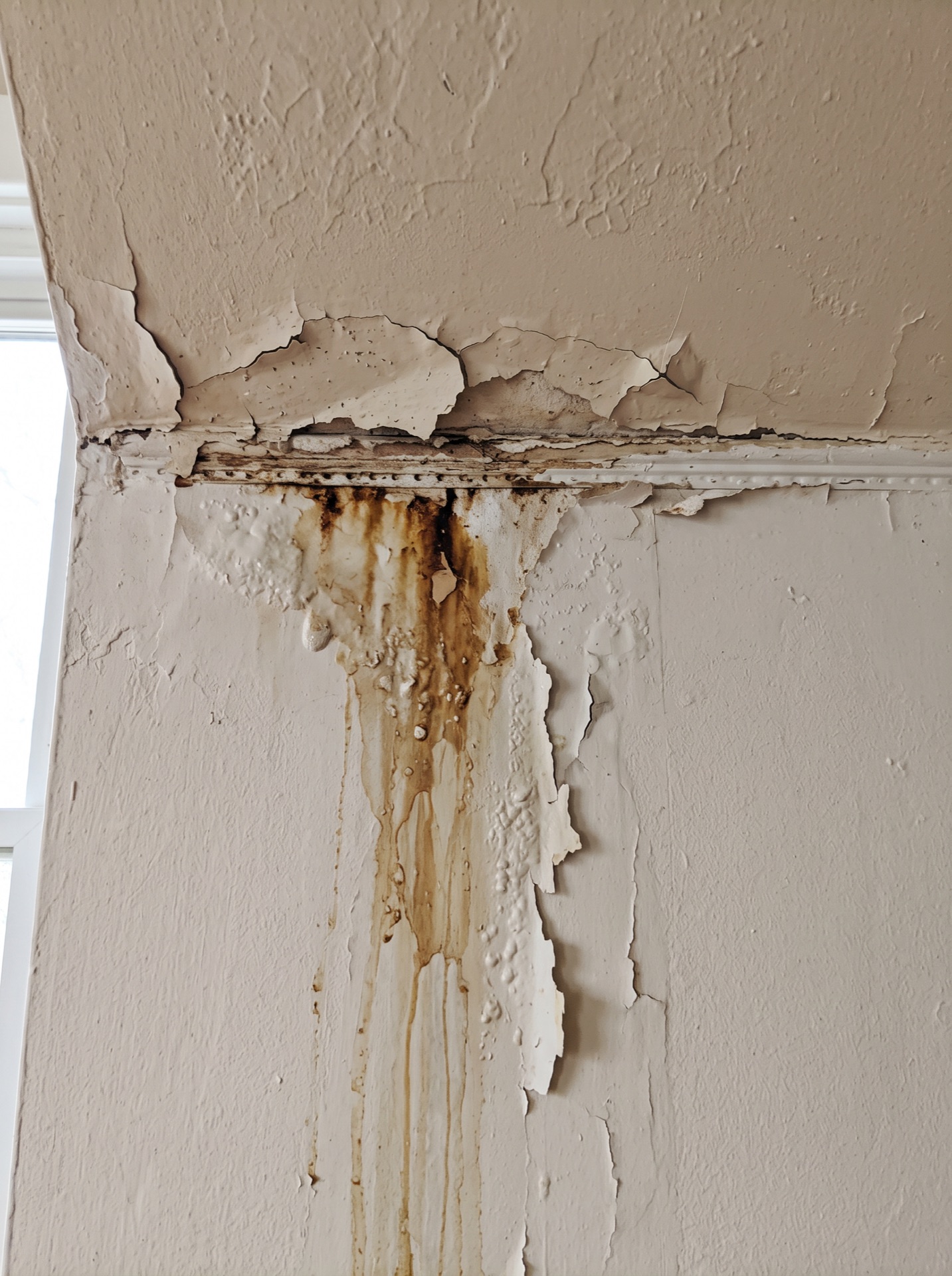
Water through a ceiling in West Warwick is a same-day call, not a next-week one. (888) 561-9664 goes straight to dispatch.