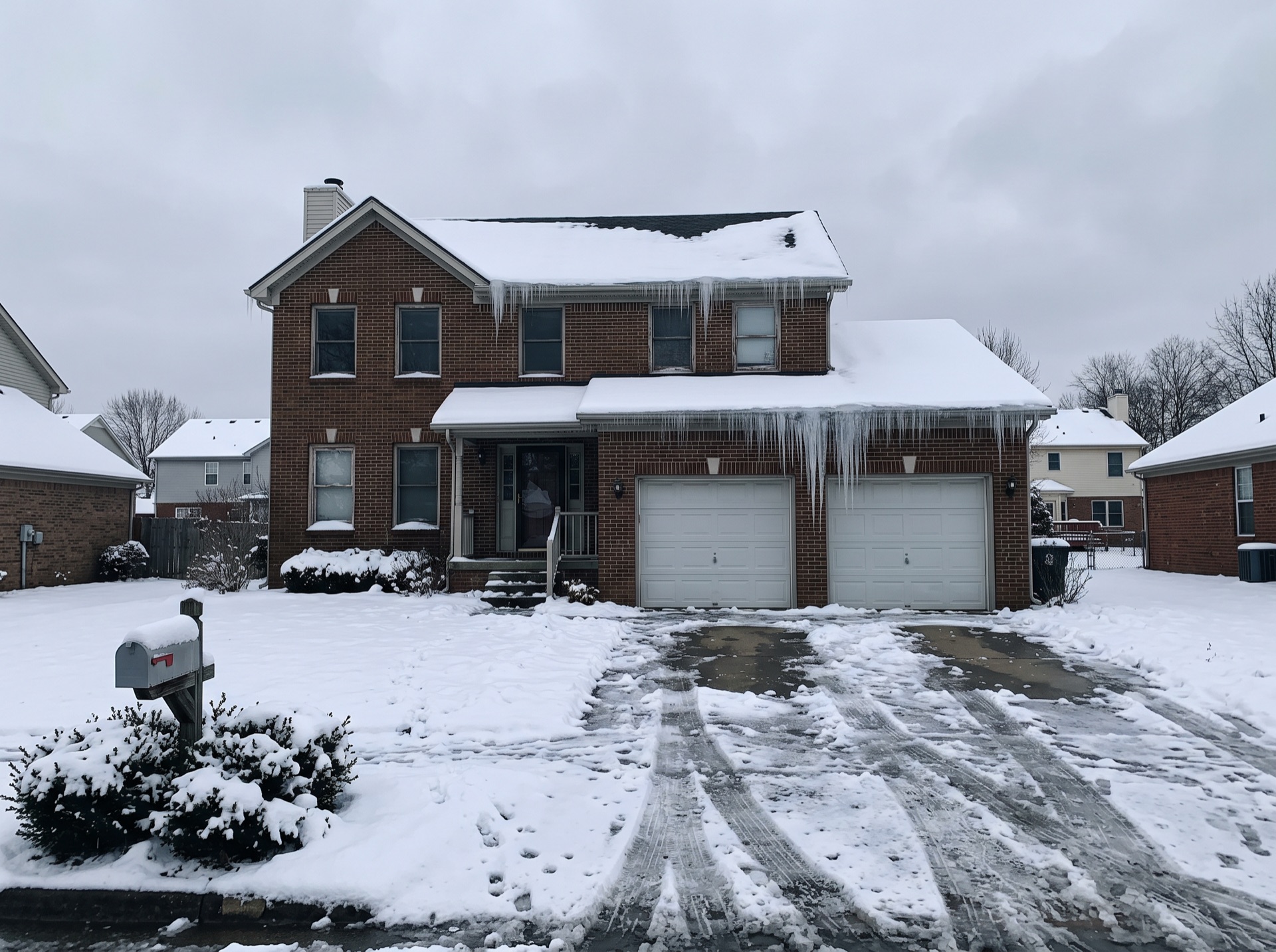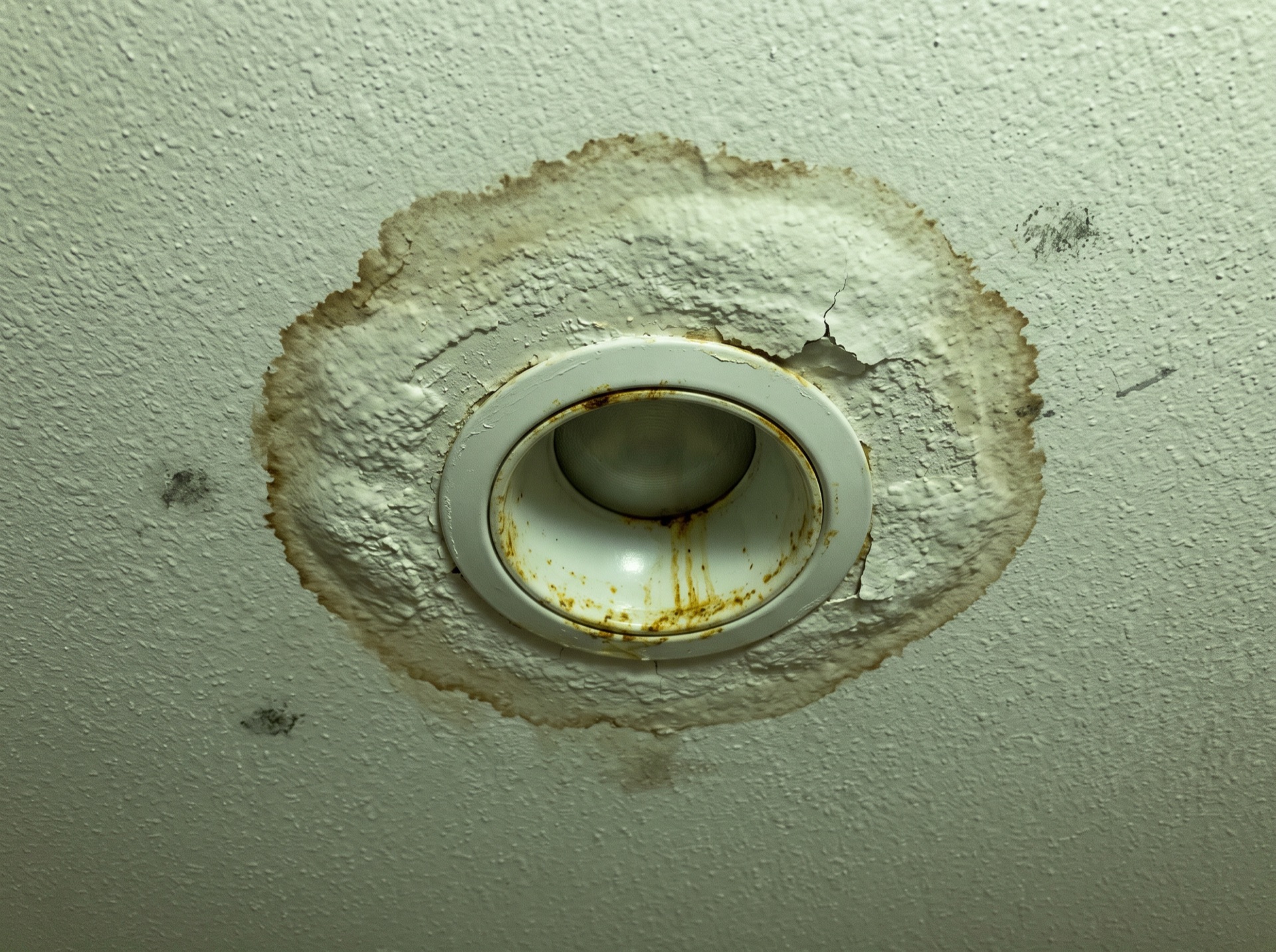
Winter in Ossining does not need a record storm to put water inside a house. It needs a roof with snow on it, an attic leaking heat, and one cold night. As part of our complete Ossining winter roof services, crews handle ice dam insurance claims across Westchester County.
Why an Ossining Roof Dams Between Storms
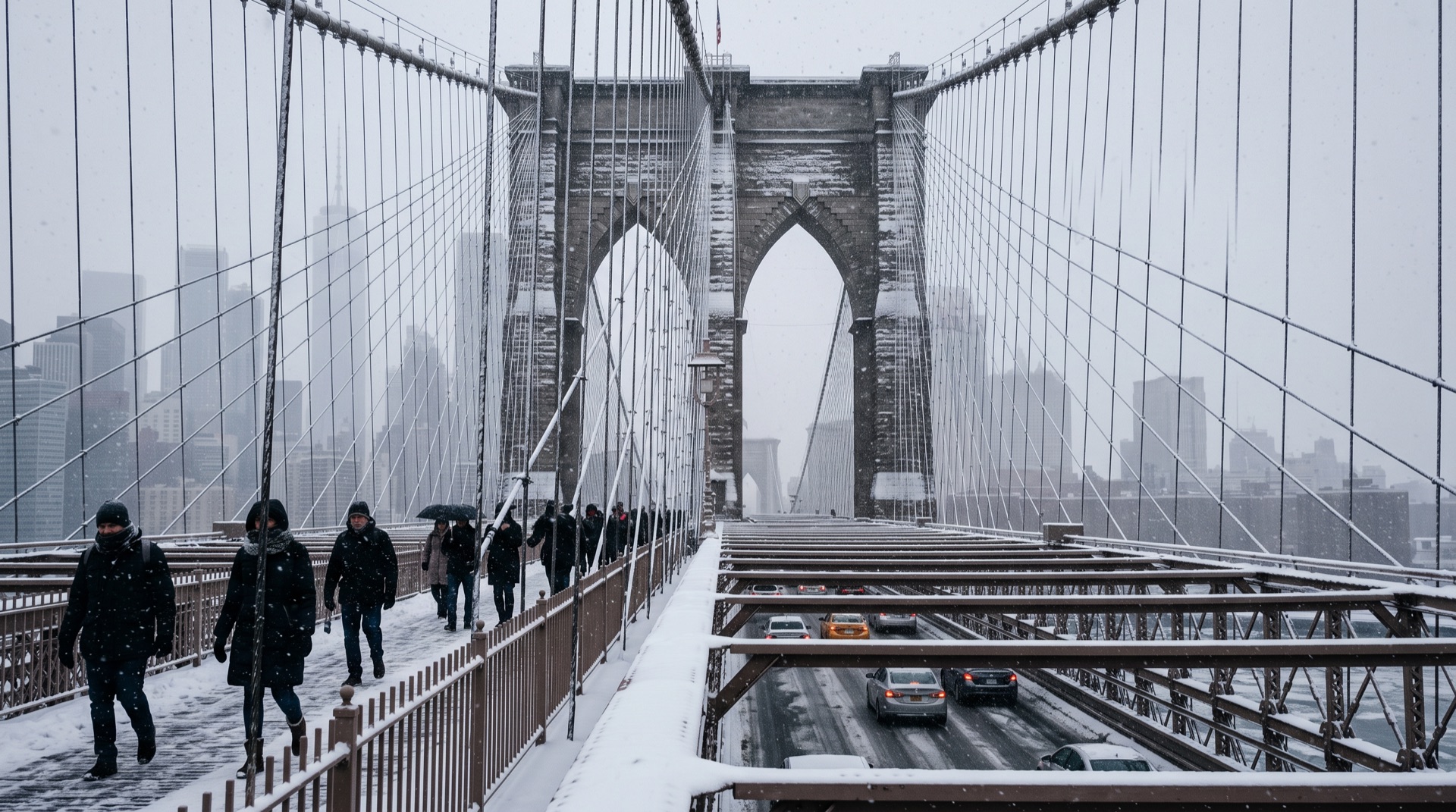
Coastal storms deliver the heaviest snow by weight. A single nor'easter can put a wet, dense pack on a roof in Ossining in one night, and the maritime air that follows rarely stays on one side of freezing for long.

Then there is the architecture. Ossining has a great deal of older housing with shallow eave returns, knee-wall attics and rooms built out over porches, all of which put heated air against cold deck with very little between.
Ice-barrier practice in Westchester County
Coastal New York jurisdictions generally require the membrane to extend past the interior wall line. On a house in Ossining with a deep overhang that is further up the roof than a single course.
Ice Dam Insurance Claims in Ossining: How The Work Runs
One claim, broken out by coverage
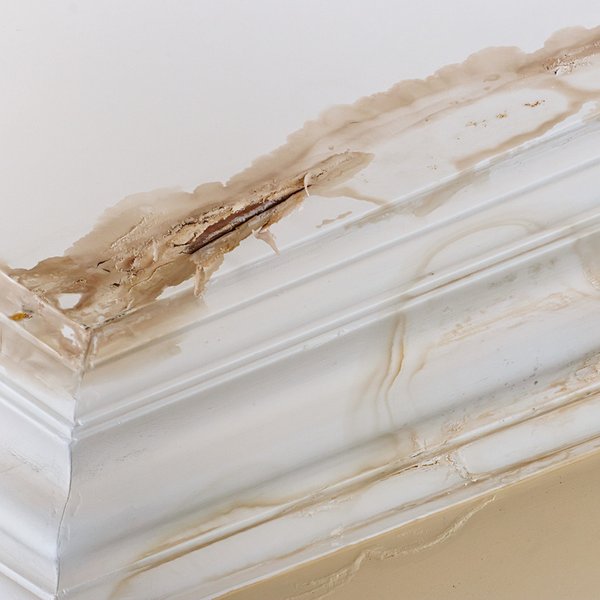
Everything an ice dam caused goes on one claim, but not as one lump number. Emergency removal and dryout are loss mitigation. Mold remediation often sits under its own sublimit. Interior repair and the roof sit under dwelling coverage. Does Insurance Pay for Ice Dam Water Damage?.
Writing the scope with those lines separated is what lets an adjuster approve each part on its own terms, and it stops a dispute over one line holding up the rest of an Ossining claim.
Mold on an ice dam claim
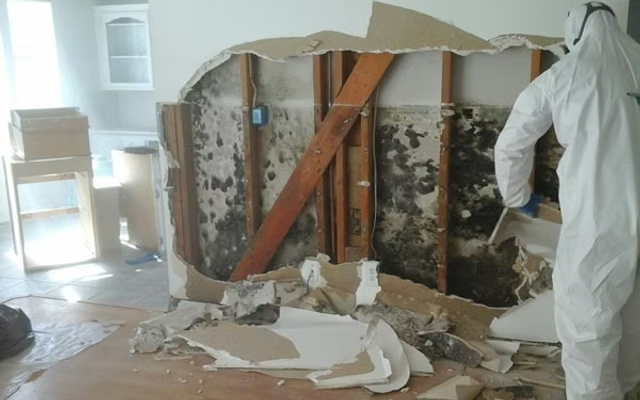
Where the water from a reported ice dam led to mold, remediation is often covered, frequently under a separate and smaller mold limit. Mold from a leak nobody reported for months is where carriers push back.
Reporting the water early and documenting the drying is what keeps any mold that follows attached to the original covered event.
Replacement cost, actual cash value and the second check
Most policies pay the depreciated value first and release the remainder once the repair is actually completed and invoiced. People who do not know that see the first check, assume it is the whole settlement, and decide the claim was not worth filing.
Reading which of those two your policy is on, before the work is scoped, changes what gets claimed and when. The specifics are between you and your carrier - what a contractor supplies is the documentation each stage needs.
Why one contractor for the whole event helps the claim
When the removal company, the drying company, the mold company and the builder are all different firms, the adjuster gets four sets of photographs with gaps between them and four invoices with overlapping lines.
One company doing the whole job produces one continuous record: the ice before removal, the water inside, the readings, the mold found when the ceiling came down, and the finished repair. That record is much harder to argue with.
Keeping the record from the first phone call
The claim starts with the call, so it is worth writing down the date, the time, the claim number and the name of whoever took it, and doing the same for every conversation after that.
Report what happened plainly and in full. Mitigation steps already taken get reported too - most policies require the policyholder to prevent further damage, and the invoice for having done so is usually claimable.
What you get in Ossining
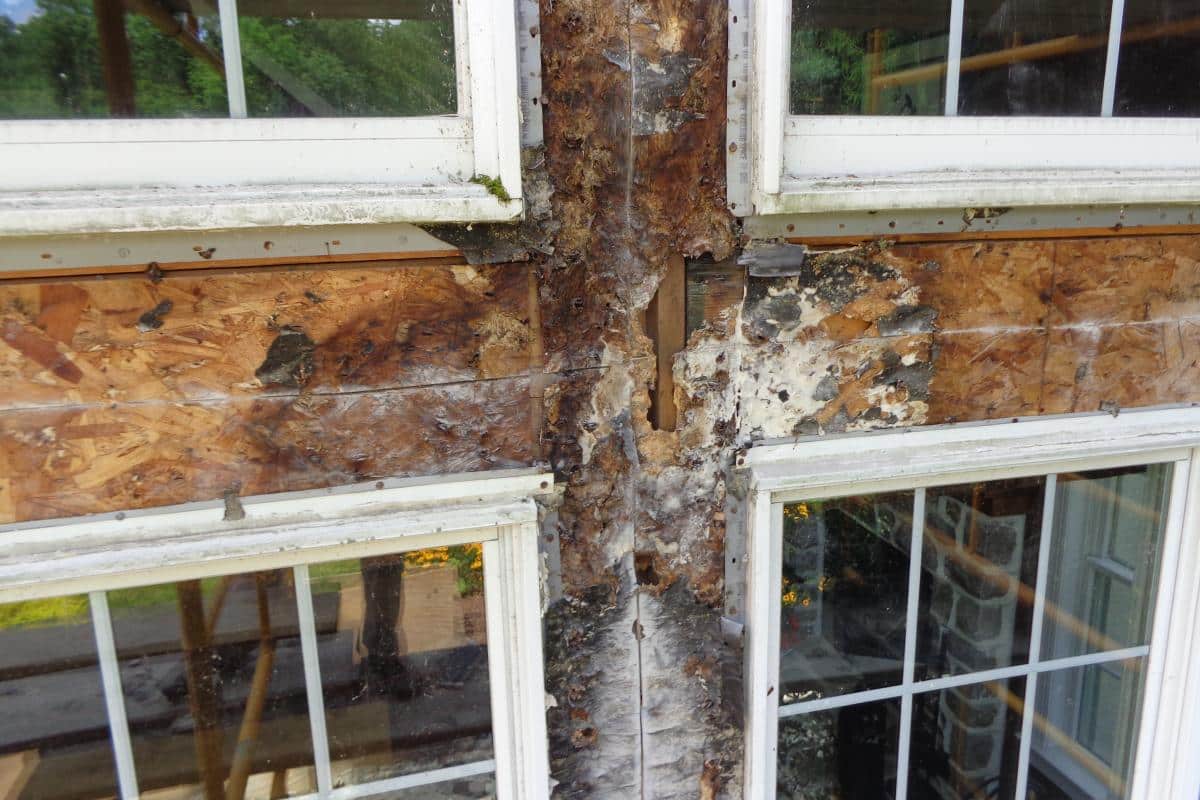
- Dated photo recordThe dam, the entry points and the interior damage, captured while it is happening
- Direct billingCarriers billed directly wherever the policy allows it
- One claim for the whole eventRemoval, mitigation, mold, interior repair and roof on a single file
| Dispatch window | Same day to 24 hours |
|---|---|
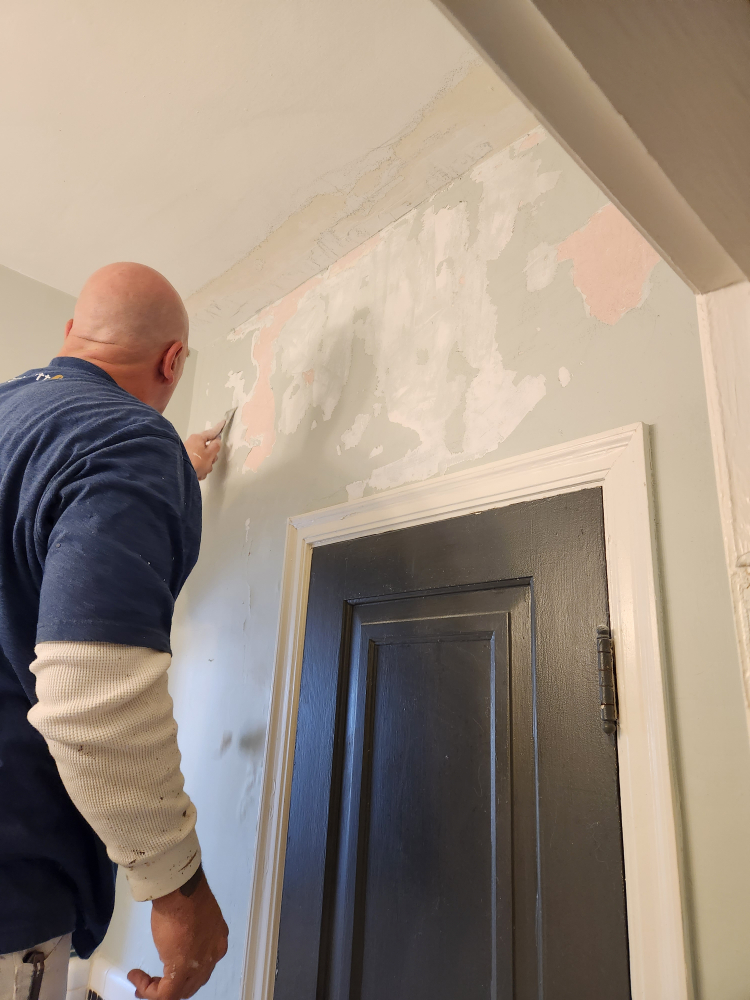
| Interior repair | Insulation, drywall, texture, trim and paint, done in-house after drying |
| Local ice-barrier practice | Eave membrane standard on re-roofs |
| Documentation | Dated before and after photos, written scope in Xactimate line items |
| Primary climate stressor | Nor'easters, rapid thaw-freeze swing |
| Method | Containment, HEPA filtration and drying to a measured IICRC standard |
| Billing | Xactimate line items on one claim; carrier billed directly where the policy allows |
Westchester County Coverage From Ossining
Crews working Ossining cover the adjoining communities on the same route — Maryknoll, Briarcliff Manor, Millwood, Croton On Hudson and Pleasantville — so a storm week usually means one truck handling several addresses in Westchester County rather than separate trips.
Nearest hub towns with their own insurance claims pages: Peekskill, White Plains, Yonkers, New Rochelle, Mount Vernon, Glen Cove.
Ossining sits inside the regular New York service area, so a crew is usually scheduled the same day or the following morning.
Most jobs do not stop at one service. Insurance Claims in Ossining often runs alongside water mitigation & dryout in Ossining, and both get written into one scope rather than billed as separate visits.
Active leak right now? Our 24/7 Ossining steam ice dam removal crews are dispatched first during a freeze event. Call (888) 561-9664.