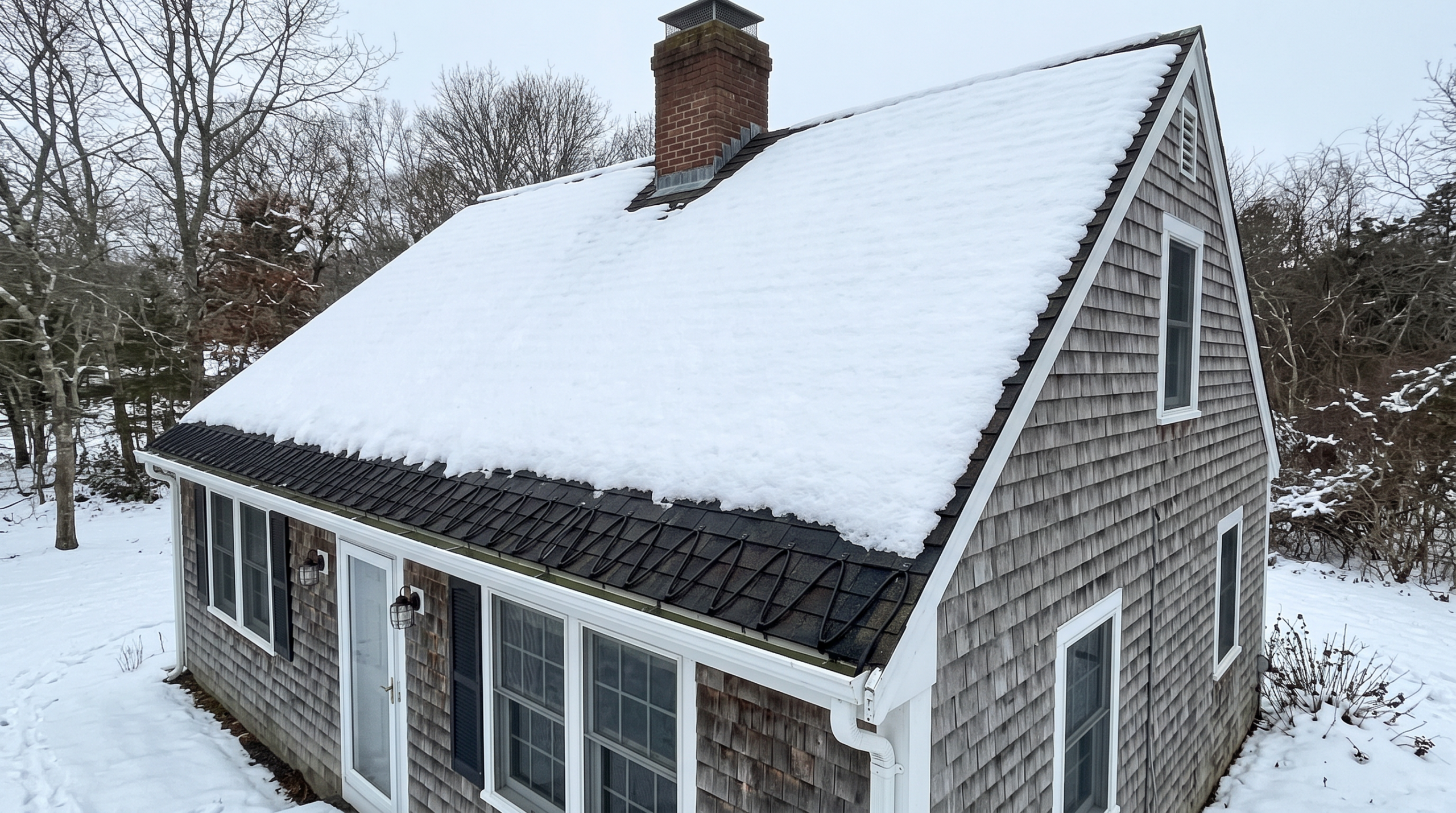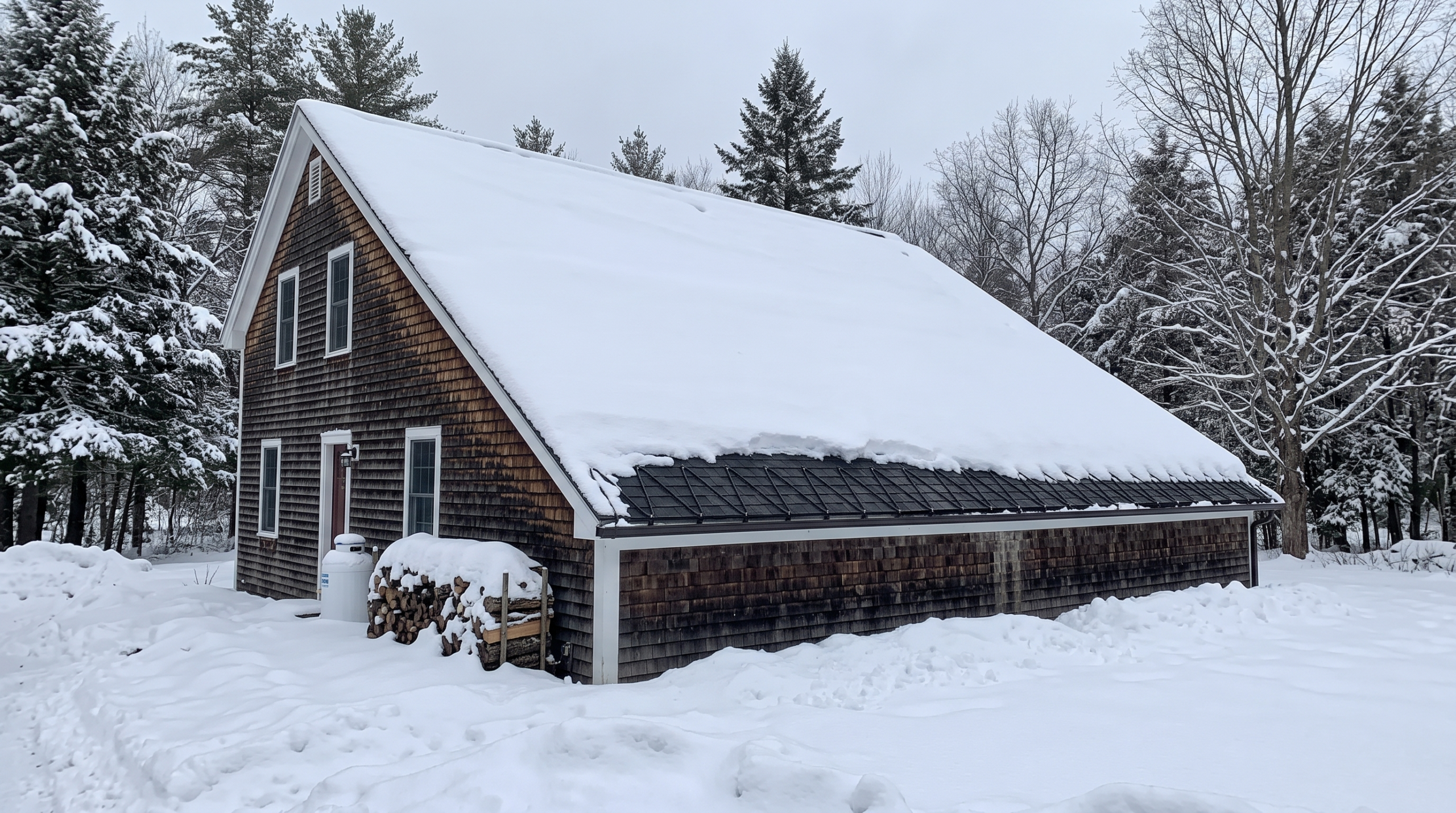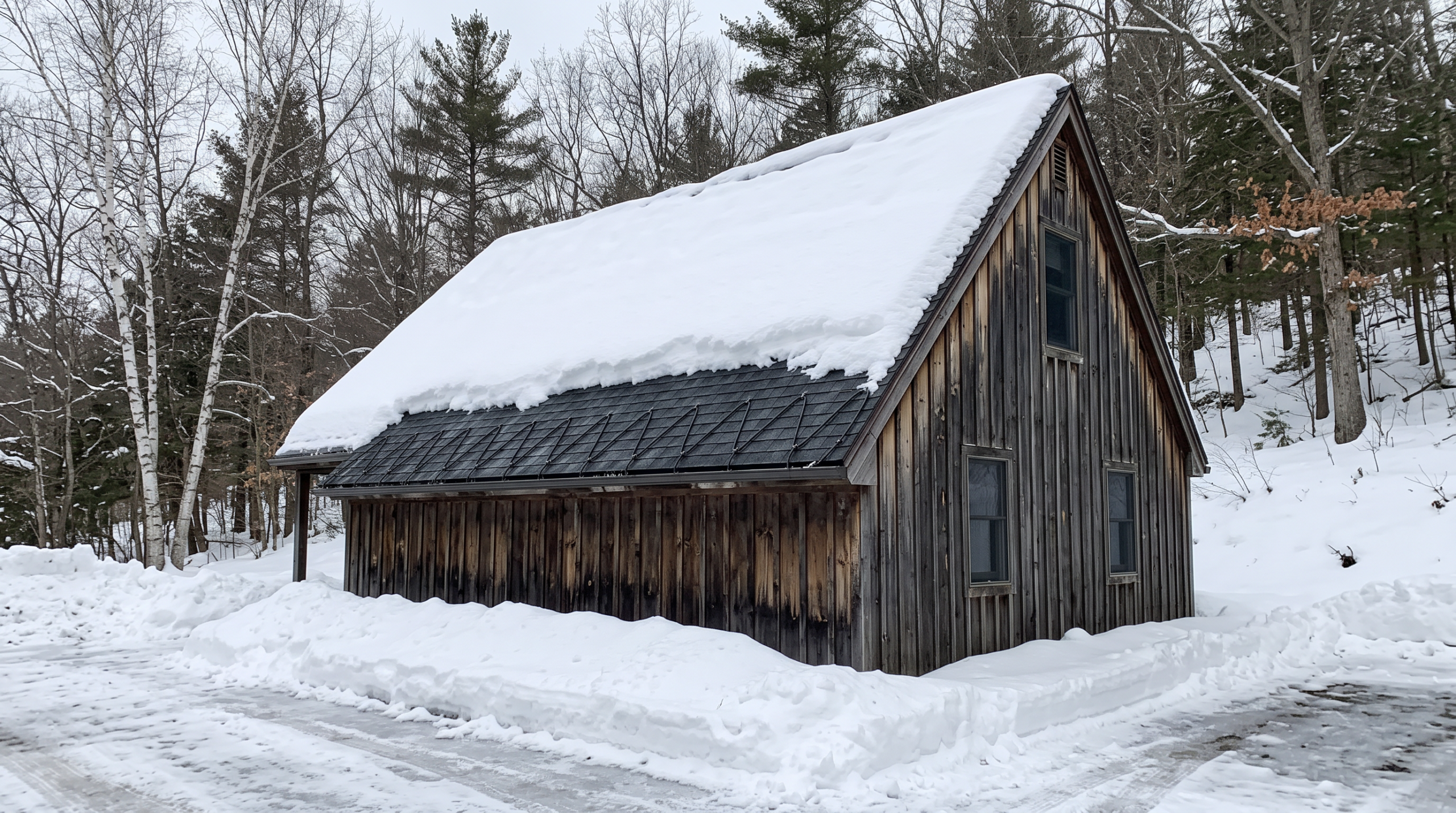




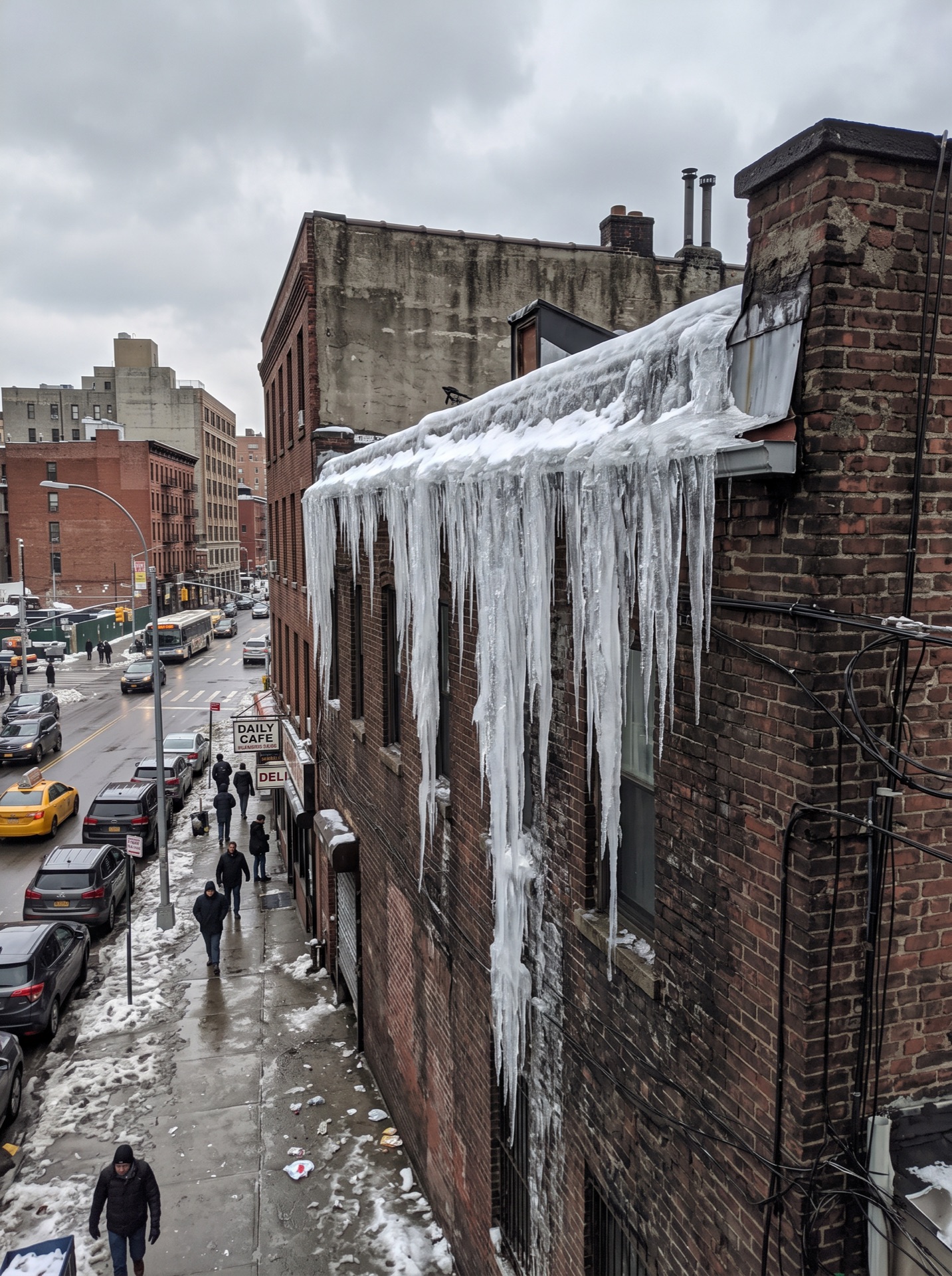
Why an Ossining Roof Dams Between Storms
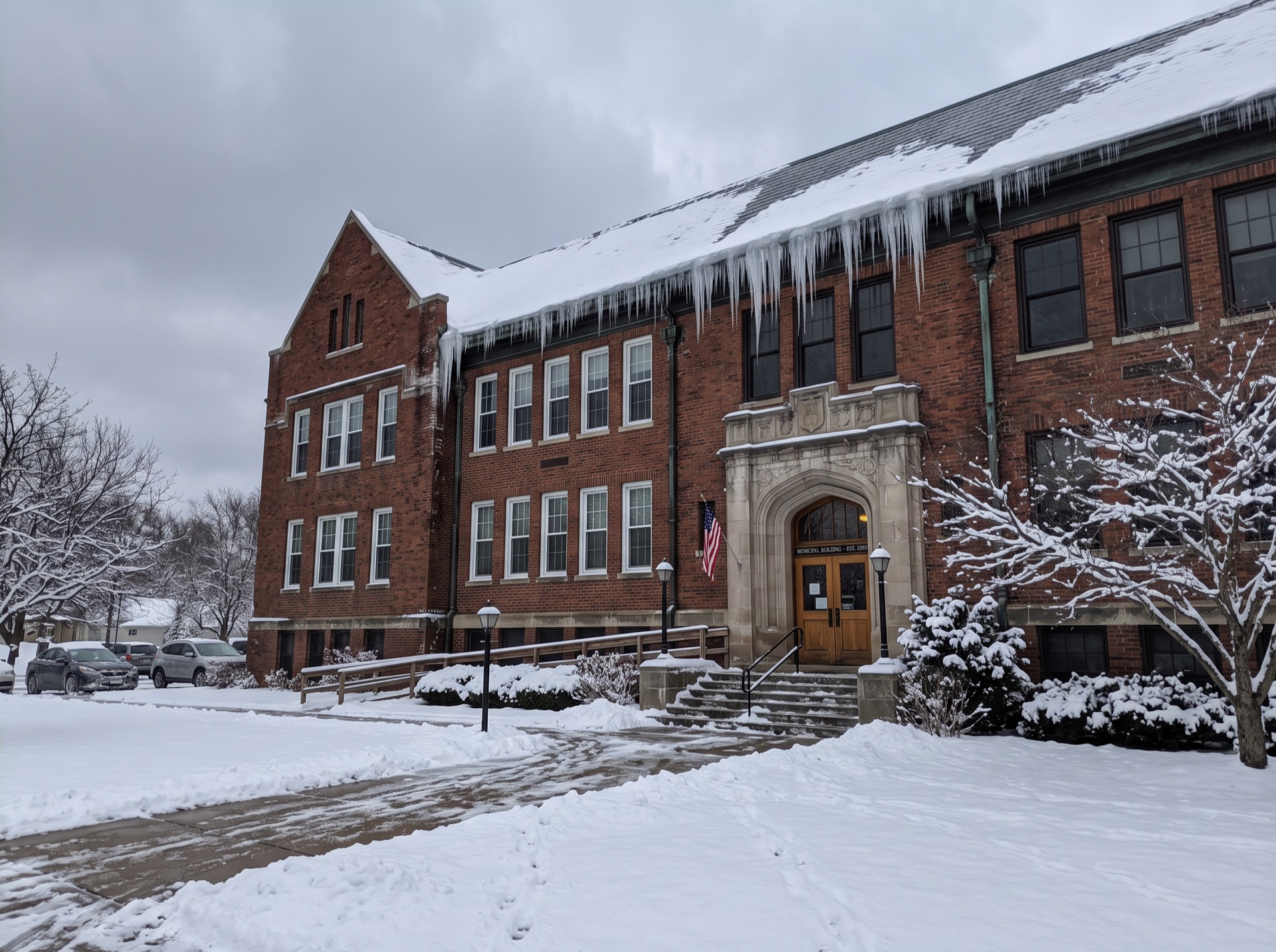
Coastal storms deliver the heaviest snow by weight. A single nor'easter can put a wet, dense pack on a roof in Ossining in one night, and the maritime air that follows rarely stays on one side of freezing for long.

Then there is the architecture. Ossining has a great deal of older housing with shallow eave returns, knee-wall attics and rooms built out over porches, all of which put heated air against cold deck with very little between.
Ice-barrier practice in Westchester County
Coastal New York jurisdictions generally require the membrane to extend past the interior wall line. On a house in Ossining with a deep overhang that is further up the roof than a single course.
What a Crew Does on an Ossining Roof
Crews walk the eaves, valleys and gutter line first and photograph every dam and every point where water is tracking inside, before touching anything. You get shown what they found and quoted the crew-hour rate before work starts.
Then the ice comes off with low-pressure steam, starting wherever water is actively backing up so drainage opens early. Frozen gutters and downspouts are cleared in the same visit, because a cleared eave above a solid block of ice in the gutter dams again on the next cold night.
If water already got inside
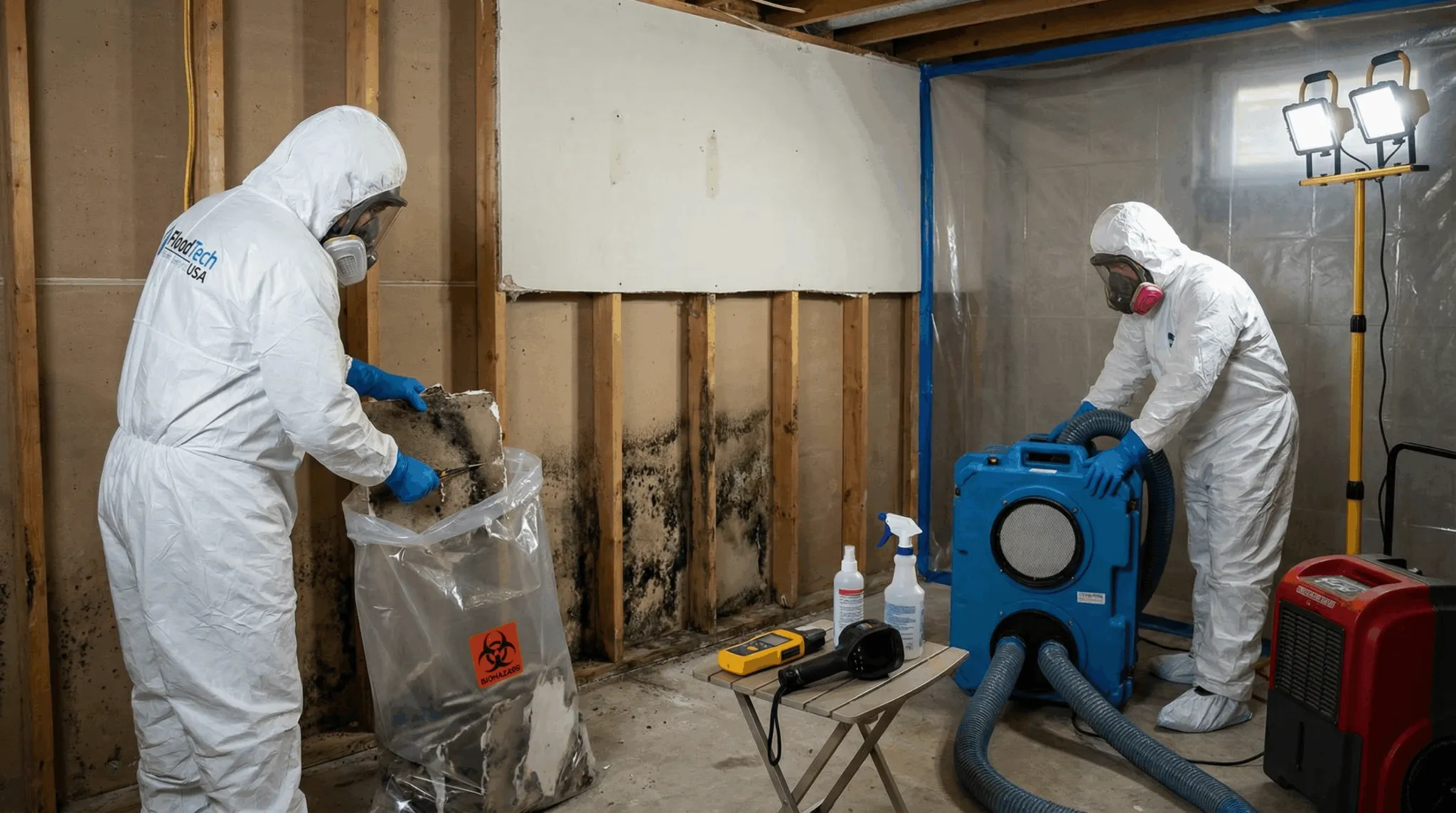
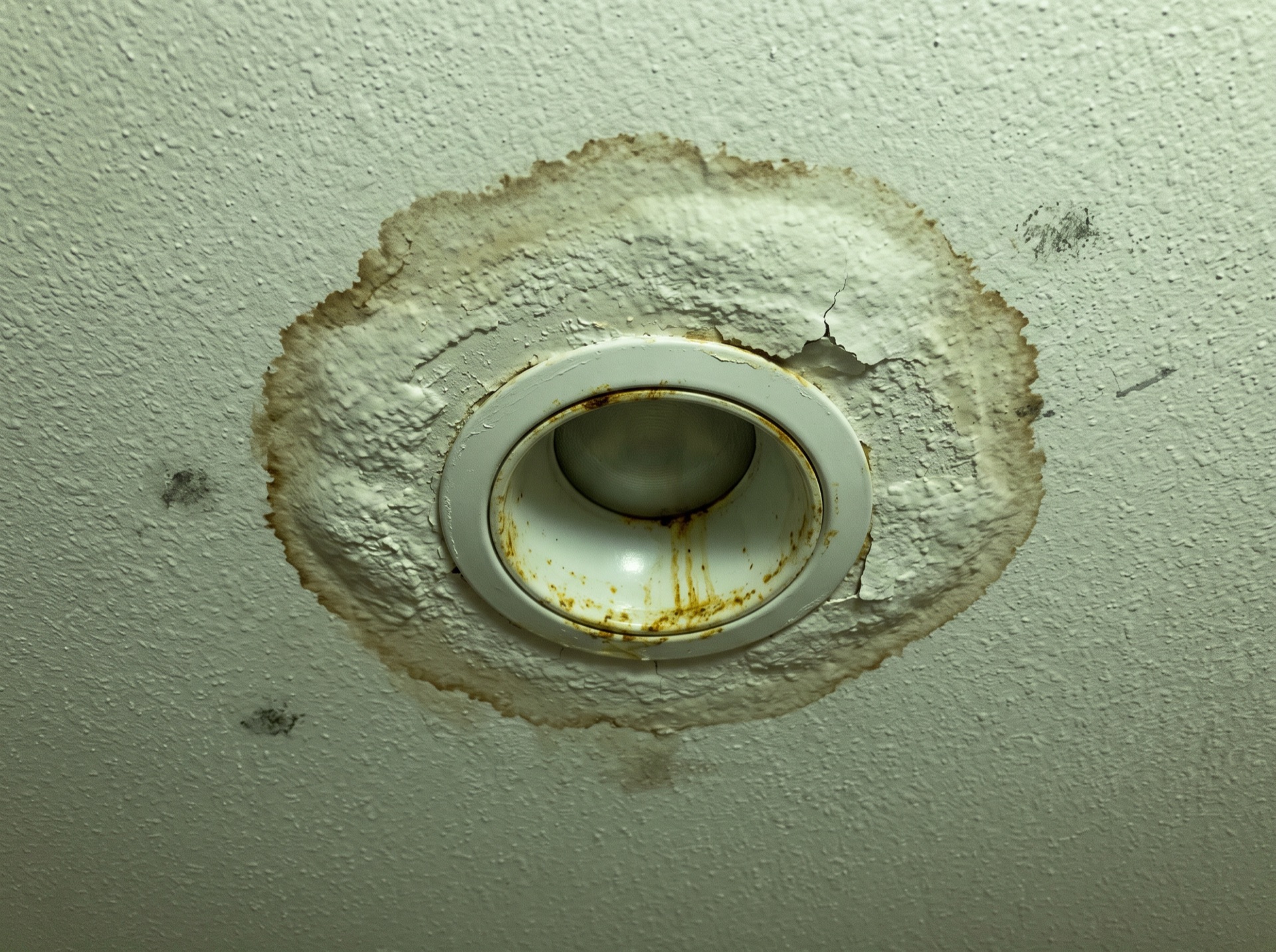
Taking the ice off stops new water. It does nothing about what is already in the insulation, the ceiling and the walls of an Ossining home.
The same company handles the rest: water mitigation and dryout, mold remediation where the water has led to growth, the interior repair, and the roof where the dam damaged it, all documented on one insurance claim.
What happens after the ice is off
Once the eave is clear and water is draining, the crew walks the interior with you where there is visible damage and says plainly whether it needs drying. Wet insulation and a damp ceiling cavity do not resolve themselves in a cold Ossining February.
If it does, that is a separate scope and it gets written separately — nobody is upsold a dryout on the strength of one damp patch.
Working at night and during an active storm
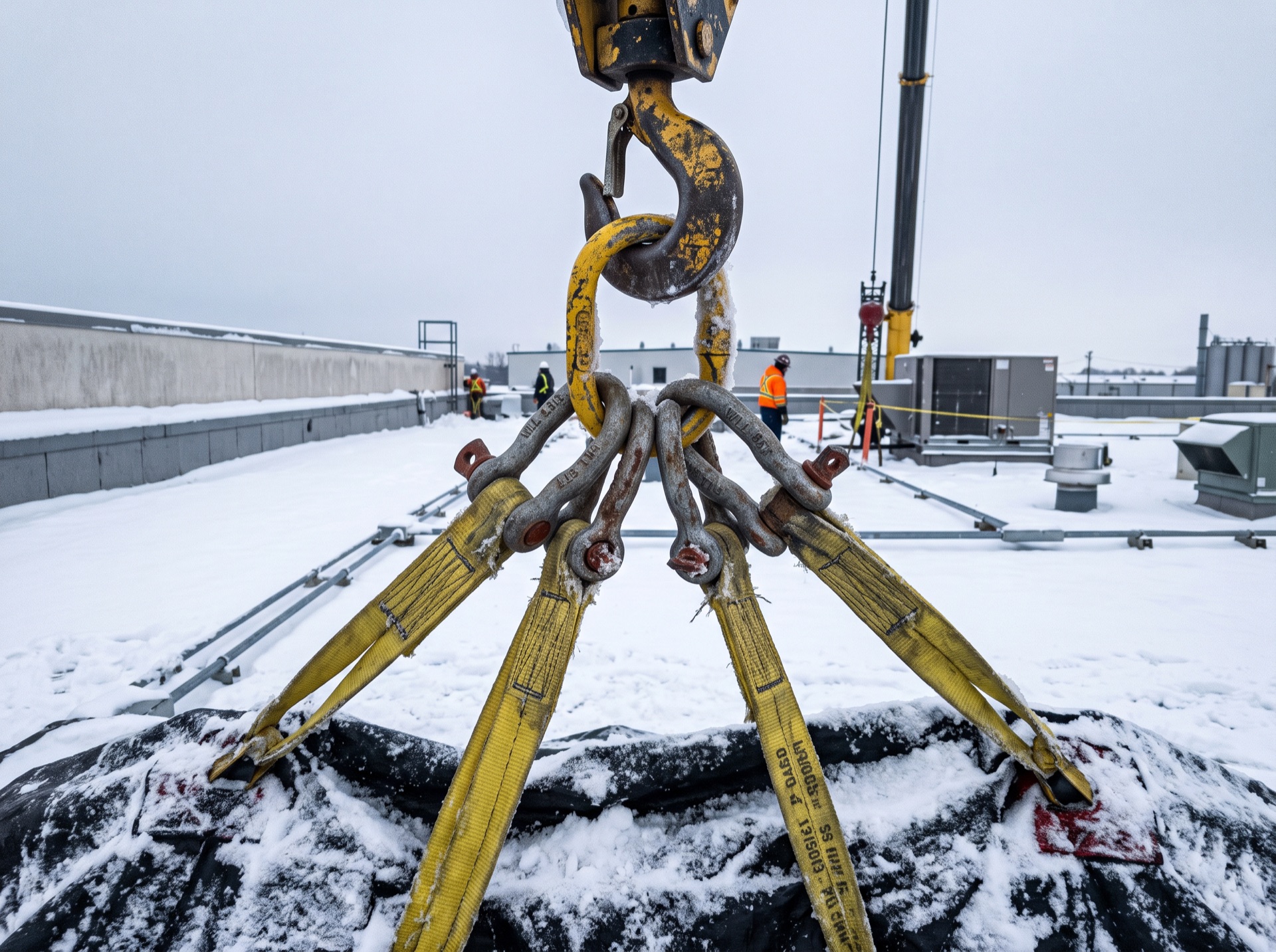
Freeze events do not keep office hours, and the worst leaks tend to announce themselves in the evening when the day's melt refreezes. Crews run lit, and a roof that is actively collecting snow is worked anyway, because waiting for better weather means the dam is bigger when somebody finally gets to it.
What does stop a crew is wind and lightning. Both are judgment calls made on site in Ossining, and a postponed start gets explained rather than dressed up.
| Coverage area | Ossining and Westchester County |
|---|---|
| Pricing model | Billed by the crew hour, rate quoted before dispatch |
| Primary climate stressor | Nor'easters, rapid thaw-freeze swing |
| Dispatch window | Same day to 24 hours |
| Local ice-barrier practice | Eave membrane standard on re-roofs |
| Typical scope | Steam, 4-10 crew hours typical |
| Removal method | Low-pressure steam only. No chipping, salt or pressure washing. |
Westchester County Coverage From Ossining
Crews working Ossining cover the adjoining communities on the same route — Maryknoll, Briarcliff Manor, Millwood, Croton On Hudson and Pleasantville — so a storm week usually means one truck handling several addresses in Westchester County rather than separate trips.
Nearest hub towns with their own crew pages: Peekskill, White Plains, Yonkers, New Rochelle, Mount Vernon, Glen Cove.
Scheduling for Ossining tightens up during a freeze event, which is exactly when the phone beats the form. Water coming in means a call, not an email.
If water is already inside a property in Ossining, call (888) 561-9664 rather than filling in a form — the phone is faster and leaks jump the line.