



Why Taos Roofs Dam on Days It Never Thaws
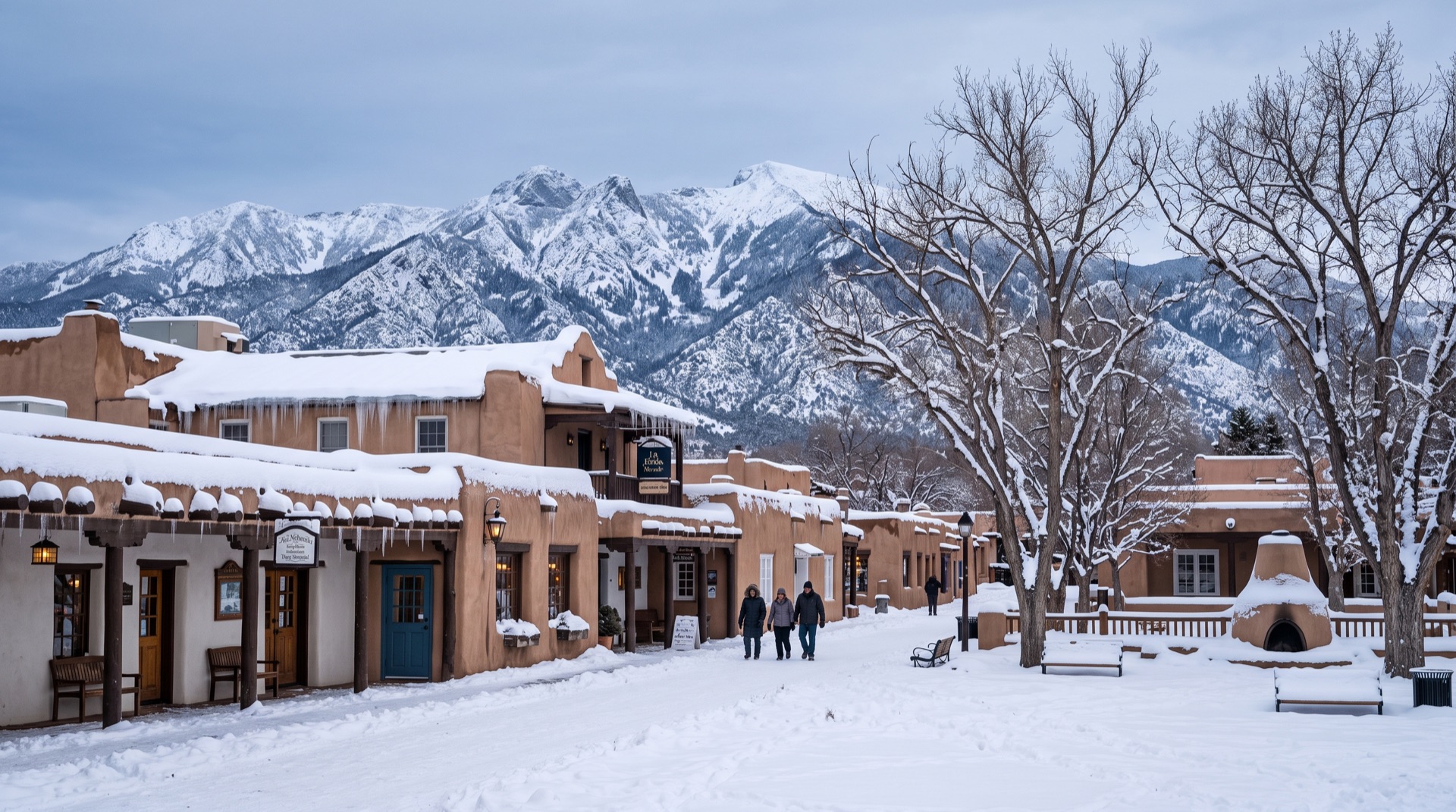
At Taos's elevation the air can stay below freezing all day while direct sun still melts the top of the snowpack. That meltwater runs down under the pack, reaches a shaded eave, and refreezes — on a day the thermometer never rose above freezing.

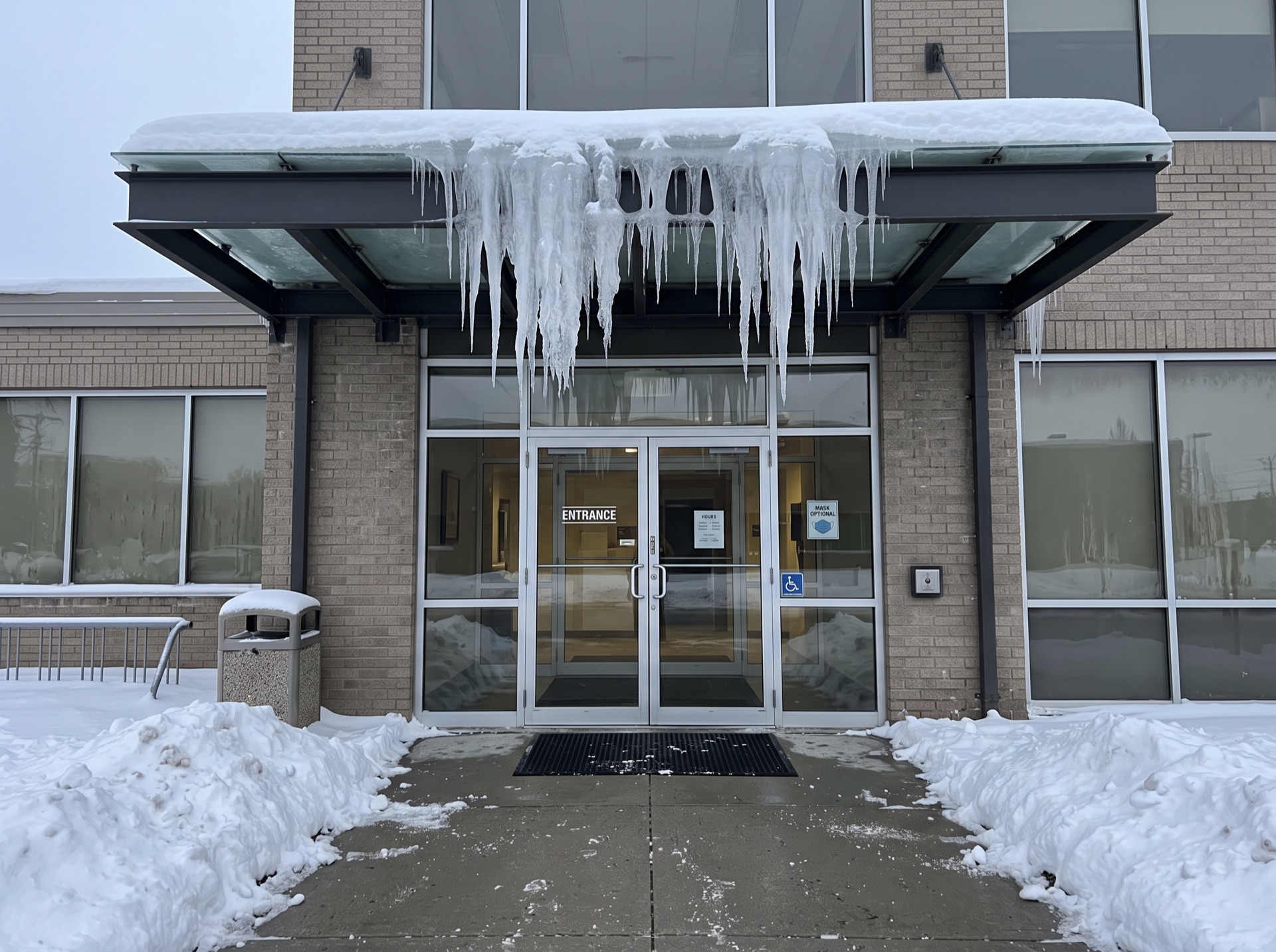
Aspect decides which eaves suffer. A sunny plane sheds water across a roof in Taos to a shaded eave that has not been above freezing for weeks, and that is where the ice builds into a wall.
Ice-barrier practice in Taos County
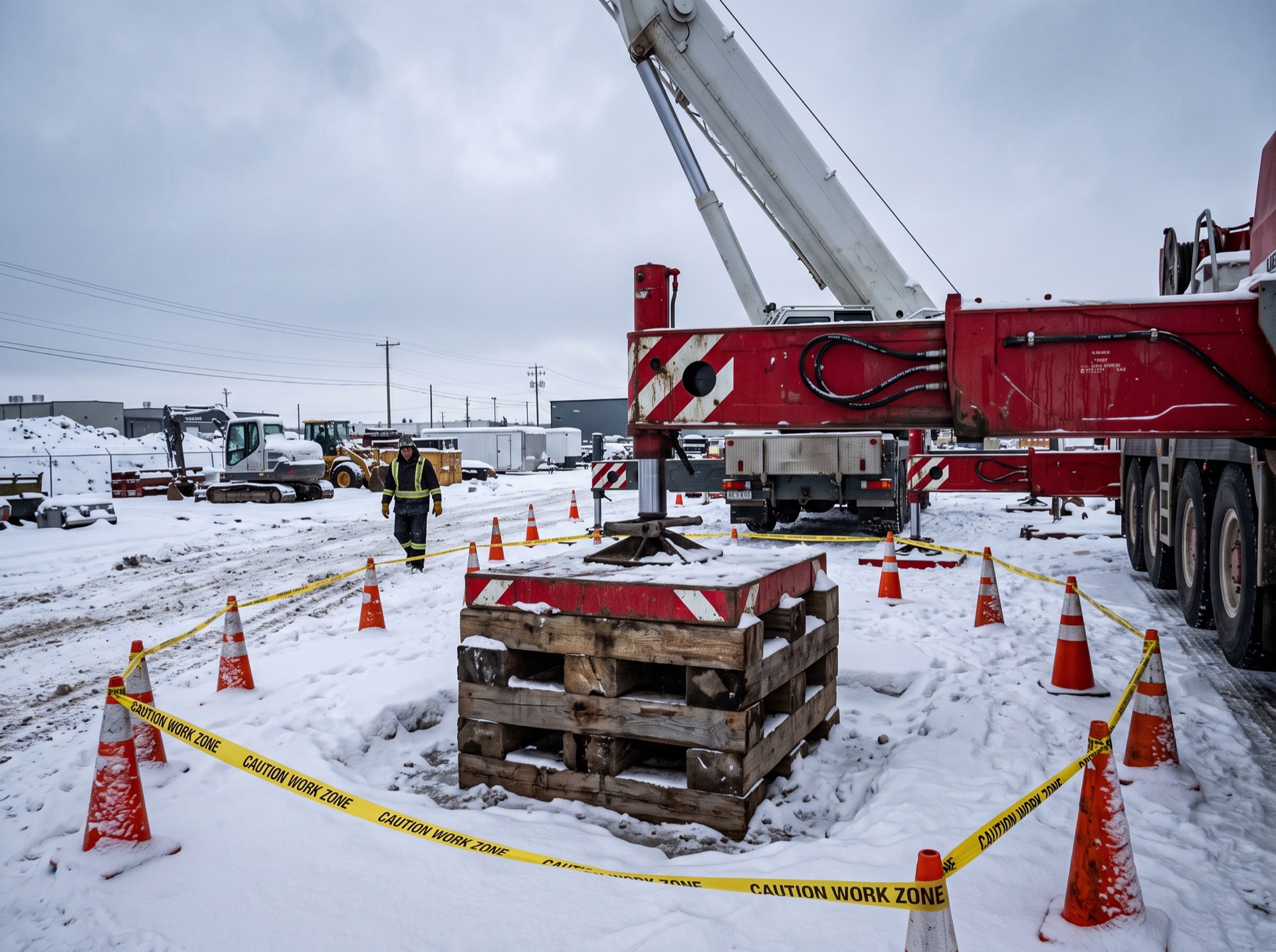
Snow retention above doors, walkways and parking is a requirement in most Taos County jurisdictions for good reason: a release off a metal mountain roof is a serious event, not an inconvenience.
How a Taos Steam Call Runs, Start to Finish
Nothing gets touched until the roof has been walked and photographed. The crew finds every dam, locates where water is getting in, shows you, and gives you the crew-hour rate and a time estimate before the equipment comes off the truck.
Removal then works from the worst point outward, so water starts draining early rather than at the end. Gutters and downspouts frozen solid get steamed through in the same visit — leaving them means the eave dams again within days.
What happens after the ice is off
Once the eave is clear and water is draining, the crew walks the interior with you where there is visible damage and says plainly whether it needs drying. Wet insulation and a damp ceiling cavity do not resolve themselves in a cold Taos February.
If it does, that is a separate scope and it gets written separately — nobody is upsold a dryout on the strength of one damp patch.
Why the dam formed in the first place
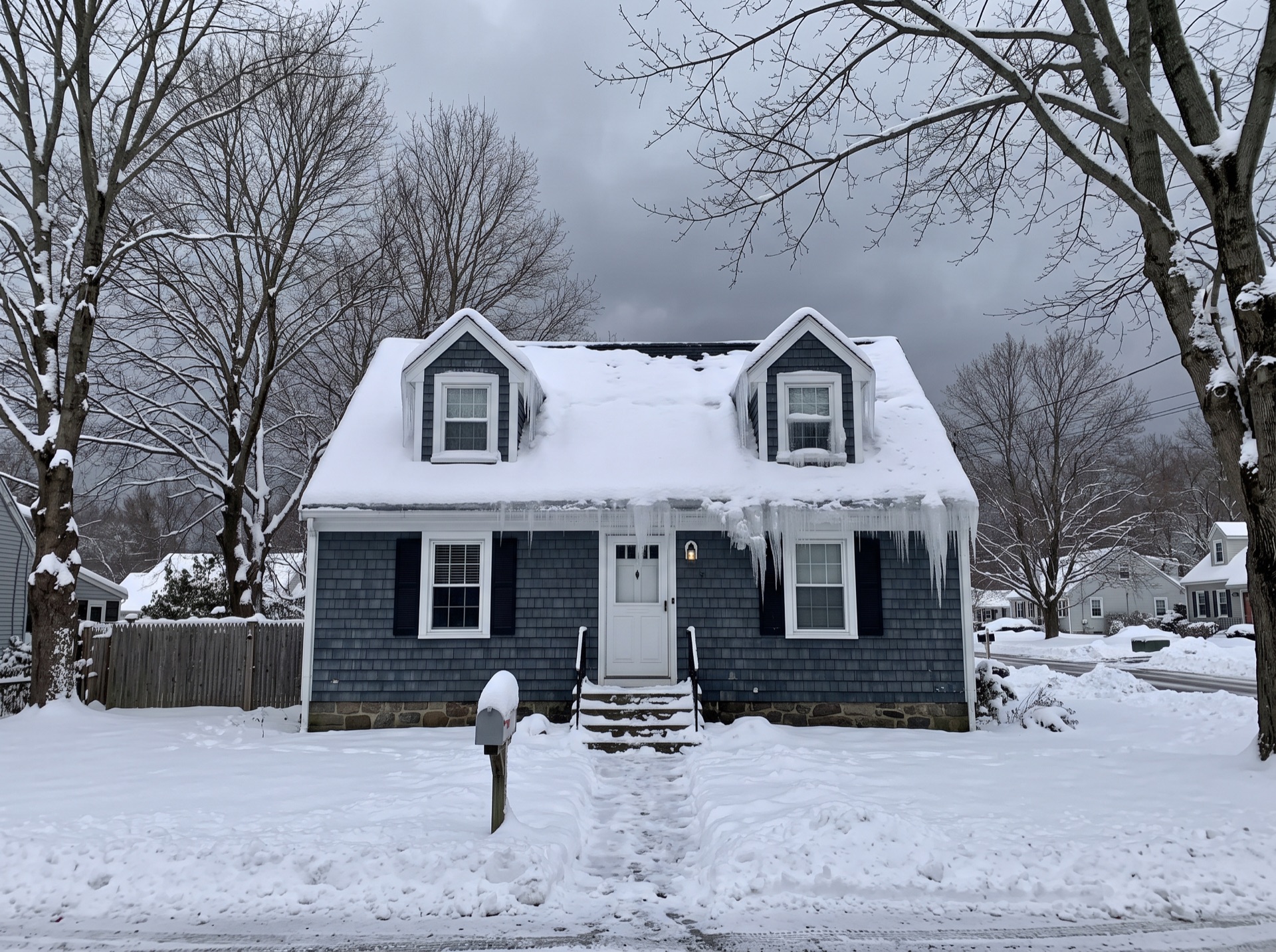
Ice dams are a heat problem wearing a weather costume. Warm air escaping into the attic melts snow on the upper roof; that meltwater runs to the eave, which hangs past the heated envelope and stays below freezing; it refreezes there, and the ridge of ice grows a layer every cycle. Removal is the emergency fix. Before the crew leaves you will know which part of your attic is feeding it.
If water already got inside
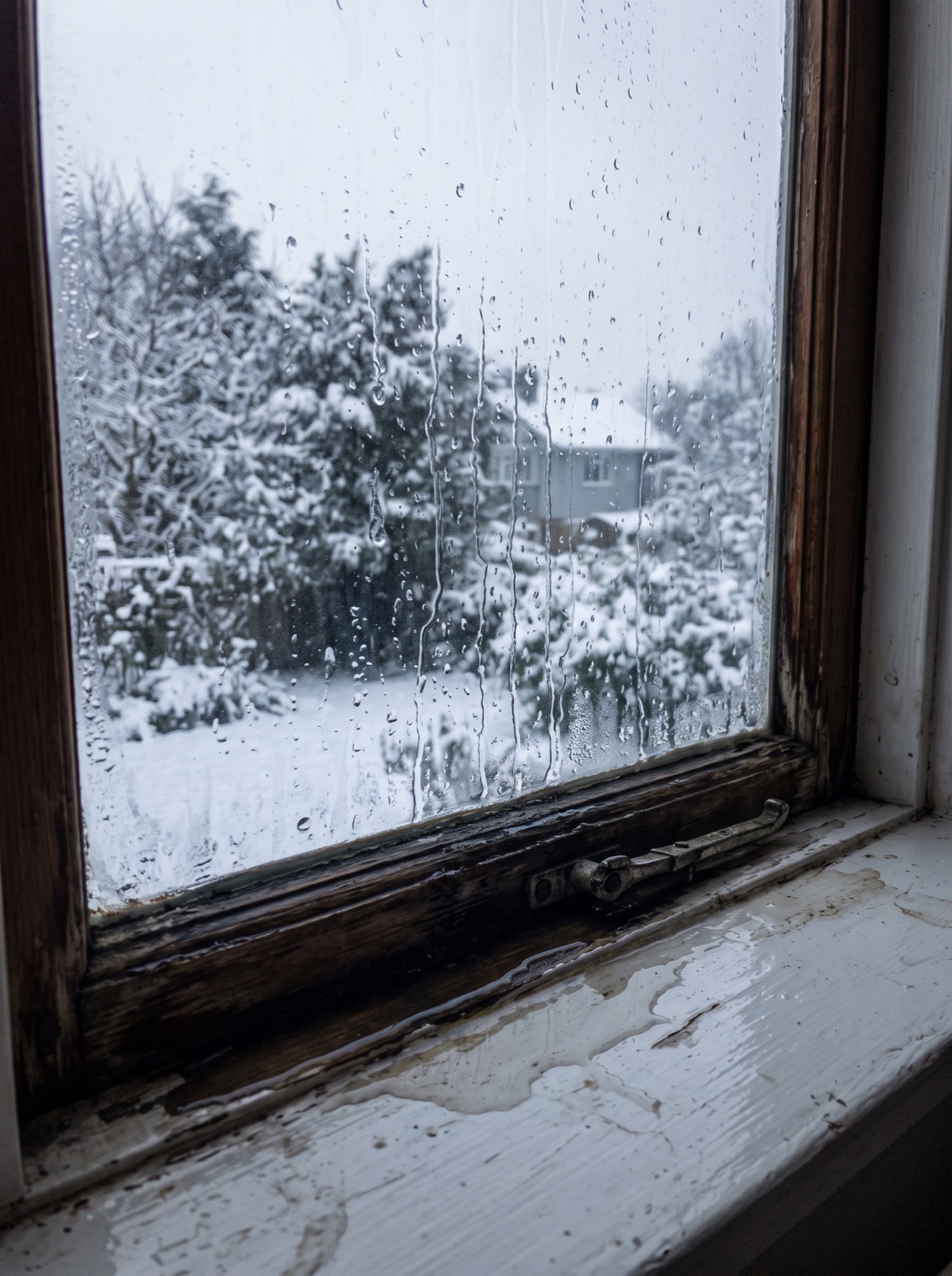
Taking the ice off stops new water. It does nothing about what is already in the insulation, the ceiling and the walls of a Taos home.
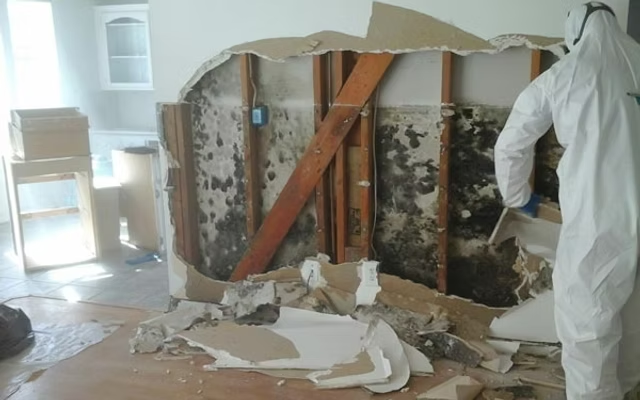
The same company handles the rest: water mitigation and dryout, mold remediation where the water has led to growth, the interior repair, and the roof where the dam damaged it, all documented on one insurance claim.
| Local ice-barrier practice | Extended membrane plus snow retention |
|---|---|
| Pricing model | Billed by the crew hour, rate quoted before dispatch |
| Typical scope | Steam, 8-16 crew hours typical |
| Removal method | Low-pressure steam only. No chipping, salt or pressure washing. |
| Service | Ice dam removal in Taos, NM |
| Coverage area | Taos and Taos County |
| Primary climate stressor | Solar melt on deep pack, shaded eaves |
Neighborhoods and Towns We Reach From Taos
Crews working Taos cover the adjoining communities on the same route — El Prado, Ranchos De Taos, Arroyo Seco, Arroyo Hondo and Carson — so a storm week usually means one truck handling several addresses in Taos County rather than separate trips.
Nearest hub towns with their own crew pages: Taos Ski Valley, Angel Fire, Red River, Espanola, Santa Fe, Los Alamos.
Taos sits inside the regular New Mexico service area, so a crew is usually scheduled the same day or the following morning.
Active leak at an address in Taos? (888) 561-9664 reaches dispatch directly. Interior water moves a job to the front of the day.