



Skip to content
Taos Ski Valley, NM
High-Altitude Solar Melt · Taos County

Ice Dam Removal in Taos Ski Valley, NM — High‑Altitude Response

Ice Dam Now provides emergency ice dam removal, roof snow clearing and water mitigation in Taos Ski Valley, NM and across Taos County. Removal uses low-pressure steam only, never chipping or pressure washing. Crews dispatch same day for active interior leaks, bill by the crew hour at a rate quoted beforehand, and document every job for insurance.

Taos Ski Valley crews dispatched the same day for active leaks
Low-pressure steam — safe on every roof covering
Gutter troughs and downspouts steamed clear
Dated documentation your adjuster will accept

Get Ice Dam Help Taos Ski Valley

A few quick questions, then pick a time. If water is coming in, call instead.

What is the zip code of the home?

Roof leaking right now? Call (888) 561-9664 — that is faster than any form.
Water coming through the ceiling?Every hour an ice dam sits there, more water gets under the shingles.Call (888) 561-9664
Same Day
For Water Already Inside
Steam
Safe On Every Covering
Taos
County Coverage
Insured
Harness-Certified On Every Roof
Written
Scope Before Work Starts
Taos Ski Valley Services

What We Do In Taos Ski Valley

Every service below is dispatched to Taos Ski Valley and the surrounding Taos County addresses.

Emergency
Worker using steam equipment to remove ice dam from snowy roof at night

Ice Dam Removal in Taos Ski Valley

24/7 Emergency Steam

Low-pressure steam melts the dam off the eave in sections until the shingle is clear and water is draining again.

Book Ice Dam Removal in Taos Ski Valley
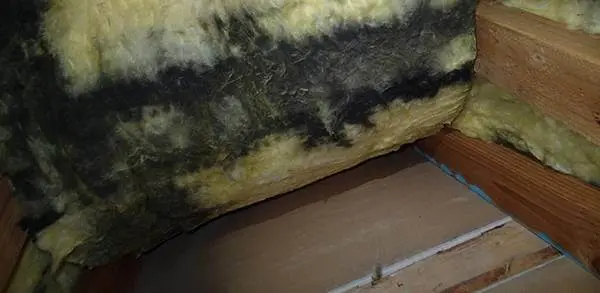
Black mold growth on yellow fiberglass attic insulation from ice dam leak

Mold Remediation in Taos Ski Valley

IICRC S520 Standard

Attic, wall cavity and ceiling mold left behind by ice dam water, removed under containment and cleared before the room is rebuilt.

Book Inspection in Taos Ski Valley
Man using a roof rake to pull heavy snow off house eaves in winter

Roof Snow Removal in Taos Ski Valley

Stops The Next Dam

No snow on the roof means no meltwater, and no meltwater means no new dam.

Request Snow Clearing in Taos Ski Valley
Worker on ladder using steam wand to remove ice dams and icicles from residential roof

Roof Shoveling in Taos Ski Valley

Hand Clearing

Deep pack, dead valleys and dormer pockets, cleared by hand where a rake cannot reach.

Request Hand Shoveling in Taos Ski Valley
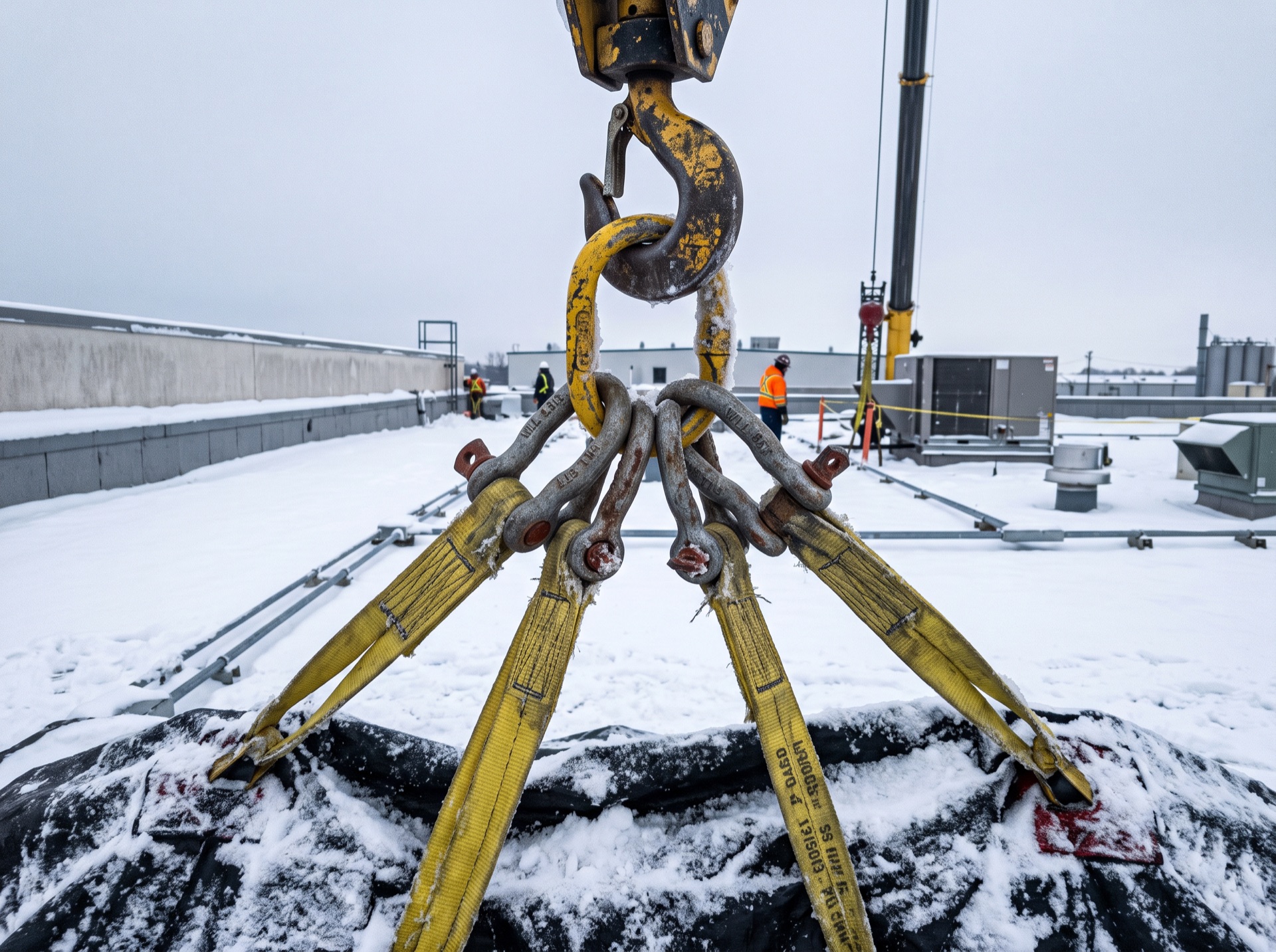
Crane hook with yellow lifting straps and shackles attached to snow-covered tarp on rooftop

Crane-Assisted Snow Removal in Taos Ski Valley

Deep Drifts & Big Roofs

Snow tarps rigged and lifted by boom crane where drifts are too deep and too heavy to move by hand.

Ask About A Crane Pick in Taos Ski Valley
Emergency
technician in Tyvek suit and respirator removing contaminated pink insulation in attic

Water Mitigation & Dryout in Taos Ski Valley

IICRC S500 Standard

Extraction, drying and controlled tear-out to IICRC S500, then the interior repair, so the water that already got in does not become rot and mold by spring.

Start Dryout in Taos Ski Valley
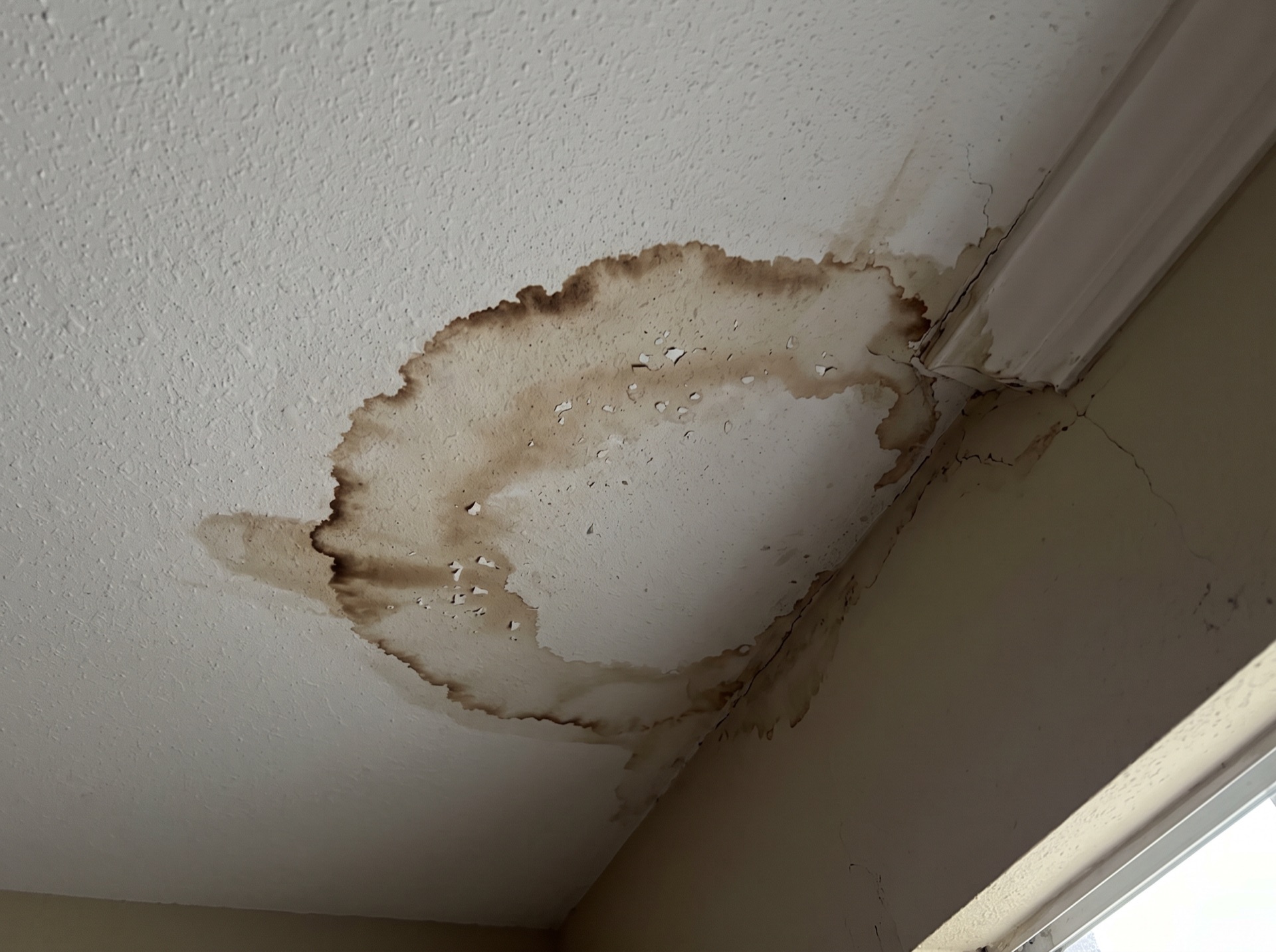
Large brown water stain on white ceiling near wall corner from ice dam

Ice Dam Insurance Claims in Taos Ski Valley

Xactimate Scopes

One claim for the whole event: ice dam removal, water mitigation, mold remediation, interior repair and roof replacement where the storm damaged it, documented in Xactimate line items.

Get Claim Help in Taos Ski Valley
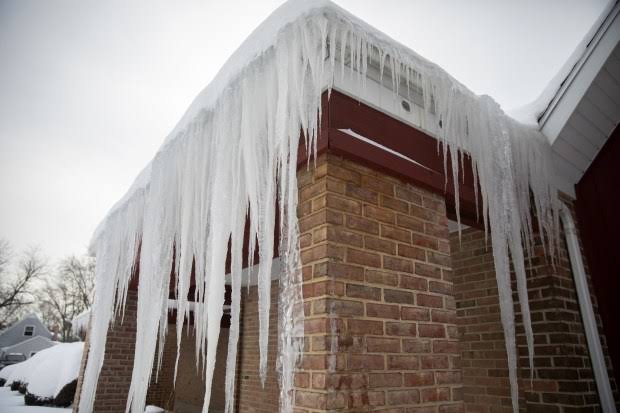
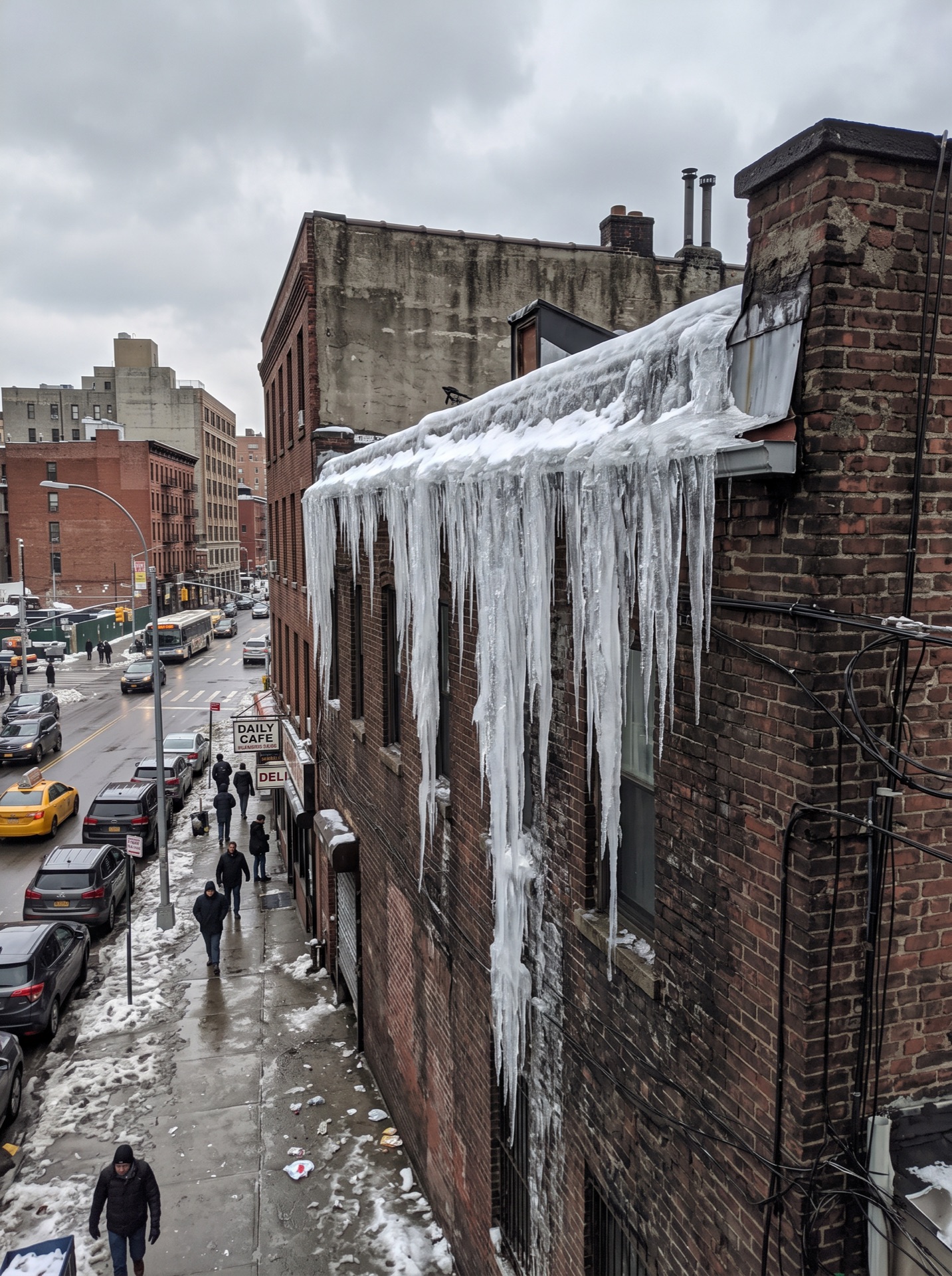
Large icicles hanging from snowy rooftop of brick building on urban New York City street

Commercial Ice Dam Removal in Taos Ski Valley

Flat Roof & Parapet

Membrane-safe steaming for EPDM and TPO decks, frozen parapet scuppers and blocked internal drains.

Book Commercial Steaming in Taos Ski Valley
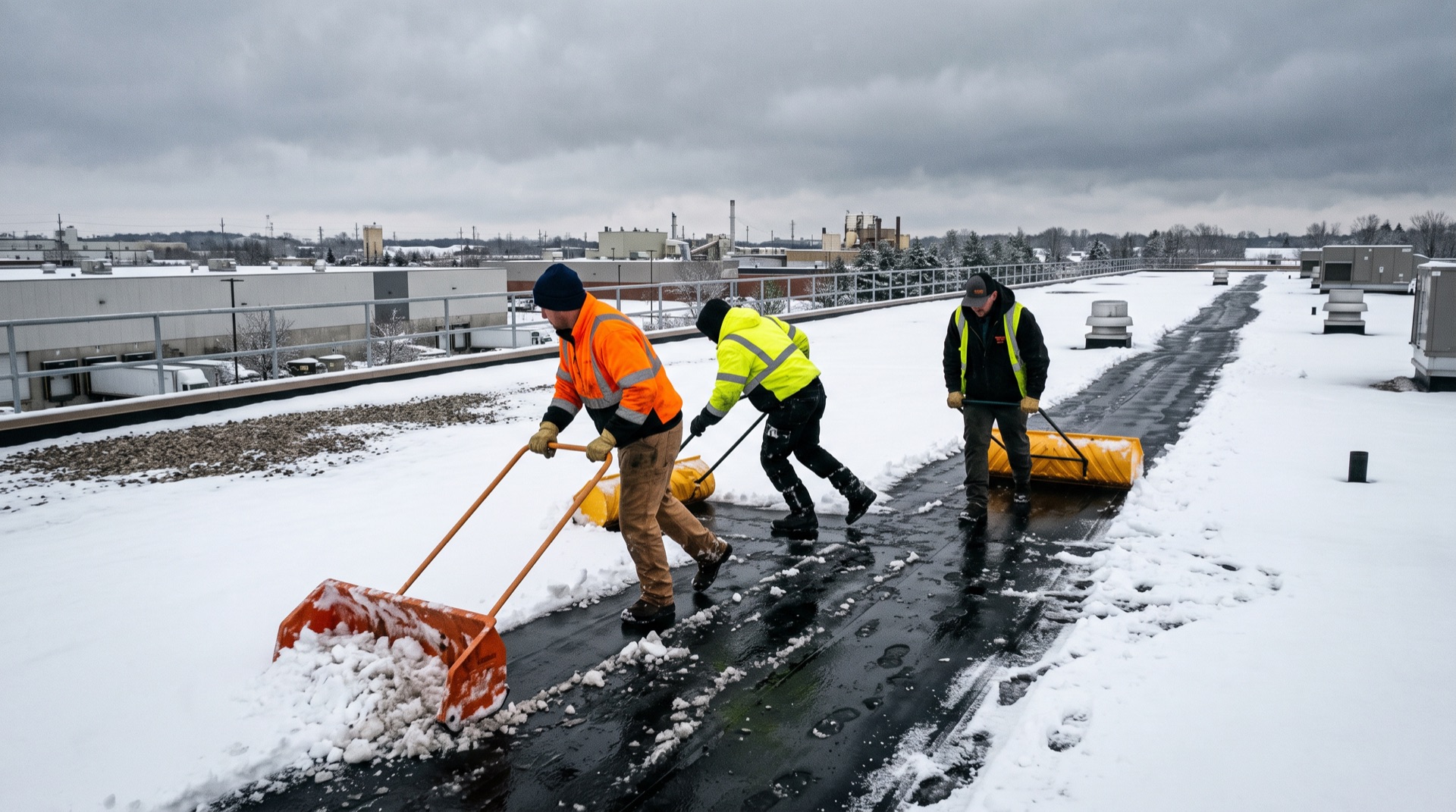
Three workers in high-visibility vests pushing snow off a flat warehouse roof

Commercial Roof Snow Removal in Taos Ski Valley

Structural Snow Load

Scheduled load reduction for warehouses, retail, schools and multi-unit buildings before drift weight becomes a deflection problem.

Schedule Load Reduction in Taos Ski Valley
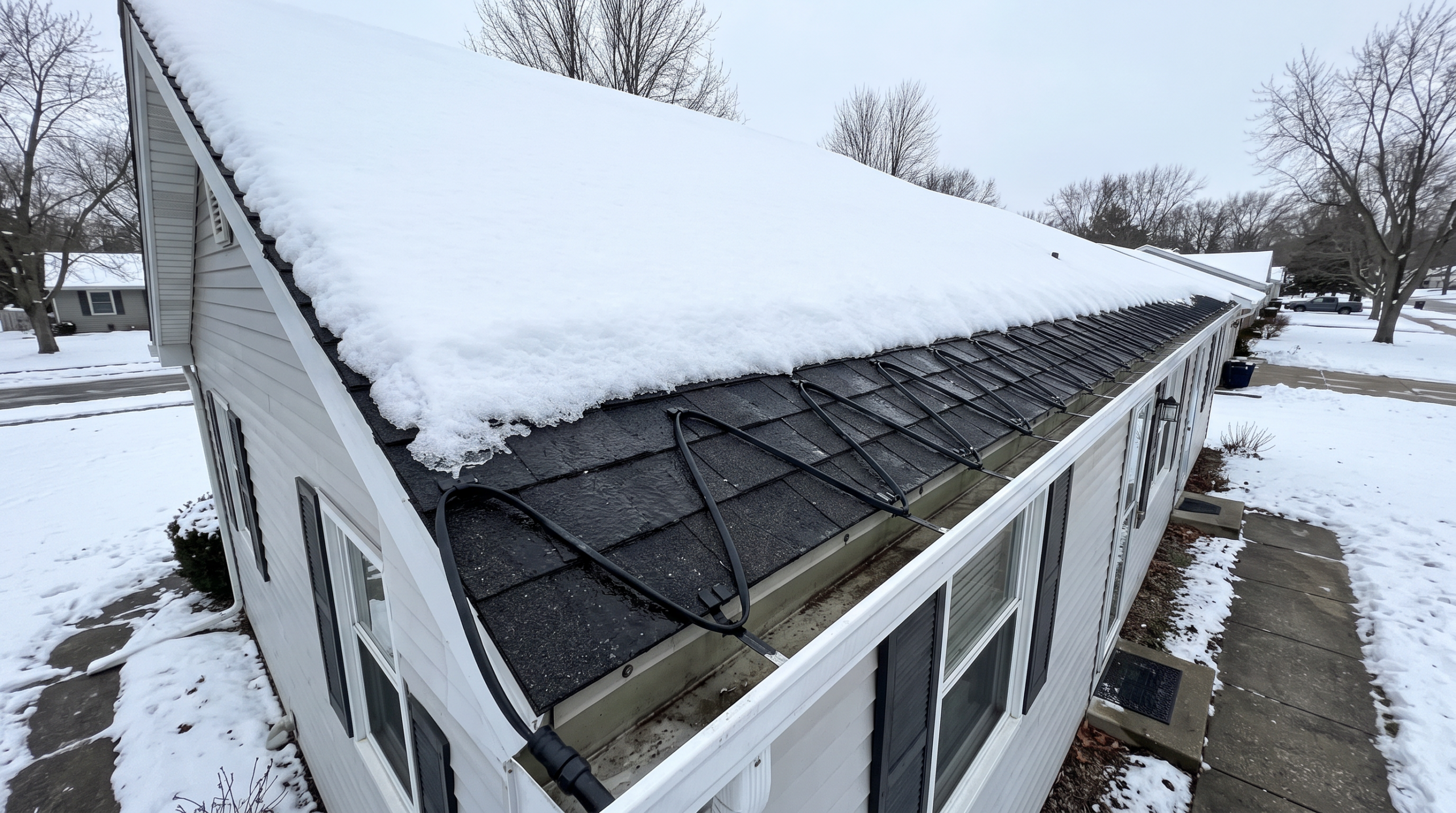
Electric heat cable zigzagging along snowy roof edge for ice dam prevention

Heated Roof & Gutter Cables in Taos Ski Valley

Permanent Prevention

Self-regulating heat trace on the eaves, valleys, gutters and downspouts, so meltwater keeps a path out all winter.

Get A Cable Quote in Taos Ski Valley

Why Taos Ski Valley Roofs Dam Up: Altitude Sun on a Deep Pack

Thin air at altitude means intense direct sun even in deep cold. A Taos Ski Valley roof can be melting on its south face at midday in air that never gets near freezing, and all of that water has to go somewhere.

Diagram showing how ice dams form on a roof from heat loss and snow melt
Heat escaping into the attic melts roof snow; the meltwater refreezes at the cold eave and the dam grows a layer every cycle.

Volume is the other factor. A Taos County roof carrying several feet of pack has an enormous reservoir above an overhang that never sees direct sun, and the supply does not run out until spring.

Ice-barrier practice in Taos County

High-country New Mexico codes typically call for extended ice barrier and, on metal roofing, snow guards above any door, walkway or parking area. Both exist because of what comes off these roofs.

How a Taos Ski Valley Steam Call Runs, Start to Finish

Nothing gets touched until the roof has been walked and photographed. The crew finds every dam, locates where water is getting in, shows you, and gives you the crew-hour rate and a time estimate before the equipment comes off the truck.

Removal then works from the worst point outward, so water starts draining early rather than at the end. Gutters and downspouts frozen solid get steamed through in the same visit — leaving them means the eave dams again within days.

What happens after the ice is off

Once the eave is clear and water is draining, the crew walks the interior with you where there is visible damage and says plainly whether it needs drying. Wet insulation and a damp ceiling cavity do not resolve themselves in a cold Taos Ski Valley February.

If it does, that is a separate scope and it gets written separately — nobody is upsold a dryout on the strength of one damp patch.

Access, ladders and what the crew needs on site

Steam equipment needs somewhere to park within hose reach, and ladders need footing that is not a buried flower bed or a sheet of ice. Clearing a path to the affected eave, moving vehicles off the driveway and unlocking a side gate takes ten minutes and saves considerably more than that on the clock.

Where the only access is through a neighbor's property, that conversation is worth having before the crew is in the street rather than while it waits.

What gets photographed, and why it matters later

Before the lance comes out, the crew shoots the dam from the ground and from the roof, the icicle line, any staining visible inside, and the specific courses where water is tracking under the shingles. Timestamps are on every frame.

That record is the whole case if a claim follows. An adjuster arriving in March sees a dry roof and a stained ceiling; the photographs are what connect the two, and they are what a maintenance-exclusion denial runs into.

Ice dam removal in Taos Ski Valley, NM — specification
Service specification for Taos Ski Valley, NM
DocumentationDated before and after photos, written scope in Xactimate line items
Coverage areaTaos Ski Valley and Taos County
Dispatch window24 to 48 hours in mountain terrain
Typical scopeSteam, 8-16 crew hours typical
Primary climate stressorSolar melt on deep pack, shaded eaves
Local ice-barrier practiceExtended membrane plus snow retention
ServiceIce dam removal in Taos Ski Valley, NM

Neighborhoods and Towns We Reach From Taos Ski Valley

Crews working Taos Ski Valley cover the adjoining communities on the same route — Valdez, Arroyo Seco, Arroyo Hondo, San Cristobal and Eagle Nest — so a storm week usually means one truck handling several addresses in Taos County rather than separate trips.

Nearest hub towns with their own crew pages: Red River, Angel Fire, Taos, Espanola, Los Alamos, Santa Fe.

Crews cover Taos Ski Valley and the surrounding Taos County towns through the whole season, and during a freeze event they run from first light until dark.

Active leak at an address in Taos Ski Valley? (888) 561-9664 reaches dispatch directly. Interior water moves a job to the front of the day.
Nearby

Hub Towns Around Taos Ski Valley

Crews run these on the same route, so a storm week usually means one truck covering several of them.

All New Mexico Locations
Conditions We Work In

What We Find On Taos Ski Valley Roofs

Every job is photographed before and after. These are the conditions crews work in across Taos County.

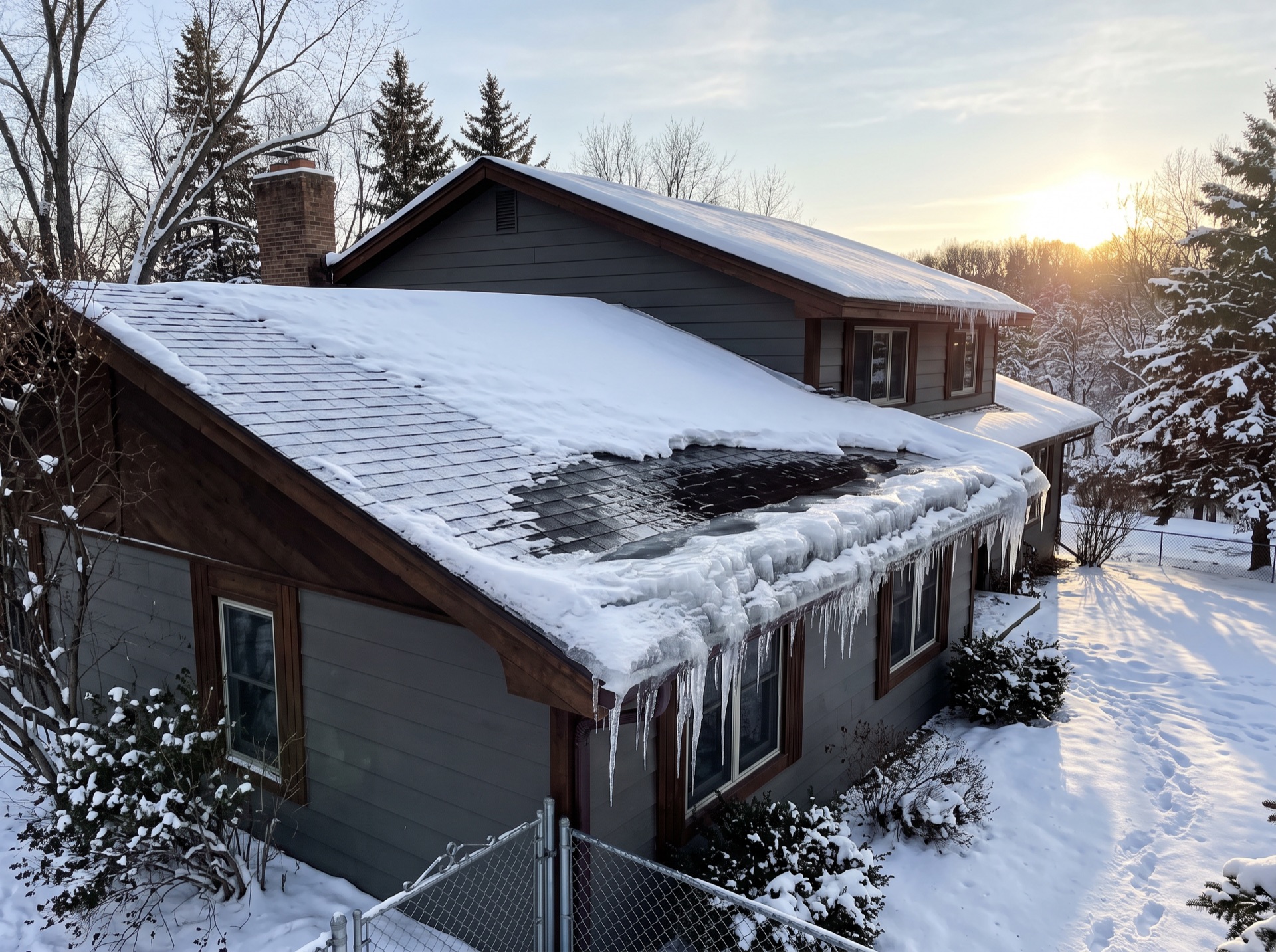
Large ice dam with icicles and water pooling on snowy residential roof
A severe ice dam has formed along the eave, with water pooling behind the ridge and large icicles hanging below.
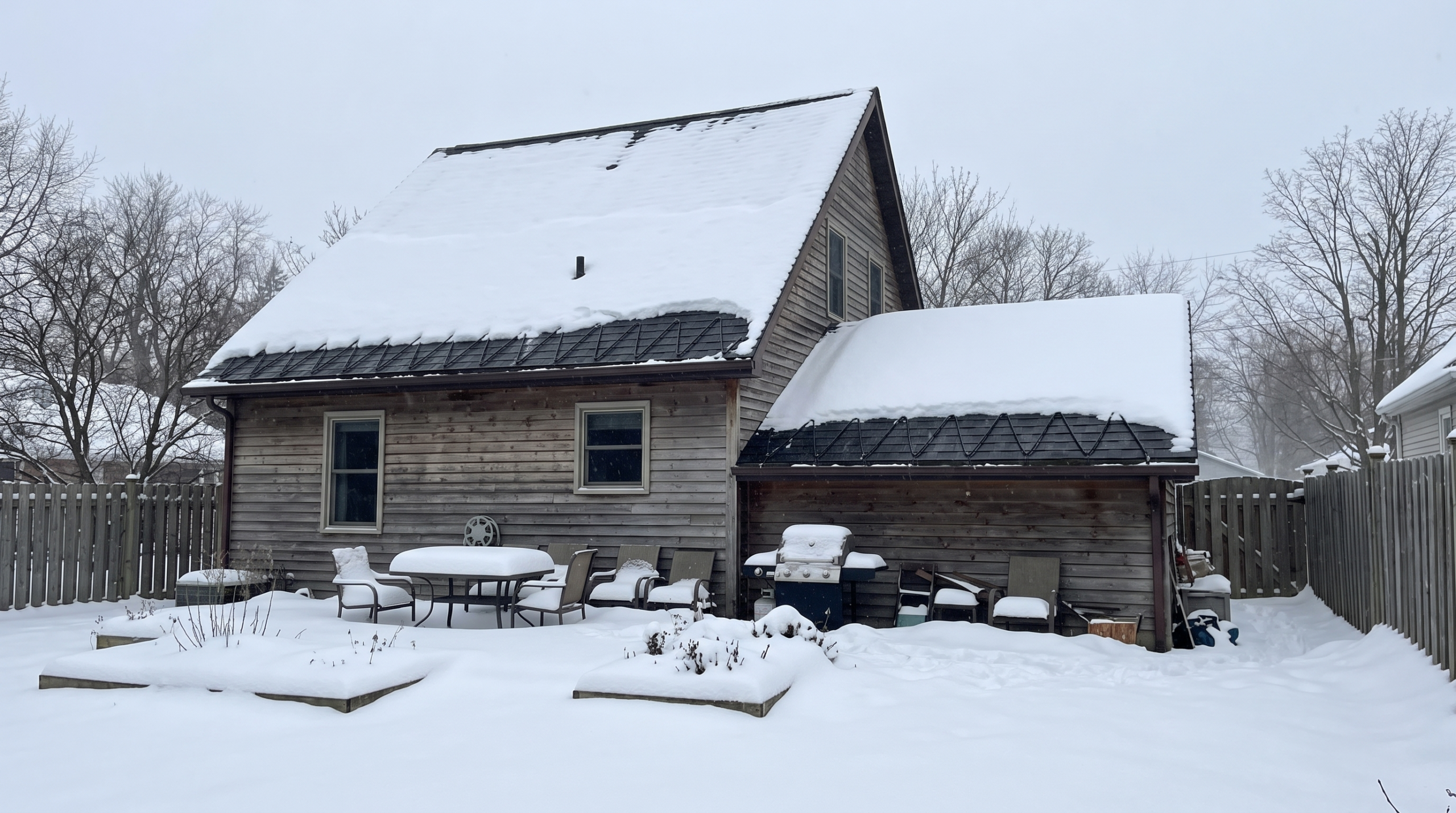
Snow-covered gable roof home with heat cables preventing ice dams in winter backyard
Heated roof cables keep this Great Lakes home's gable roof free of damaging ice dams after a heavy snowfall.
Large icicles and ice dam buildup along the edge of a brick home roof
Massive icicles hang from a heavy ice dam accumulated along the eave of a brick house after winter snowfall.
Worker on ladder using steam wand to remove ice dam from snowy roof
Method

Steam, Never A Hammer

Low-pressure steam removes ice with heat rather than force, so granules, seal strips and flashing come through untouched. It is the only method crews use on a roof in Taos Ski Valley.

FAQ

Taos Ski Valley Questions We Actually Get Asked

Because ice dams are made by heat loss, and two houses on the same street rarely leak heat the same way.

  • Attic air leaks around can lights, bath fans and the attic hatch are the usual source.
  • Crushed or missing soffit baffles stop the intake ventilation that would otherwise keep the deck cold.
  • An addition or dormer built over unheated space puts warm air right against a cold eave.
  • Local factor: altitude sun on deep pack makes the difference show up faster here than it would further south.

Usually. The equipment needs a water supply and a place to park within hose reach, which is normally achievable even on a tight lot.

  • Hose runs of a few hundred feet are routine.
  • Street parking in a Taos County residential area is generally workable.
  • Tell dispatch about access on the call so the right setup arrives.

Material coming off a roof has to land somewhere, so drop zones are chosen before anything starts.

  • Shrubs, condensers, railings and low porch roofs get identified and worked around.
  • Walkways and the driveway are cleared again before the crew leaves.
  • On a tight Taos Ski Valley lot material sometimes has to be carried out, which is said in the quote.

No, but there is a worse one: after the thaw, when the evidence has melted and the damage is all that is left.

  • Mid-storm calls are fine — crews work through freeze events.
  • An evening call for a leak that started that afternoon usually gets a next-morning slot.
  • Waiting for a weekend to pass is the most common and most expensive delay.
Same-Day Response

Get A Taos Ski Valley Crew Out

Every freeze-thaw cycle adds another layer to the dam and pushes a little more water under the shingles. That clock is already running.

✓ Licensed & insured✓ Low-pressure steam only✓ Rate quoted up front✓ Photos for your claim
Online Quote(888) 561-9664