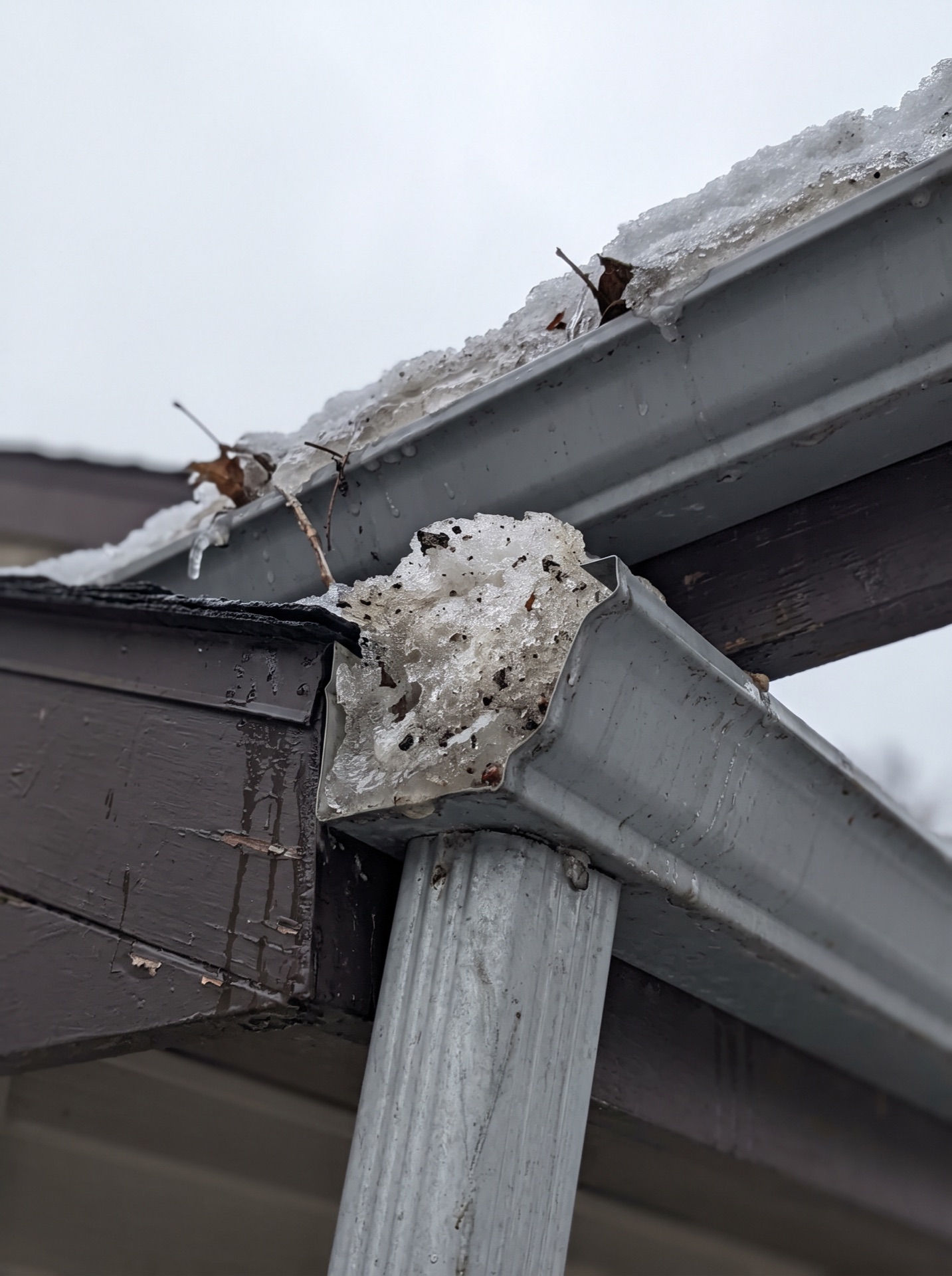
A Lakewood roof can look fine from the driveway and still be backing water under the shingles at the eave, where nobody can see it. As part of our complete Lakewood winter roof services, crews handle mold remediation across Ocean County.
Why Lakewood Roofs Dam Up: Nor'easter Load and the Maritime Swing
Coastal storms deliver the heaviest snow by weight. A single nor'easter can put a wet, dense pack on a roof in Lakewood in one night, and the maritime air that follows rarely stays on one side of freezing for long.

Retrofits often made it worse rather than better. Insulation laid on an attic floor without sealing the bypasses underneath it keeps the living space warm and sends the same warm air straight to the roof deck.
Ice-barrier practice in Ocean County
Most Ocean County towns require self-adhering ice barrier at the eaves on a re-roof permit. In a historic district there may be additional review on materials, which is worth checking before work is scheduled.
Mold Remediation in Lakewood: How The Work Runs
Why drying comes before rebuilding
Closing up a wall or ceiling over damp framing is how mold comes back. Air movers and dehumidifiers run until moisture readings on the framing and sheathing reach a dry standard for that material. Mold in the Attic After an Ice Dam.
Only then does insulation and drywall go back in. In a Lakewood winter, with cold cavities, that can take longer than people expect, and the daily readings show exactly where it is up to.
Attic mold: the sheathing, the rafters and the insulation
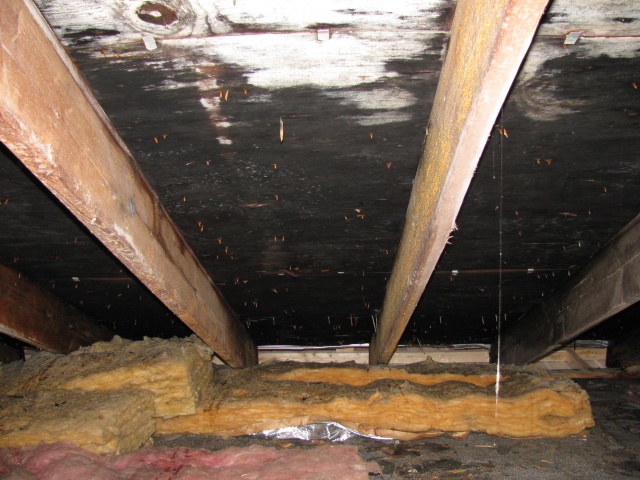
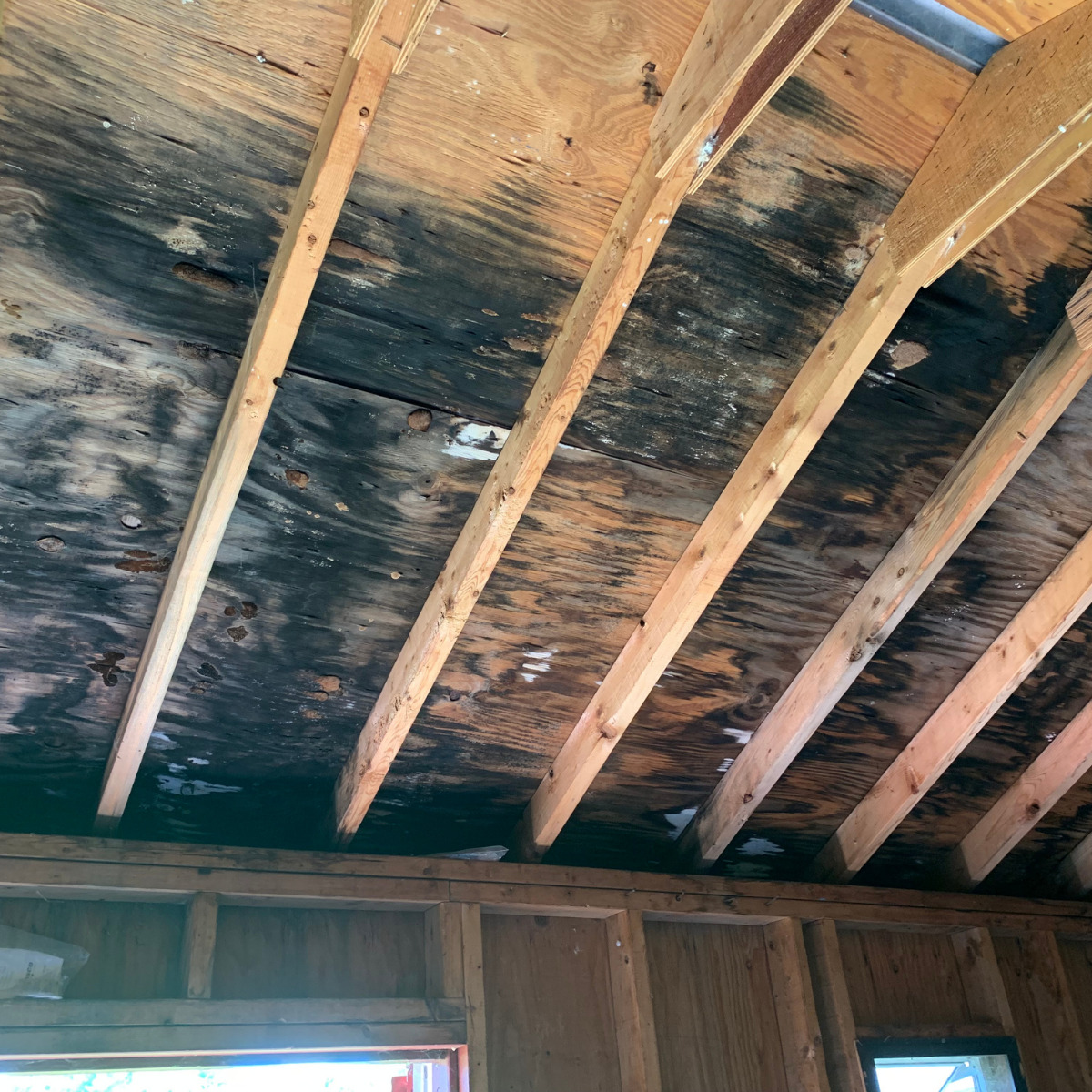
Most ice dam mold is in the attic. Meltwater backs up under the shingles at the eave, wets the roof deck from above, and runs down onto the insulation. Black spotting on the underside of the OSB or plywood along the eave line, darkened rafters and matted, stained insulation are the signs.
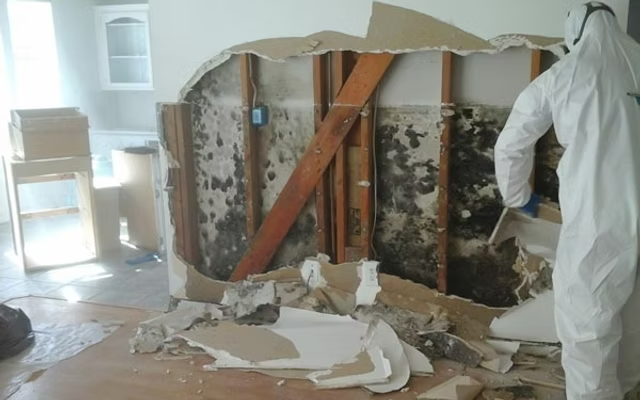
Wet insulation comes out and is bagged inside the containment. Affected sheathing and framing are HEPA vacuumed, cleaned and treated, or cut out and replaced where the wood has lost strength. Then the attic is dried to a measured number before anything goes back in.
Mold coverage and the sublimit
Where mold is the result of a covered water loss, many policies cover remediation, but often under a separate, smaller limit than the rest of the claim. Knowing that number before work starts matters, because it changes how the scope is written.
The water mitigation, the interior repair and the roof work generally sit under the dwelling coverage, while the mold-specific line items sit under the sublimit. Scoping them separately keeps the mold cap from swallowing the rest of the claim.
Interior repair by the same crews
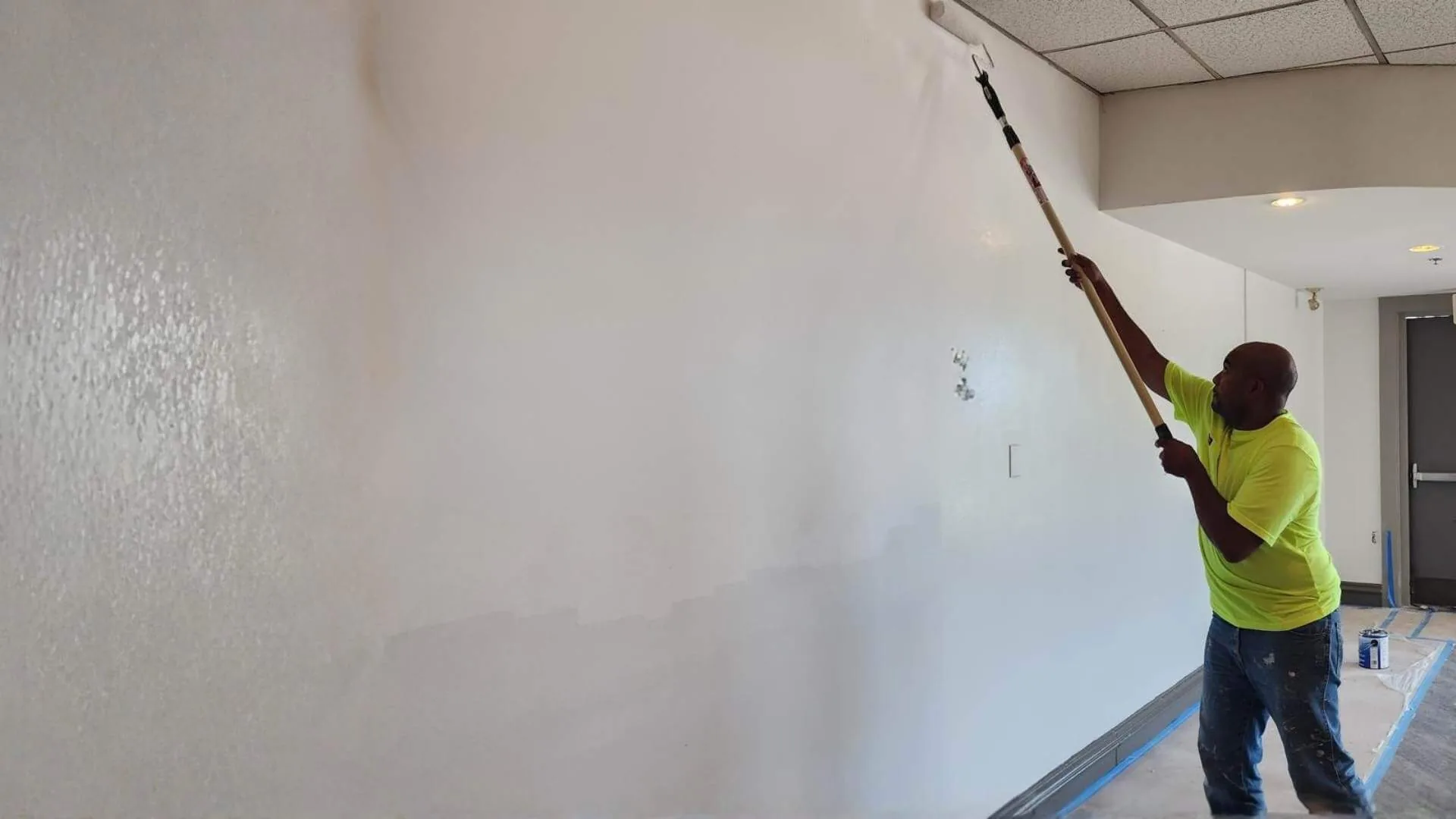
Once the readings are at standard, the rebuild starts: new insulation to current R-value, drywall, tape, texture matched to the existing ceiling, trim and paint.
Doing the repair in-house keeps it in one scope and one claim, avoids the gap where a cleared room sits open waiting for another contractor, and keeps the documentation continuous from the first photo to the last coat of paint.
What comes out and what gets cleaned
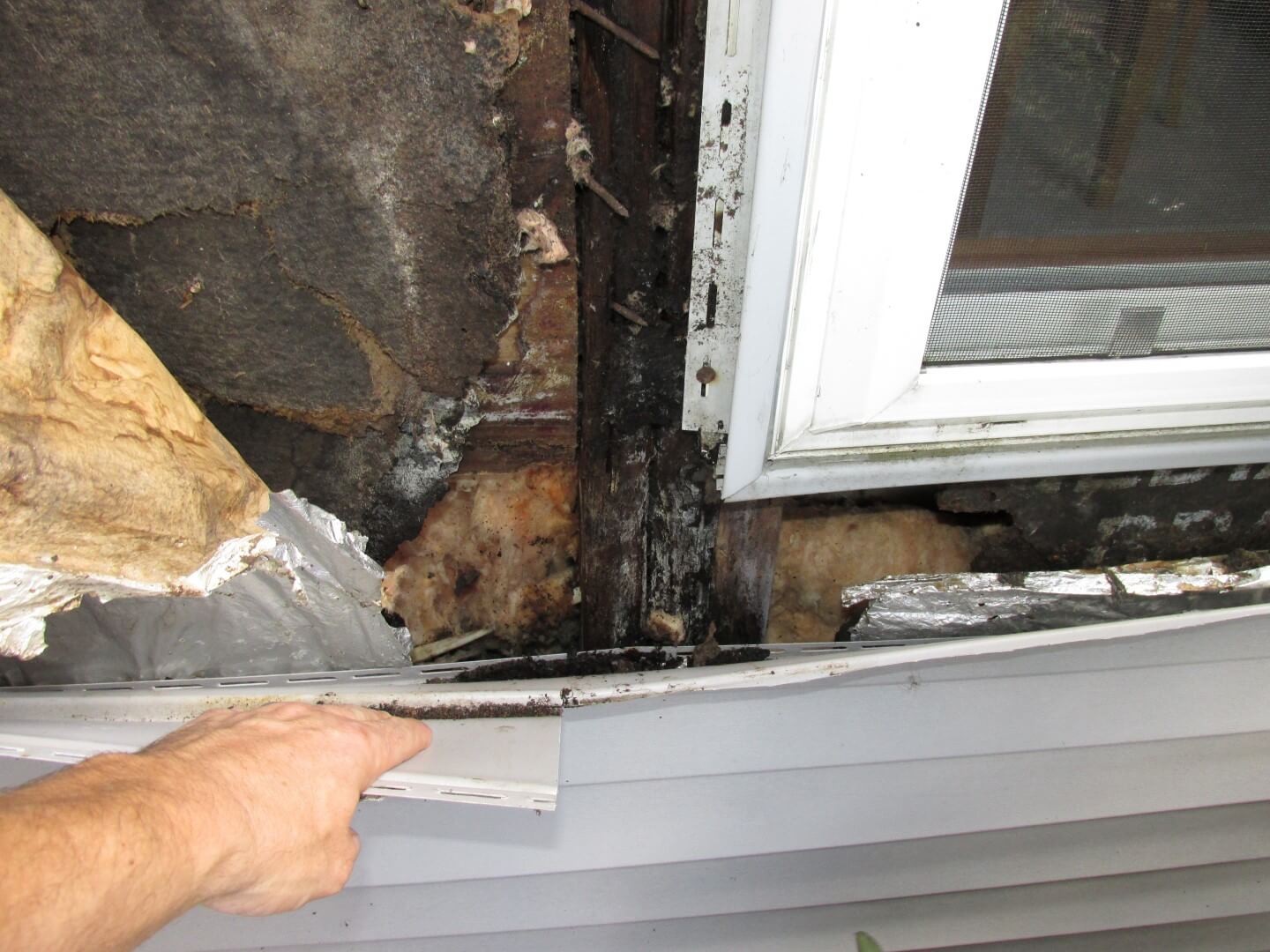
Porous material that has grown mold, such as wet insulation, drywall paper and ceiling tile, cannot be reliably cleaned, so it comes out, bagged inside the containment.
Structural wood is different. Rafters, joists and sheathing with surface growth are HEPA vacuumed, cleaned and treated. Where the wood has gone soft or lost strength from repeated wetting, it gets cut out and replaced.
What you get in Lakewood
- Dried and documentedMoisture readings to a dry standard before any rebuild starts
- Containment firstPoly barriers and negative air so spores stay in the work area
- Interior repair in-houseInsulation, drywall, texture, trim and paint put back by the same crews
| Primary climate stressor | Nor'easters, rapid thaw-freeze swing |
|---|---|
| Coverage area | Lakewood and Ocean County |
| Interior repair | Insulation, drywall, texture, trim and paint, done in-house after drying |
| Dispatch window | Same day to 24 hours |
| Billing | Xactimate line items on one claim; carrier billed directly where the policy allows |
| Method | Containment, HEPA filtration and drying to a measured IICRC standard |
| Documentation | Dated before and after photos, written scope in Xactimate line items |
Neighborhoods and Towns We Reach From Lakewood
Crews working Lakewood cover the adjoining communities on the same route — Howell, Jackson, Lakehurst, Allenwood and Point Pleasant Beach — so a storm week usually means one truck handling several addresses in Ocean County rather than separate trips.
Nearest hub towns with their own mold remediation pages: Brick, Toms River, Middletown, Old Bridge, Hamilton, Sayreville.
Scheduling for Lakewood tightens up during a freeze event, which is exactly when the phone beats the form. Water coming in means a call, not an email.
Most jobs do not stop at one service. Mold Remediation in Lakewood often runs alongside water mitigation & dryout in Lakewood, and both get written into one scope rather than billed as separate visits.
Active leak right now? Our 24/7 Lakewood steam ice dam removal crews are dispatched first during a freeze event. Call (888) 561-9664.